
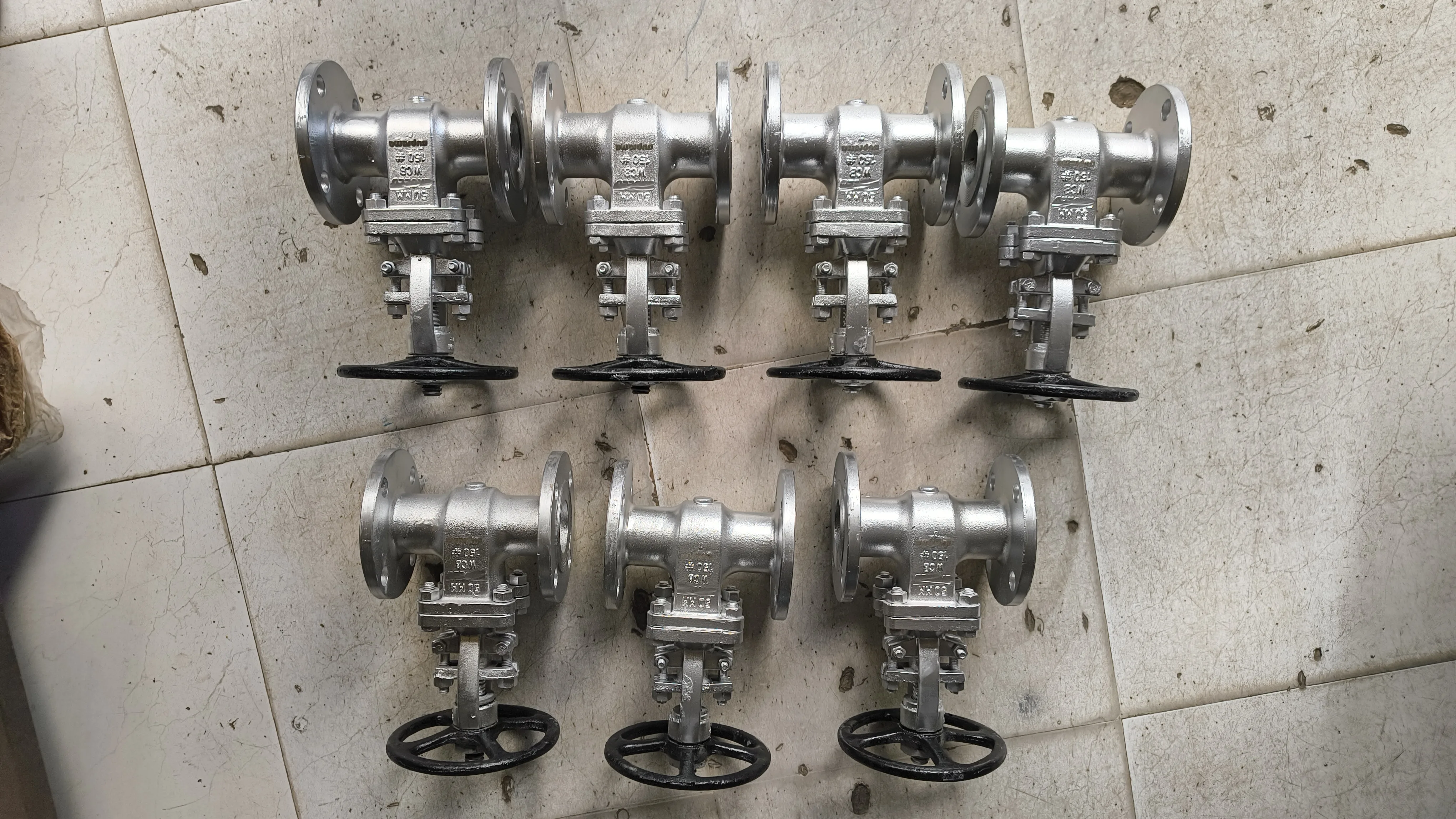
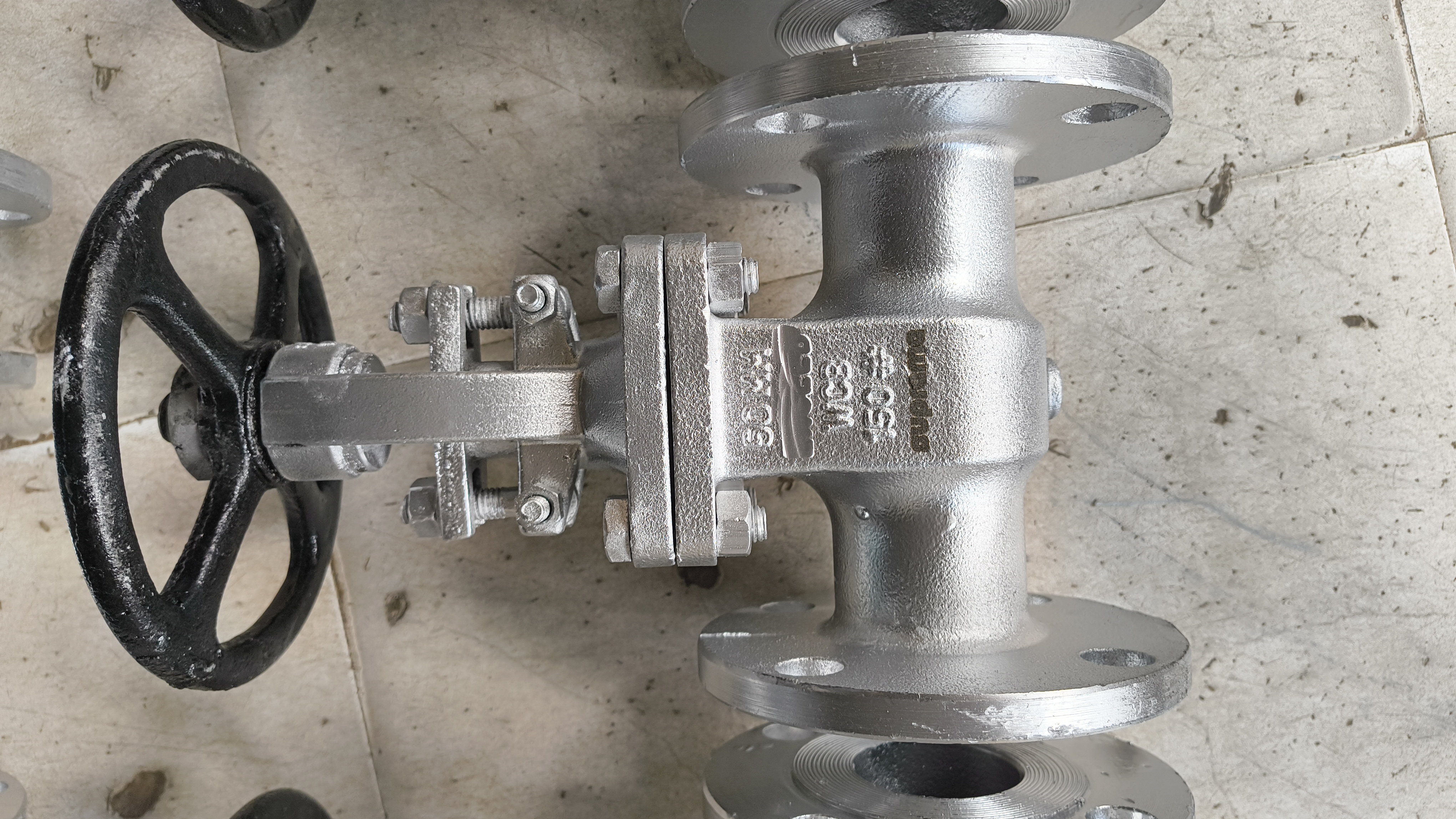
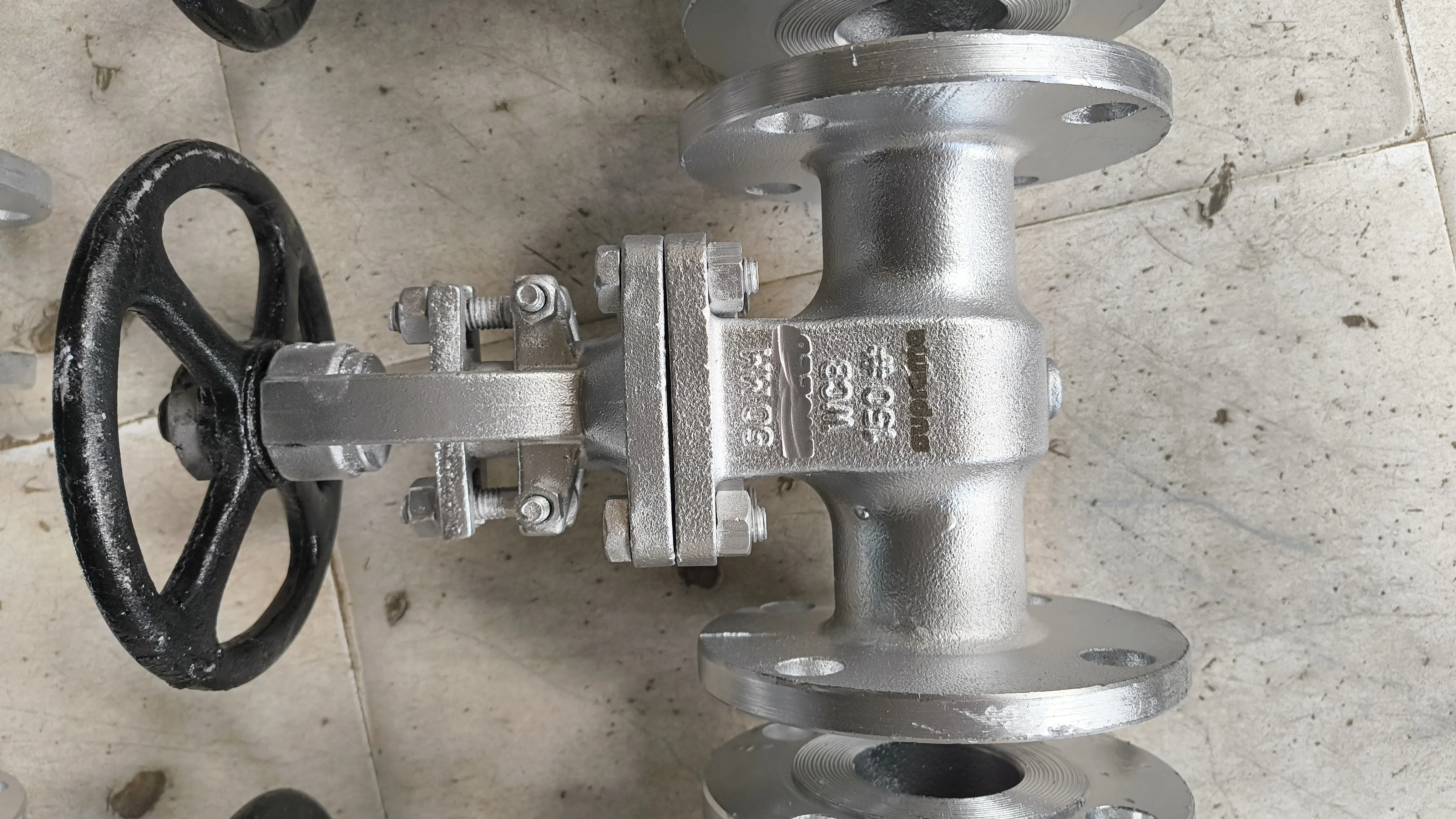
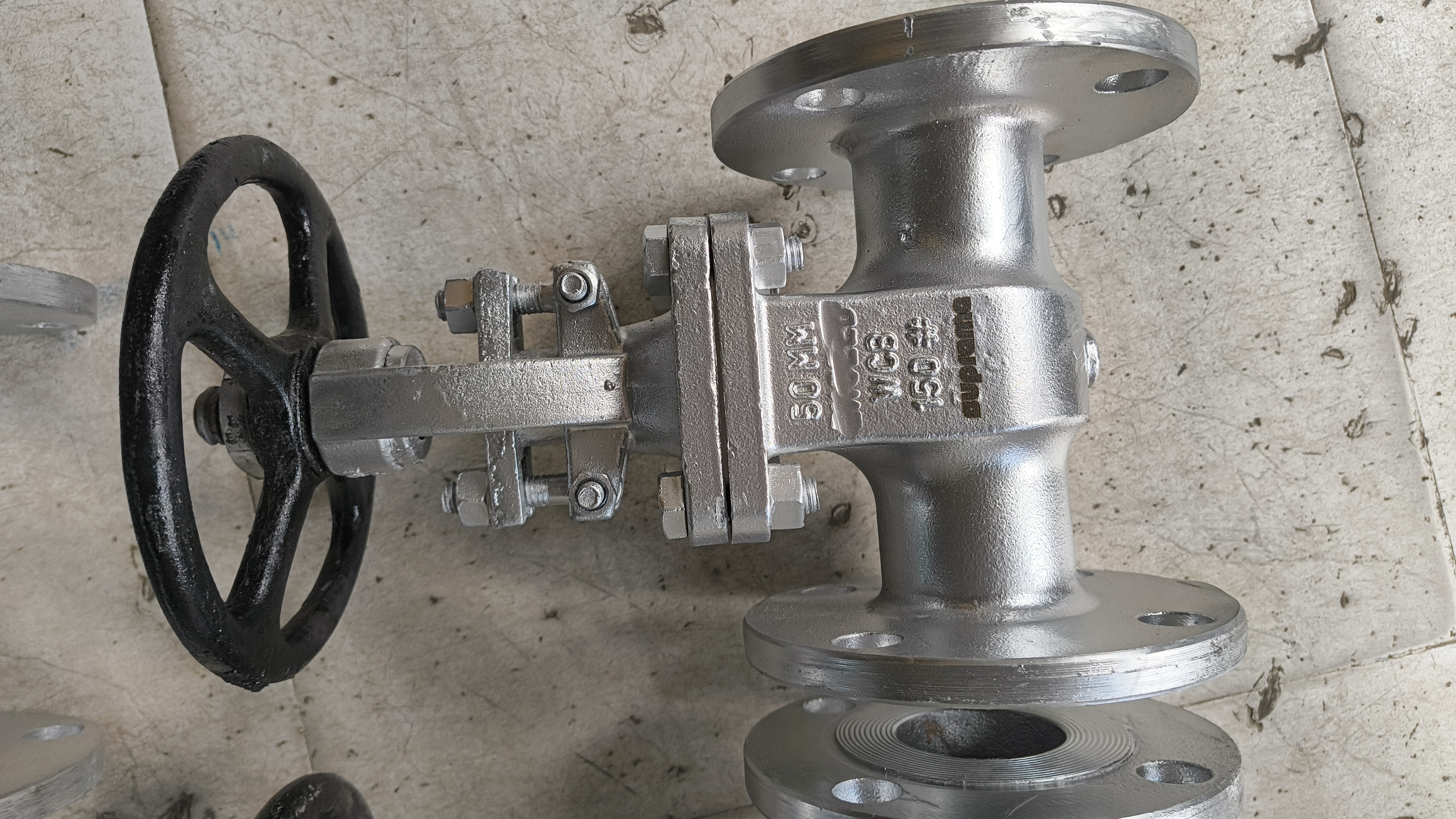
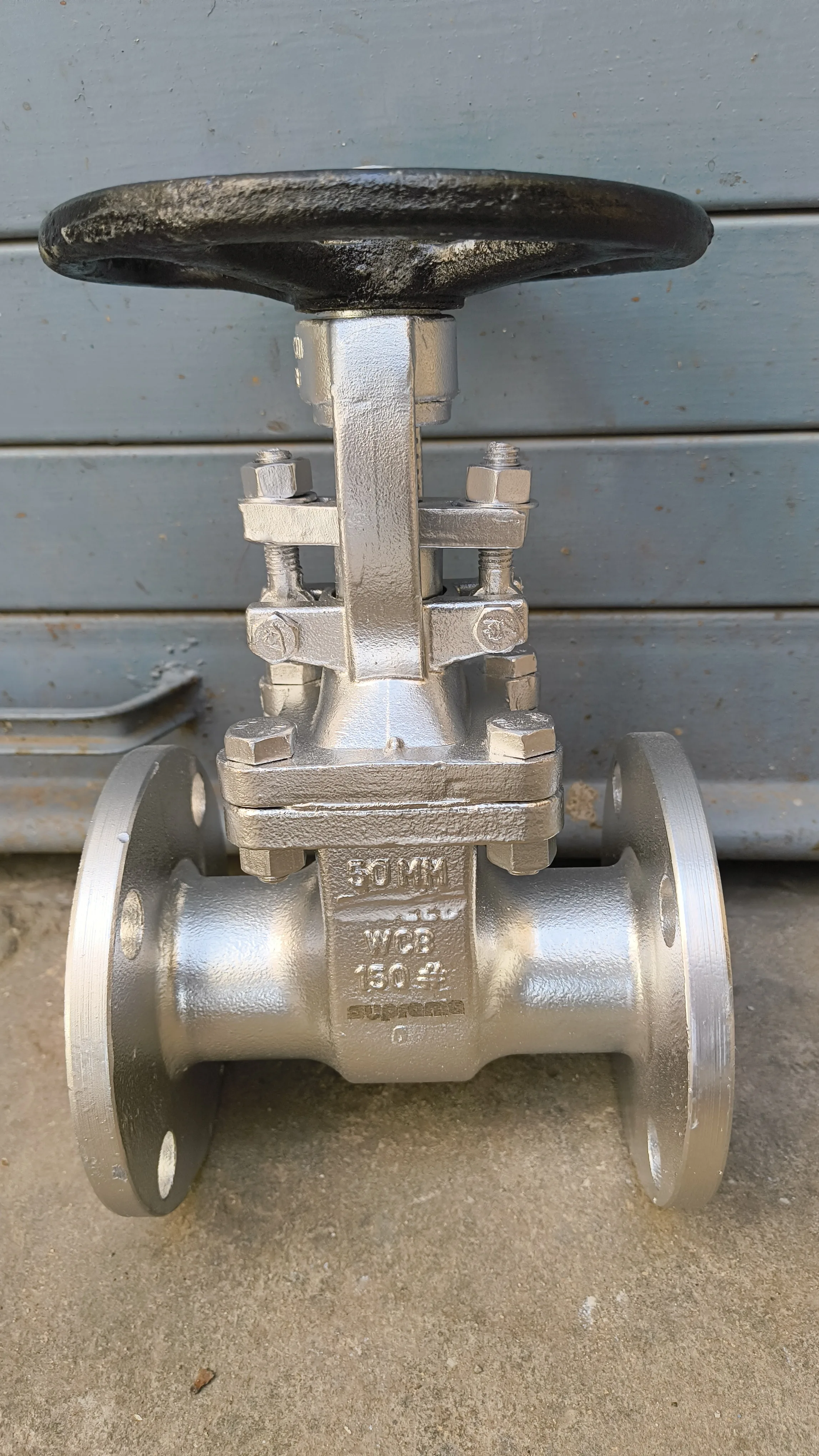
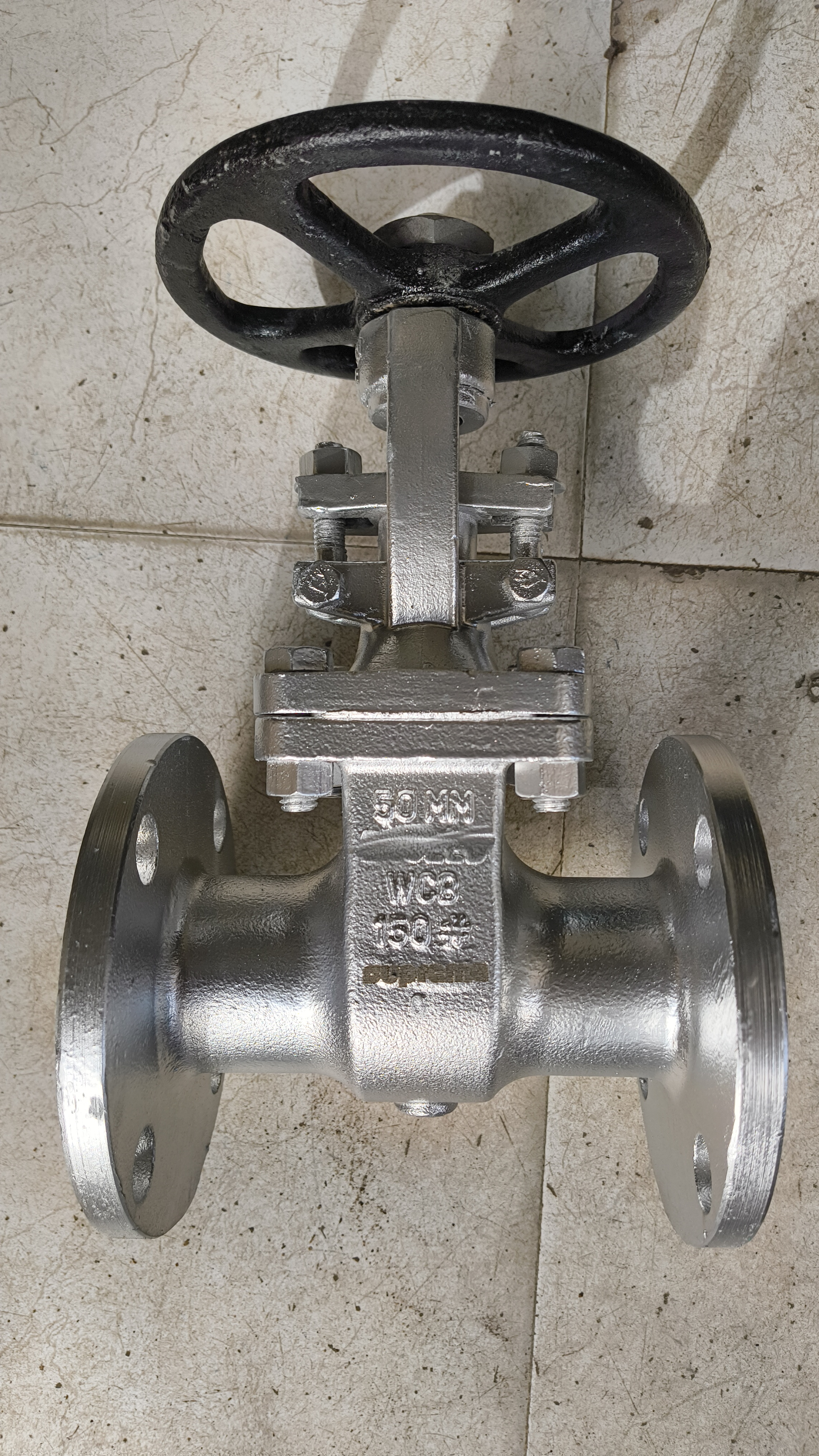
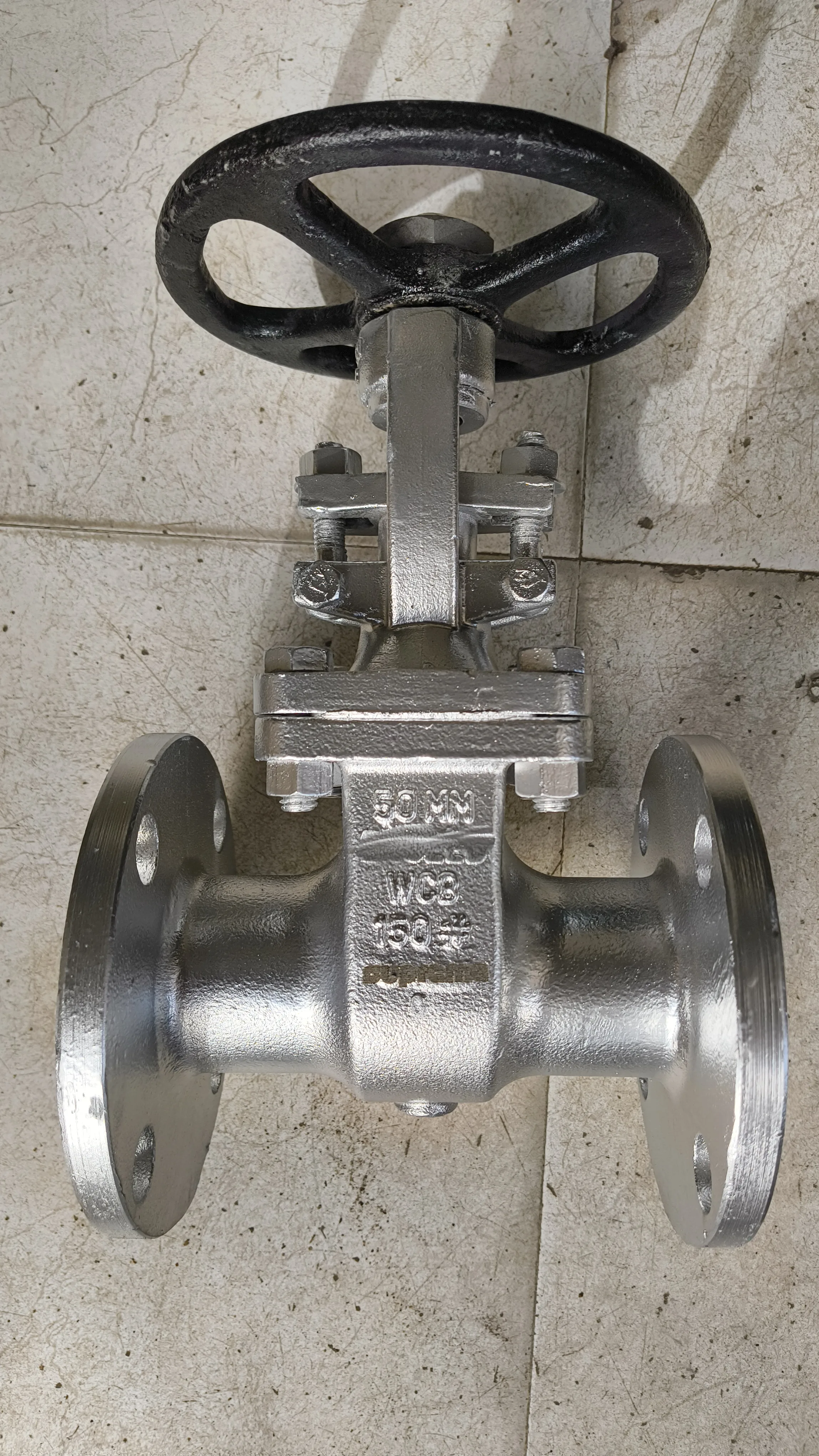
Supreme Valves Bronze
Supreme Valves Industrial Valves

Supreme Valves Bronze "Y' TYPE STRAINER

Supreme Valves Cast Steel'Y' TYPE STRAINER Flanged Ends to B S 10 Table 'J'With Perforated Stainless Steel (AISI 304) Sheet Screen

Key Applications

WaterSteam.
Request Enquiry WhatsApp Download Datasheet

Frequently Asked Questions

What is a bronze Y-type strainer and where is it used?

A bronze Y-type strainer is a plumbing valve fitting with a Y-shaped body containing a perforated screen that removes debris, sediment, and particles from water, steam, oil, and air lines. The strainer protects downstream equipment like pumps, meters, and heat exchangers from damage. Bronze construction (ASTM B62 C83600) provides excellent resistance to dezincification in freshwater and is widely used in HVAC, fire protection, and industrial water systems. Supreme Valves exports bronze Y-strainers to Saudi Arabia, UAE, and Qatar for commercial building and industrial plant applications.

How do I select the correct screen perforation for a Y-strainer?

Screen perforation selection depends on the downstream equipment sensitivity and the fluid being filtered. Standard perforations: 1.0mm for general water service protecting pumps and valves, 0.8mm for instrument air lines, 0.5mm for meter protection, and 0.2mm for fine filtration. The screen open area should be at least 3x the pipe cross-section to minimize pressure drop. For temporary startup conditions, a blowdown port allows quick cleaning without removing the strainer from the line. Mesh-lined strainers (40 mesh = 0.4mm) are available for steam service where finer filtration is required.

Can a Y-strainer be installed in both horizontal and vertical orientations?

Yes, bronze Y-strainers can be installed in horizontal or vertical orientations, but the screen blowdown port must always point downward (for horizontal) or in the flow direction (for vertical) to ensure complete drainage and debris collection. For vertical upward flow installations, a baffle plate inside the body helps distribute flow evenly across the screen. Flow direction arrows are stamped on the body. For steam lines, horizontal installation with the blowdown port at the bottom is preferred to ensure condensate drainage.

What is the pressure drop across a Y-strainer?

Clean screen pressure drop across a Y-strainer is typically 0.1-0.5 PSI at normal flow velocities (3-6 ft/s for water). The large screen area of properly designed Y-strainers keeps pressure loss low. As debris accumulates, pressure drop increases, signaling the need for screen cleaning. Installing pressure gauges upstream and downstream of the strainer allows operators to monitor the differential pressure. A 1 PSI increase across the strainer screen is a common cleaning trigger in industrial installations.

What are the common materials for Y-strainer bodies and screens?

Common body materials: Bronze (C83600/C84400) for water and mild service, Cast Iron (ASTM A126) for low-pressure water, Ductile Iron (ASTM A395) for higher pressure, Carbon Steel (ASTM A216 WCB) for steam and oil, and Stainless Steel (CF8/CF8M) for corrosive media. Screen materials: SS304 for general service, SS316 for caustic and acidic conditions, Monel for seawater service. Screen mesh linings (40-100 mesh) provide finer filtration in the same body size.

How often should the strainer screen be inspected and cleaned?

Screen inspection frequency depends on system conditions: new installations should have the screen checked within 24-72 hours of startup to remove construction debris, then weekly for the first month. Established systems benefit from monthly visual inspections. A differential pressure gauge across the strainer (read during normal operation) is the most reliable indicator - a 5-10 PSI differential above normal indicates screen blockage. Never run a system with a blocked strainer screen as excessive pressure can rupture the screen or damage downstream equipment.

Frequently Asked Questions

What is a bronze Y-type strainer and where is it used?

A bronze Y-type strainer is a plumbing valve fitting with a Y-shaped body containing a perforated screen that removes debris, sediment, and particles from water, steam, oil, and air lines. The strainer protects downstream equipment like pumps, meters, and heat exchangers from damage. Bronze construction (ASTM B62 C83600) provides excellent resistance to dezincification in freshwater and is widely used in HVAC, fire protection, and industrial water systems. Supreme Valves exports bronze Y-strainers to Saudi Arabia, UAE, and Qatar for commercial building and industrial plant applications.

How do I select the correct screen perforation for a Y-strainer?

Screen perforation selection depends on the downstream equipment sensitivity and the fluid being filtered. Standard perforations: 1.0mm for general water service protecting pumps and valves, 0.8mm for instrument air lines, 0.5mm for meter protection, and 0.2mm for fine filtration. The screen open area should be at least 3x the pipe cross-section to minimize pressure drop. For temporary startup conditions, a blowdown port allows quick cleaning without removing the strainer from the line. Mesh-lined strainers (40 mesh = 0.4mm) are available for steam service where finer filtration is required.

Can a Y-strainer be installed in both horizontal and vertical orientations?

Yes, bronze Y-strainers can be installed in horizontal or vertical orientations, but the screen blowdown port must always point downward (for horizontal) or in the flow direction (for vertical) to ensure complete drainage and debris collection. For vertical upward flow installations, a baffle plate inside the body helps distribute flow evenly across the screen. Flow direction arrows are stamped on the body. For steam lines, horizontal installation with the blowdown port at the bottom is preferred to ensure condensate drainage.

What is the pressure drop across a Y-strainer?

Clean screen pressure drop across a Y-strainer is typically 0.1-0.5 PSI at normal flow velocities (3-6 ft/s for water). The large screen area of properly designed Y-strainers keeps pressure loss low. As debris accumulates, pressure drop increases, signaling the need for screen cleaning. Installing pressure gauges upstream and downstream of the strainer allows operators to monitor the differential pressure. A 1 PSI increase across the strainer screen is a common cleaning trigger in industrial installations.

What are the common materials for Y-strainer bodies and screens?

Common body materials: Bronze (C83600/C84400) for water and mild service, Cast Iron (ASTM A126) for low-pressure water, Ductile Iron (ASTM A395) for higher pressure, Carbon Steel (ASTM A216 WCB) for steam and oil, and Stainless Steel (CF8/CF8M) for corrosive media. Screen materials: SS304 for general service, SS316 for caustic and acidic conditions, Monel for seawater service. Screen mesh linings (40-100 mesh) provide finer filtration in the same body size.

How often should the strainer screen be inspected and cleaned?

Screen inspection frequency depends on system conditions: new installations should have the screen checked within 24-72 hours of startup to remove construction debris, then weekly for the first month. Established systems benefit from monthly visual inspections. A differential pressure gauge across the strainer (read during normal operation) is the most reliable indicator - a 5-10 PSI differential above normal indicates screen blockage. Never run a system with a blocked strainer screen as excessive pressure can rupture the screen or damage downstream equipment.

Materials of Construction (MOC)

Component Material Specification
Body & Bonnet Bronze (IS 318 Gr. LTB 2) / Forged Brass
Stem / Spindle Forged Brass / Bronze
Seat / Trim Integral / Bronze / PTFE

Technical Specifications

Parameter Specification / Standard
Manufacturing / Design Standard IS 554 / BS 21 / ISO 7 / IS 778
Testing Standard API 598 / EN 12266-1
Pressure Rating PN16 / PN20 / Class 150

Material of Construction

S.N.Parts NameMaterialQty
01BodyS.S. 202/S.S. 304/S.S. 3161
02BonnetS.S. 202/S.S. 304/S.S. 3161
03GlandS.S. 202/S.S. 304/S.S. 3161
04Gland NutS.S. 202/S.S. 304/S.S. 3161
05StemS.S. 202/S.S. 304/S.S. 3161
06Body GasketPTFE-
07Gland PackingPTFE1
08Hand WheelBakelite1
09Hand Wheel NutM.S.1

Testing Details & Standards

  • Hydro Test Pressure Round Body: 1000 PSI
  • Hydro Test Pressure Square Body: 3000 PSI

Dimension Tables

Size NBATHDS-BSPHØB
8/10501/4" - 3/8"7027
15501/2"7031
20633/4"9039
25701"9545
40851.1/2"12065
50902"13075