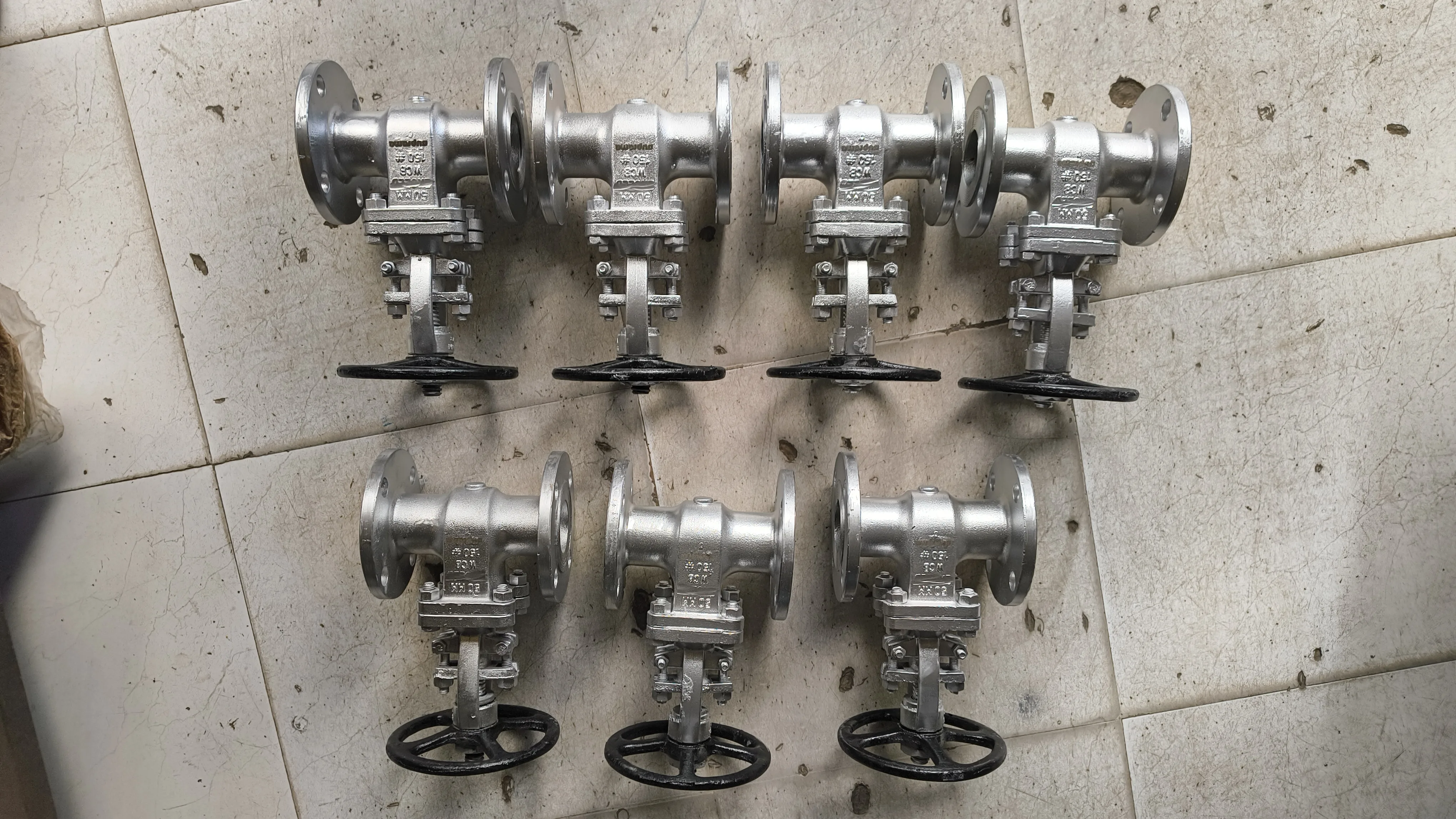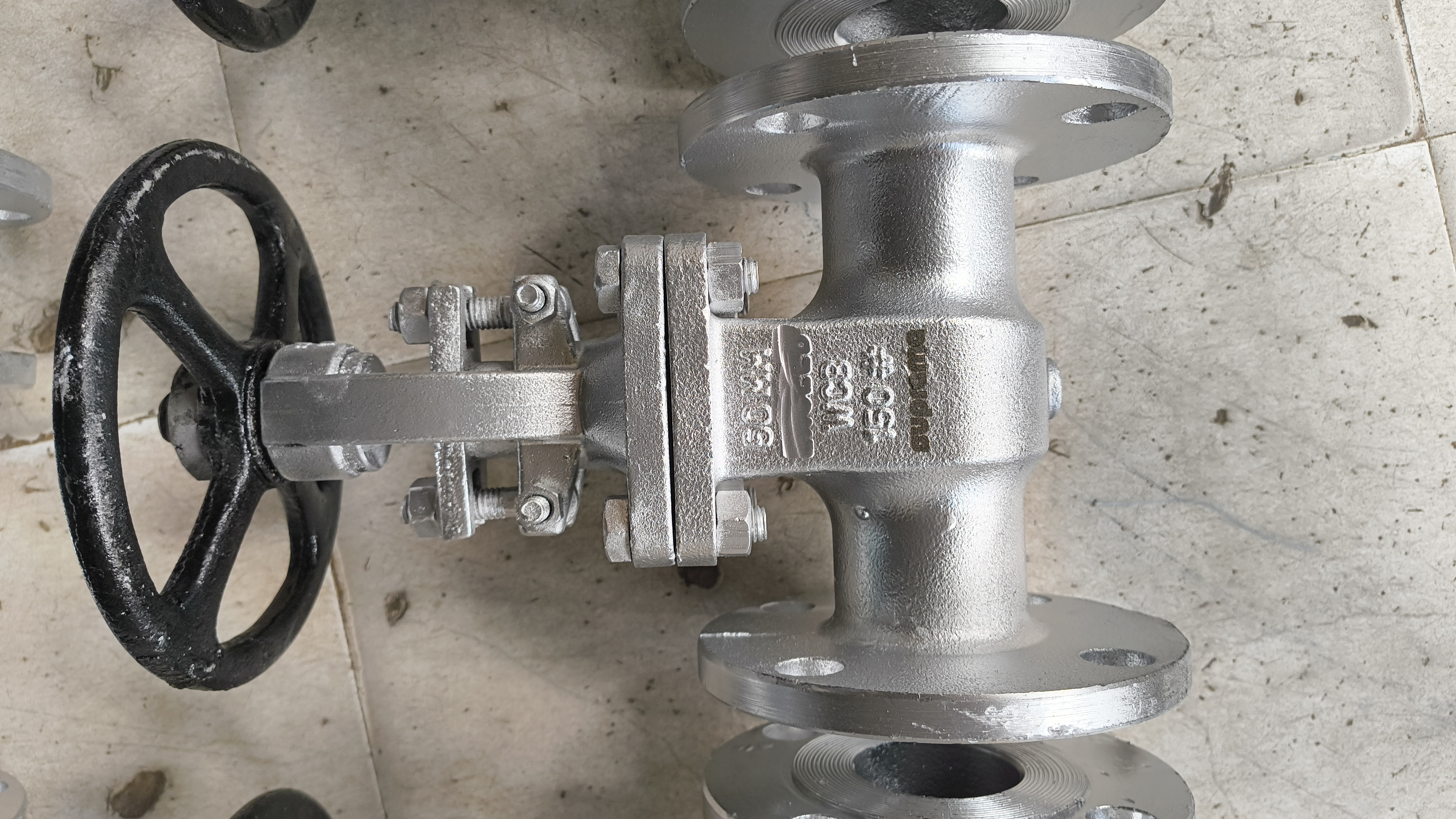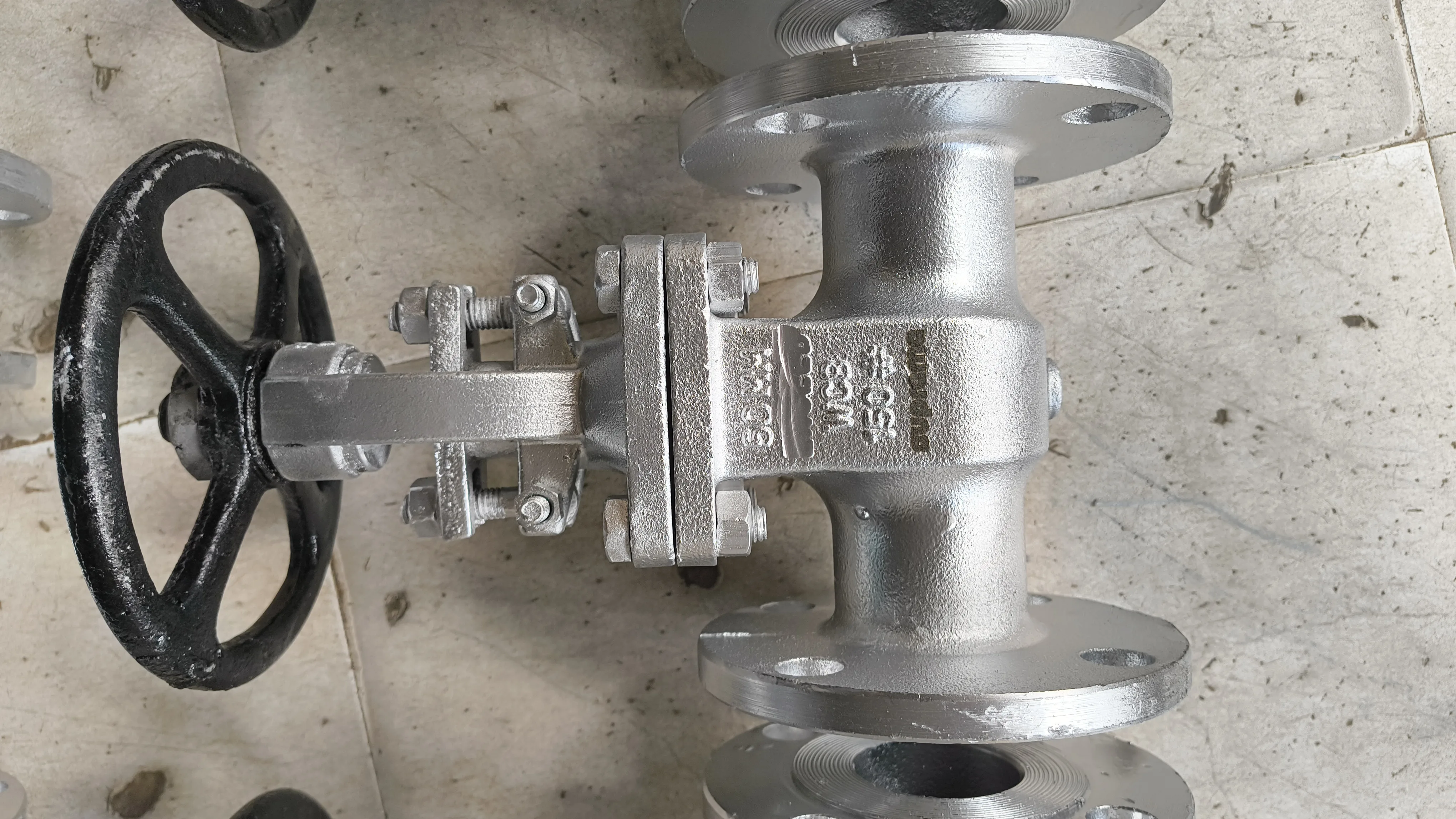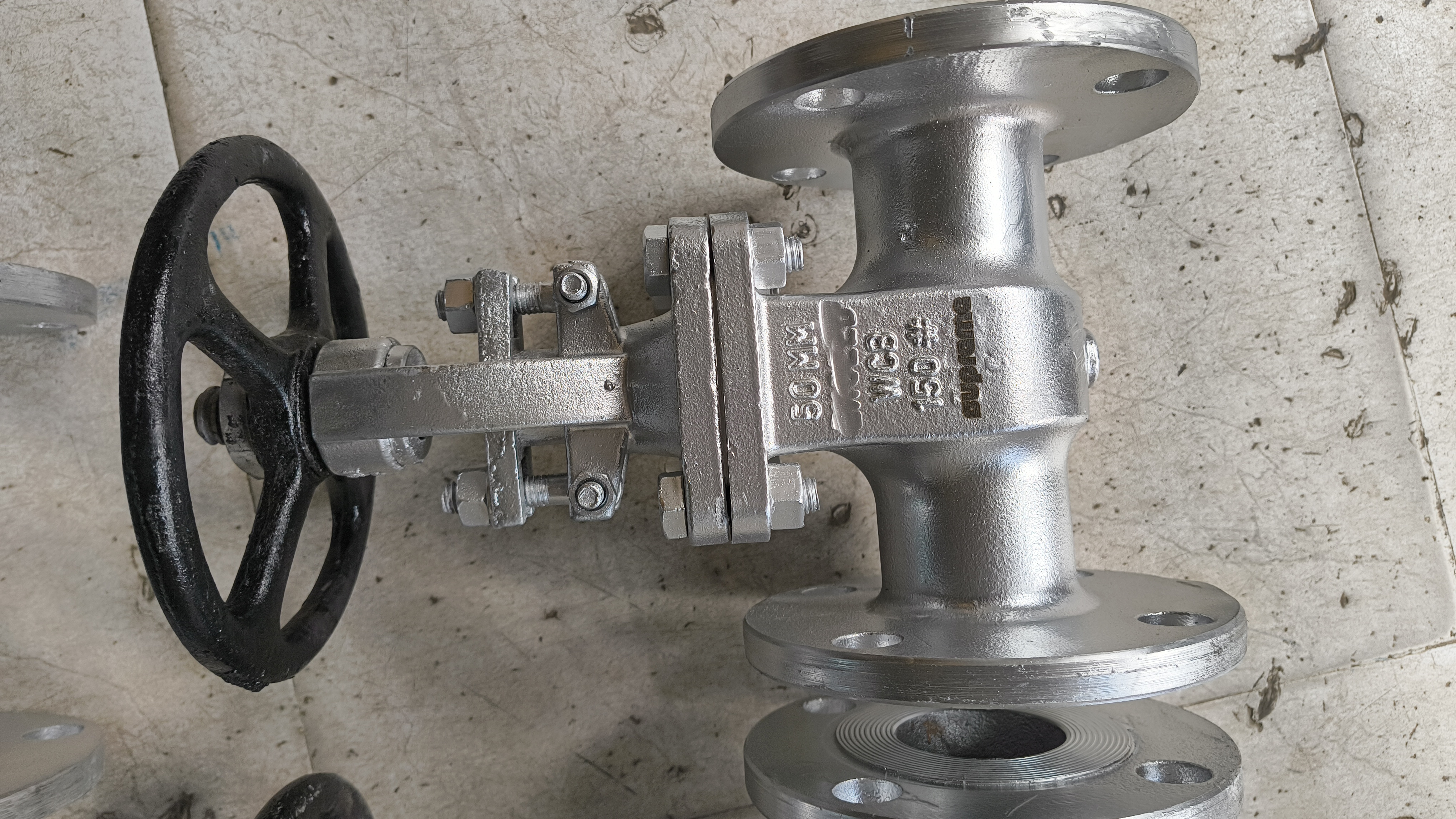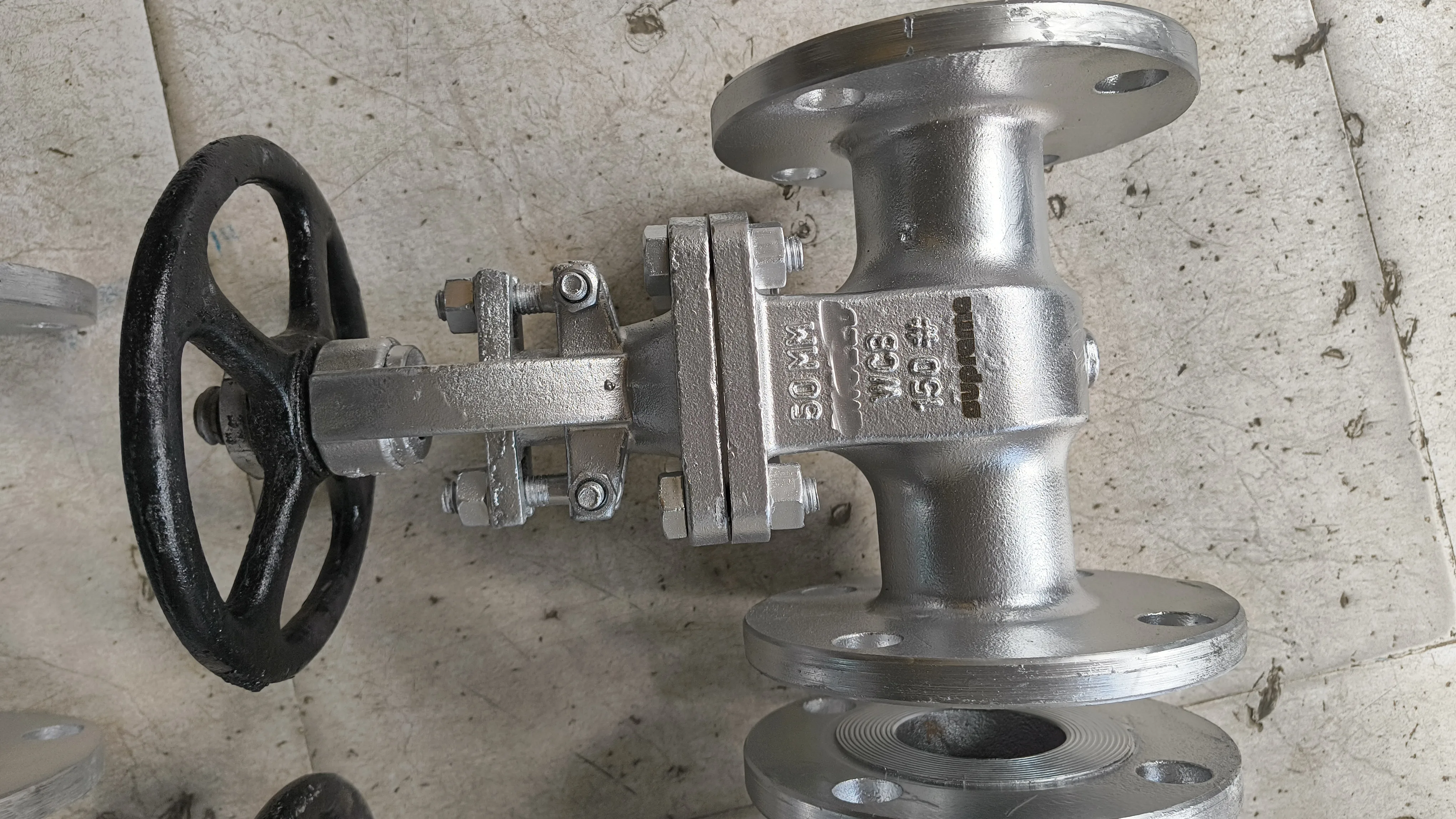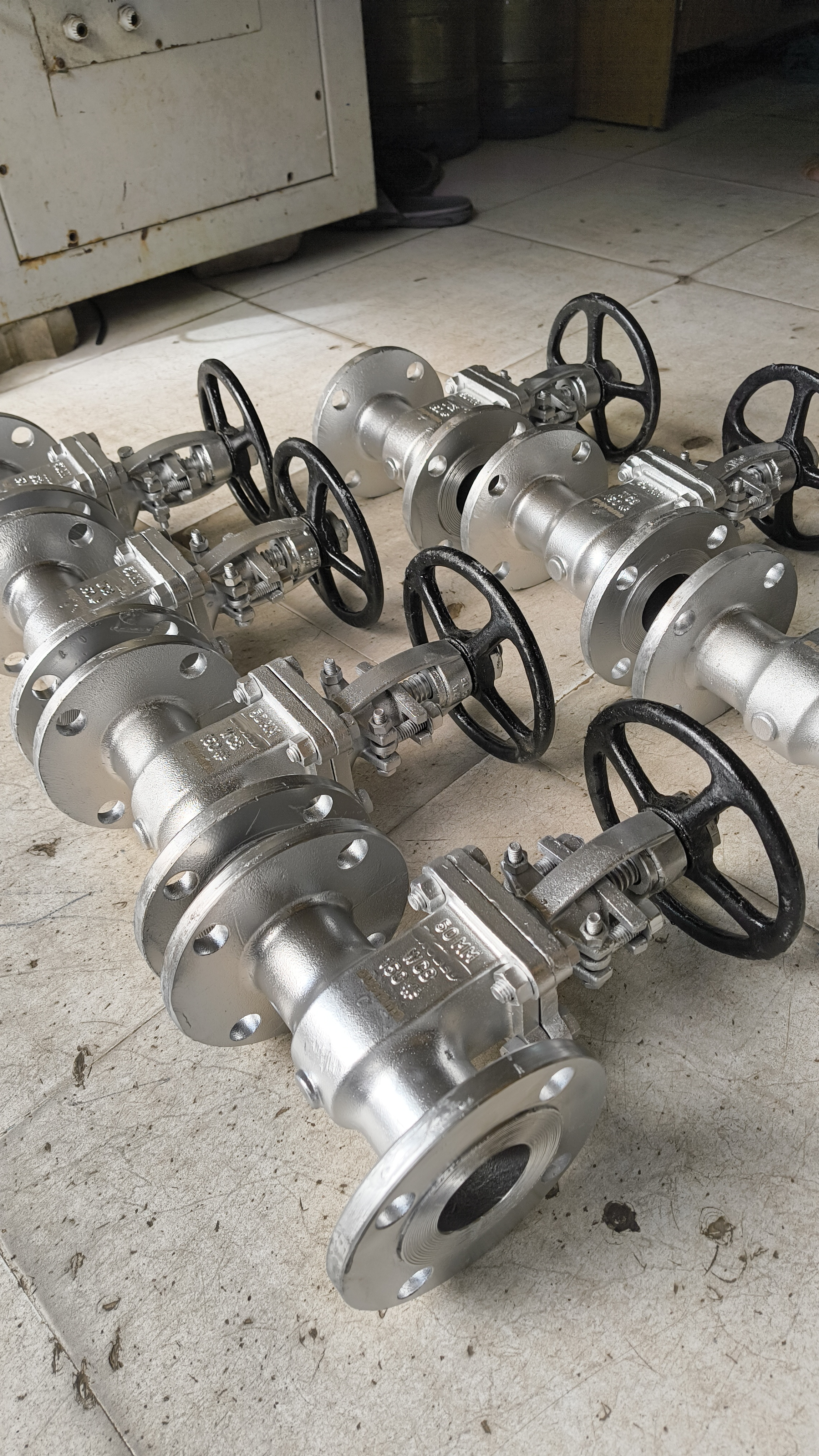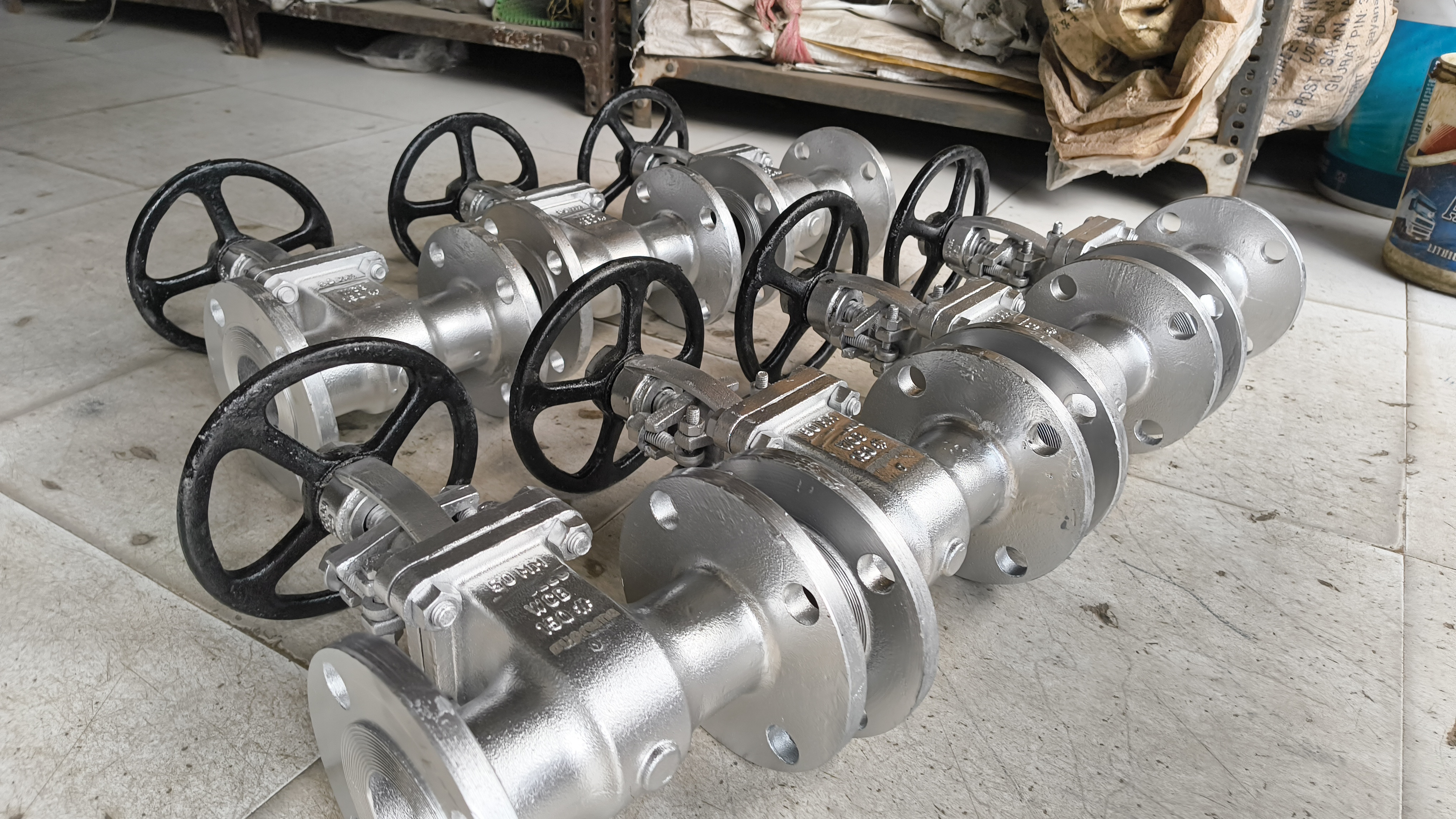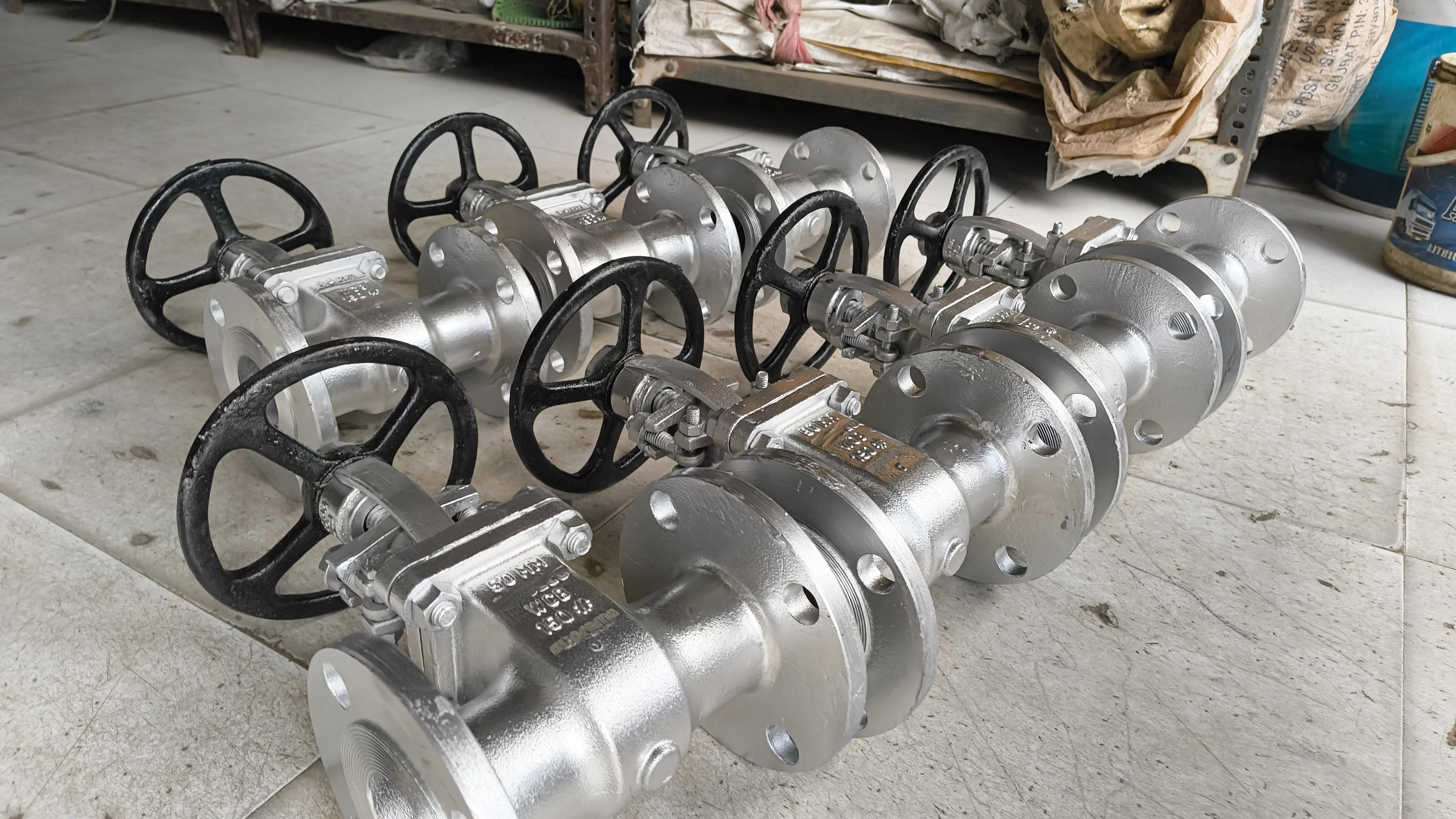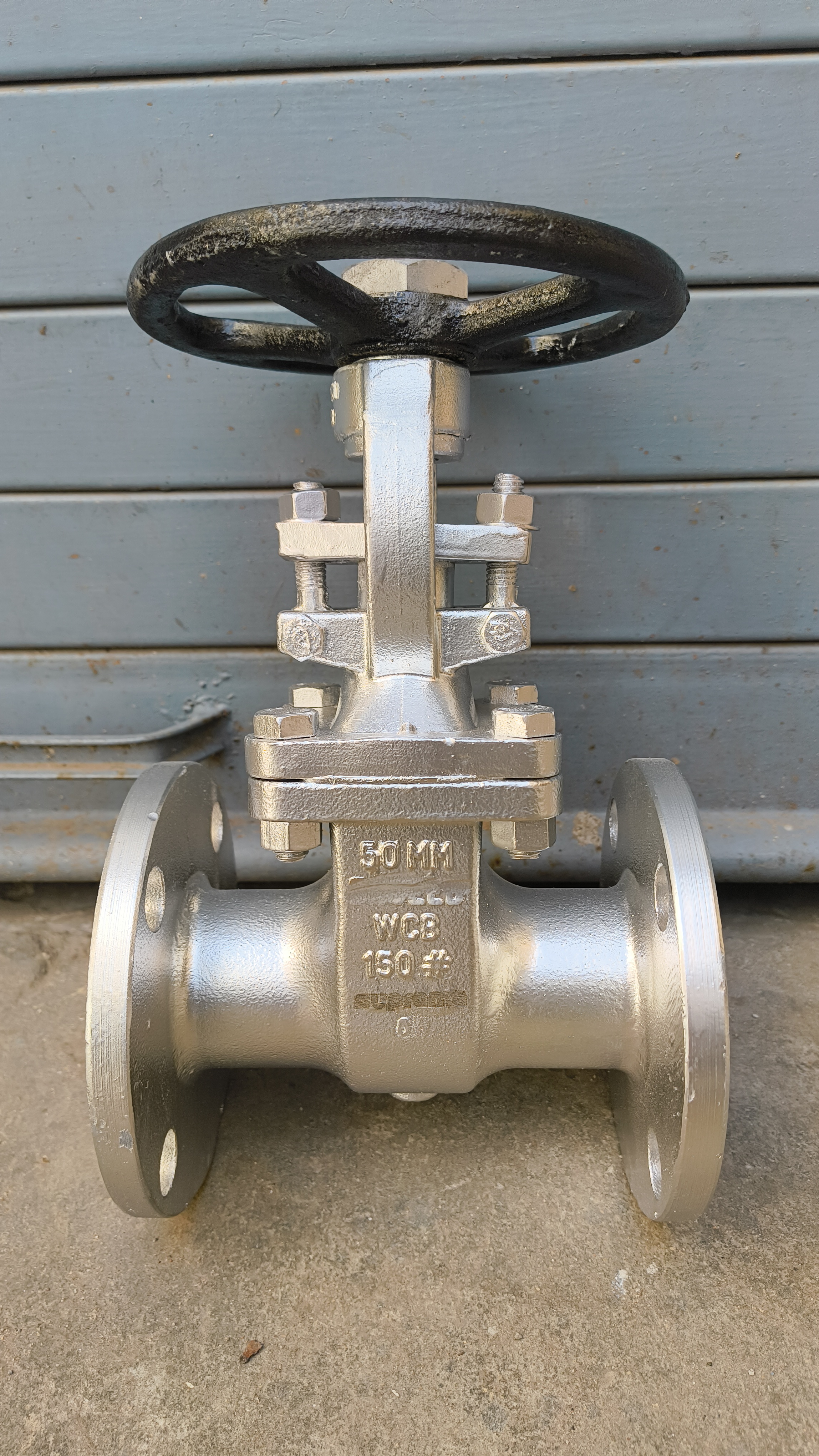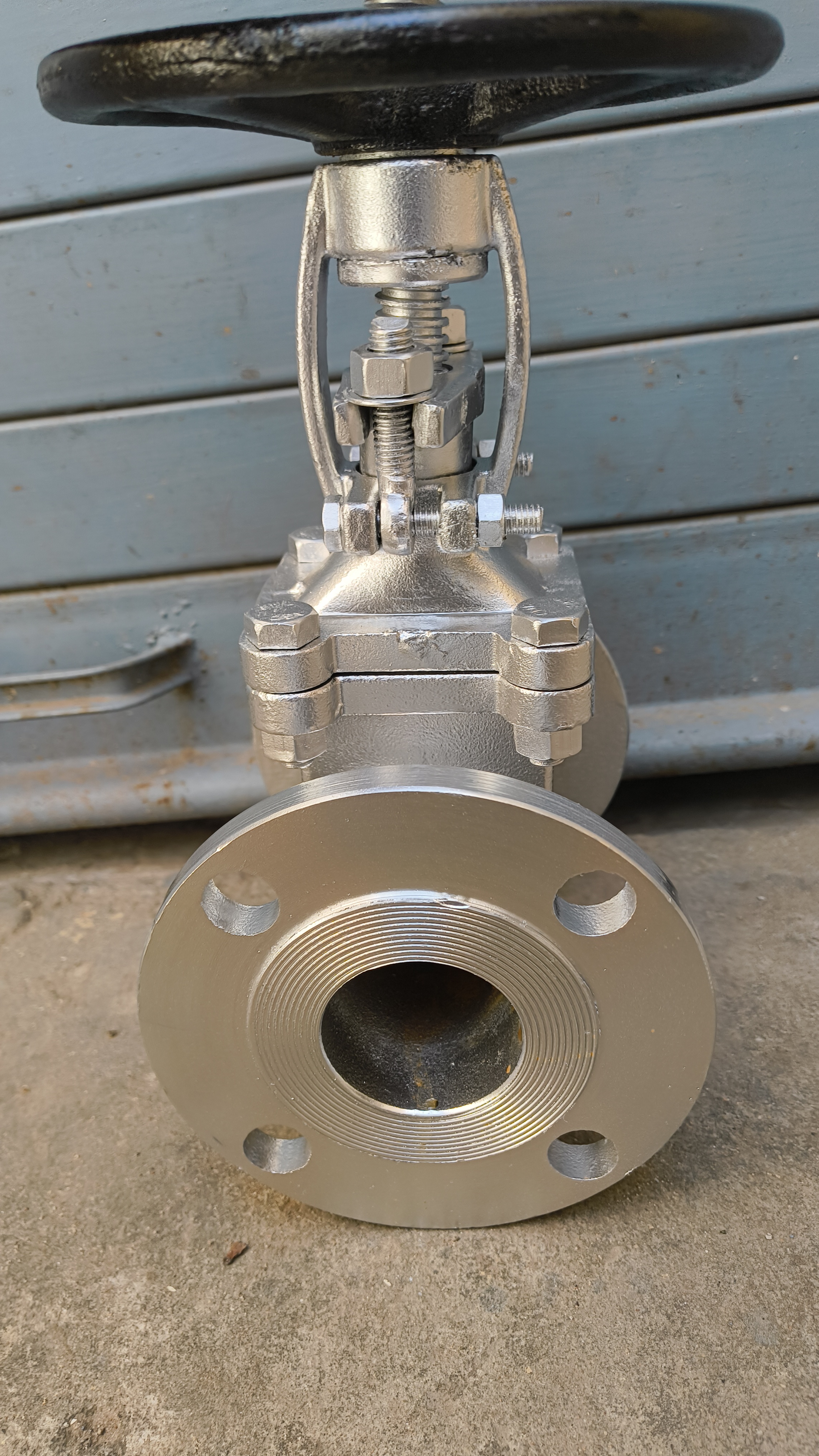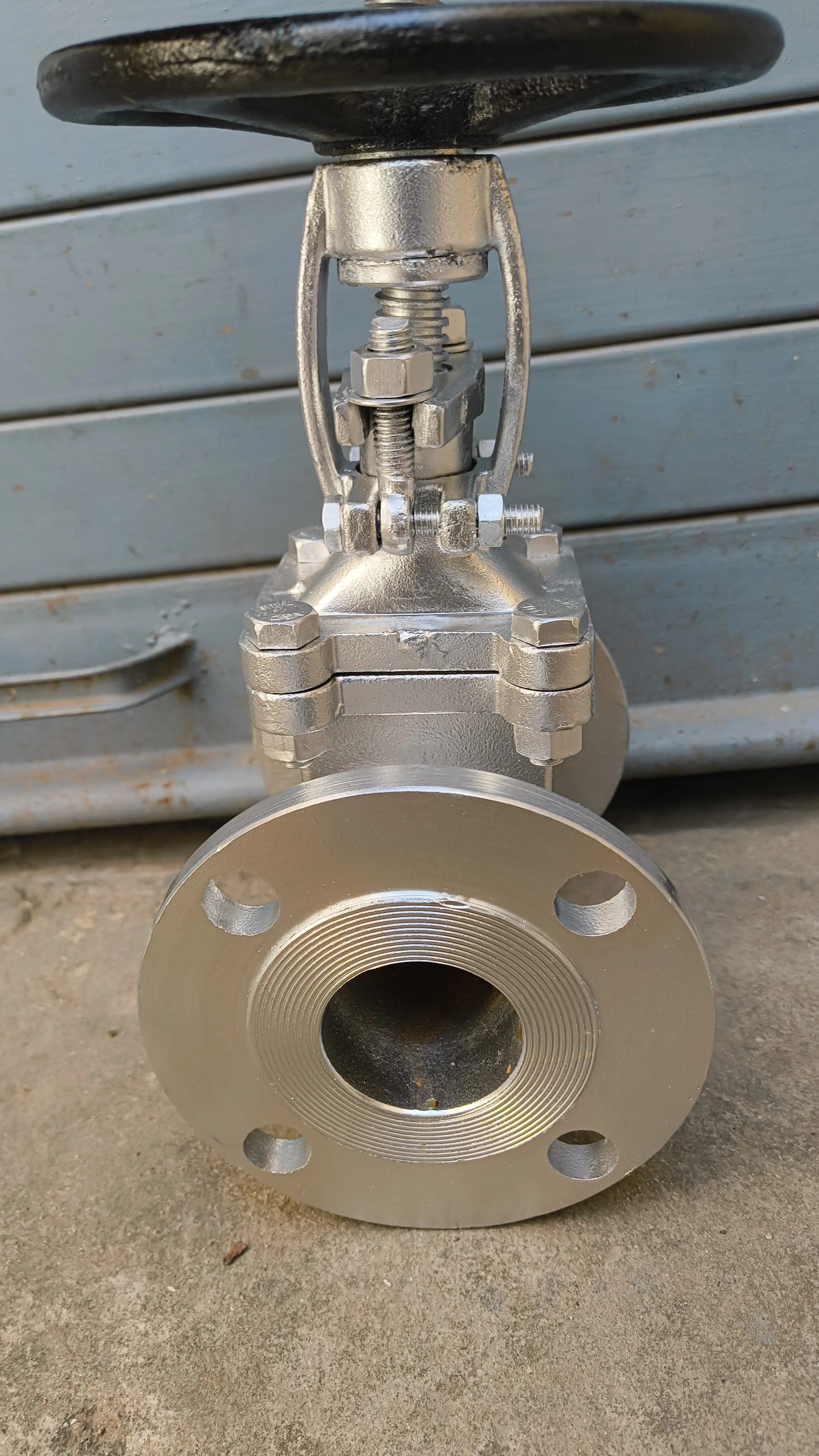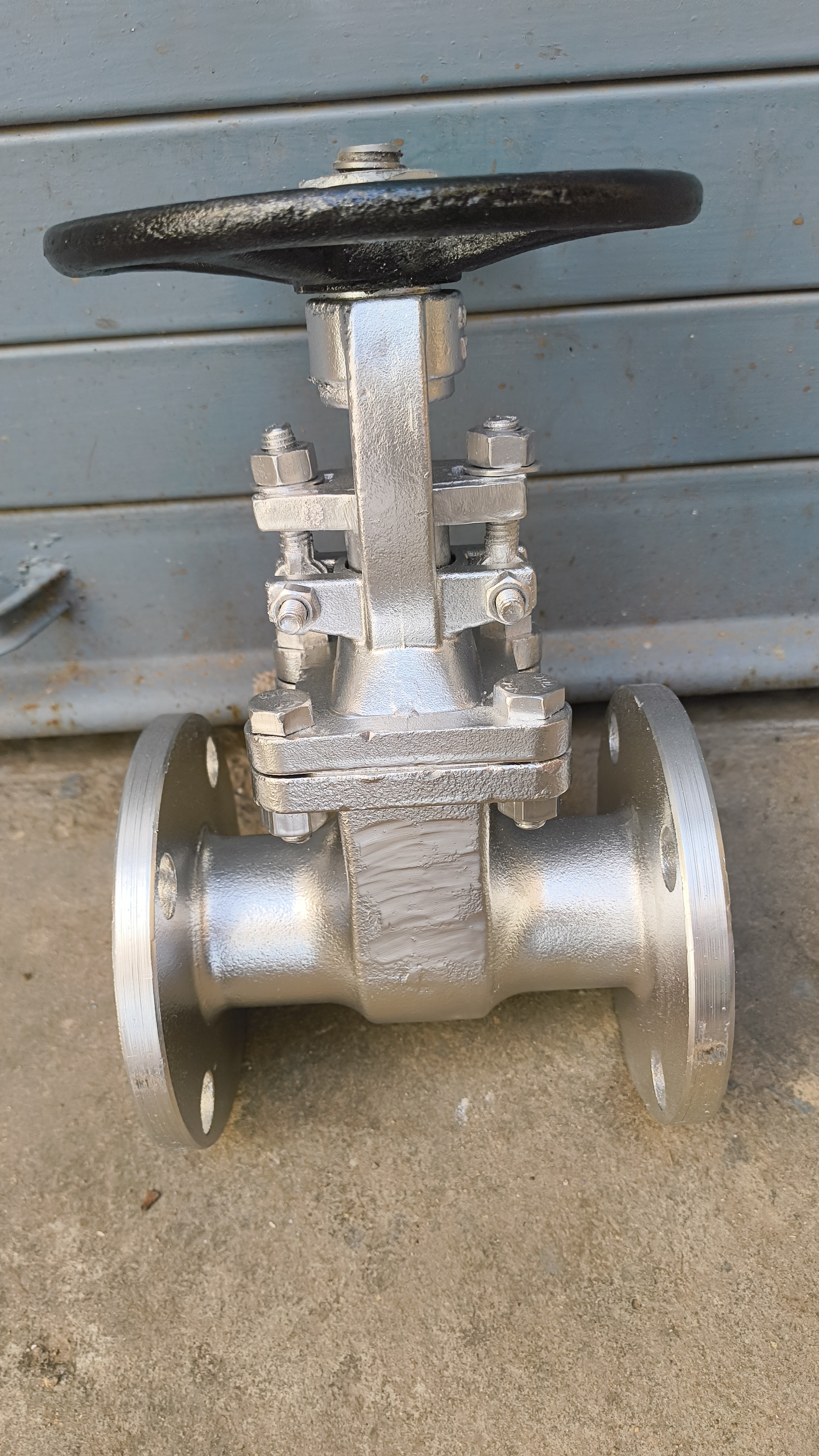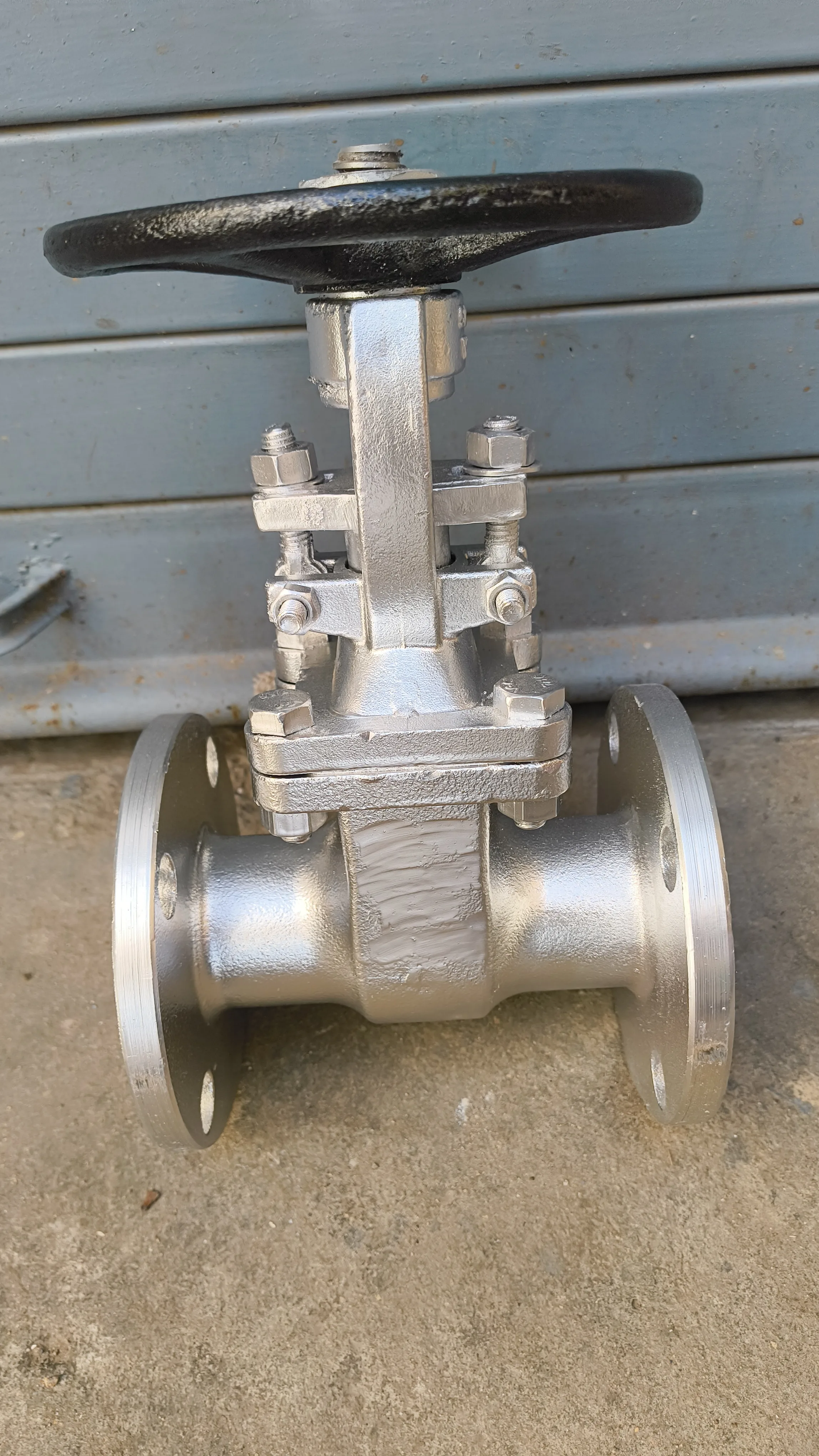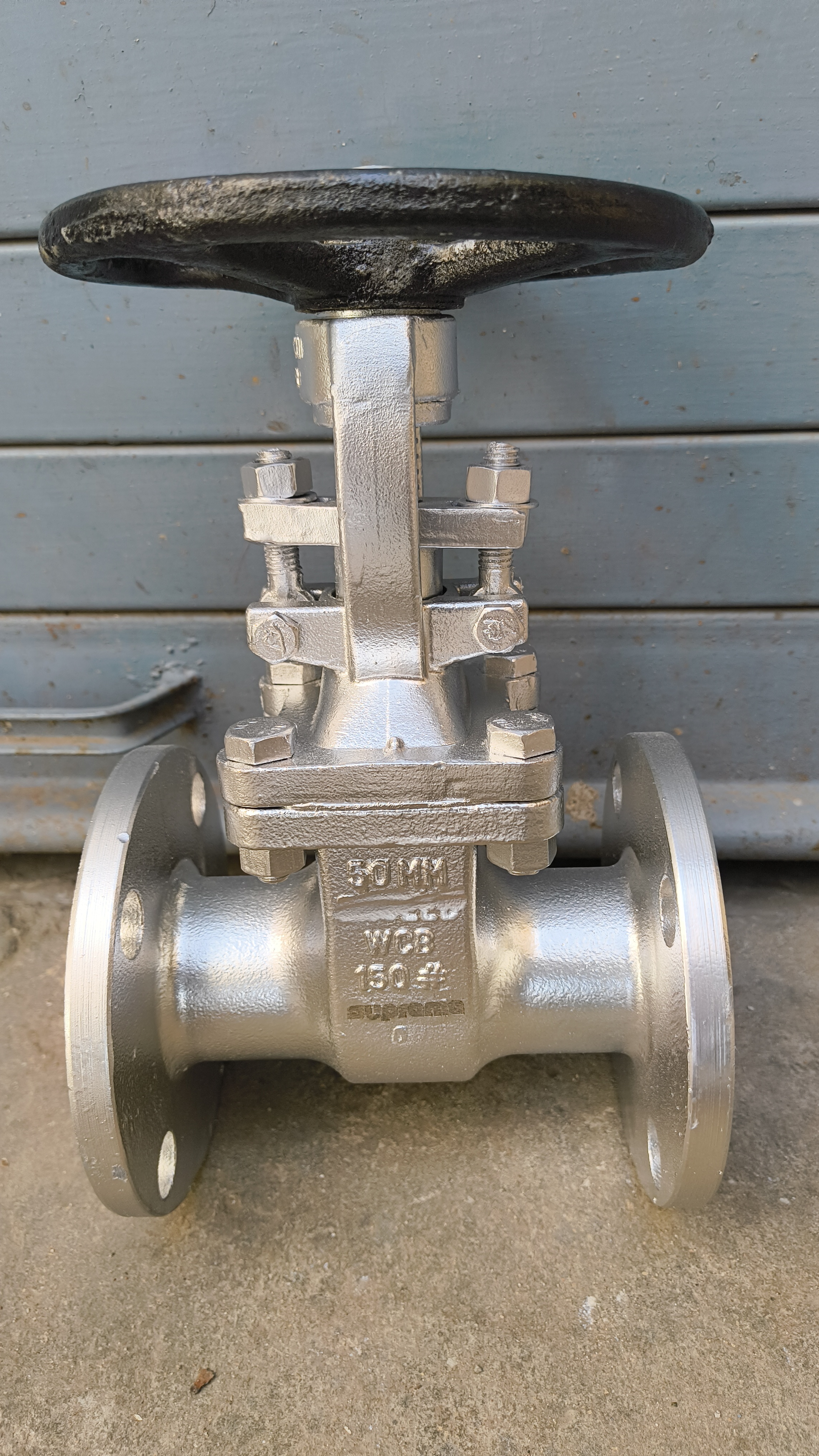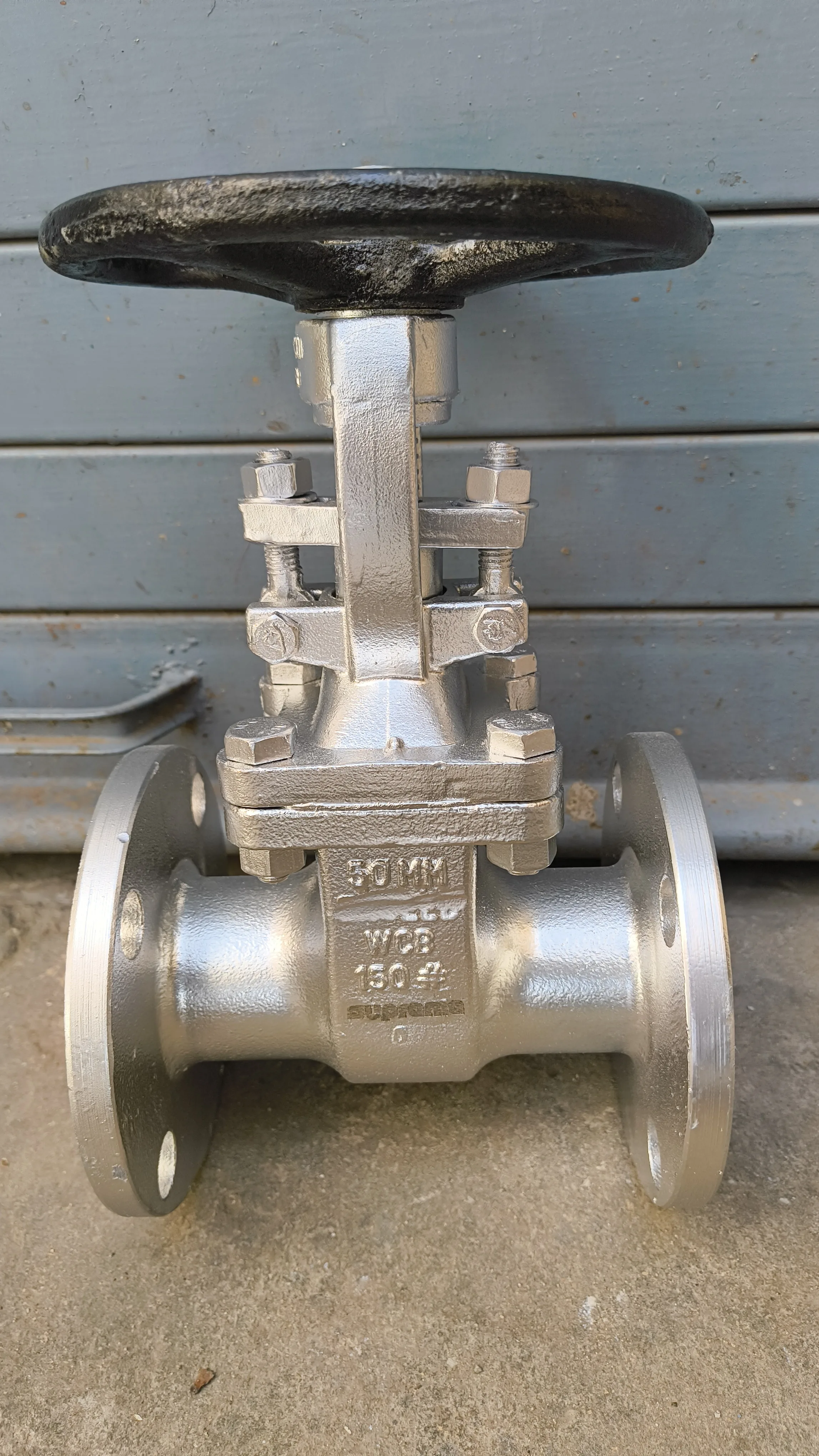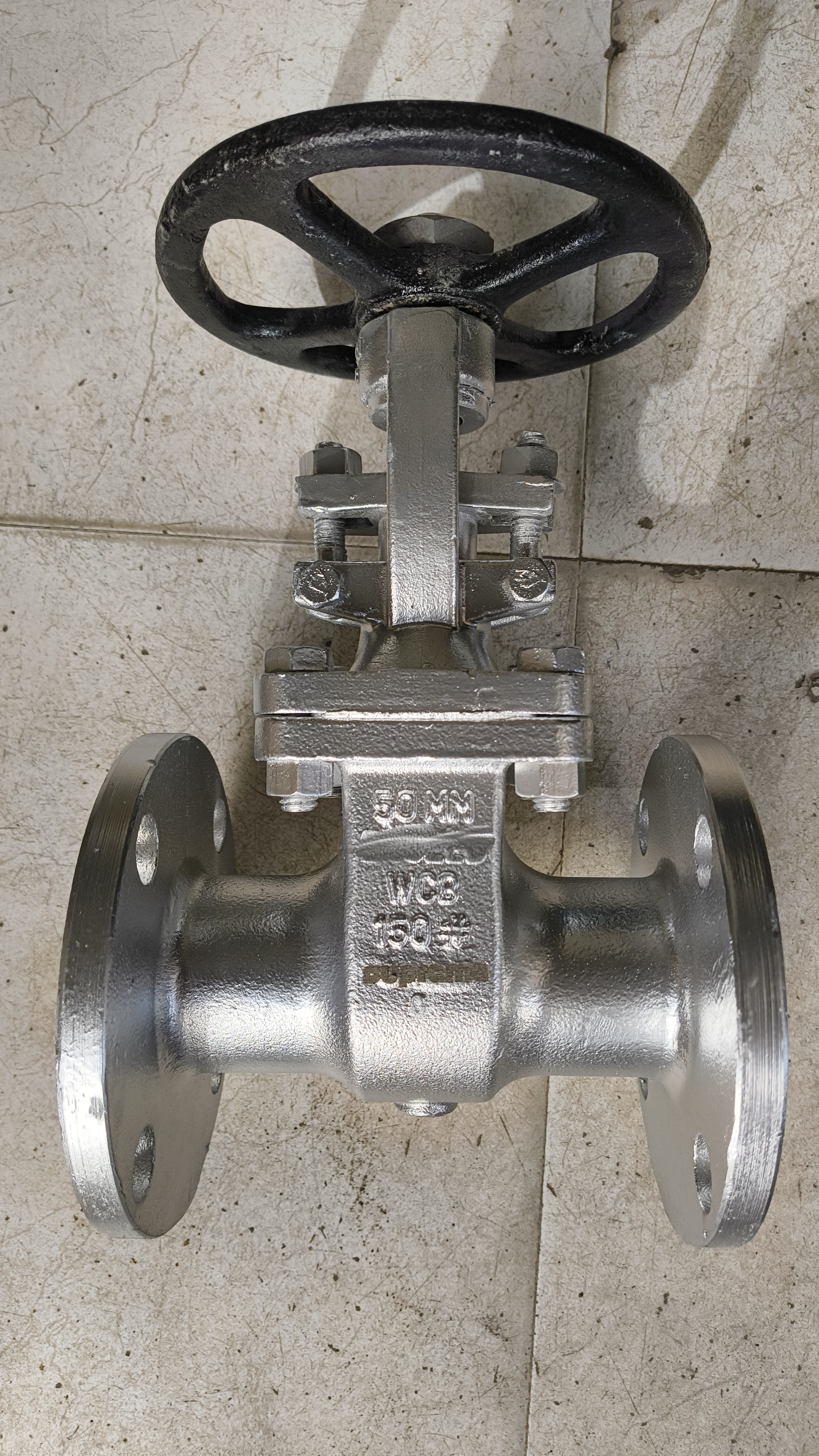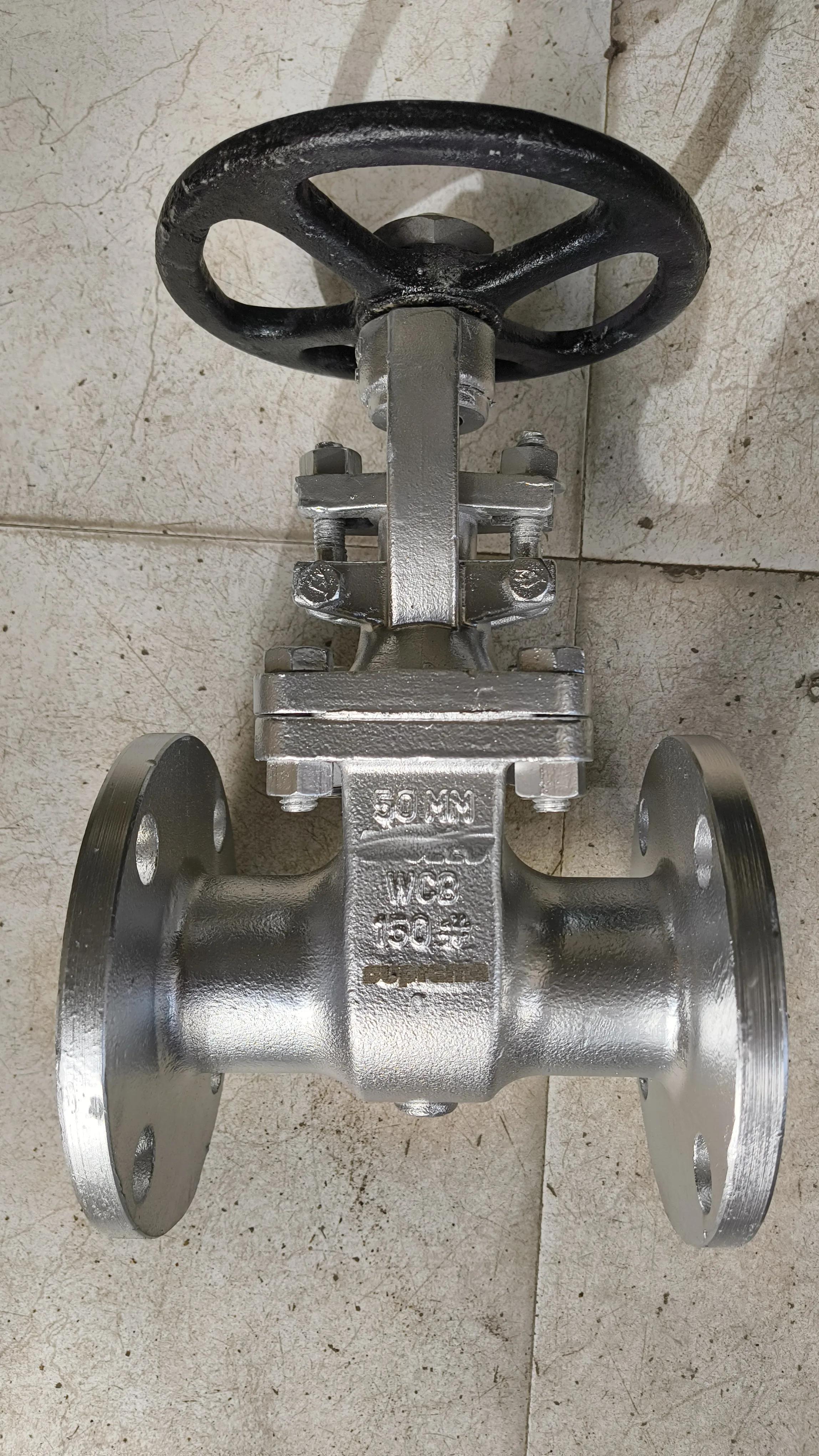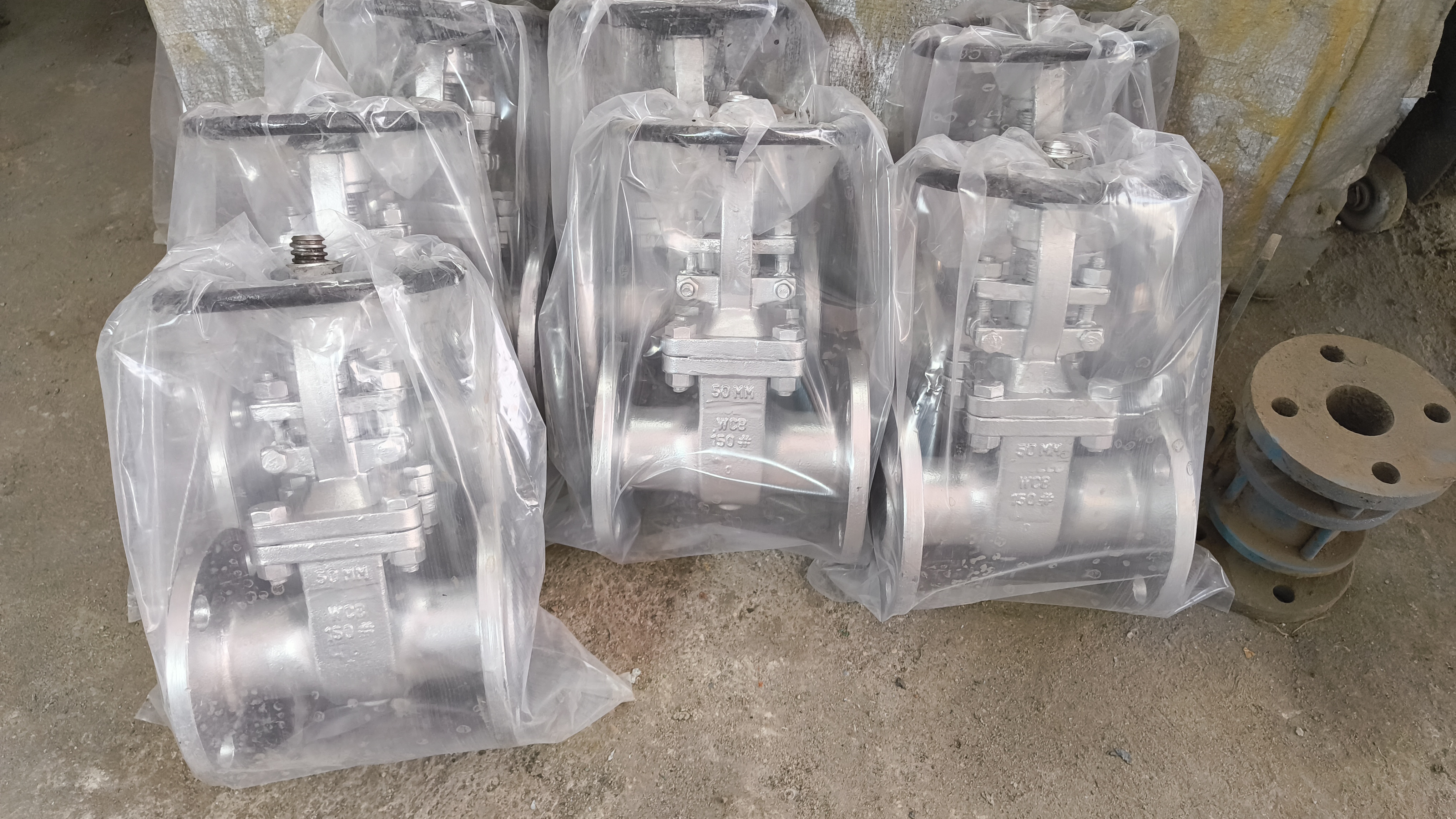
Dual Plate Check Valve Wafer Type
Check Valves

Dual Plate Check Valve Wafer Type

Dual Plate Check Valve API 594/API 6D. Wafer type between flanges. Sizes 50mm to 600mm. Spring loaded dual disc design.

Key Applications

Water SystemsOil SystemsAir SystemsGas Systems
Request Enquiry WhatsApp Download Datasheet

Materials of Construction (MOC)

Component Material Specification
Body & Bonnet Ductile Iron (ASTM A536 / EN-GJS-400-15)
Stem / Spindle SS 410 / SS 420
Seat / Trim EPDM / NBR / Bronze

Technical Specifications

Parameter Specification / Standard
Manufacturing / Design Standard EN 1171 / AWWA C509 / BS 5163
Testing Standard API 598 / EN 12266-1
Pressure Rating PN16 / PN25

Frequently Asked Questions

What causes water hammer in check valves and how to prevent it?

Water hammer in check valves occurs when forward flow suddenly stops (pump shutdown, valve closure), causing the fluid momentum to compress and create a pressure surge that travels back through the system. This can exceed 10x normal working pressure, damaging pipes, supports, and the check valve itself. Prevention methods include: (1) using slow-close check valves (spring-loaded or weighted), (2) installing surge relief devices or accumulators, (3) providing proper pump discharge check valve sizing, (4) using controls to gradually reduce pump speed. For Jeddah and Riyadh water transmission pipelines, our anti-surge check valves with hydraulic damping are specified.

What's the difference between swing check and tilting disc check valves?

Swing check valves have a disc that swings outward on a hinge pin to allow flow and swings back to seat when flow reverses. They offer low pressure drop and work best in horizontal installation with flow upward. Tilting disc check valves have a disc that tilts to open (approximately 80 degrees) and is balanced by a weighted or spring-loaded lever to close quickly. Tilting disc design provides faster closure (reducing water hammer), can be installed horizontally or vertically, and handles higher flow velocities. For Saudi Arabian water pipelines, tilting disc is often preferred for its superior anti-surge characteristics.

When to use a silent check valve vs swing check?

Silent check valves (also called spring-loaded or nozzle-check) use a spring-loaded disc that closes quickly as flow reverses, minimizing water hammer and eliminating the slapping noise of swing checks. Use silent checks when: (1) water hammer prevention is critical, (2) installation is in buildings or noise-sensitive areas, (3) vertical installation with flow upward is required, (4) space is limited. Swing checks are better for: (1) large pipe sizes (above 24 inches) where silent check cost is prohibitive, (2) raw water intake where debris may interfere with spring mechanism, (3) applications where some pressure drop is acceptable. For Dubai and Abu Dhabi high-rise buildings, silent checks are specified to prevent noise complaints.

What is non-slam check valve design for pump protection?

Non-slam check valves are designed to close rapidly just before flow reversal, preventing the disc from slamming against the seat and causing water hammer. They achieve this through: (1) hydraulic damping that senses flow reversal and accelerates closure, (2) spring assistance for fast closure, (3) aerodynamic disc profile that provides natural lift at low velocities. The check valves are sized so the disc begins closing at approximately 10% reverse flow, achieving full closure before significant reversal occurs. For Saudi Arabian seawater cooling pumps and UAE desalination plant booster pumps, non-slam check valves are specified to protect impellers and seals.

How to select check valve for vertical vs horizontal installation?

For vertical installation with flow upward, use: (1) swing check valve with horizontal bonnet orientation, (2) spring-loaded silent check valve, (3) tilting disc with counterweight adjusted for vertical service. The disc must open fully against gravity and close reliably without the weight assisting closure. For horizontal installation, most check valve types work: swing check, tilting disc, silent, and wafer check. Key selection criteria: pipe size (swing preferred for large diameters), flow velocity (silent for high velocity), water hammer sensitivity (non-slam for sensitive systems), and maintenance accessibility. Always verify the manufacturer certifies the valve for the specific orientation.

What is API 594 wafer check valve face-to-face dimension?

API 594 wafer check valves have standardized face-to-face dimensions that match API 609 butterfly valve dimensions for interchangeability. For Class 150 and 300: 2-inch is 54mm, 3-inch is 67mm, 4-inch is 67mm, 6-inch is 83mm, 8-inch is 102mm, 10-inch is 127mm, 12-inch is 140mm. These compact face-to-face dimensions reduce pipeline layout costs and allow direct substitution with butterfly valves. API 594 covers single-plate (swing) and dual-plate (wafer) check valves designed for installation between flanges. Testing requirements per API 598 include shell test at 1.5x rating and seat test at 1.1x rating.

POA requirements for check valves in Qatar LNG projects?

Purchase Order Acknowledgment (POA) requirements for Qatar LNG (RasGas, QatarEnergy LNG) projects include: (1) compliance with QG-QG-J-001 engineering standards, (2) material verification by third-party inspector (SGS, Bureau Veritas) at manufacturer facility, (3) PMI (Positive Material Identification) on all pressure-containing parts, (4) impact testing at -196°C for cryogenic service, (5) NDE (RT, UT, MT, PT) on weldments per drawing requirements, (6) documentation package including MTC, ITP (Inspection and Test Plan), and WPSR (Weld Procedure Specification Record), (7) QG approved manufacturer list placement. We have supplied check valves for Qatar petrochemical projects and understand the documentation rigor required.