
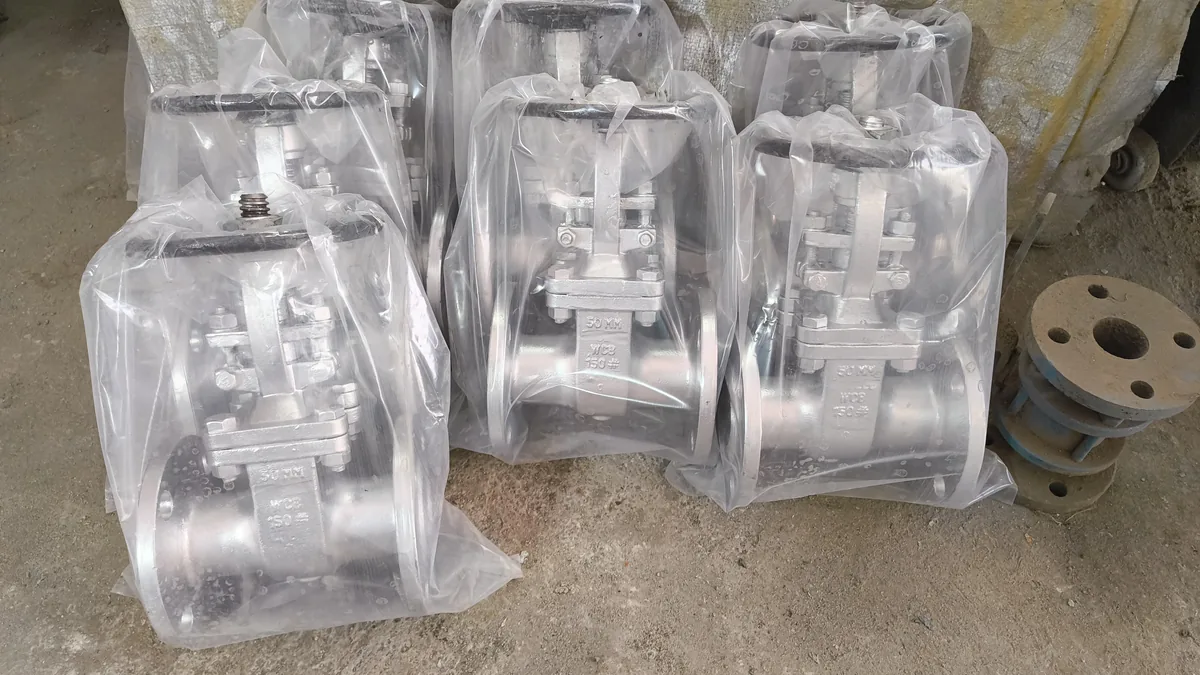
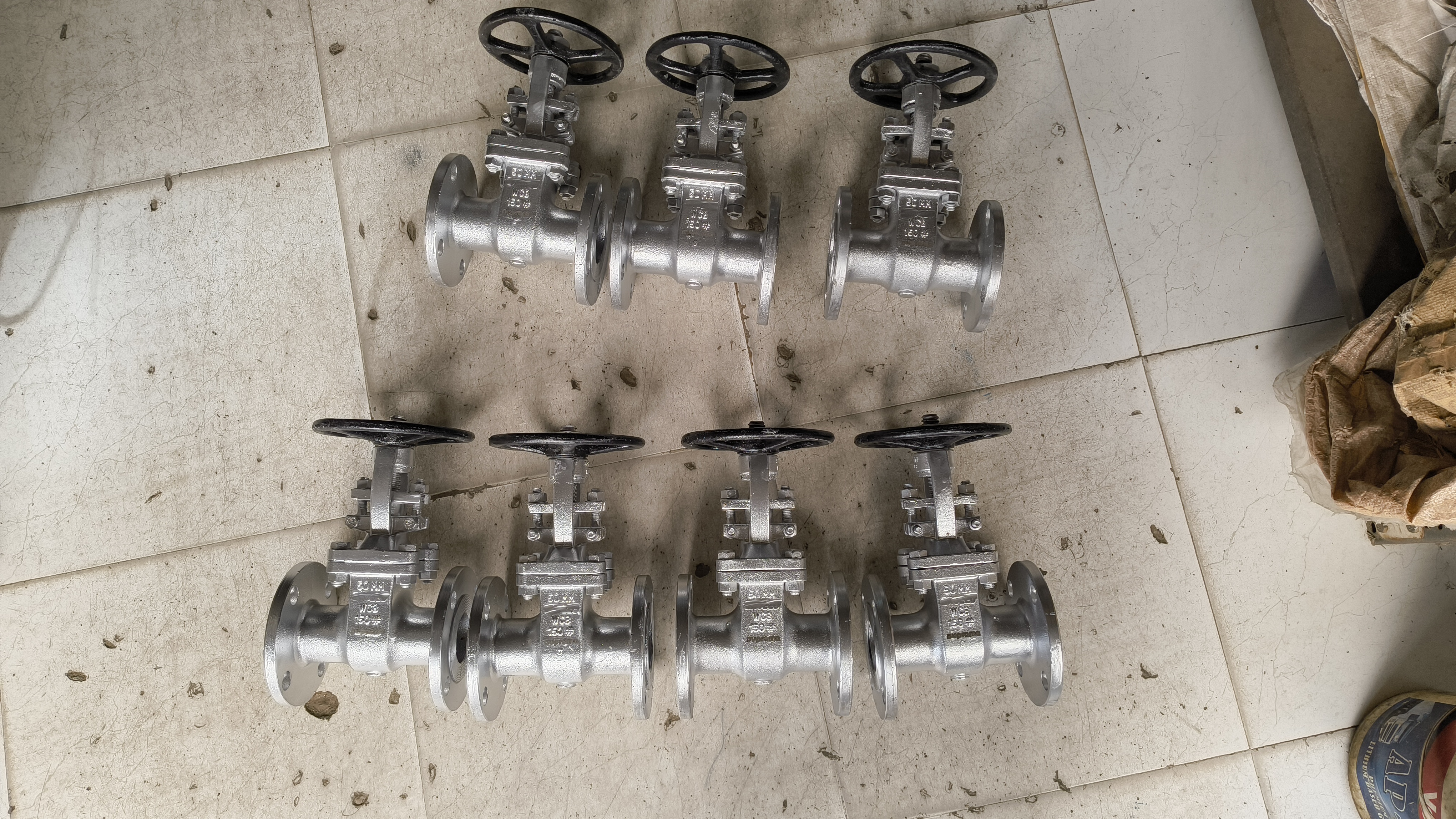
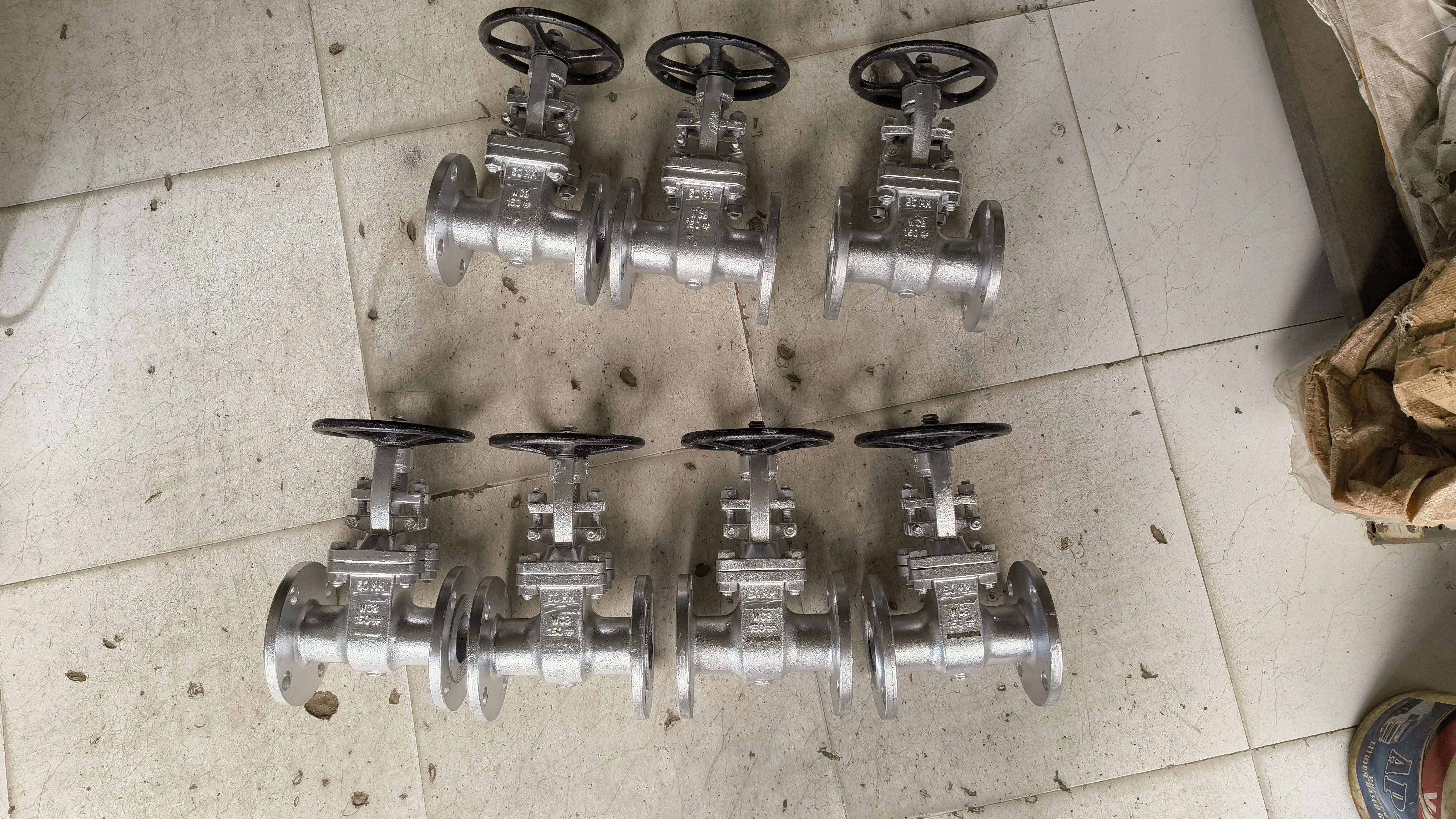
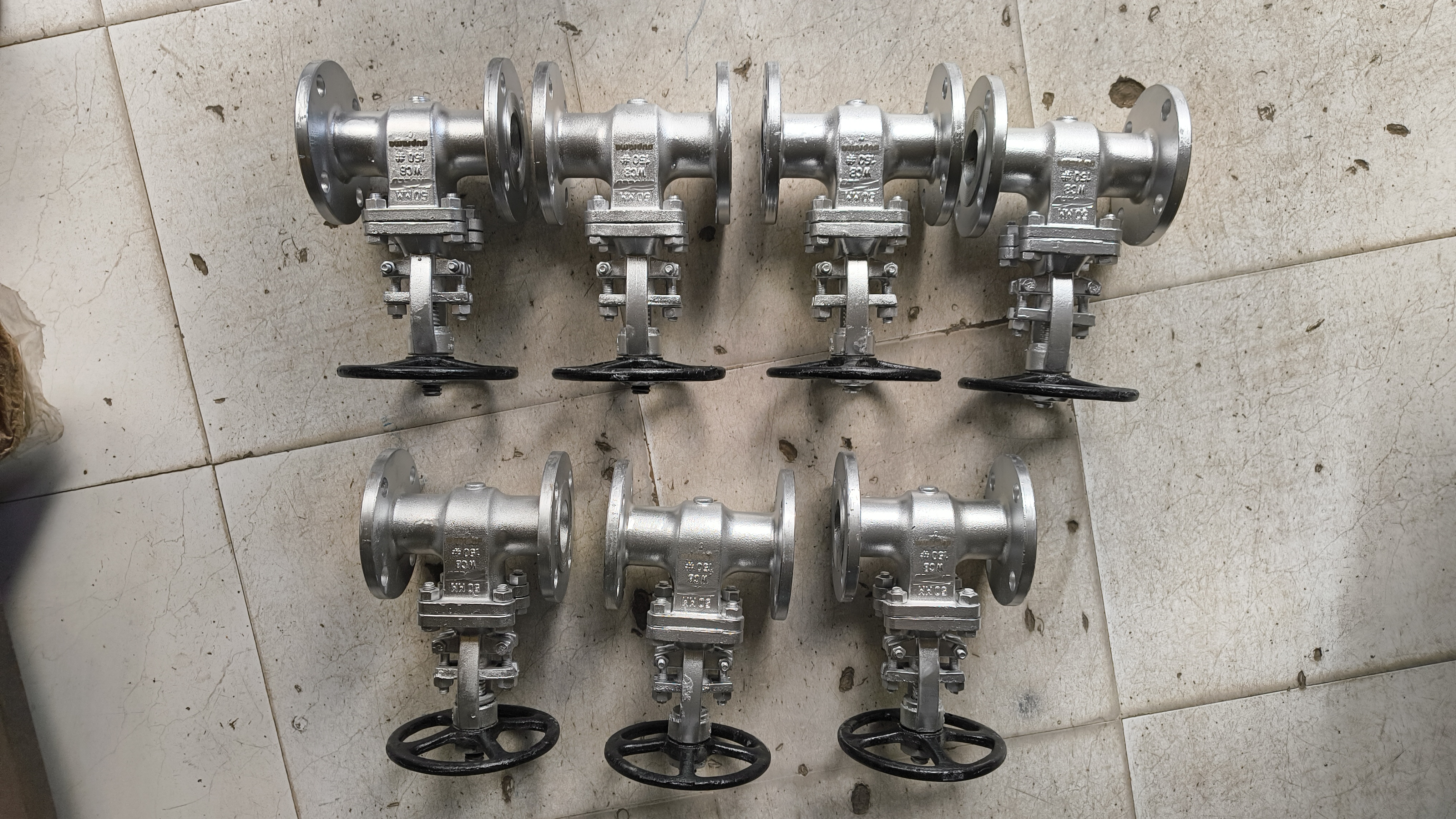
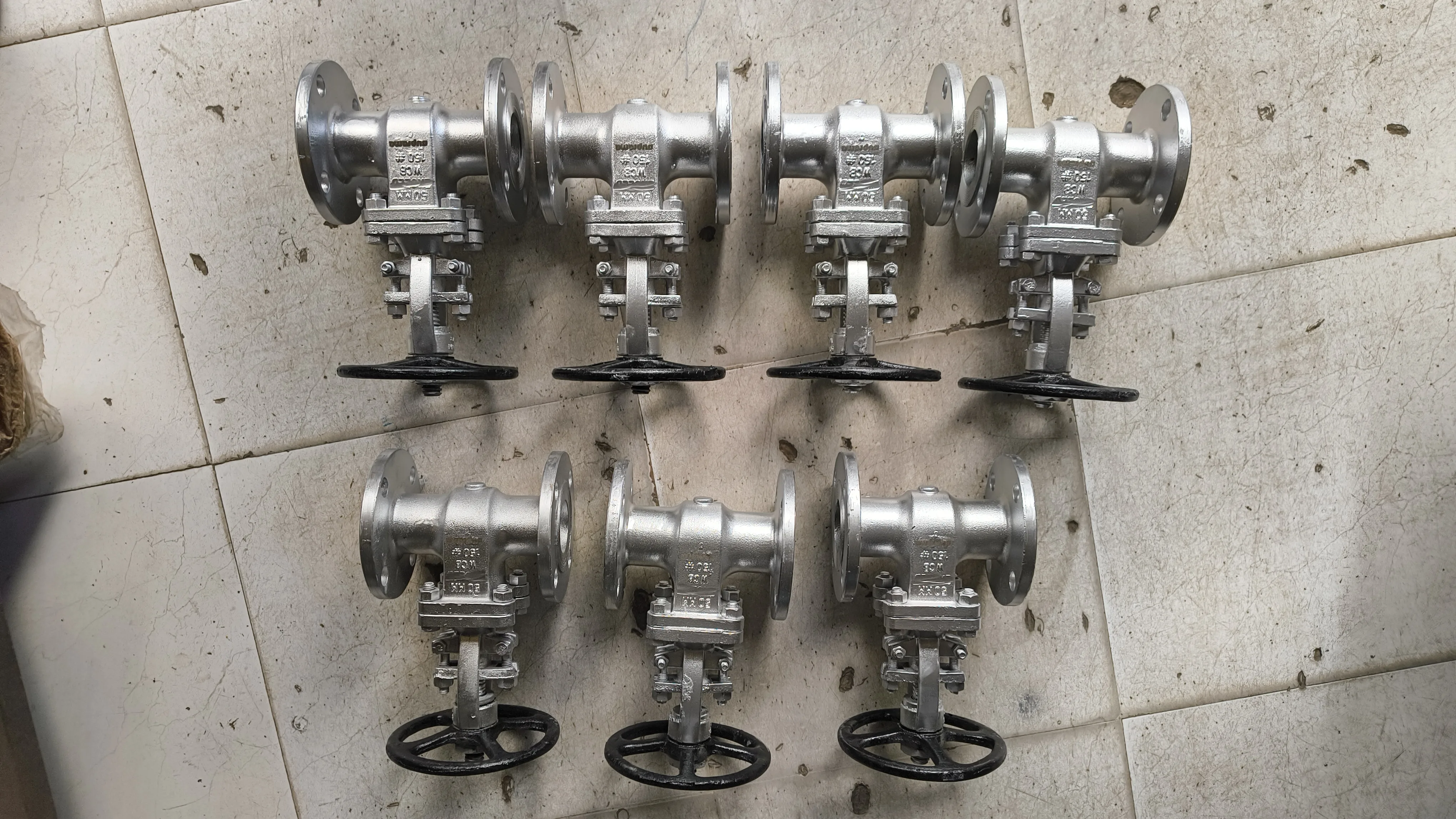
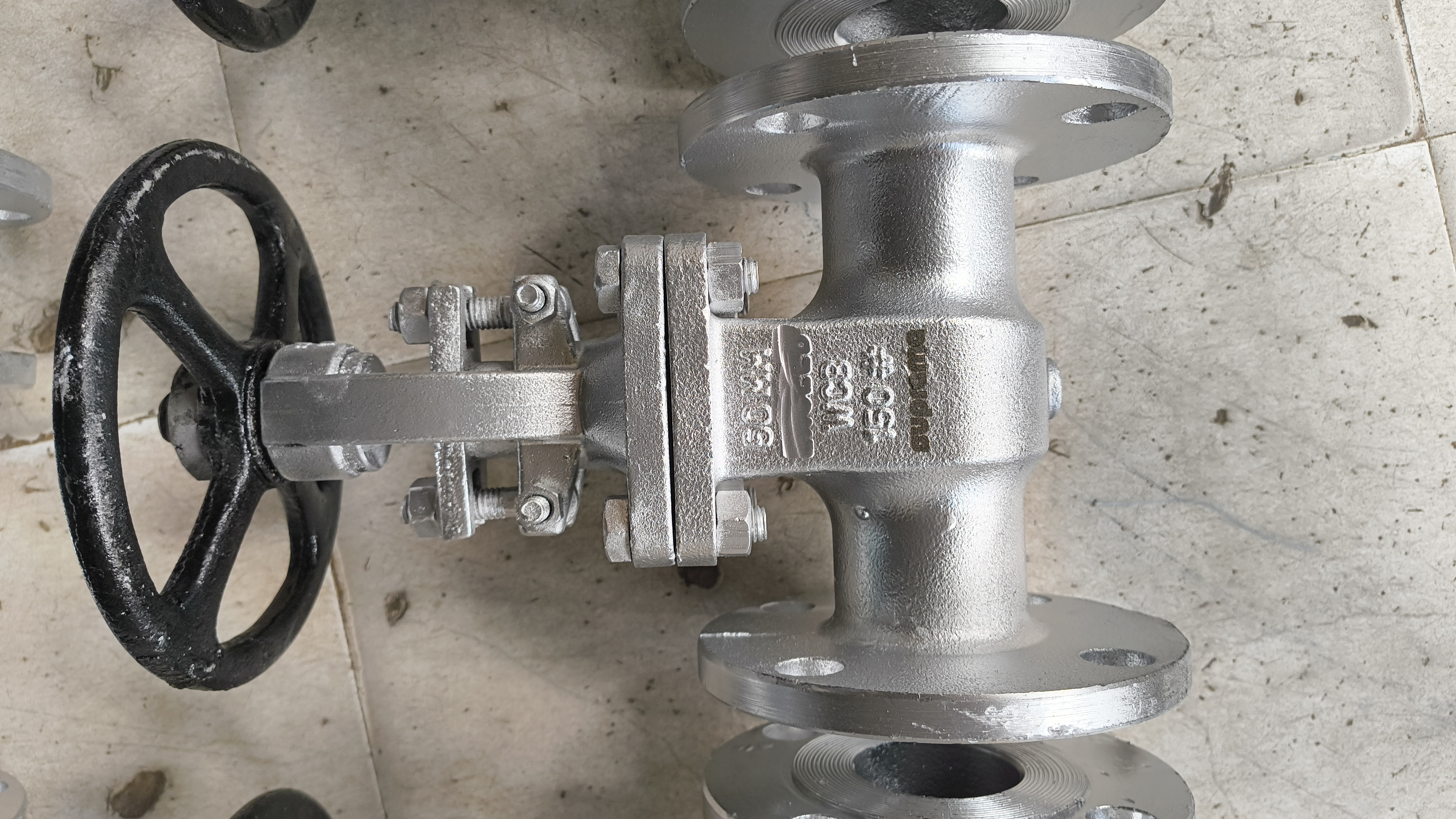
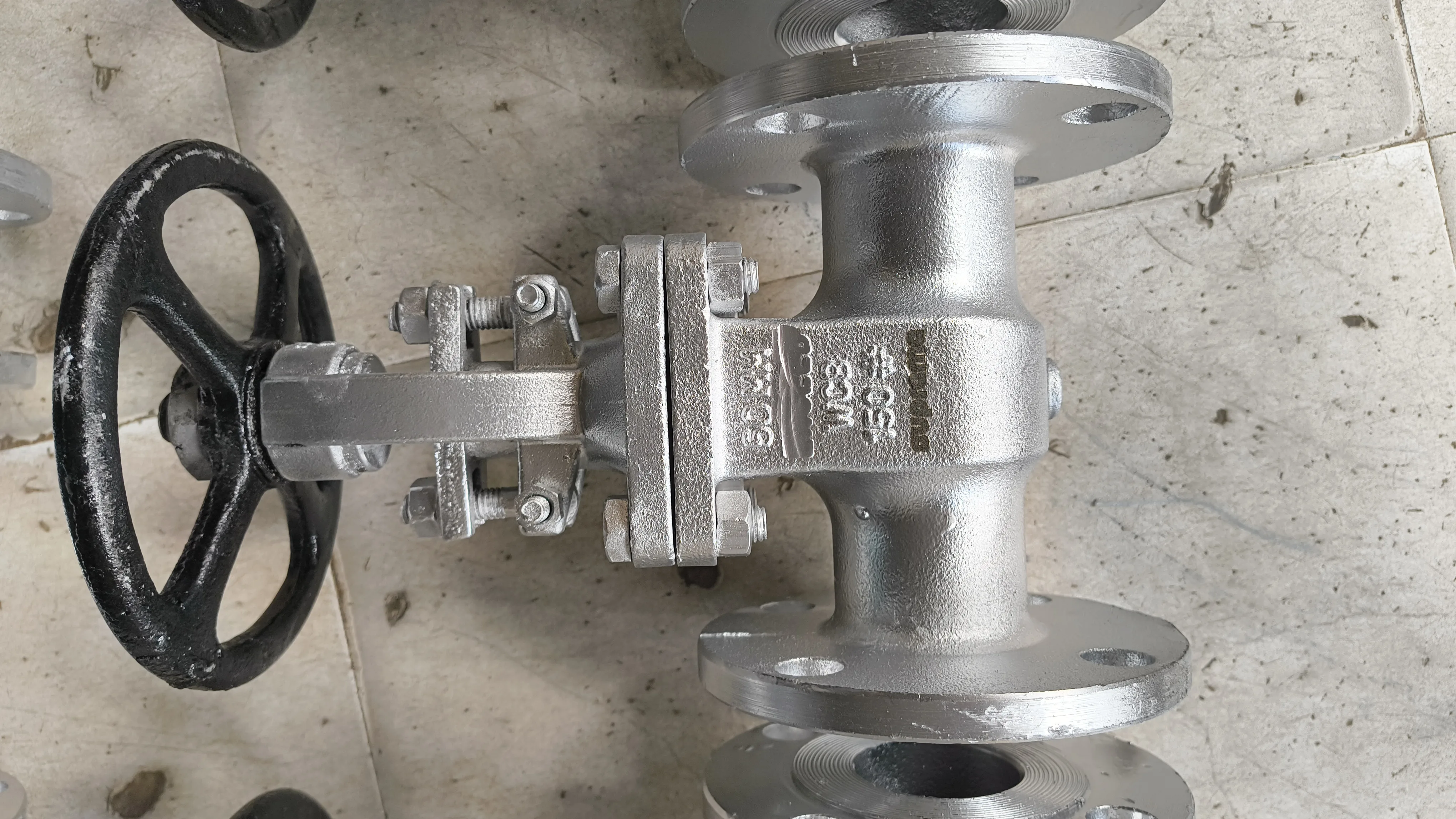
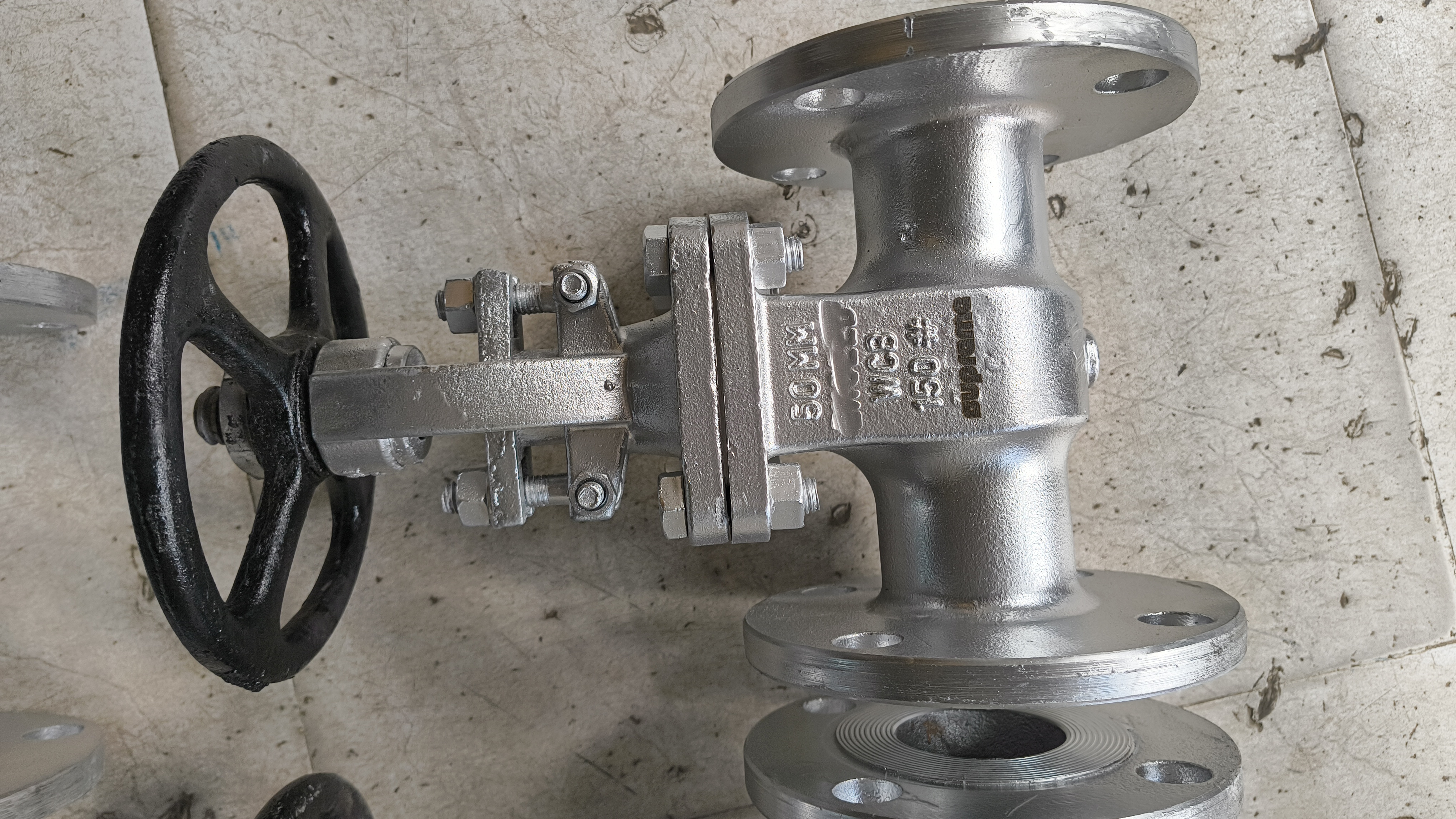
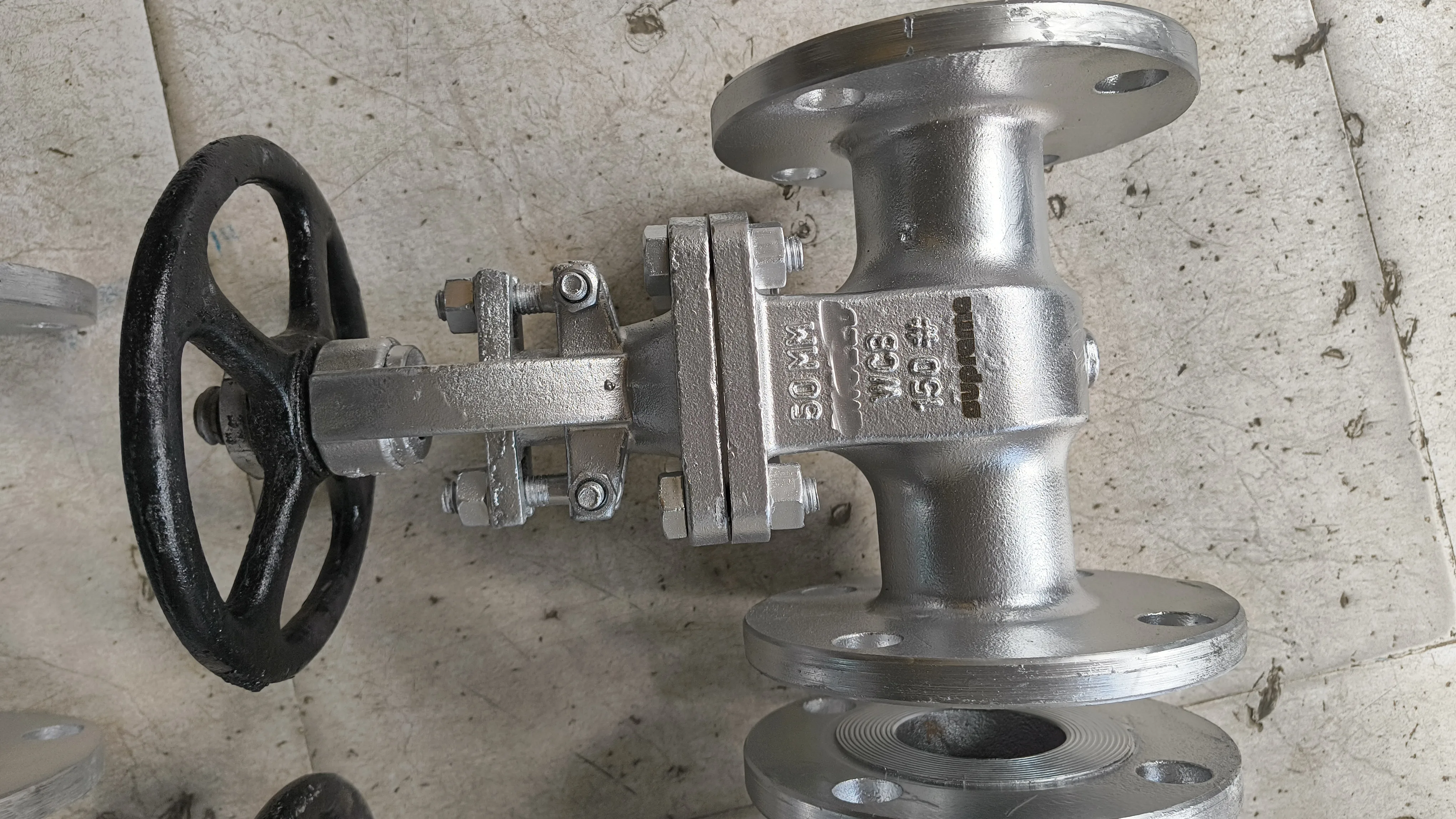
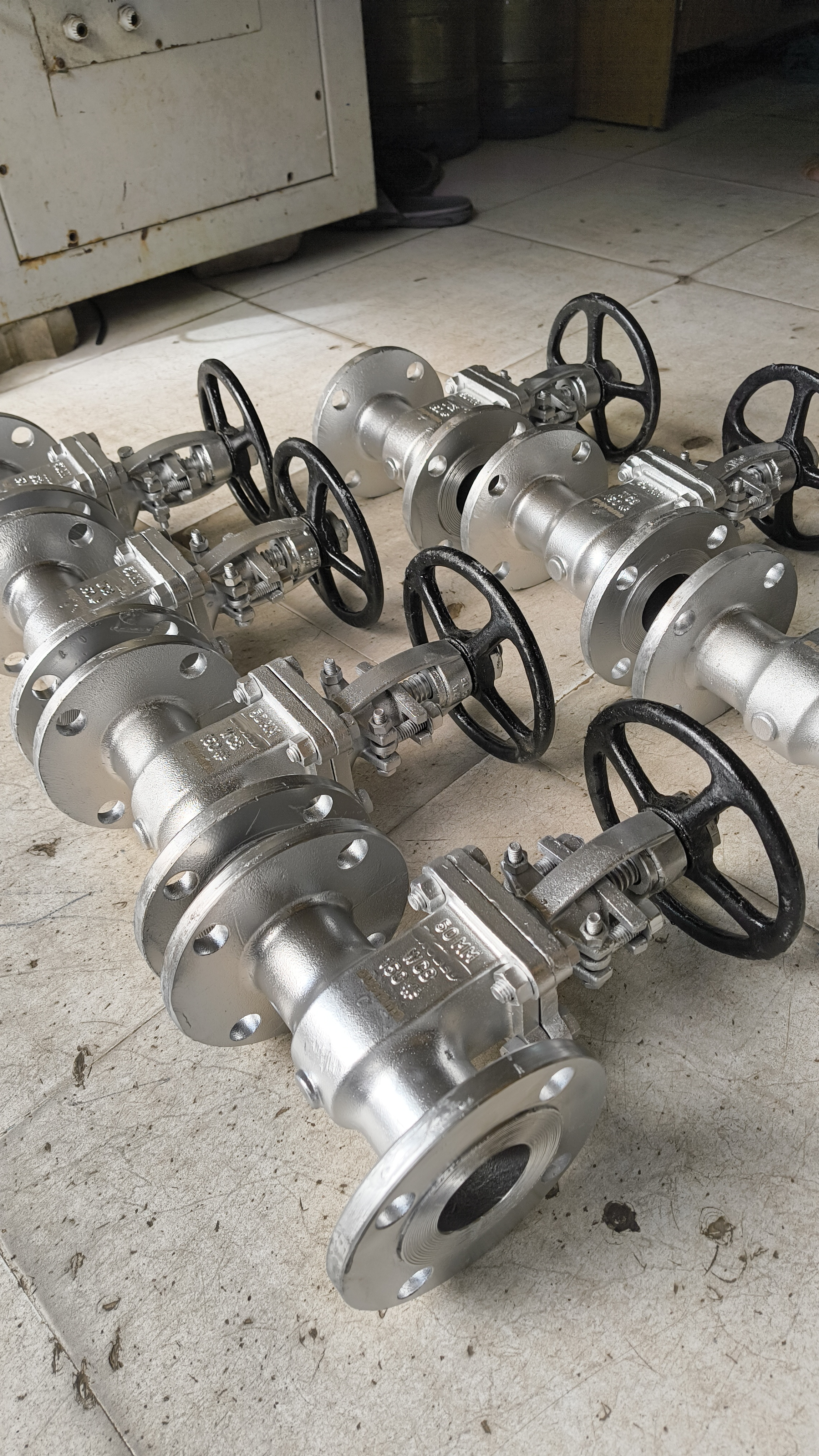
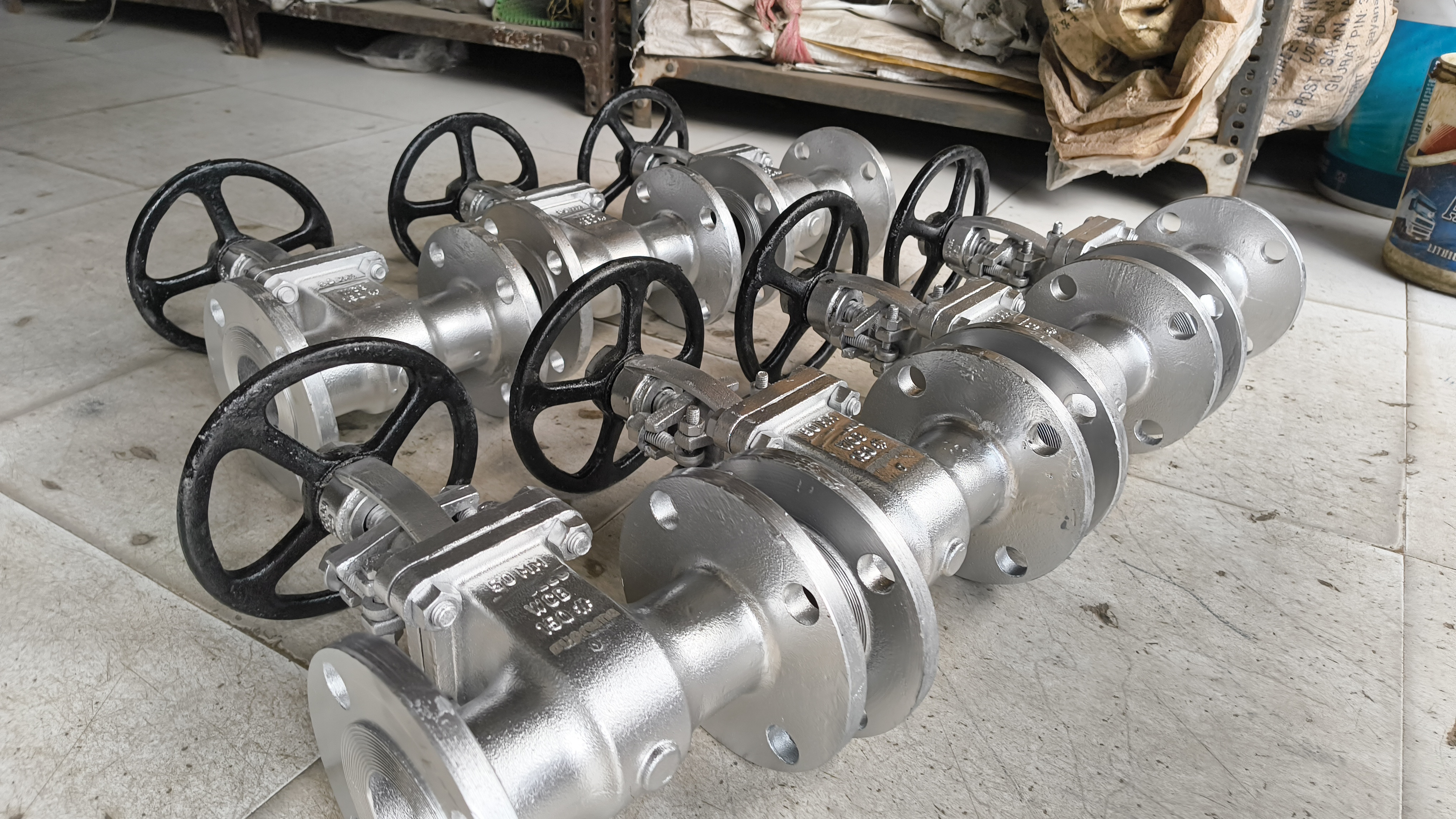
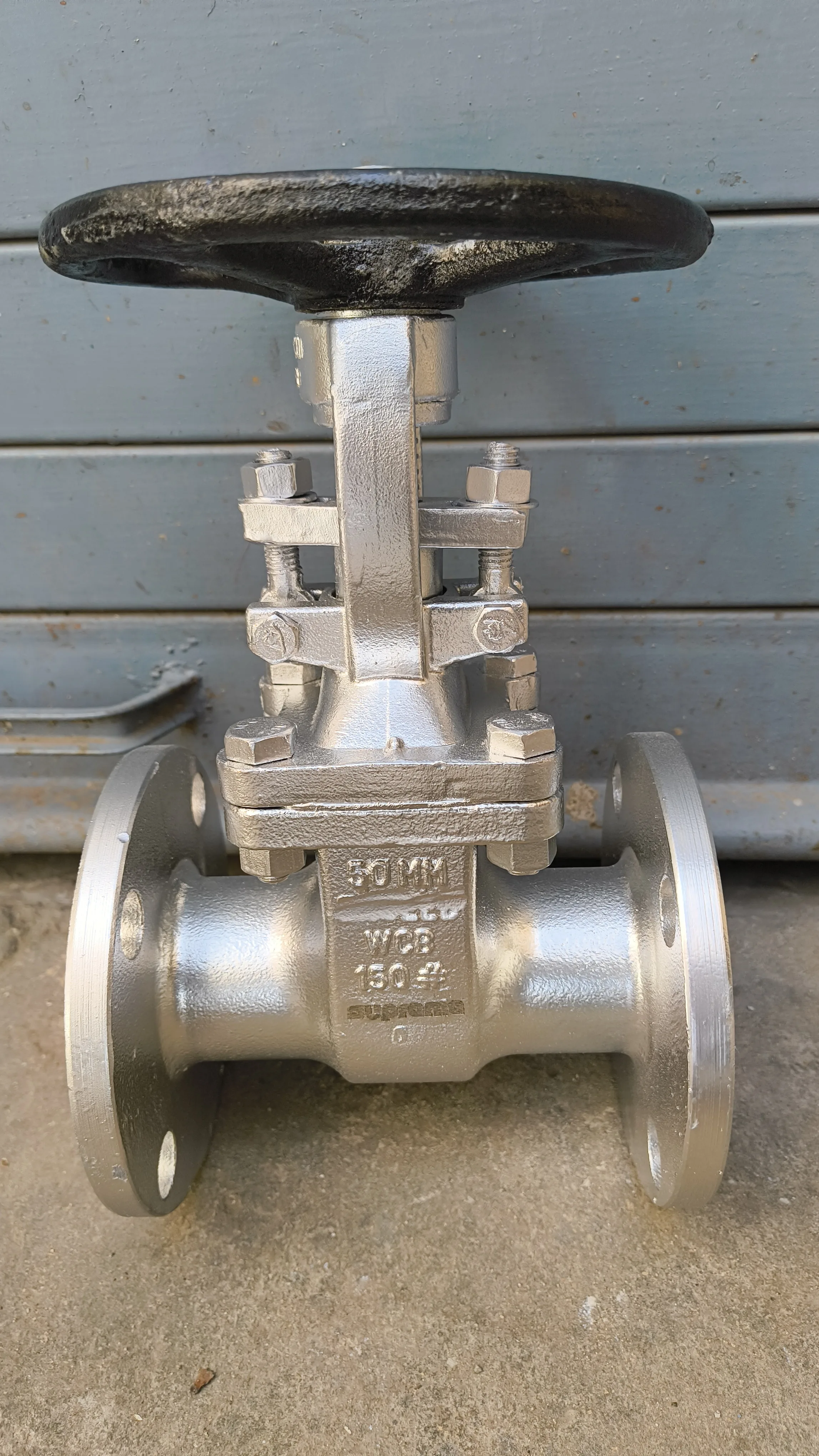
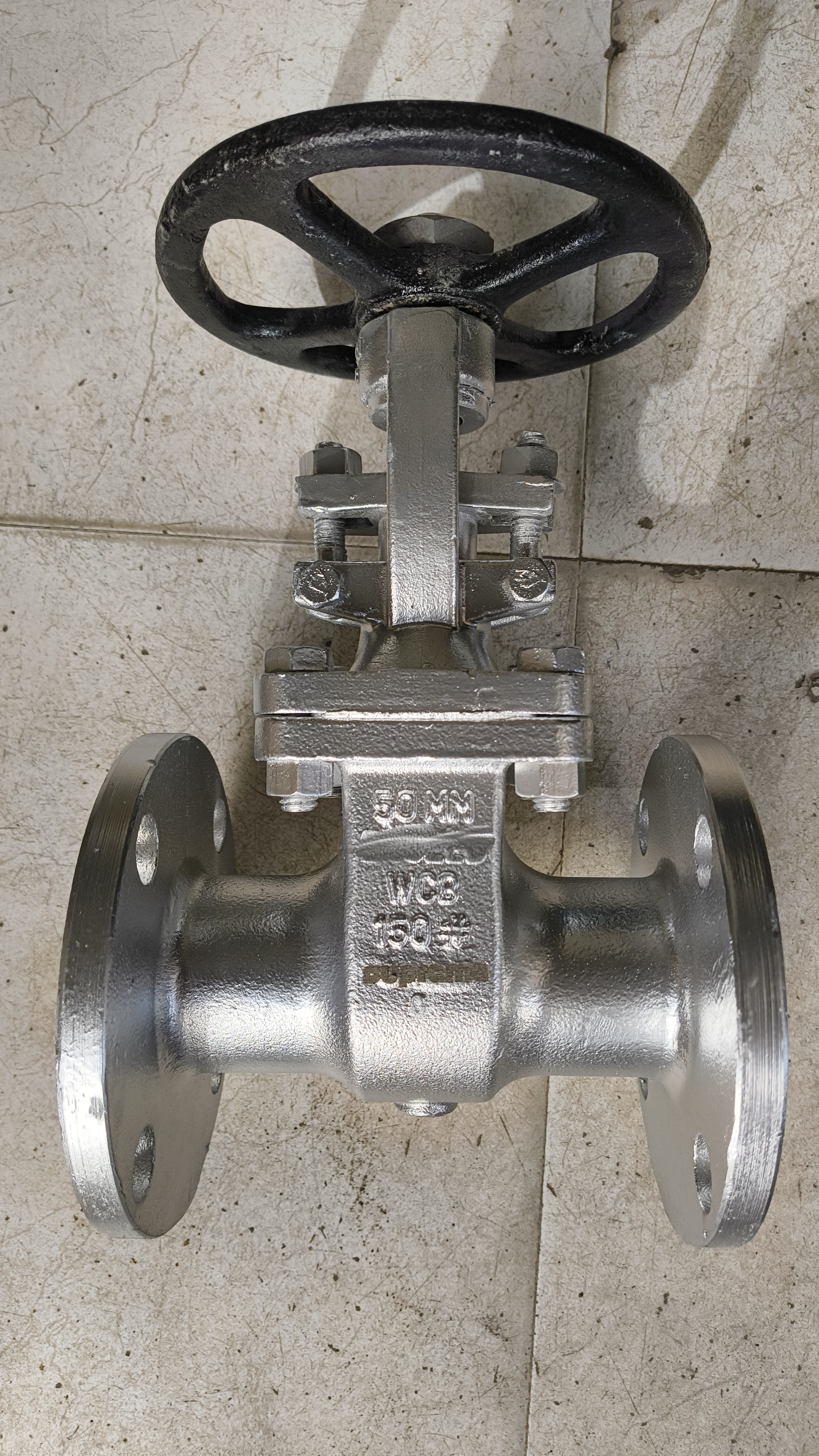
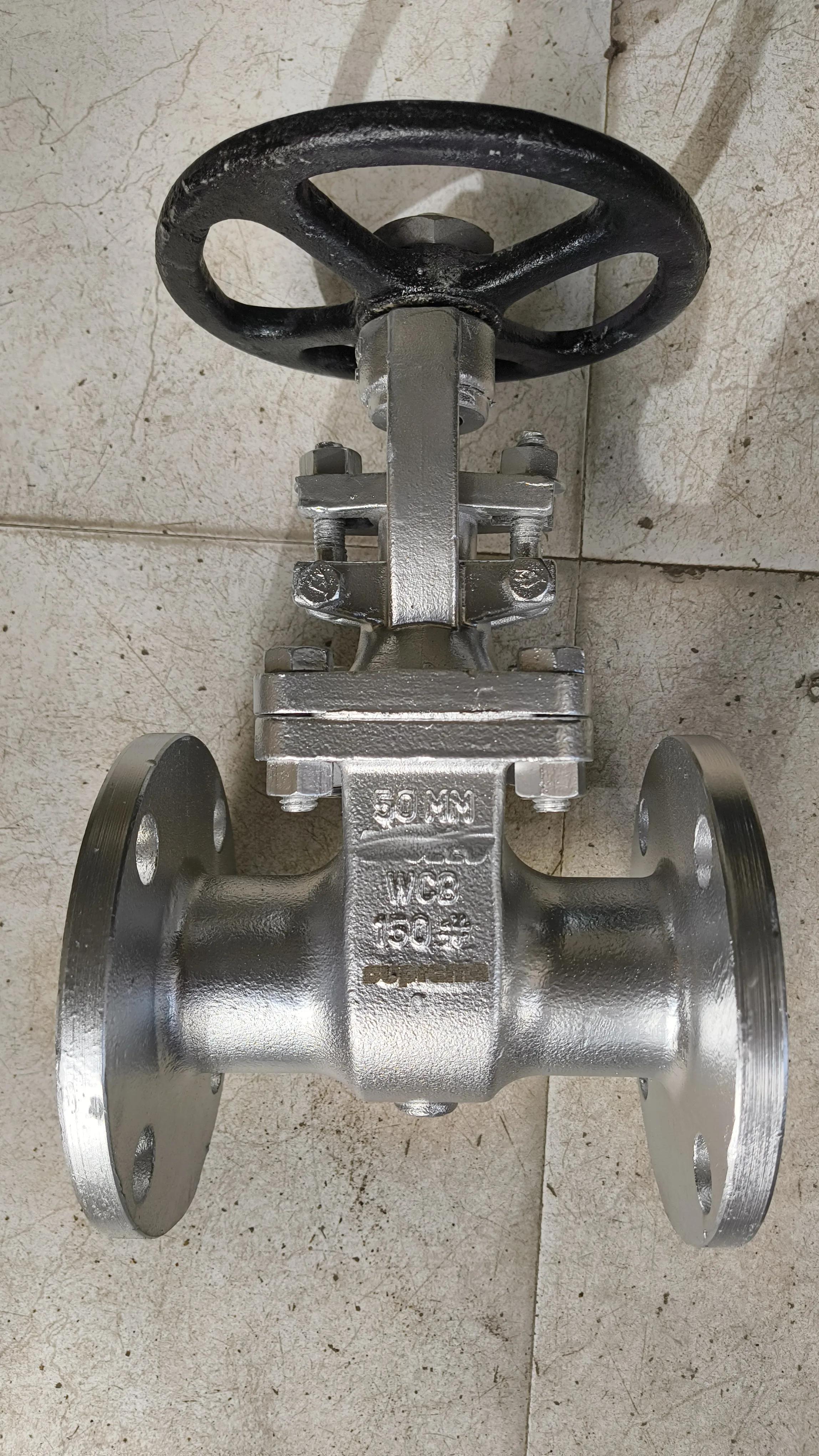
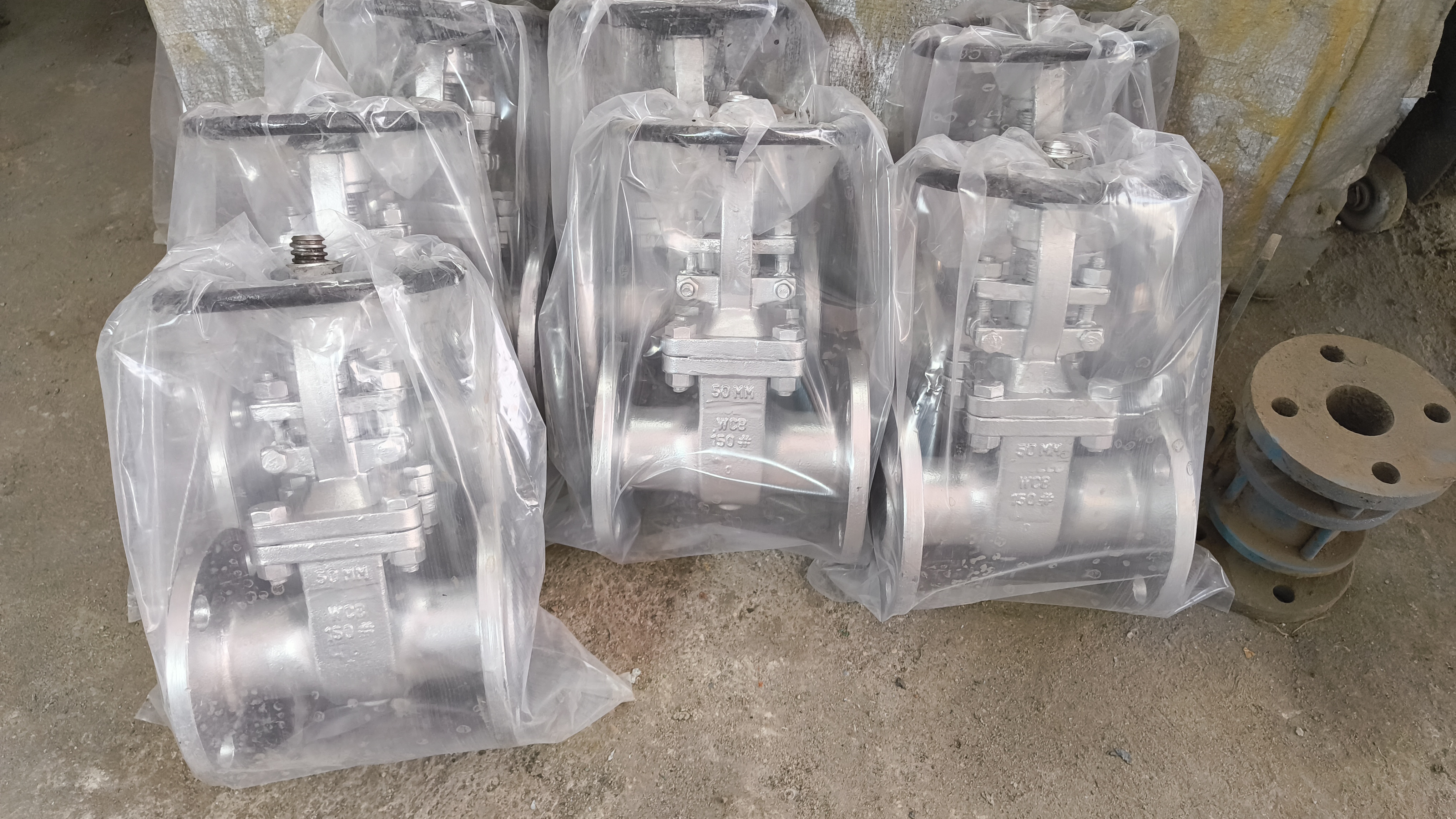
2-3 Way Motorized, Cylinder & Pneumatic Control Valve
Automated Valves

2-3 Way Motorized, Cylinder & Pneumatic Control Valve

Automated control valves for process automation.

Key Applications

HVAC ControlProcess AutomationFlow Control
Request Enquiry WhatsApp Download Datasheet

Frequently Asked Questions

How to size a control valve using Cv calculation?

Control valve sizing follows ISA standard 75.01: Cv = Q x sqrt(G/(P1-P2)), where Q is flow rate (GPM), G is specific gravity, P1-P2 is pressure drop (PSI). For liquids, use this formula. For gases, use Q x sqrt(G x T x Z) / (Cvx sqrt(Y x P1 x P2)) where Y is expansion factor. Steps: (1) determine max and min flow rates, (2) select a valve size that gives Cv in 80-90% open range at max flow, (3) verify that minimum controllable flow (Cvk x P1 differential) is less than min flow requirement, (4) check that P1-P2 is not excessive (>50% of inlet pressure for flashing/cavitation avoidance). For Saudi Arabian water treatment plants, we provide valve sizing calculations with ISA format documentation for project approval.

What's the difference between pneumatic and electric actuators?

Pneumatic actuators use compressed air (typically 4-7 bar) to rotate the valve stem via piston or diaphragm mechanism. Advantages: fast operation (0.5-5 sec), high torque output, fail-safe options (spring return), explosion-proof for hazardous areas, simple and robust. Electric actuators use an electric motor with gear train. Advantages: precise positioning, no air supply needed, built-in position feedback and controls, easy integration with DCS. Disadvantages: slower operation, potential failure under high inertia loads, more complex. For Saudi Arabian oil and gas, pneumatic is preferred for safety and speed. Electric is used for modulating control with precise positioning or where no instrument air is available.

What is fail-safe position for spring-return actuators?

Fail-safe position is where the valve goes when air pressure is lost in a spring-return actuator. Air-to-close (fail-open) valves close when air fails - used for safety shutdown where open flow would cause overflow or damage. Air-to-open (fail-closed) valves open when air fails - used where stopped flow causes safety issue like pump overheating. Selection depends on process logic: (1) suction side of pumps - fail-open to prevent pump damage, (2) discharge valves - fail-closed to prevent backflow, (3) vents/drains - fail-closed to contain hazards. For Saudi Arabian refinery burner management, fuel gas safety valves are spring-return fail-closed per OSHA and Aramco engineering standards.

How does a positioner improve control valve accuracy?

A positioner receives a 4-20mA signal from the controller and adjusts actuator air pressure until the valve stem reaches the requested position. Without positioner: actuator responds proportionally to signal but friction, spring compression variations, and supply pressure changes cause 5-15% position error. With positioner: position error reduced to <1%. Additional benefits: (1) faster response to small setpoint changes (2) split-ranging capability (one signal controlling multiple valves), (3) reverse/fail action configuration, (4) position feedback for DCS indication. For Saudi Arabian district cooling control loops, smart positioners with HART protocol provide diagnostic data including stem friction trends for predictive maintenance.

What is the difference between PIBCV and globe control valve?

PIBCV (Proportional Integral Binary Control Valve) is a specialized globe valve with a two-stage positioning mechanism: the first stage (pilot) responds to small signals for precise throttling, the second stage (main) provides high flow capacity. This provides: (1) improved sensitivity at low flow rates, (2) better resolution for precise temperature/pressure control, (3) lower air consumption than standard positioners. Standard globe control valves use single-stage actuation where positioner output directly drives the actuator. PIBCV is used in: (1) building automation temperature control, (2) small flow loops requiring precise control, (3) HVAC systems with variable primary flow. For UAE building management systems, Danfoss VB or Siemens PIBCV valves are common.

Food-grade sanitary diaphragm valve design requirements?

Sanitary diaphragm valves for food, beverage, and pharmaceutical must meet: (1) internal surfaces Ra 0.8 micrometer or better (crack-free for CIP cleaning), (2) dead-leg free design to prevent bacterial growth, (3) FDA-compliant elastomers (EPDM, PTFE, silicone) for product contact, (4) 3-A Sanitary Standard 63-02 certification, (5) full drainability when installed on horizontal pipe, (6) material traceability (AISI 316L body, 316L diaphragm). For Saudi Arabian dairy and beverage plants (Almarai, Saudi Dairy), diaphragm valves with clamp connections (Tri-clamp) are specified. Installation must slope 1:100 toward drain for complete emptying.

ATEX certification for hazardous area control valves?

ATEX 2014/34/EU certification is required for control valves used in explosive atmospheres in EU countries. However, for Saudi Arabian and UAE oil and gas, IECEx (International Electrotechnical Commission Explosive) and ARAMCO/Ethernet protocols are more relevant. Key certifications: (1) IECEx equipment protection level (EPL) marking: Ga (highest risk), Gb, Gc for gas; Da, Db, Dc for dust, (2) temperature rating T1-T6 for maximum surface temperature, (3) flameproof enclosure 'd' for motors, (4) intrinsic safety 'i' for positioners and limit switches. For Jeddah refinery modernization, IECEx Zone 1 certification with ARAMCO 01-EM-0023 approval is required for all instrumentation including control valve actuators.

Materials of Construction (MOC)

Component Material Specification
Body & Bonnet Ductile Iron (ASTM A536 / EN-GJS-400-15)
Stem / Spindle SS 410 / SS 420
Seat / Trim EPDM / NBR / Bronze

Technical Specifications

Parameter Specification / Standard
Manufacturing / Design Standard EN 1171 / AWWA C509 / BS 5163
Testing Standard API 598 / EN 12266-1
Pressure Rating PN16 / PN25