
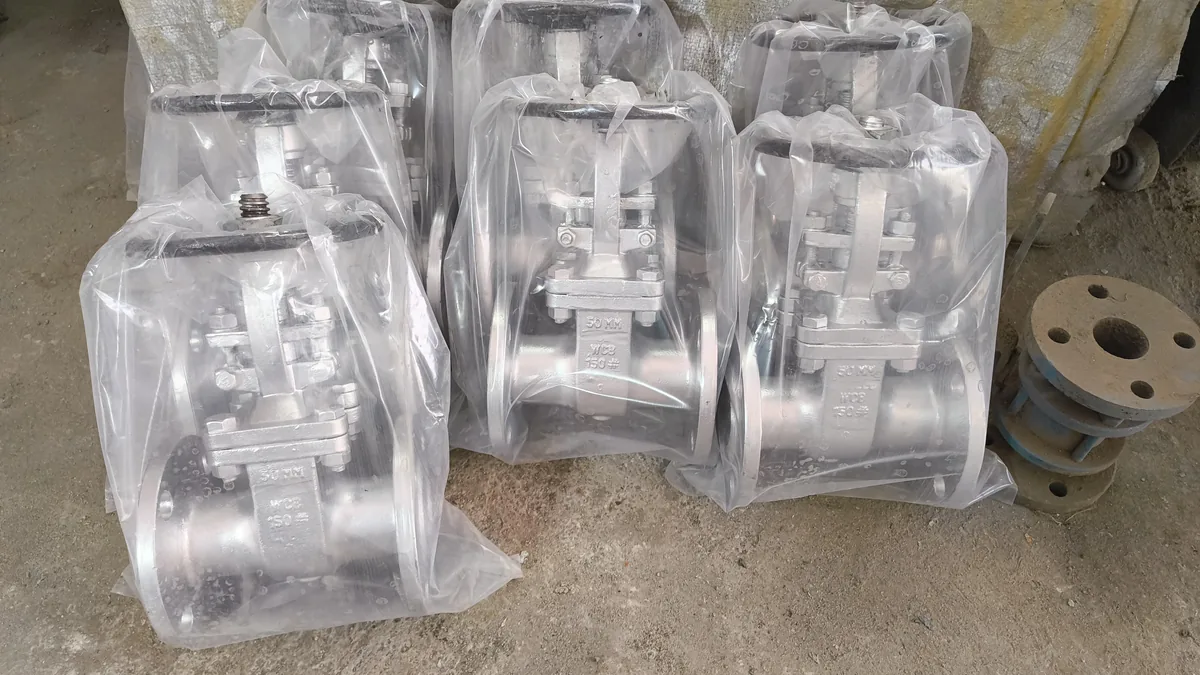
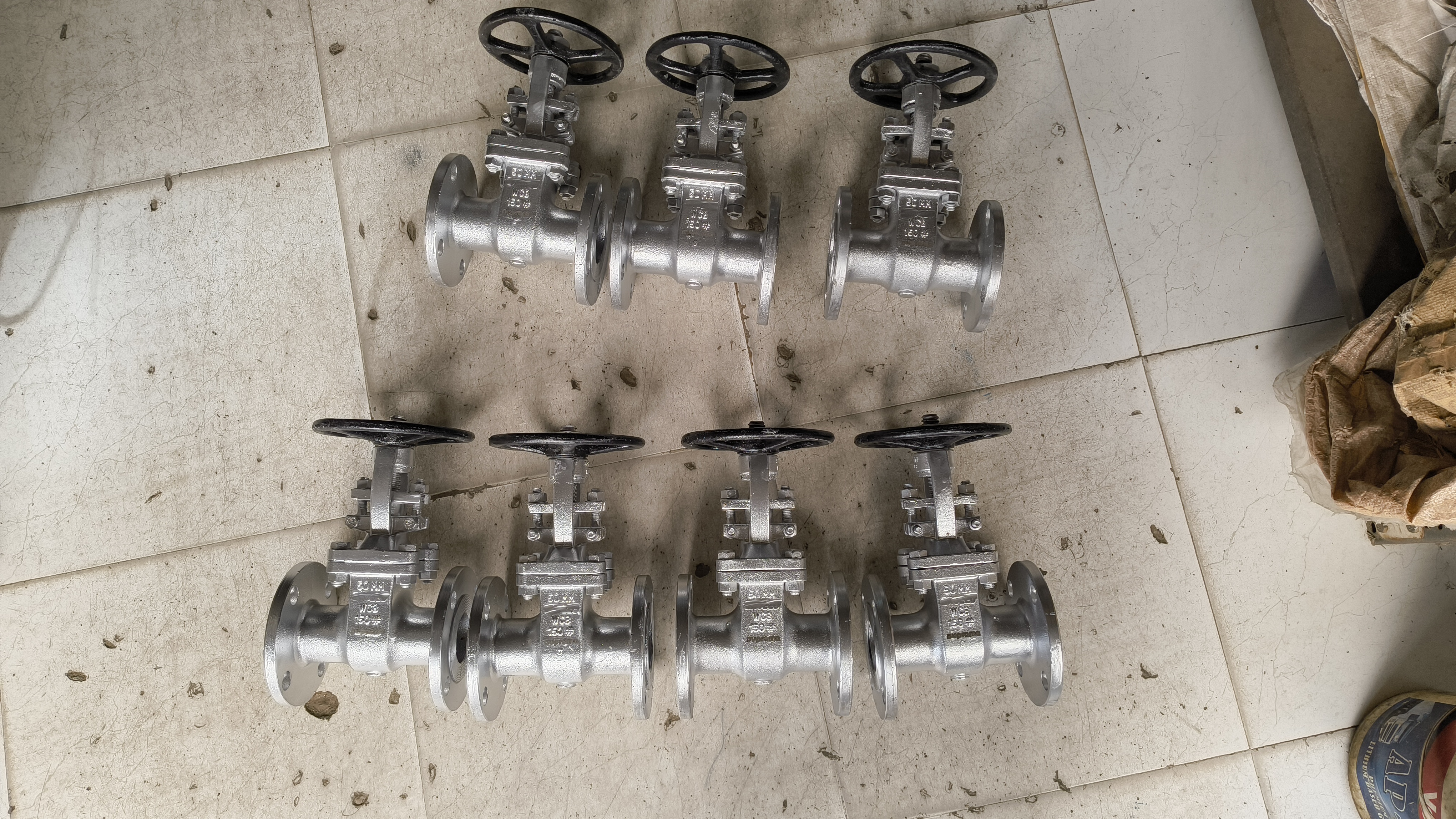
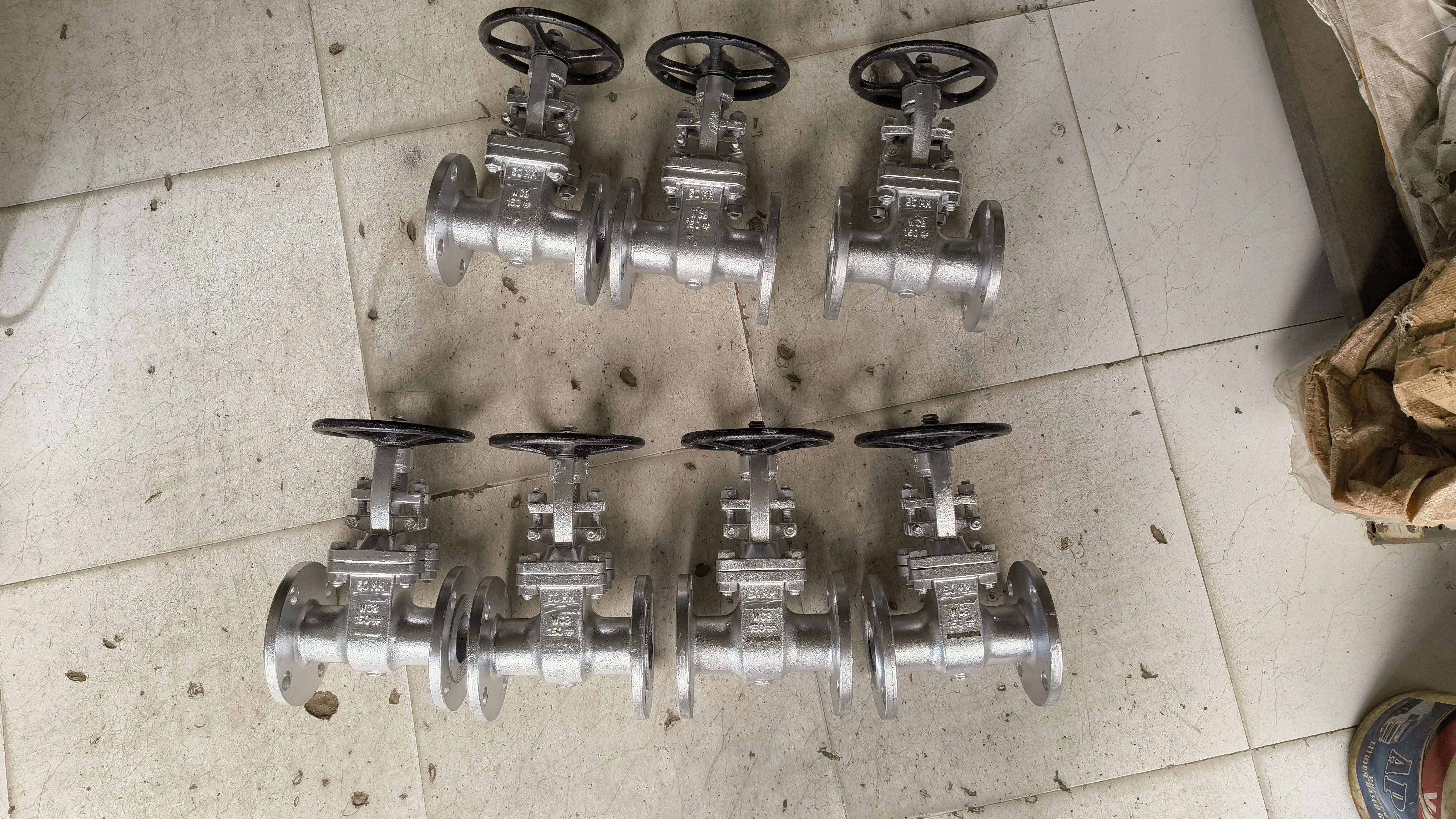
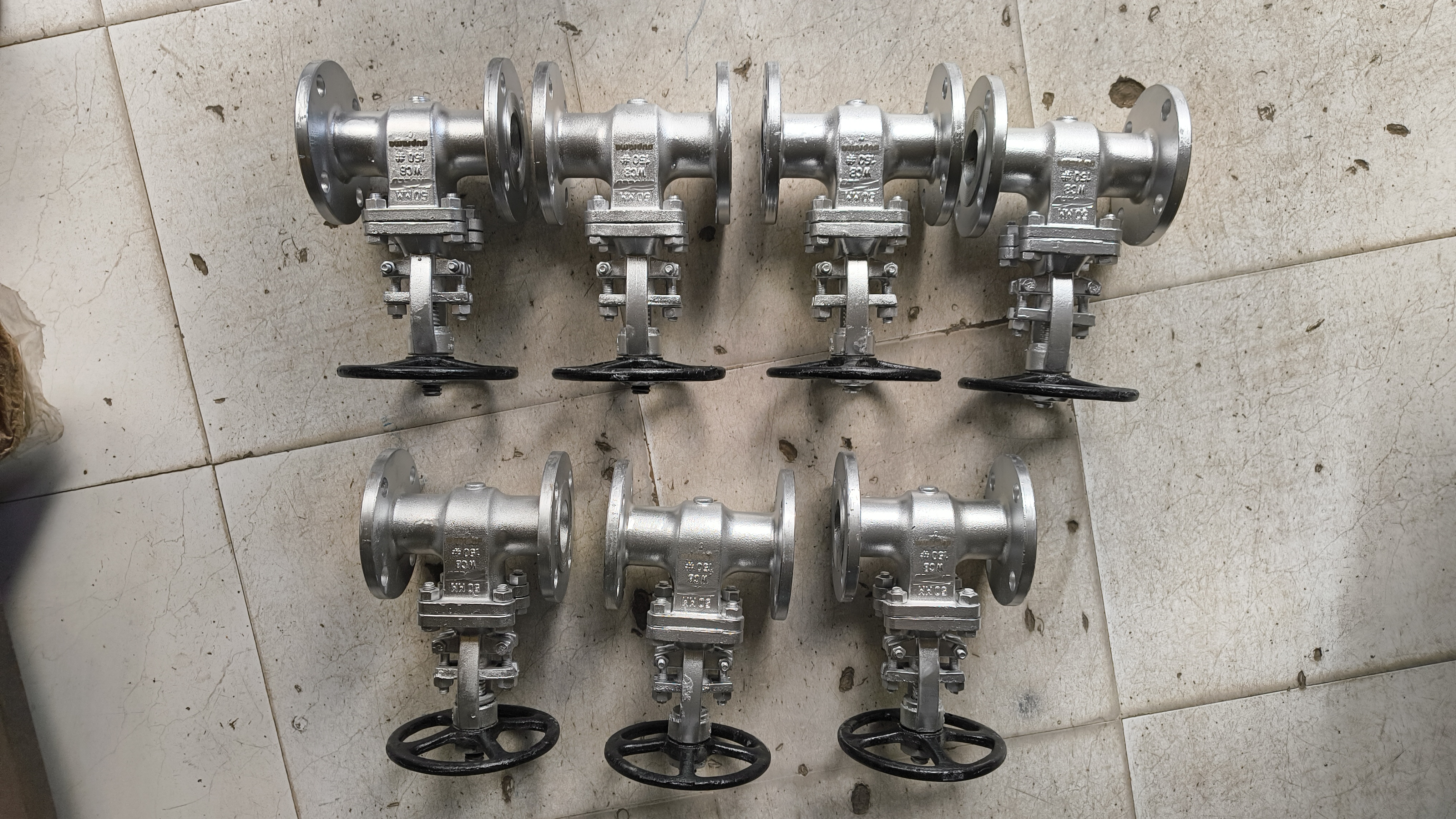
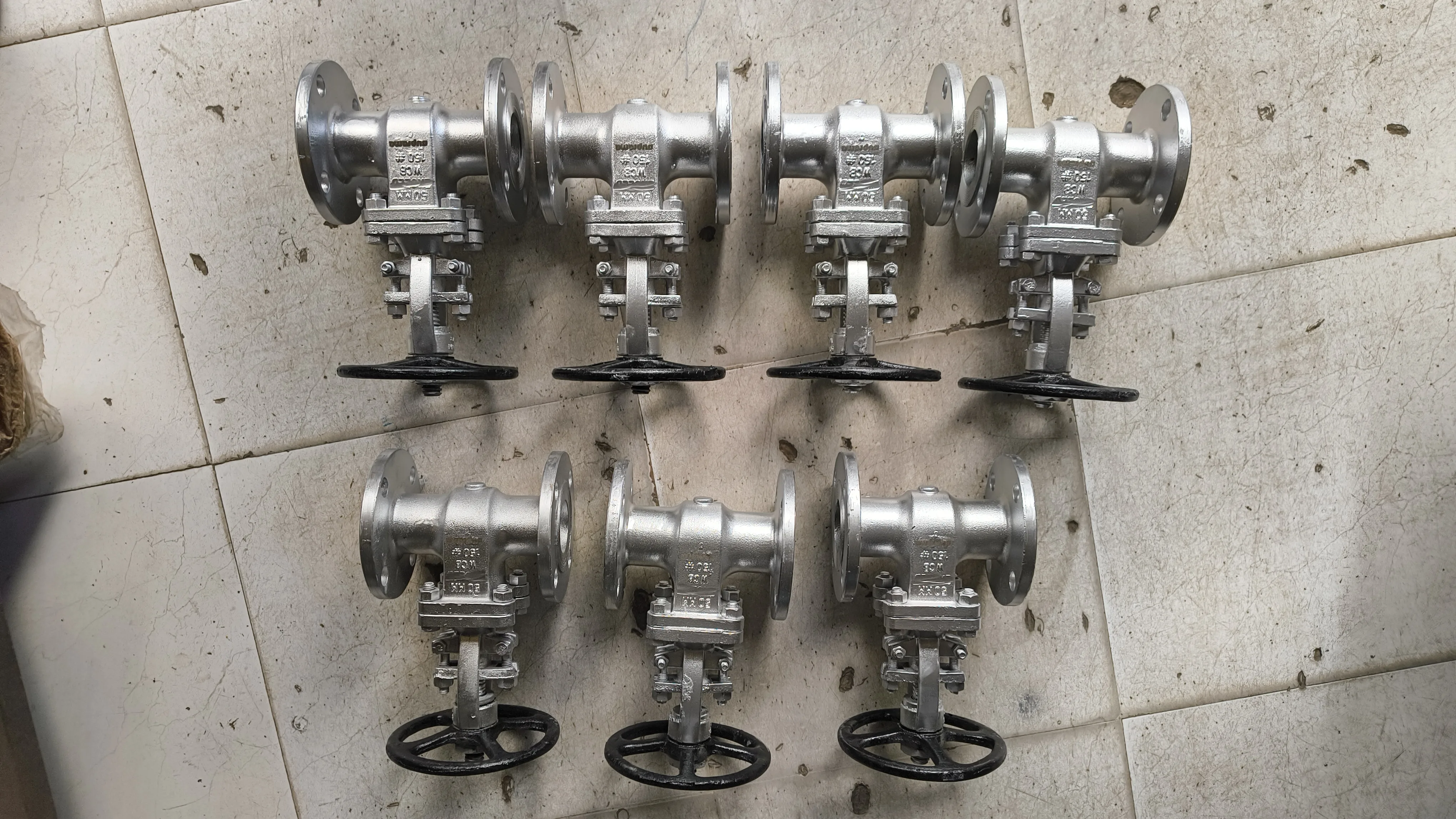
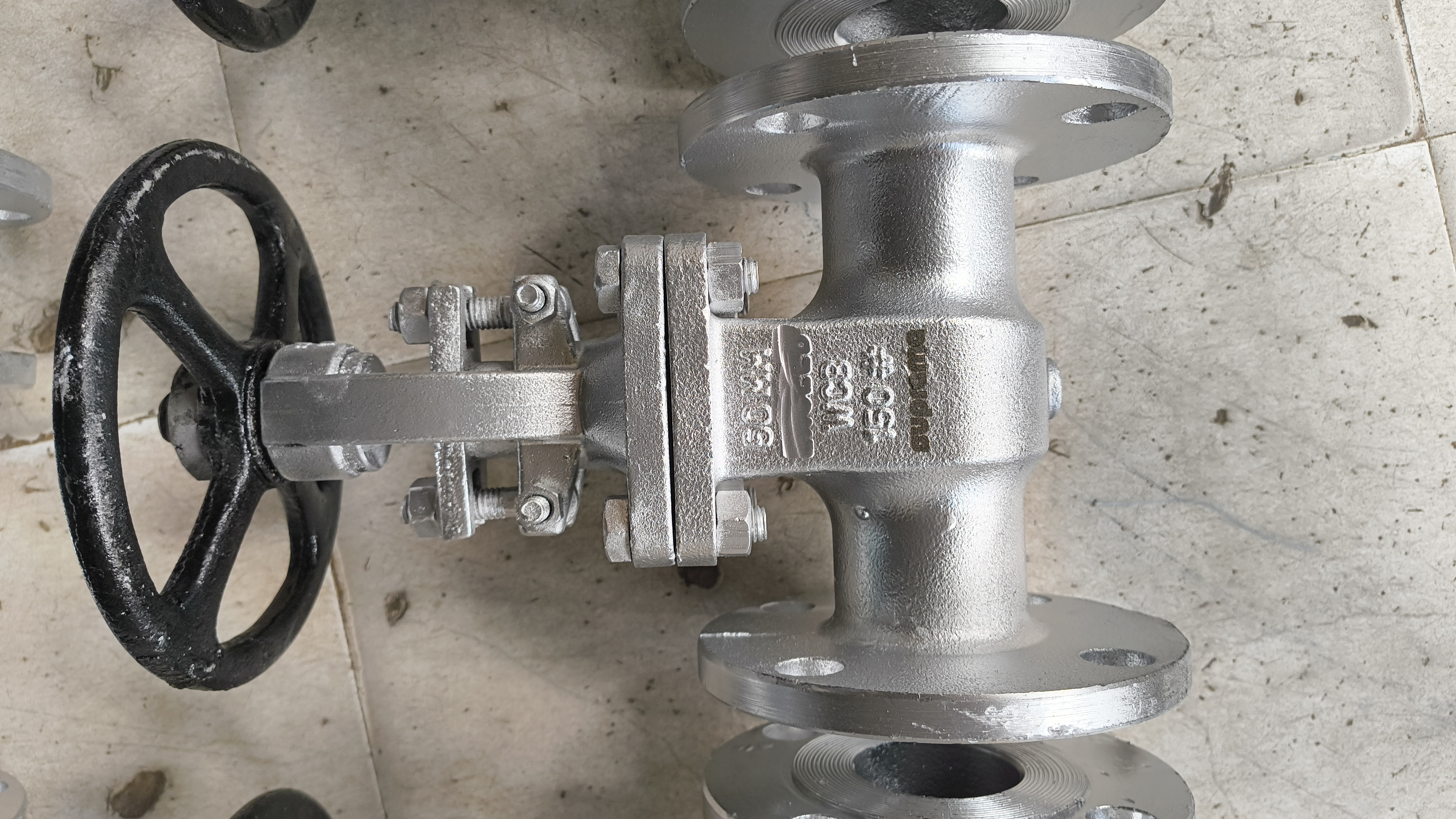
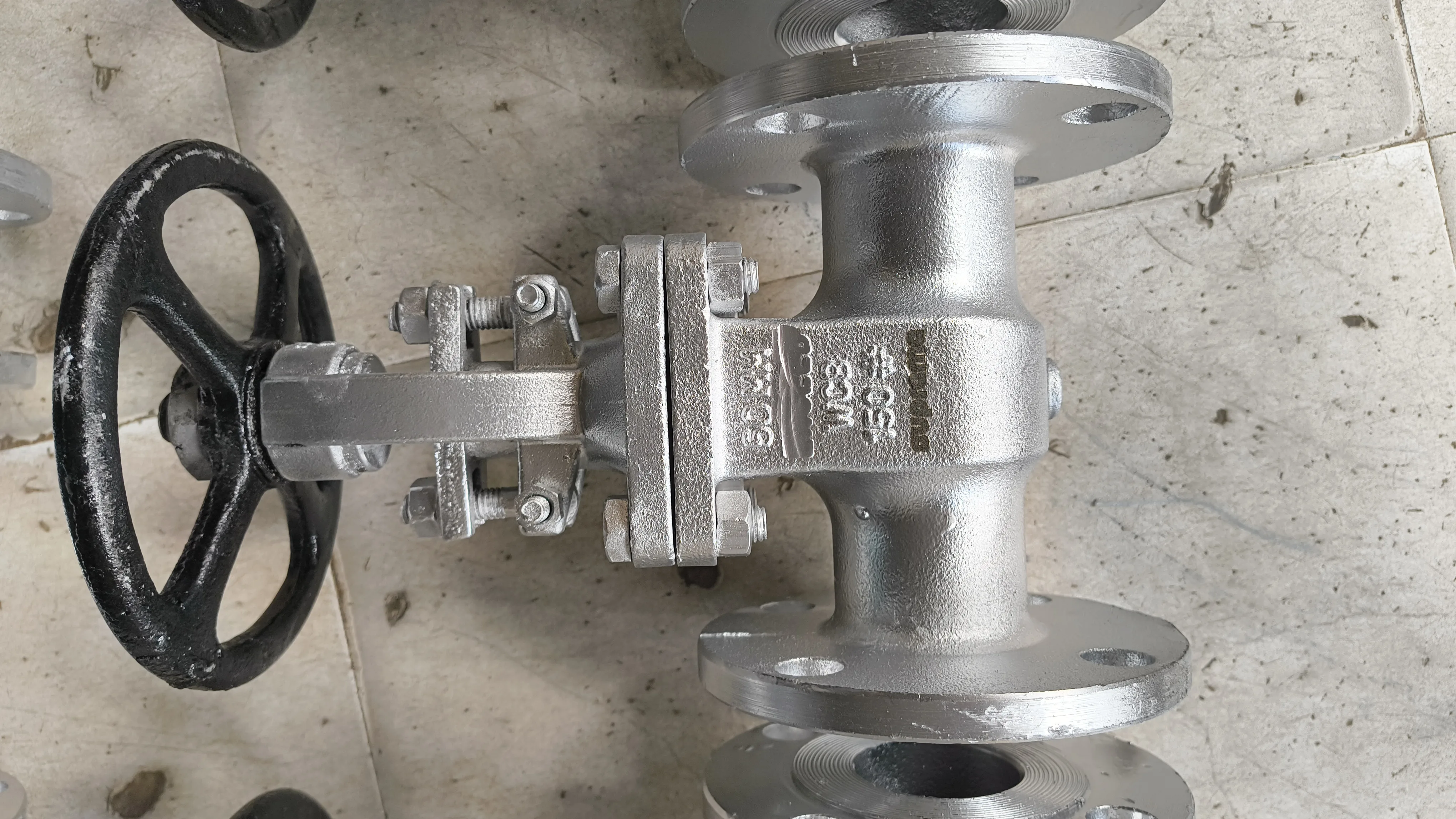
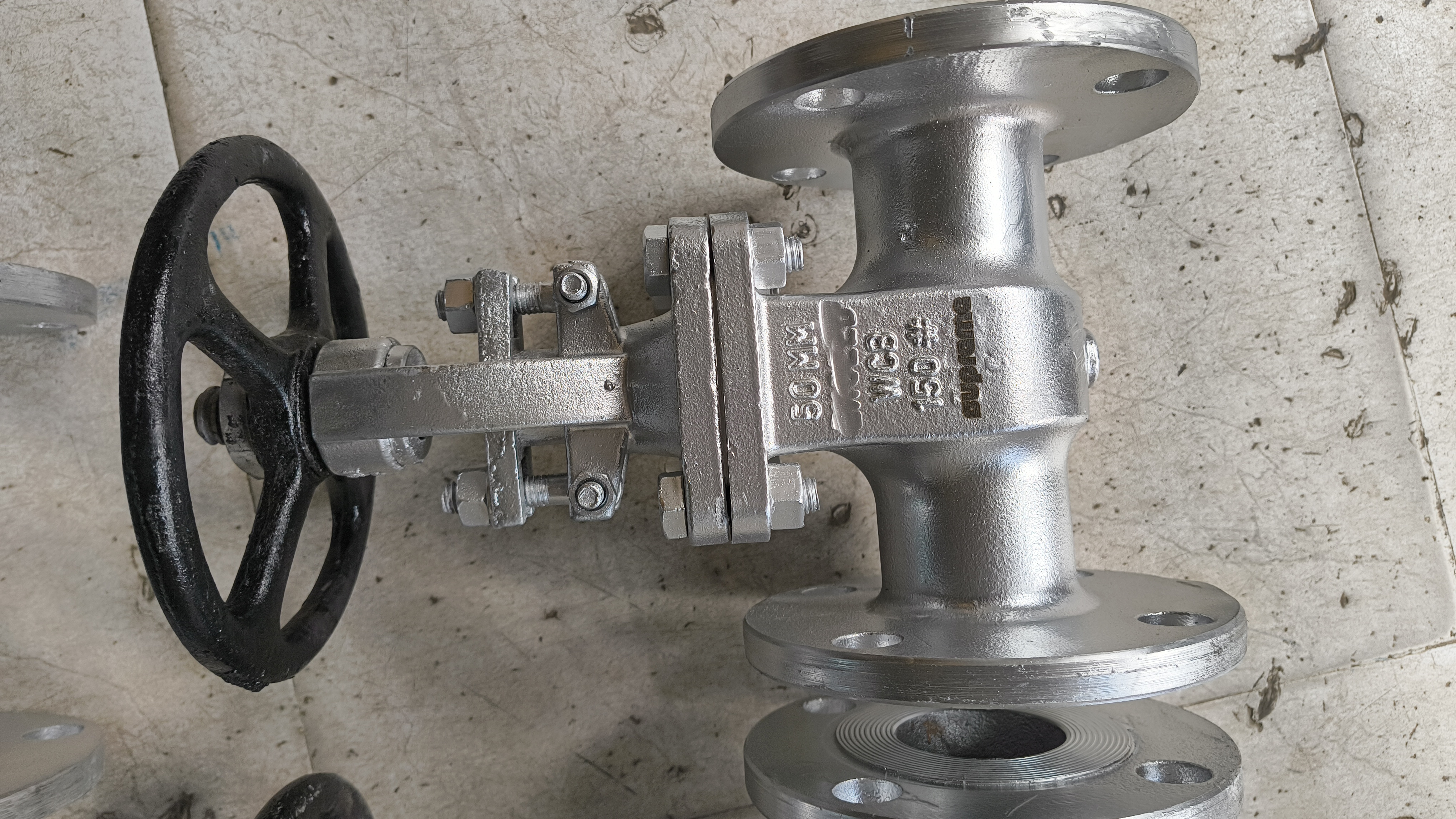
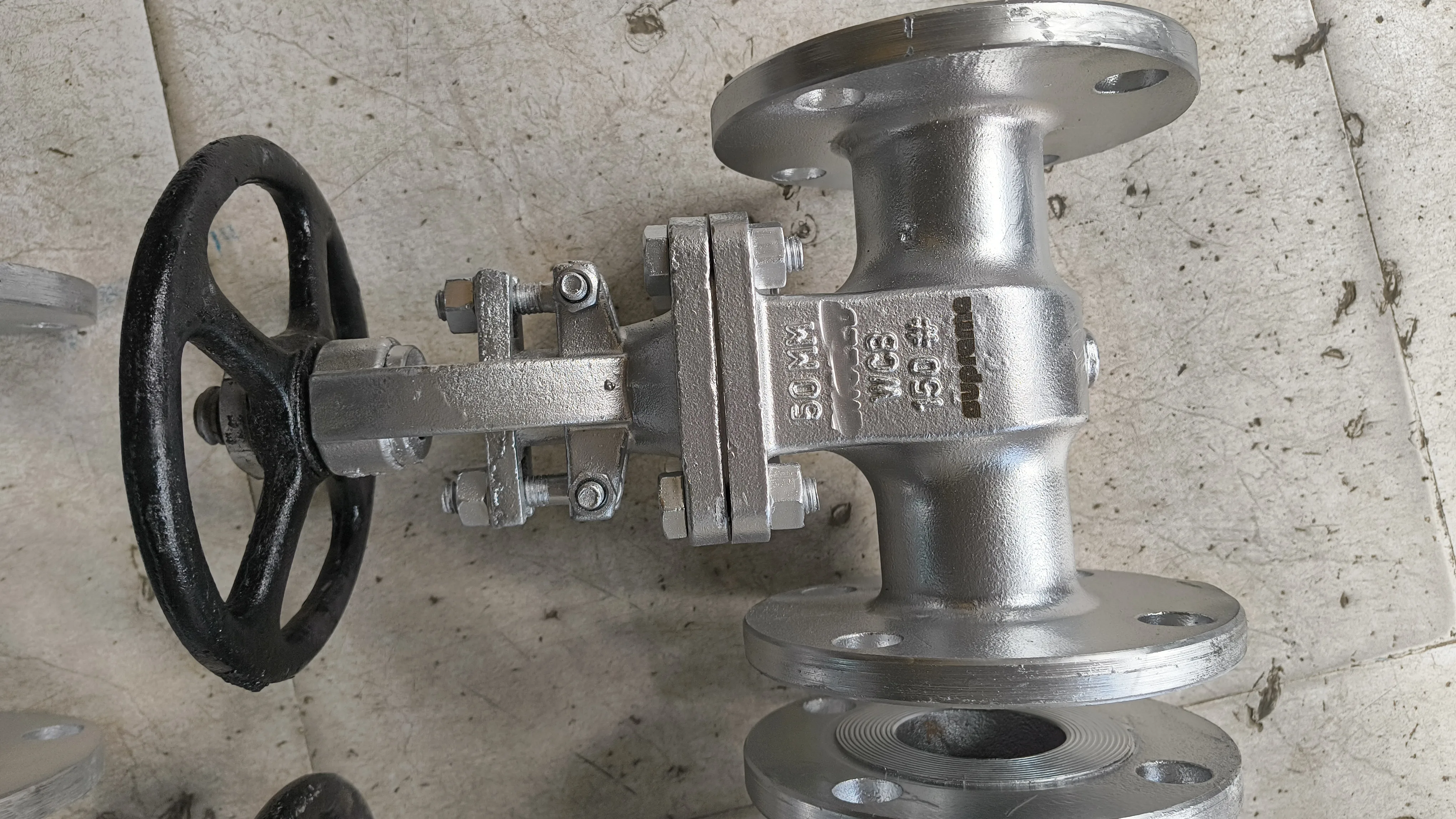
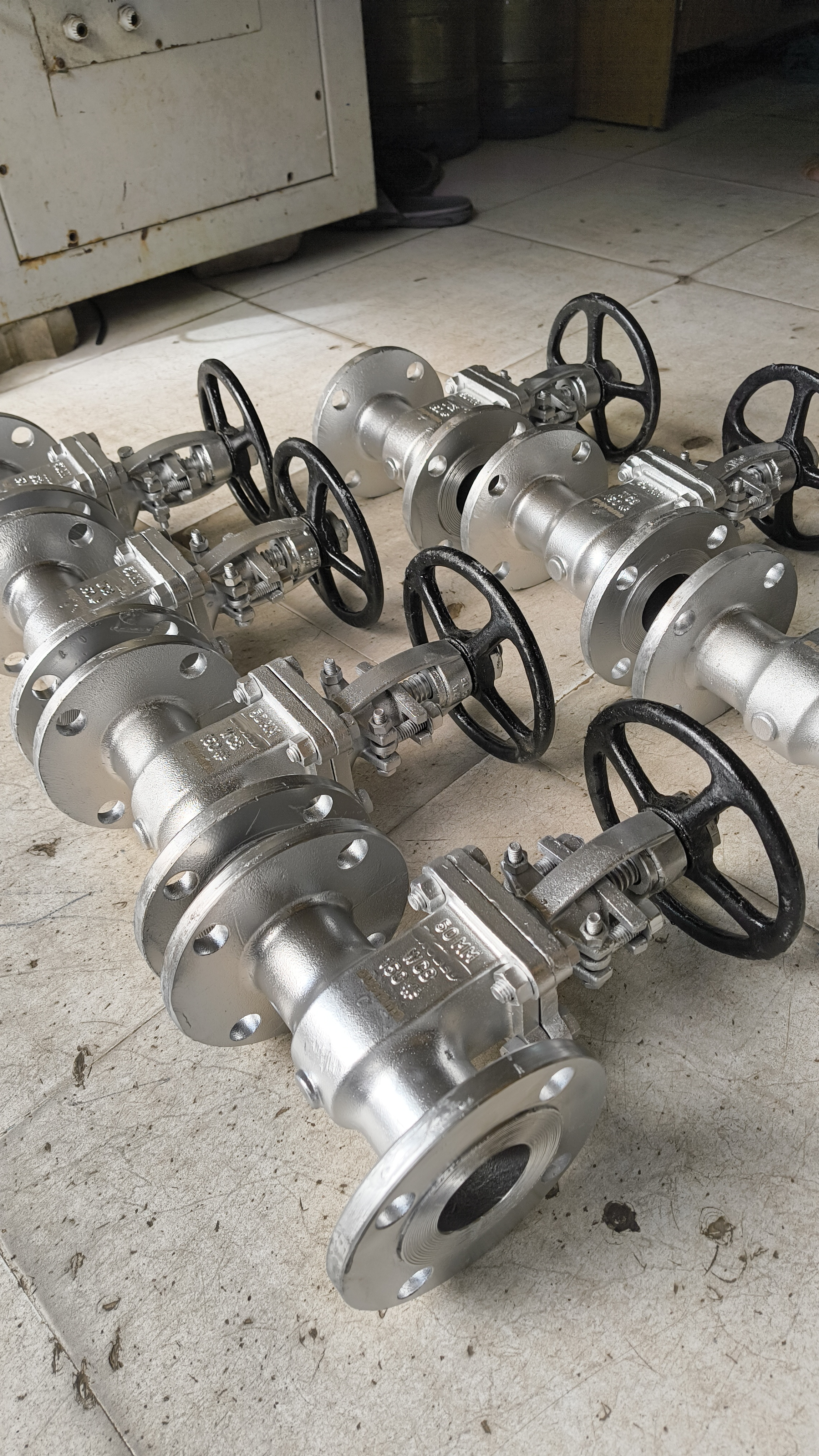
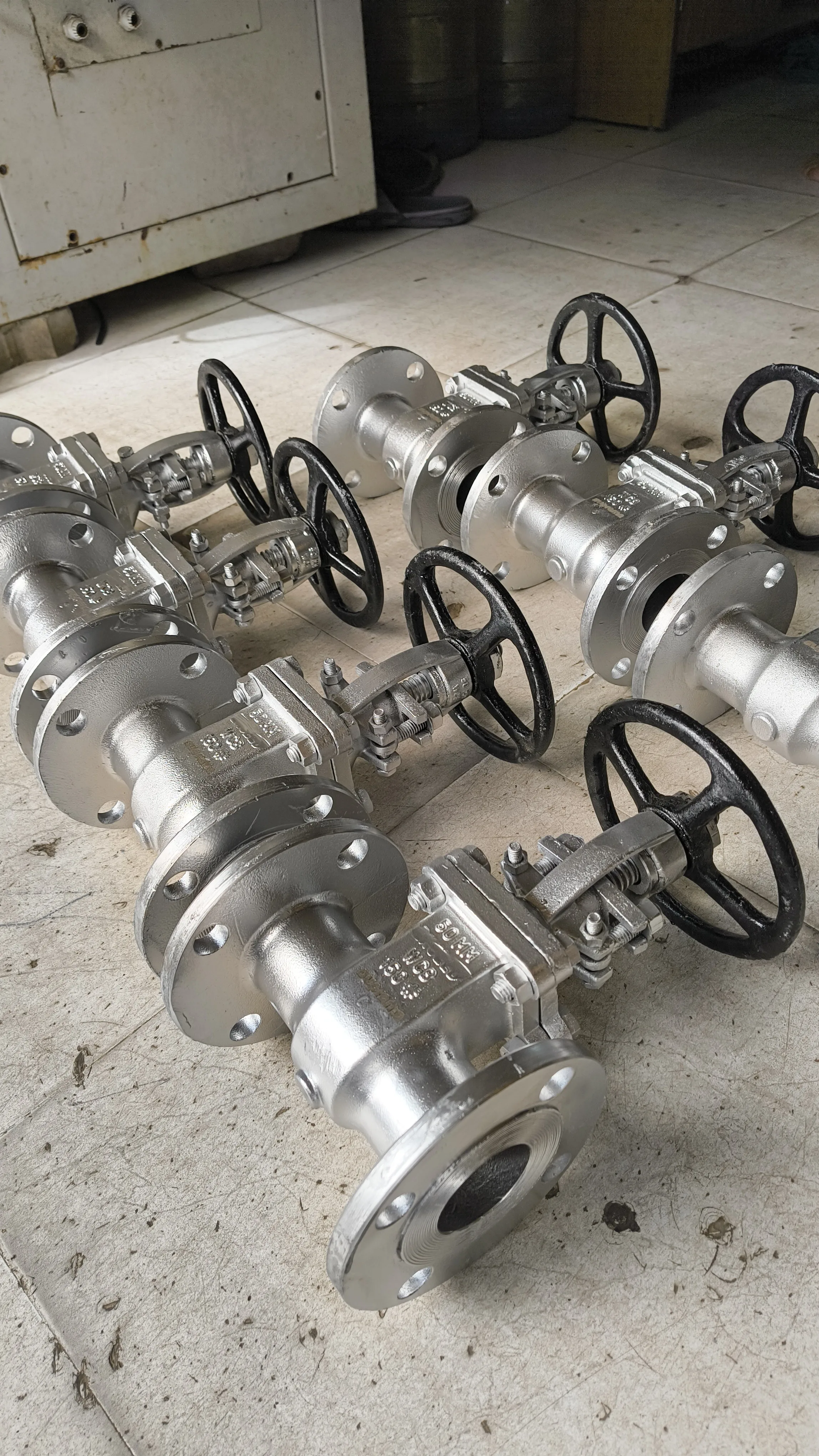
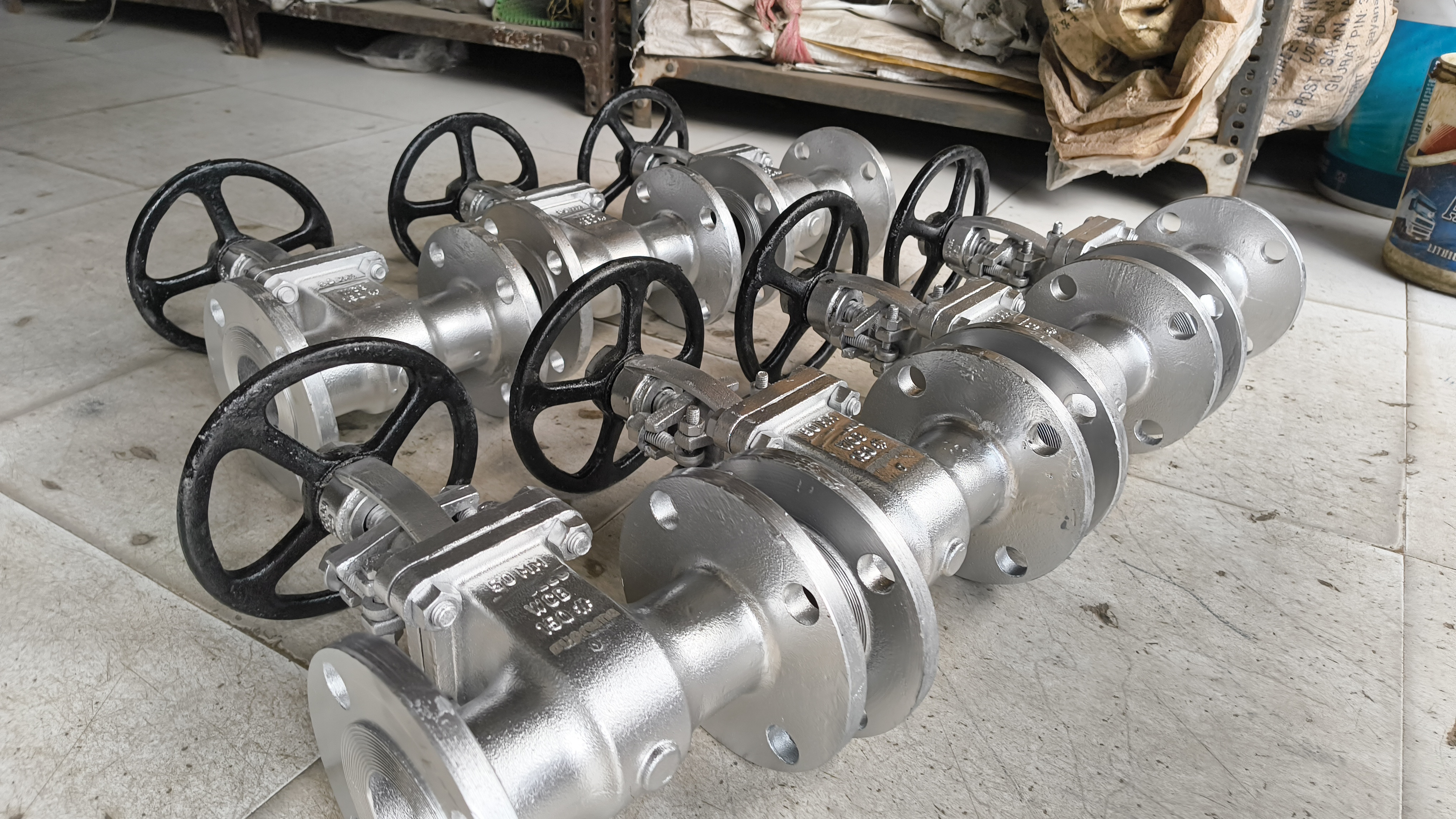
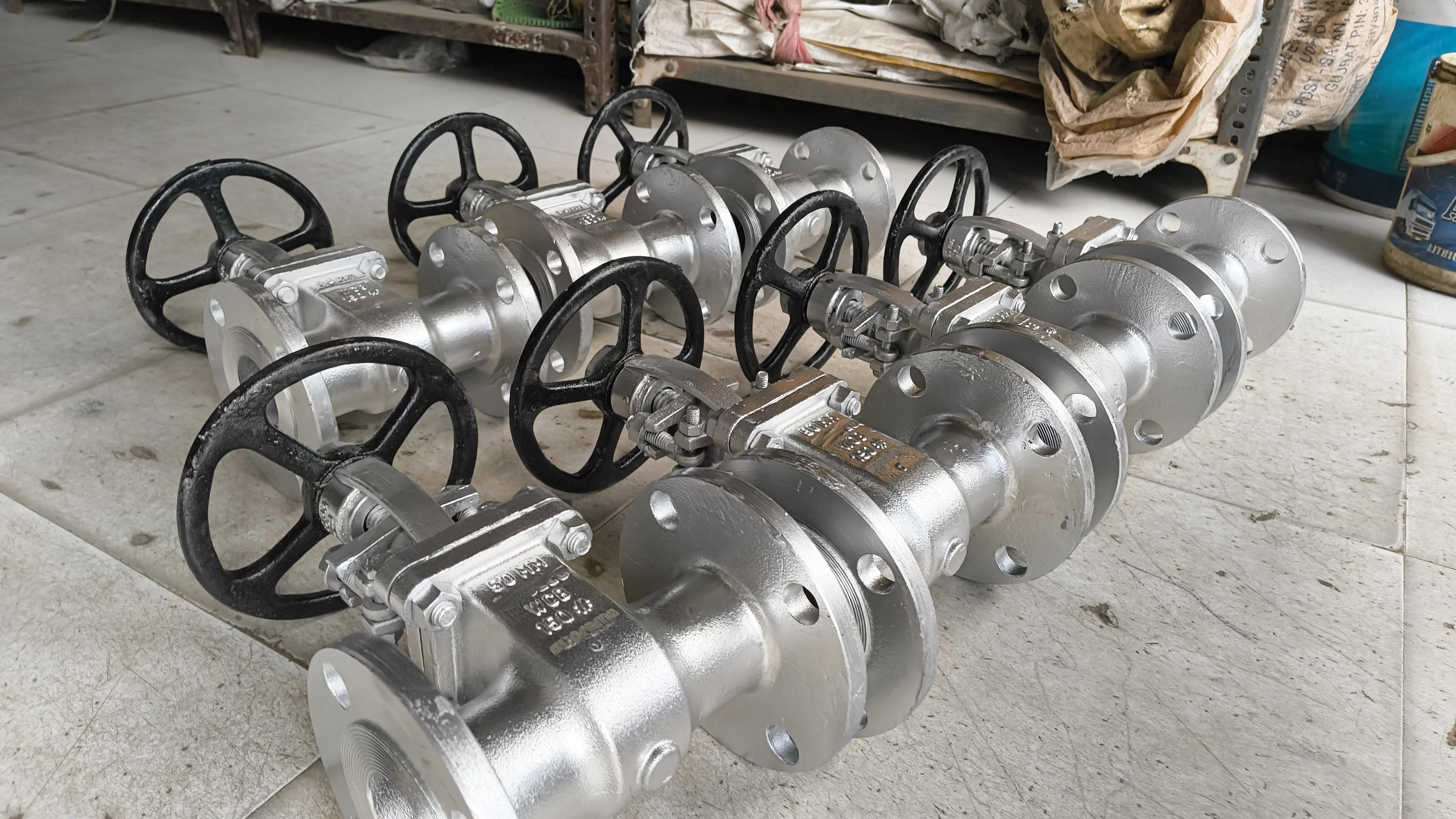
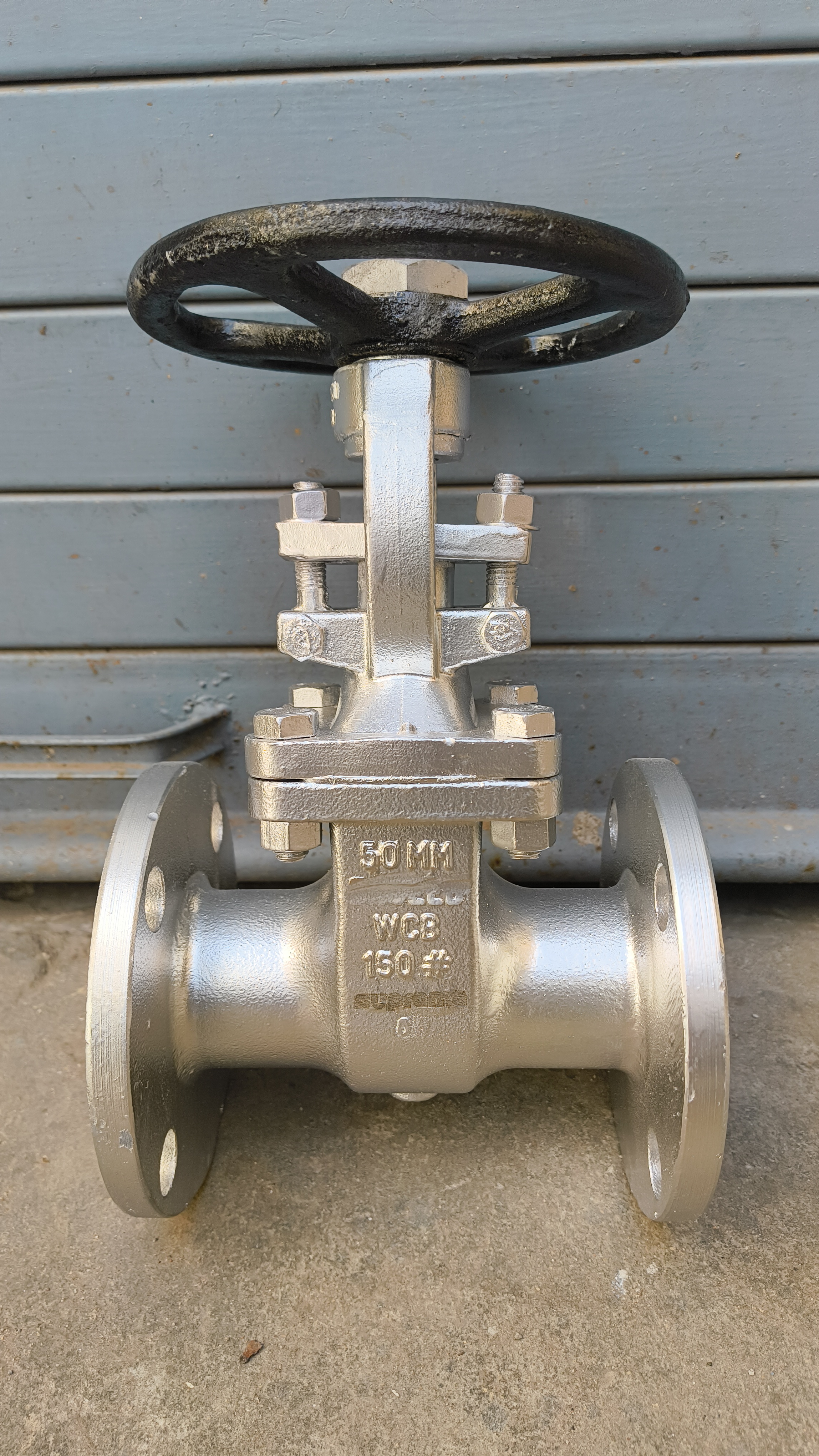
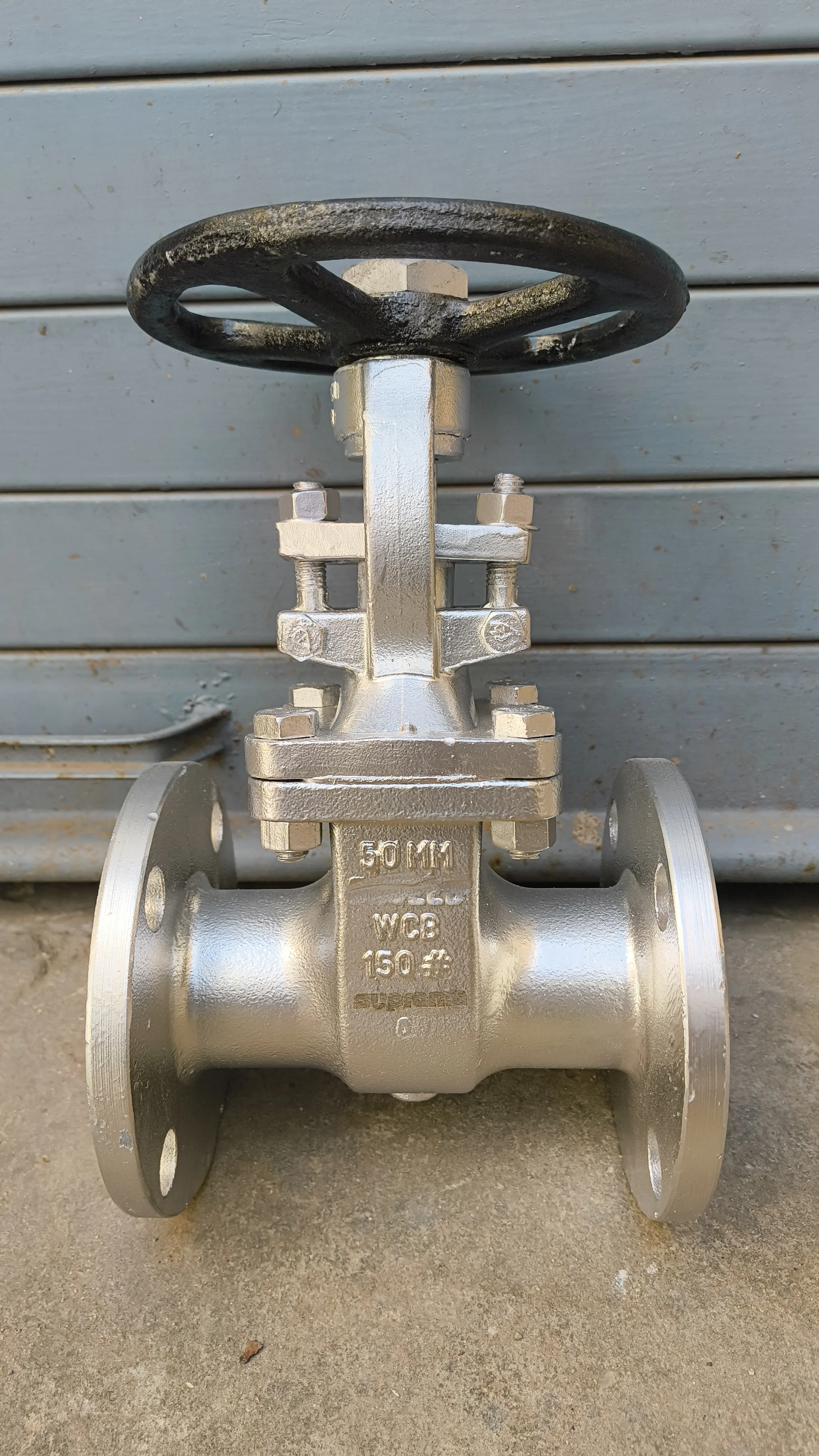
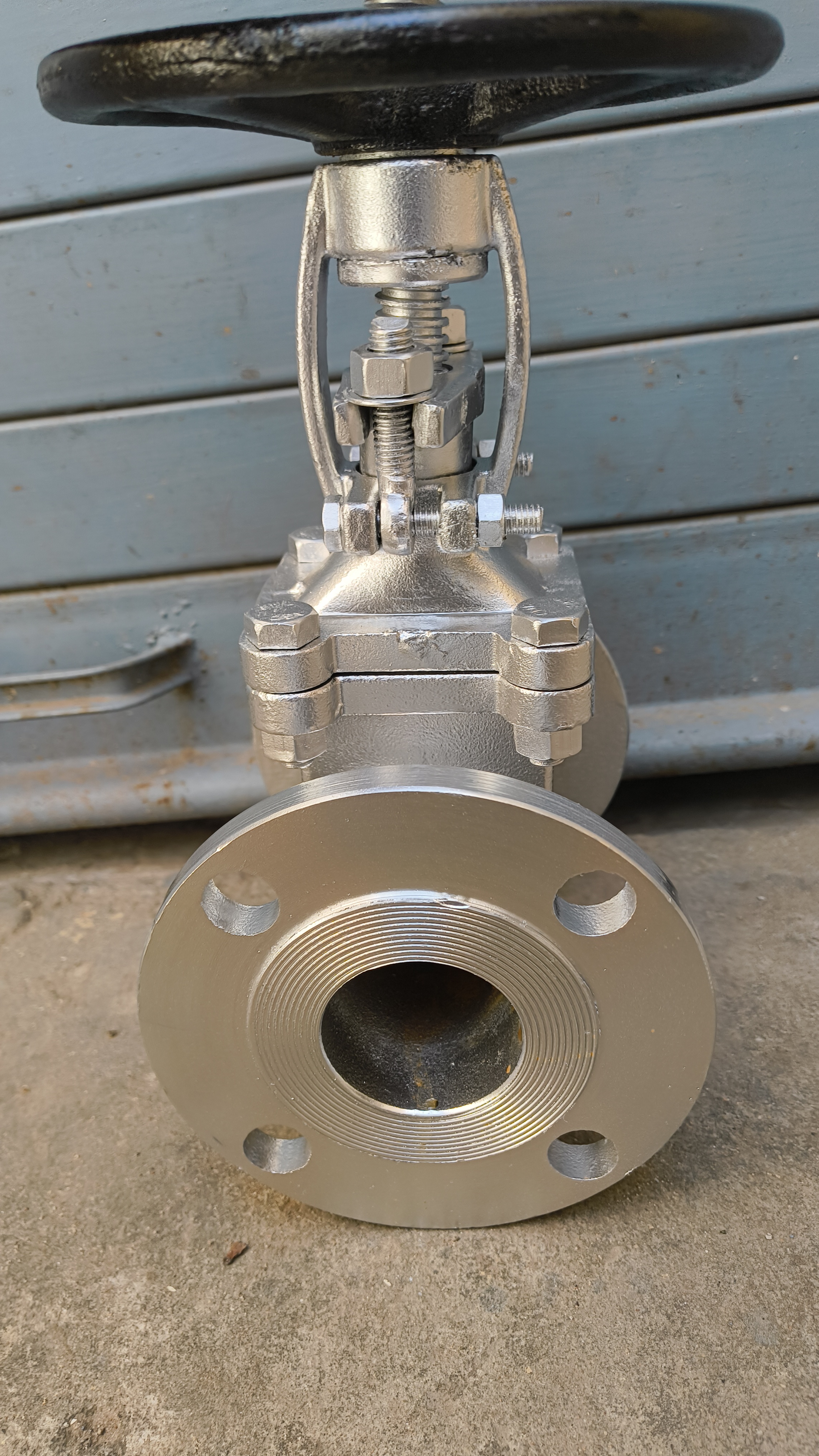
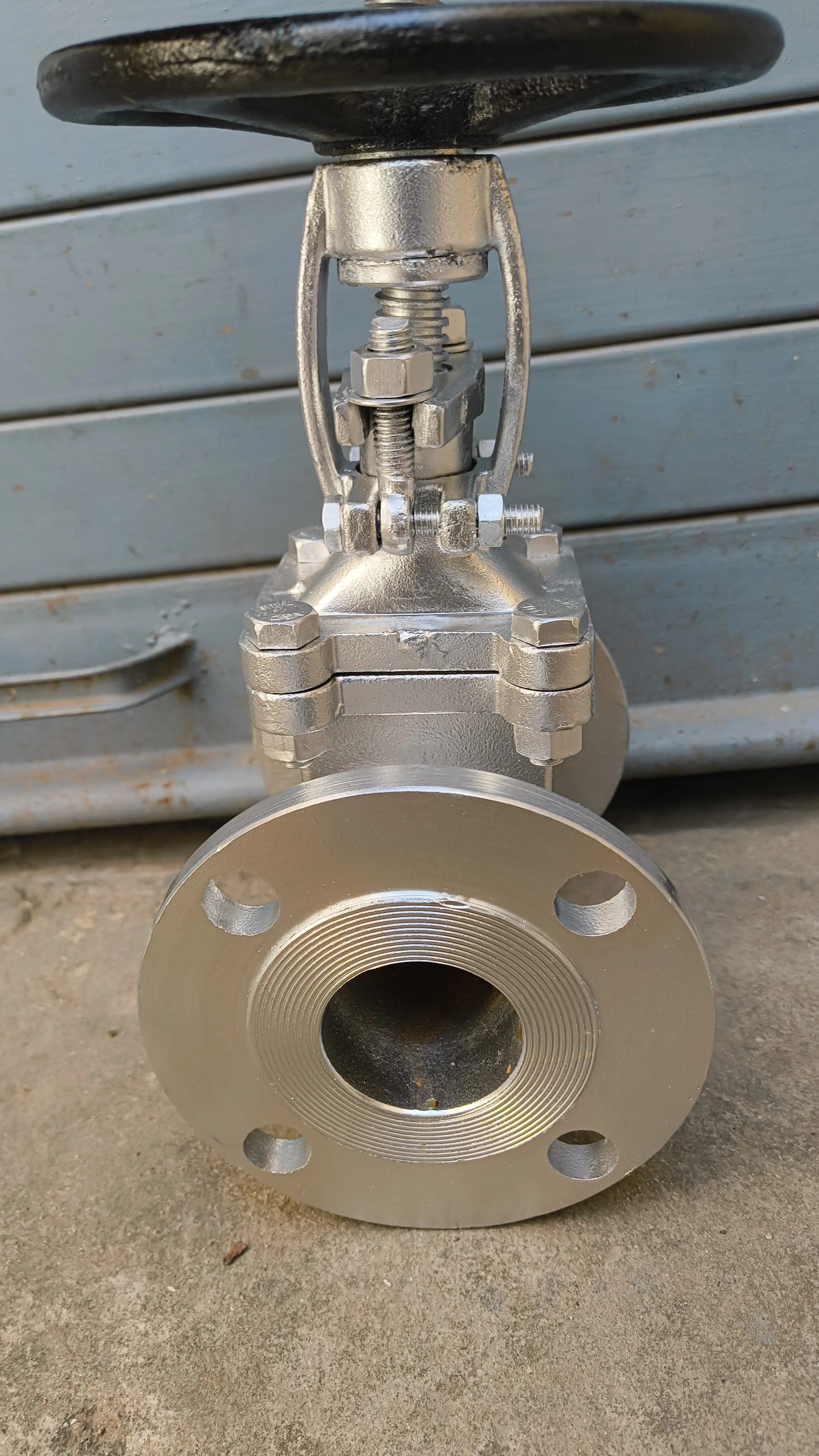
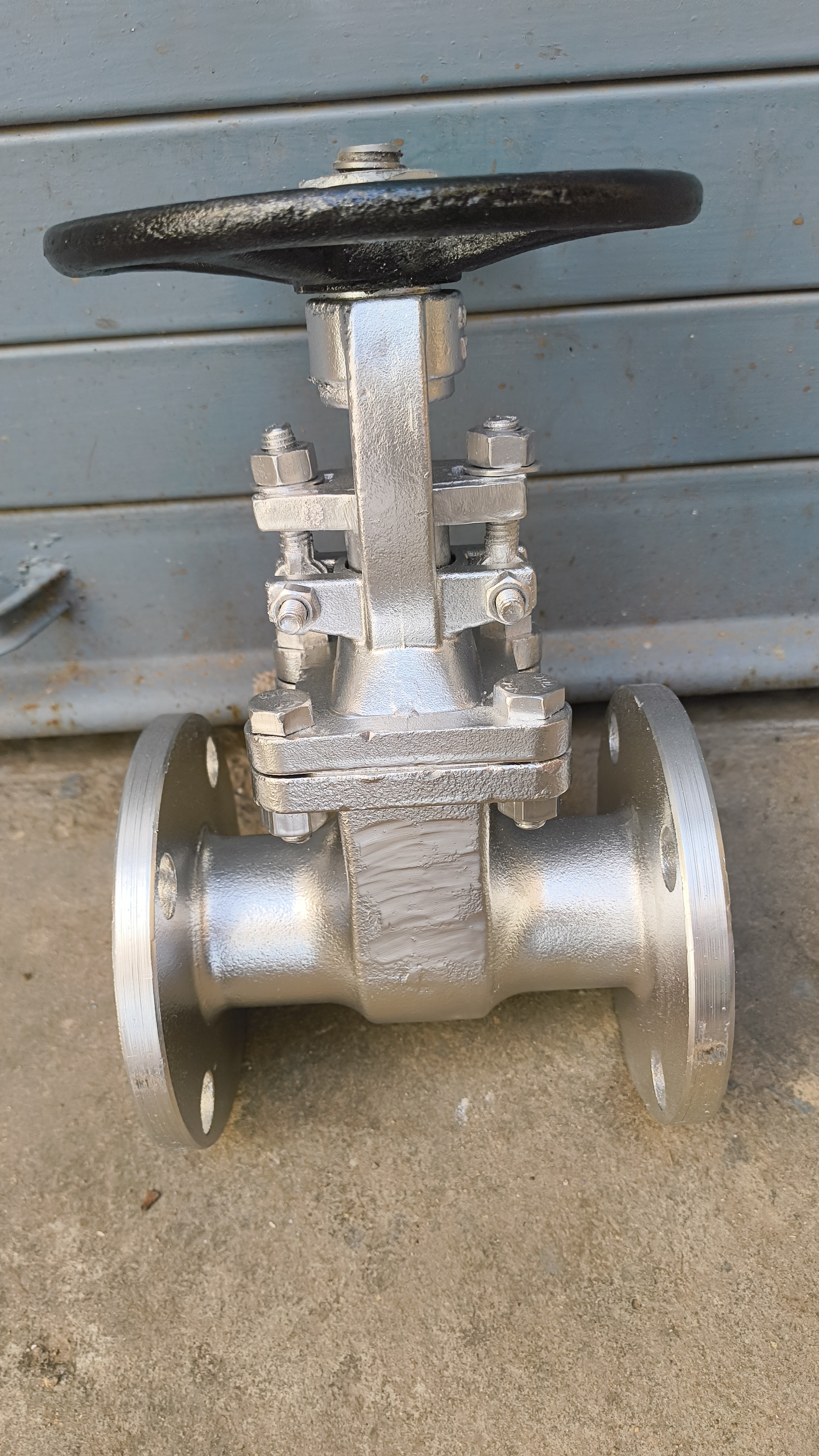
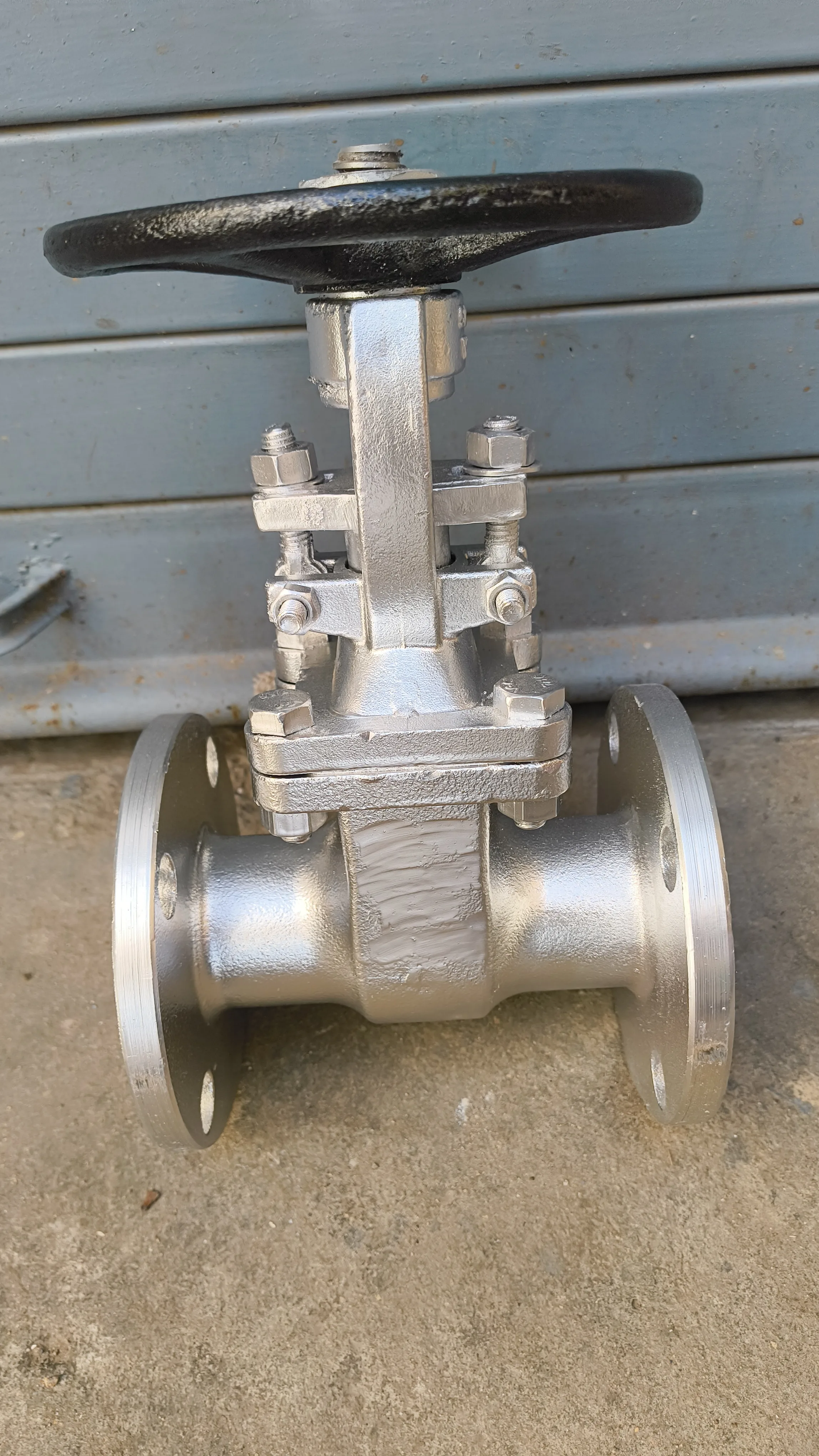
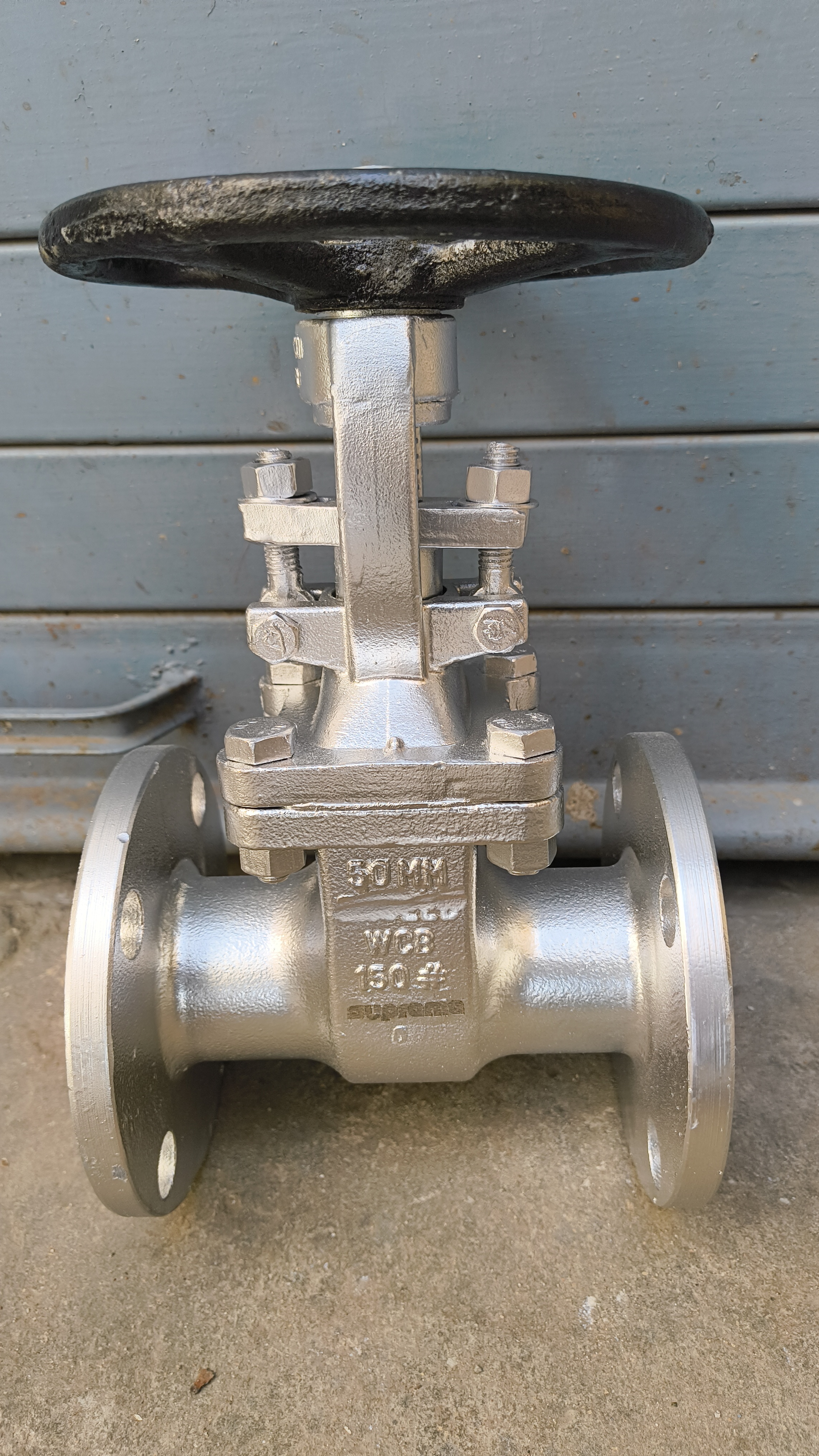
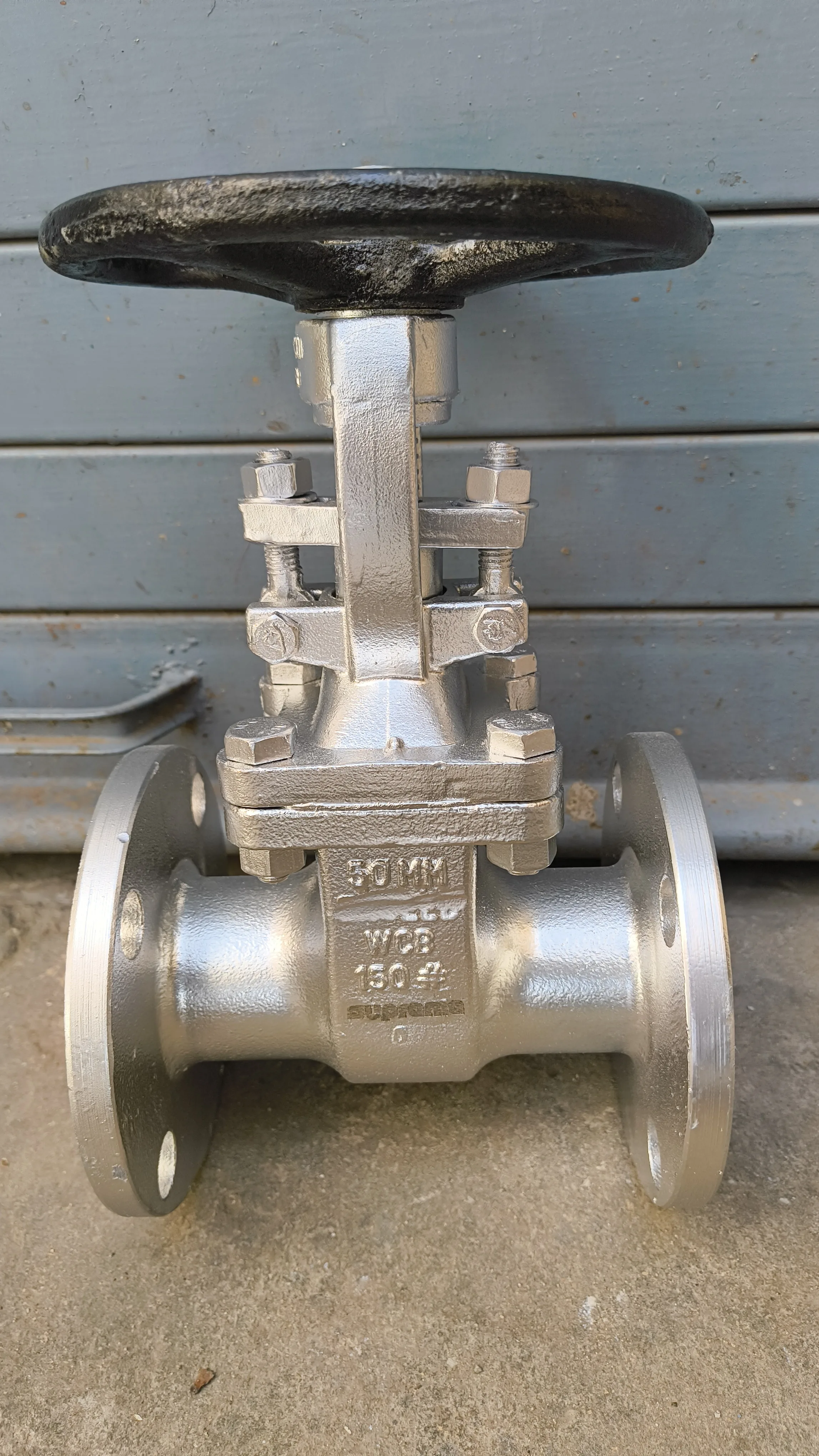
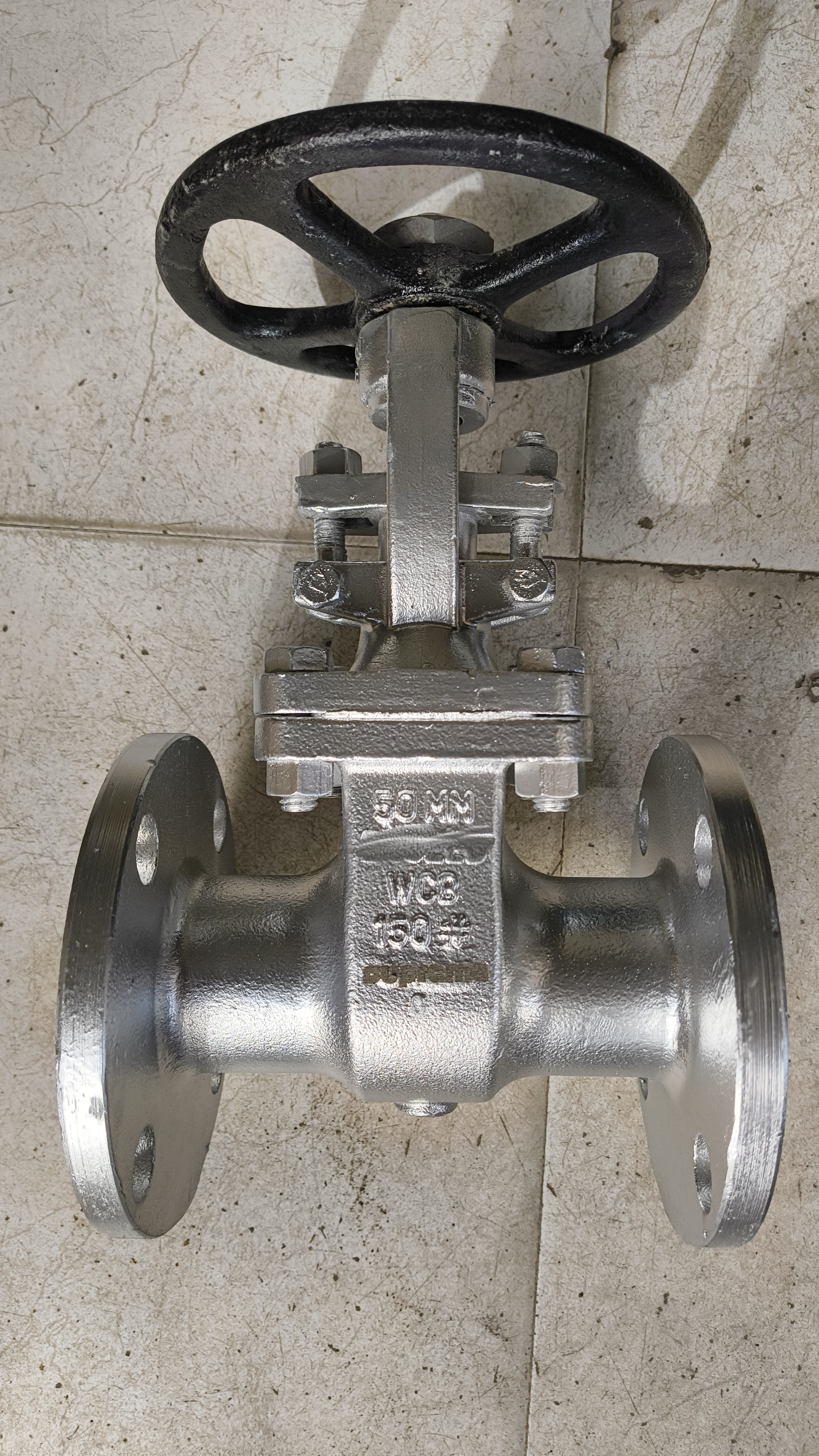
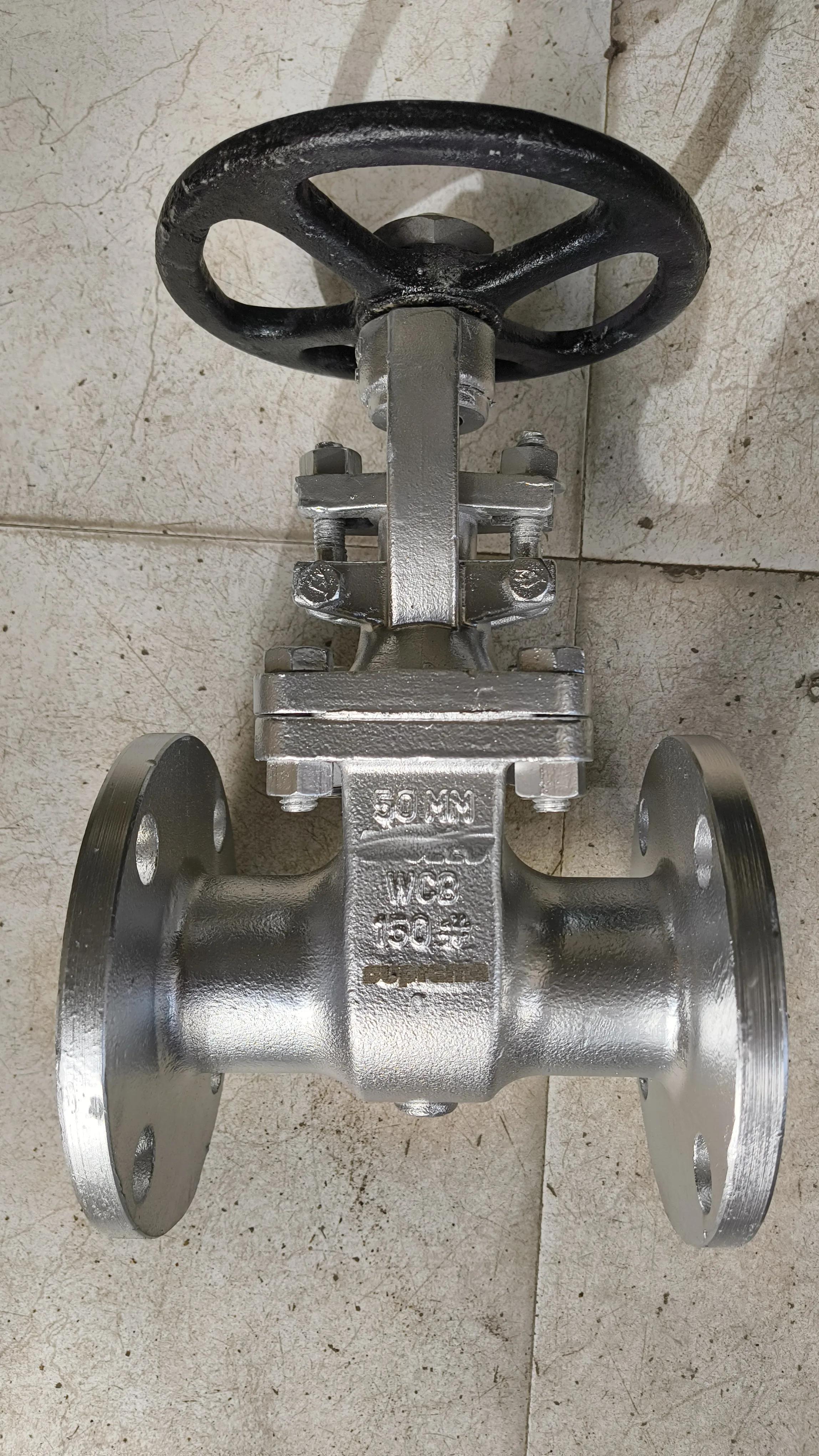
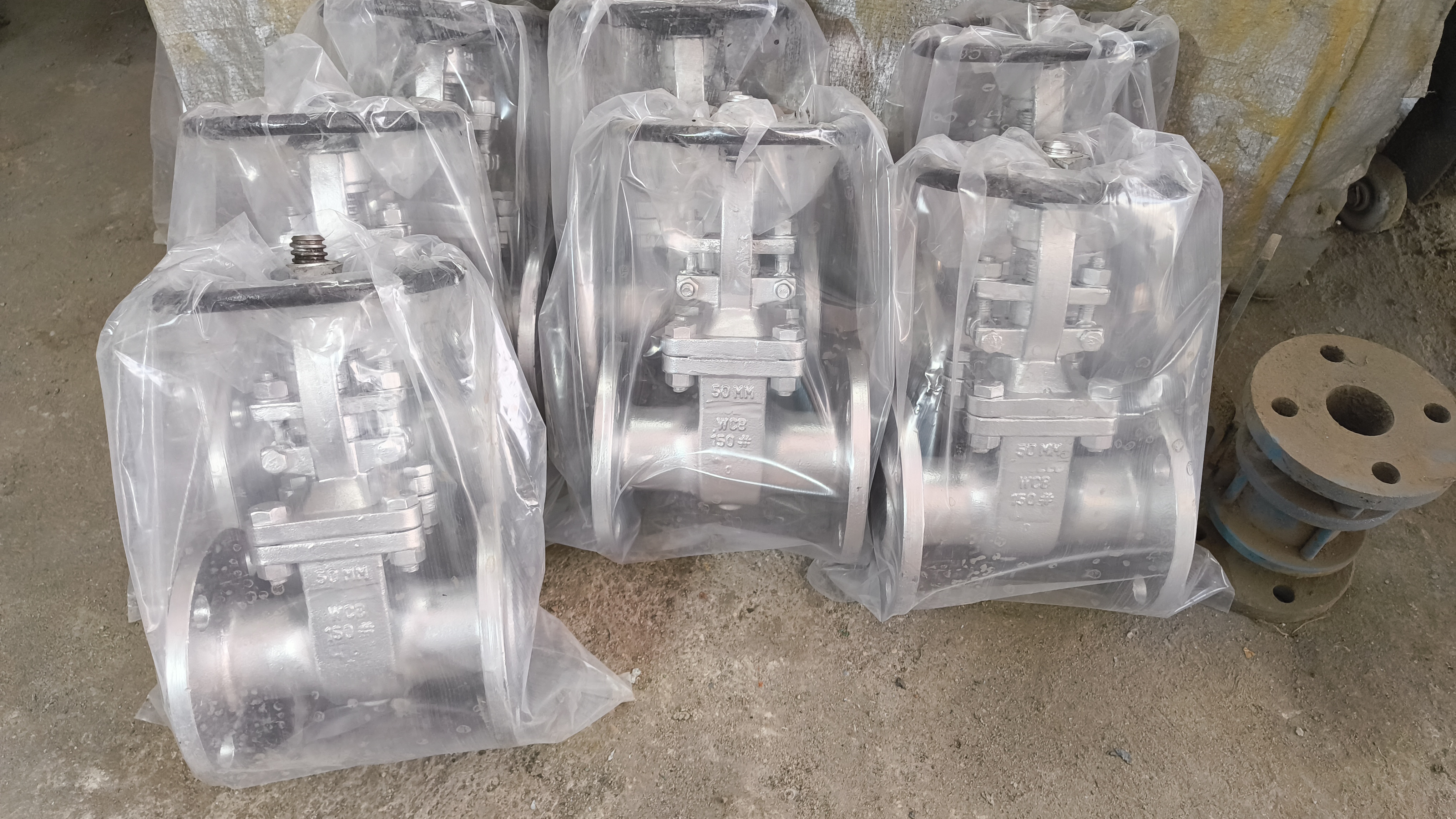
Piston Valve
Control Valves

Piston Valve

High-pressure valves for precise flow control.

Key Applications

High Pressure SystemsSteamGas
Request Enquiry WhatsApp Download Datasheet

Frequently Asked Questions

What is the difference between gate and globe valve?

Gate valves use a flat wedge that moves perpendicular to flow for on-off service with minimal pressure drop when fully open. Globe valves use a plug that seats against a horizontal weir for throttling and precise flow control. Gate valves should not be used for throttling; globe valves should not be used where full flow with minimal pressure drop is required. For Saudi Arabian pipeline isolation, gate valves are standard. For modulating control in process lines, globe valves or control valves are used. Gate valves are cheaper and lighter for the same pressure class and size.

How to select valve based on application (on/off vs throttling)?

On-off (isolation) service: Use gate valve for full bore flow and minimal pressure drop, ball valve for quick quarter-turn operation, butterfly valve for large sizes (above 24 inch) where gate/ball cost is prohibitive. Throttling service: Use globe valve for precise flow control, control valve with positioner for automated modulation. Consider: (1) Required control range (gate/ball limited to 10:1, globe 50:1, control valve 100:1), (2) Pressure drop availability (throttling requires 10-20% system pressure loss), (3) Operating frequency (frequent cycling wears soft seats). For Saudi Arabian oil terminal pump discharge, on-off gate or ball valves are used; for chemical injection, globe needle valves provide fine control.

What is the difference between BS, ANSI, and DIN valve standards?

BS (British Standards) and ANSI/ASME (American) are the dominant global valve standards. Key differences: Face-to-face dimensions: BS vs ANSI differ for some sizes, causing compatibility issues. Pressure ratings: Both use Class system (150, 300, 600) but BS also has PN (Pressure Number) ratings not directly interchangeable. Flange dimensions: ANSI B16.5 vs BS 4504 have different bolt circles and flange OD for same rating. Gate, globe, check valves: BS 5153 (cast iron), BS 5154 (bronze), BS 1873 (steel) vs ANSI B16.34. For Saudi Arabian projects, ANSI/API standards dominate (Aramco, ADNOC preference). For European-engineered plants (Jubail / Yanbu), BS may be specified. Always verify compatibility before ordering.

How to read a valve material specification (WCB, CF8M, etc.)?

Valve body materials use casting designations: WCB (ASTM A216 Carbon Steel, max temp 425°C), WC6 (1.25Cr-0.5Mo, to 540°C), WC9 (2.25Cr-1Mo, to 570°C), C5 (5Cr-0.5Mo). Stainless steel: CF8 (304 SS), CF8M (316 SS), CF3 (304L), CF3M (316L), CN7M (Alloy 20). Forging designations: A105 (carbon steel), F22 (2.25Cr-1Mo), F91 (9Cr-1Mo-V). Trim materials use AISI designations: 304, 316, 410 (13Chrome), 440C (for seats). Example: Gate valve with WCB body and 316 trim means carbon steel body with stainless steel disc and stem. For Saudi Arabian sour service, verify H2S content and select NACE-compliant materials per MR0175.

IBR vs non-IBR valve certification - which for Indian projects?

IBR (Indian Boiler Regulations) certification is mandatory for valves used in Indian boiler and pressure vessel applications per the Indian Factories Act. IBR valves must be: (1) stamped with IBR mark (green square), (2) supplied with IBR test certificate from manufacturer with IBR license, (3) traceable to raw material heat numbers approved by IBR authorities. Non-IBR valves are used for all other applications including: water treatment, HVAC, oil and gas pipelines, and export to Middle East. For Saudi Arabian projects, IBR is not recognized - API, ASME, and ISO certifications apply. When exporting to India for power plant or refinery construction, verify whether the end user requires IBR or non-IBR.

What is NACE MR0175 for sour gas service valves?

NACE MR0175 (now ISO 15156) specifies materials resistant to sulfide stress cracking in sour gas service. Requirements: (1) Maximum hardness HRC 22 for pressure-containing parts in aqueous H2S service, (2) Approved material combinations validated for H2S partial pressure and pH ranges, (3) Heat treatment and hardness testing certification, (4) Environmental severity classification (medium vs severe). For Saudi Arabian oil fields with H2S content above 0.05kPa partial pressure, all wetted components must be NACE compliant. Valve trim materials like 316L SS, Inconel 625, and certain duplex stainless steels are approved. Our sour gas valves for Aramco and SADARA projects include full NACE MR0175 documentation.

Export documentation for valves to Middle East (CO, MTC, PI)?

Middle East export documentation required: (1) Commercial Invoice (CI) with HS Code 8481.80.40 for steel valves, (2) Packing List showing quantity, gross/net weight, dimensions, (3) Bill of Lading (B/L) or Air Waybill, (4) Certificate of Origin (CO) from Indian Chamber of Commerce or equivalent, (5) Material Test Certificates (MTC/EN 10204 3.1) with chemical and mechanical properties, (6) Inspection Certificate if third-party inspection required (SGS, Bureau Veritas), (7) For Saudi Arabia: SASO/SABER CoC, (8) For UAE: Commercial invoice with UAE import code. Delivery terms typically FOB Mumbai/Cochin or CIF Dammam/Dubai. Lead time 4-12 weeks depending on complexity.

Materials of Construction (MOC)

Component Material Specification
Body & Bonnet Ductile Iron (ASTM A536 / EN-GJS-400-15)
Stem / Spindle SS 410 / SS 420
Seat / Trim EPDM / NBR / Bronze

Technical Specifications

Parameter Specification / Standard
Manufacturing / Design Standard EN 1171 / AWWA C509 / BS 5163
Testing Standard API 598 / EN 12266-1
Pressure Rating PN16 / PN25