
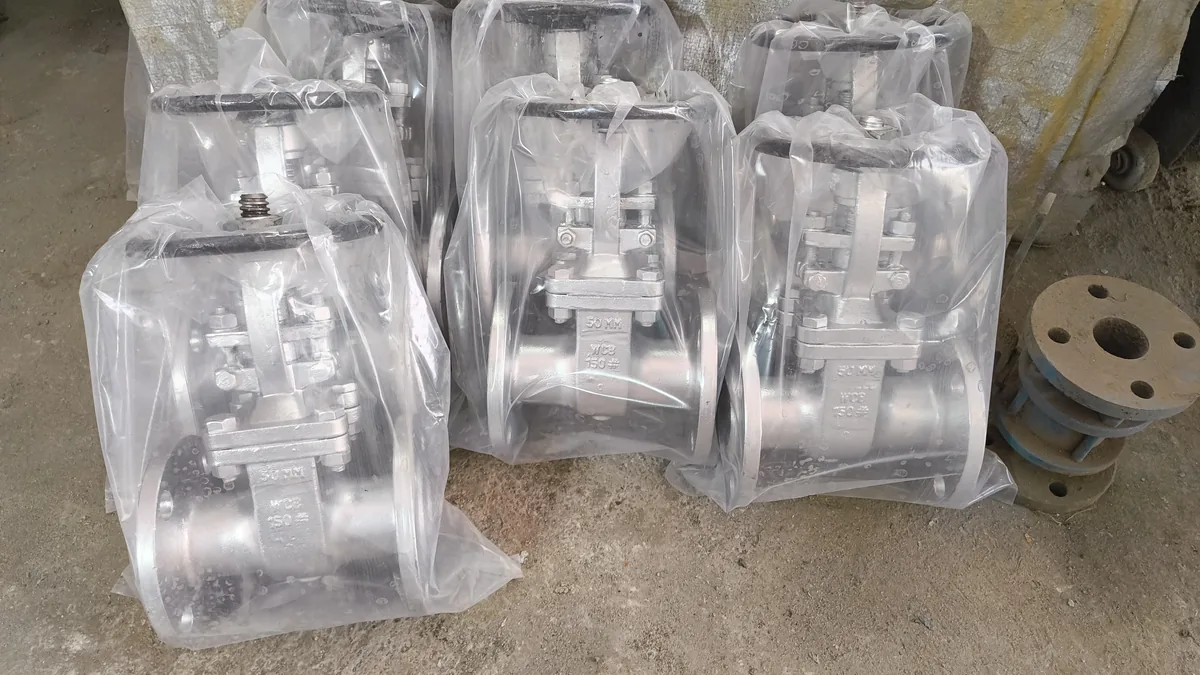
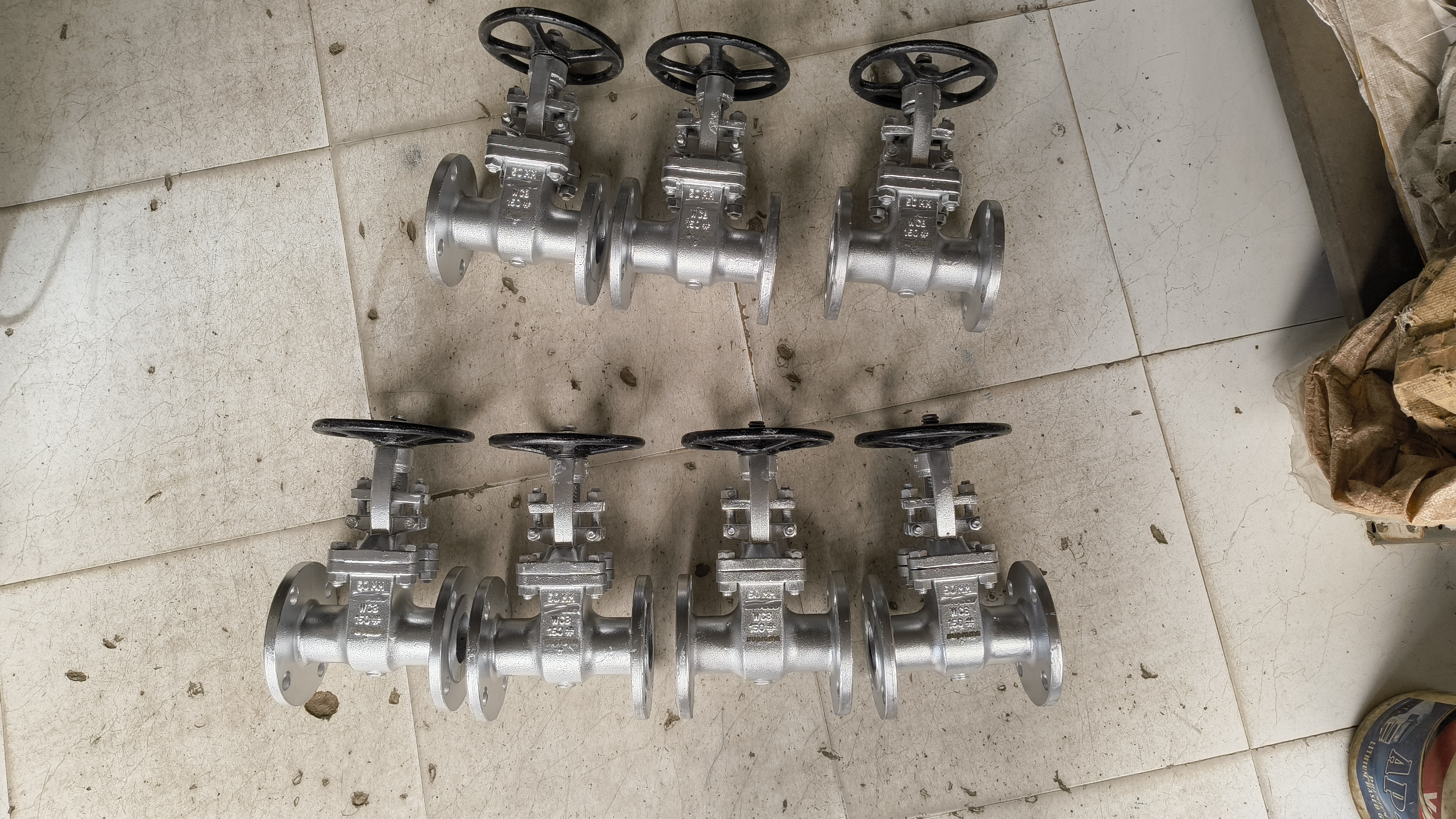
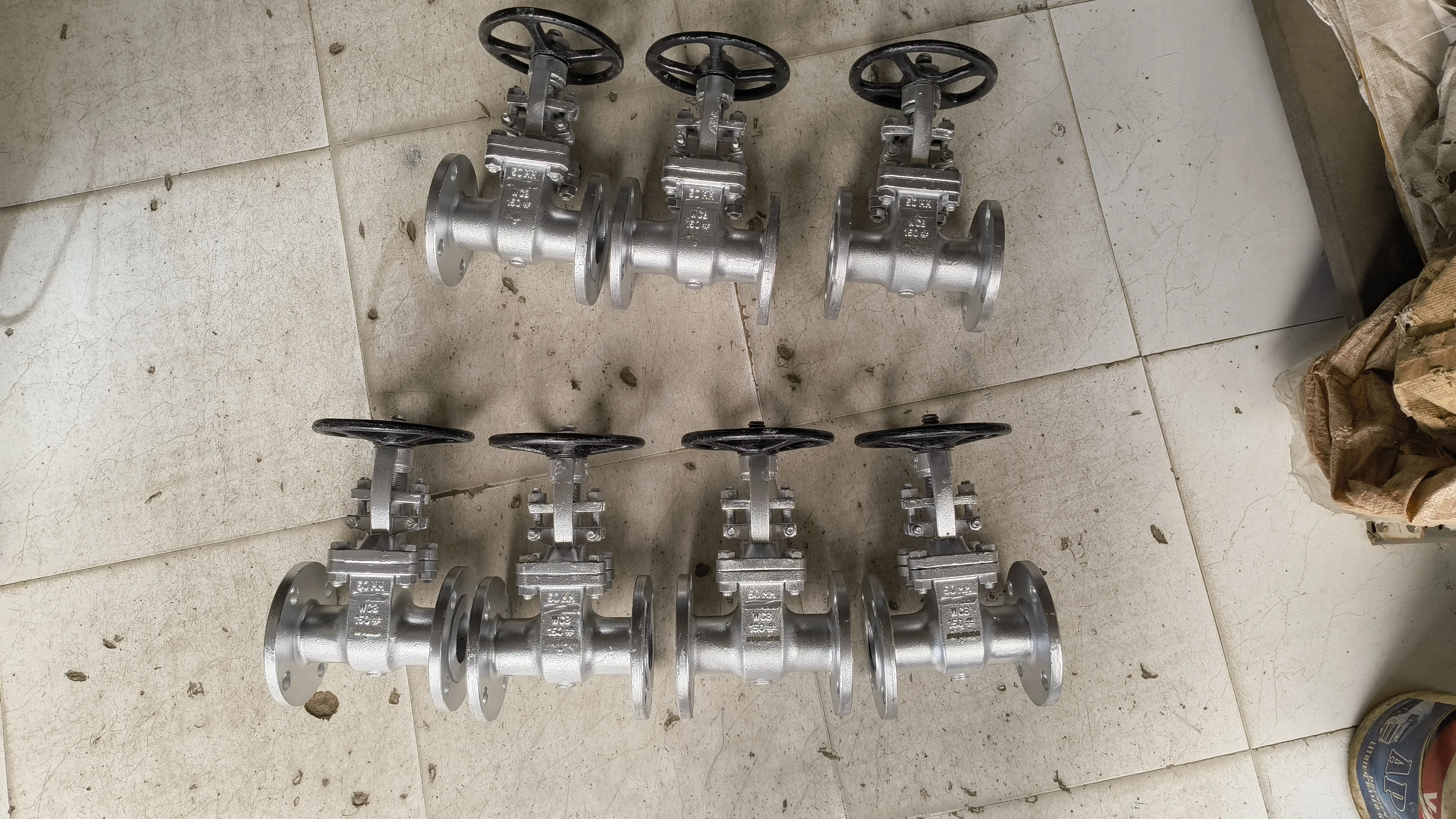
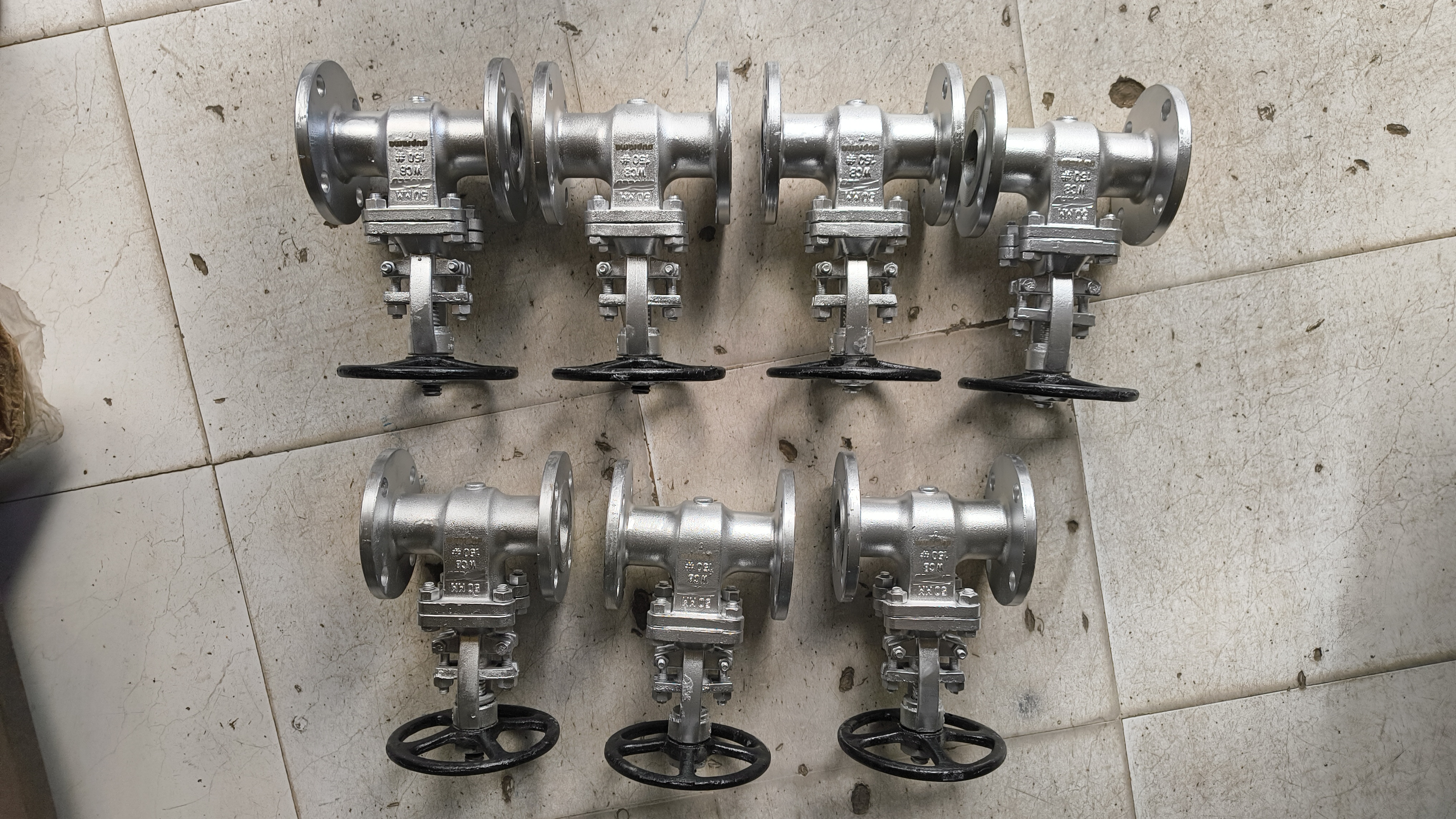
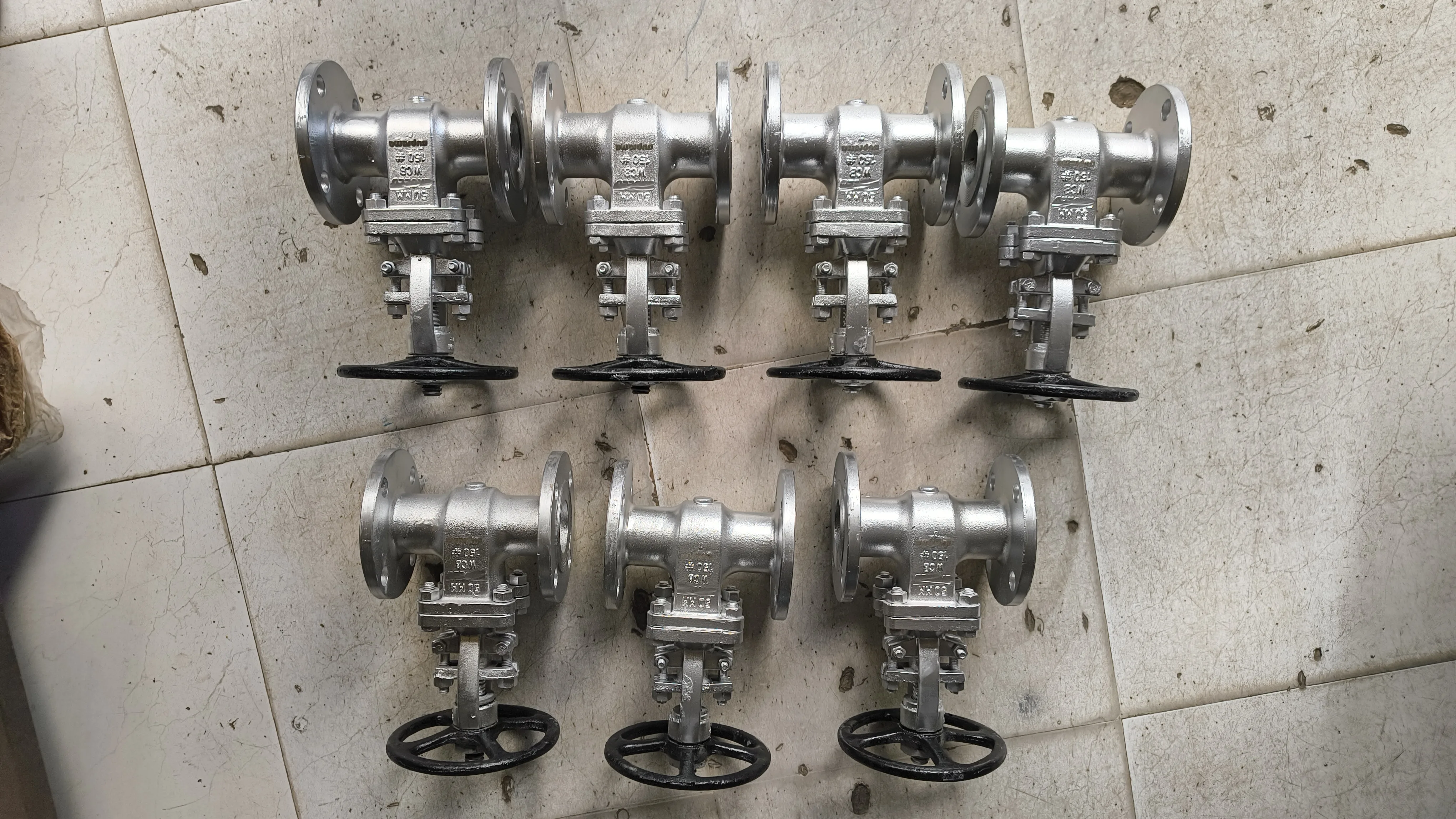
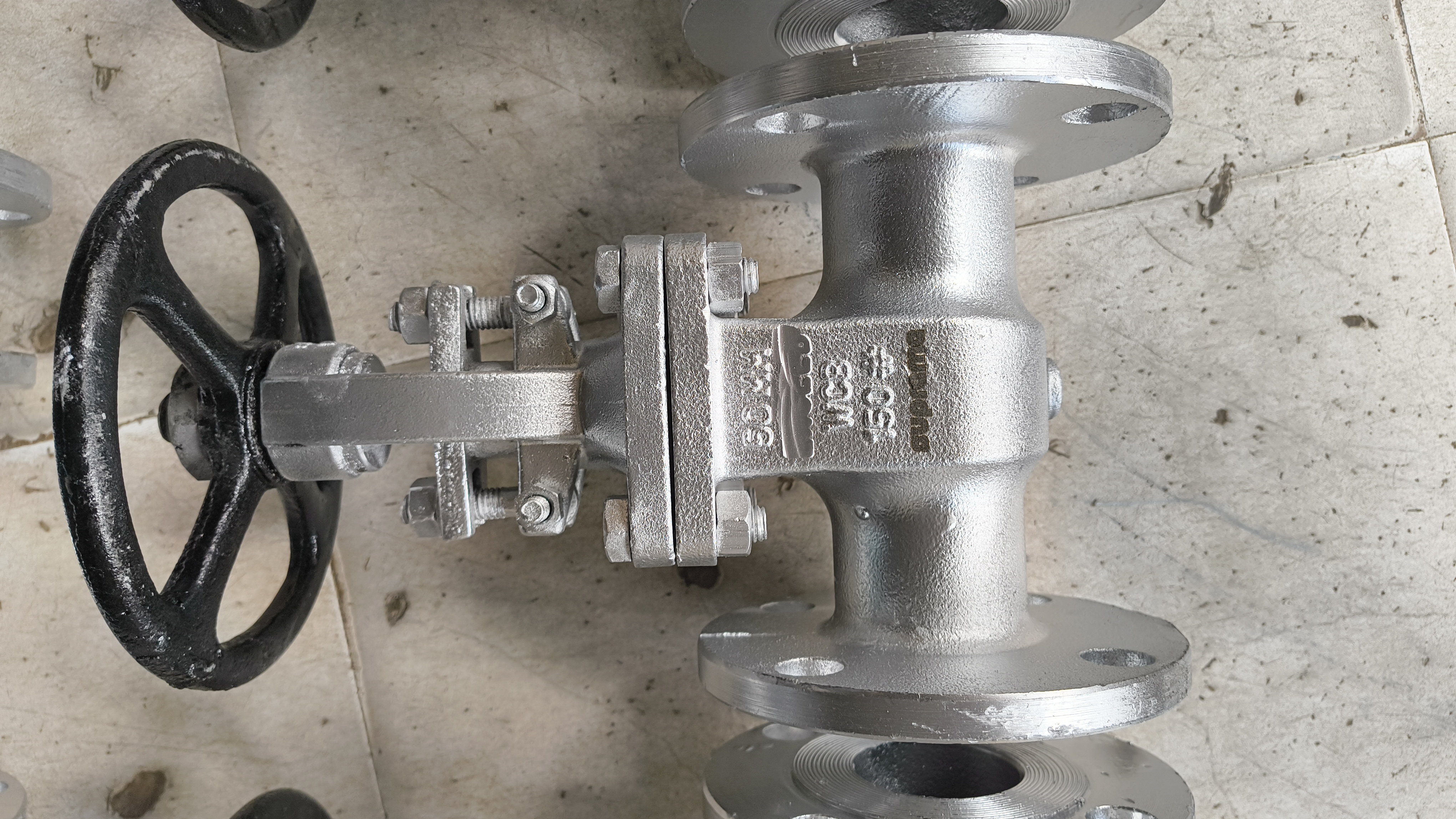
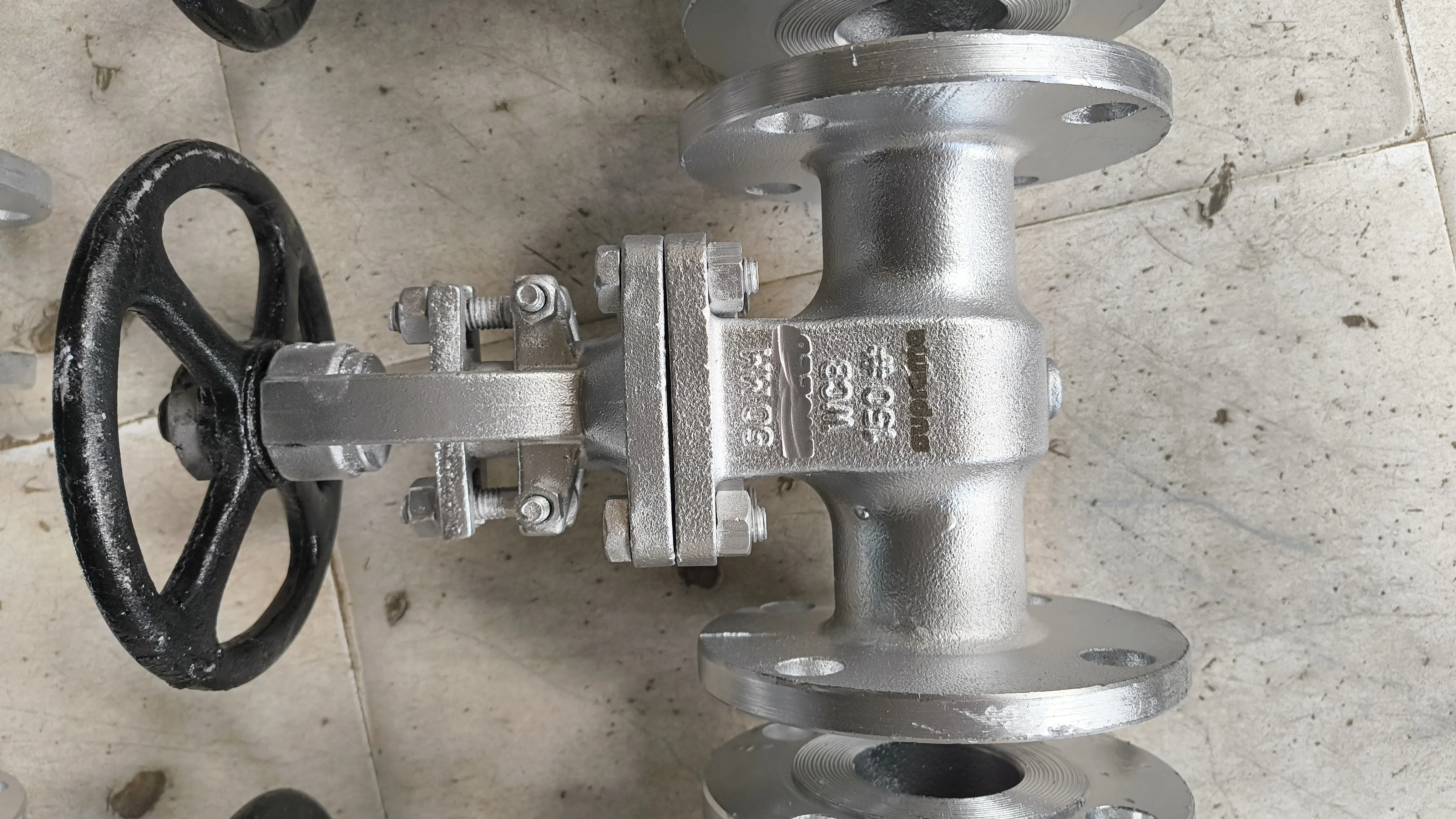
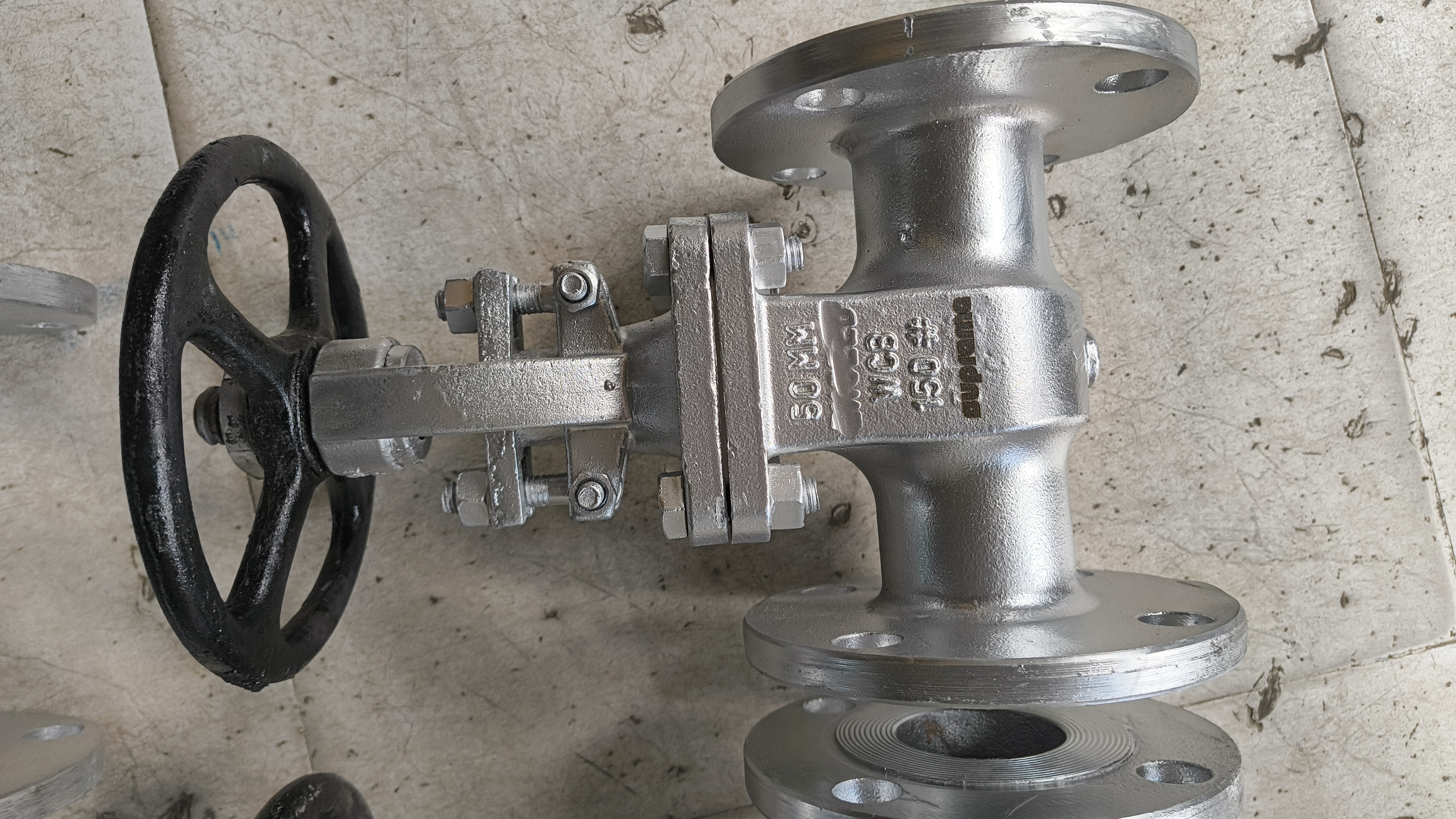
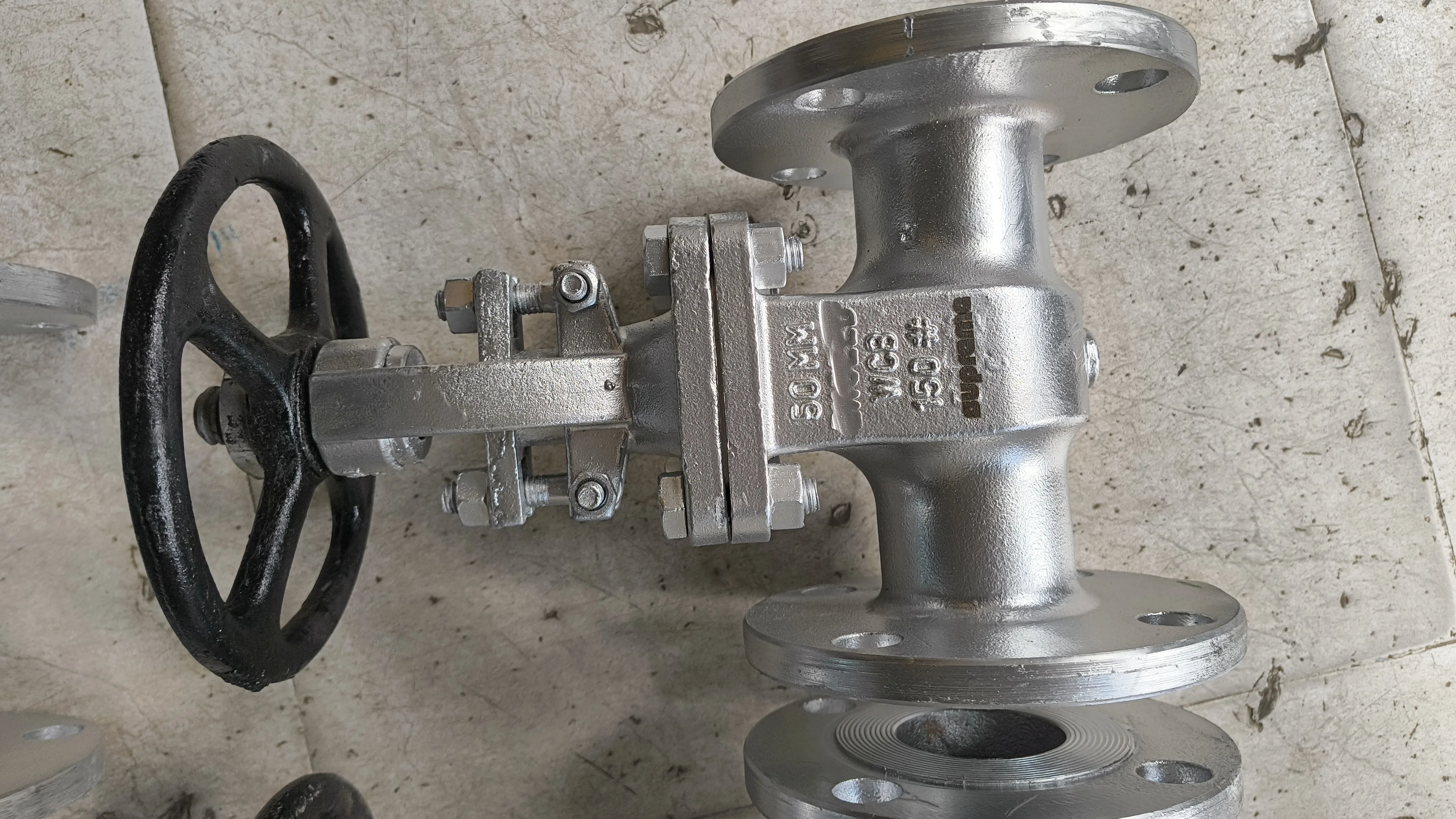
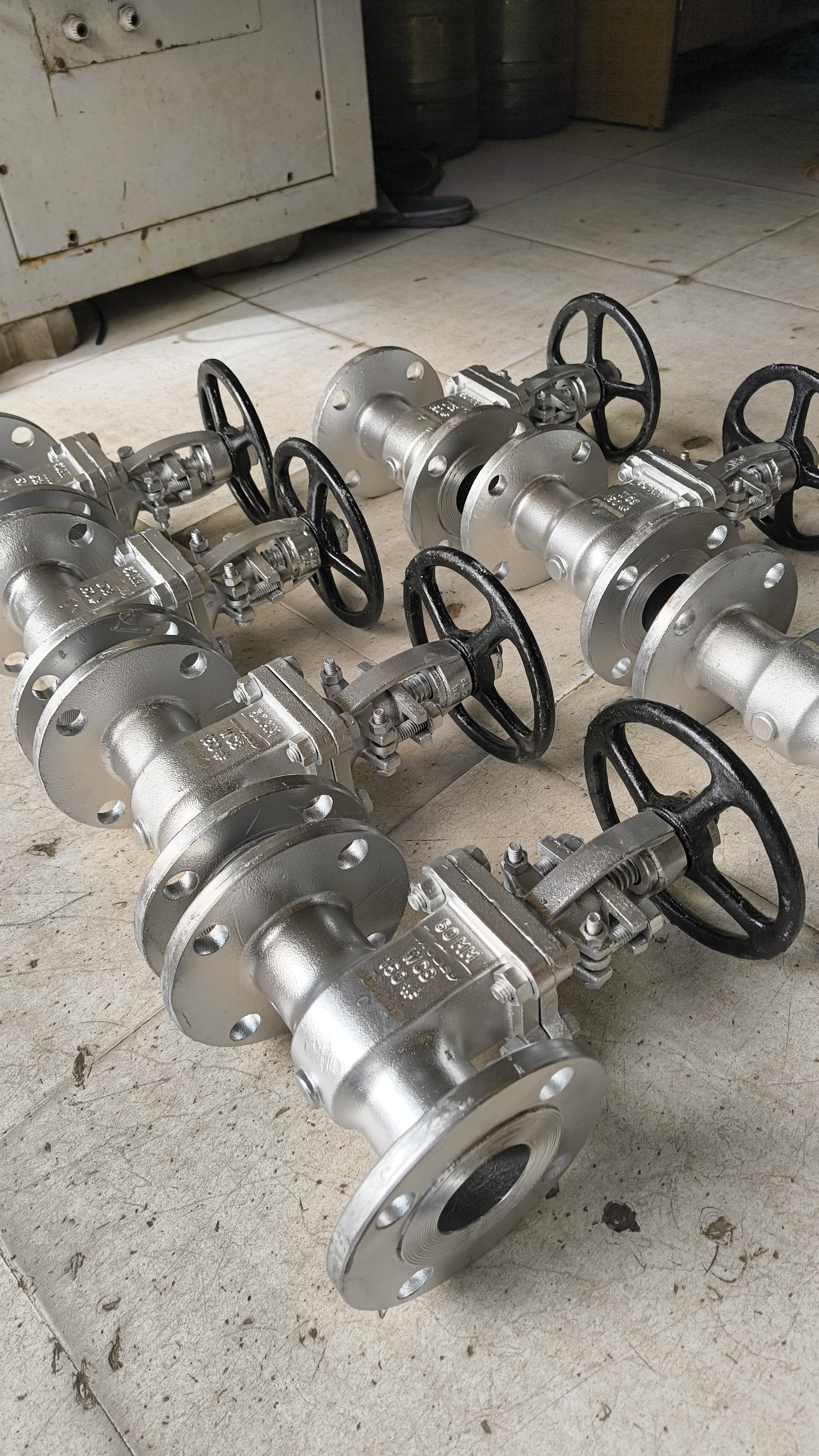
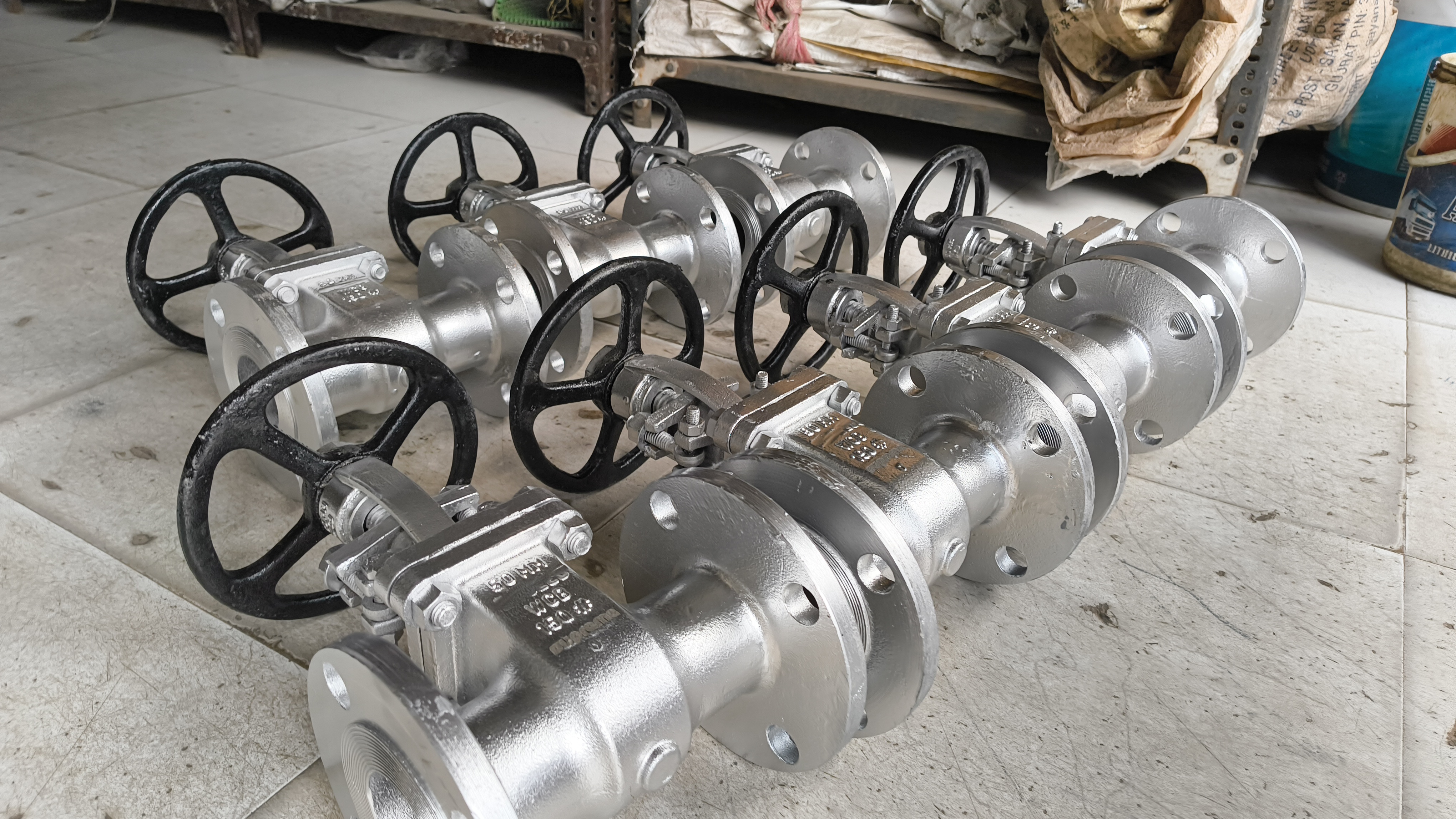
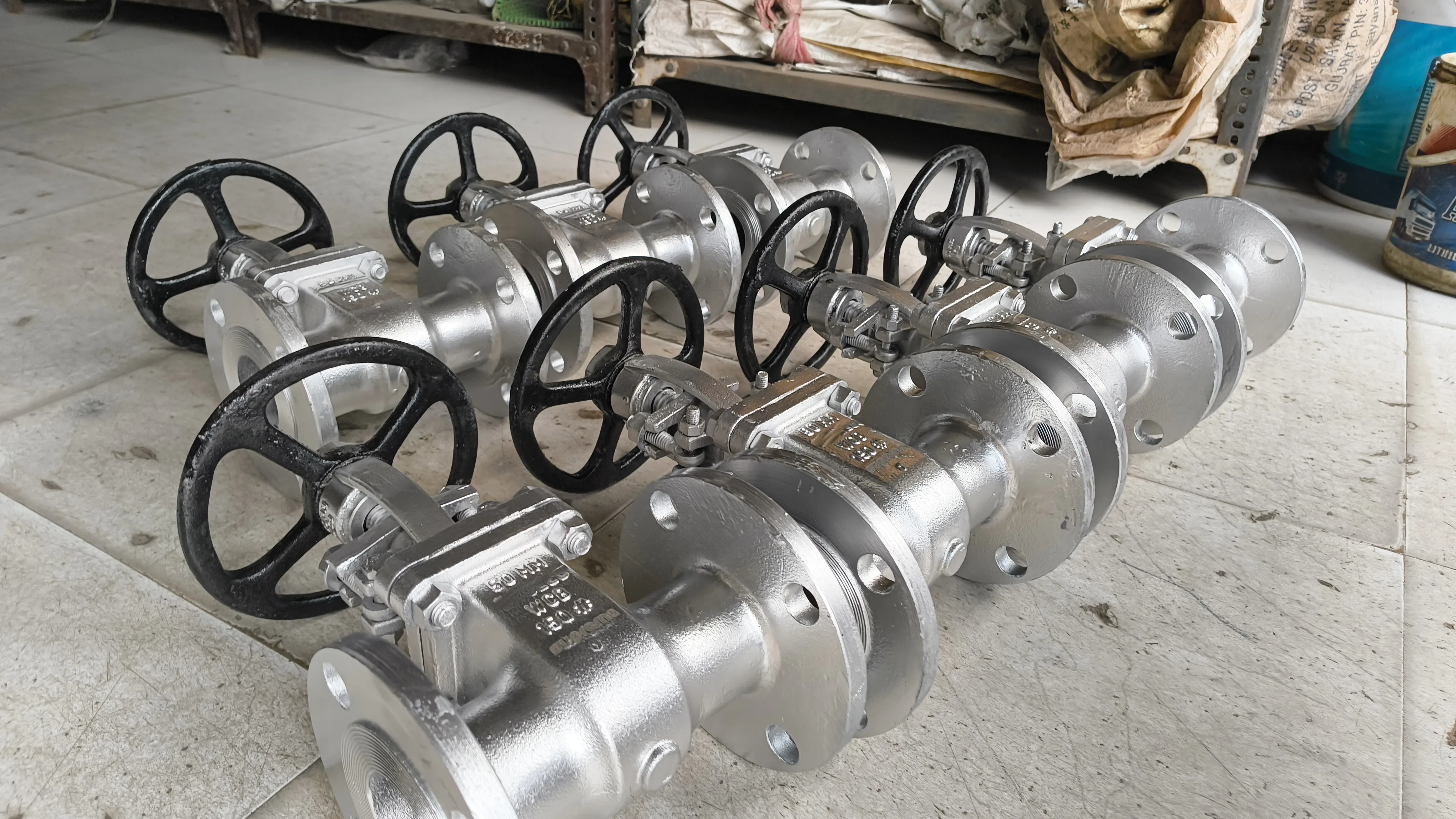
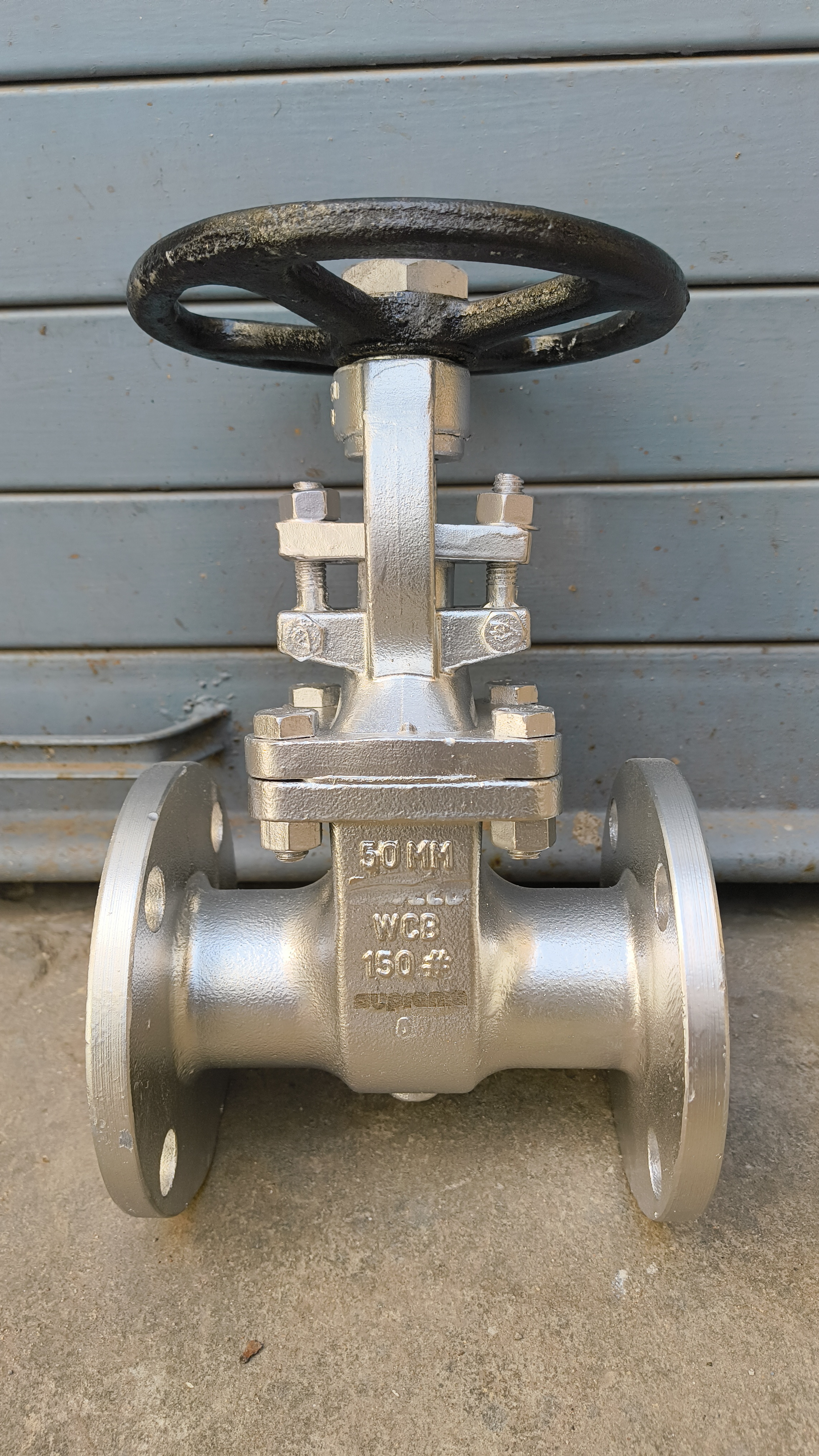
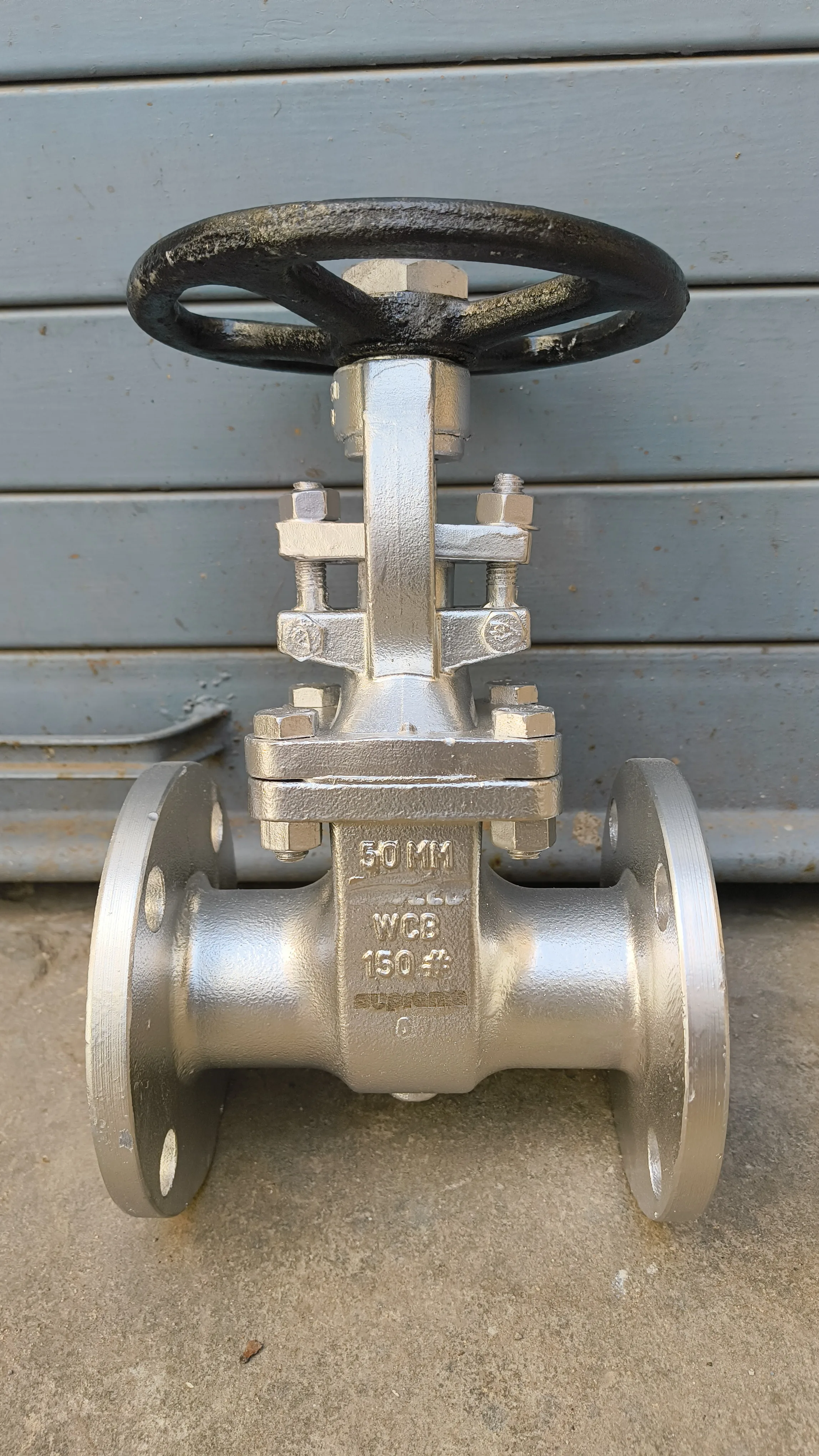
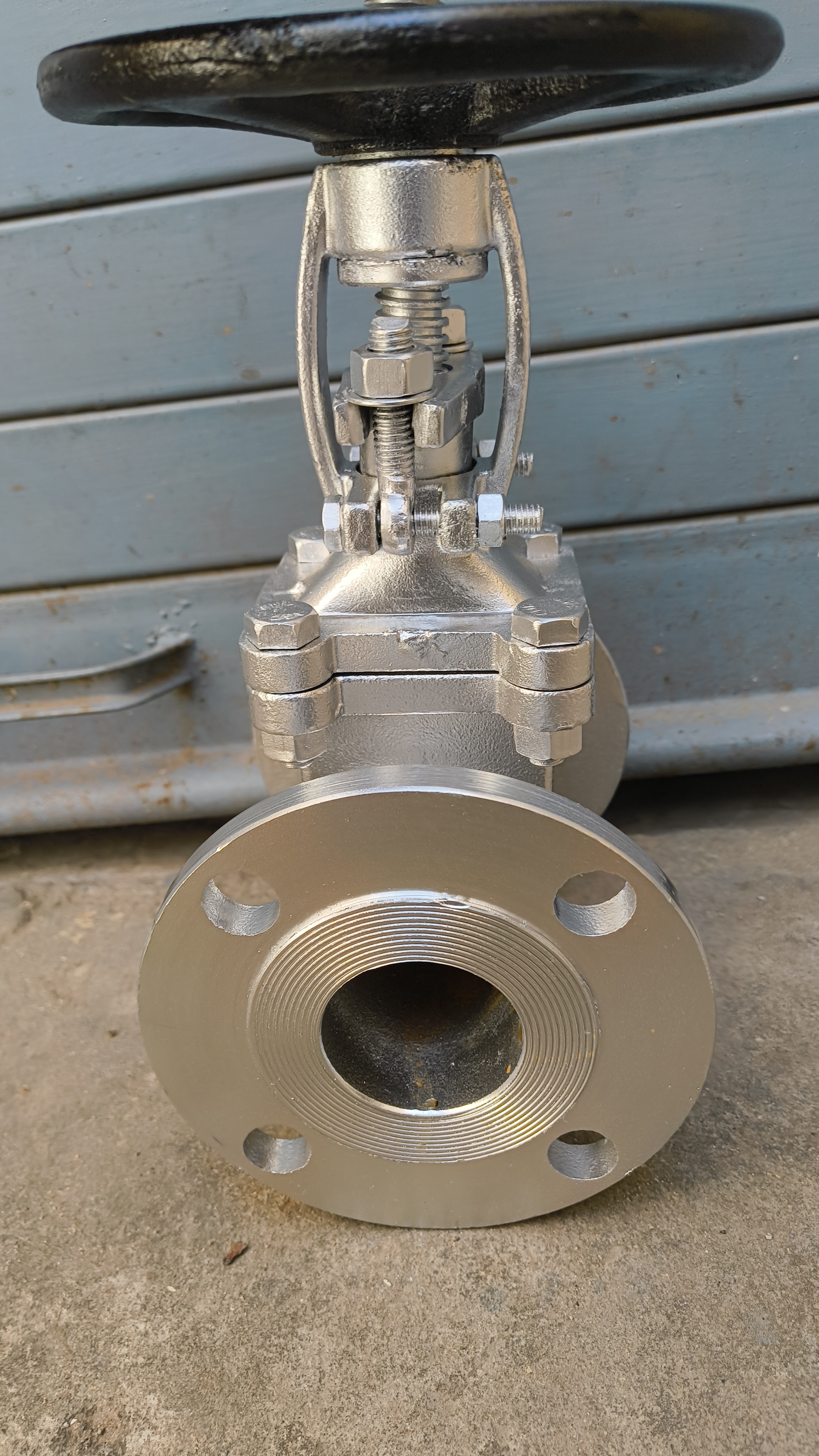
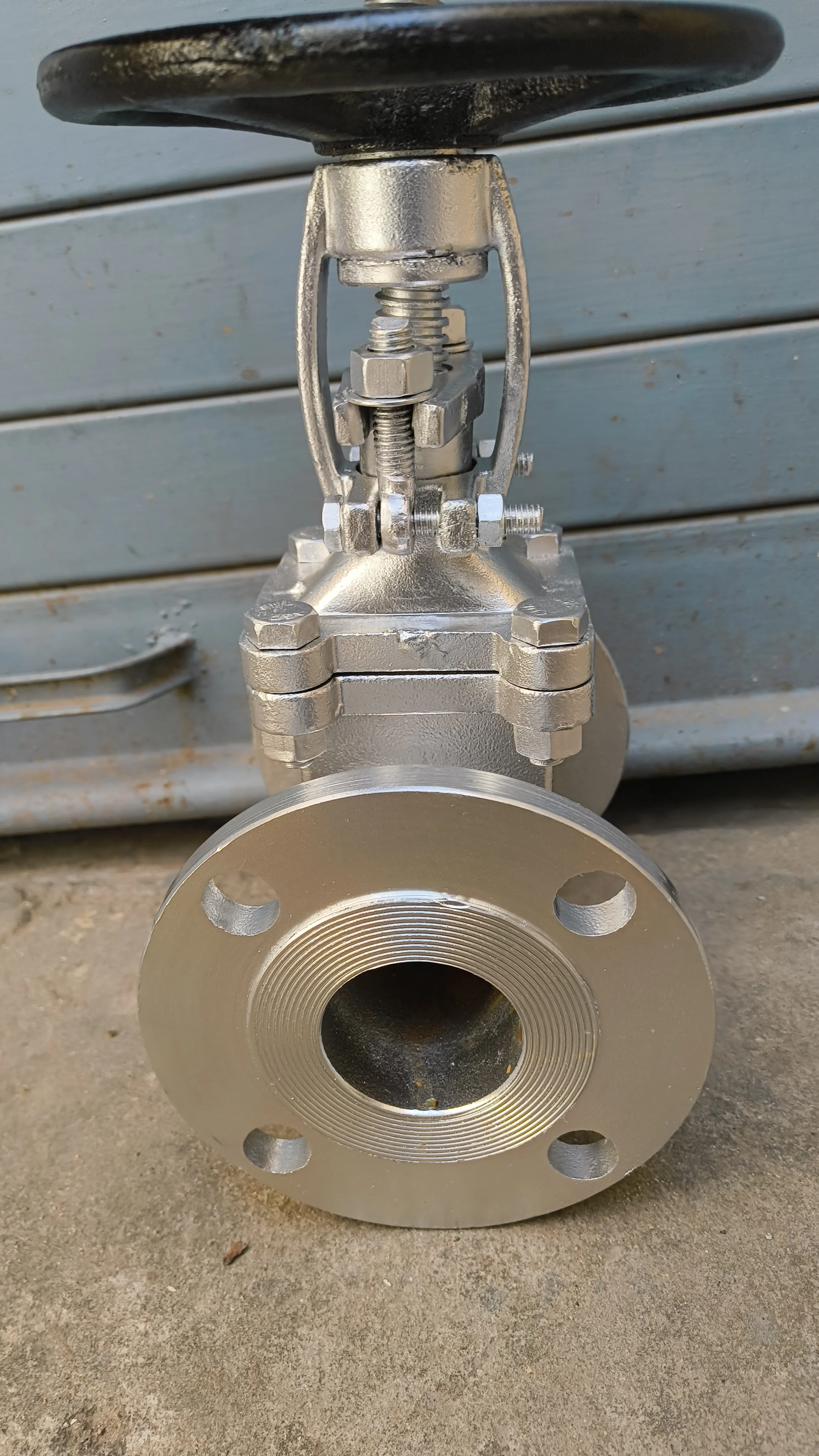
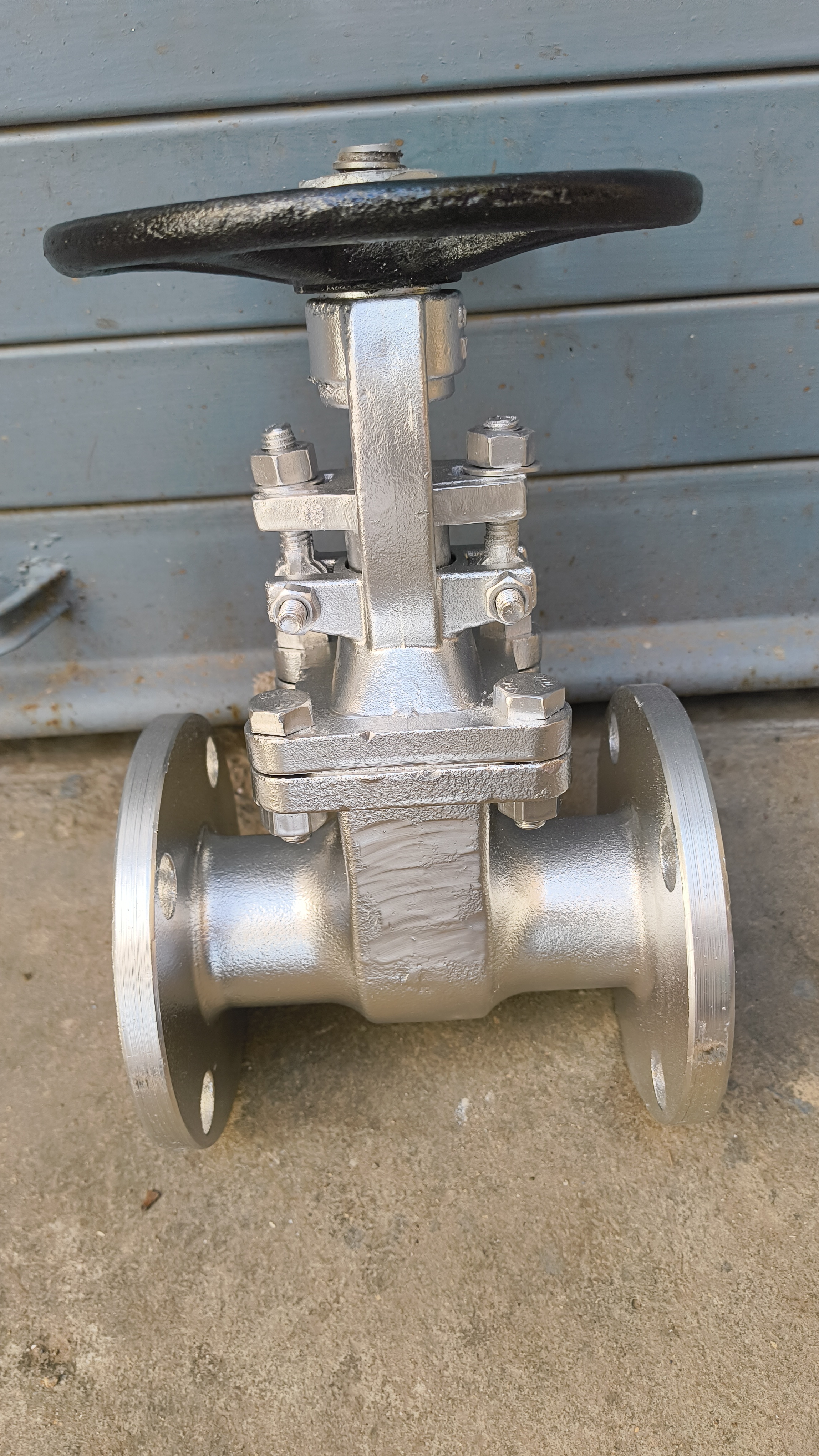
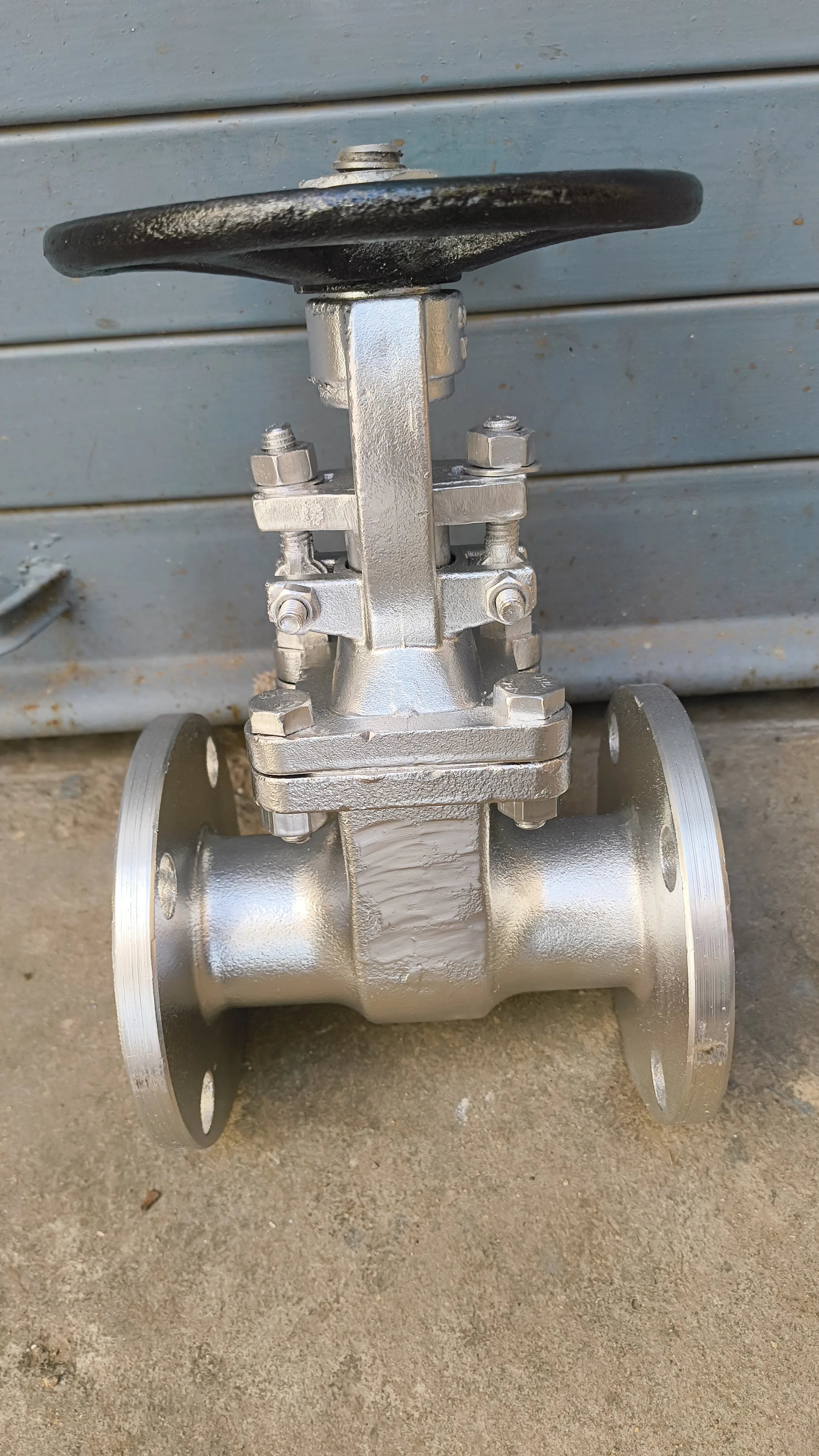
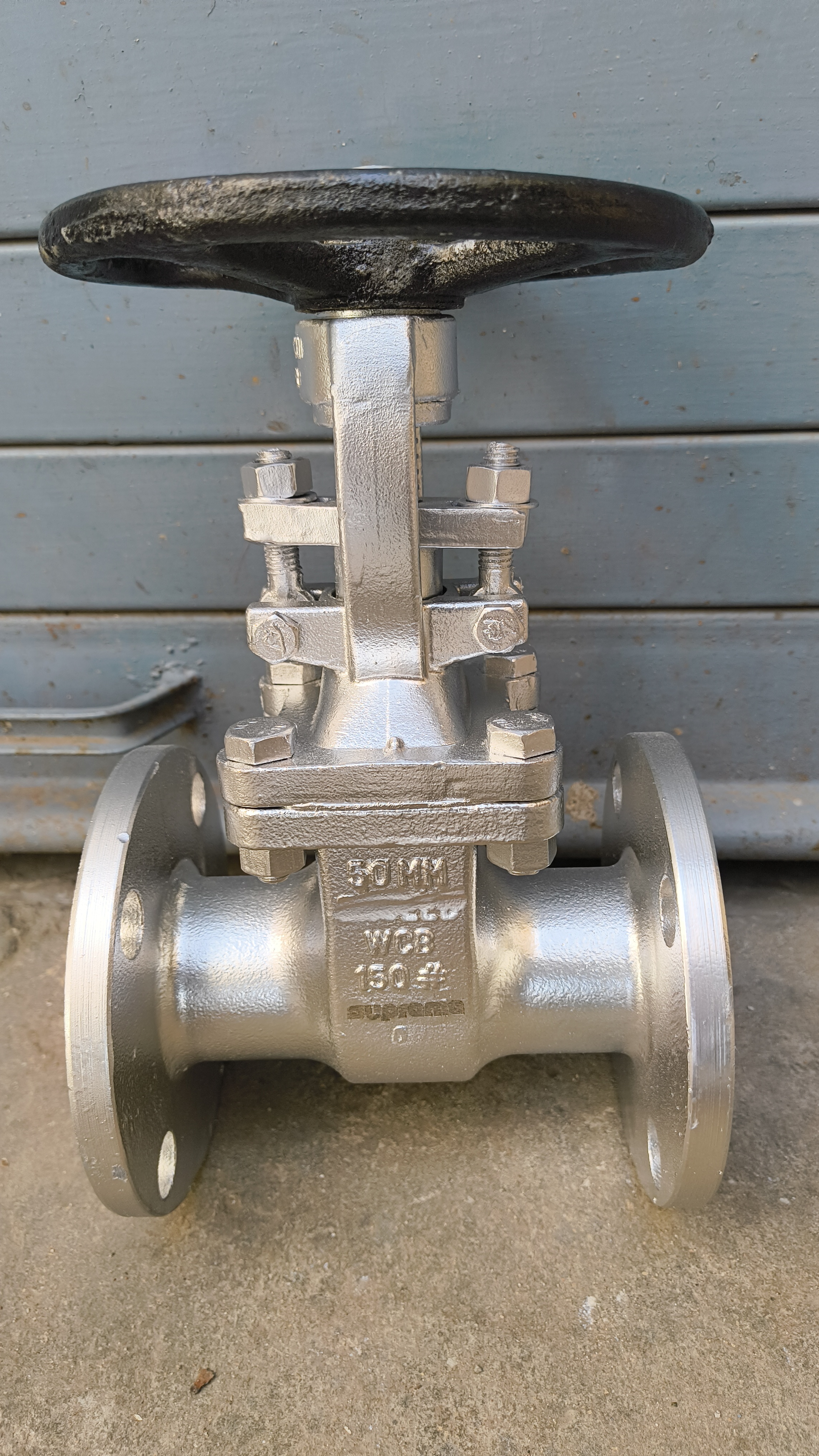
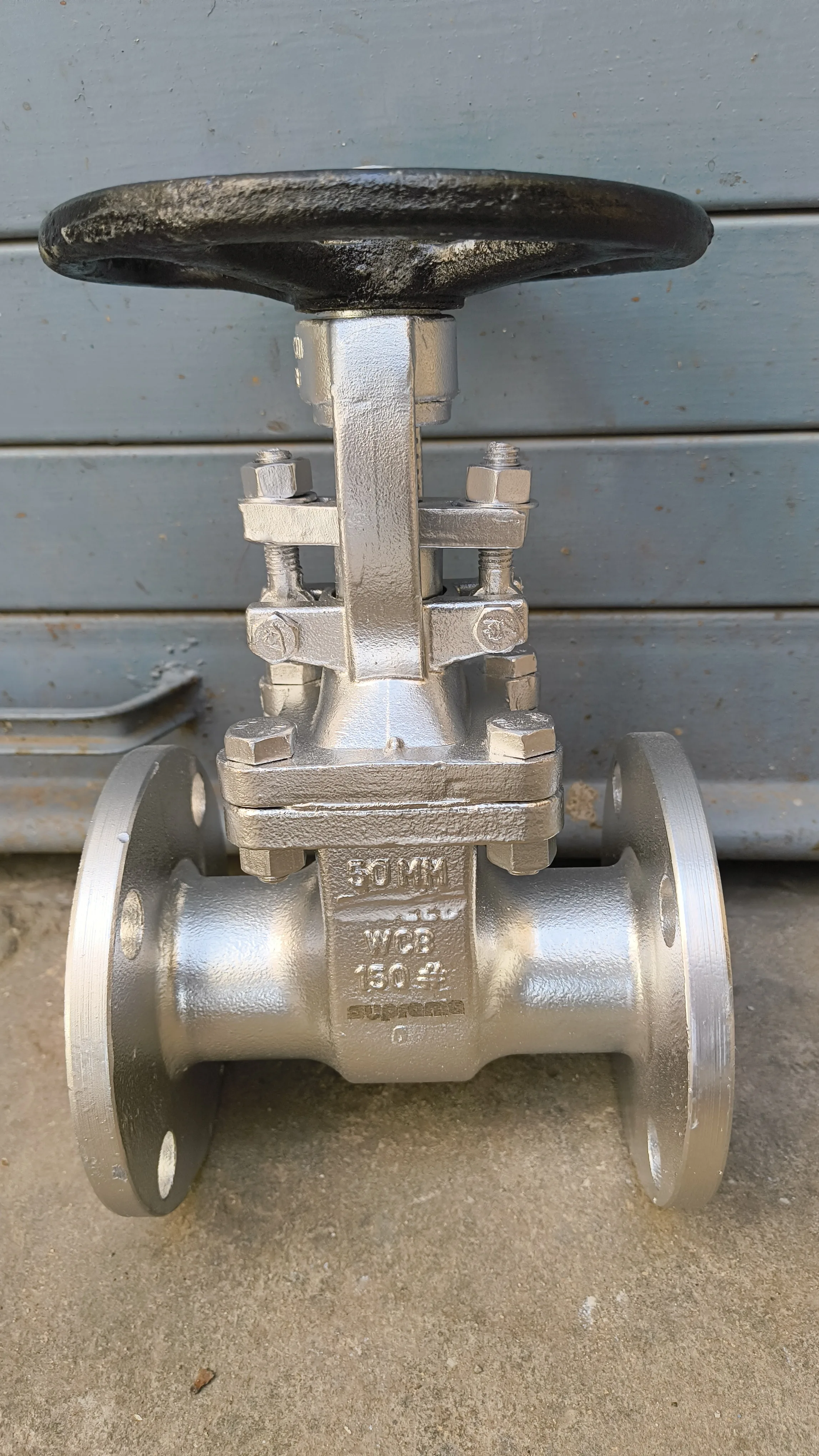
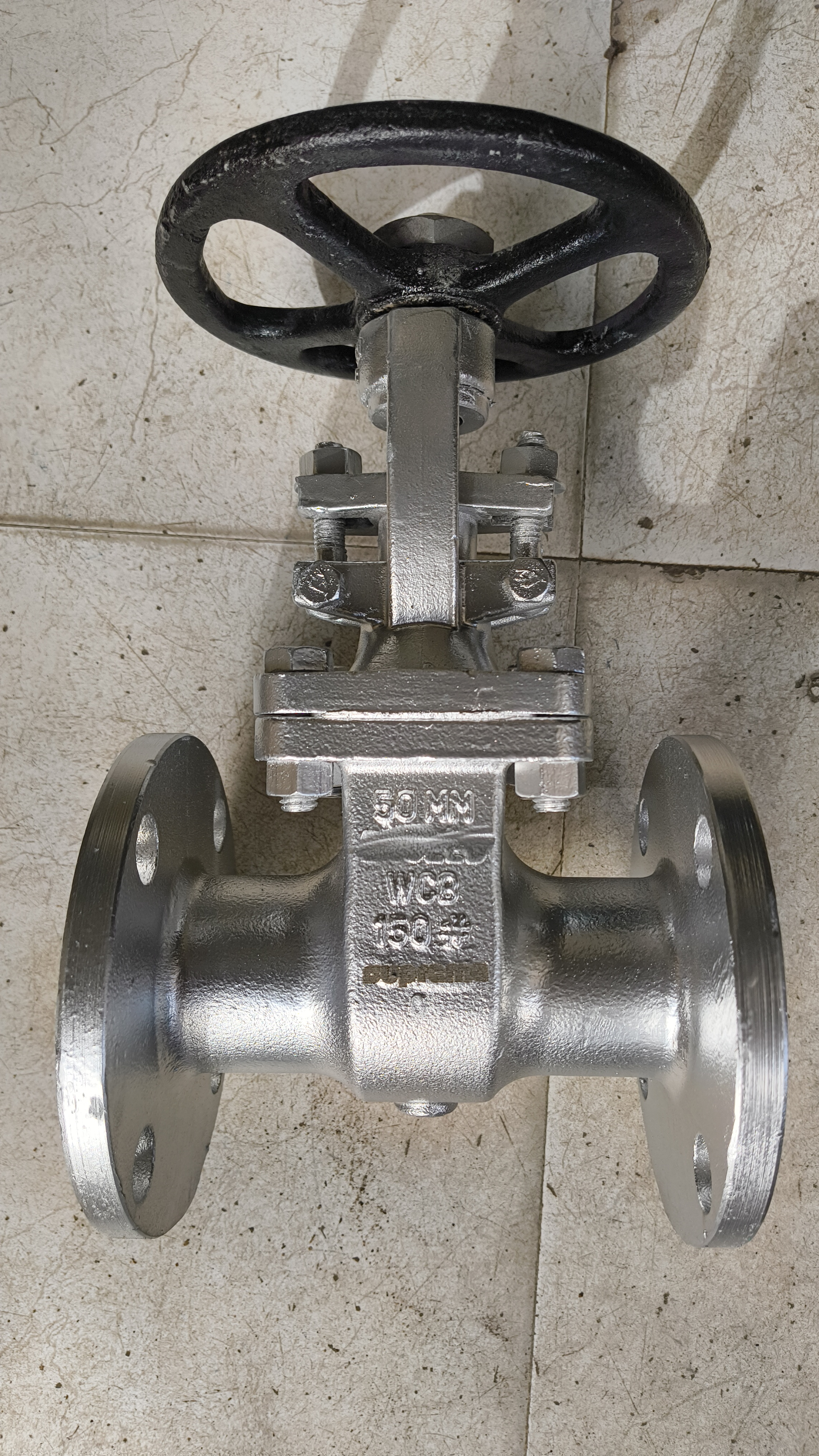
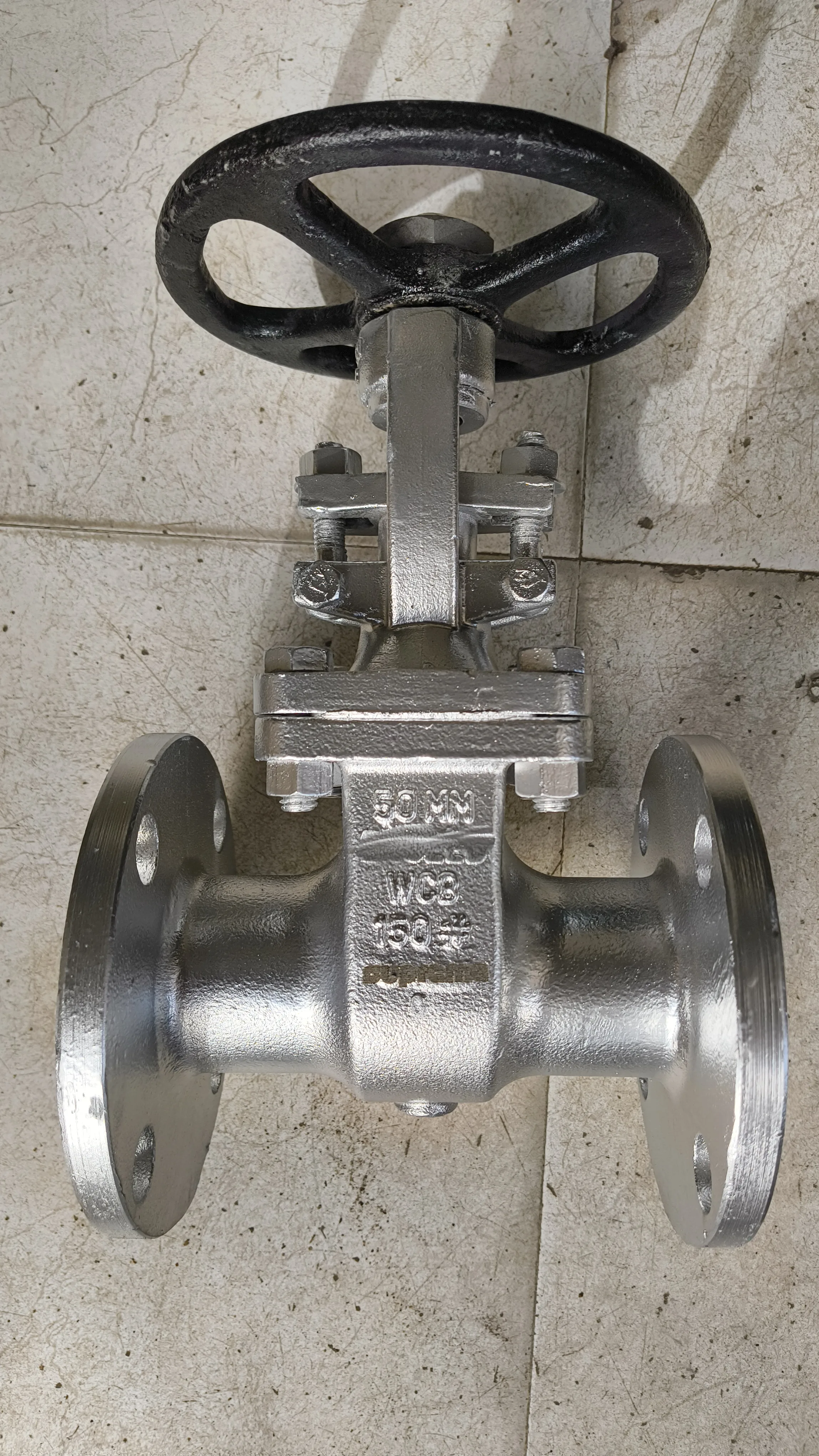
Pressure Regulating Valve for Fire Hydrant
3 Inch (DN80) | Class 150 | Flanged RF Ends
Product Overview
The Supreme Valves pressure regulating valve for fire hydrant applications is designed to control and maintain downstream pressure in fire standpipe and sprinkler systems. The 3-inch (DN80) size with Class 150 flanged connections makes it suitable for individual fire hydrant branch lines and smaller commercial building installations.
The pilot-controlled design ensures accurate pressure regulation regardless of inlet pressure variations or flow demands. When fire hoses are opened, the valve automatically adjusts to maintain the required residual pressure at the outlet, ensuring adequate firefighting capability per NFPA 14 requirements.
Constructed from durable ductile iron (ASTM A395) or cast steel (ASTM A216 WCB), these valves are designed for the demanding environment of fire protection systems. The epoxy-coated interior provides additional corrosion protection for long service life in Iraq and Middle Eastern water distribution systems.
Applications
- Fire Standpipe Systems
- Sprinkler System Riser
- Fire Hydrant Branch Lines
- Water Distribution Networks
- Industrial Fire Protection
Technical Specifications
How Pressure Regulation Works
Inlet Pressure Sensing
The pilot senses inlet pressure through a sensing line connected to the valve inlet port.
Pressure Comparison
The pilot compares actual inlet pressure against the pre-set spring load (desired outlet pressure).
Automatic Adjustment
The pilot modulates the main valve opening to throttle flow and maintain constant outlet pressure.
Frequently Asked Questions
What is a pressure regulating valve for fire hydrants?
A pressure regulating valve (PRV) for fire hydrants is a pilot-controlled valve that maintains constant downstream pressure regardless of fluctuations in inlet pressure or flow demand. In fire protection systems, these valves ensure that the pressure at hydrant outlets remains within safe operating limits defined by NFPA 14. The valve automatically adjusts to reduce higher city water main pressures to the design pressure required for fire hose connections.
What is NFPA 14 and how does it affect valve selection?
NFPA 14 is the National Fire Protection Association standard for the Installation of Standpipes and Hose Systems. It defines requirements for pressure in fire standpipe systems, with Class I systems requiring a minimum residual pressure of 100 PSI (690 kPa) at the highest outlet during flow. Pressure regulating valves must be capable of maintaining these minimum pressures while handling the dynamic pressure changes during fire pump operation.
What maintenance is required for fire hydrant pressure regulating valves?
NFPA 25 requires annual inspection of pressure regulating valves. The inspection should verify the valve maintains the set outlet pressure within +/- 5 PSI of design. The pilot system should be checked for free movement and proper operation. Sediment and debris can affect pilot operation, so periodic cleaning may be required, especially in systems with poor water quality.
What is the difference between a pressure reducing valve and a pressure regulating valve?
A pressure reducing valve (PRV) simply reduces pressure to a pre-set value and maintains it regardless of downstream demand. A pressure regulating valve typically includes more sophisticated controls that adjust based on both inlet pressure variations and flow demands. For fire hydrant applications, the regulating function is critical because the valve must respond to the rapid pressure changes when fire hoses are opened or closed during emergency operations.
Export to Iraq & Middle East
Supreme Valves exports pressure regulating valves throughout Iraq and the Middle East for fire protection projects. Our valves are suitable for projects requiring NFPA compliance and UL/FM certification. Complete documentation packages include material test reports, hydrostatic test certificates, and certificates of conformity for project submission.
Related Products
Purchase Options
Materials of Construction (MOC)
| Component | Material Specification |
|---|---|
| Body & Bonnet | Ductile Iron (ASTM A536 / EN-GJS-400-15) |
| Stem / Spindle | SS 410 / SS 420 |
| Seat / Trim | EPDM / NBR / Bronze |
Technical Specifications
| Parameter | Specification / Standard |
|---|---|
| Manufacturing / Design Standard | EN 1171 / AWWA C509 / BS 5163 |
| Testing Standard | API 598 / EN 12266-1 |
| Pressure Rating | PN16 / PN25 |