
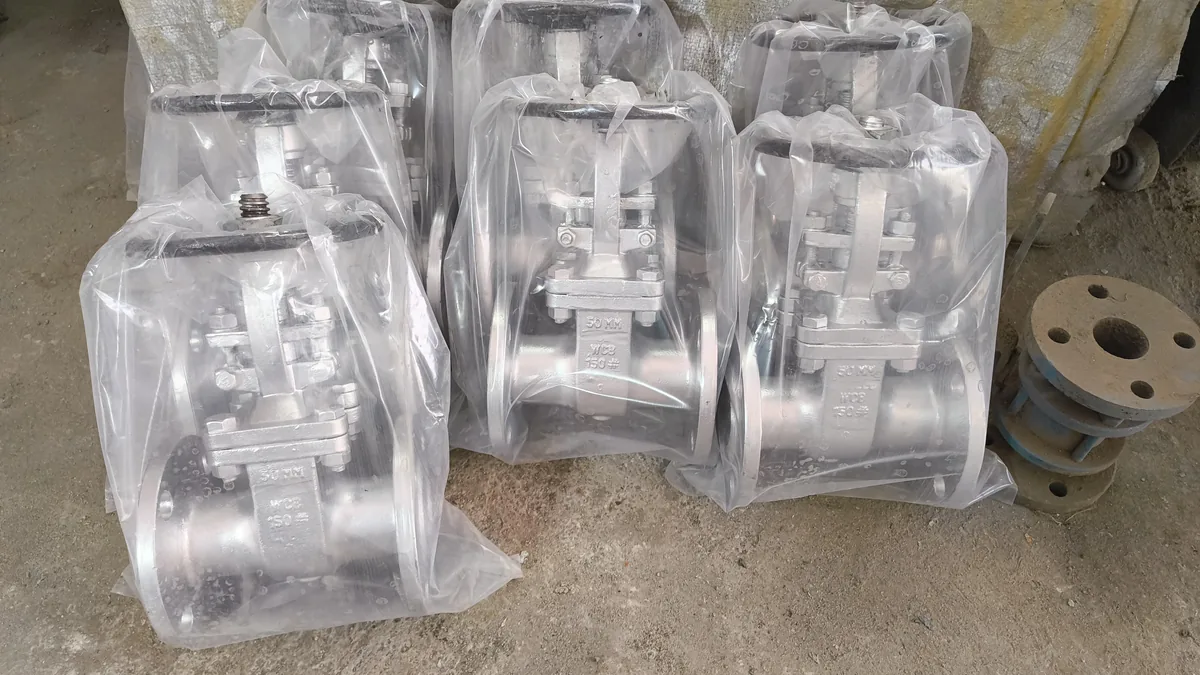
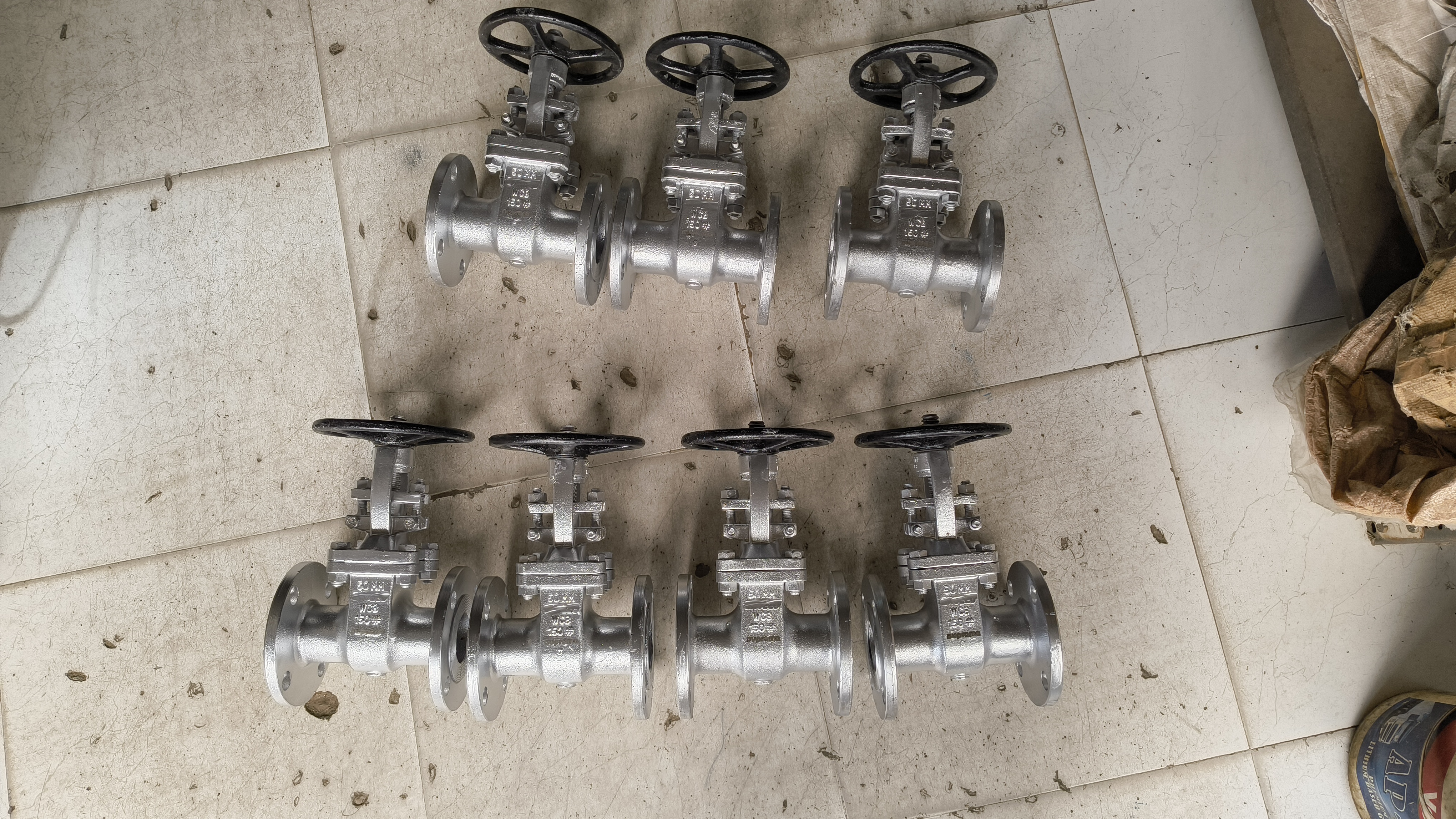
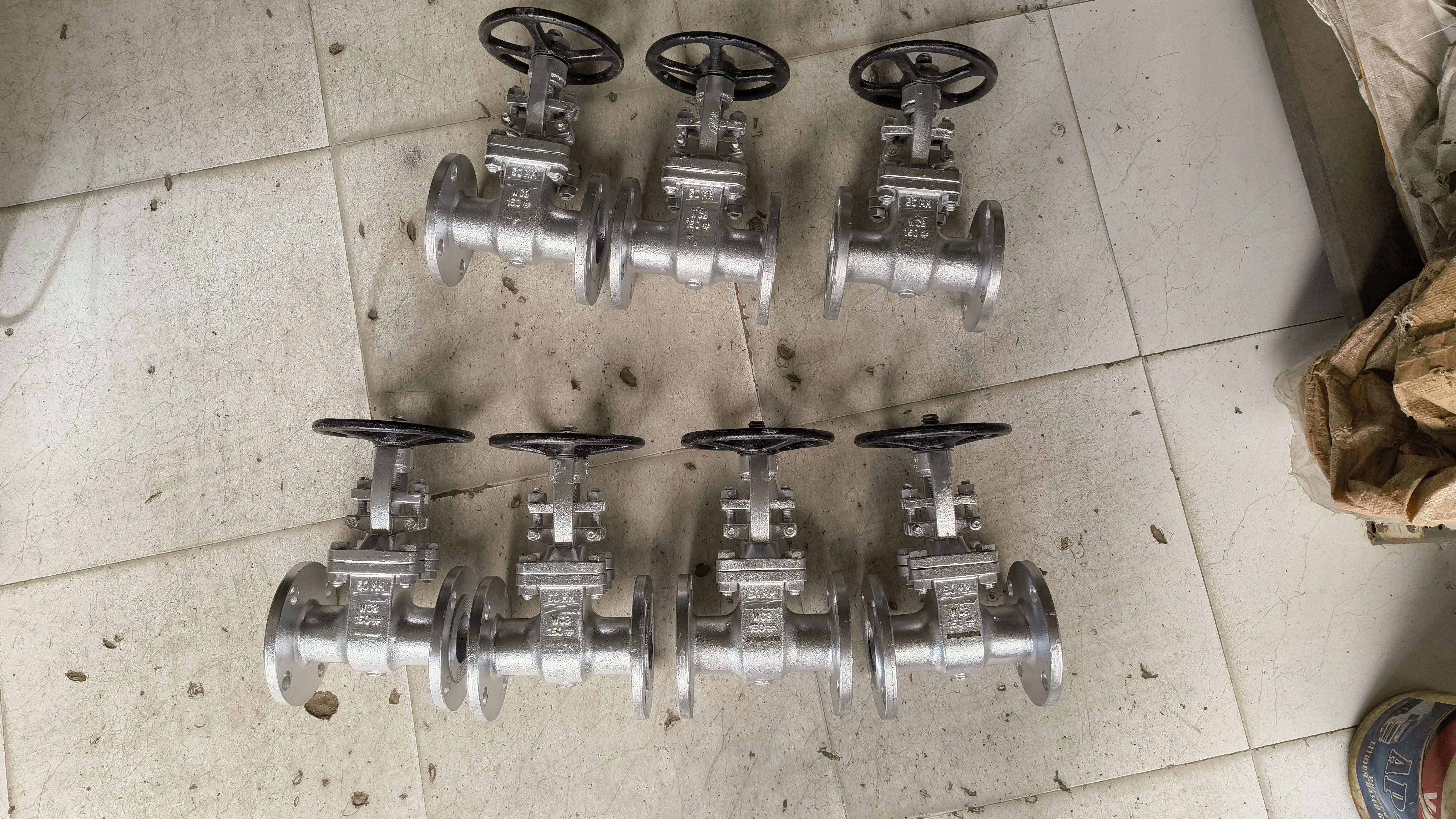
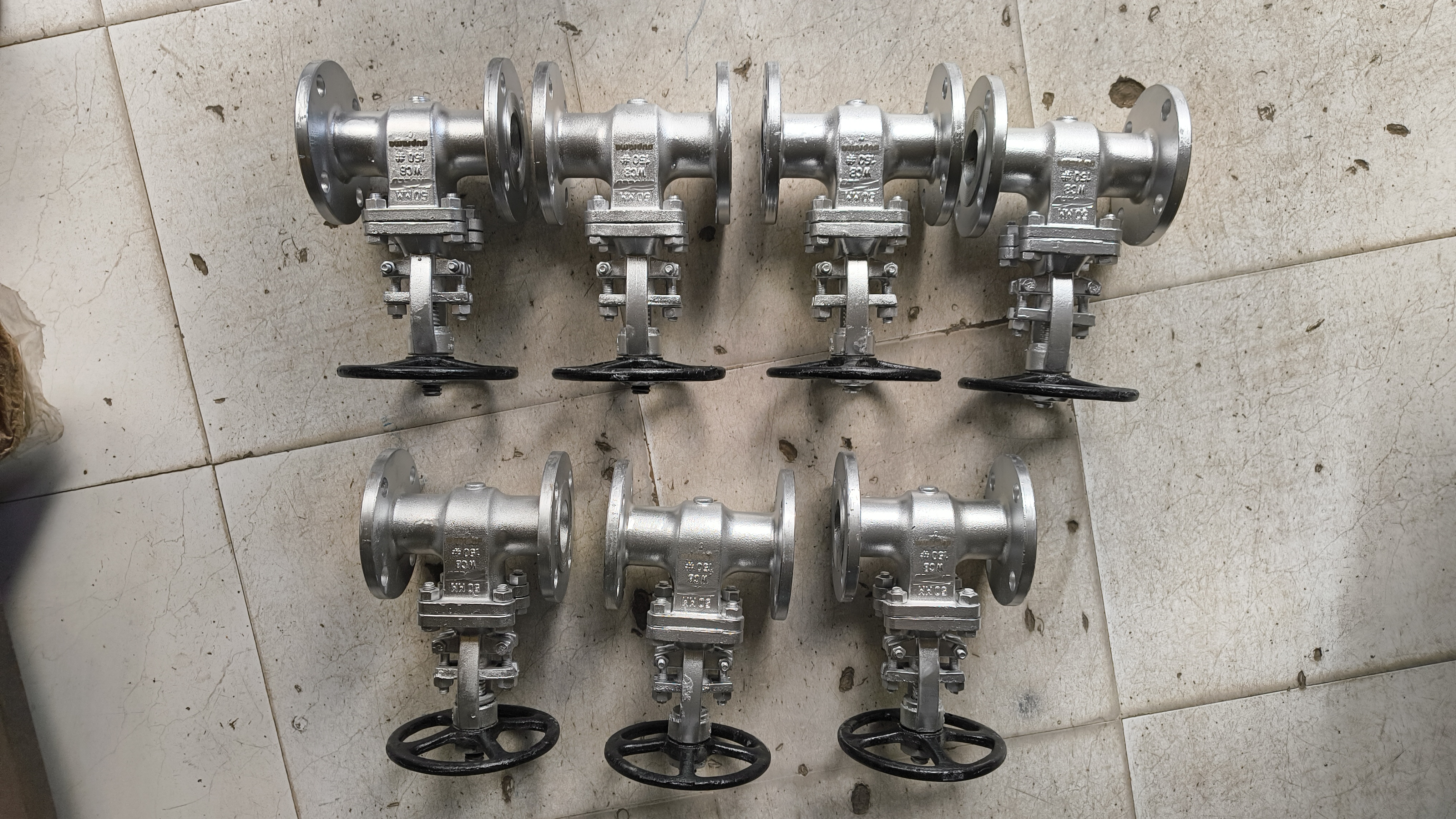
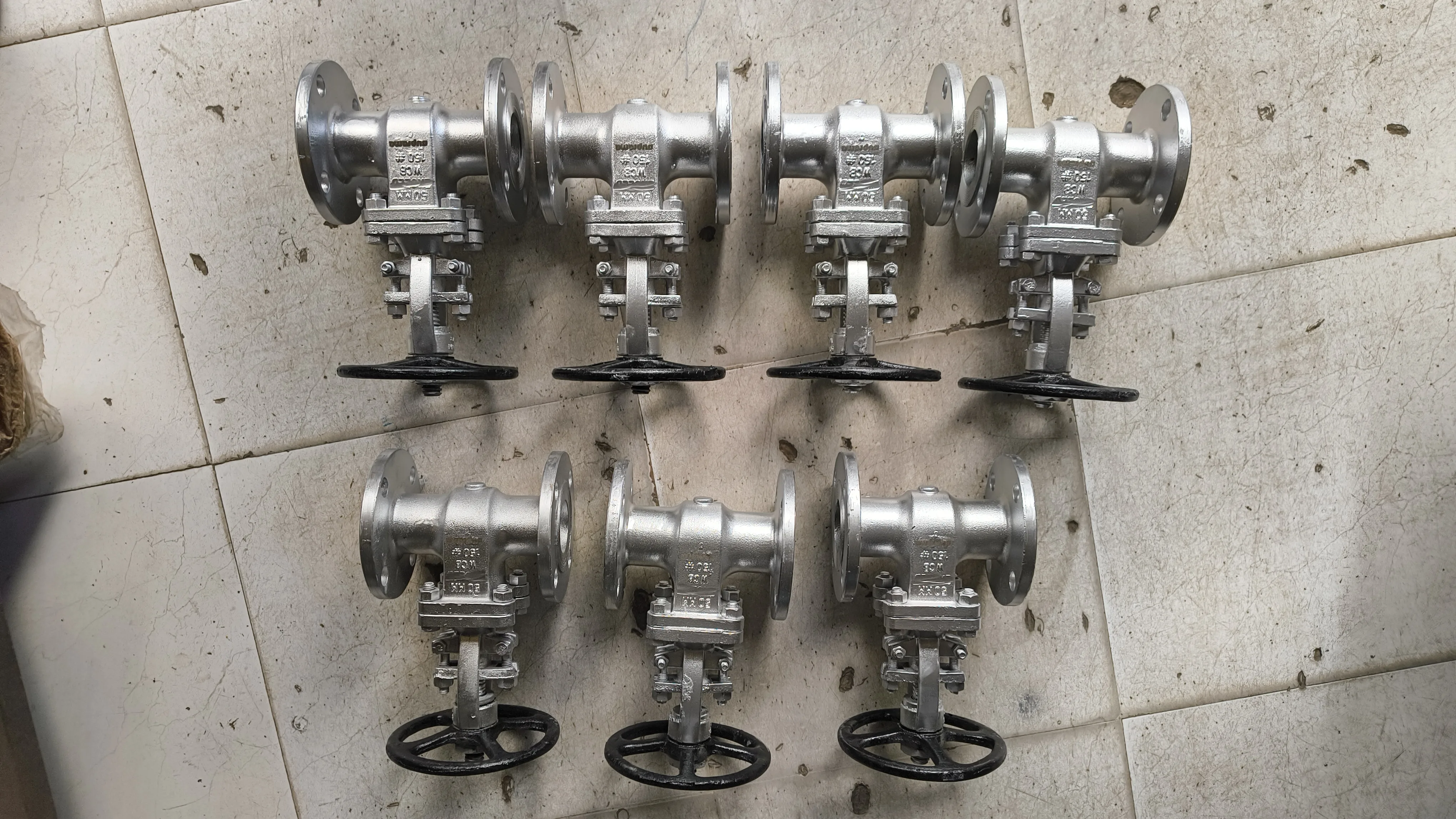
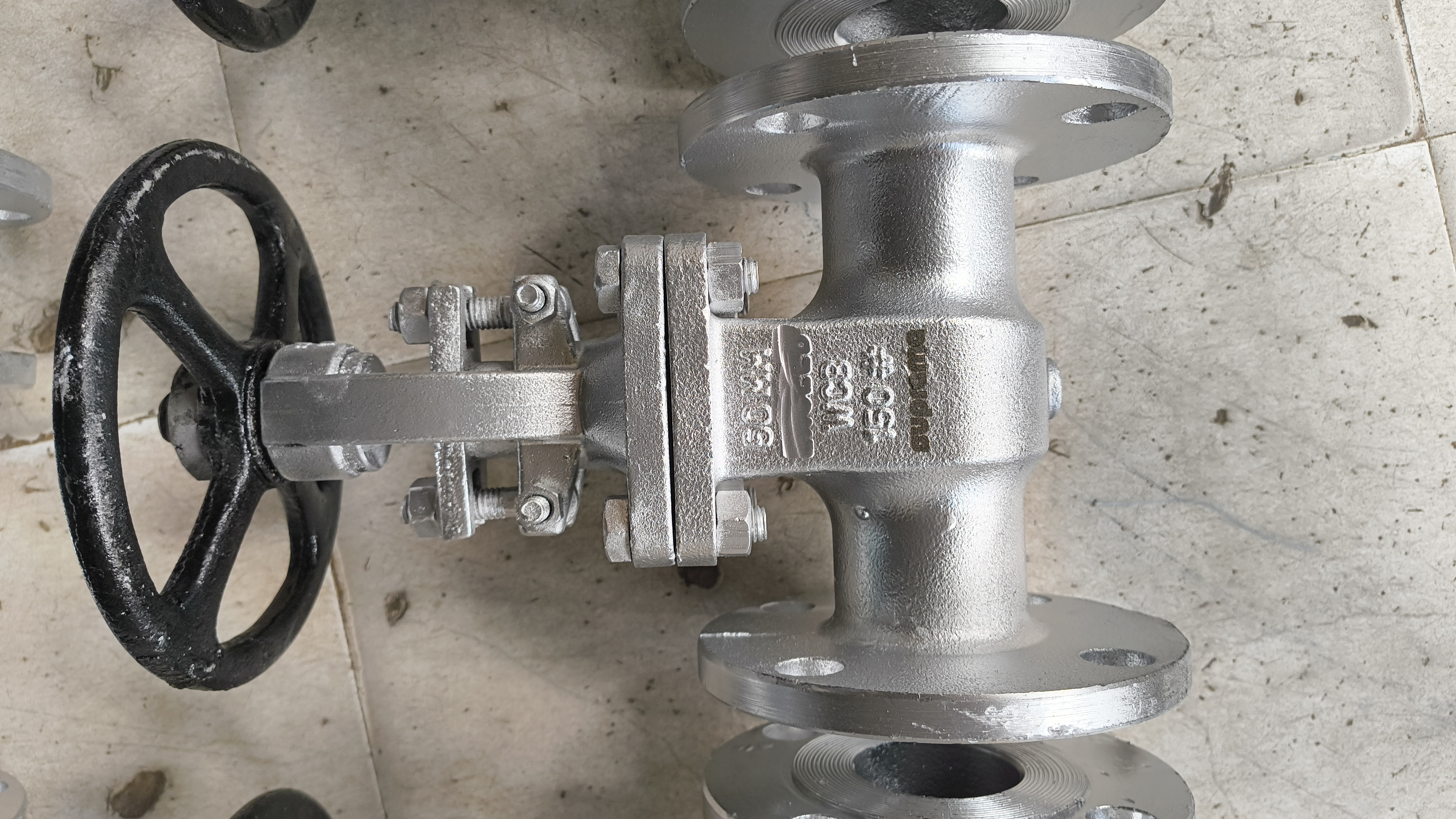
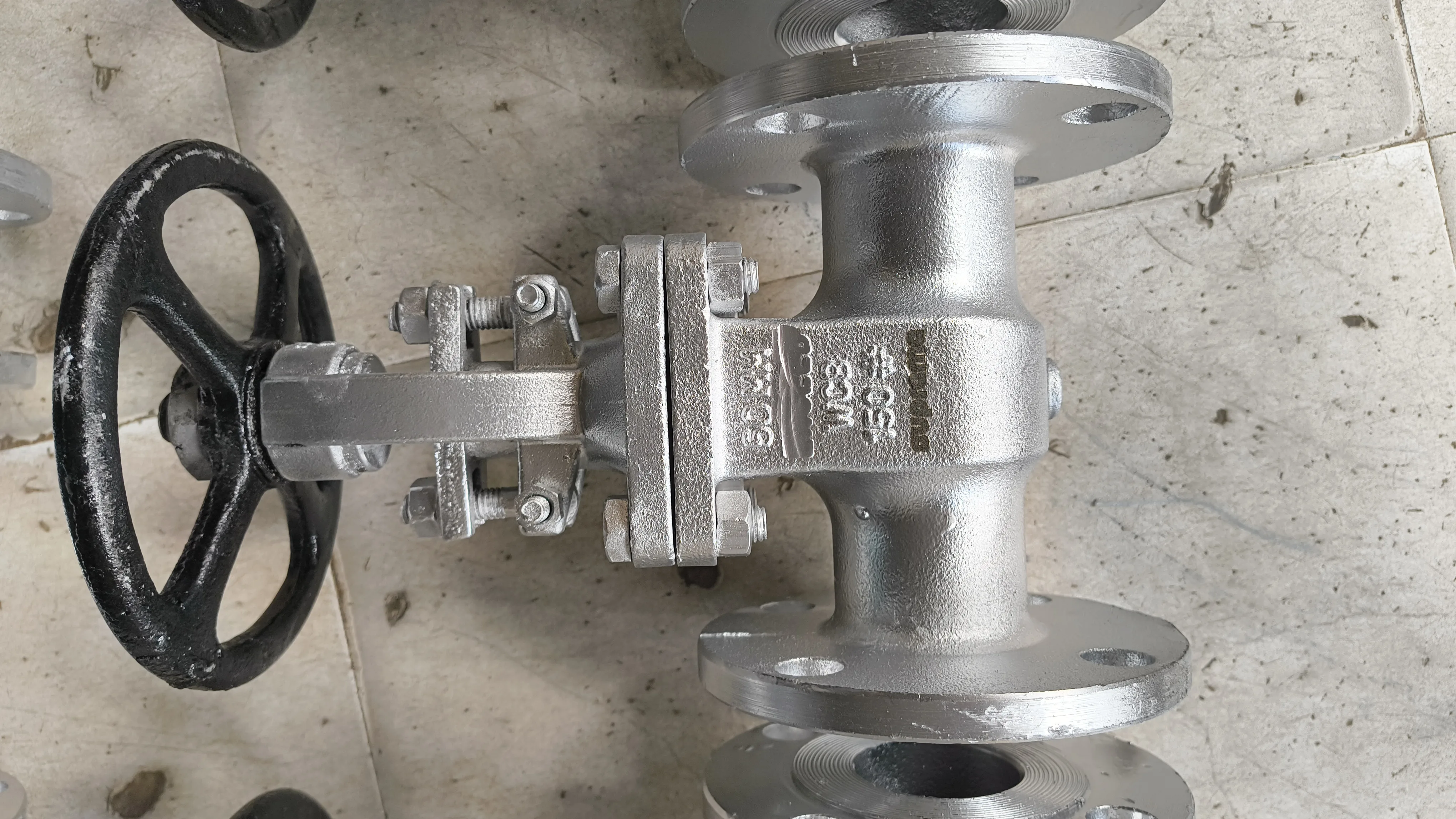
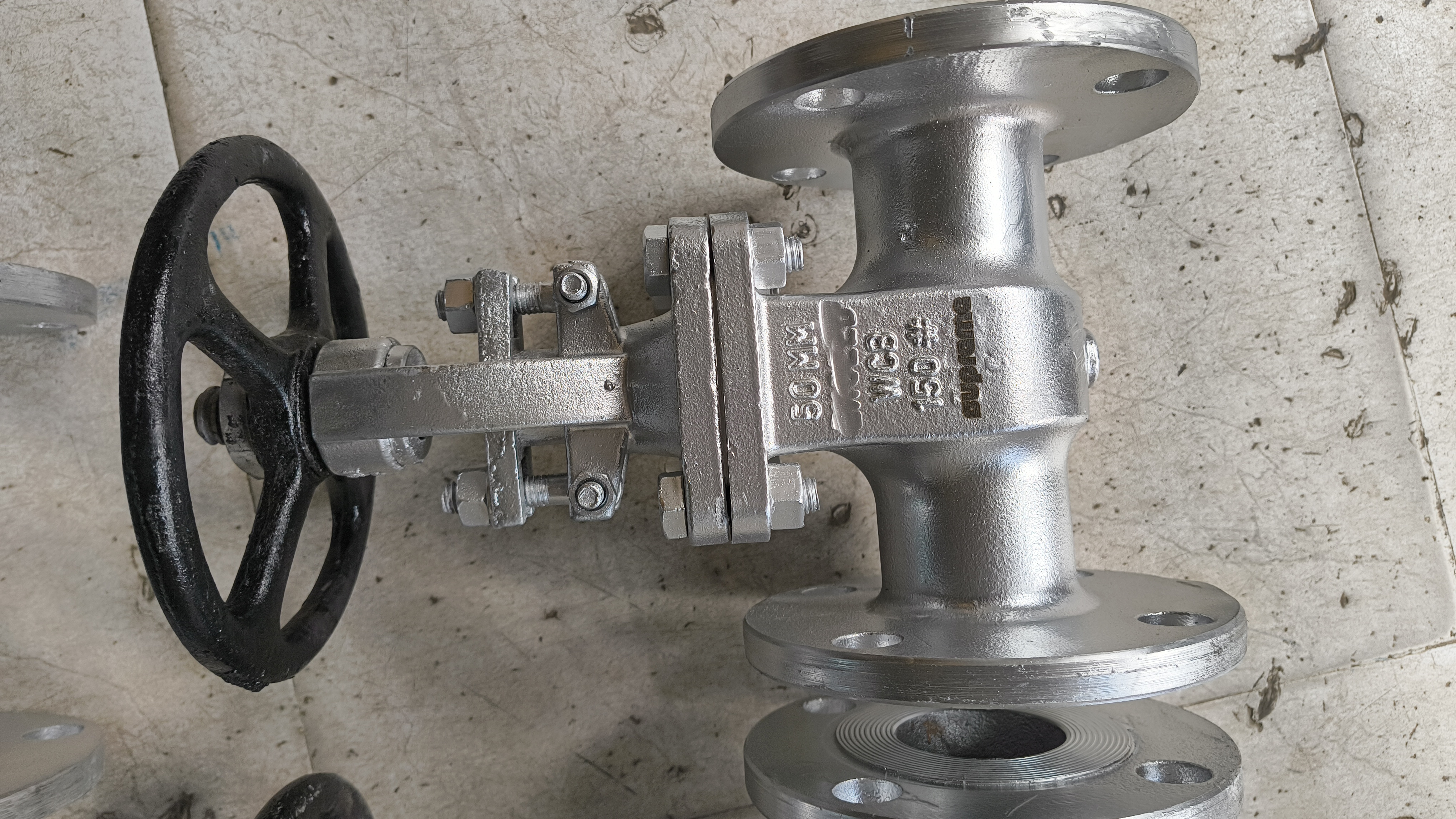
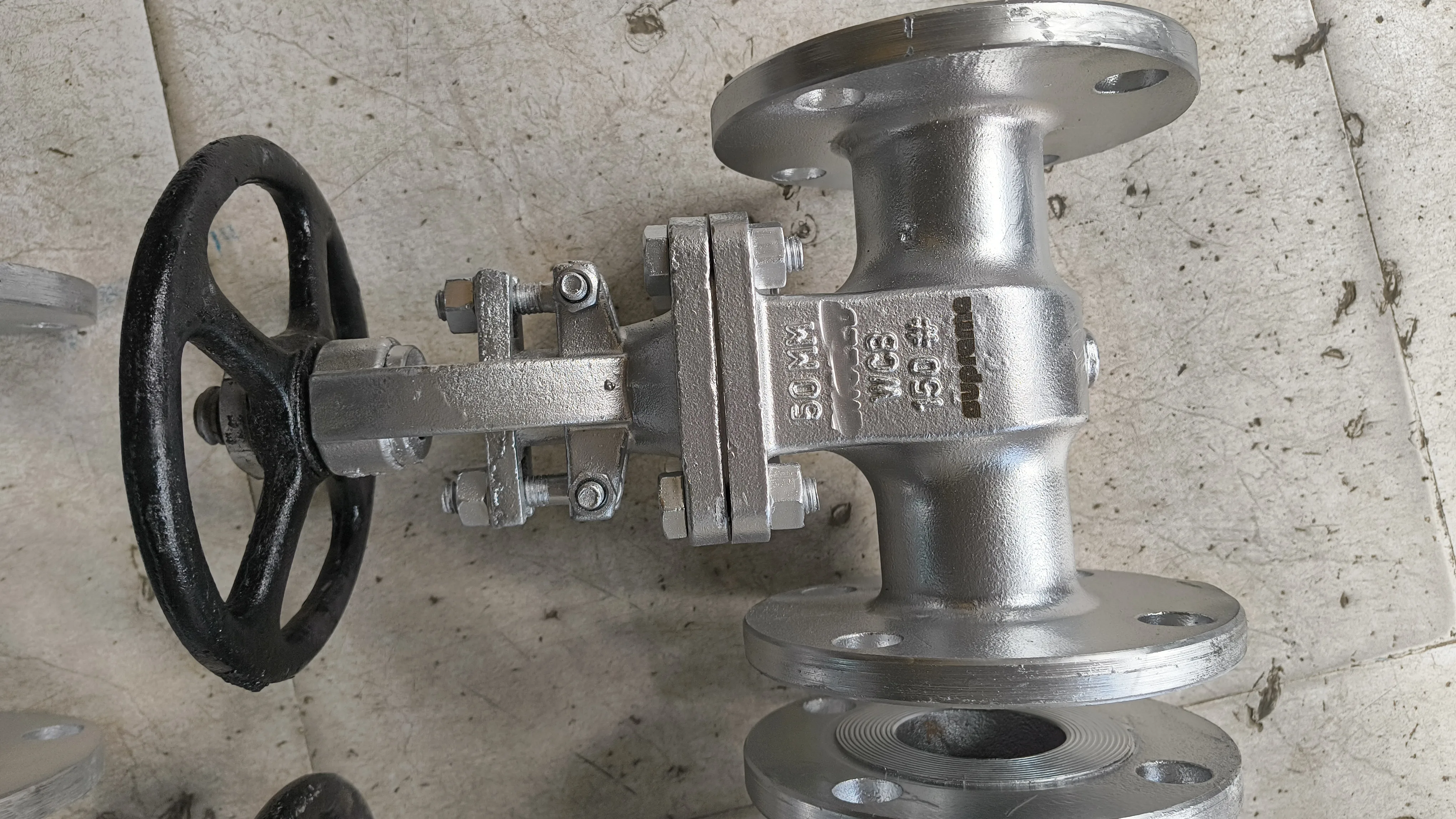
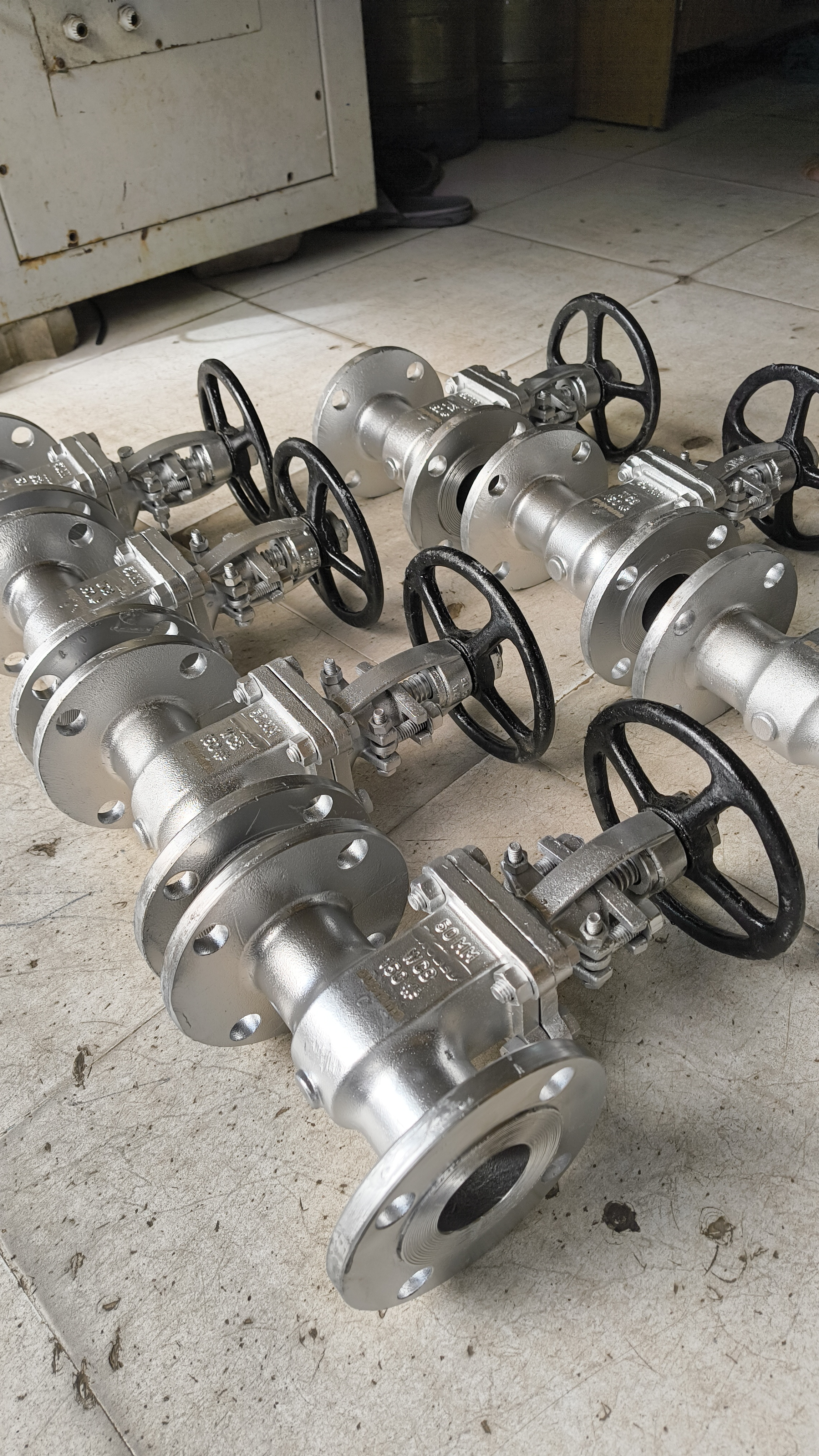
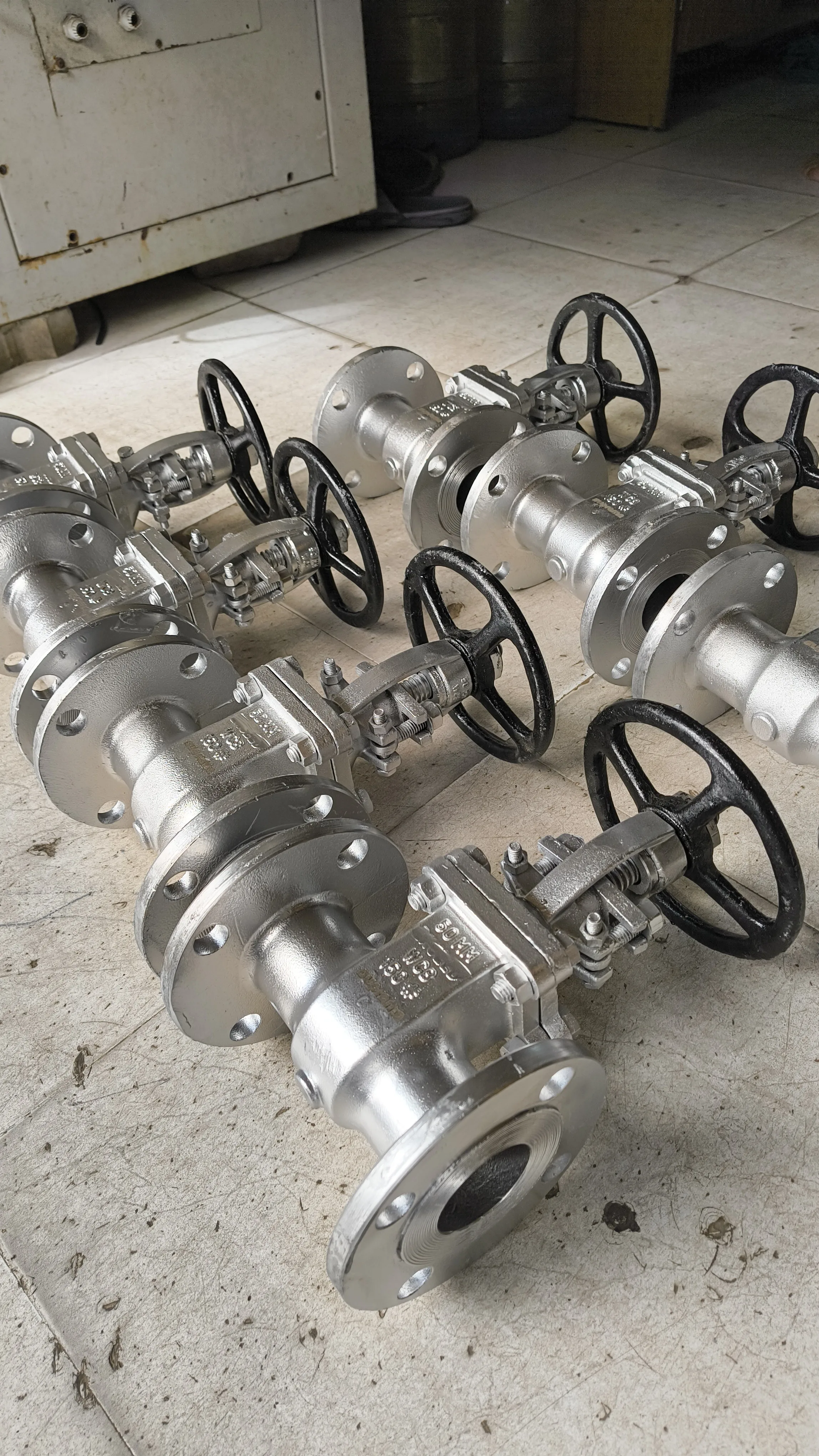
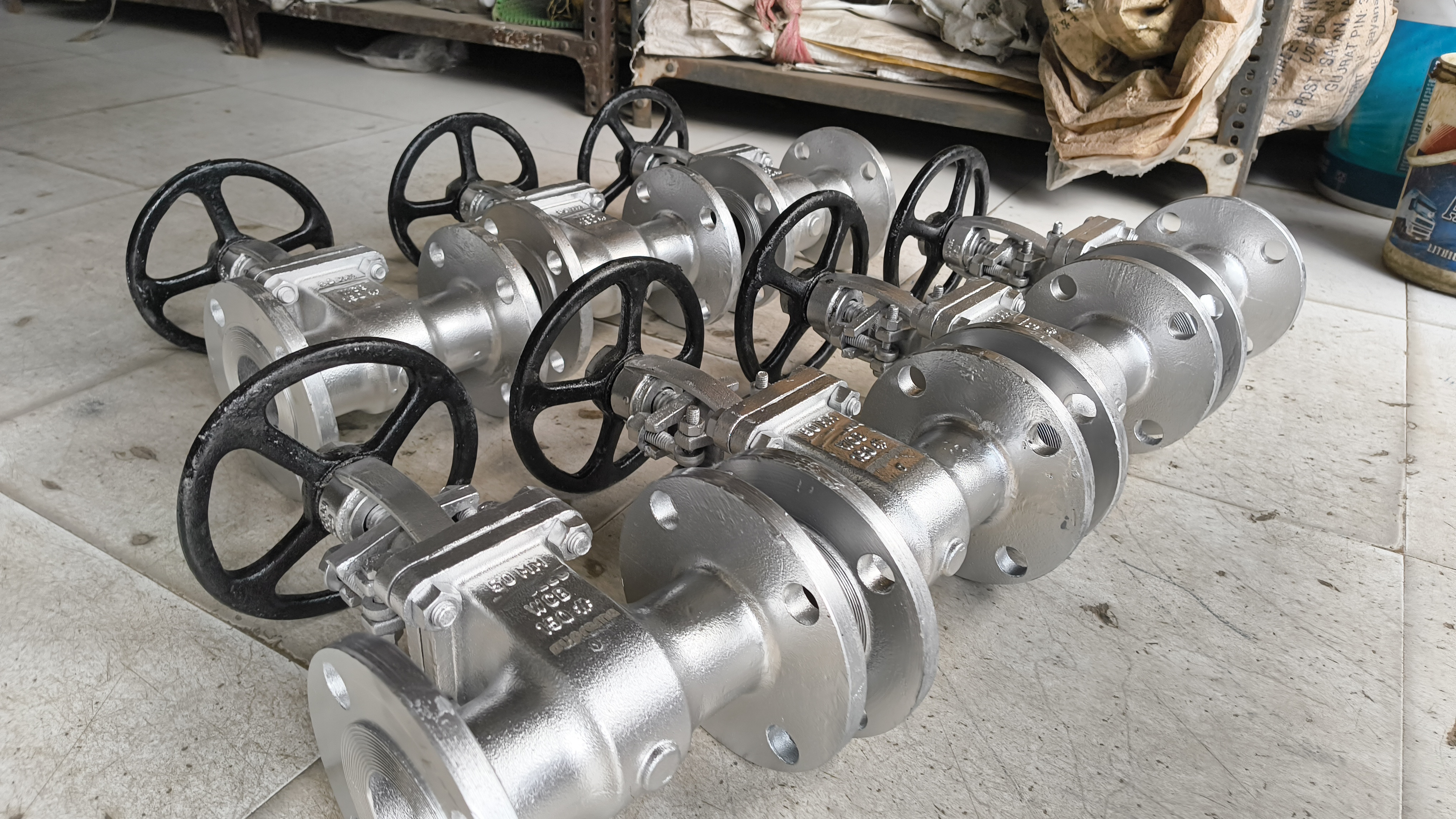
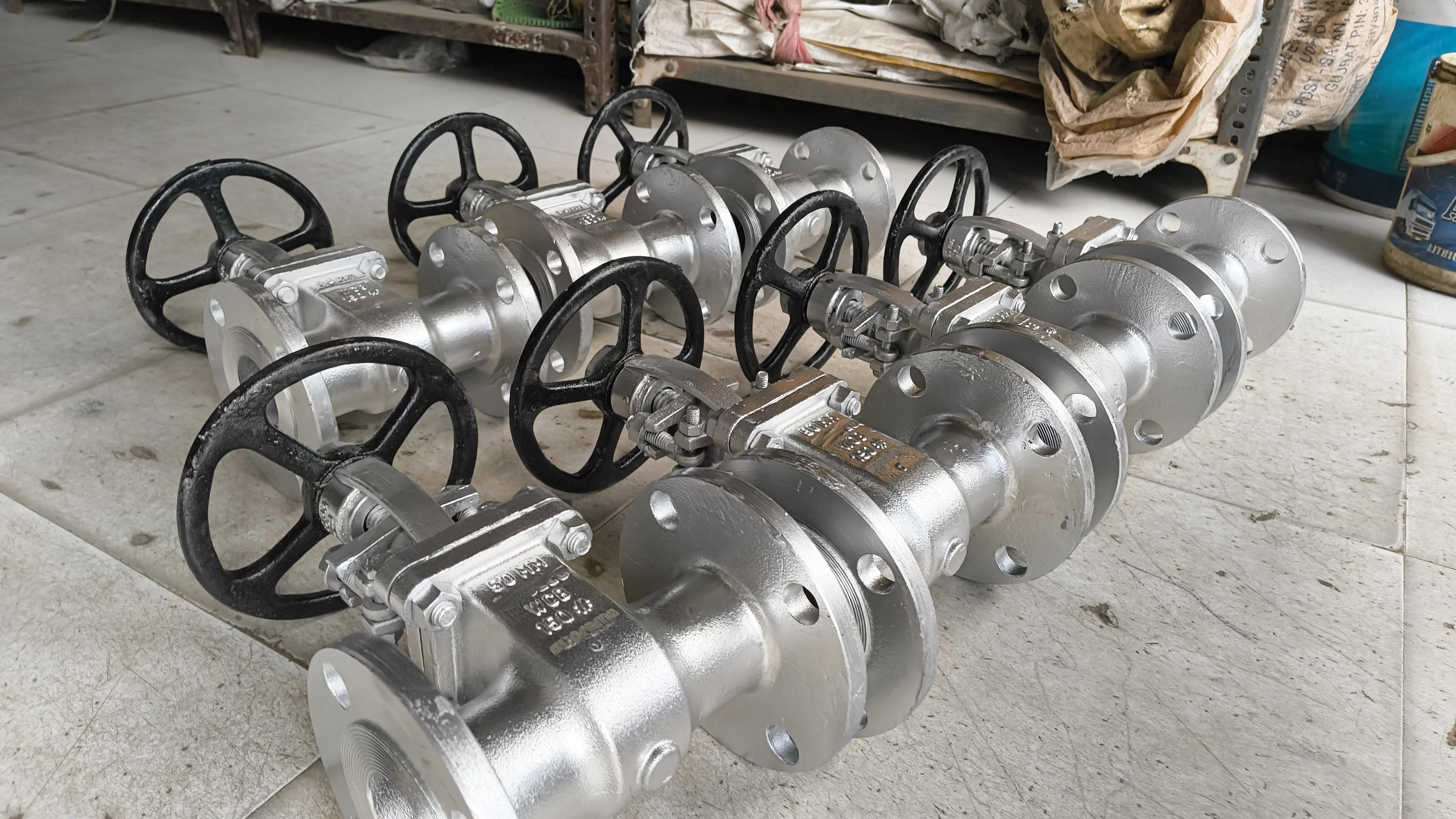
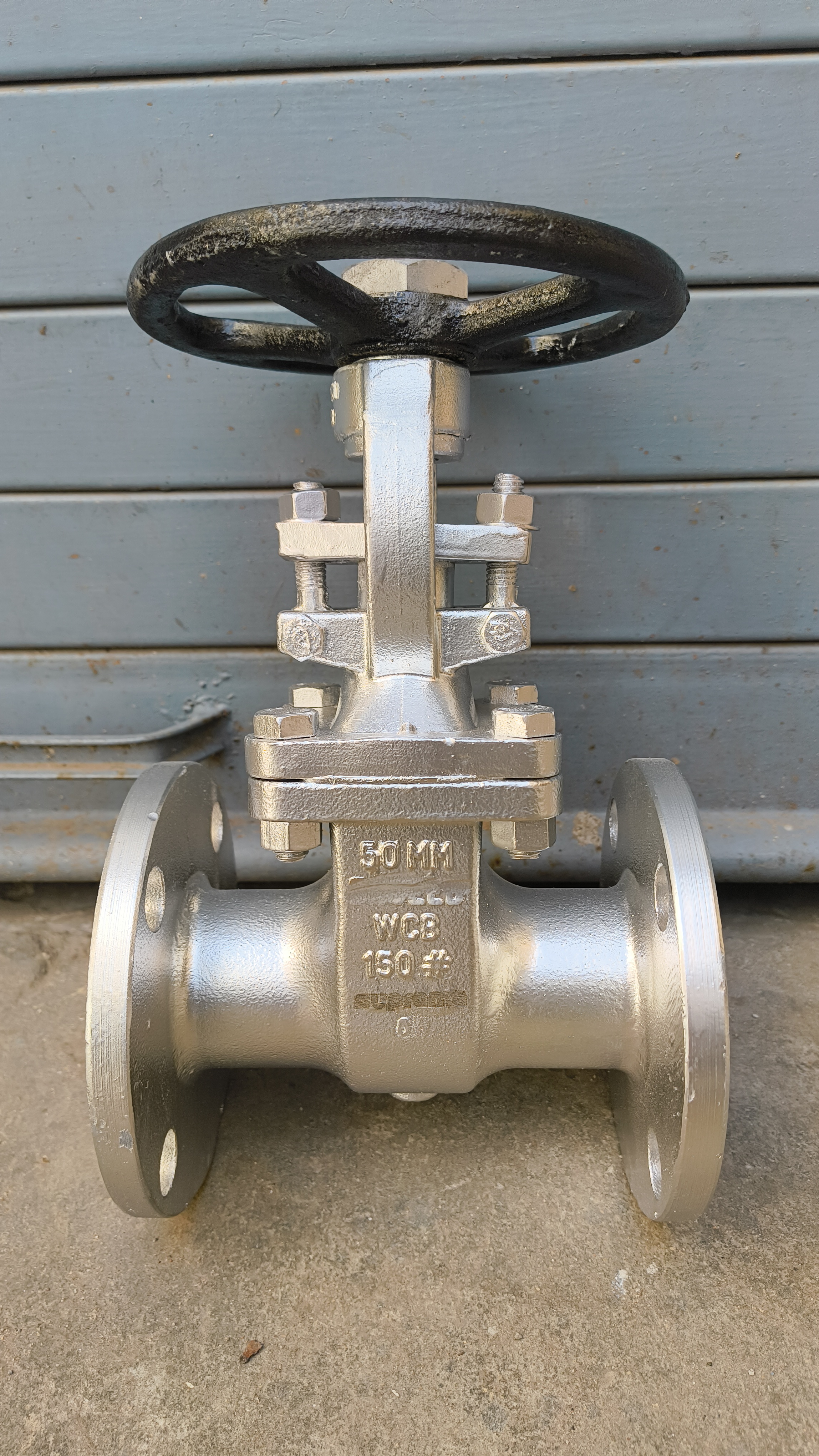
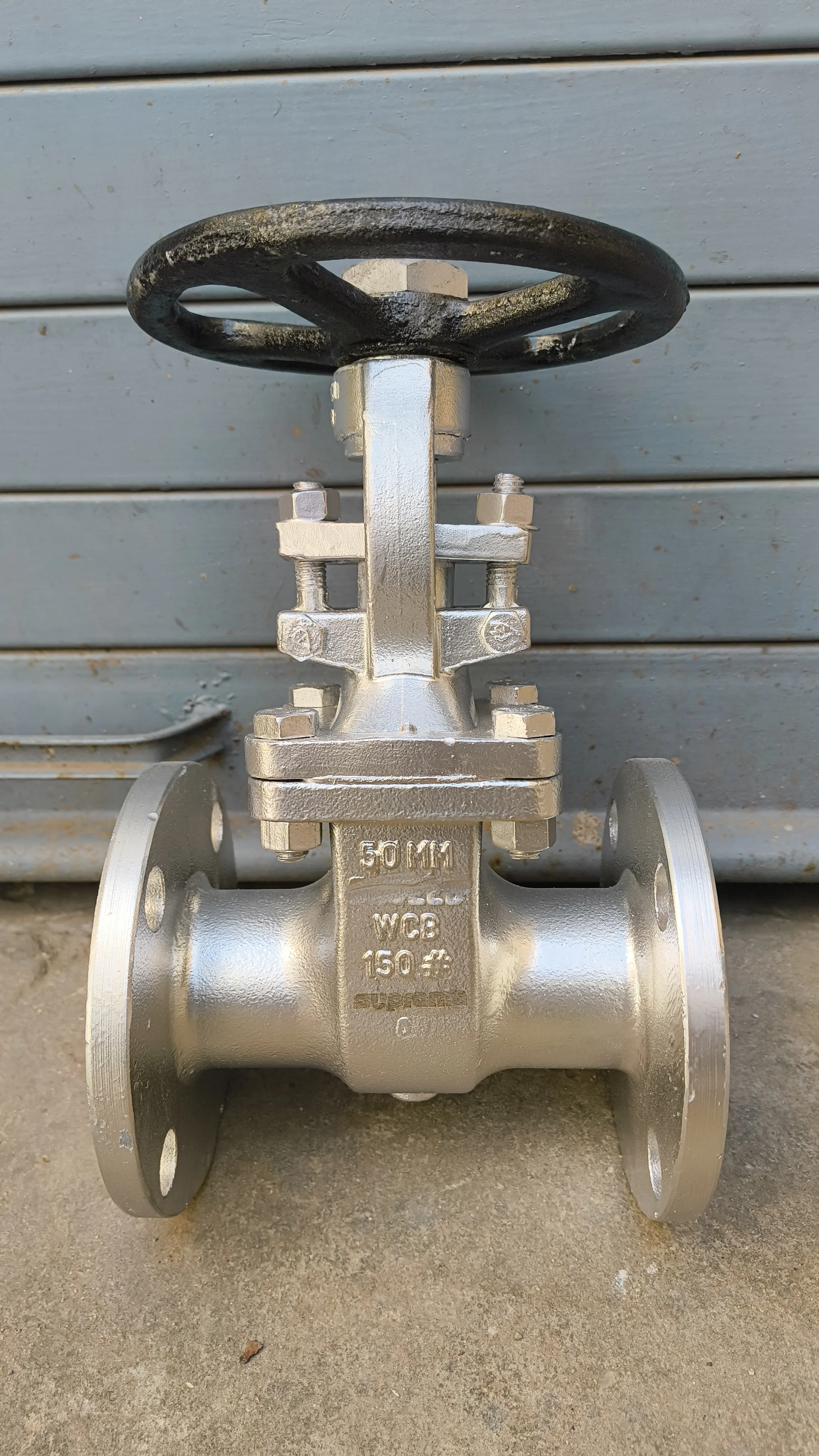
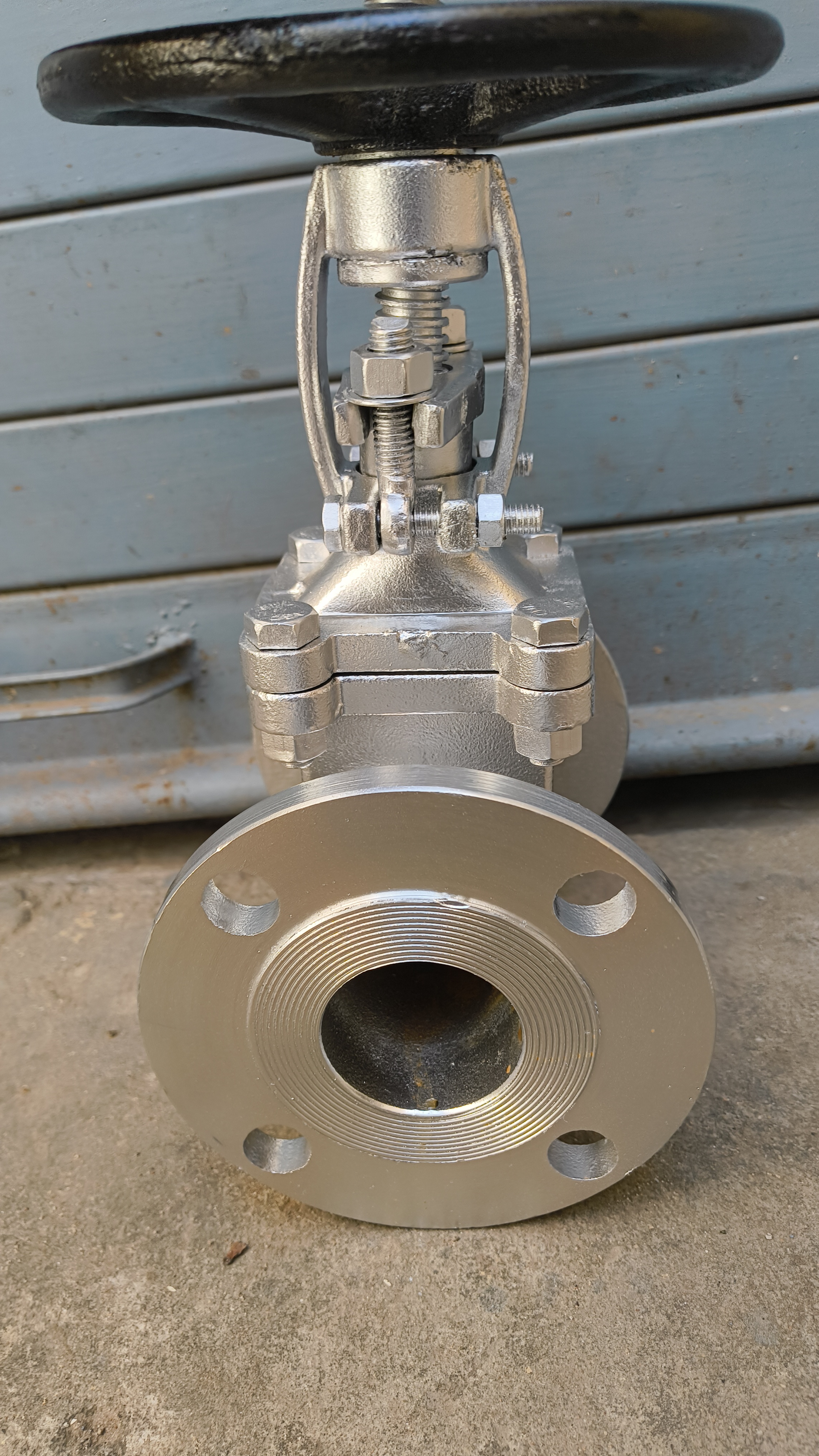
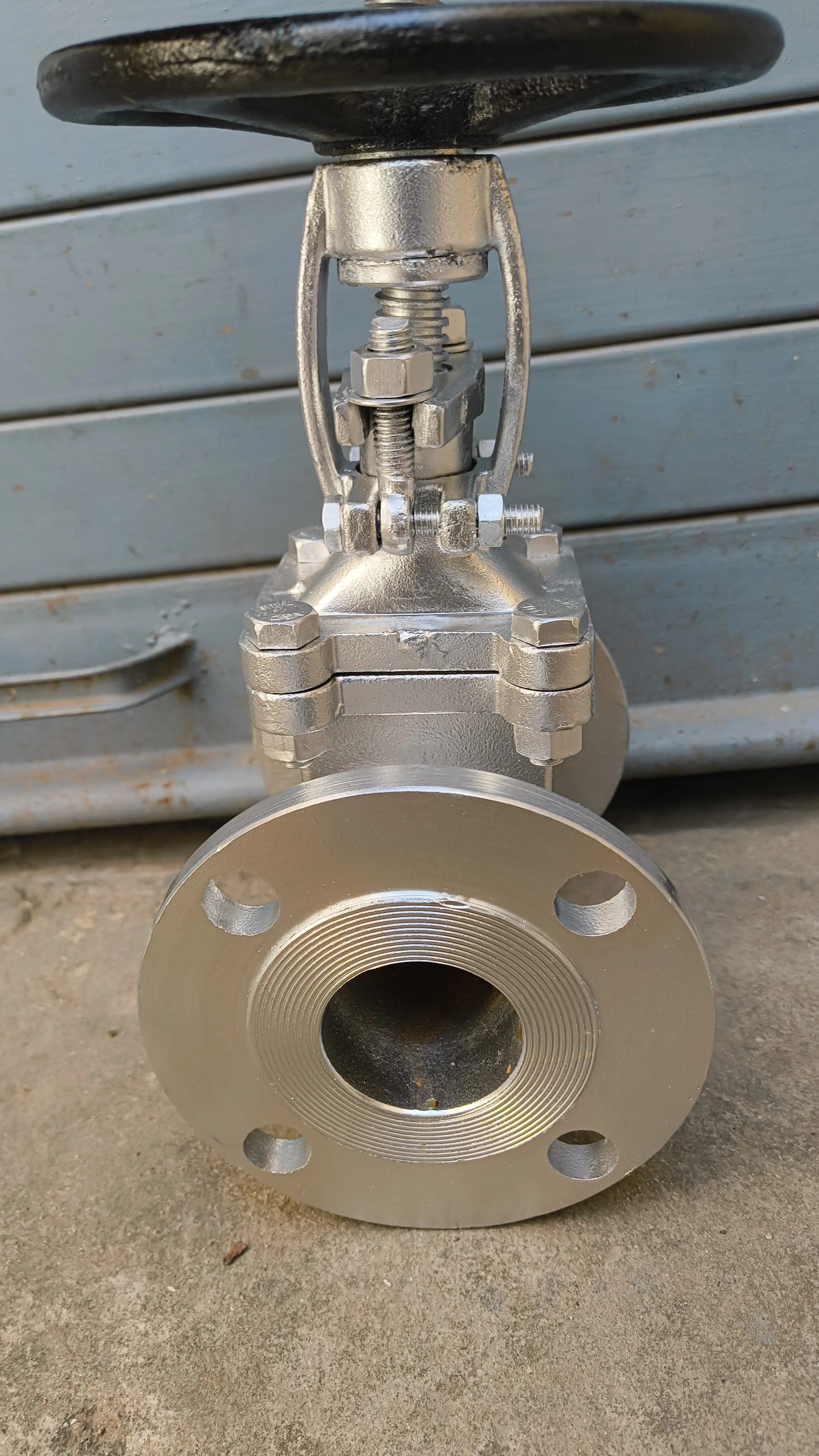
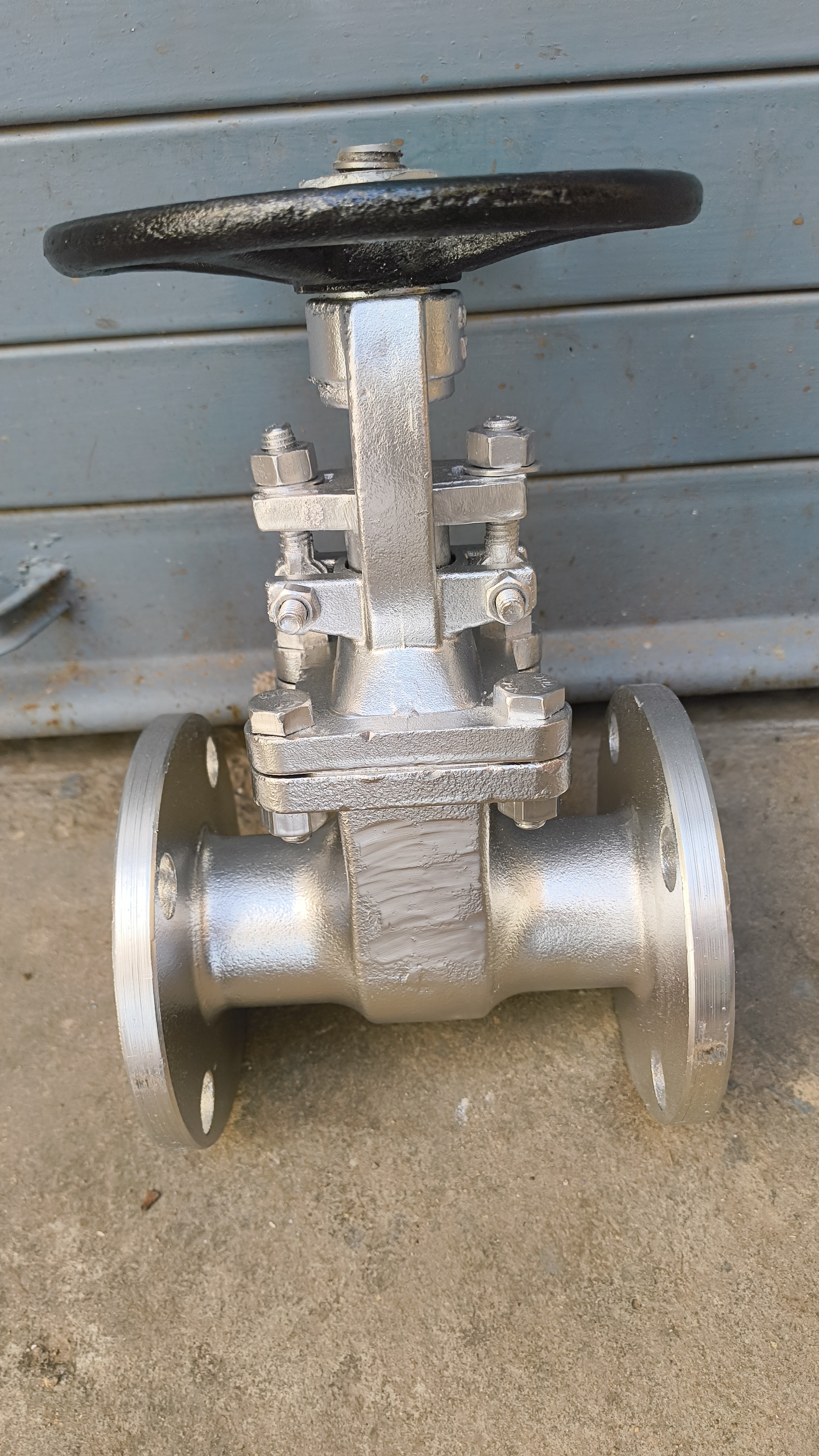
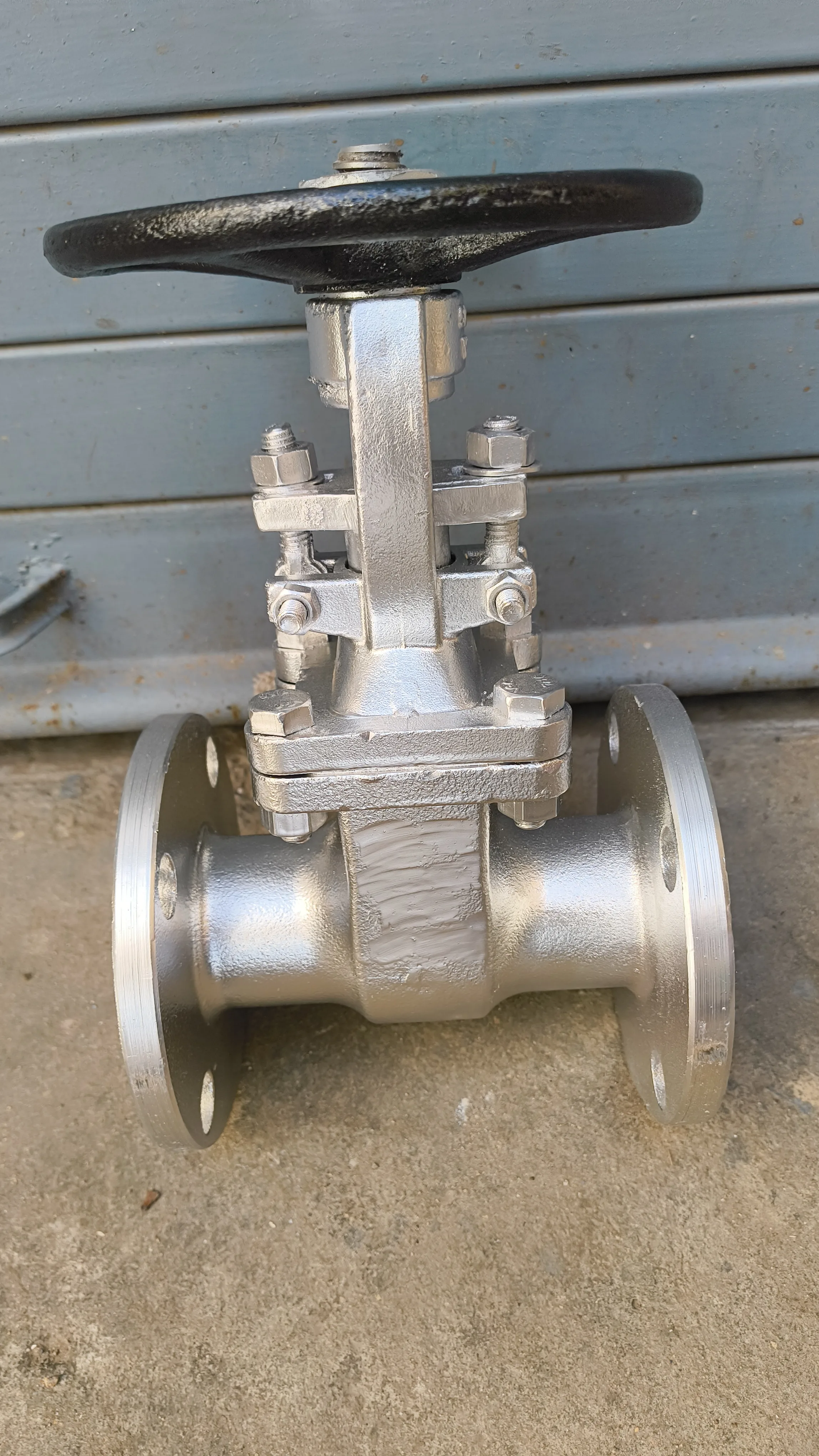
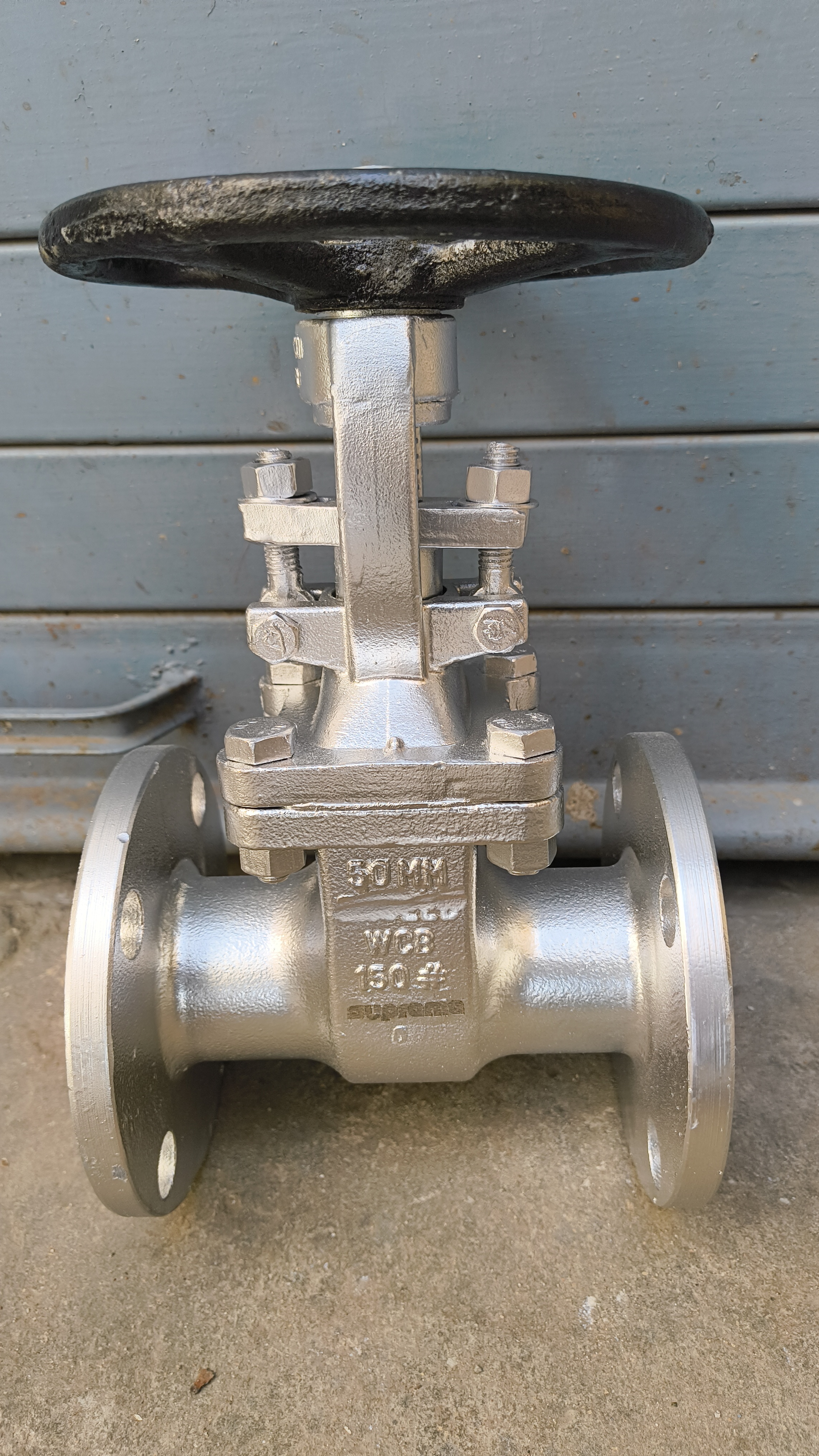
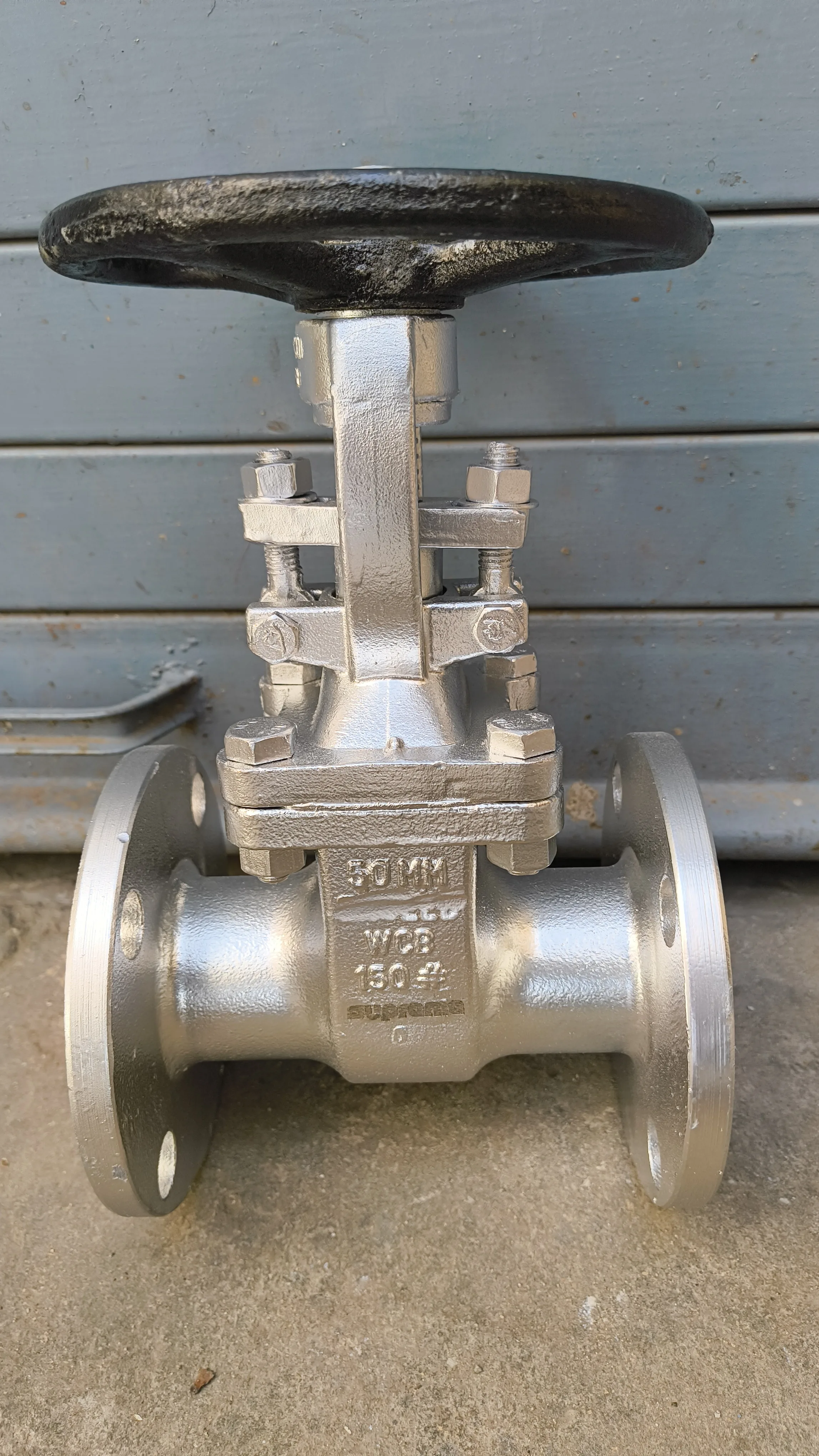
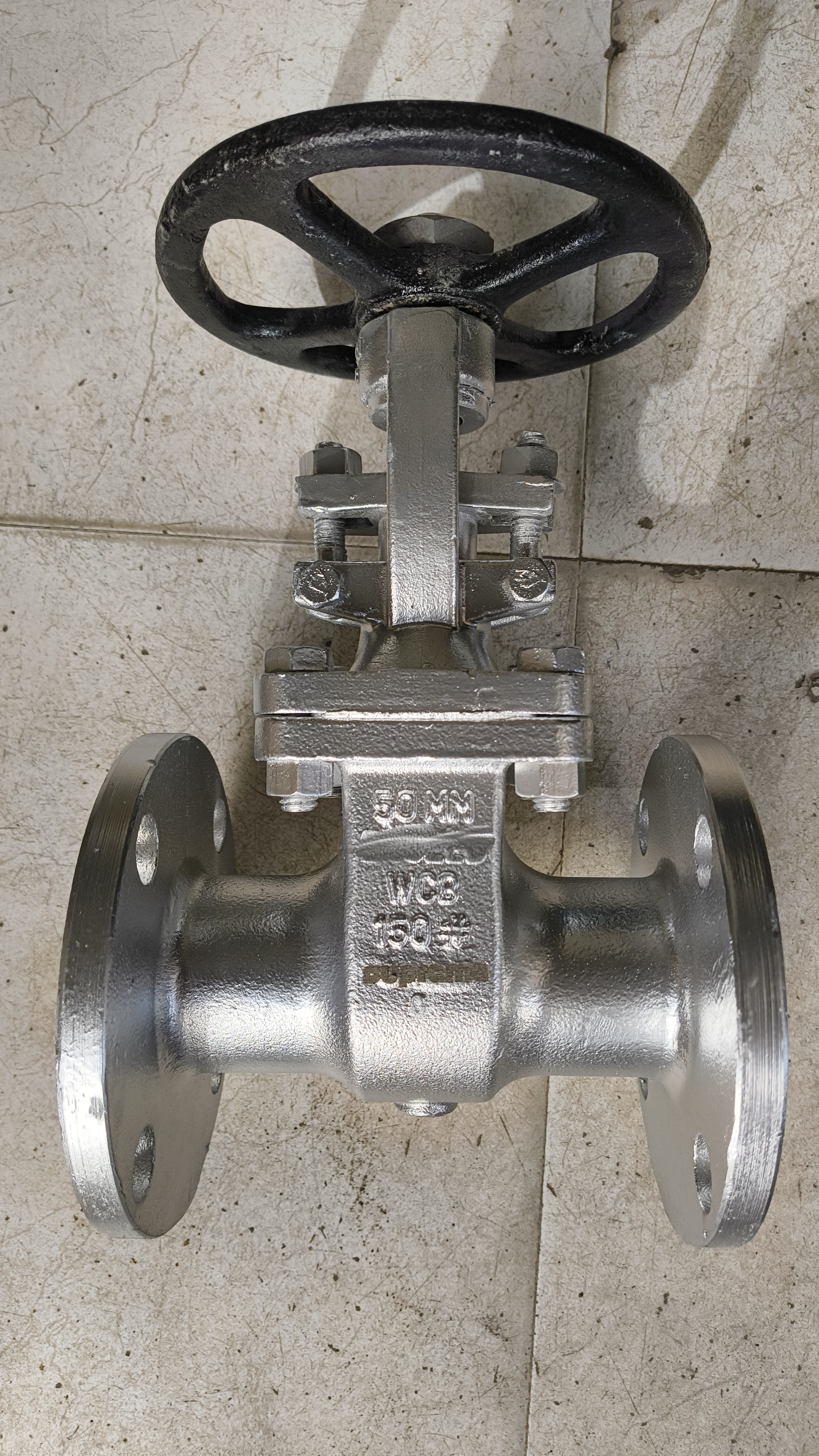
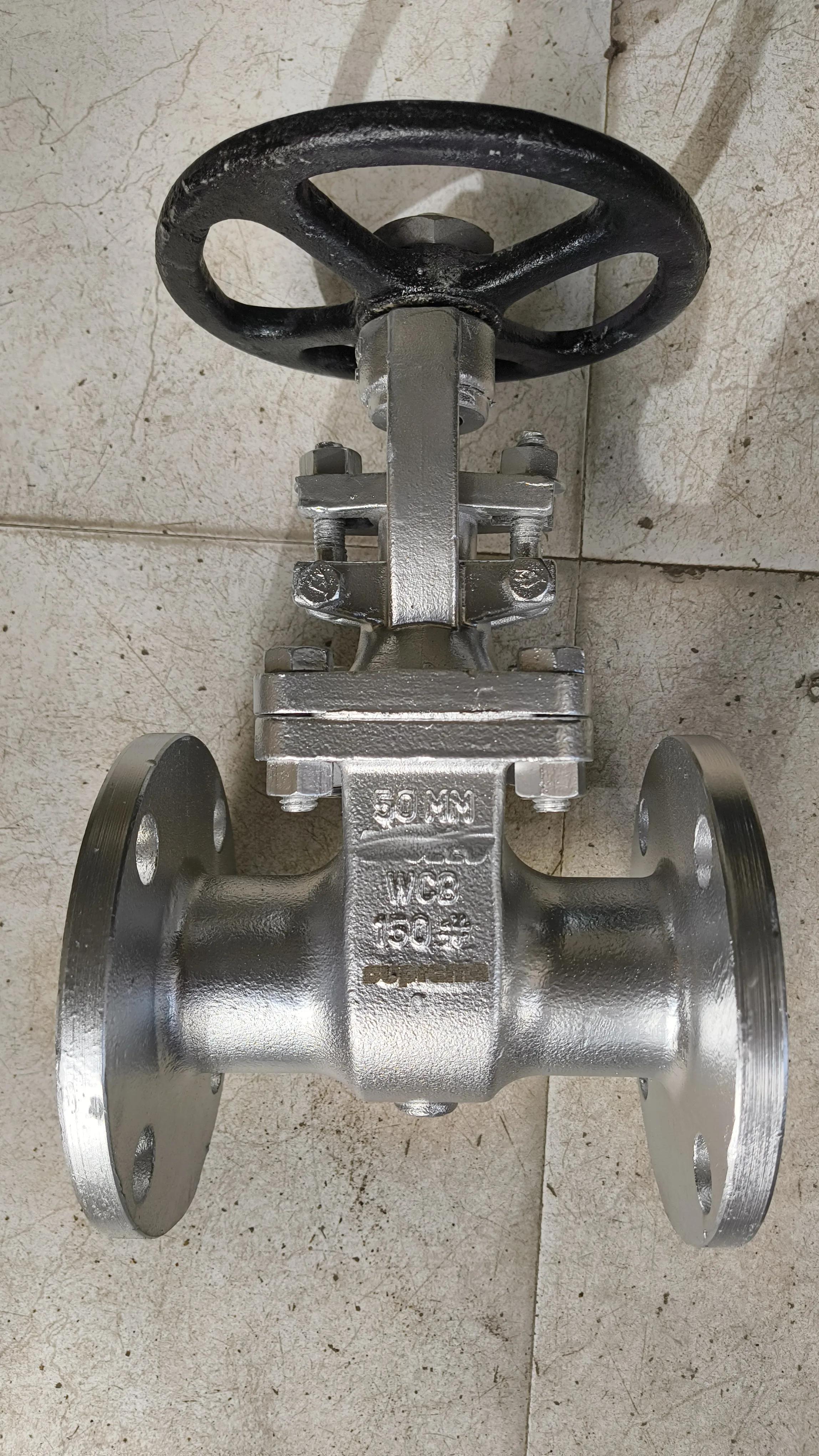
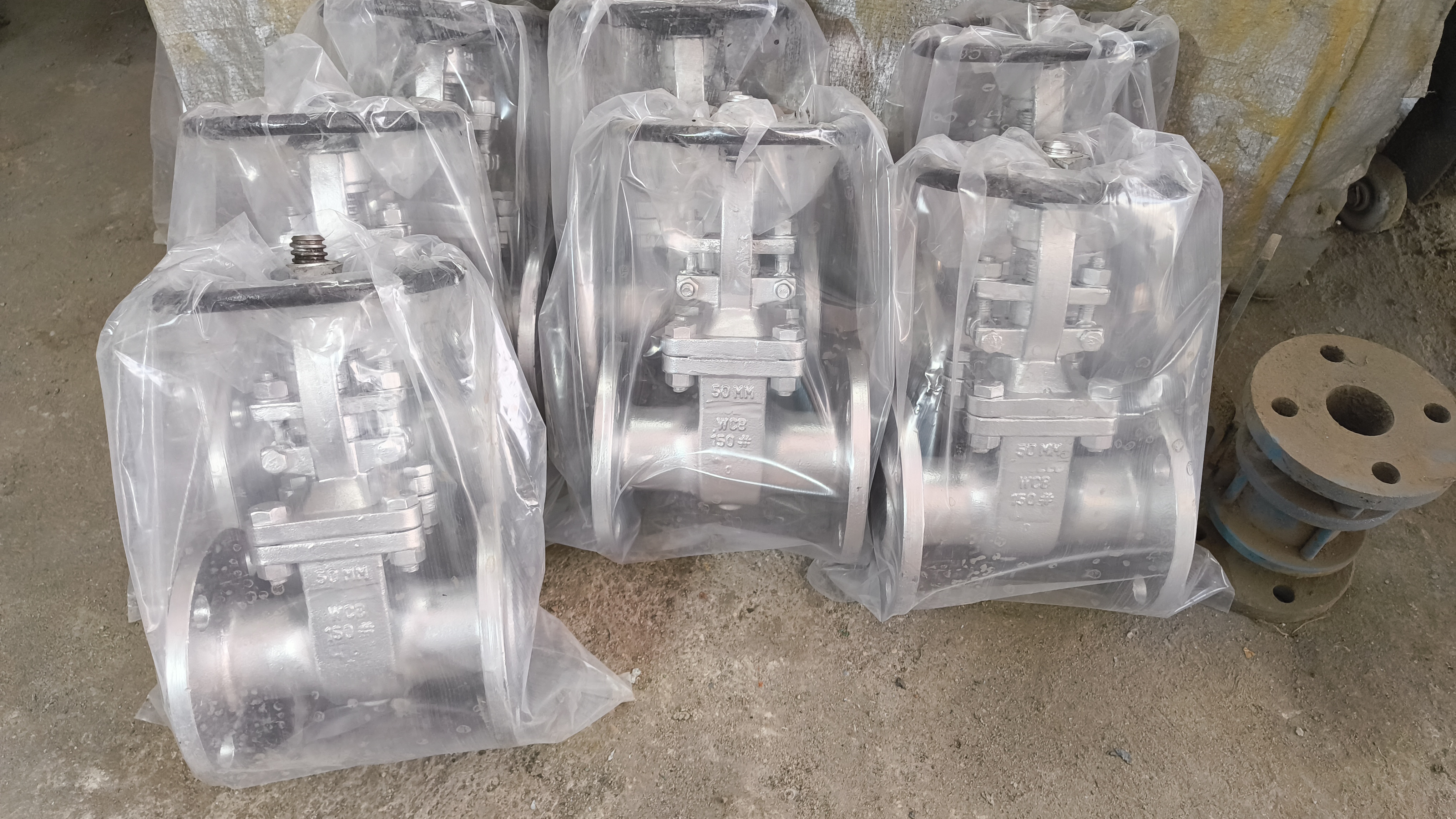
Pressure Seal Globe Valve Class 600/900/1500
Globe Valves

Pressure Seal Globe Valve Class 600/900/1500

Pressure Seal Globe Valve Class 600/900/1500. ASTM A216 WCB. Sizes 50mm to 600mm. High pressure throttling.

Key Applications

High PressurePower PlantsOil & GasSteam Systems
Request Enquiry WhatsApp Download Datasheet

Materials of Construction (MOC)

Component Material Specification
Body & Bonnet Ductile Iron (ASTM A536 / EN-GJS-400-15)
Stem / Spindle SS 410 / SS 420
Seat / Trim EPDM / NBR / Bronze

Technical Specifications

Parameter Specification / Standard
Manufacturing / Design Standard EN 1171 / AWWA C509 / BS 5163
Testing Standard API 598 / EN 12266-1
Pressure Rating PN16 / PN25

Frequently Asked Questions

What are BS 1873 globe valve pressure/temperature ratings?

BS 1873 specifies bolted bonnet globe valves in carbon steel (WCB) and alloy steel for sizes 1/2 inch to 24 inches. Pressure-temperature ratings follow ANSI B16.34: Class 150 ranges from 275 PSI at 38°C to 180 PSI at 260°C; Class 300 from 720 PSI at 38°C to 655 PSI at 260°C; Class 600 from 1440 PSI at 38°C to 1310 PSI at 260°C. For higher temperatures, P91/P92 chrome-molybdenum steel bonnets are used. For Saudi Arabian steam service above 260°C, BS 1873 forged steel globe valves with Stellited seats are specified.

How does a globe valve achieve tight shut-off?

Globe valves achieve tight shut-off through a flat or cone-shaped disc (plug) that seats precisely into a matching seat ring, compressing a soft or hard seat material. The stem moves axially (downward) to close, pushing the disc firmly against the seat. The contoured disc provides 360-degree seating contact, unlike gate valves which seal along a line. For critical shut-off, renewable seat rings allow regrinding or replacement without removing the valve from service. PTFE seats provide bubble-tight shut-off for general service; graphite seats handle high temperatures and slightly worn surfaces. For Saudi Arabian oil terminal leak-free requirements, globe valves with spiral wound graphite seats are specified.

What's the difference between weir-type and straight-through globe valve?

Weir-type (standard) globe valves have a horizontal weir (saddle) inside the body that creates a separation between inlet and outlet flows, providing better throttling control and self-draining capability when installed with stem horizontal. Straight-through (double-ported) globe valves have flow enter one side and exit the opposite side without a weir, offering lower pressure drop but less precise throttling. For modulating control service, weir-type is preferred. For simple on-off service where minimal pressure drop is critical, straight-through design may be selected. Angle globe valves (90-degree turn) combine benefits of both for specific orientations.

When to use pressure seal bonnet in high-pressure globe valves?

Pressure seal bonnet design is used for globe valves rated Class 600 and above where bolt loading for bonnet joint sealing becomes impractical. In pressure seal design, the bonnet is held in place by pressure (from within the body) acting on a seal ring geometry, rather than by bolts. This provides: (1) more compact body design, (2) lower assembly torque requirements, (3) better reliability at high pressures. Pressure seal bonnets are standard for boiler feedwater, steam turbine bypass, and high-pressure chemical service. For Saudi Arabian refinery applications above Class 600, pressure seal globe valves are typically specified.

How to select globe valve for modulating control service?

For modulating control, select globe valves with: (1) characterized disc (V-port or contoured) that provides proportional flow characteristics, (2) flow-to-open or flow-to-close trim depending on fail-safe requirements, (3) reduced trim (smaller disc) for precise flow control at low flow rates, (4) PTFE or graphite packing for stem sealing under cycling. Sizing should use the ISA Cv formula with inherent flow characteristic considered. For Saudi Arabian district heating systems in Riyadh and Jeddah, globe control valves with pneumatic actuators and positioners provide precise temperature control. Avoid using standard on-off globe valves for modulating service as seat wear will be excessive.

What materials are used for steam globe valve trim?

Steam globe valve trim materials depend on temperature and pressure: (1) 13Chrome (AISI 410 SS) stem and disc for saturated steam up to 280°C, (2) Stellite-faced seats for steam above 280°C and superheated steam up to 400°C, (3) 316SS trim for saturated steam with mild chemical additives, (4) Forged Stellited trim for high-cycle steam service in power plants. Body materials: WCB for Class 150-300 steam, WC6/WC9 (chrome-moly) for high-pressure steam. For Saudi Arabian cogeneration plants, trim selection follows EPRI guidelines and includes material certifications for HRSG (Heat Recovery Steam Generator) service.

API 602 forged steel globe valve vs cast steel - which to choose?

API 602 forged steel globe valves (sizes 1/2 to 4 inches) offer: (1) higher mechanical integrity due to finer grain structure from forging, (2) better pressure containment in small sizes due to thicker walls, (3) lower risk of internal defects compared to castings. Cast steel (WCB) globe valves (sizes 2 inches and above) provide: (1) lower cost for larger sizes, (2) more complex geometries possible, (3) full port area without forging constraints. For Saudi Arabian refinery small-bore high-pressure service (instrument lines, bypasses), API 602 forged steel is preferred. For main process lines 6 inches and above, cast steel provides economic advantage.