
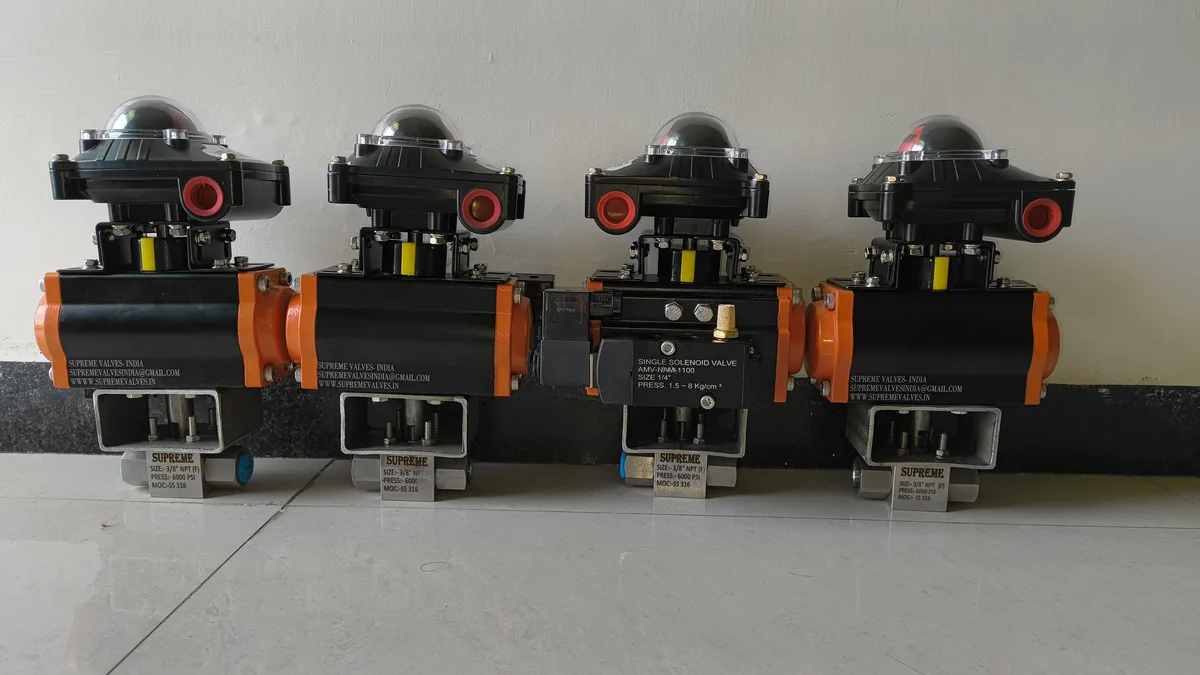
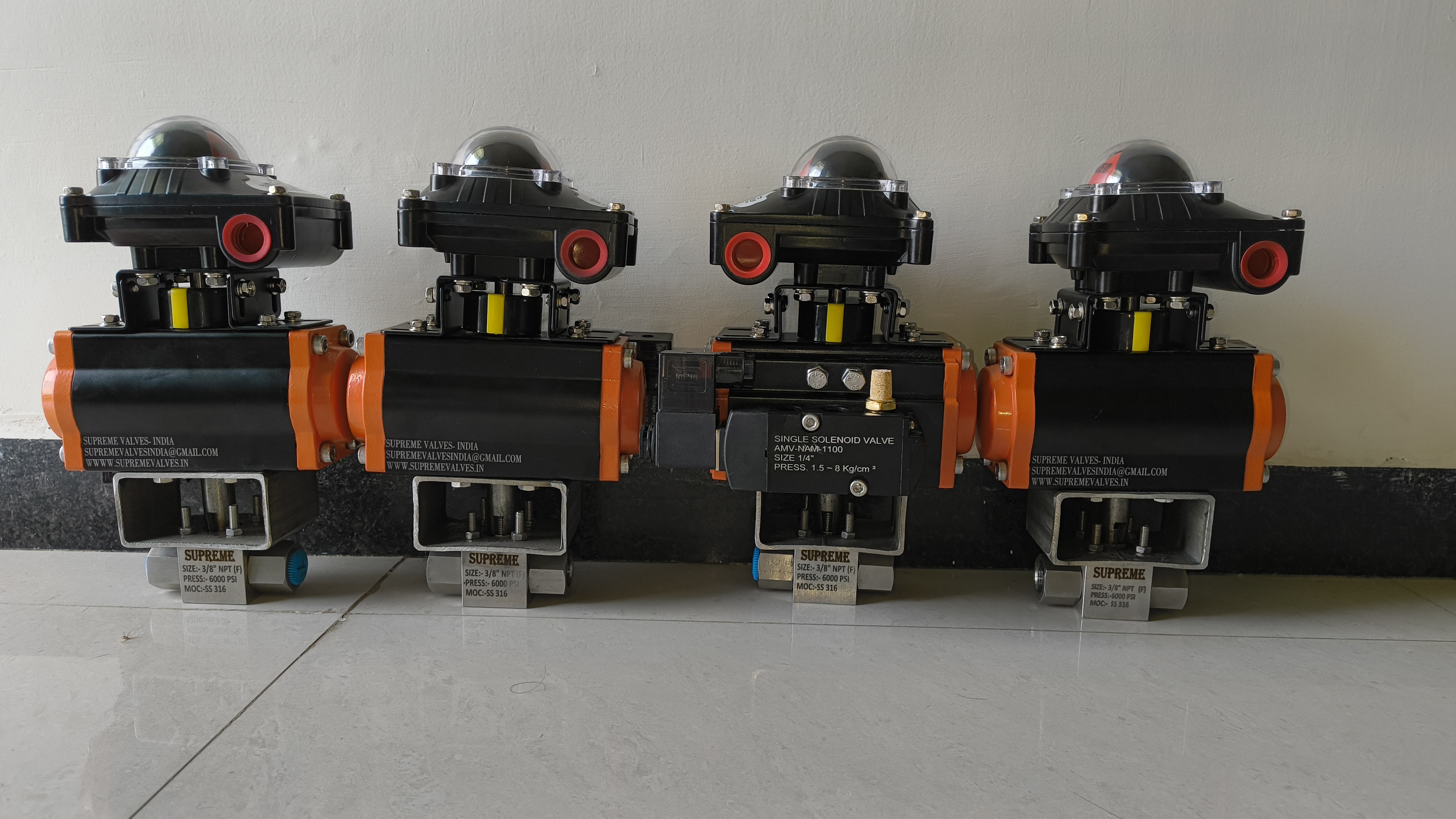
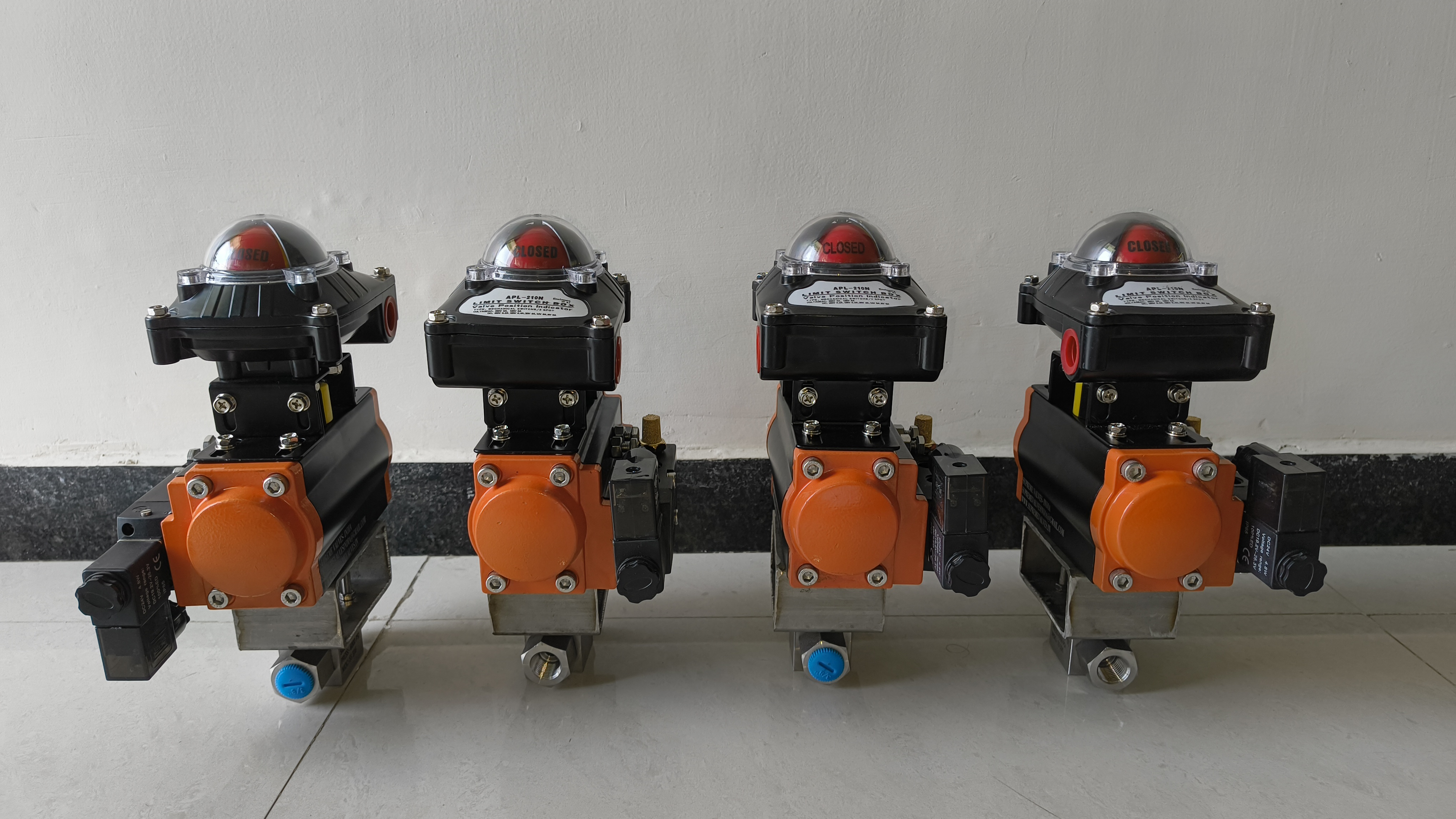
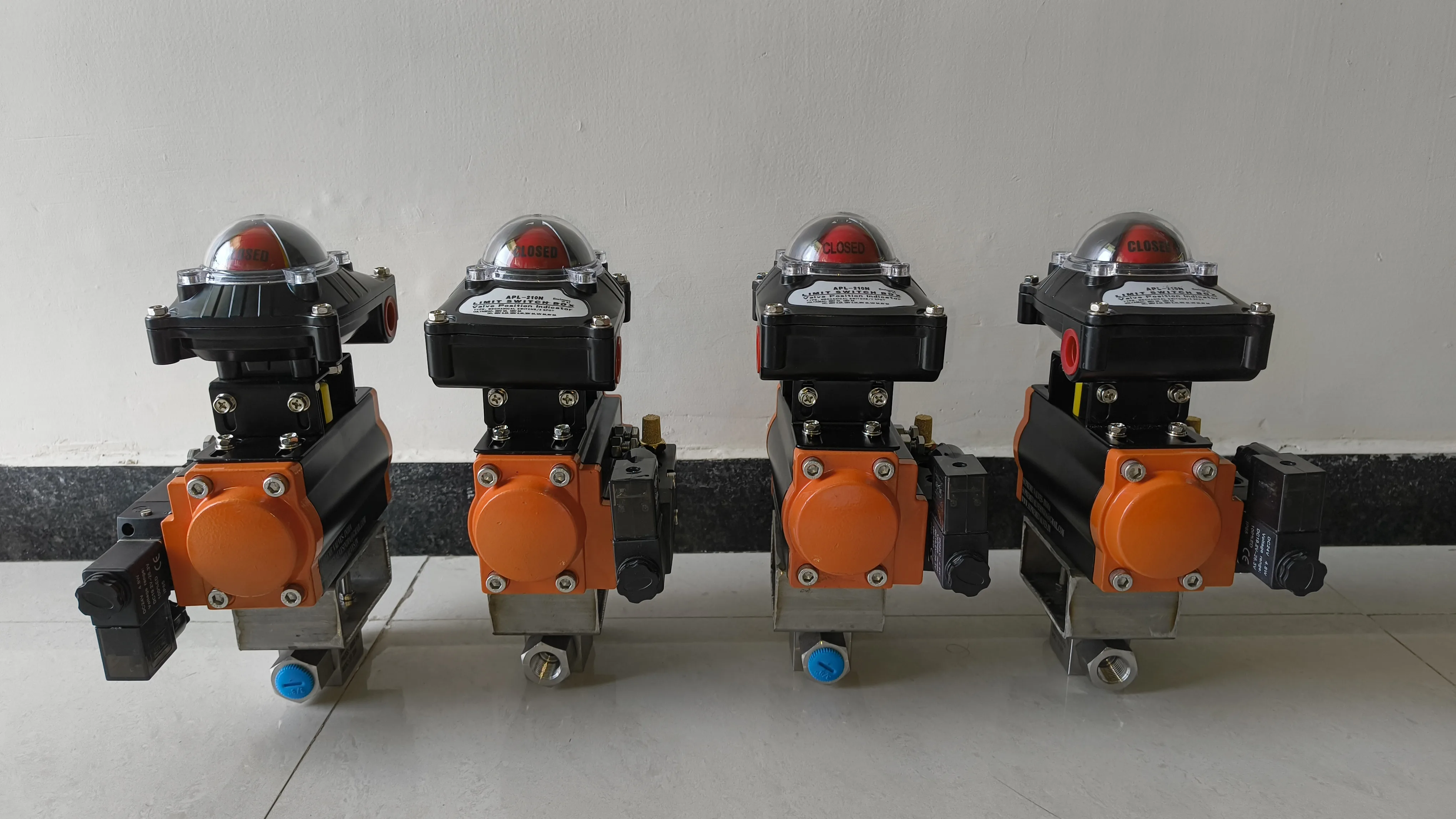
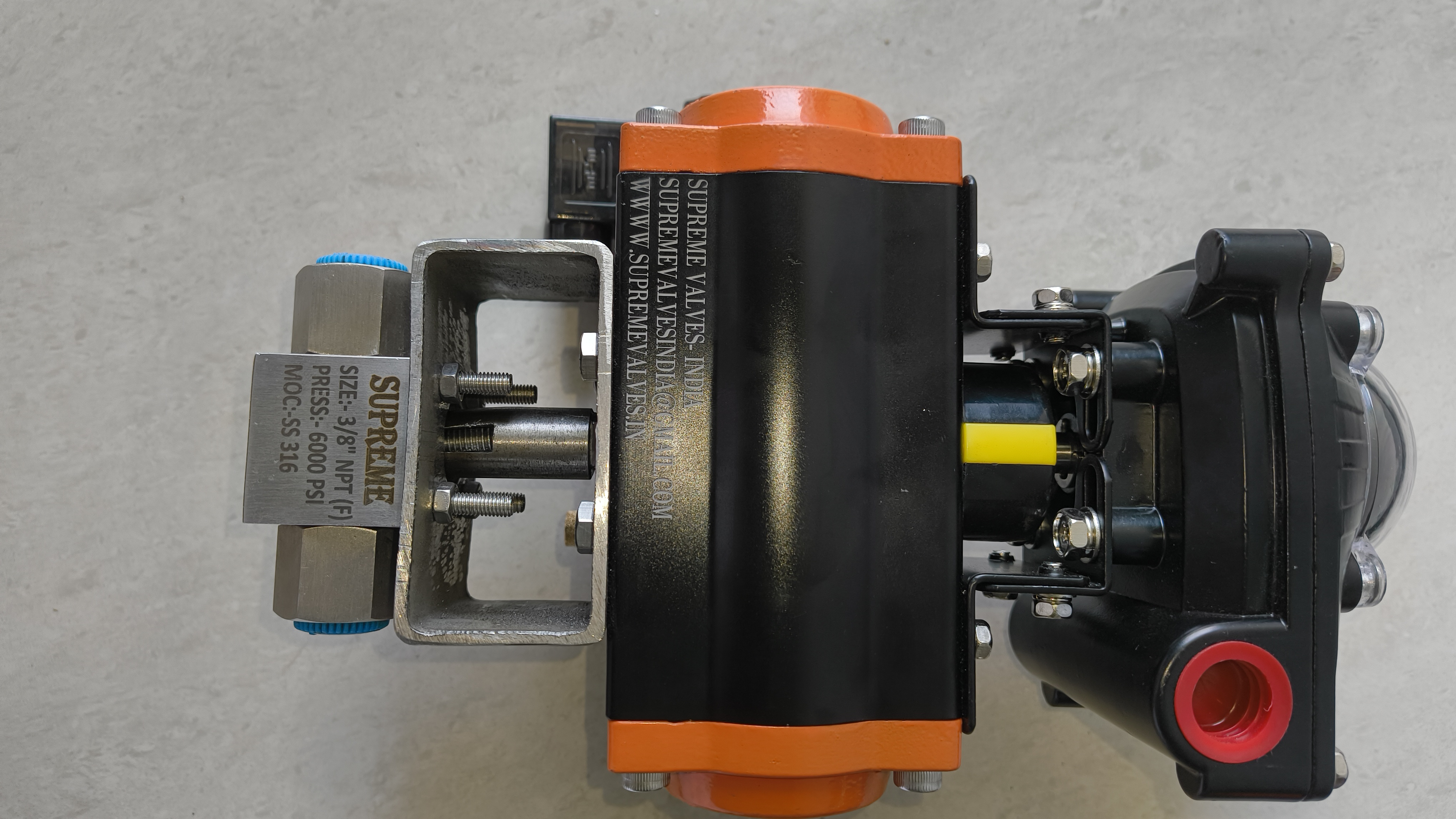
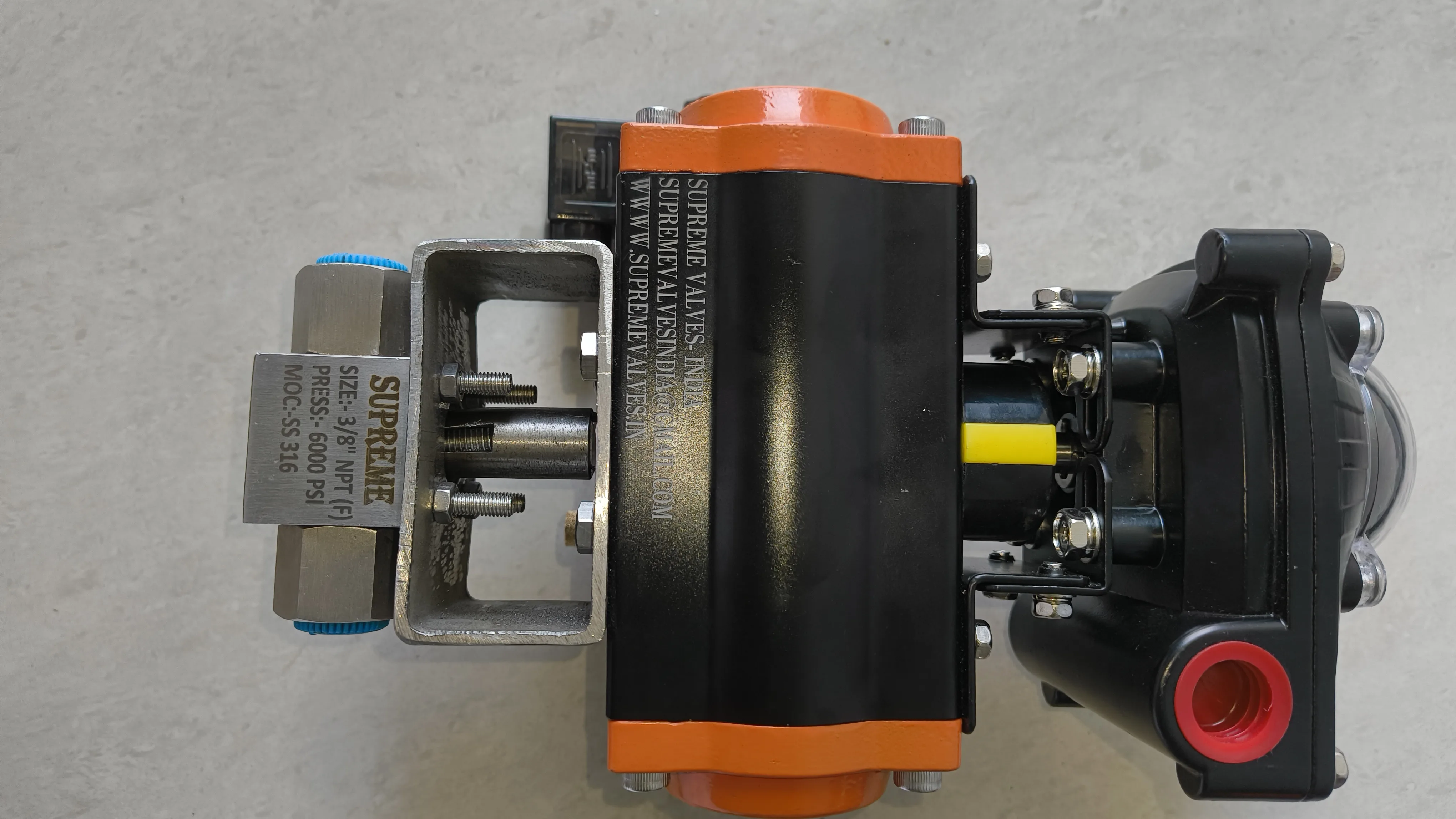
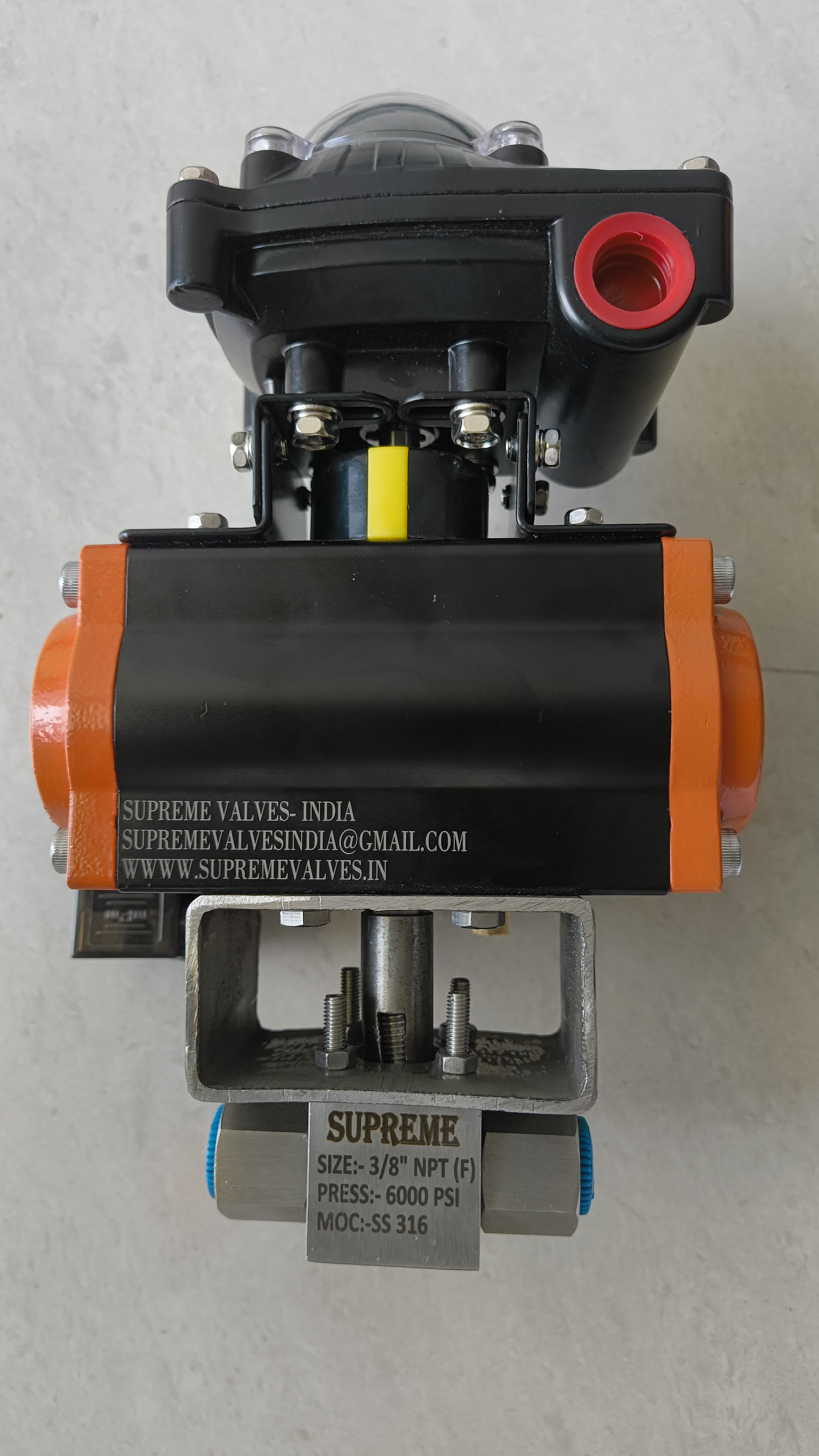
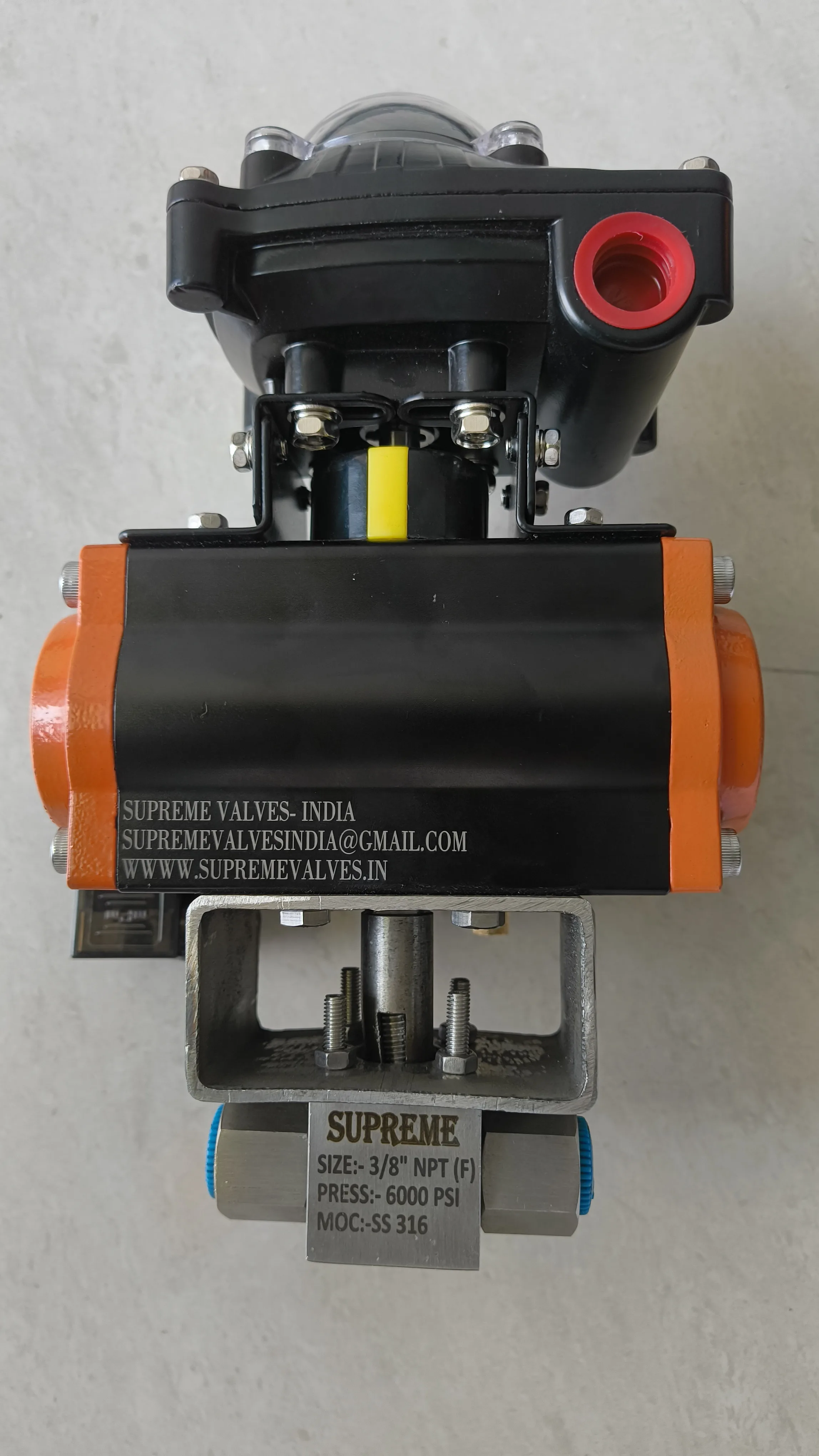
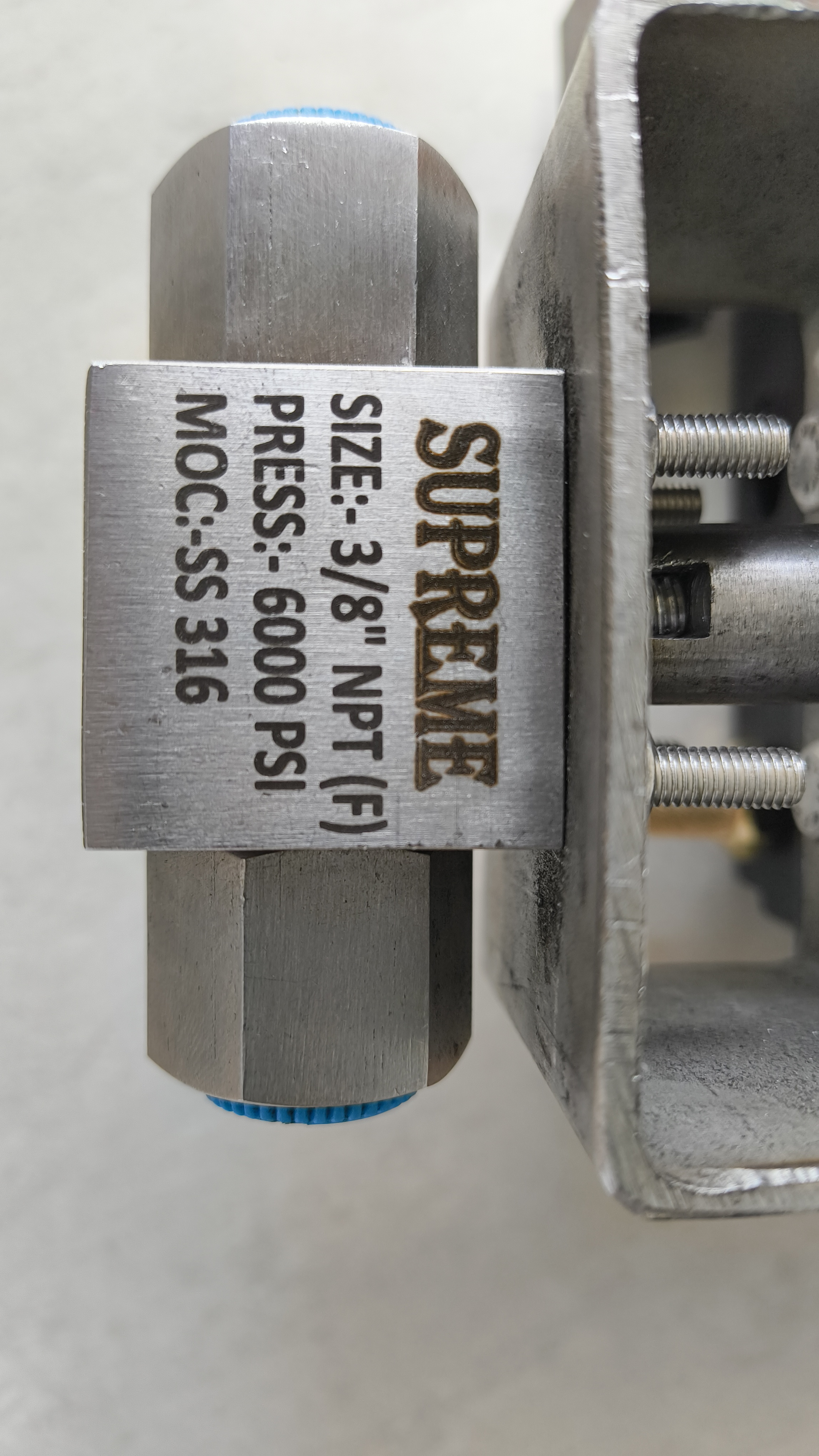
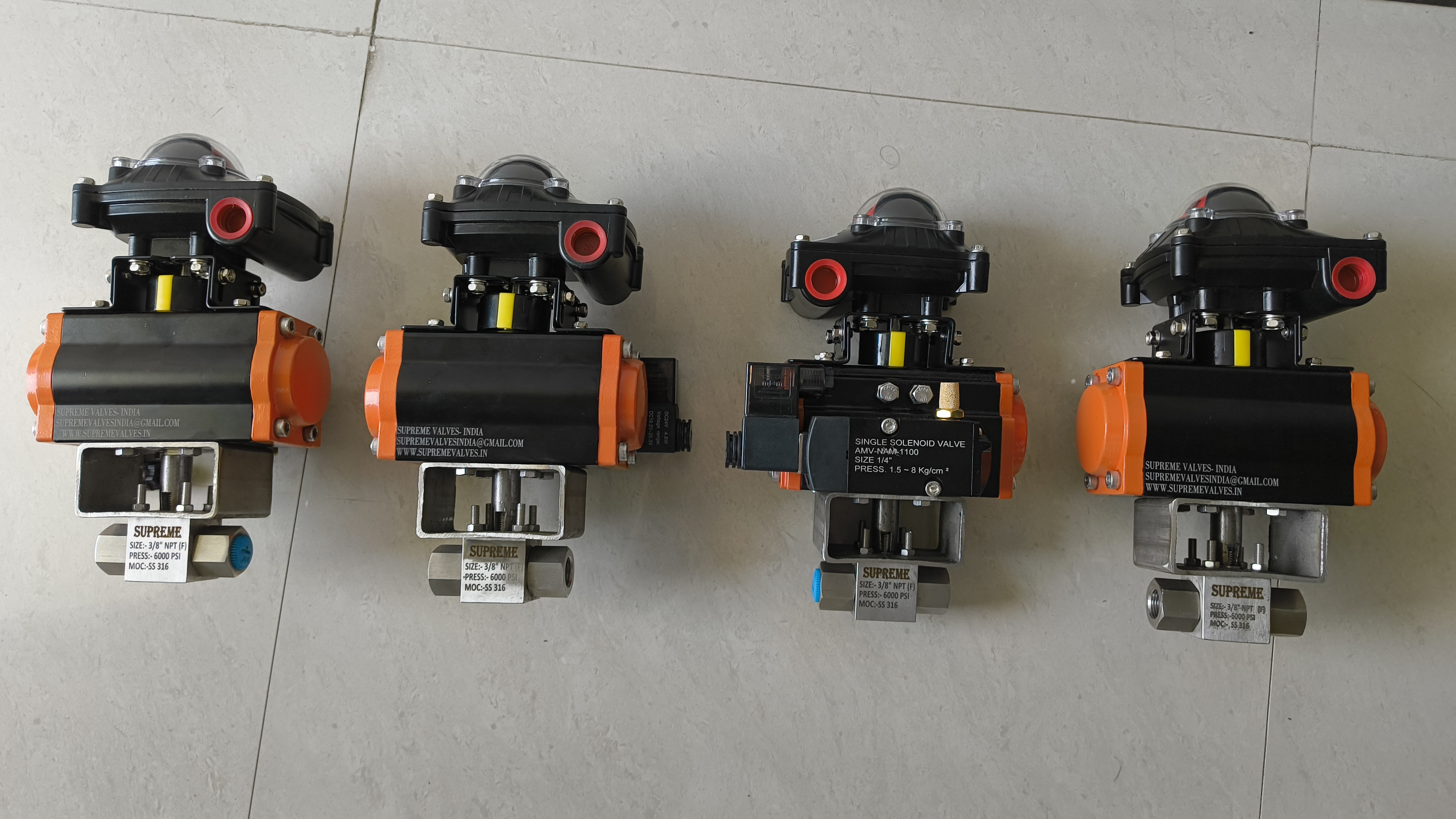
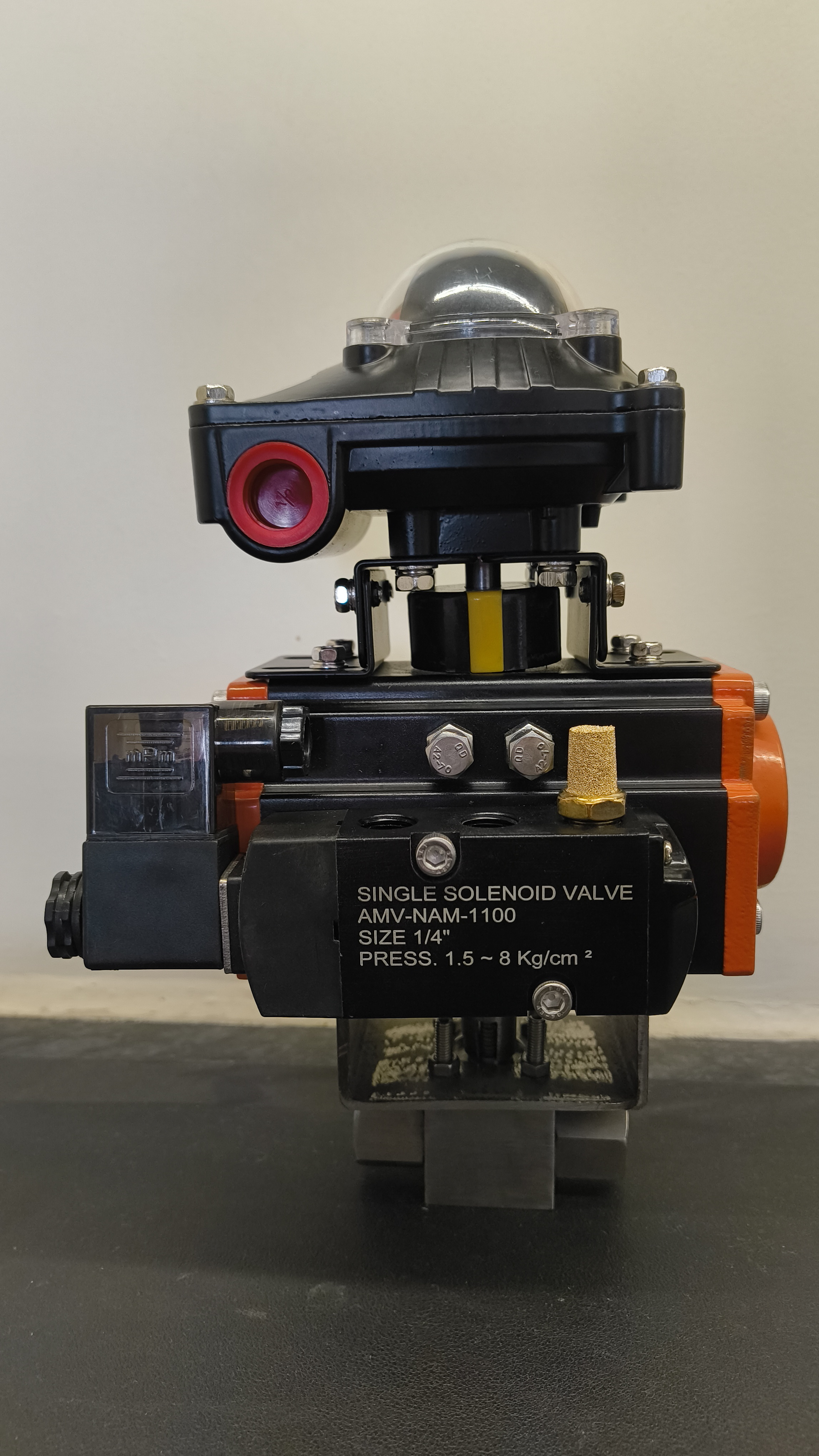
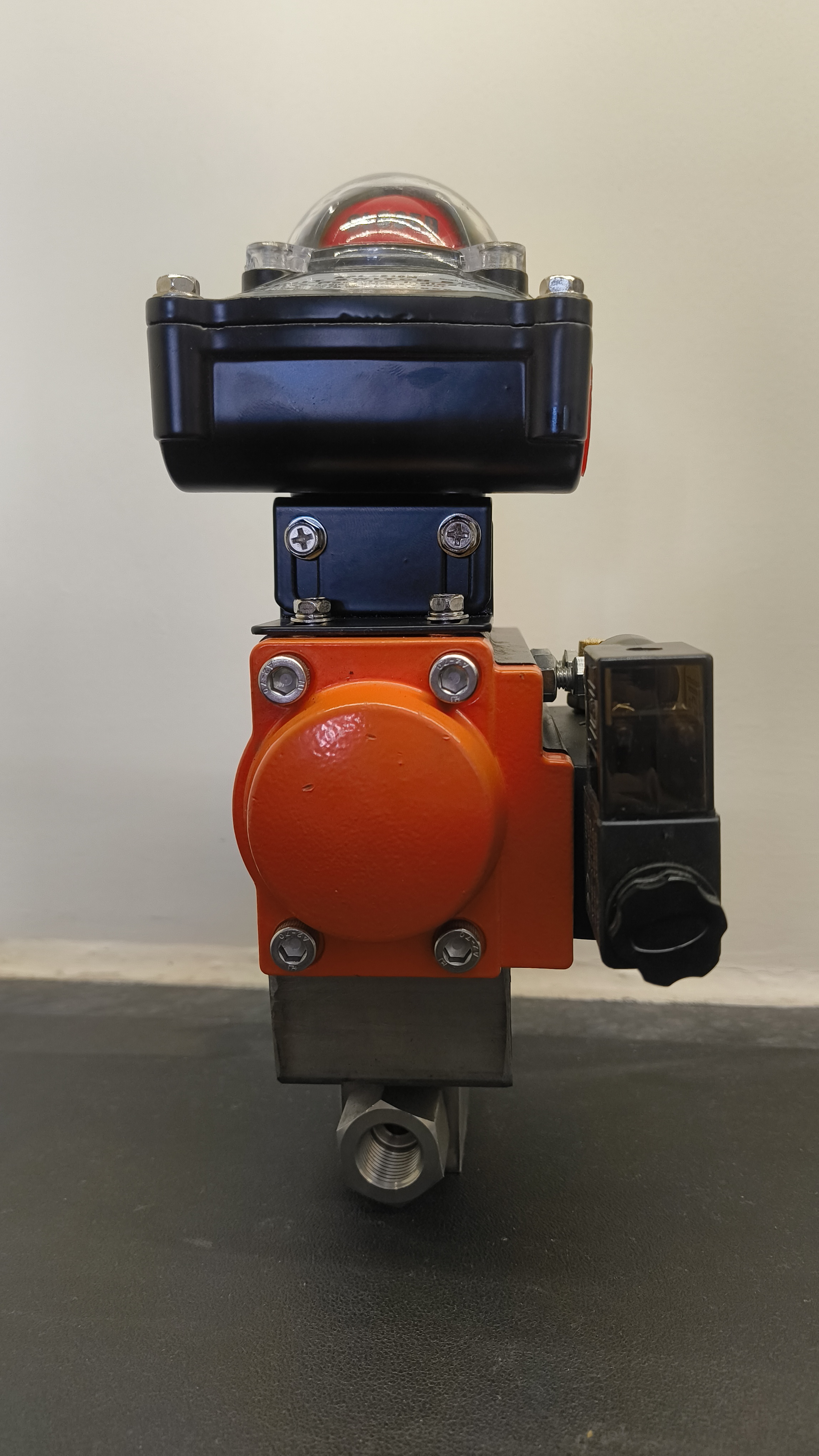
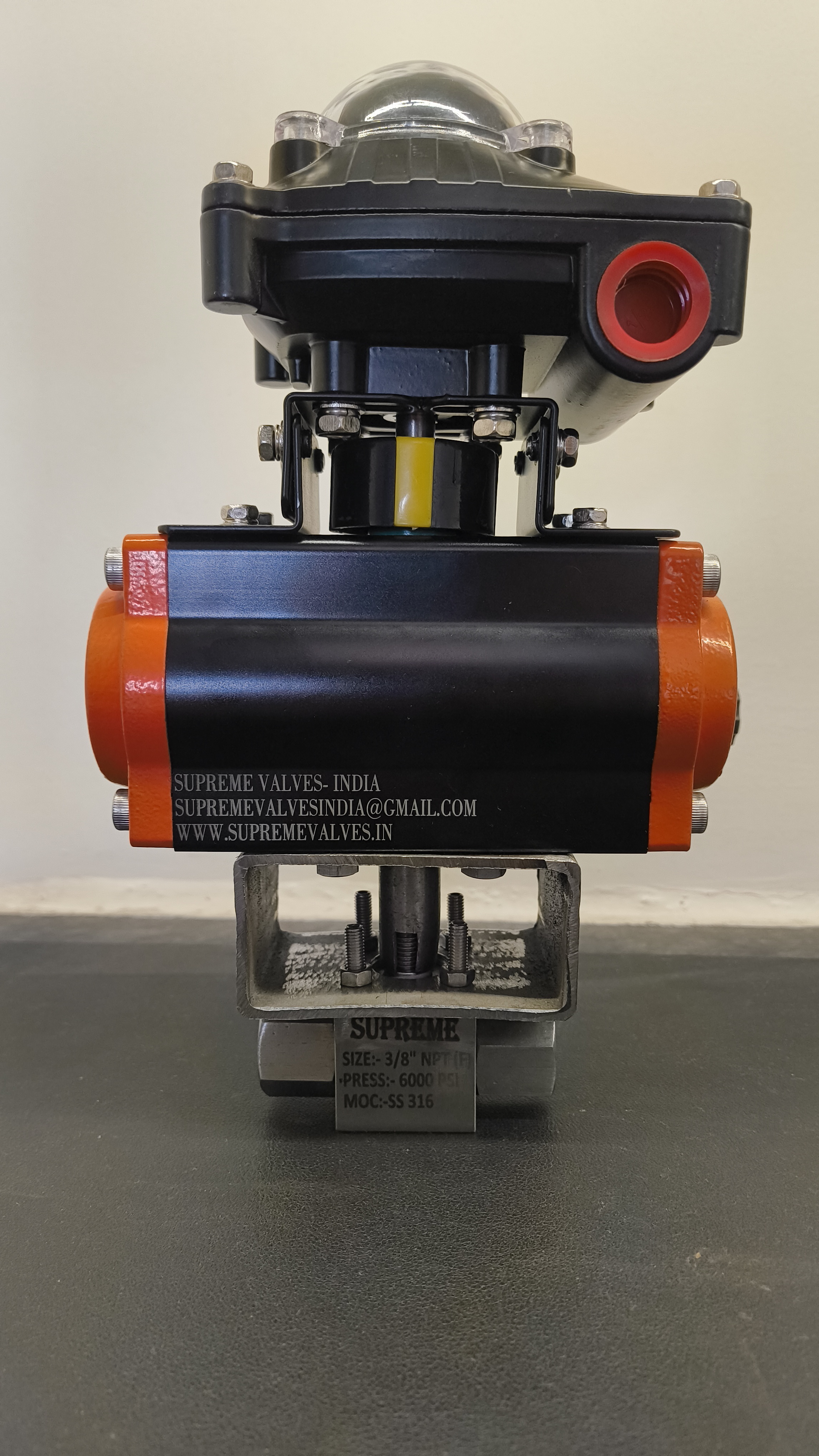
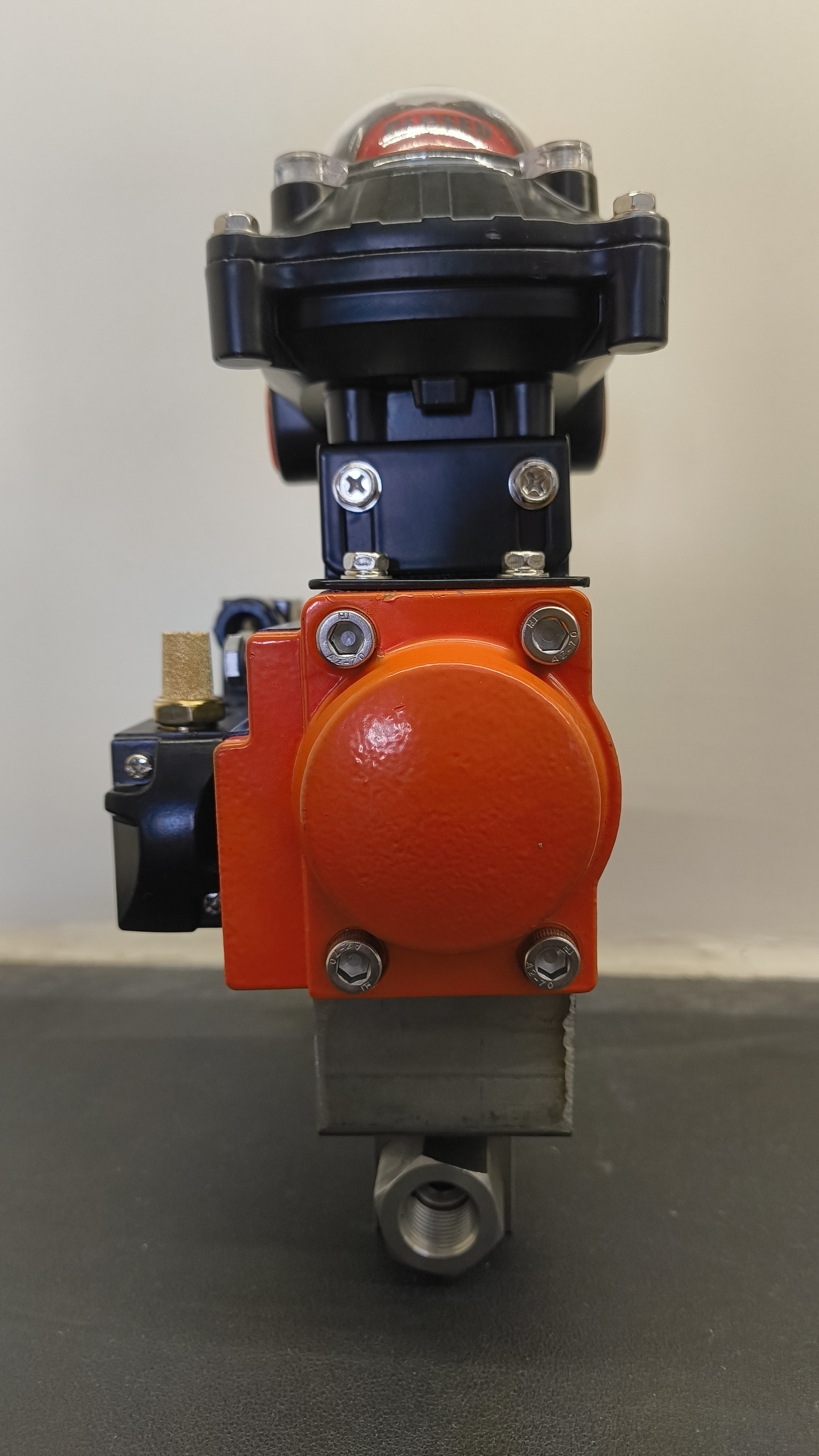
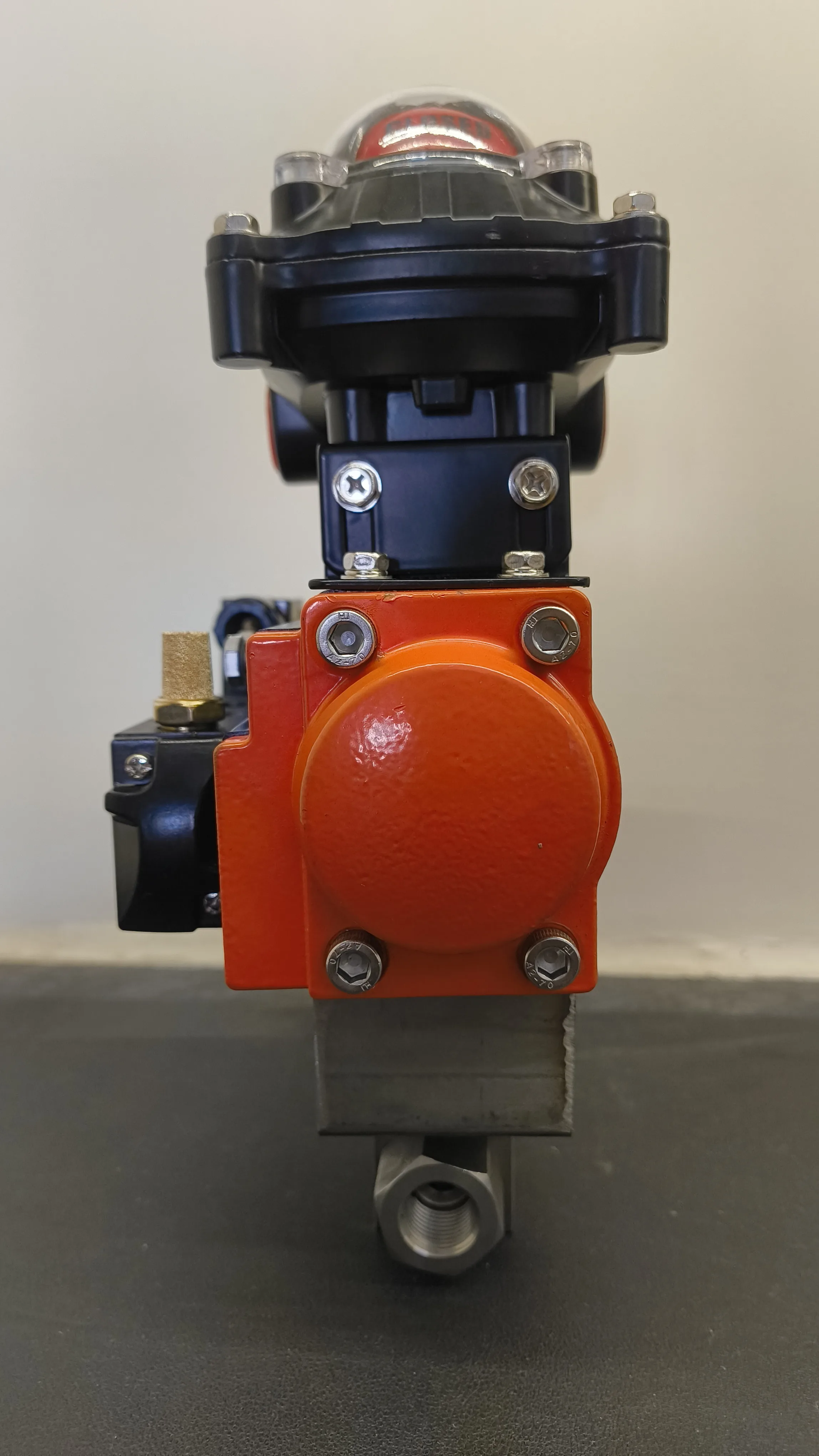
PTFE Lined Ball Valve Lever Operated
PTFE Lined Ball Valve with PFA/FEP lining. SG Iron/WCB/SS body. Sizes 1" to 4". For corrosive media applications.
Key Applications
Frequently Asked Questions
What is a PTFE lined ball valve and when is it used?
A PTFE-lined ball valve has a PTFE (Polytetrafluoroethylene) or PFA (Perfluoroalkoxy) coating on the interior surfaces of the valve body and ball, creating a barrier between the corrosive media and the metallic valve structure. This allows the use of economical cast iron or carbon steel bodies with the corrosion resistance of fluoropolymers. PTFE-lined valves are used for chemical processing, pharmaceutical, food and beverage, and ultra-pure water applications where the process media would attack metal surfaces.
What is the temperature limitation for PTFE-lined valves?
PTFE-lined valves are limited to -20 deg C to +200 deg C continuous service. Below -20 deg C, PTFE becomes brittle. Above 200 deg C, PTFE begins to soften and creep, potentially affecting shutoff capability. For temperatures above 200 deg C, consider PFA-lined (up to 250 deg C) or metal-seated designs. Also note that PTFE has a maximum pressure rating that decreases with temperature - verify the pressure-temperature curve with the manufacturer for your specific service conditions.
Are PTFE-lined ball valves fire-safe?
PTFE itself is not fire-safe in the traditional API 607 sense since it melts and decomposes at high temperatures. However, many PTFE-lined ball valves are supplied with a secondary metal seat that provides fire-safe capability by maintaining a leak-tight seal even if the primary PTFE seat is destroyed. Always specify fire-safe design (API 607) if the valve is installed in a fire protection zone or if process safety requires secondary containment.
What is the difference between PTFE, PFA, and FEP linings?
PTFE (Polytetrafluoroethylene) is the most chemically resistant but has limited pressure and temperature ratings. PFA (Perfluoroalkoxy) has similar chemical resistance to PTFE but with better mechanical strength at higher temperatures (up to 250 deg C) and better penetration into small crevices during lining. FEP (Fluorinated Ethylene Propylene) is more transparent and flexible but lower temperature rating (up to 200 deg C). For most corrosive chemical applications below 200 deg C, PTFE is sufficient. For high-temperature acid service or tight tolerances, PFA lining is preferred.
Can PTFE-lined valves handle slurry or solid-laden fluids?
PTFE-lined valves are not recommended for slurry or solid-laden fluids because suspended particles can embed in the soft PTFE lining and damage the sealing surface. For solid-laden corrosive fluids, consider hard-faced metal-seated ball valves, ceramic-lined valves, or sleeve-type pinch valves. If the slurry is mild (fine particles in low concentration), a glass-filled PTFE seat provides better particle resistance than pure PTFE.
What flange standards are available for PTFE-lined ball valves?
PTFE-lined ball valves are available with flanges per ASME B16.5 (Class 150 and 300 RF) for general chemical service, and per EN 1092-1 (PN10/16/25) for European and Middle Eastern projects. The flange facings must be flat-face (not raised face) with full-face gaskets to protect the lining from flange overhang. Threaded end connections (BSP/NPT) are available for smaller sizes (DN15-DN50) where frequent inspection is required.
Frequently Asked Questions
What is a PTFE lined ball valve and when is it used?
A PTFE-lined ball valve has a PTFE (Polytetrafluoroethylene) or PFA (Perfluoroalkoxy) coating on the interior surfaces of the valve body and ball, creating a barrier between the corrosive media and the metallic valve structure. This allows the use of economical cast iron or carbon steel bodies with the corrosion resistance of fluoropolymers. PTFE-lined valves are used for chemical processing, pharmaceutical, food and beverage, and ultra-pure water applications where the process media would attack metal surfaces.
What is the temperature limitation for PTFE-lined valves?
PTFE-lined valves are limited to -20 deg C to +200 deg C continuous service. Below -20 deg C, PTFE becomes brittle. Above 200 deg C, PTFE begins to soften and creep, potentially affecting shutoff capability. For temperatures above 200 deg C, consider PFA-lined (up to 250 deg C) or metal-seated designs. Also note that PTFE has a maximum pressure rating that decreases with temperature - verify the pressure-temperature curve with the manufacturer for your specific service conditions.
Are PTFE-lined ball valves fire-safe?
PTFE itself is not fire-safe in the traditional API 607 sense since it melts and decomposes at high temperatures. However, many PTFE-lined ball valves are supplied with a secondary metal seat that provides fire-safe capability by maintaining a leak-tight seal even if the primary PTFE seat is destroyed. Always specify fire-safe design (API 607) if the valve is installed in a fire protection zone or if process safety requires secondary containment.
What is the difference between PTFE, PFA, and FEP linings?
PTFE (Polytetrafluoroethylene) is the most chemically resistant but has limited pressure and temperature ratings. PFA (Perfluoroalkoxy) has similar chemical resistance to PTFE but with better mechanical strength at higher temperatures (up to 250 deg C) and better penetration into small crevices during lining. FEP (Fluorinated Ethylene Propylene) is more transparent and flexible but lower temperature rating (up to 200 deg C). For most corrosive chemical applications below 200 deg C, PTFE is sufficient. For high-temperature acid service or tight tolerances, PFA lining is preferred.
Can PTFE-lined valves handle slurry or solid-laden fluids?
PTFE-lined valves are not recommended for slurry or solid-laden fluids because suspended particles can embed in the soft PTFE lining and damage the sealing surface. For solid-laden corrosive fluids, consider hard-faced metal-seated ball valves, ceramic-lined valves, or sleeve-type pinch valves. If the slurry is mild (fine particles in low concentration), a glass-filled PTFE seat provides better particle resistance than pure PTFE.
What flange standards are available for PTFE-lined ball valves?
PTFE-lined ball valves are available with flanges per ASME B16.5 (Class 150 and 300 RF) for general chemical service, and per EN 1092-1 (PN10/16/25) for European and Middle Eastern projects. The flange facings must be flat-face (not raised face) with full-face gaskets to protect the lining from flange overhang. Threaded end connections (BSP/NPT) are available for smaller sizes (DN15-DN50) where frequent inspection is required.
Materials of Construction (MOC)
| Component | Material Specification |
|---|---|
| Body & Bonnet | Ductile Iron (ASTM A536 / EN-GJS-400-15) |
| Stem / Spindle | SS 410 / SS 420 |
| Seat / Trim | EPDM / NBR / Bronze |
Technical Specifications
| Parameter | Specification / Standard |
|---|---|
| Manufacturing / Design Standard | EN 1171 / AWWA C509 / BS 5163 |
| Testing Standard | API 598 / EN 12266-1 |
| Pressure Rating | PN16 / PN25 |