
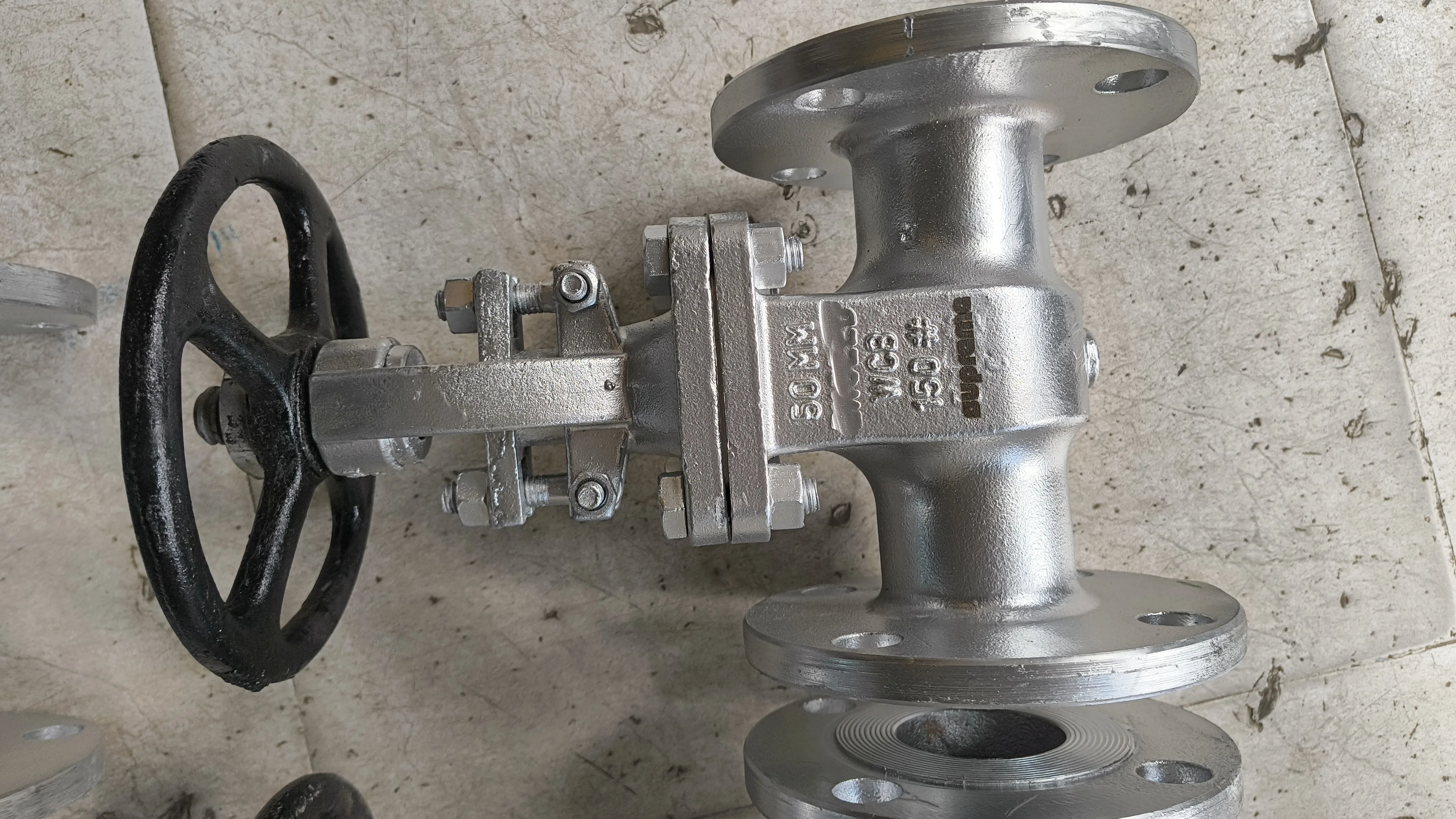
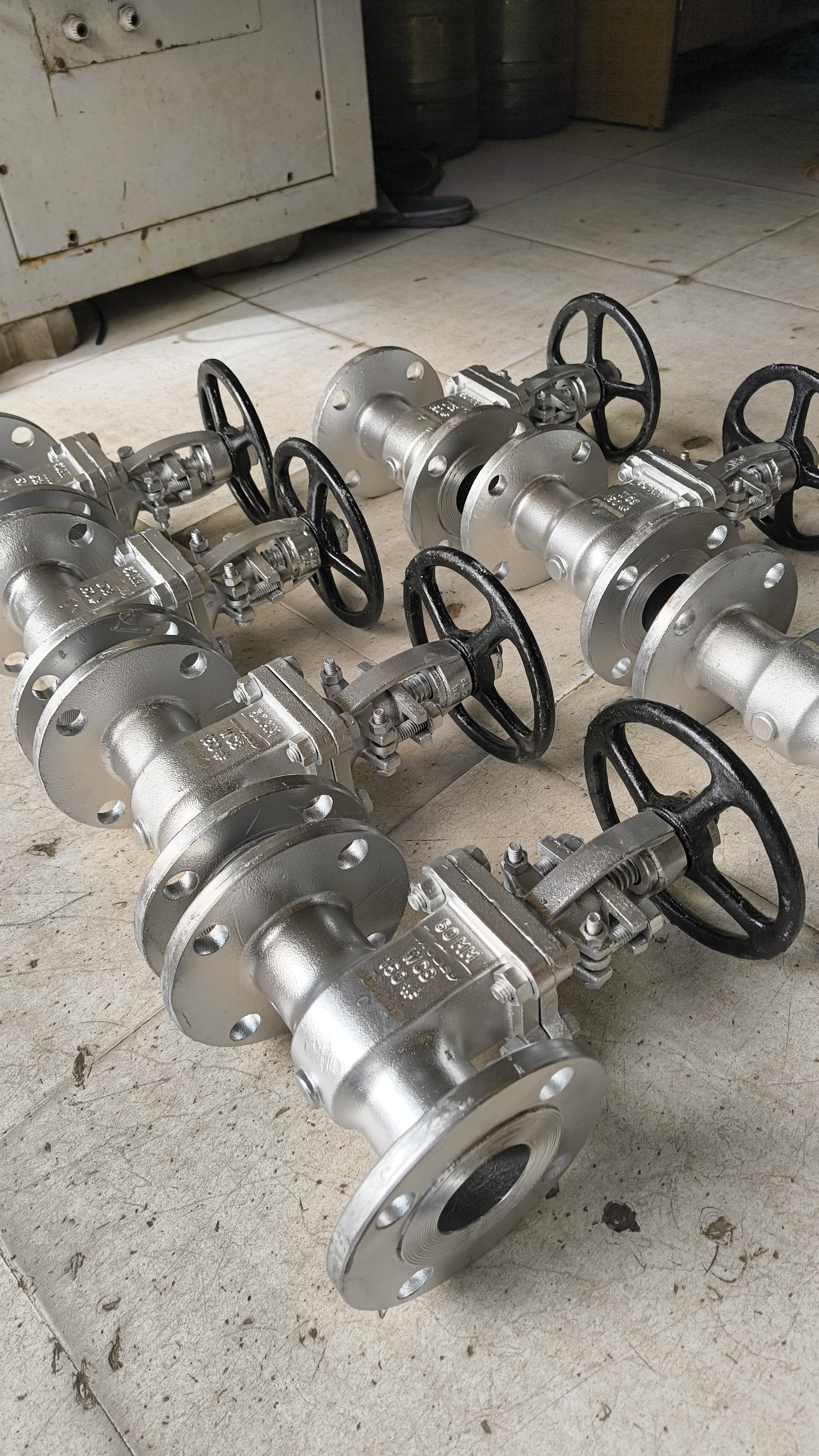
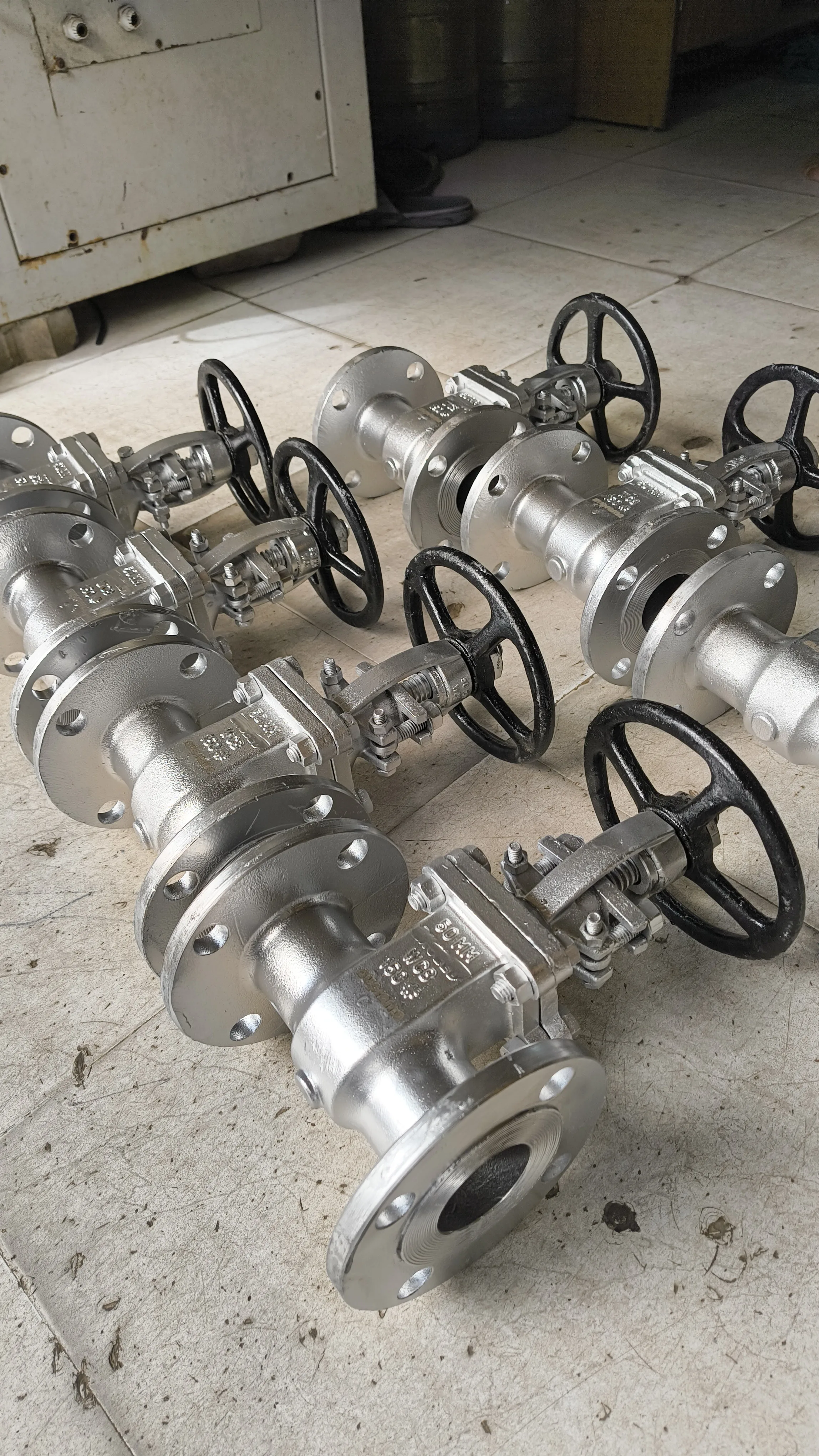
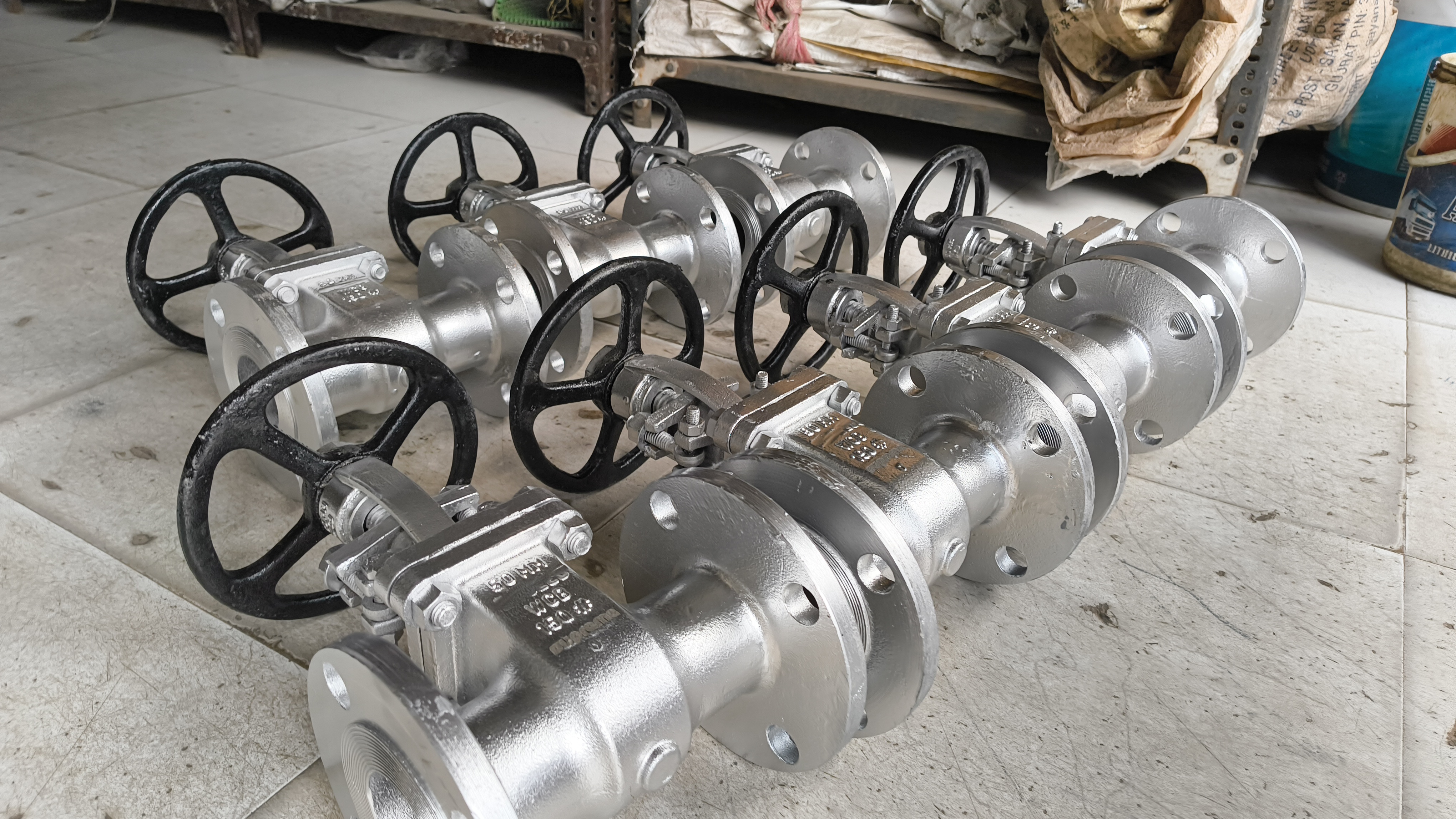
ASME B16.9 / B16.28

SS Butt Weld Fittings

Stainless steel butt weld fittings including elbow 90°/45°, tee equal/reducing, reducer concentric/eccentric, cap, and stub end. Size range 1/2" to 24" NPS, schedules SCH 5S to XXH. Manufactured to ASME B16.9, B16.28, ASTM A403 standards. Available in grades WP304/316/321/347/904L, Duplex 2205, Super Duplex 2507. Pressure rating up to 10000 PSI. Exported worldwide with complete material traceability.

Quick Summary

SS Butt Weld Fittings = Permanent, leak-proof piping connections with smooth bore and minimal pressure drop. Elbows redirect flow (90°/45°), tees split or combine flow, reducers change pipe size, caps seal ends, and stub ends connect to flanges. Made from wrought SS with ASTM A403 material spec. Ideal for high-pressure and high-temperature applications in oil & gas, chemical, petrochemical, and power plant piping systems.

SS Butt Weld Fittings - Elbow, Tee, Reducer, Cap

Key Specifications

Size Range: 1/2" to 24" (NPS)
Schedule: SCH 5S to XXH
Pressure: Up to 10000 PSI
Standards: ASME B16.9, B16.28
Material: ASTM A403
Wall Thickness: Matching or heavier than pipe
Request Enquiry WhatsApp Download Datasheet

Types of SS Butt Weld Fittings

Elbow 90° Long Radius

1.5D radius (centerline radius = 1.5 x nominal pipe diameter). Most common elbow type. Changes flow direction by 90 degrees with minimal pressure drop. Preferred for general piping layouts.

Elbow 90° Short Radius

1D radius (centerline radius = 1 x nominal pipe diameter). Used where space is limited. Higher pressure drop compared to long radius but more compact for tight installations.

Elbow 45°

1.5D radius. Changes flow direction by 45 degrees. Used to make gradual directional changes in piping systems. Often used in pairs to offset runs.

Tee Equal

Straight through + branch of same size as run. Maintains full bore on run, creates branch connection for flow diversion or combination. Most common tee configuration.

Tee Reducing

Branch size smaller than the run. Used when flow needs to be diverted to a smaller branch line. Run bore remains constant, branch is reduced.

Reducer Concentric

Same centerline throughout. Used in vertical lines or horizontal lines where flow stratification is not a concern. Creates smooth transition between pipe sizes.

Reducer Eccentric

Different centerline (offset). Preferred for horizontal lines to prevent air accumulation or liquid pooling on one side. Maintains consistent flow path.

Cap

Blind end fitting that seals the end of a pipe. Used for future tie-in points, pressure testing, or permanent closure of pipe runs. Butt weld cap with beveled edge.

Stub End

Used with lap joint flanges. The fitting has a enlarged stop shoulder inside for the flange to butt against. Allows easy disassembly for inspection or cleaning.

Materials of Construction (MOC)

Component Material Specification
Body & Bonnet Ductile Iron (ASTM A536 / EN-GJS-400-15)
Stem / Spindle SS 410 / SS 420
Seat / Trim EPDM / NBR / Bronze

Technical Specifications

Parameter Specification / Standard
Manufacturing / Design Standard EN 1171 / AWWA C509 / BS 5163
Testing Standard API 598 / EN 12266-1
Pressure Rating PN16 / PN25