
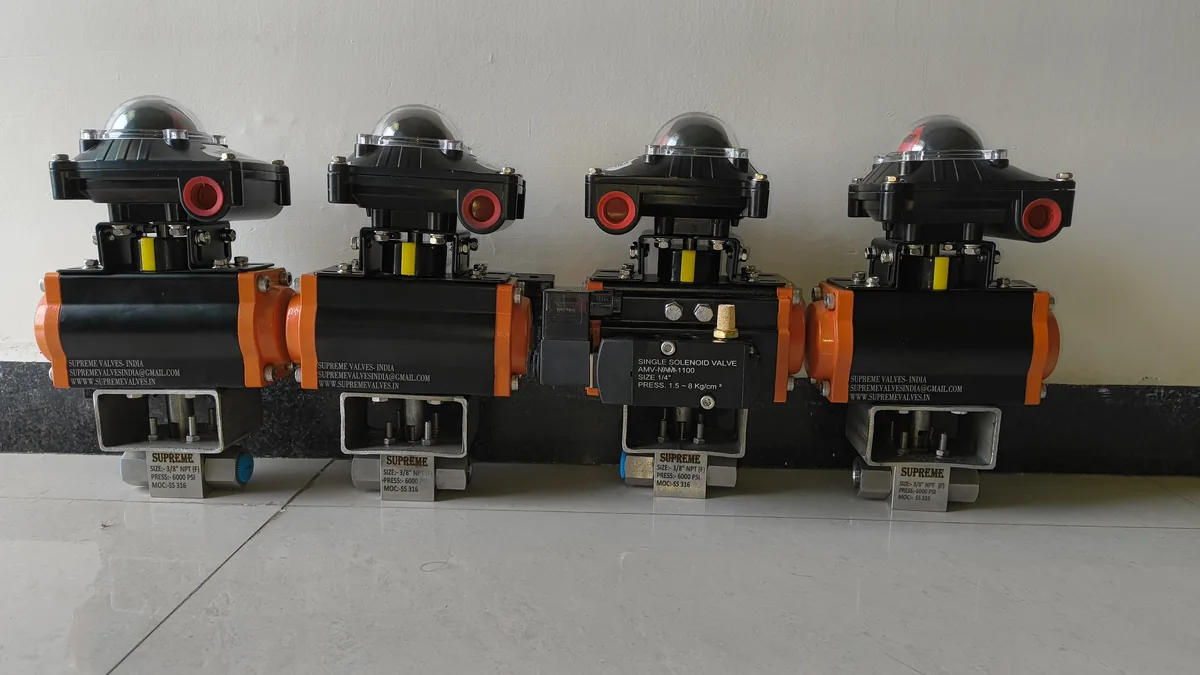
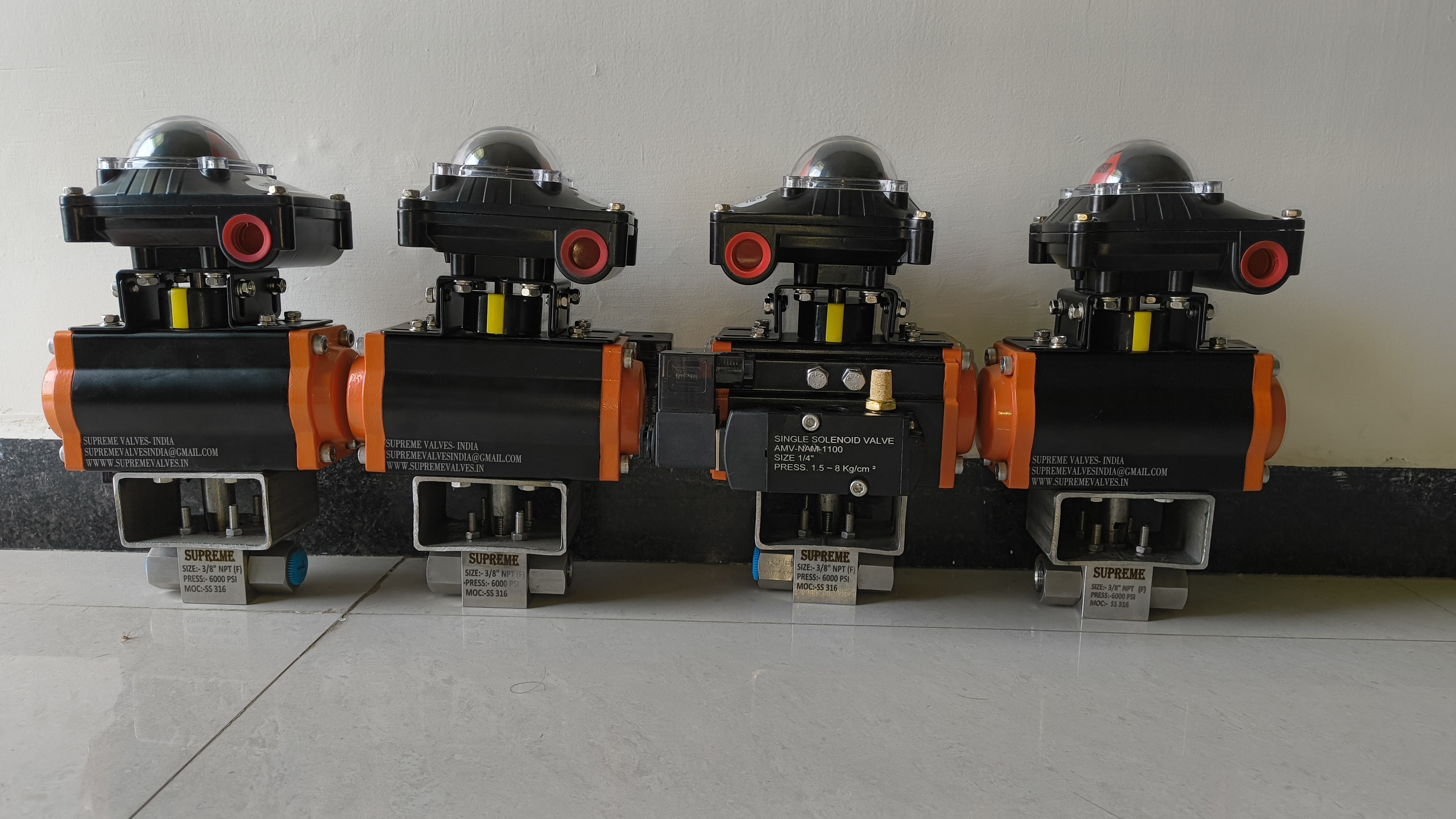
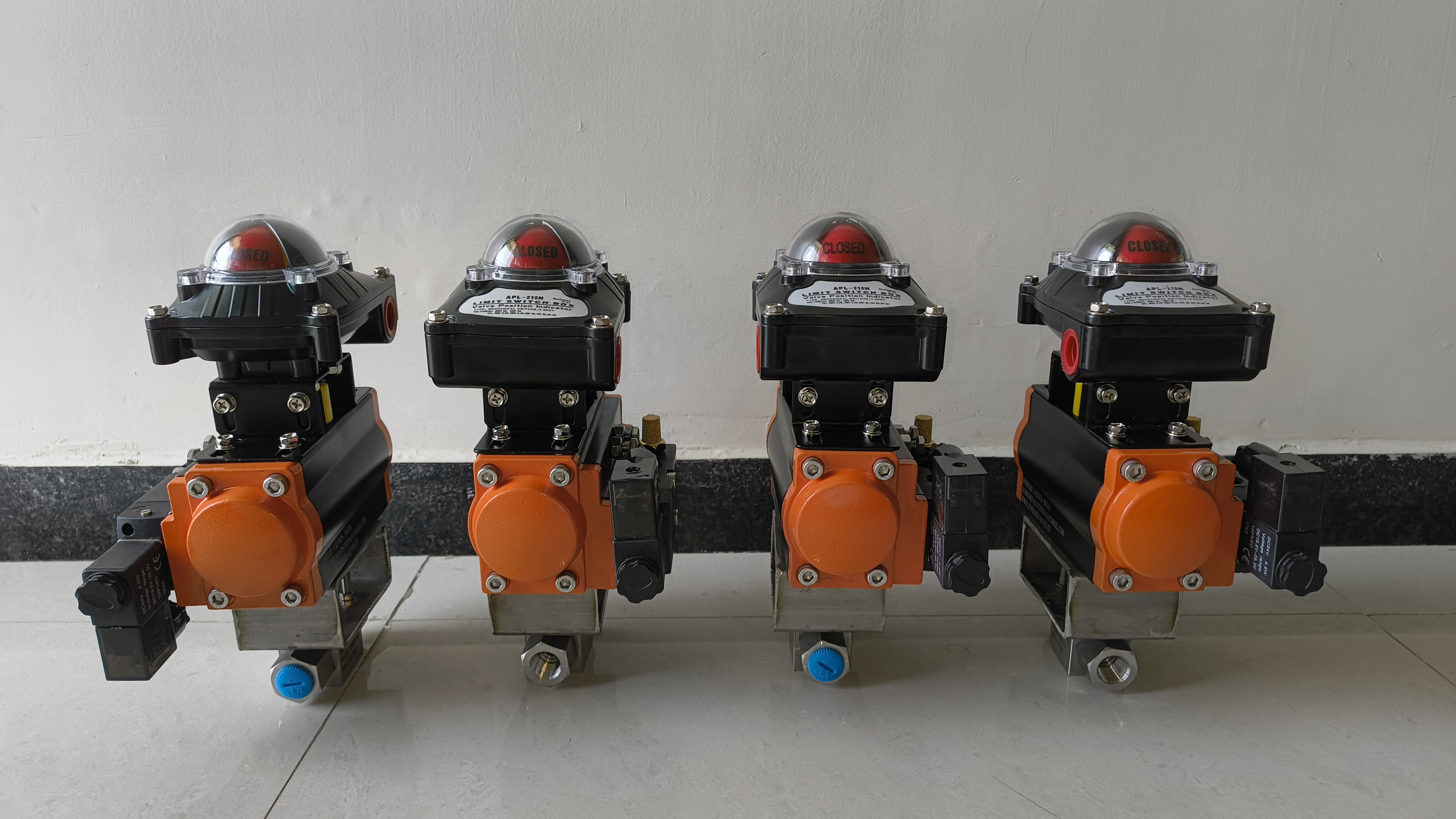
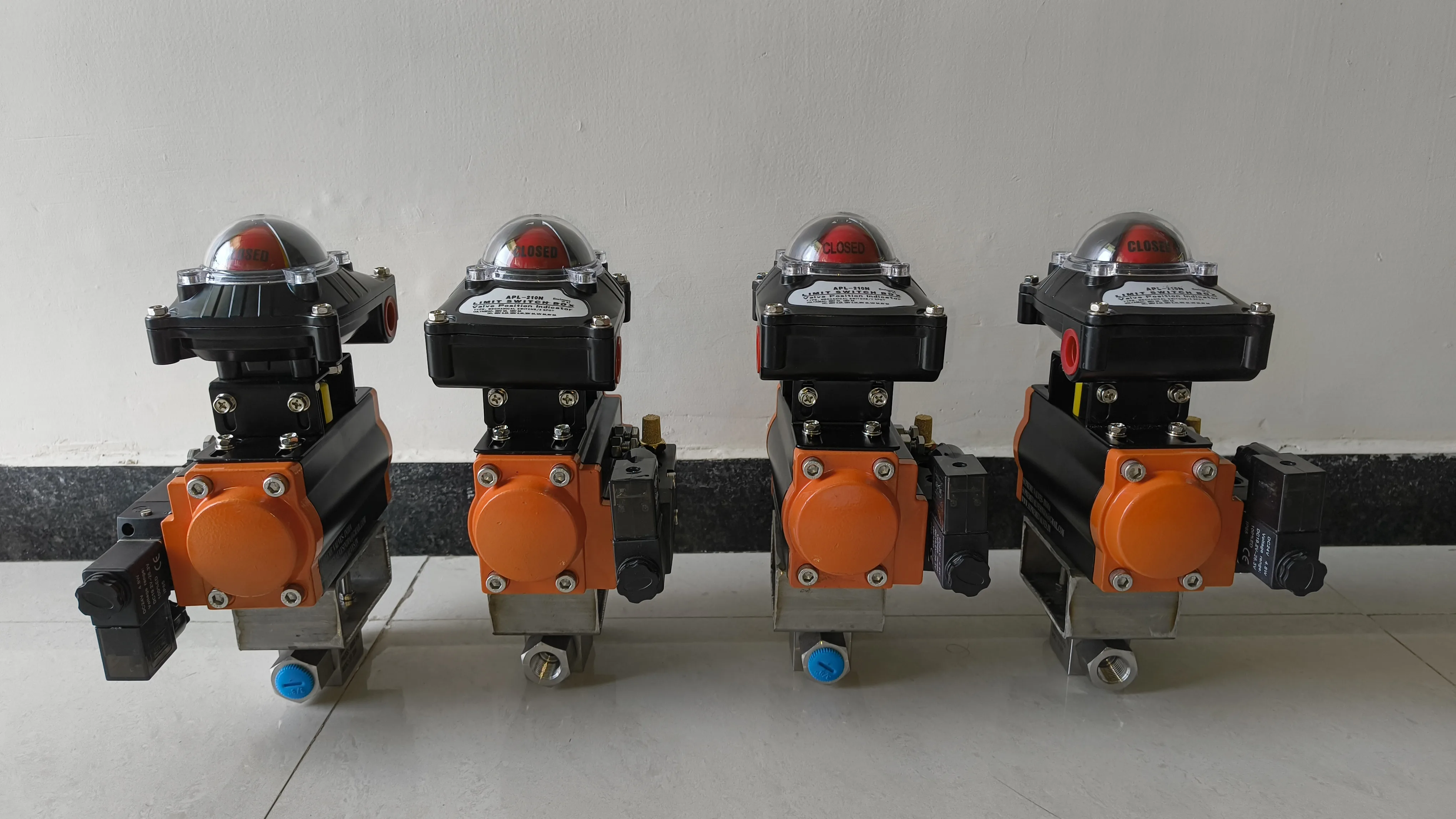
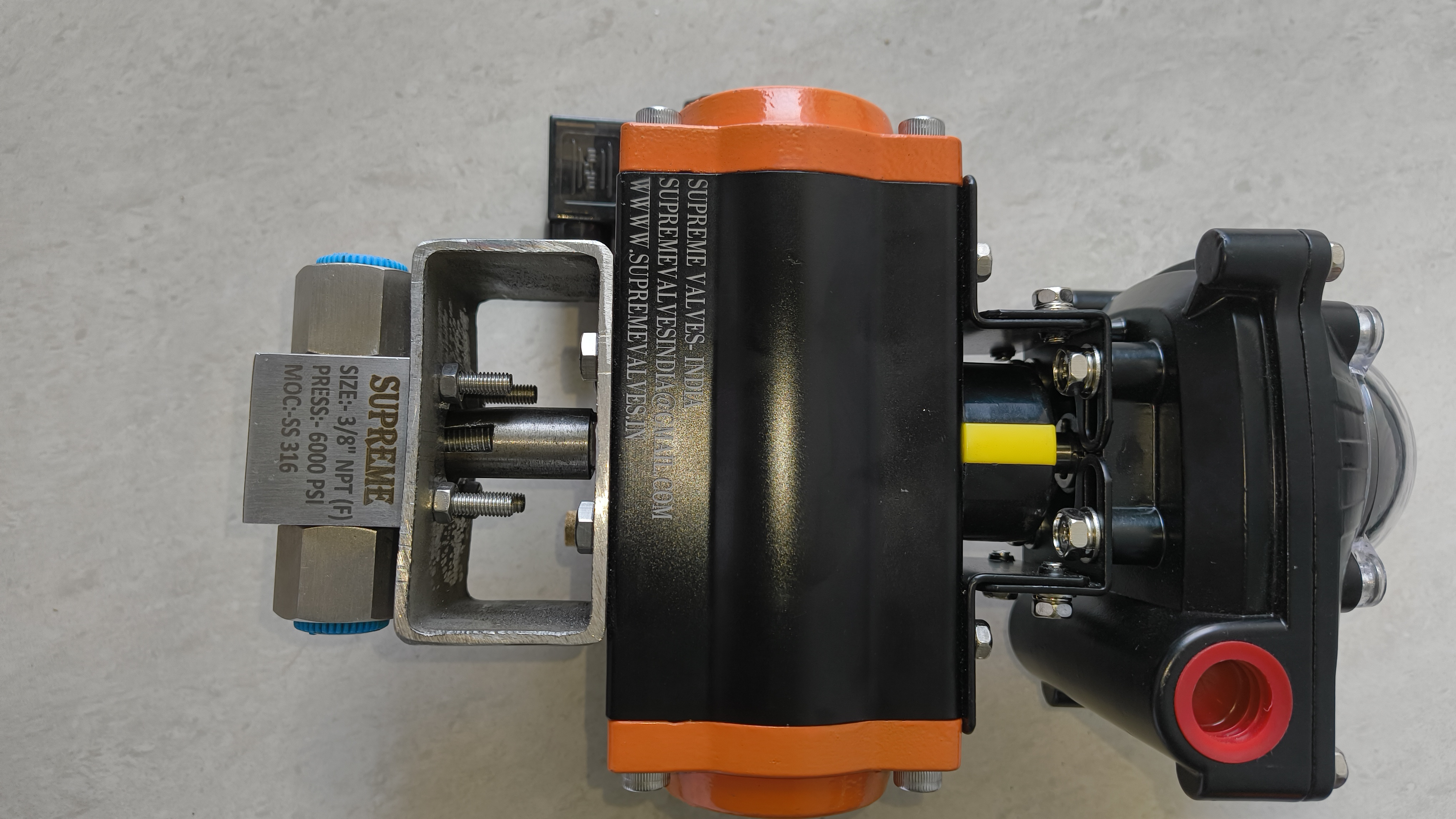
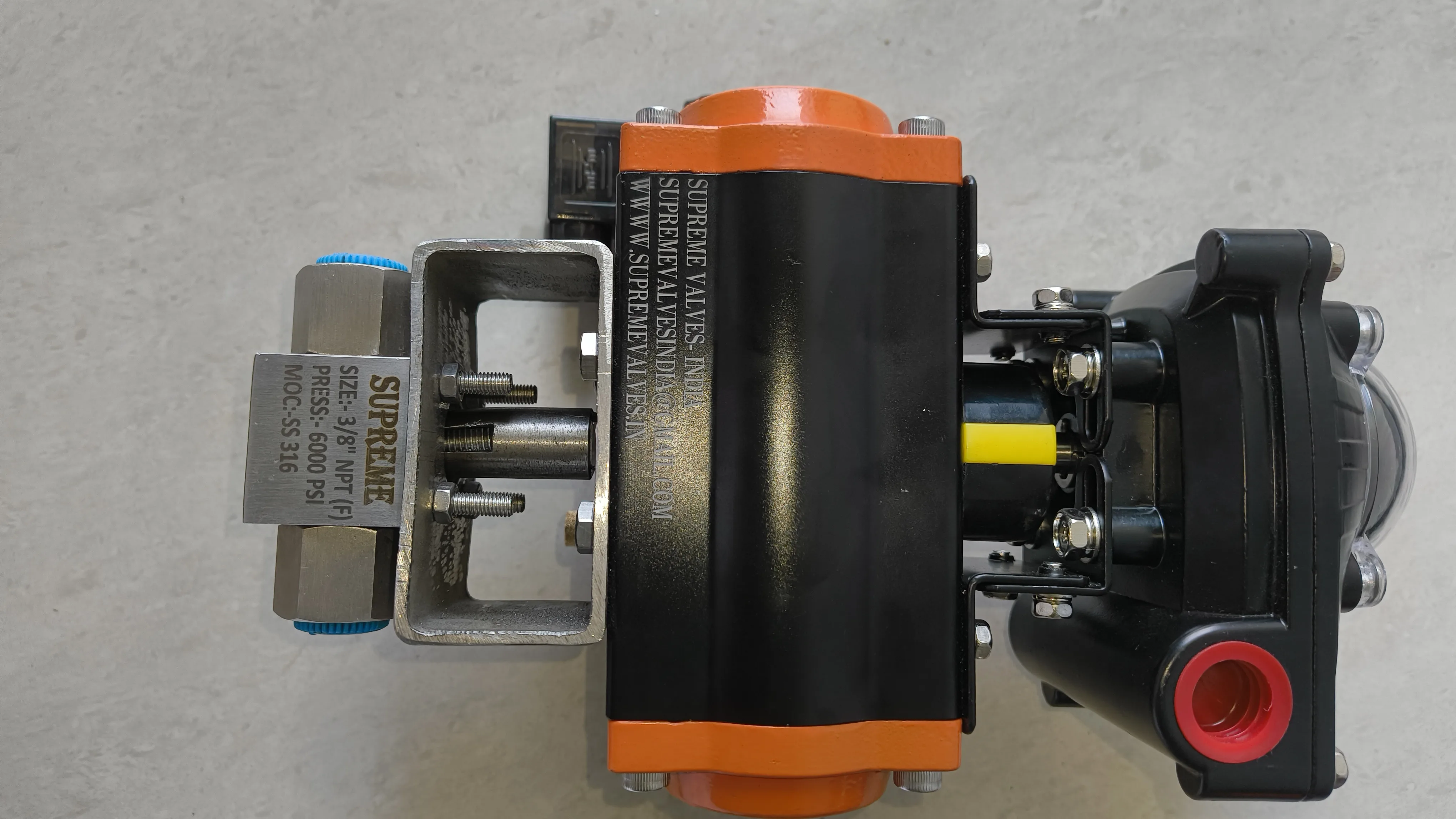
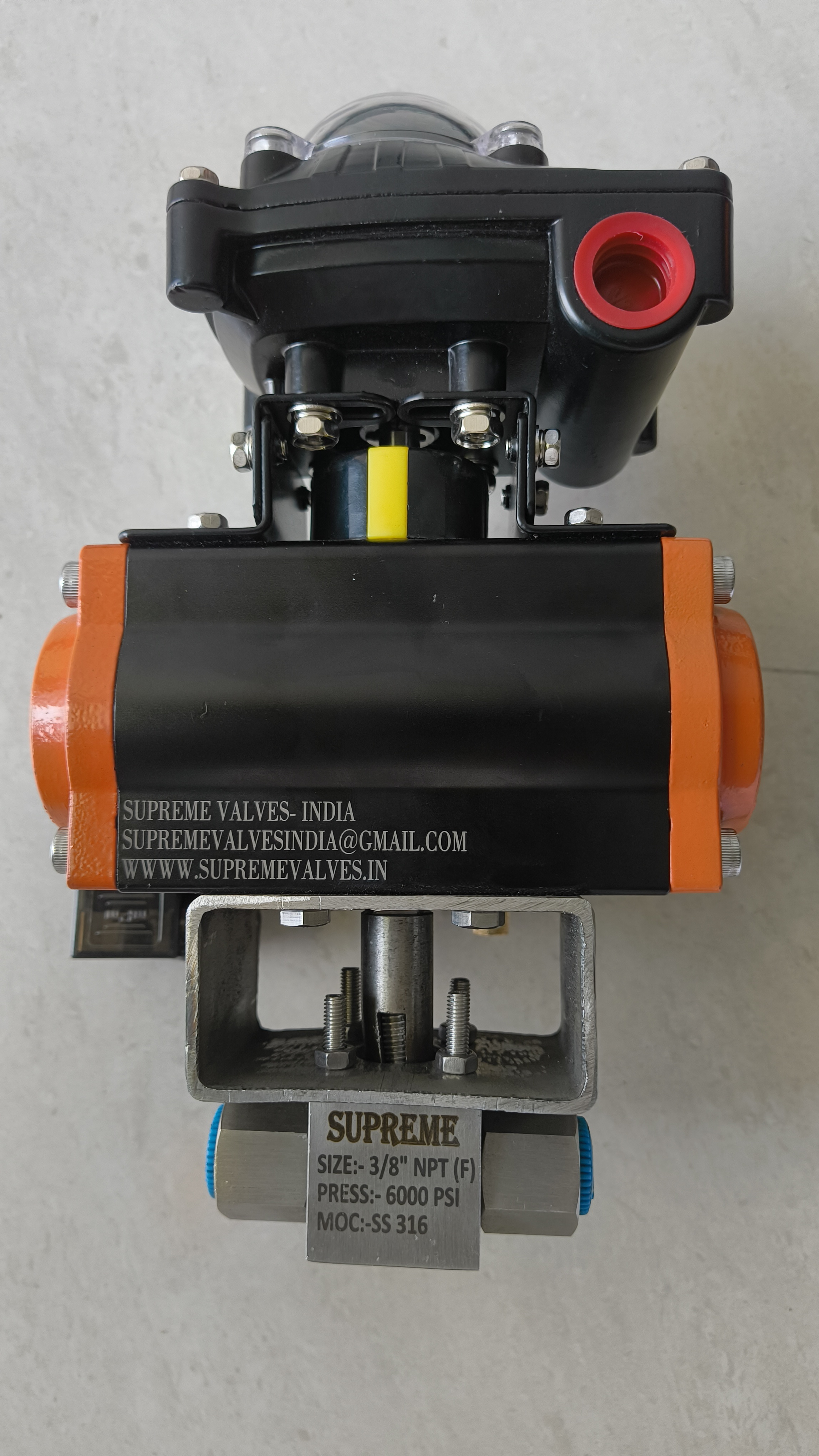
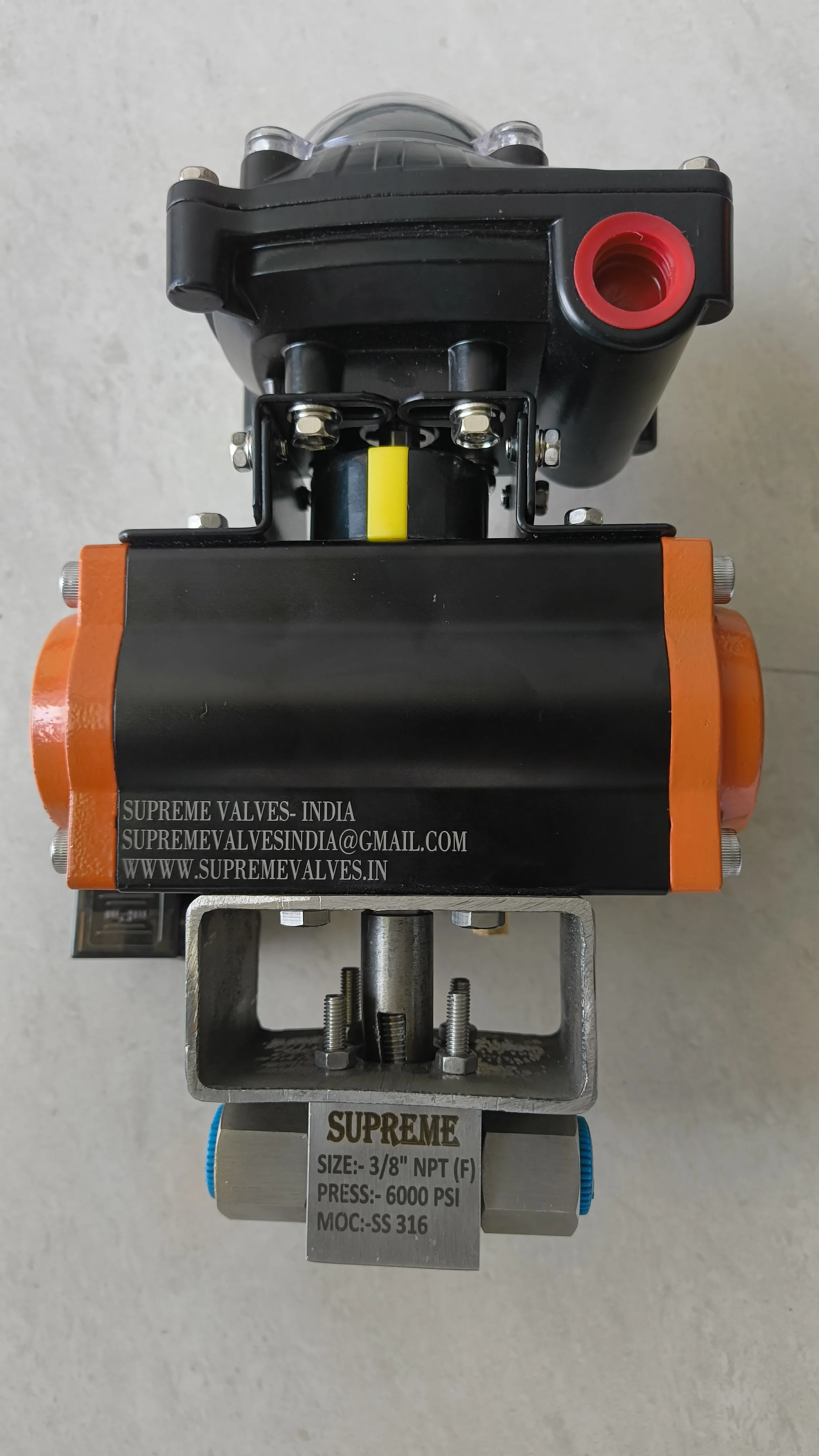
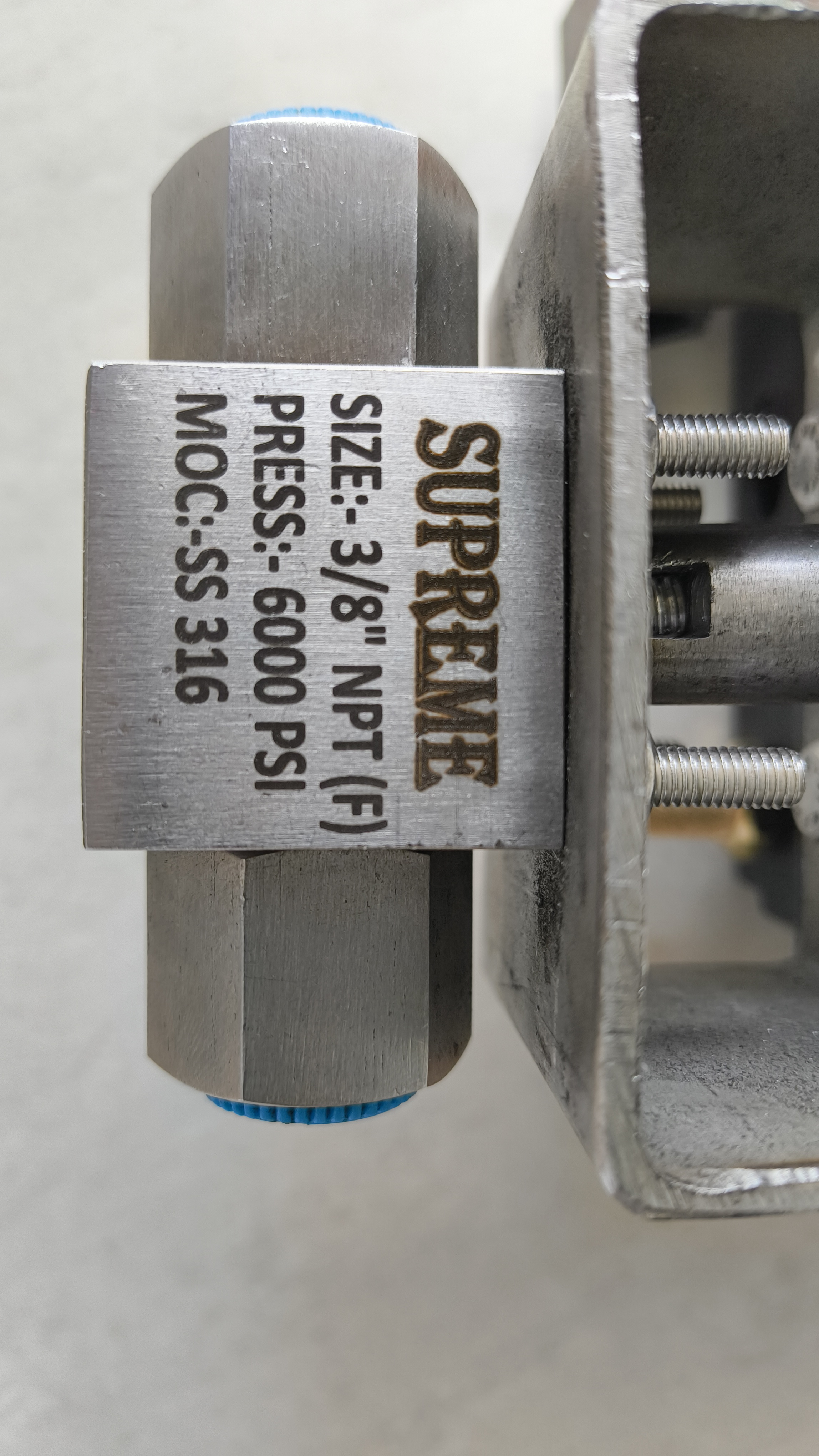
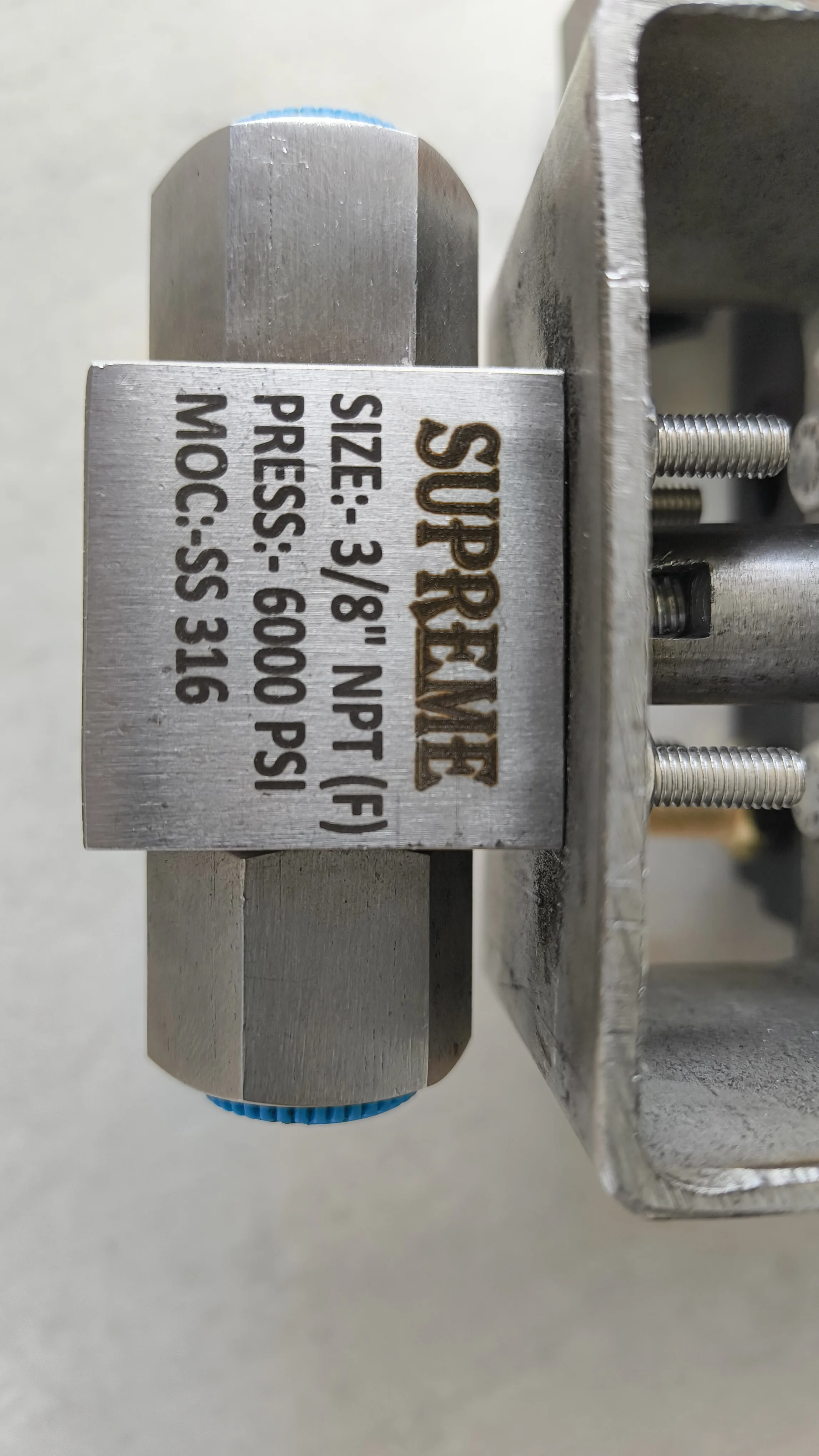
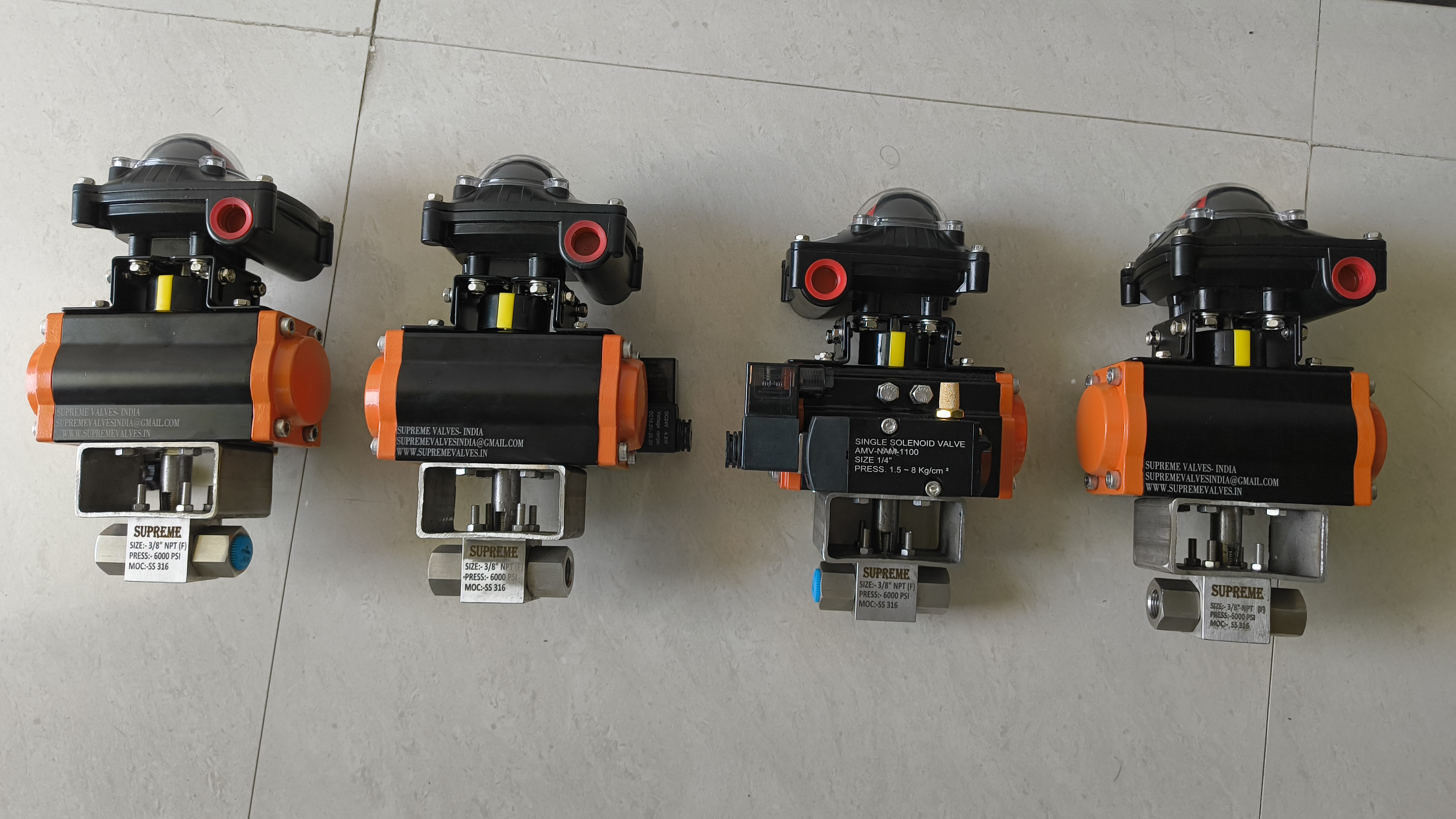
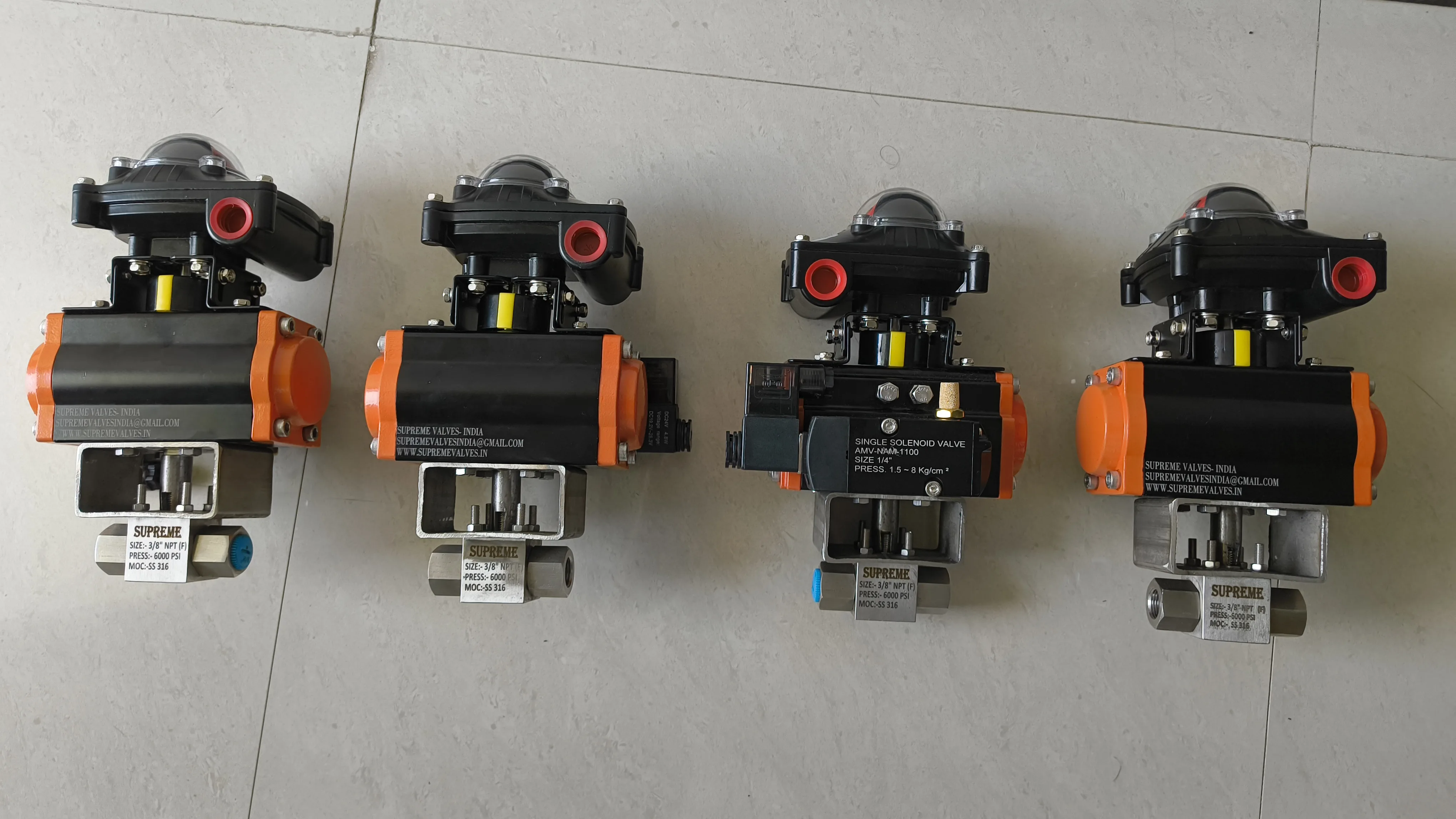
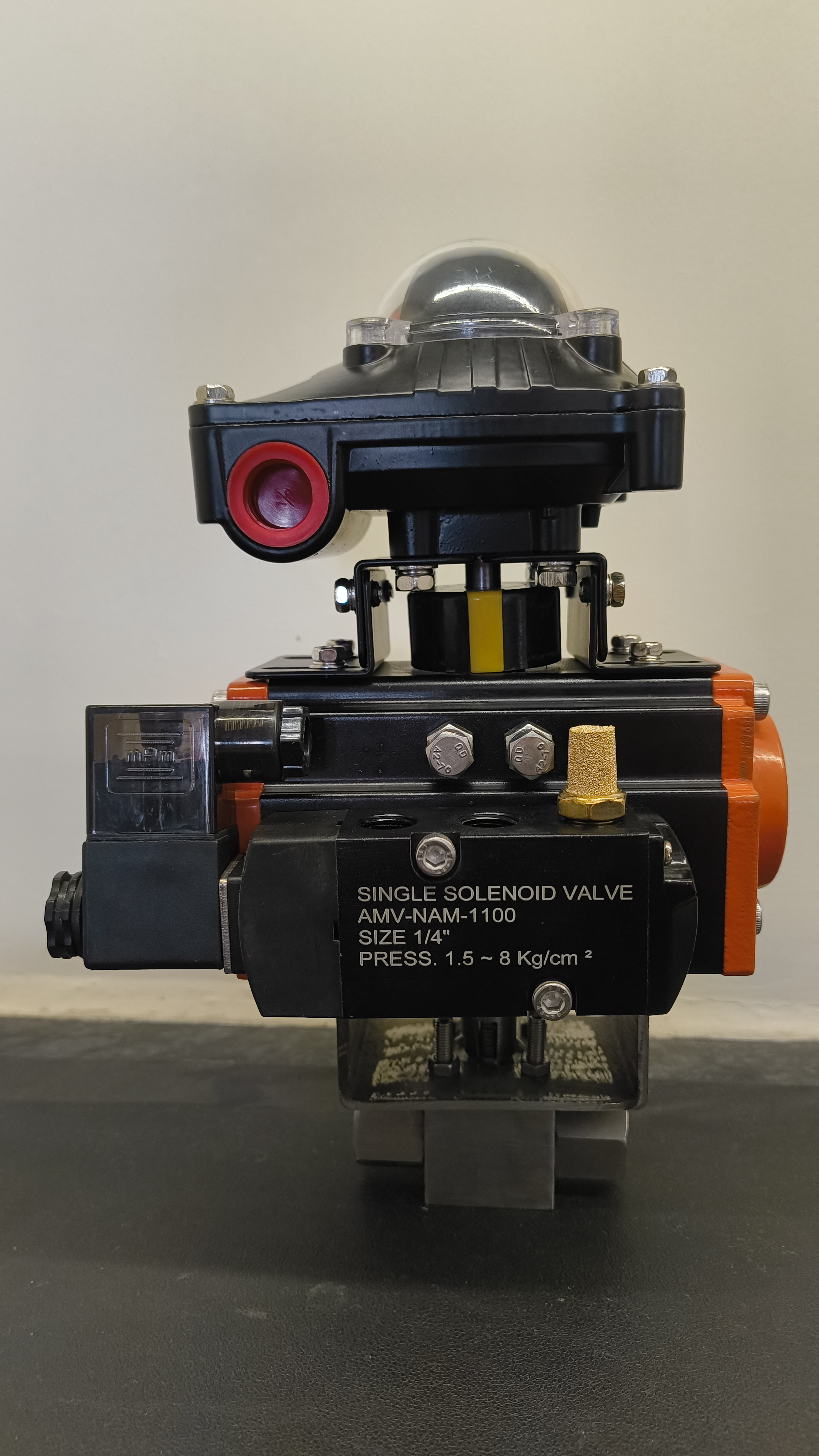
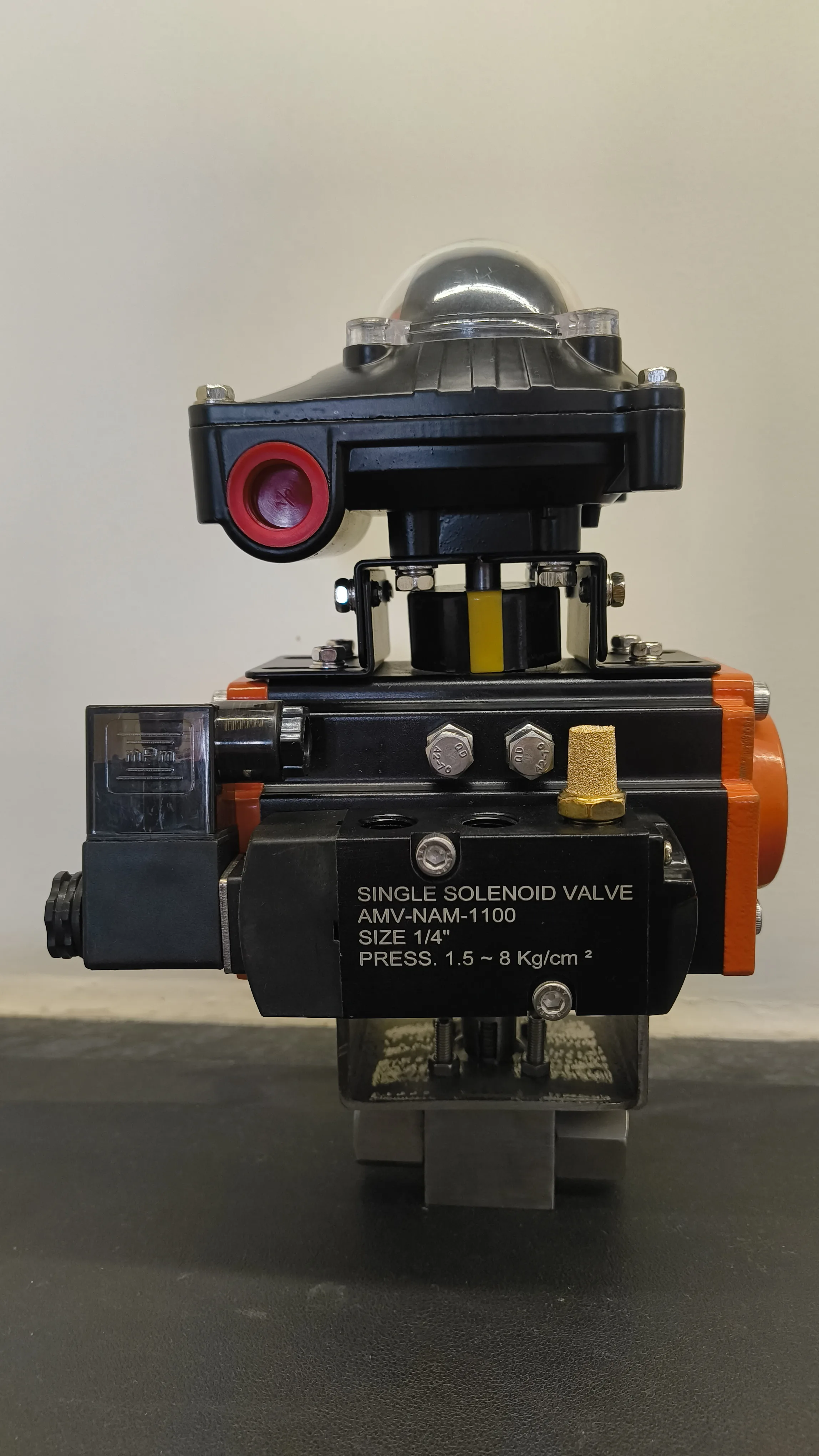
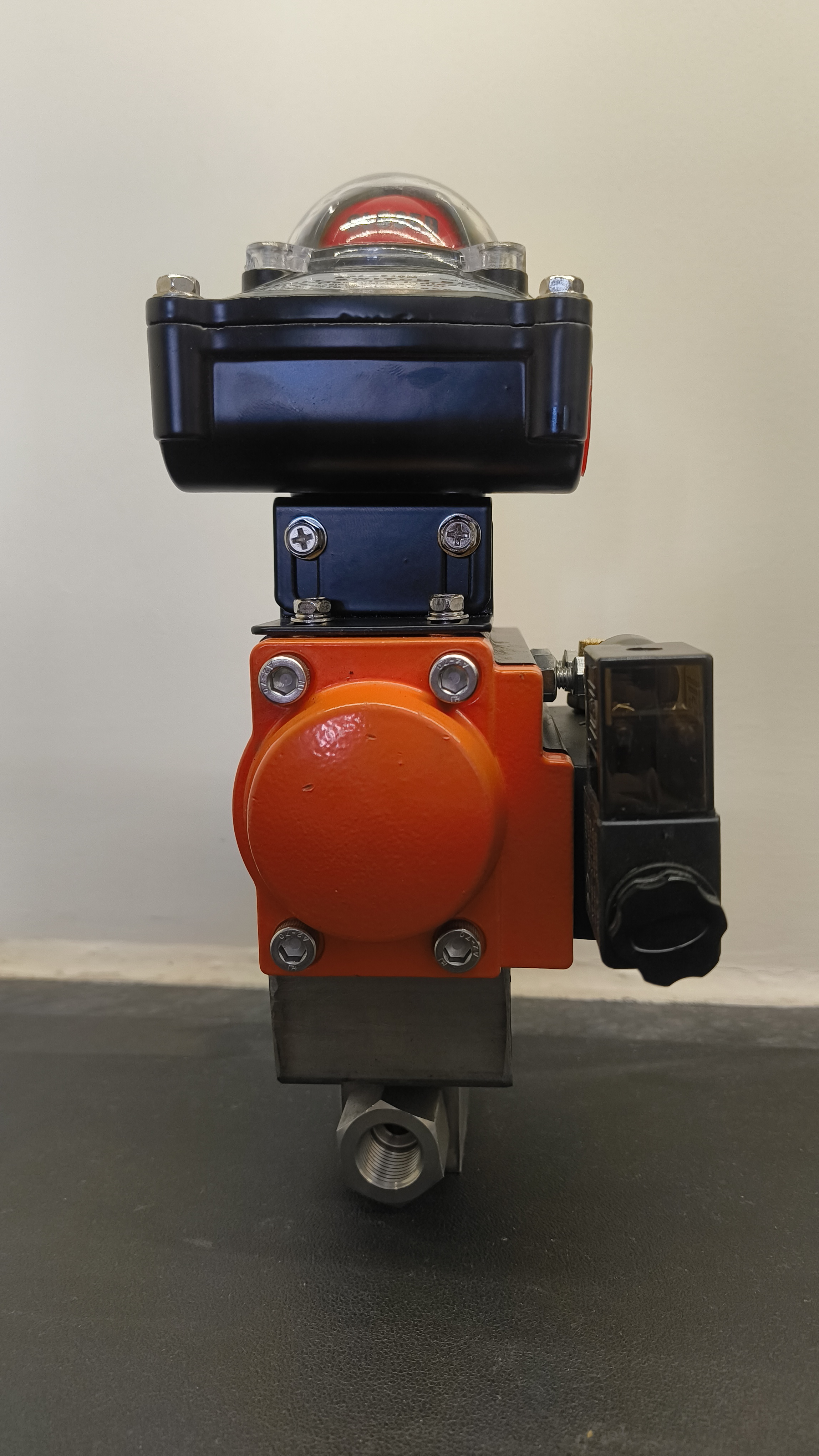
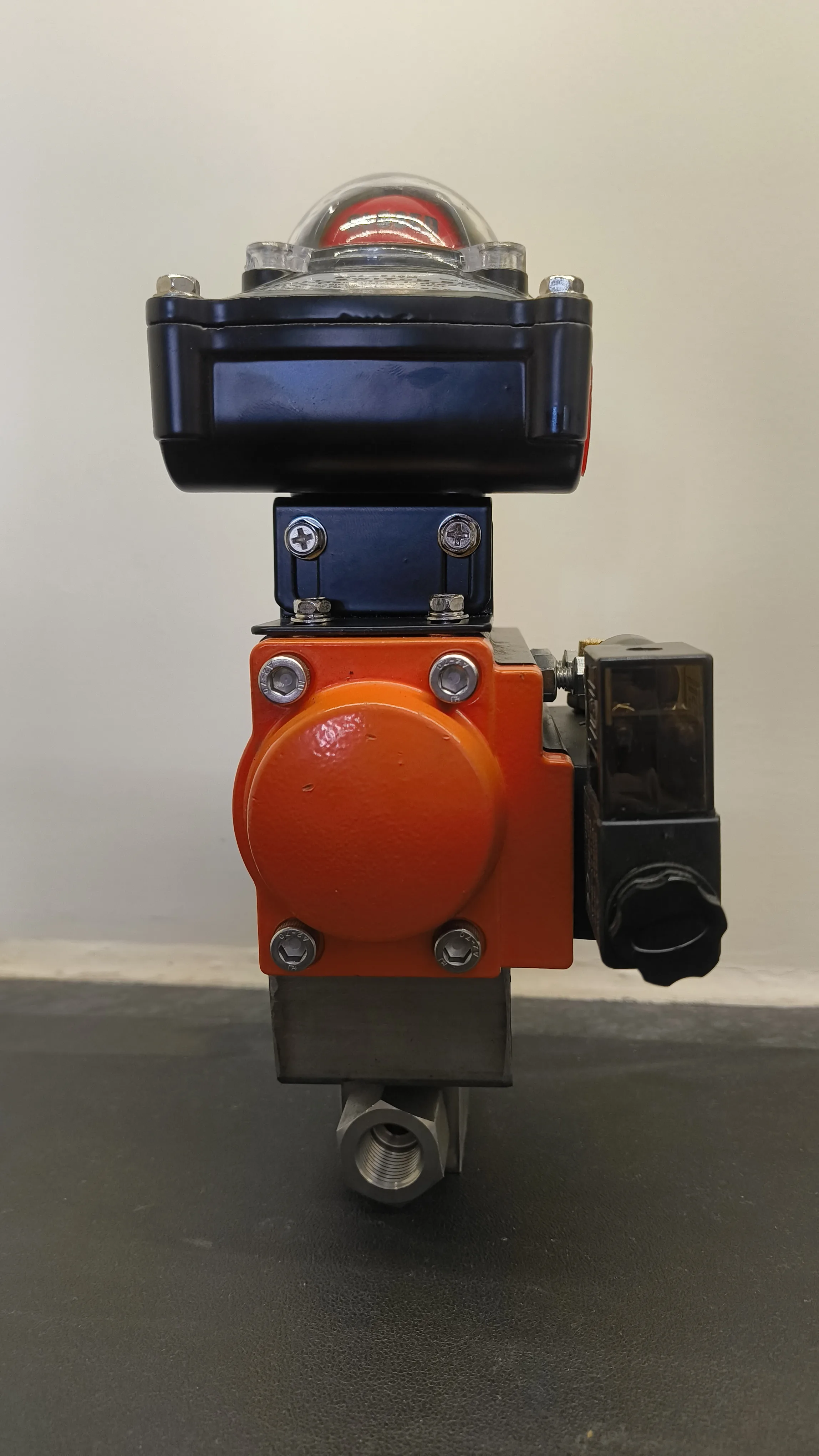
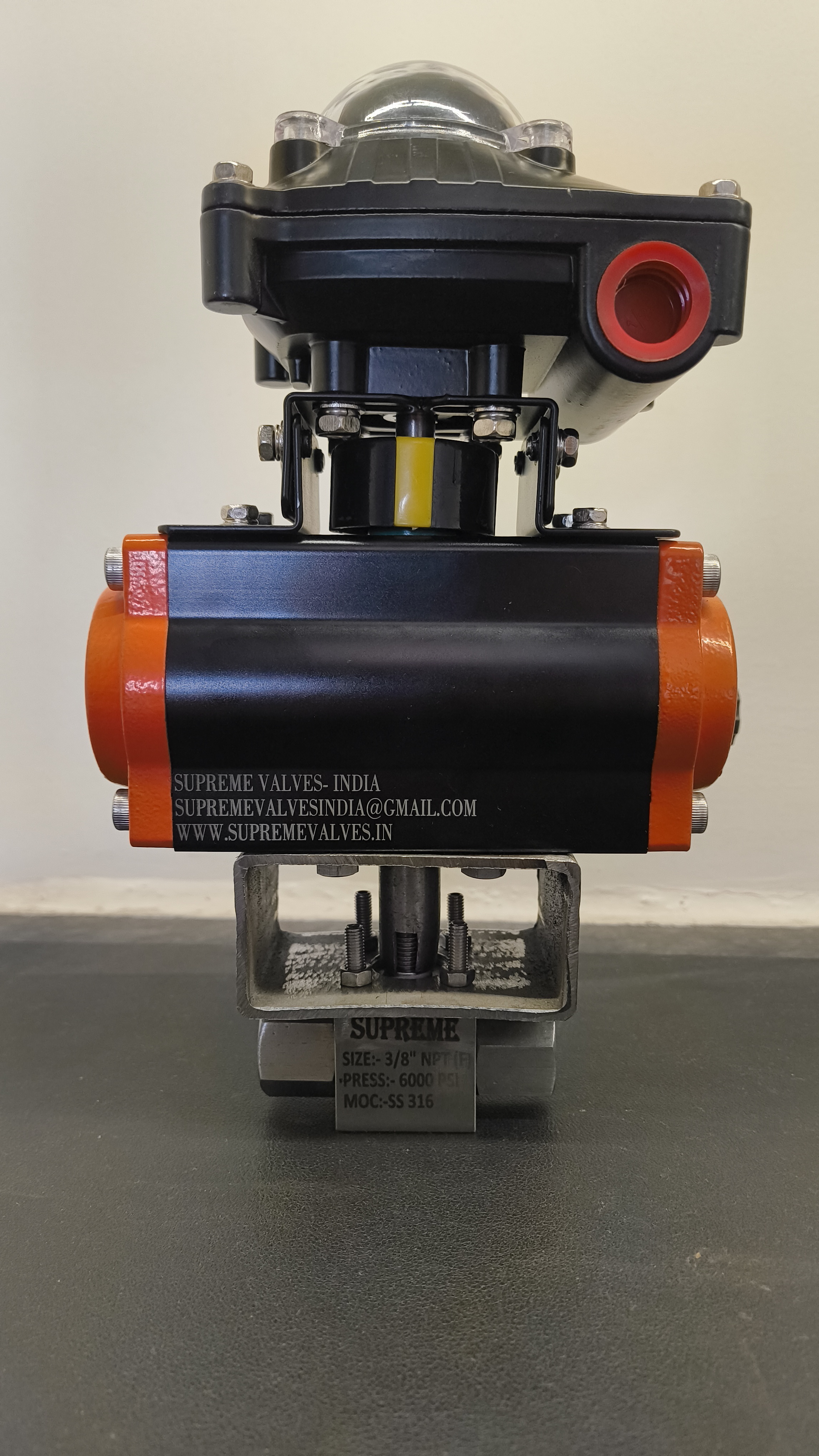
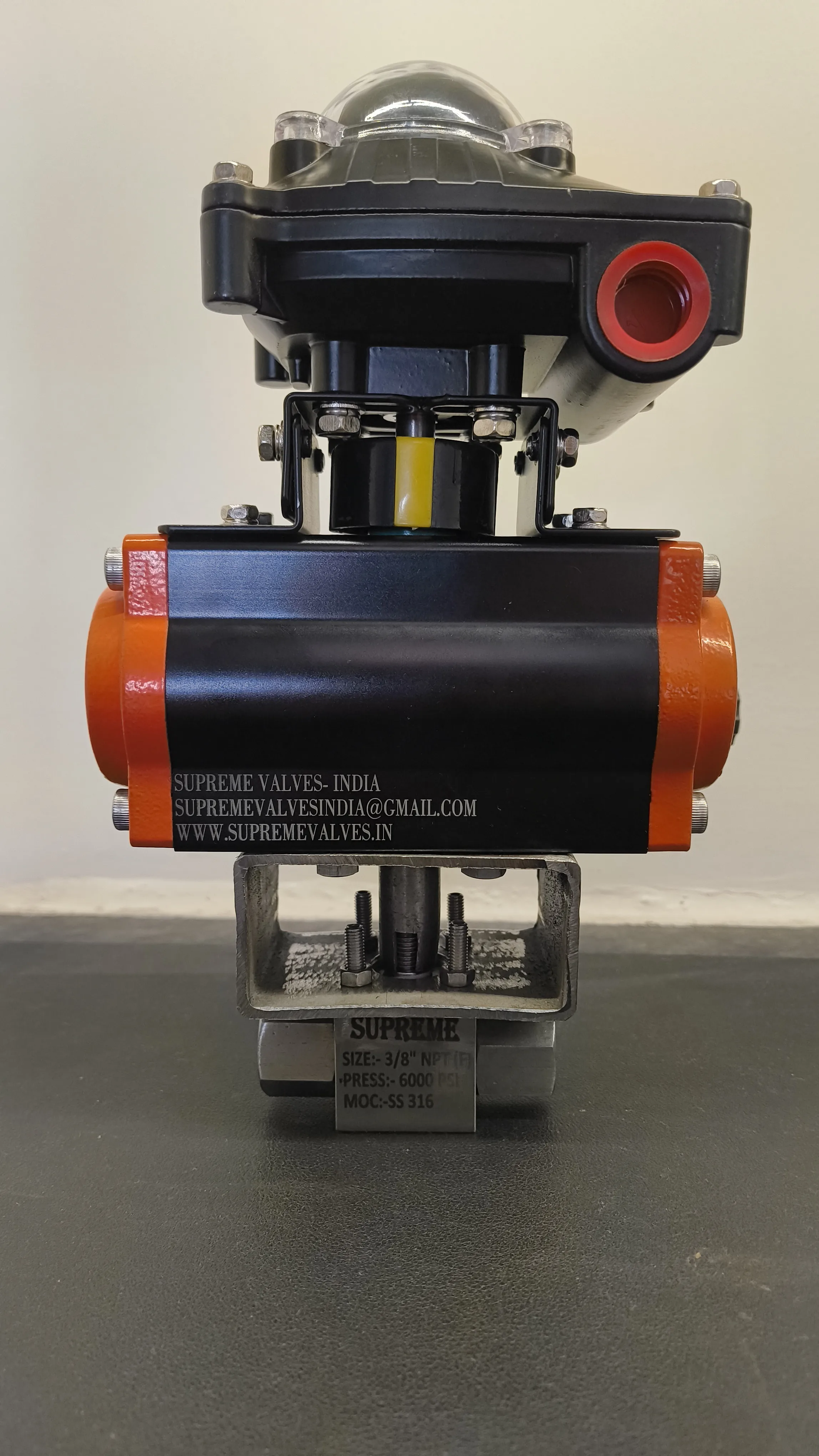
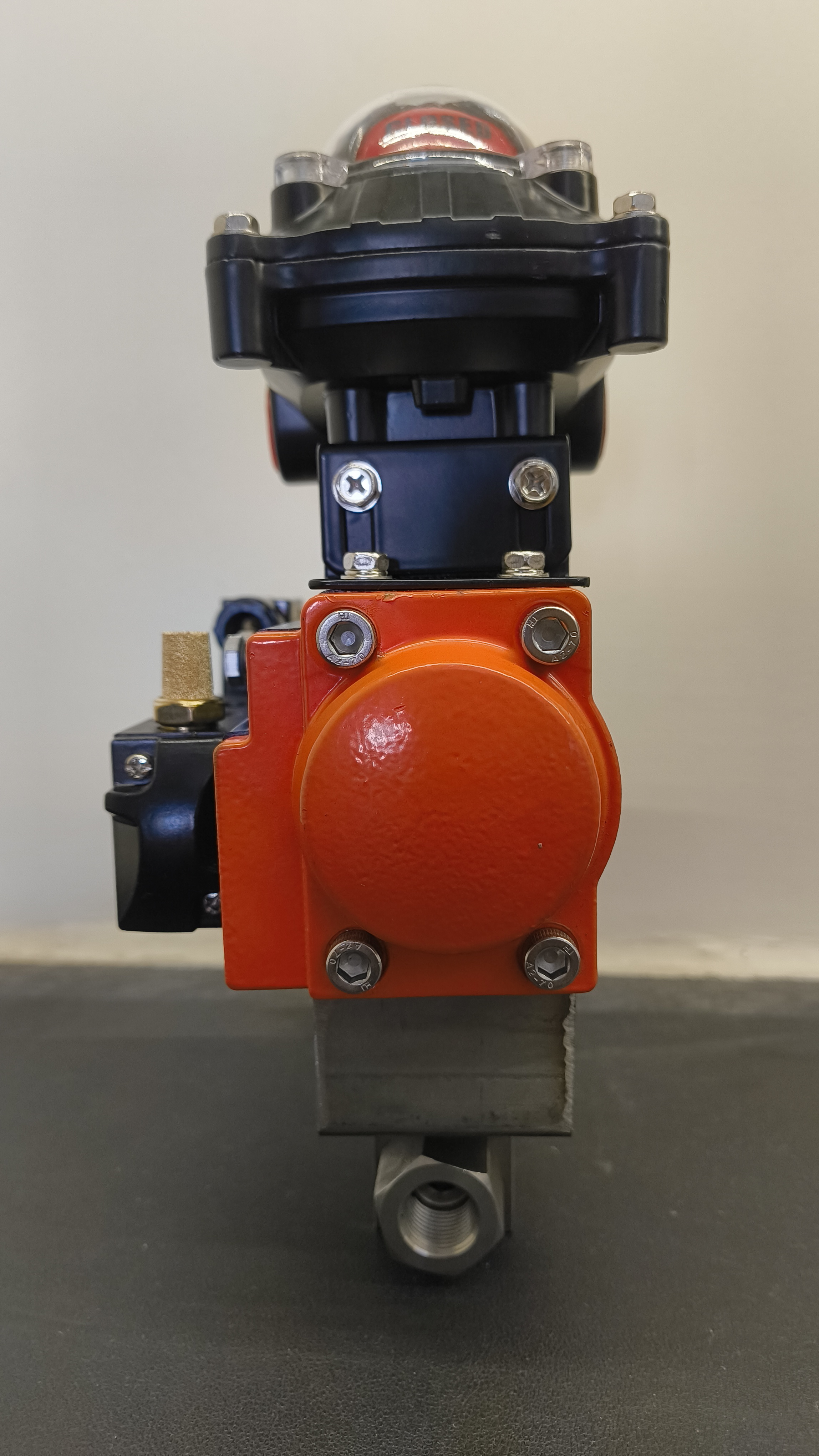
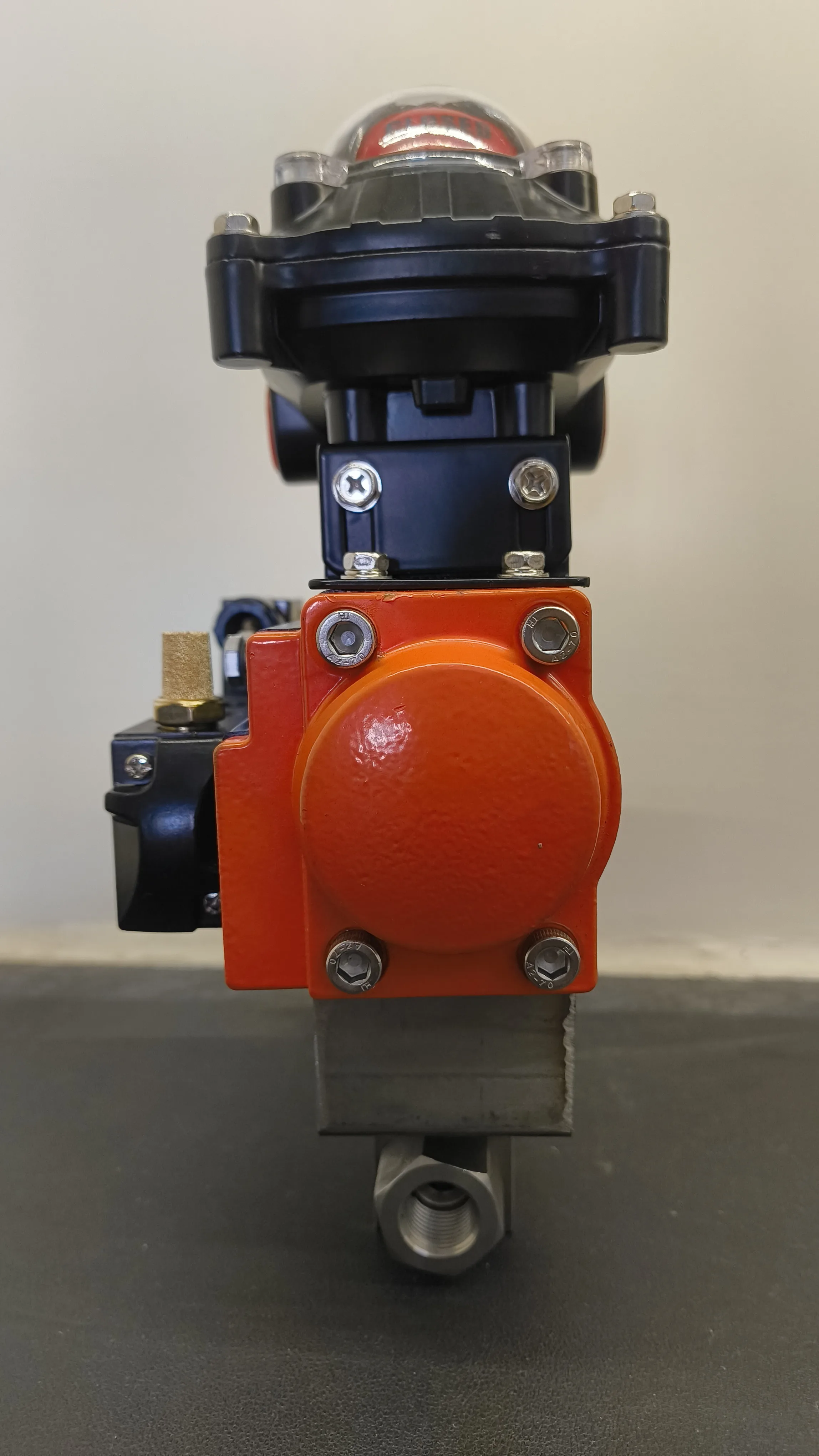
Three Way / L Port / T Port Ball Valve
Multi-port valves for flow diversion and mixing.
Key Applications
Frequently Asked Questions
What is a ball valve's maximum pressure rating for API 608?
API 608 specifies ball valves in Class 150, 300, and 600 ratings for sizes 1/4 inch to 24 inches. The maximum pressure rating depends on temperature: at 38°C, Class 150 is rated to 275 PSI, Class 300 to 720 PSI, and Class 600 to 1440 PSI. For higher pressures up to 5000 PSI, special severe service ball valves with reinforced seats and trunnion mounting are used. For Saudi Arabian high-pressure gas pipelines, Class 600 and Class 900 forged steel ball valves (A105, F22) are specified.
What's the difference between floating and trunnion mounted ball valves?
In floating ball valves, the ball is not mechanically constrained and floats downstream against the seat seal when pressure is applied, relying on system pressure to maintain tightness. This design is limited to smaller sizes (up to 8 inches) and lower pressure ratings (Class 150-300). Trunnion mounted ball valves have a bearing-supported ball with fixed stem, preventing axial movement. This design handles higher pressures (Class 600 and above) and larger sizes without excessive seat wear. For UAE petrochemical and ADNOC projects, trunnion design is specified for sizes above 4 inches.
Why use SS316L trim in sour gas (NACE) applications?
SS316L (Low Carbon 316 Stainless Steel) is specified for sour gas service per NACE MR0175/ISO 15156 because it contains minimum 2.5% molybdenum, providing excellent resistance to hydrogen sulfide stress corrosion cracking. The low carbon content (max 0.03%) prevents sensitization during welding, maintaining corrosion resistance in the heat-affected zone. For severe sour service in Saudi Arabian oil fields, 316L trim with specific hardness limits (HRC 22 max for soft parts) is mandatory. We supply NACE-compliant ball valves with material certifications for ARAMCO and SABIC projects.
What is fire-safe ball valve design per API 607?
API 607 fire-safe testing verifies that a ball valve maintains seat sealing capability after exposure to fire. The test heats the valve to 760°C (1400°F) for 30 minutes, then cools and reapplies pressure. Fire-safe designs use graphite-based stem seals and fire-resistant seat materials (graphite or metal) that maintain integrity when standard PTFE seats would melt. After fire exposure, slight leakage may occur (allowable up to 0.5 L/min per API 607) but the valve must still provide shut-off. All Supreme Valves fire-safe ball valves carry API 607 certification for Saudi Aramco and UAE ADNOC specifications.
Full bore vs reduced bore - which to choose?
Full bore (FB) ball valves have the same internal diameter as the pipeline, minimizing pressure drop and allowing pigging operations. Use full bore for: crude oil pipelines, batch transfer systems, piggable lines, and applications requiring maximum flow. Reduced bore (RB) has smaller ball opening (typically one pipe size smaller), reducing cost and weight. Use reduced bore for: water and air service, general on-off applications, and budget-conscious projects. For Saudi Arabian pipeline projects, full bore is specified for transmission lines, reduced bore for distribution and auxiliary service.
How does blow-out proof stem work?
A blow-out proof stem design prevents the stem from being ejected from the valve body under pressure during service. The stem has a groove near the bottom that engages with a machined shoulder in the bonnet, retaining it even if stem packing fails. This is a critical safety feature per API 608. In some designs, a stem collar or dowel pin provides secondary retention. Blow-out proof stems are mandatory for fugitive emission control in Saudi Arabian and UAE petrochemical plants under API 641 and ISO 15848 standards.
What is MRO requirements for ball valves in UAE petrochemical plants?
Maintenance, Repair, and Operations (MRO) requirements for UAE petrochemical plants include: (1) Valves supplied with full traceability documentation including material heat numbers and test reports, (2) Spare parts availability for stem seals, seats, and actuators from local UAE stockists, (3) Surface finish specifications (Ra 0.8 for ball, 1.6 for body), (4) Antistatic design per API 608 for flammable service, (5) ISO 15848 fugitive emission certification for VOC service, (6) Local agent or stocking distributor in Dubai or Abu Dhabi. We maintain strategic stock of common ball valve sizes in our Dubai warehouse for rapid MRO support.
Materials of Construction (MOC)
| Component | Material Specification |
|---|---|
| Body & Bonnet | Ductile Iron (ASTM A536 / EN-GJS-400-15) |
| Stem / Spindle | SS 410 / SS 420 |
| Seat / Trim | EPDM / NBR / Bronze |
Technical Specifications
| Parameter | Specification / Standard |
|---|---|
| Manufacturing / Design Standard | EN 1171 / AWWA C509 / BS 5163 |
| Testing Standard | API 598 / EN 12266-1 |
| Pressure Rating | PN16 / PN25 |
