
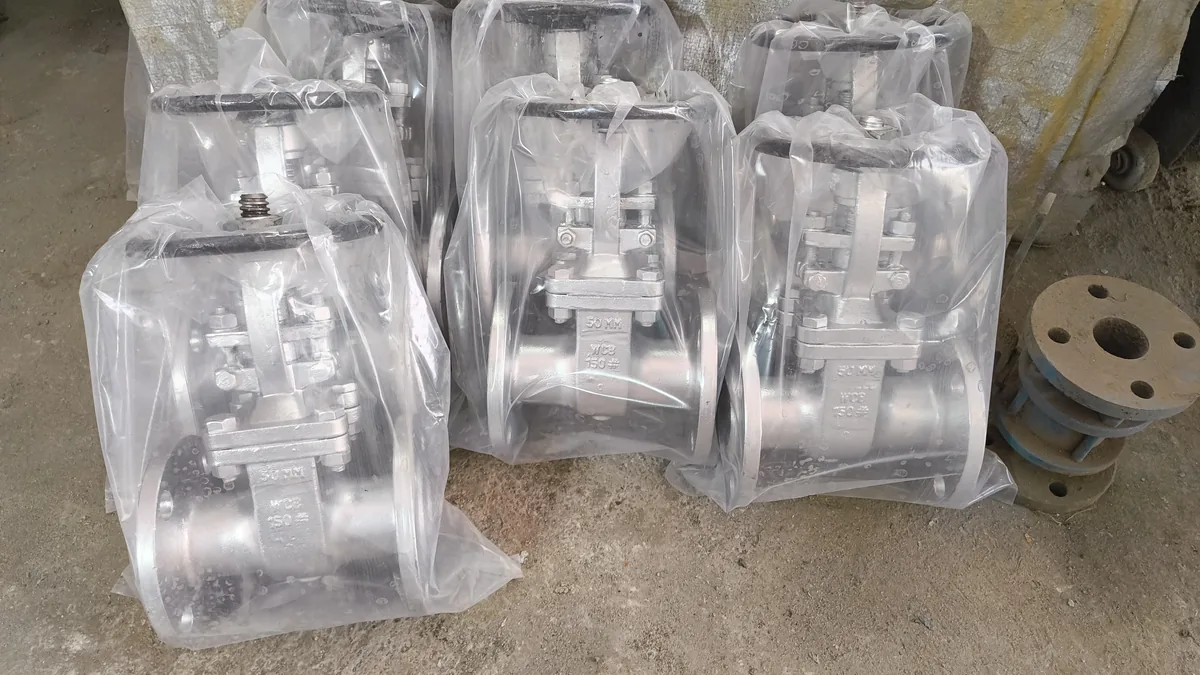
Product Gallery
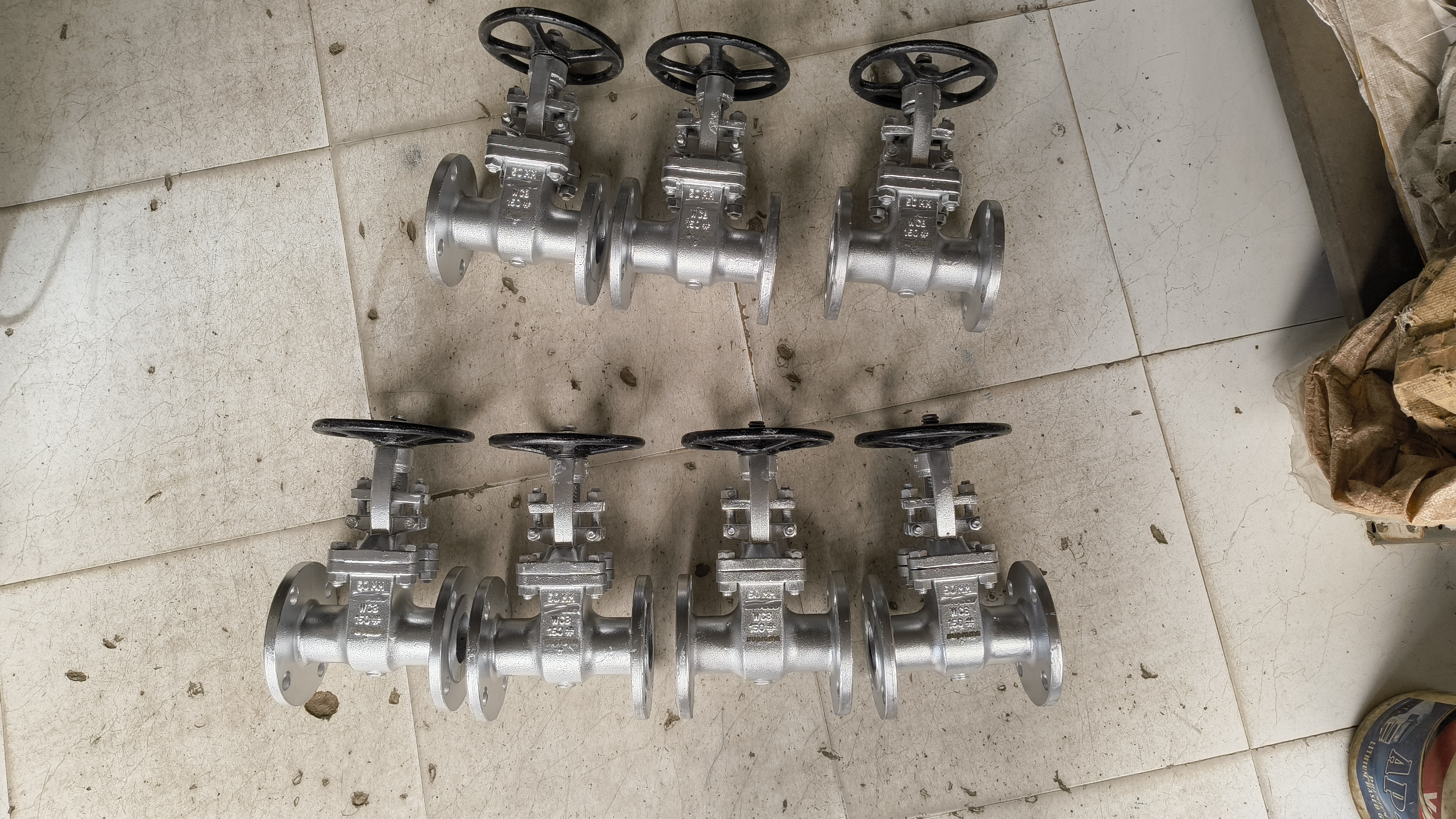
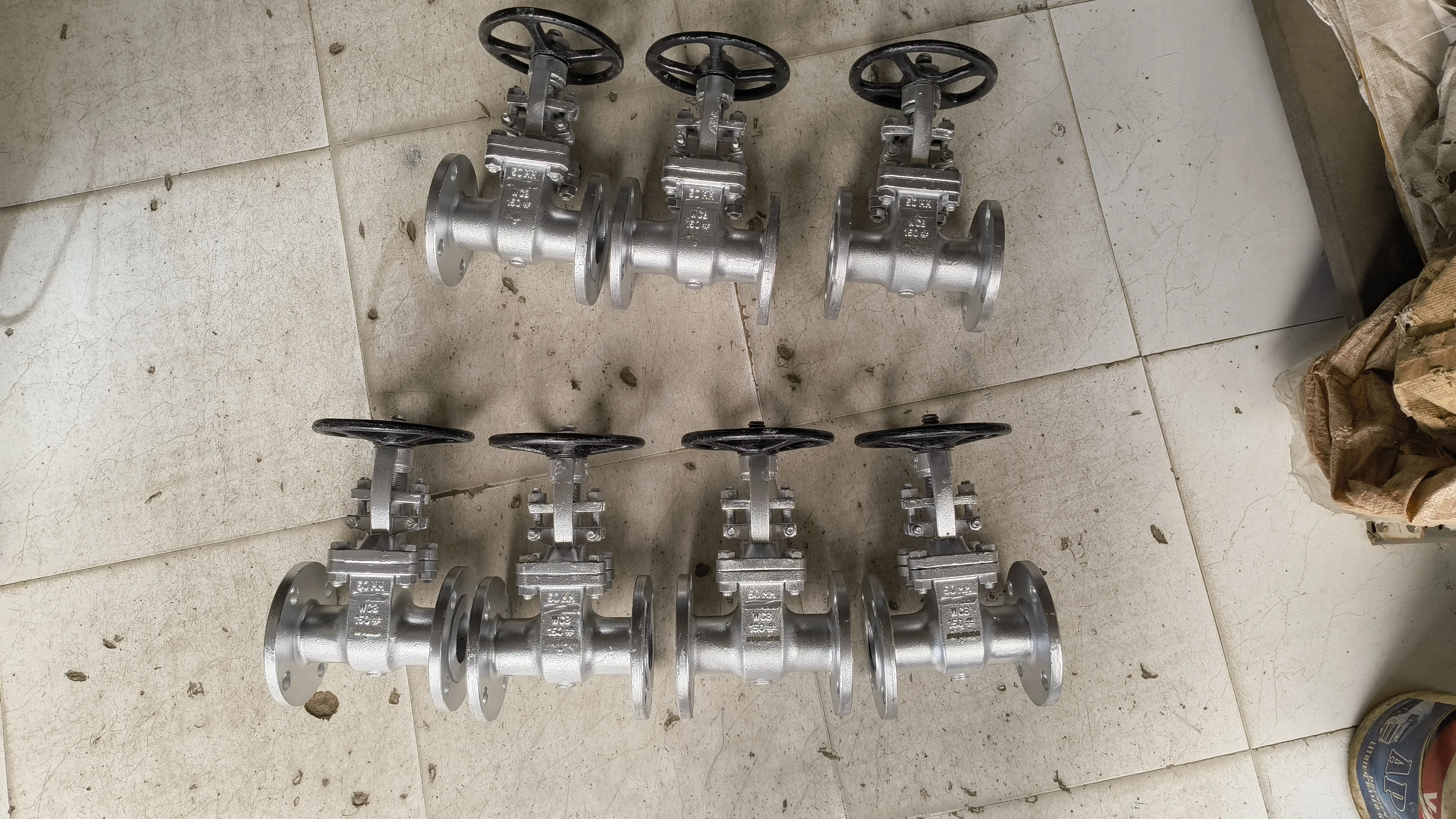
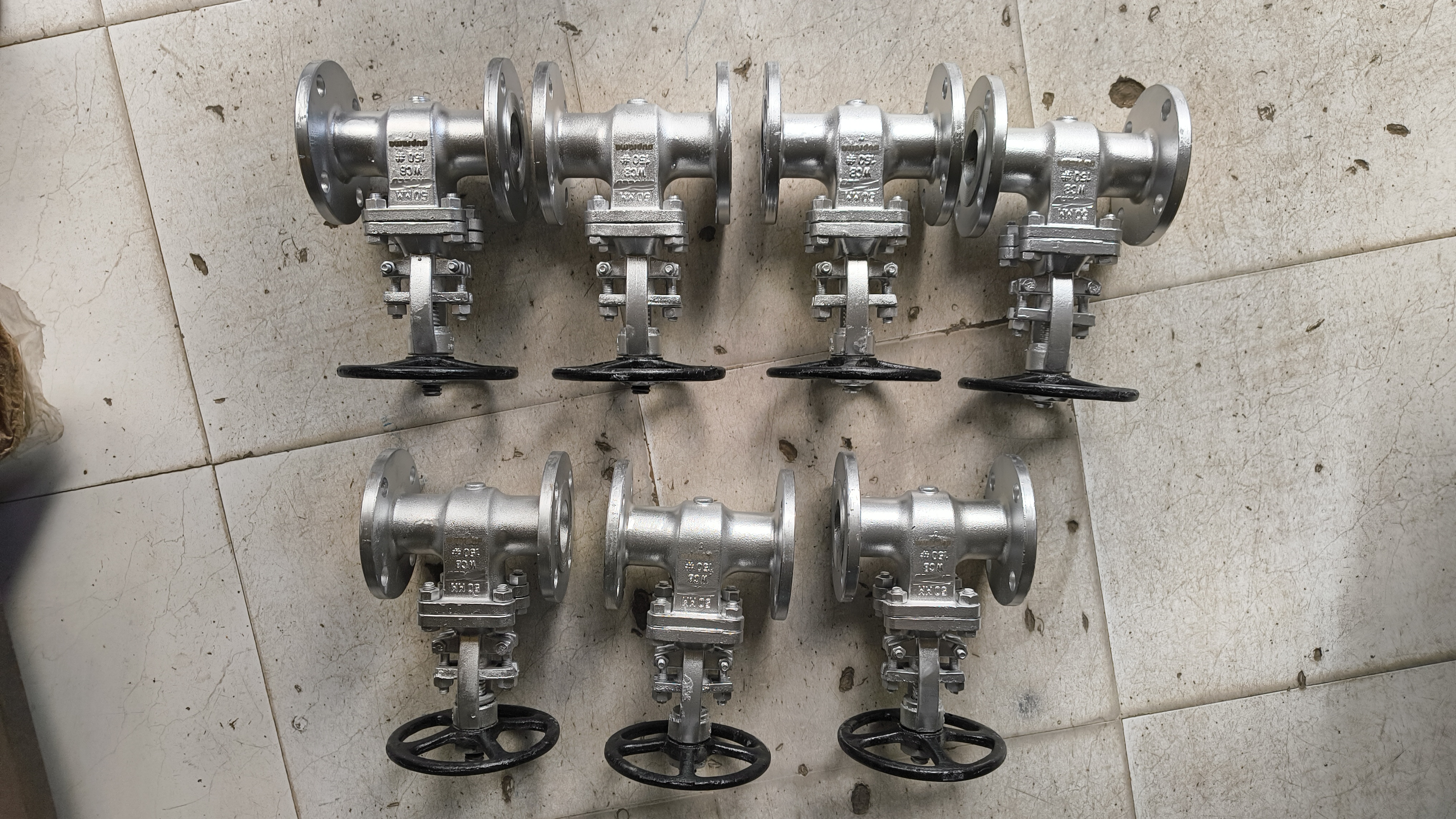
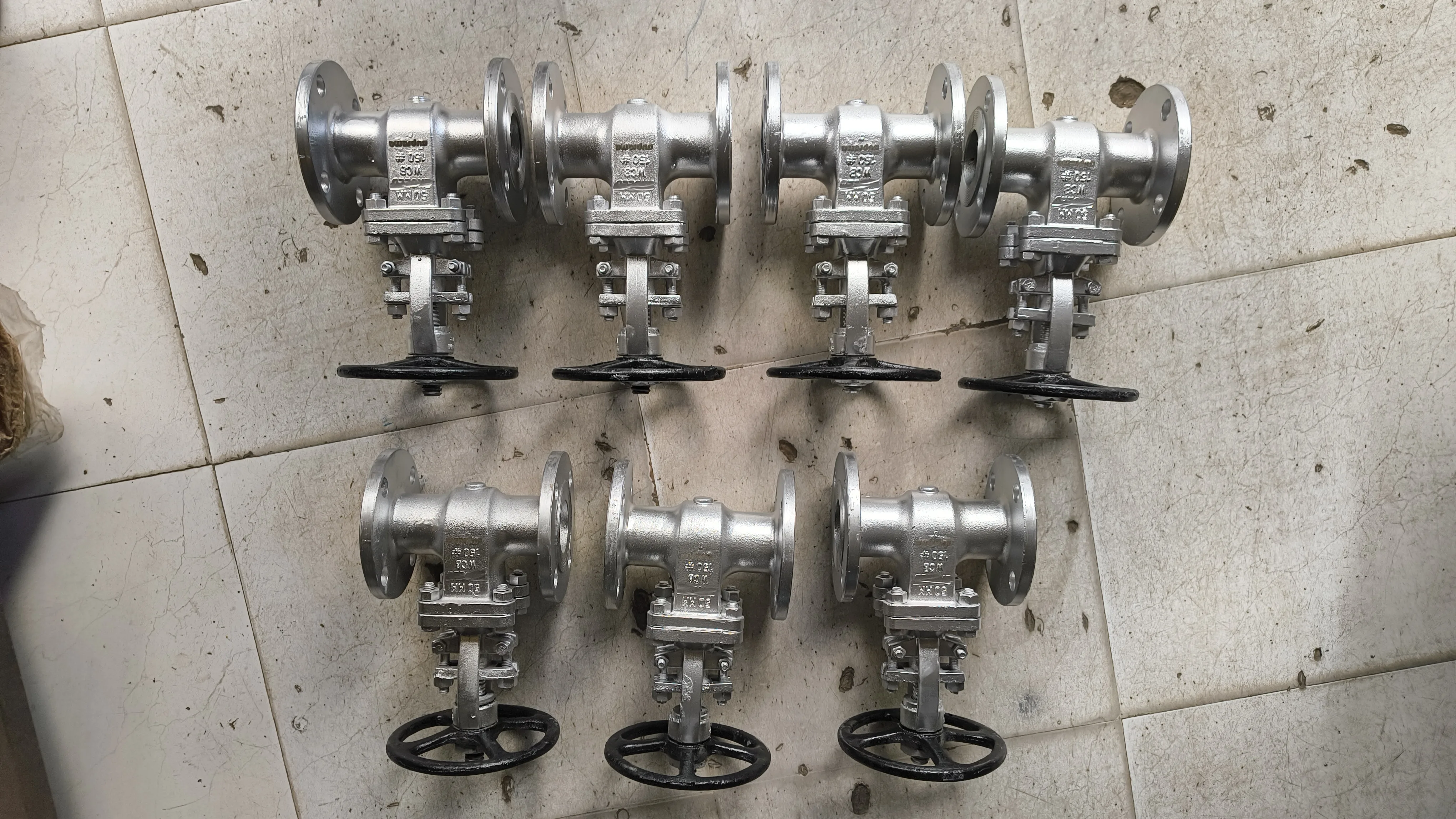
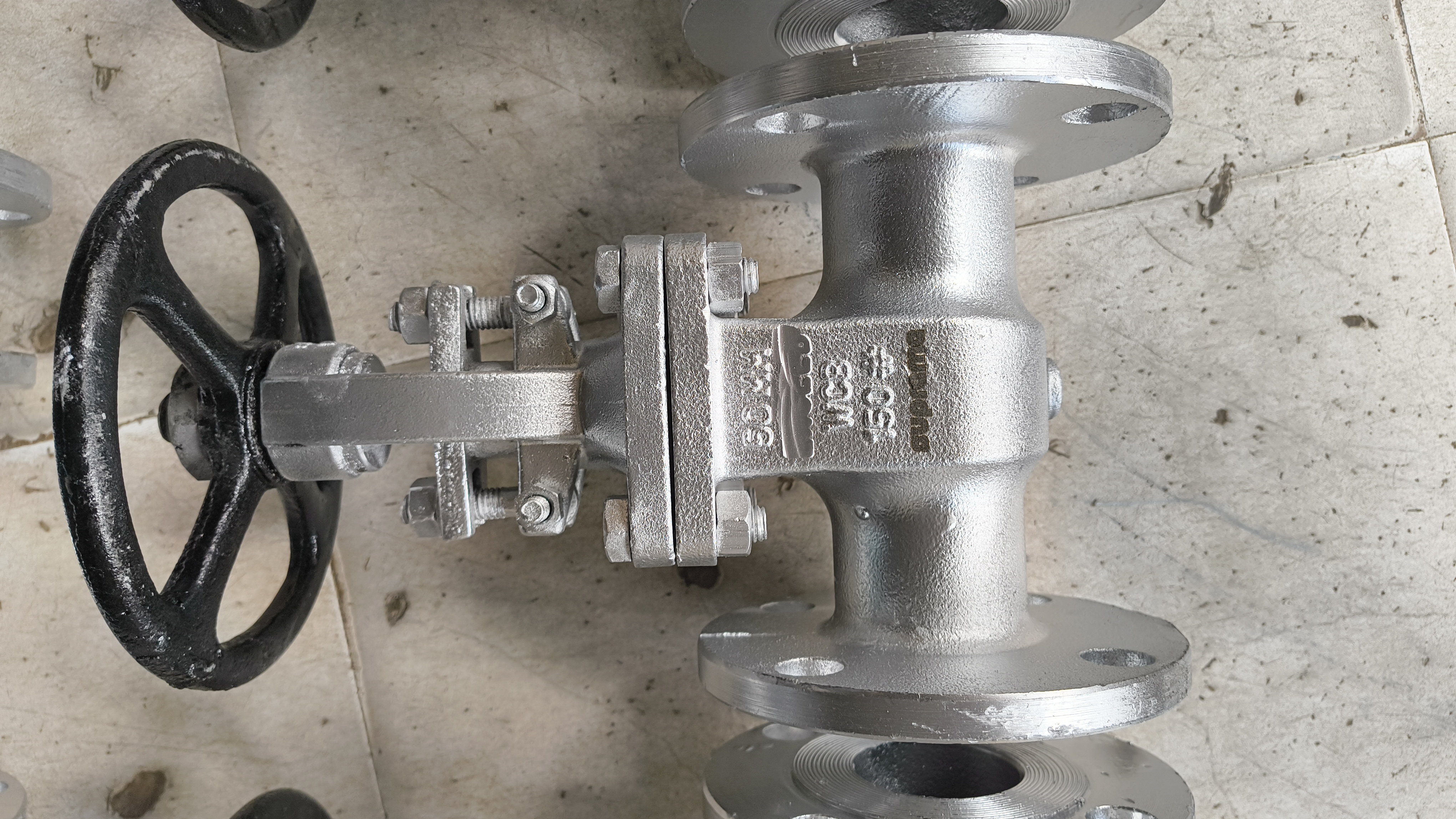
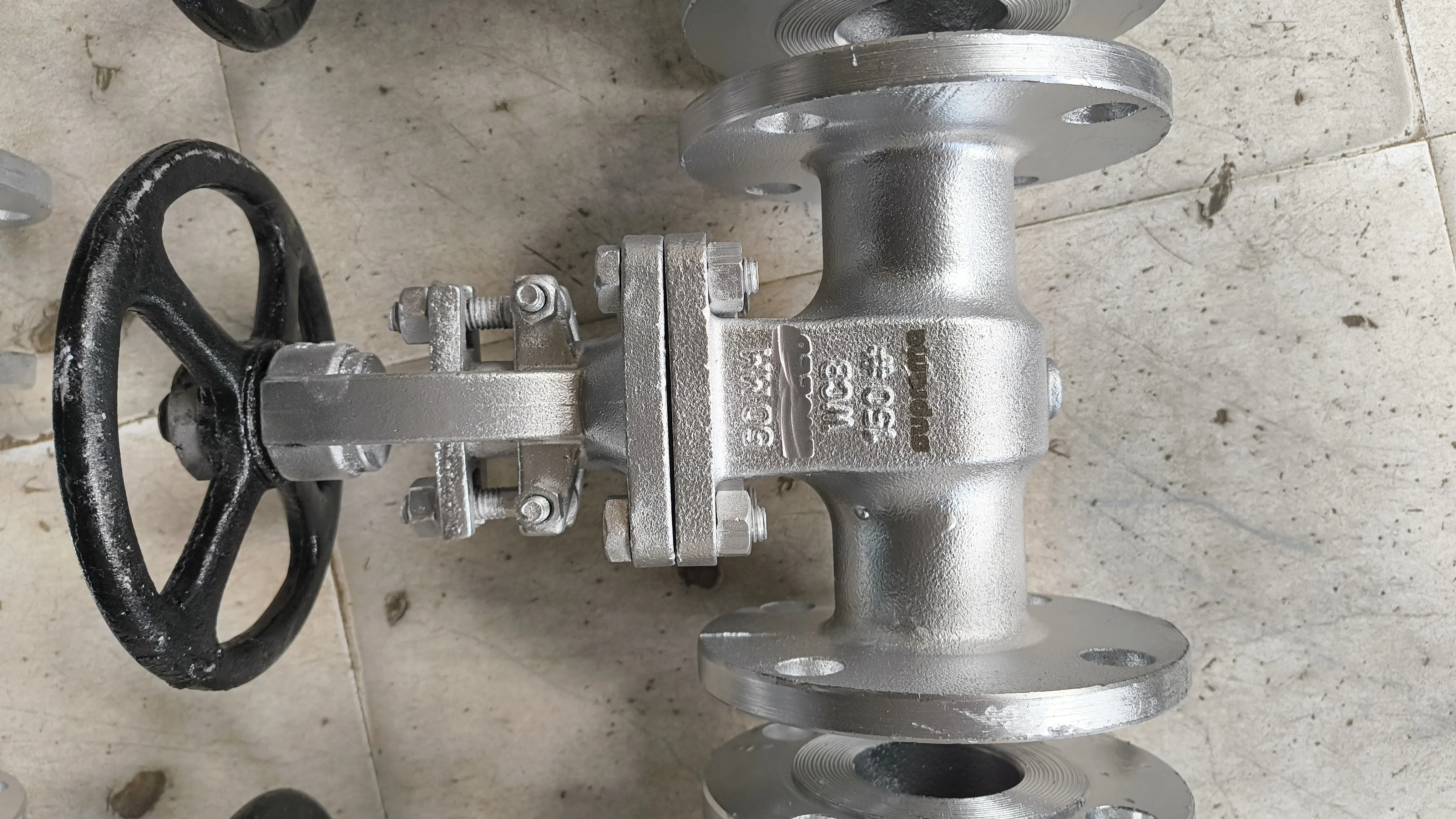
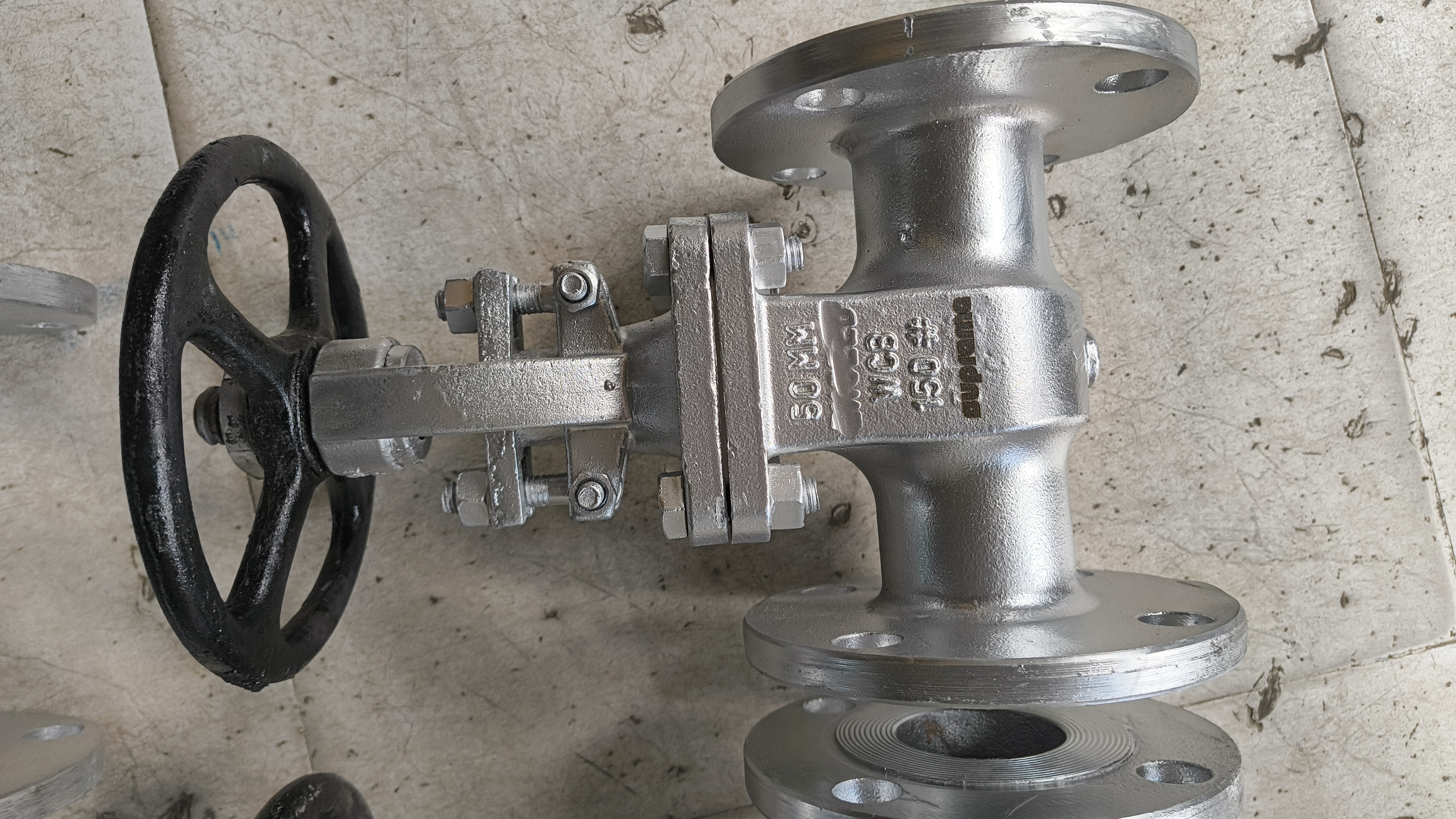
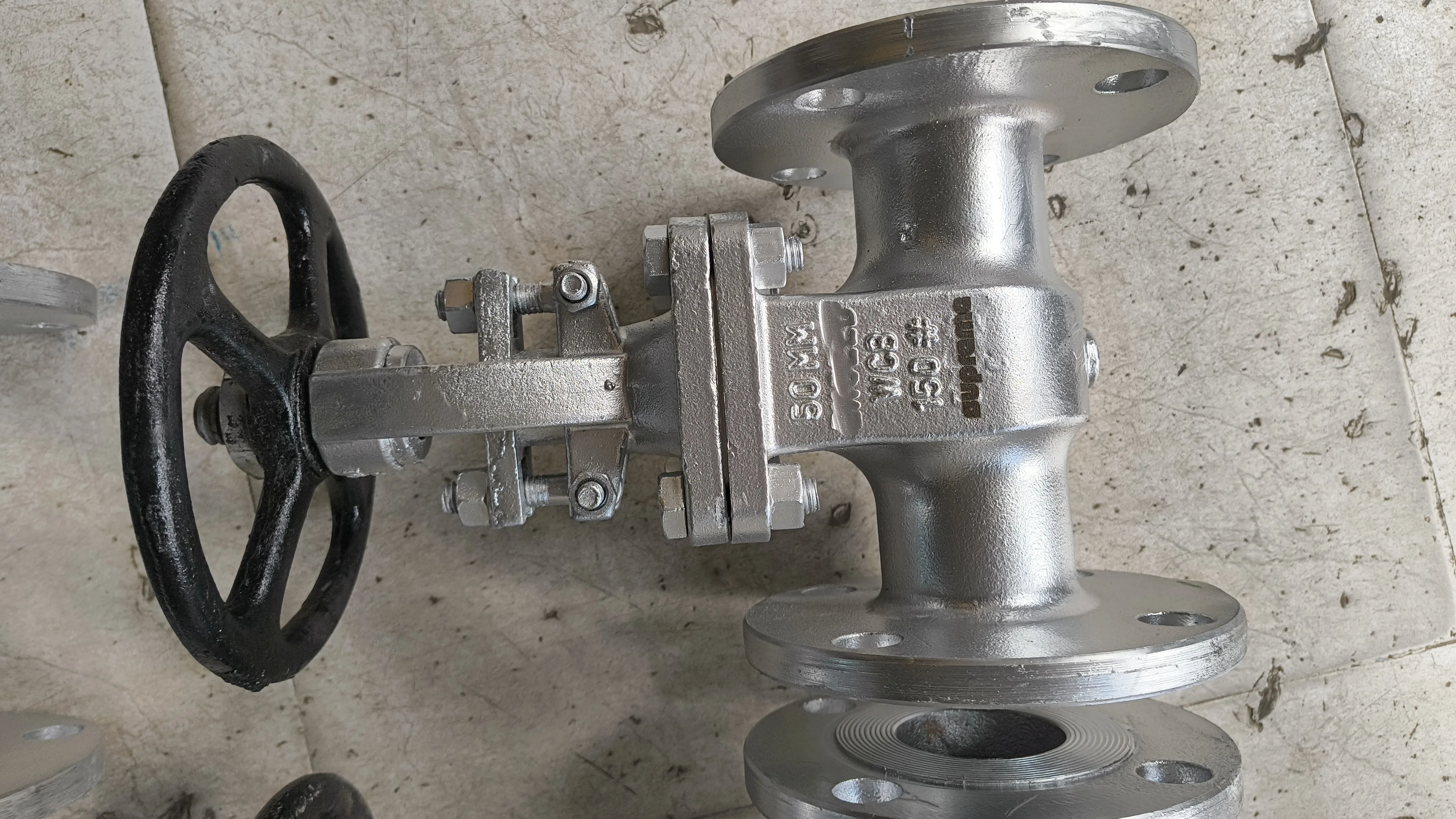
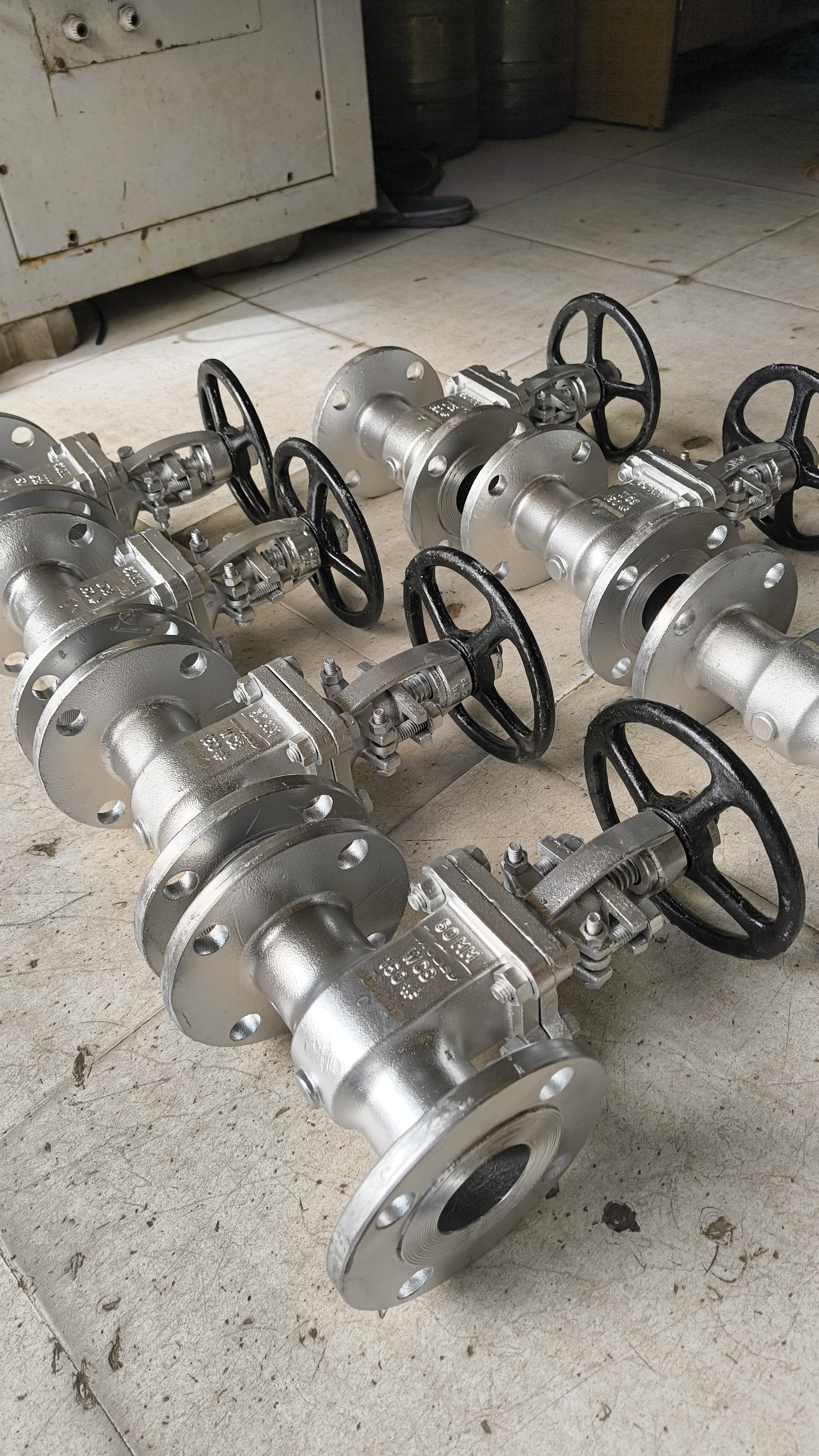
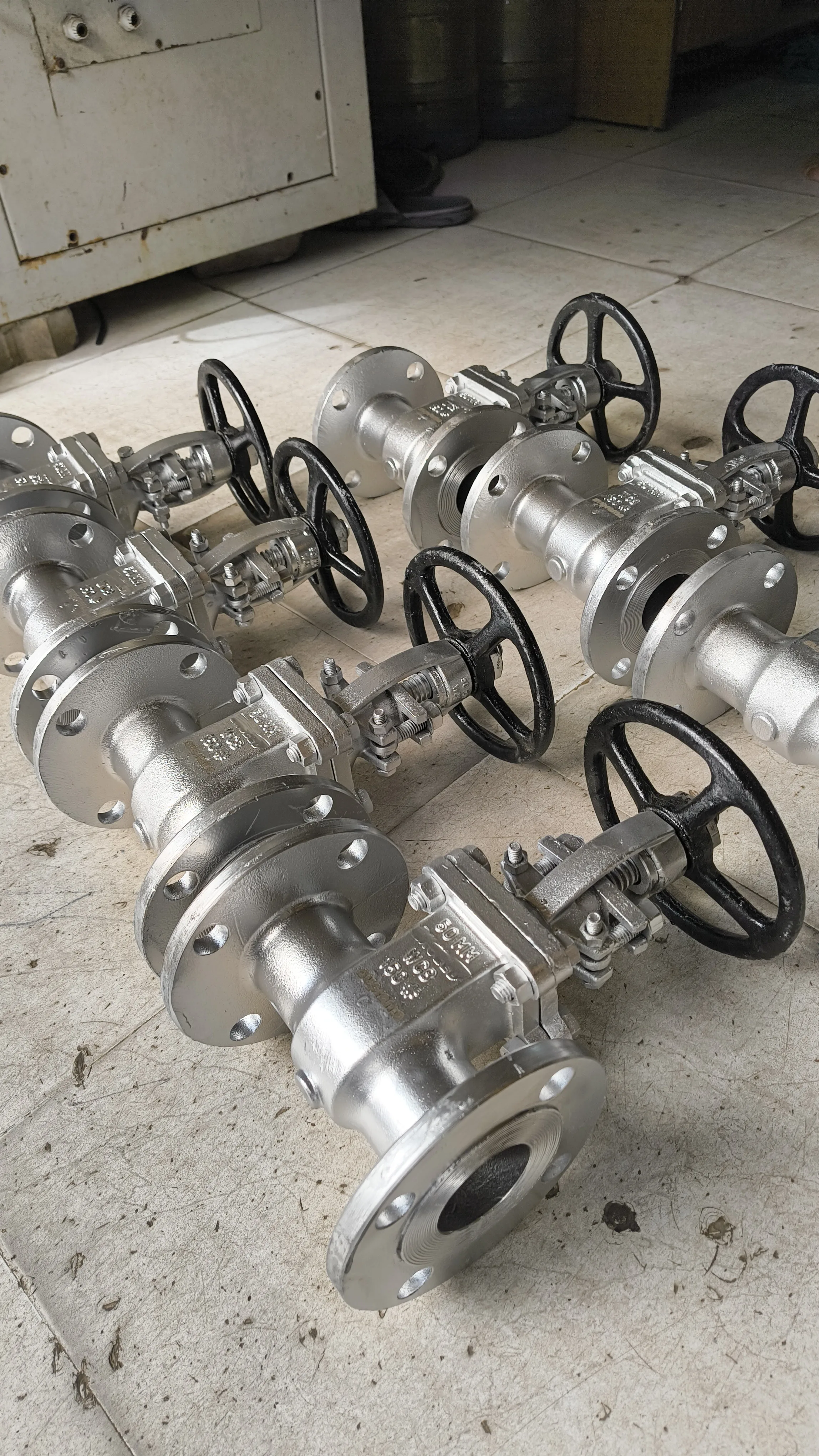
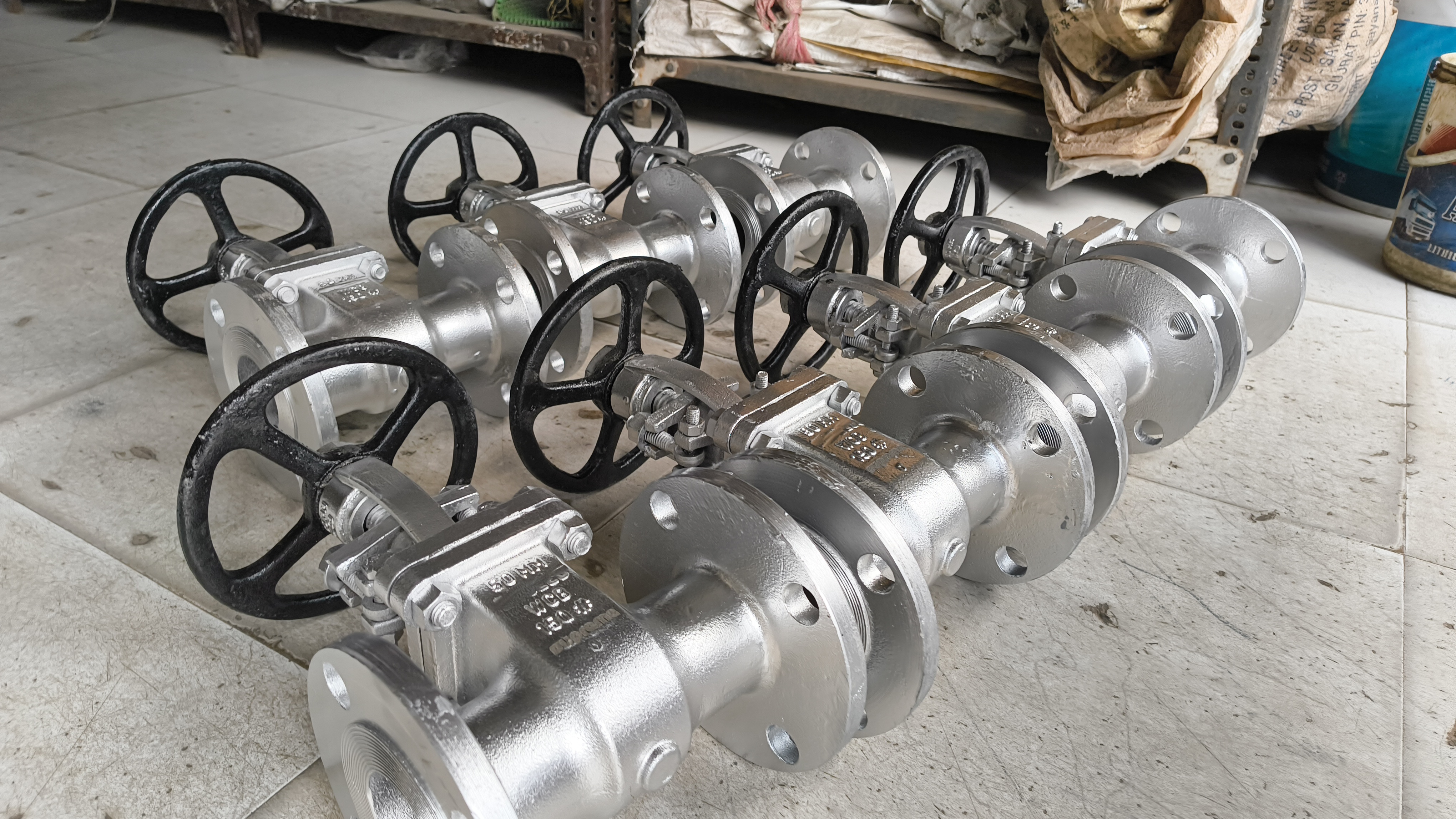
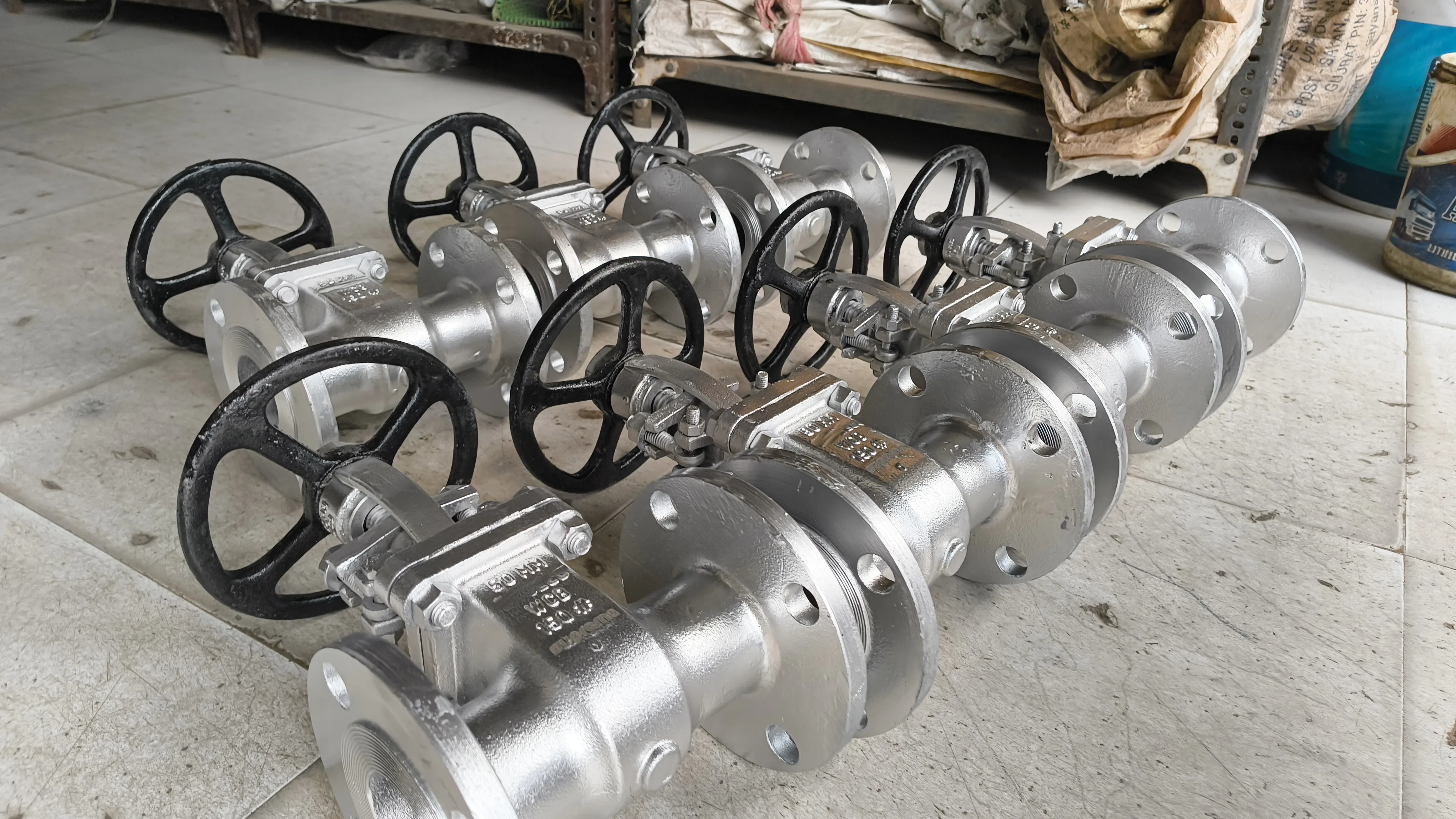
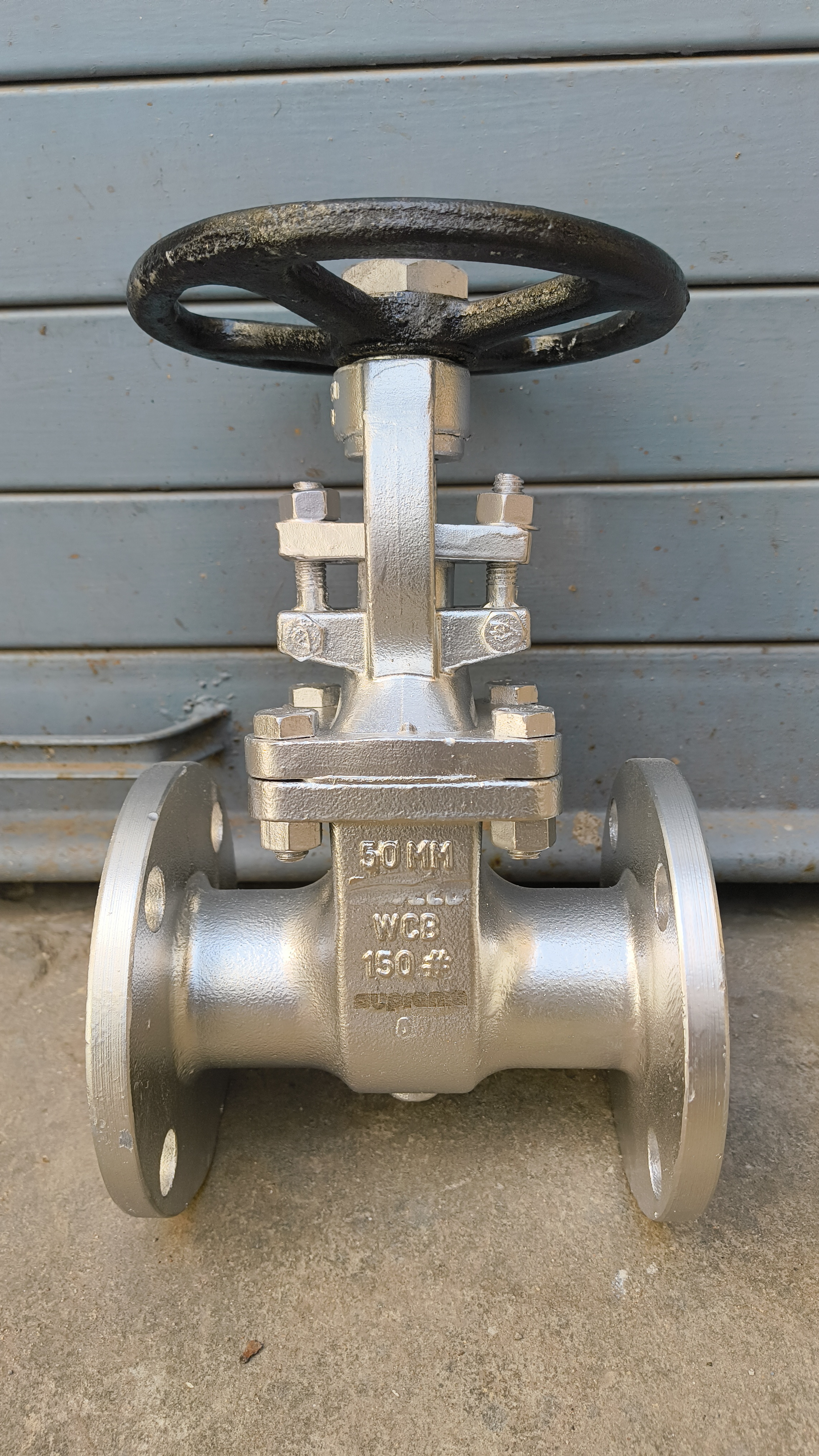
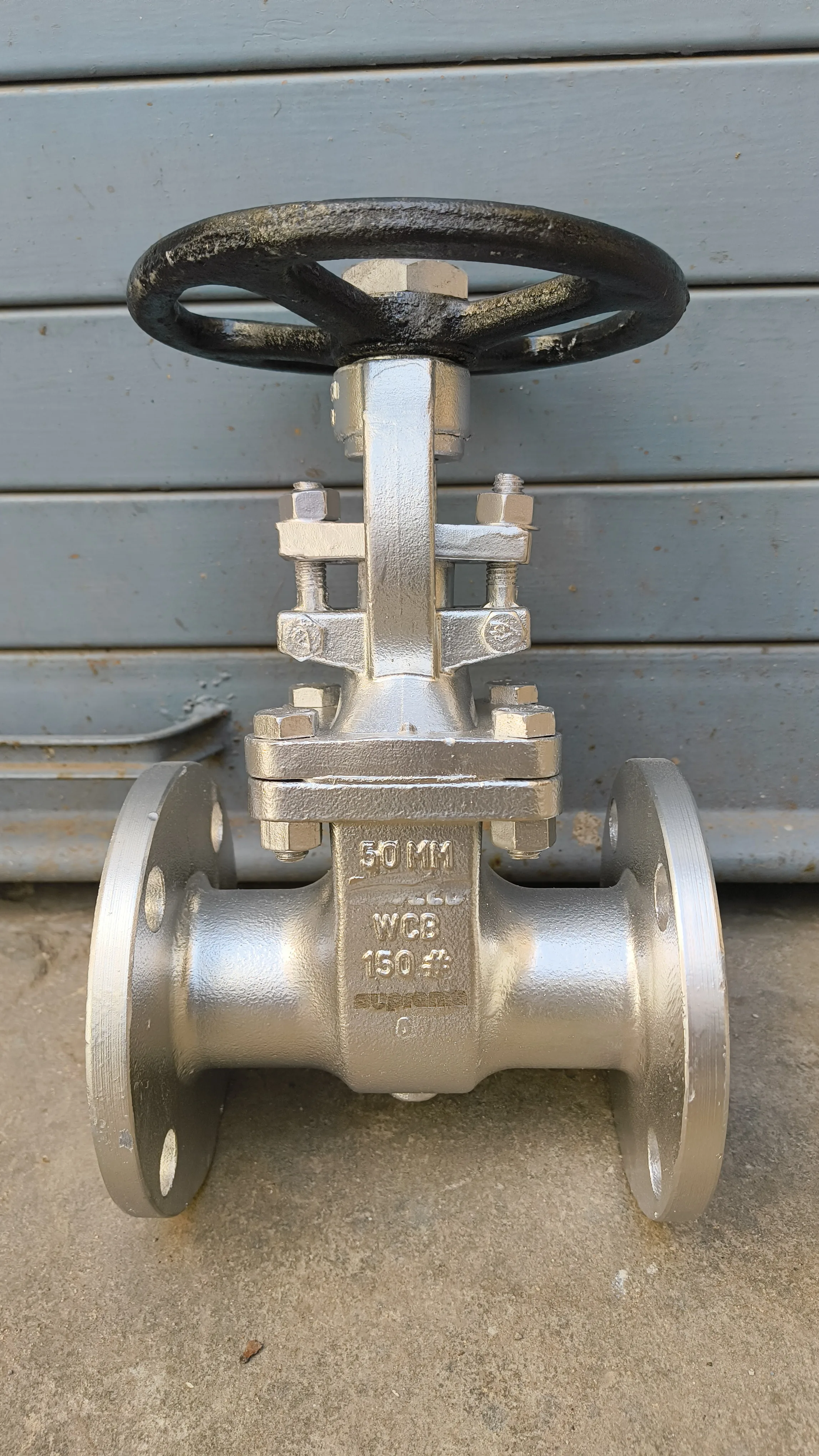
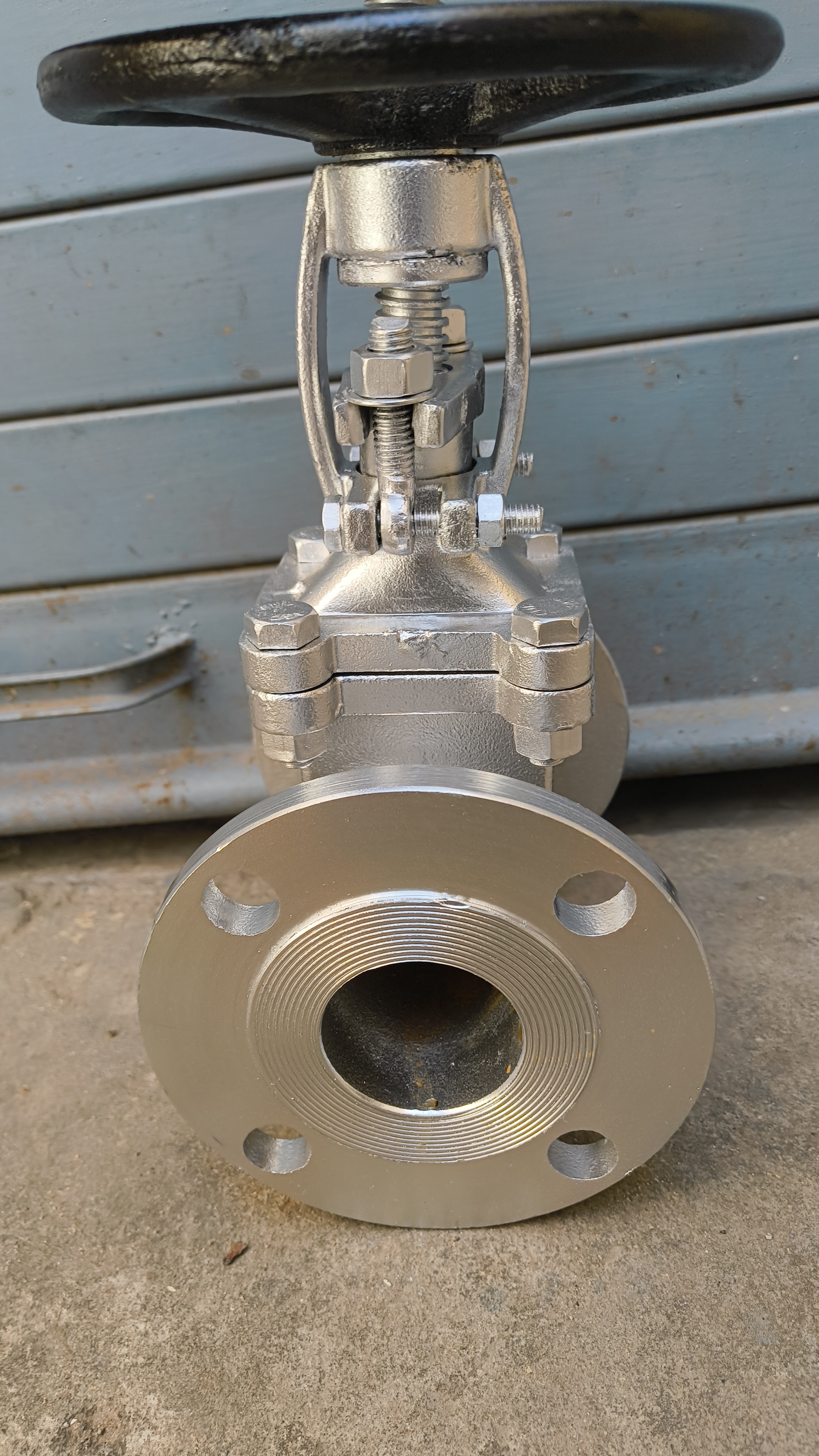
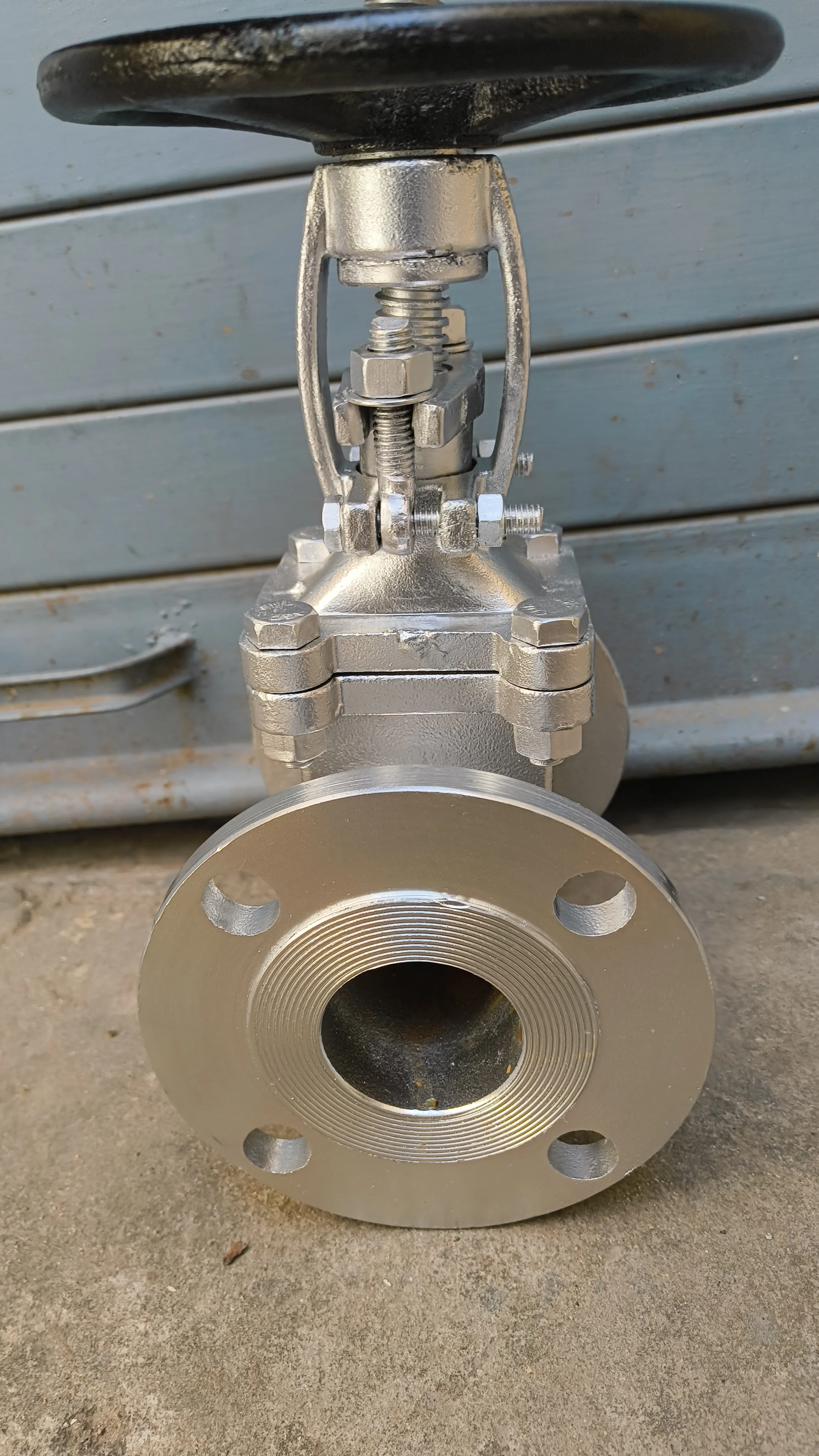
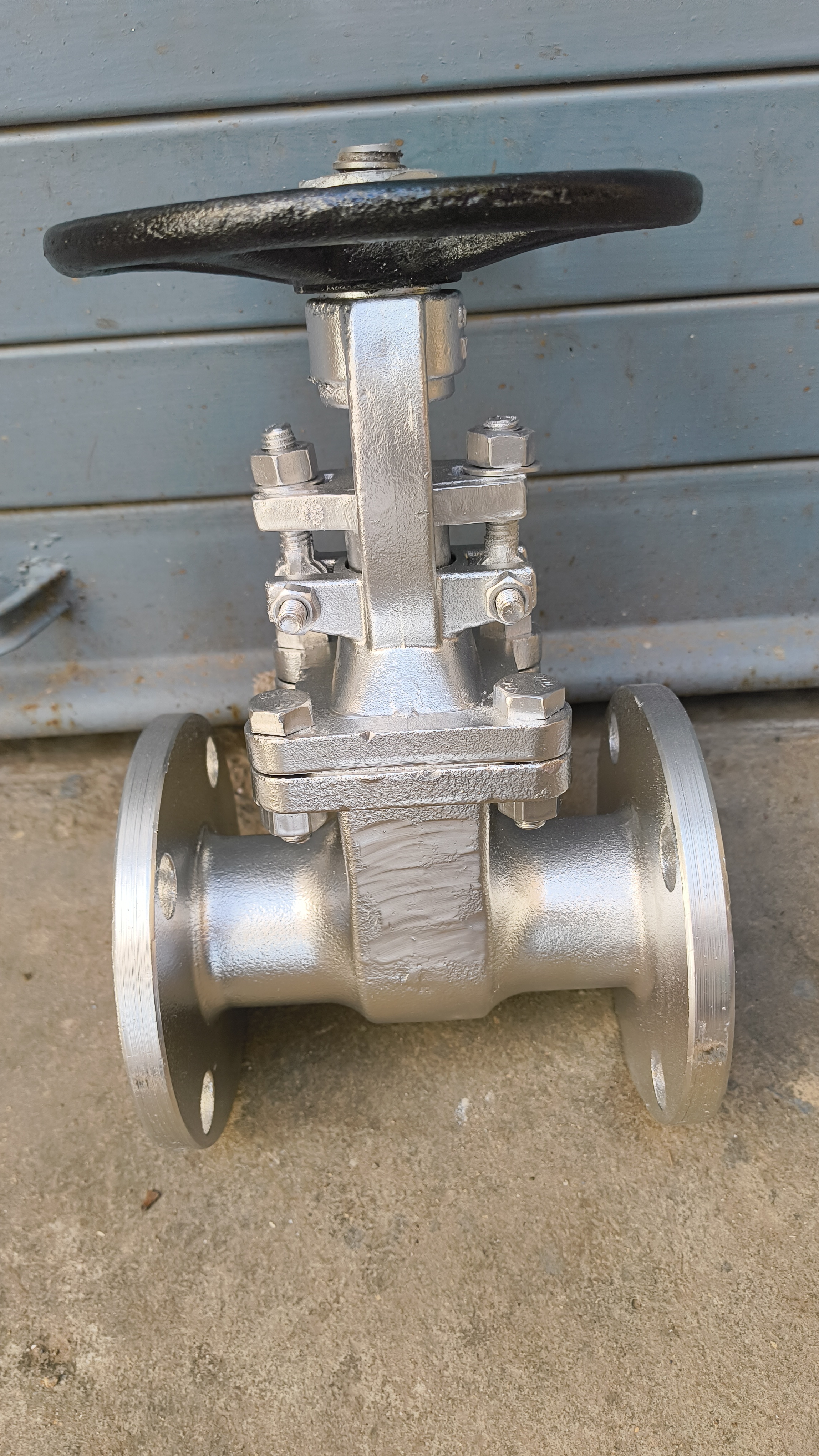
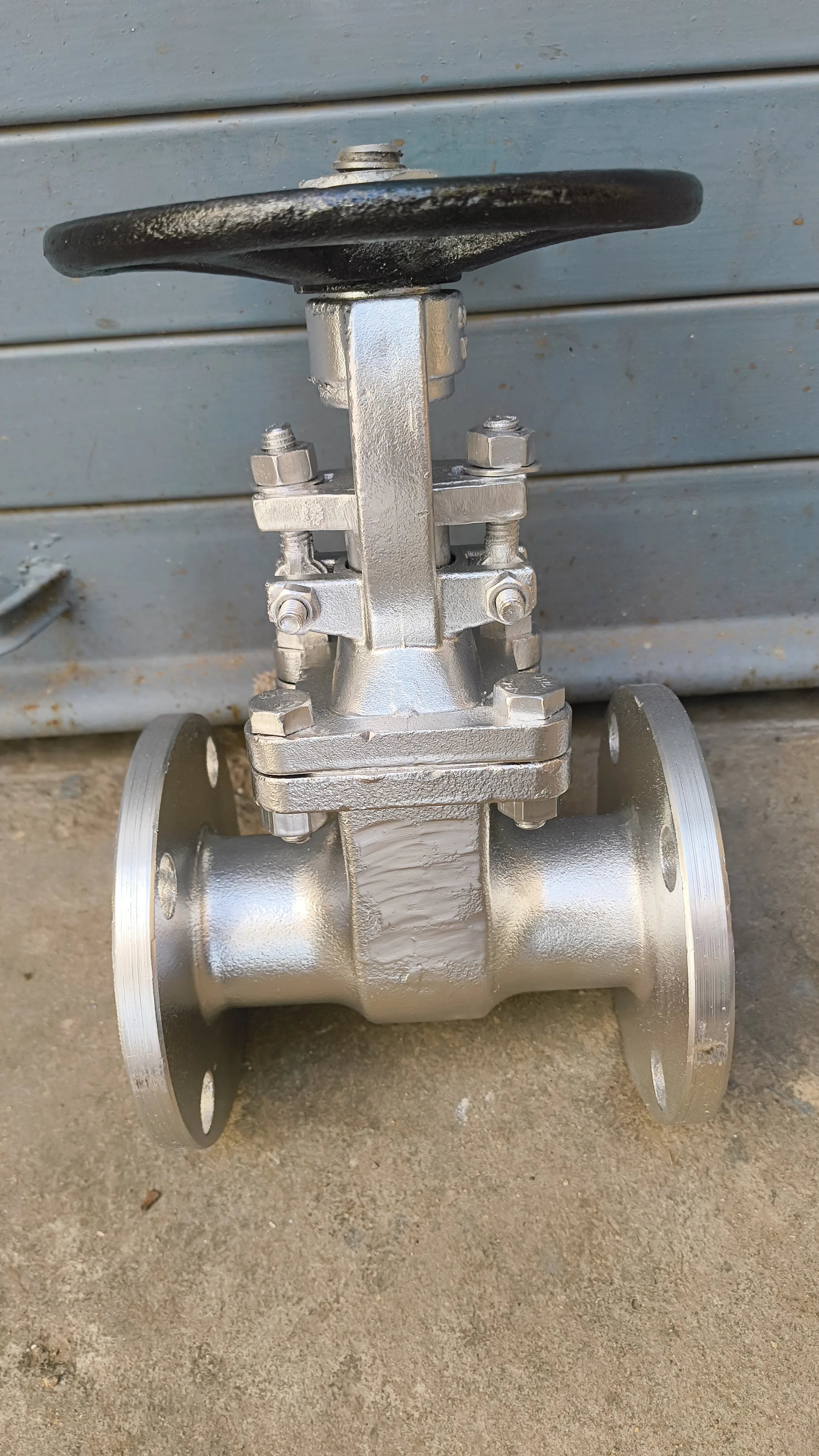
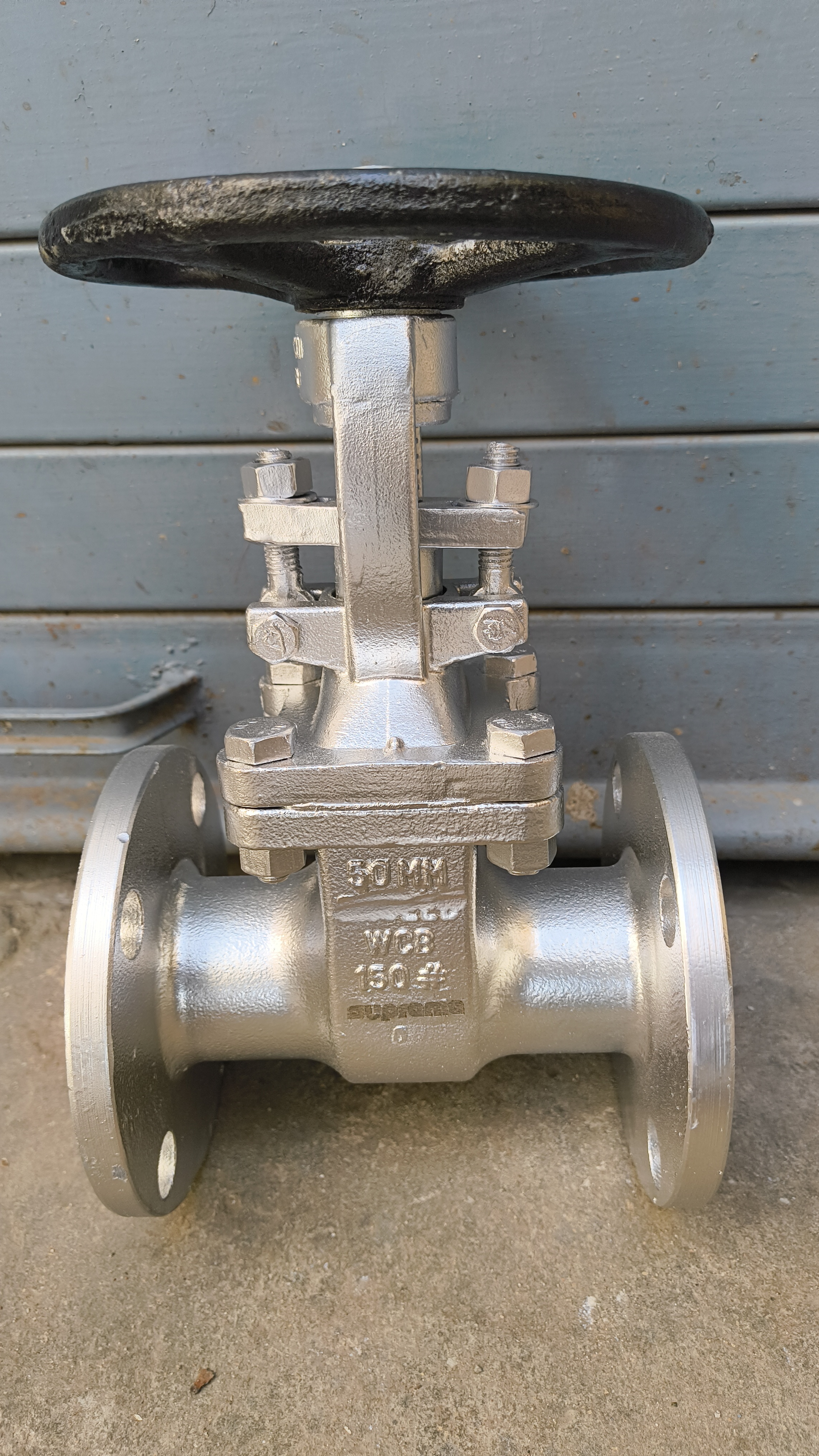
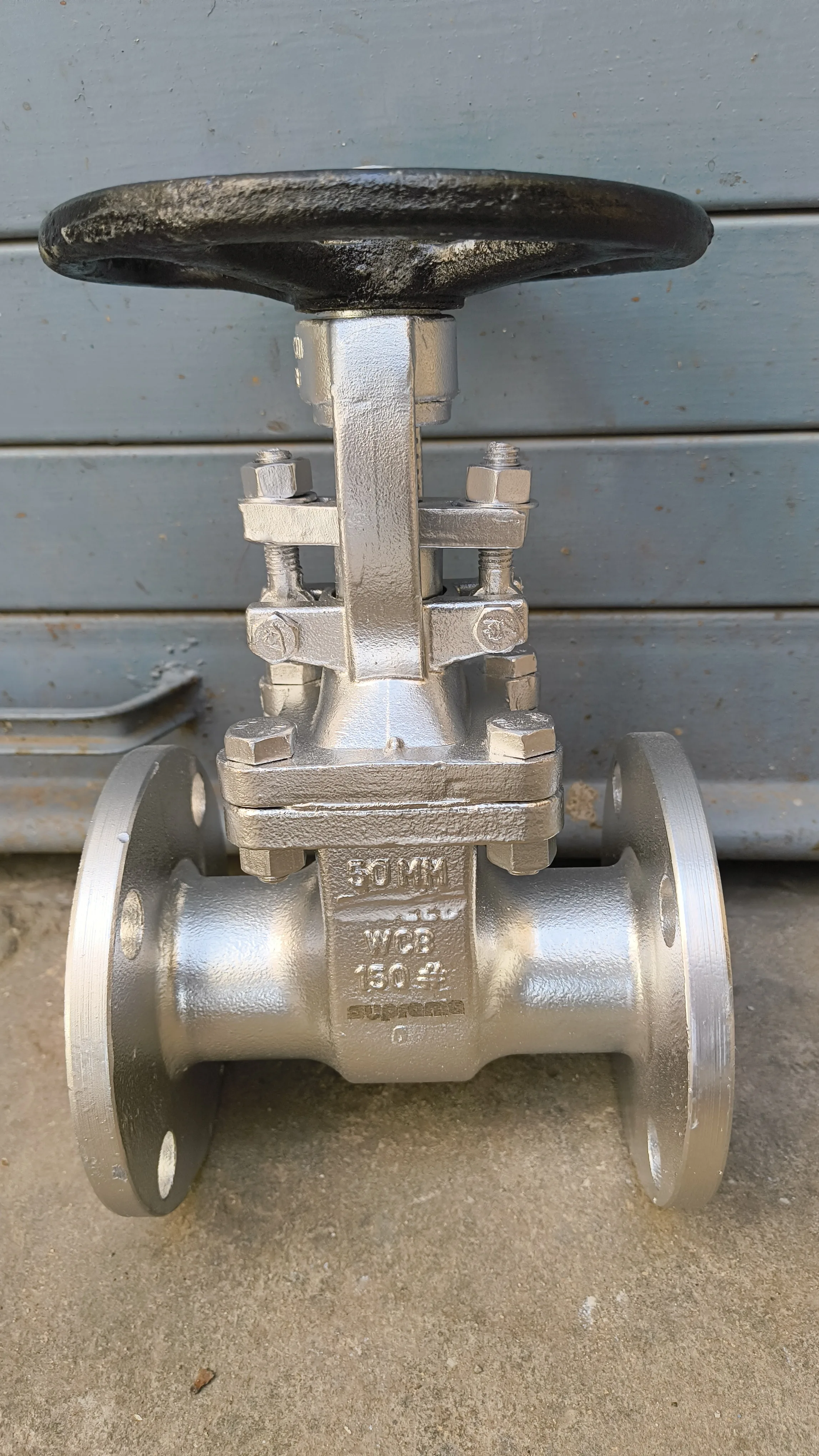
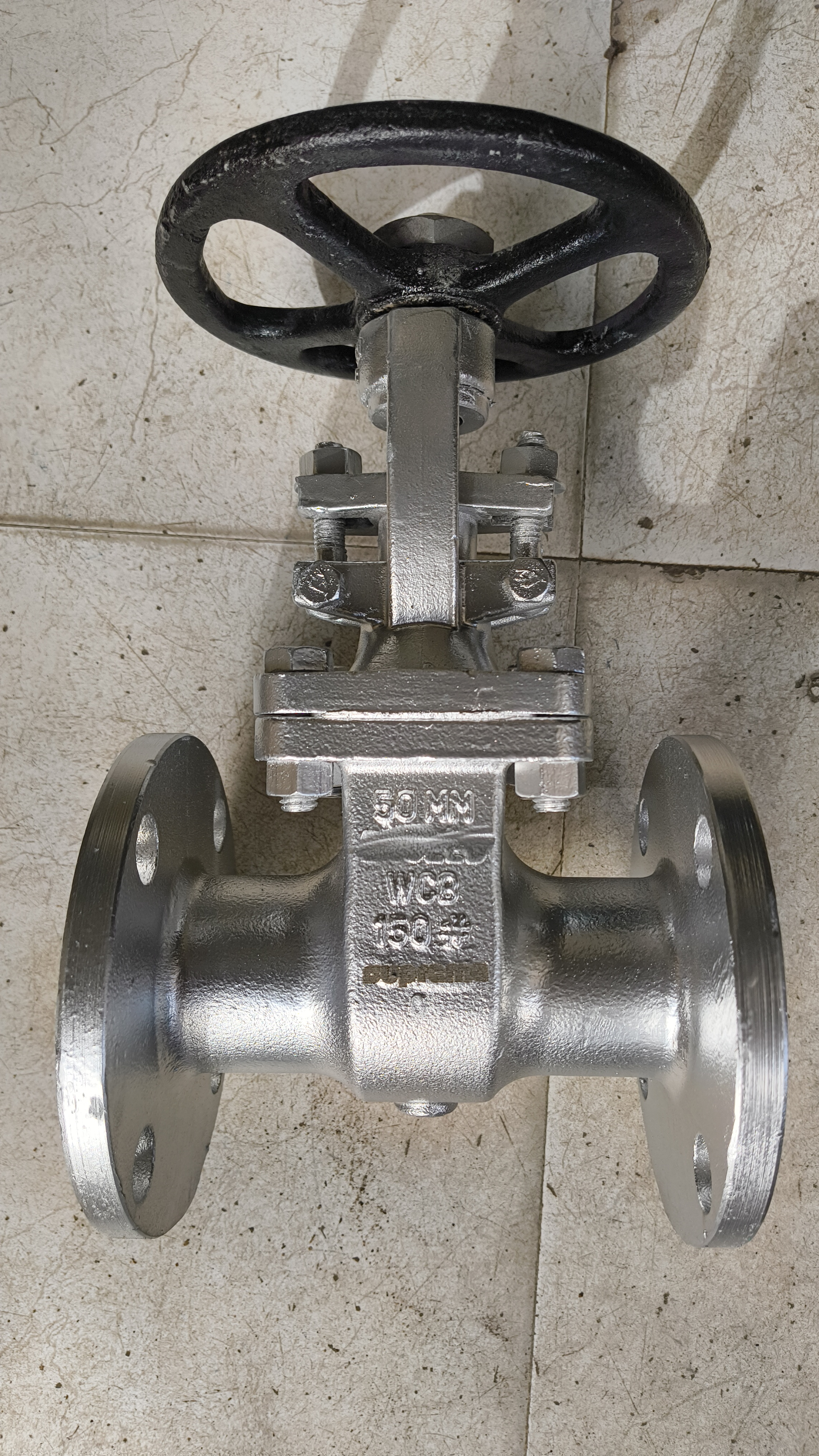
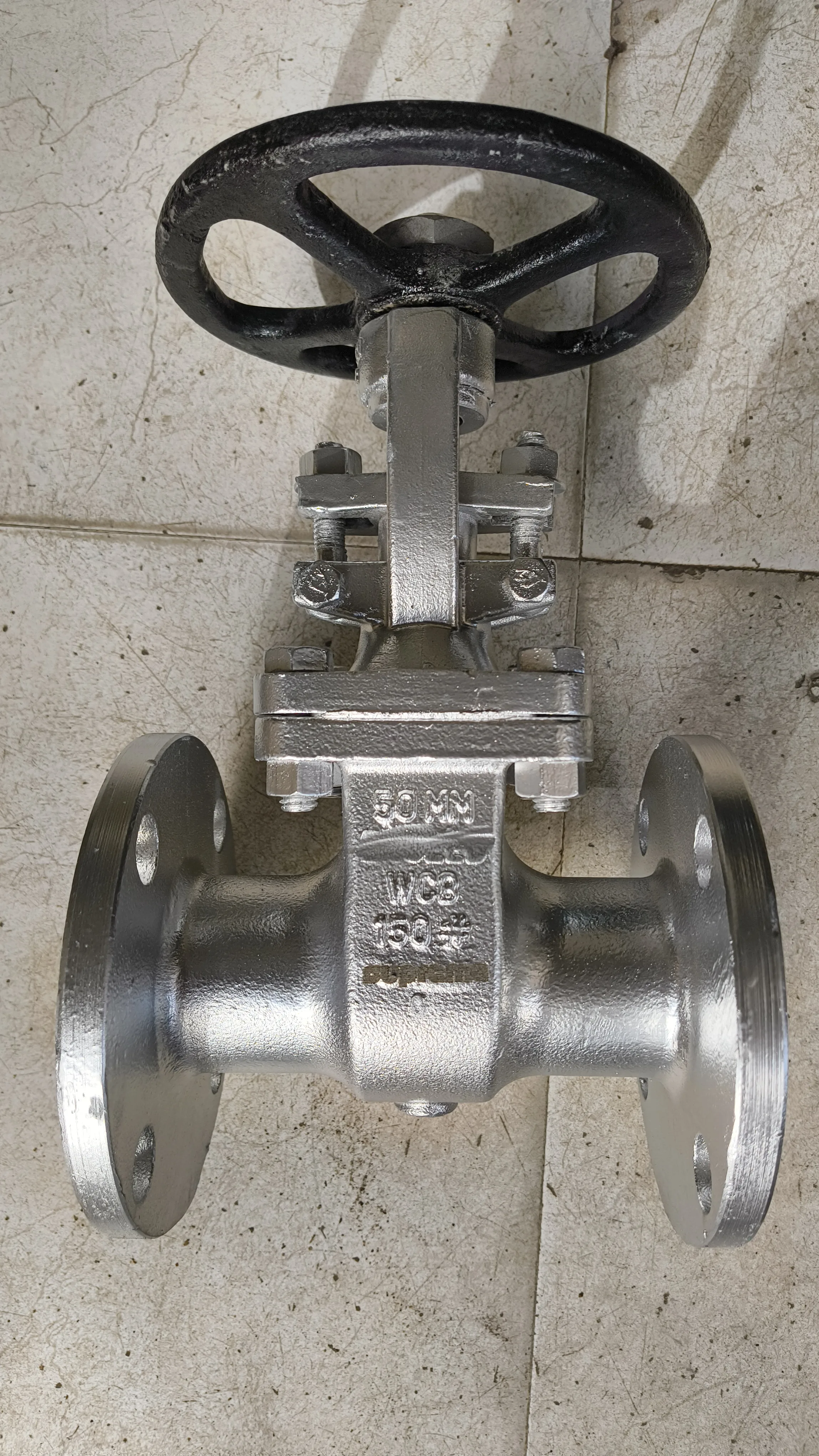

Titanium Valve -- Grade 2 / Grade 5 Seawater / Chemical
Titanium Grade 2 (UNS R50400, commercially pure) and Grade 5 (UNS R56400, Ti-6Al-4V alloy) valves for seawater, chlorine, hypochlorite, and oxidising acid service. Exceptional corrosion resistance, strength-to-weight ratio, and immunity to galvanic corrosion. Gate, globe, ball, and check valve types. API 600 / API 608 / ASME B16.34 / NACE MR0175 compliant.
Key Applications
Technical Specifications
Material Options
Carbon Steel
ASTM A216 WCB, A105, A350 LF2
Stainless Steel
SS304, SS316, SS316L, SS321, SS347
Alloy Steel
ASTM A217 WC6, WC9, C5, C12
Duplex Steel
F51, F53, F55, Super Duplex
Exotic Alloys
Monel, Hastelloy, Inconel, Titanium
Bronze & Brass
Gunmetal, Aluminum Bronze, Naval Brass
Purchase Options
Features & Benefits
High Performance
Designed for reliable operation under demanding conditions with minimal maintenance requirements.
Quality Assurance
Complete material traceability, mill test certificates, and compliance with international standards.
Wide Application Range
Suitable for Seawater / Marine, Chlorine / Hypochlorite, Chemical Processing, Desalination and many other industrial applications.
Expert Support
Technical assistance for valve selection, sizing, and application engineering from our experienced team.
Request a Quote
Your enquiry is pre-filled with this specification. Add contact details and quantity and our engineering team responds within one working day with price and delivery.
Prefer to talk first? WhatsApp or email info@supremevalves.in