
10
Quarter-Turn Valves

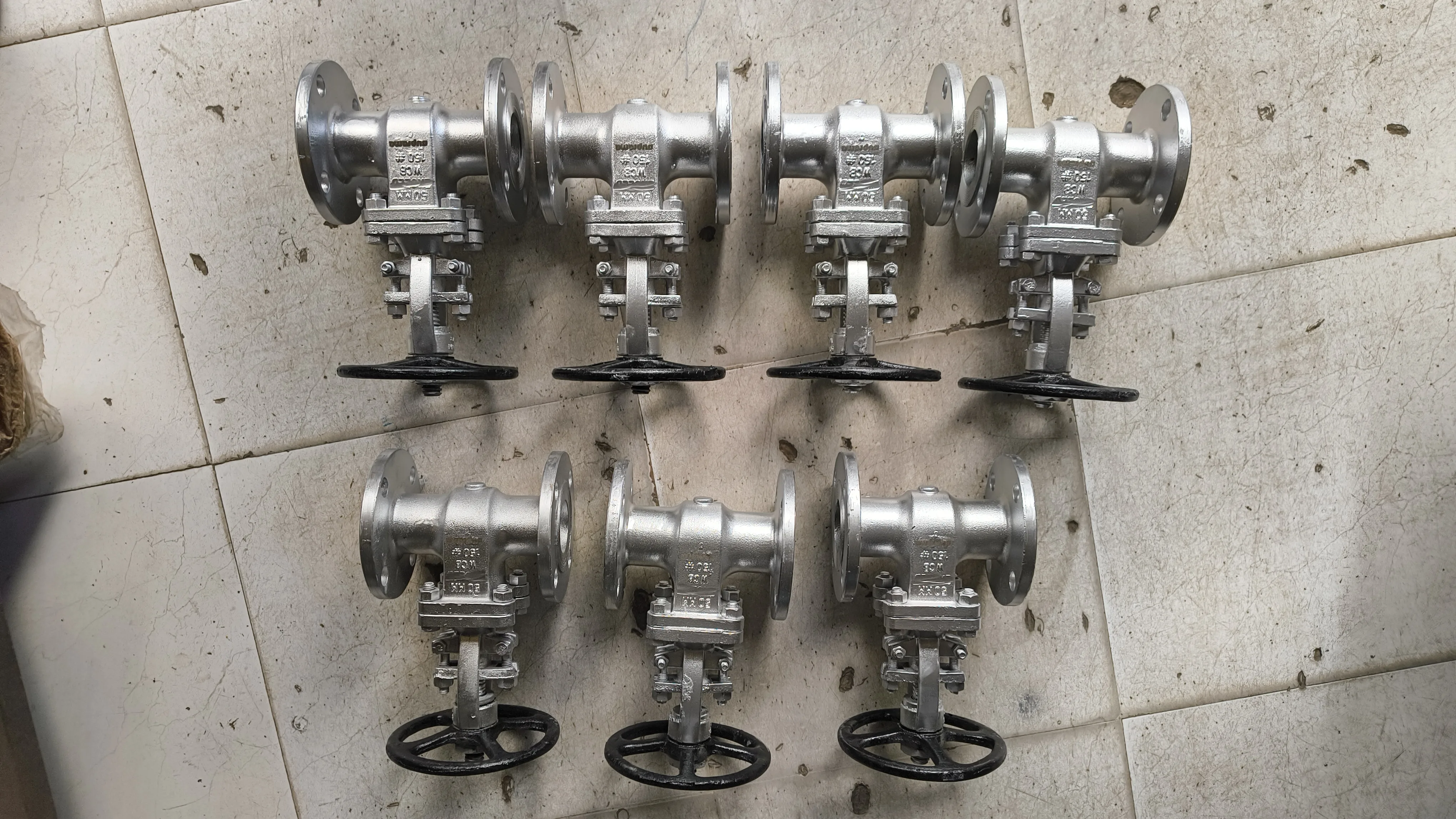
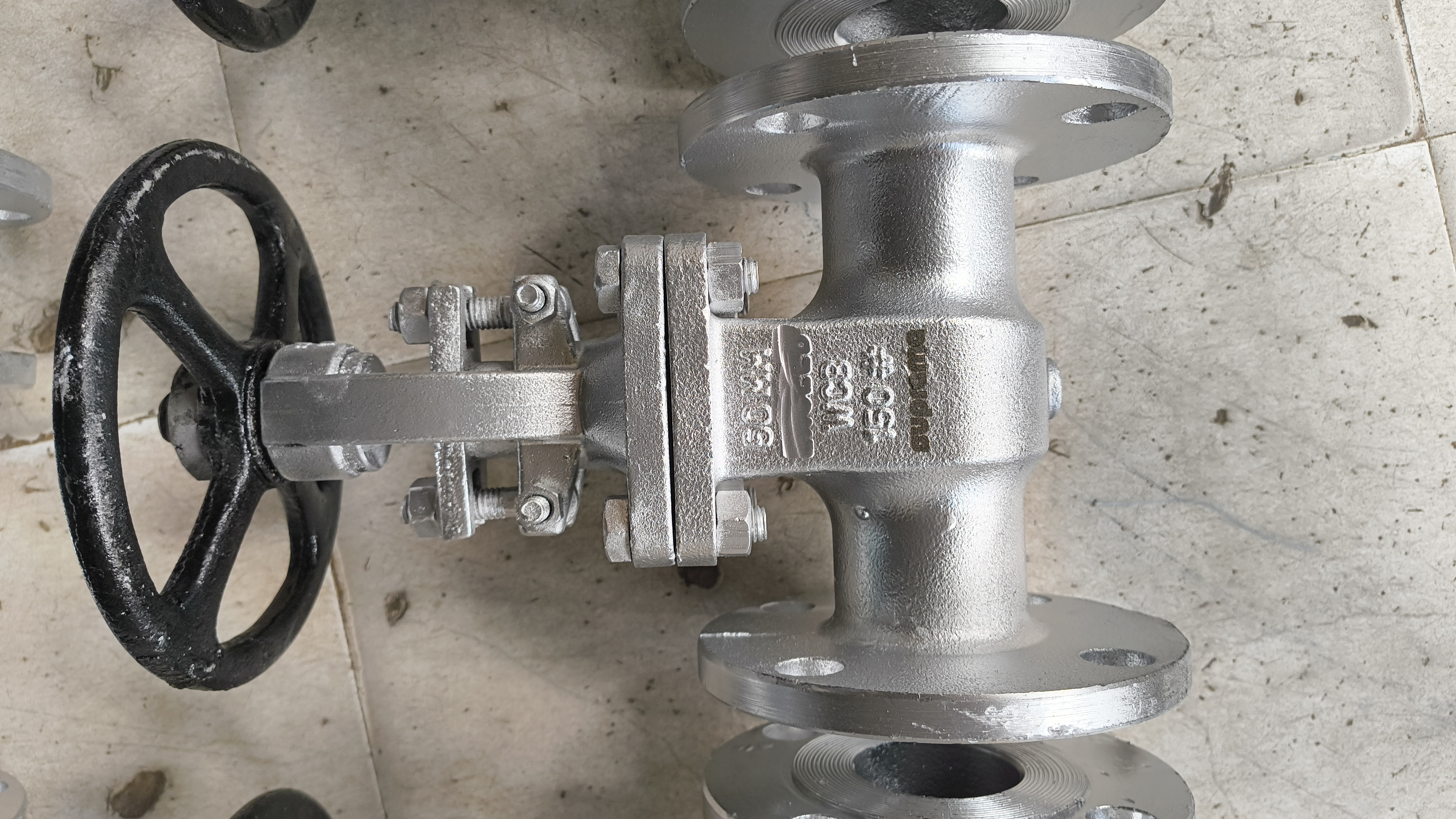
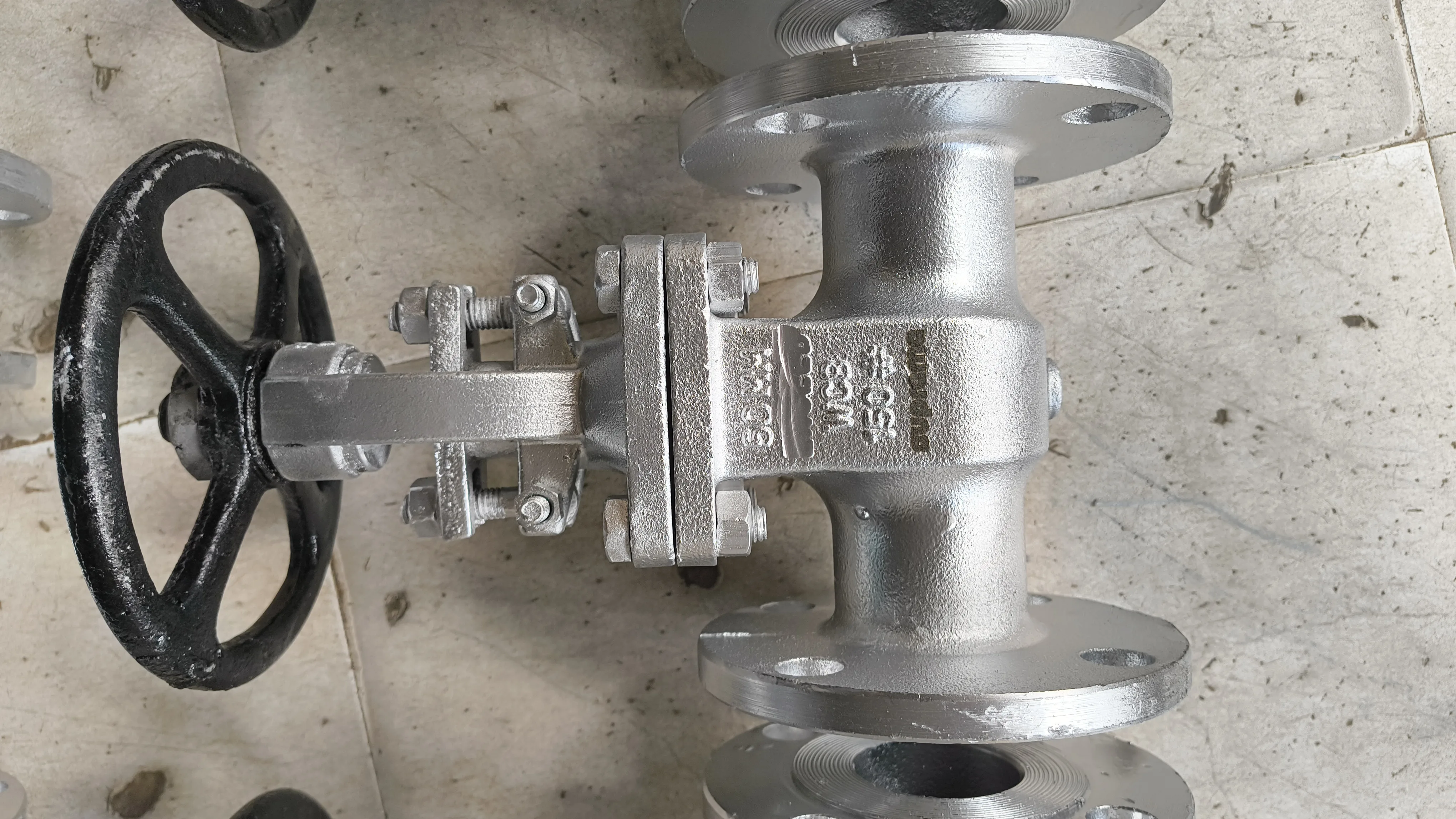
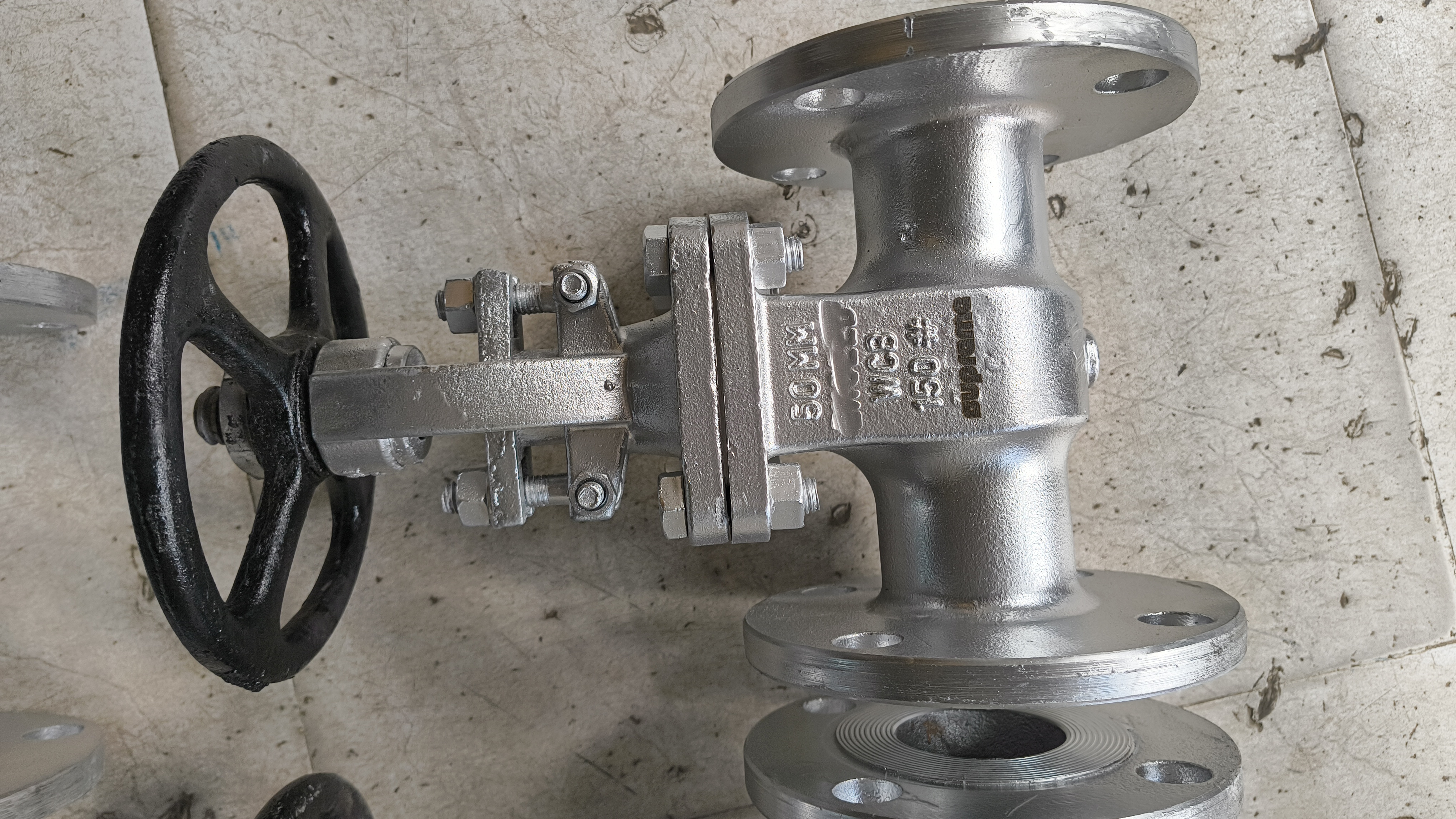
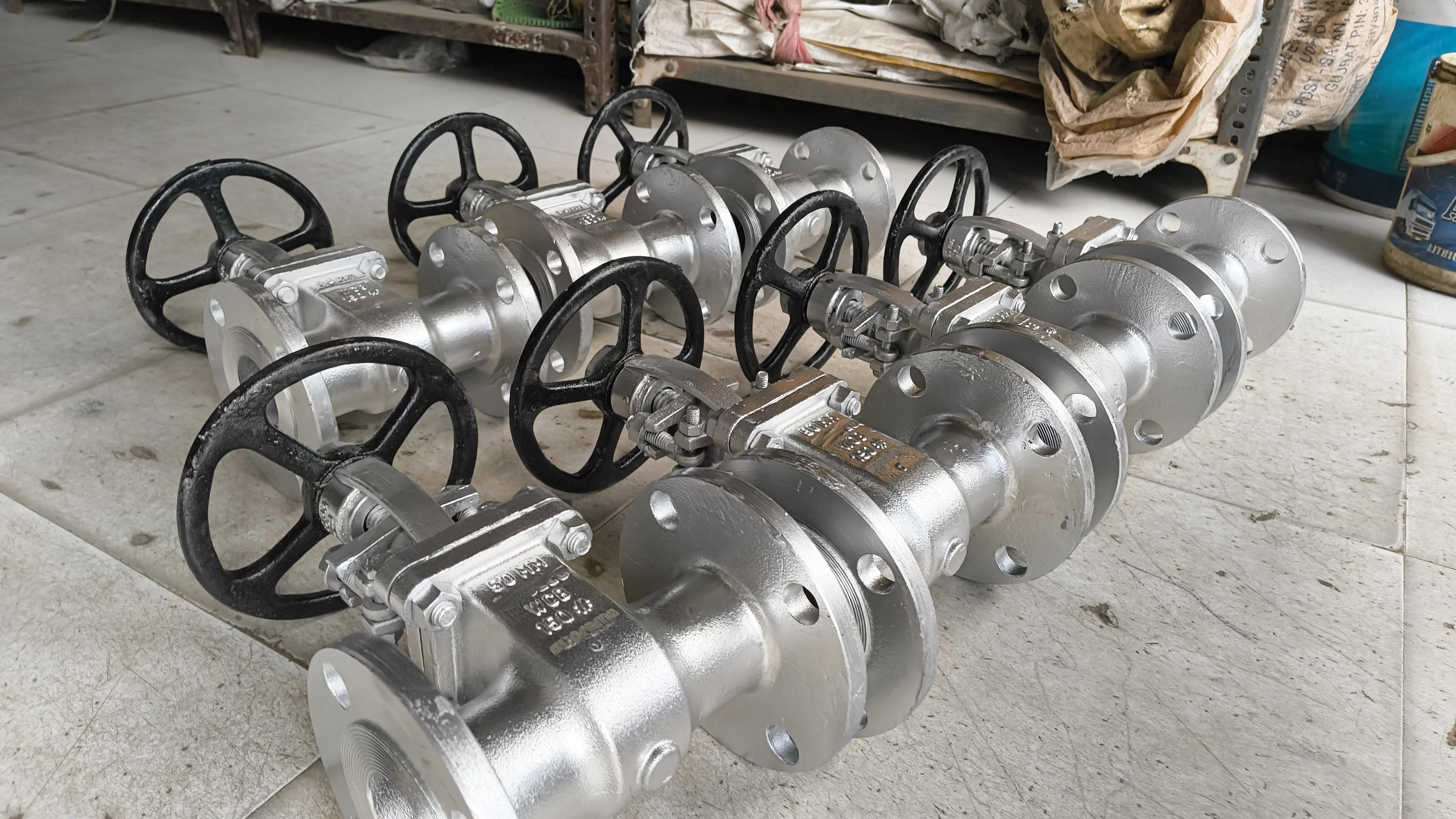
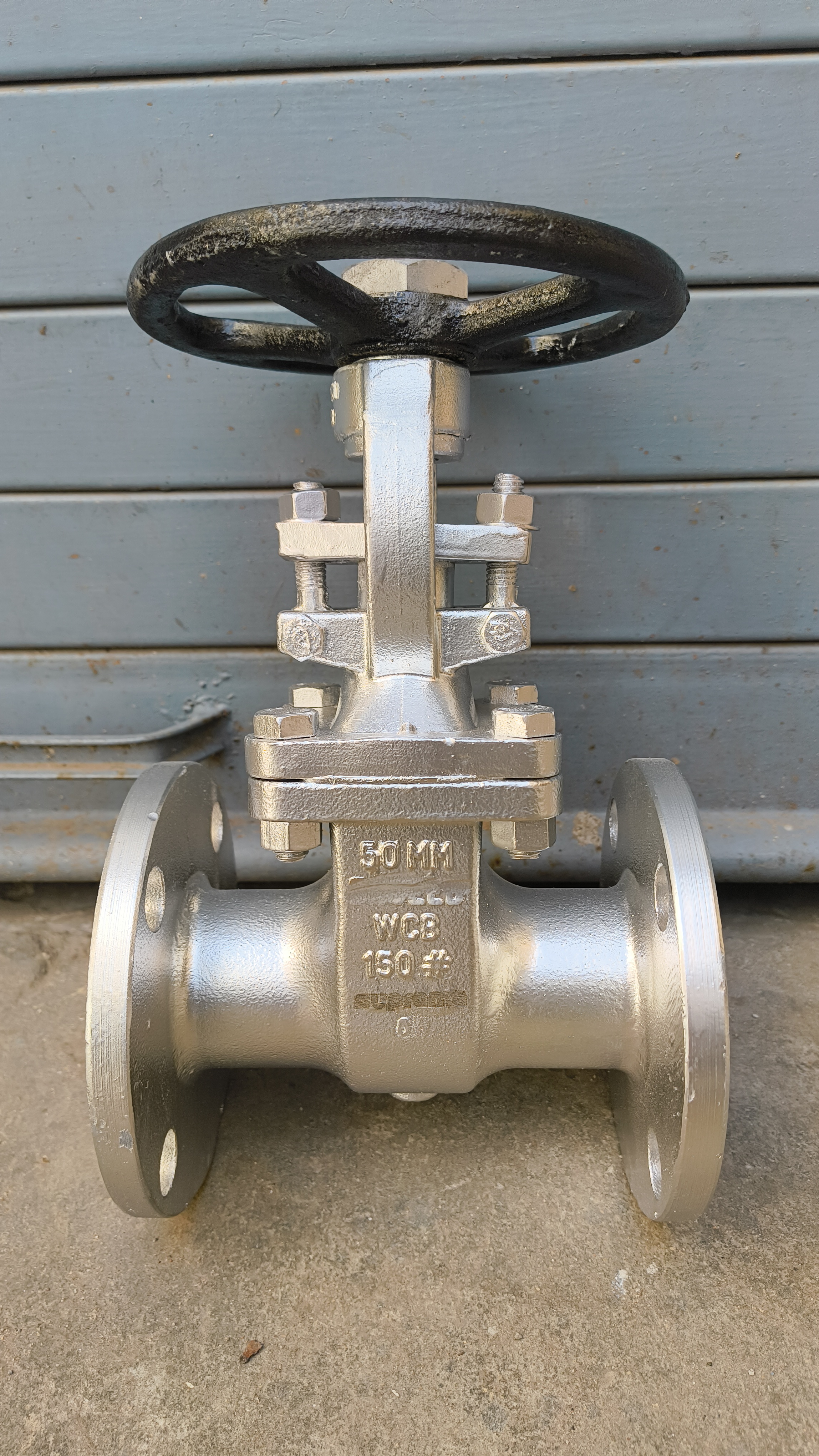
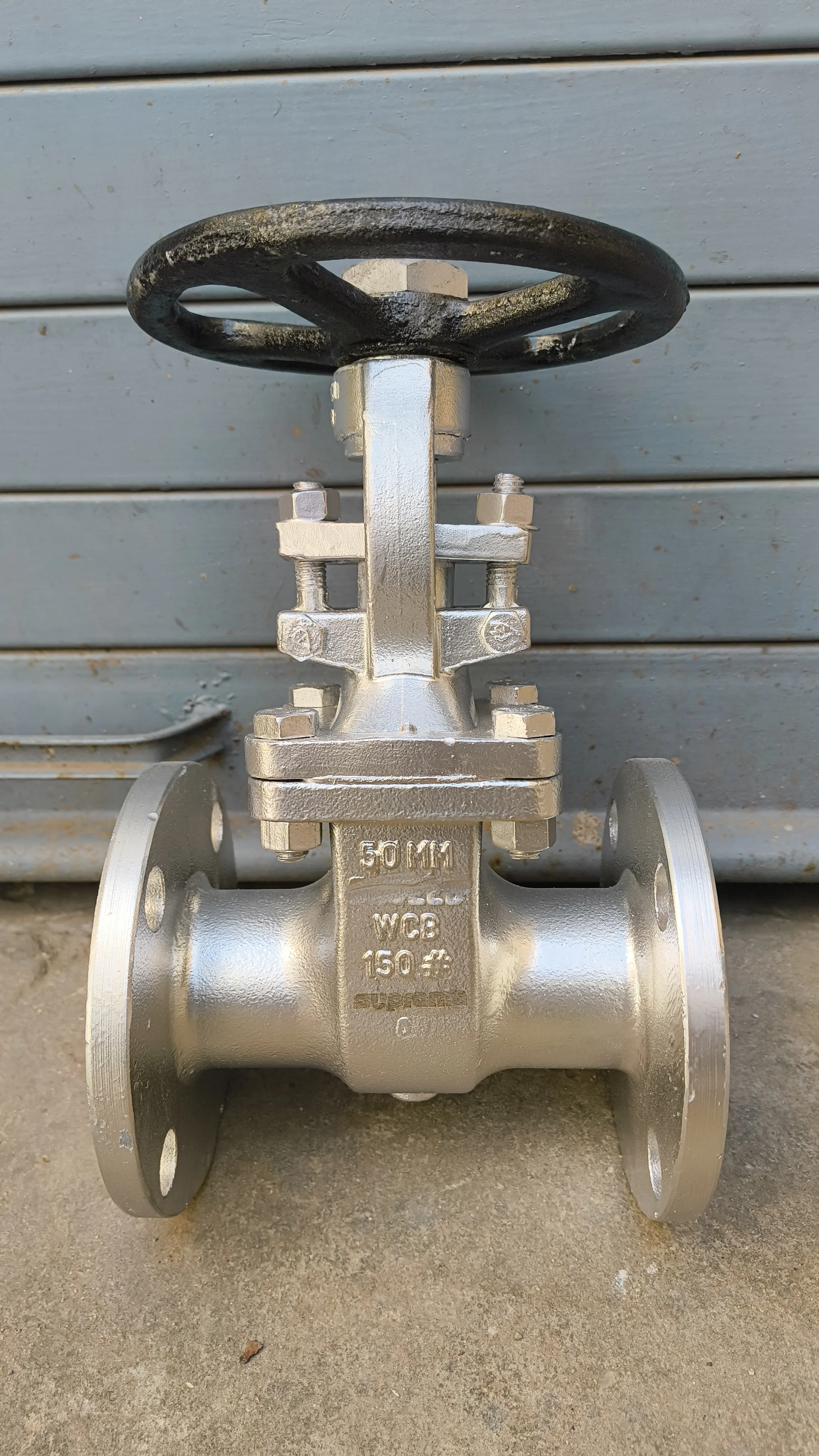
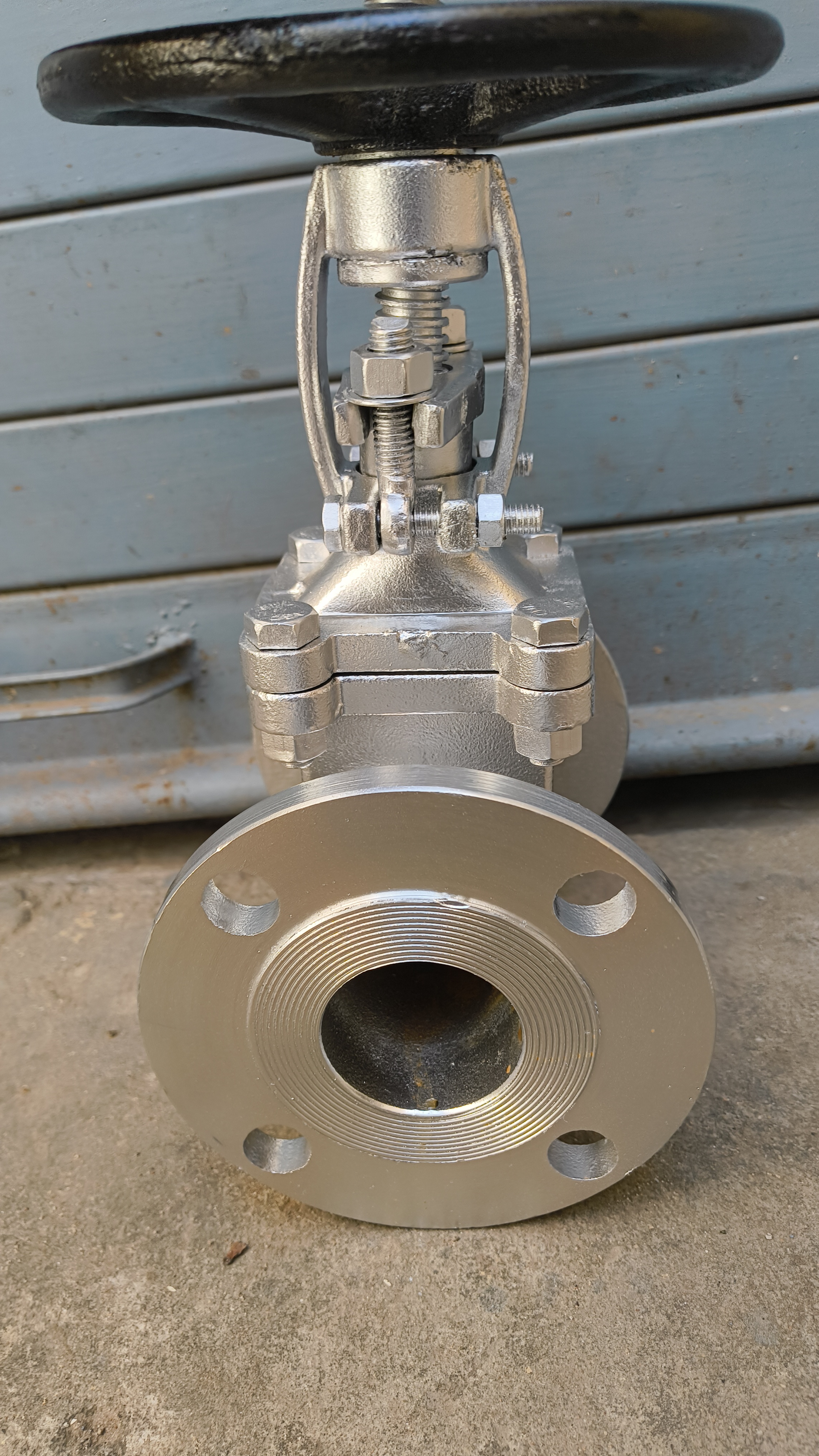
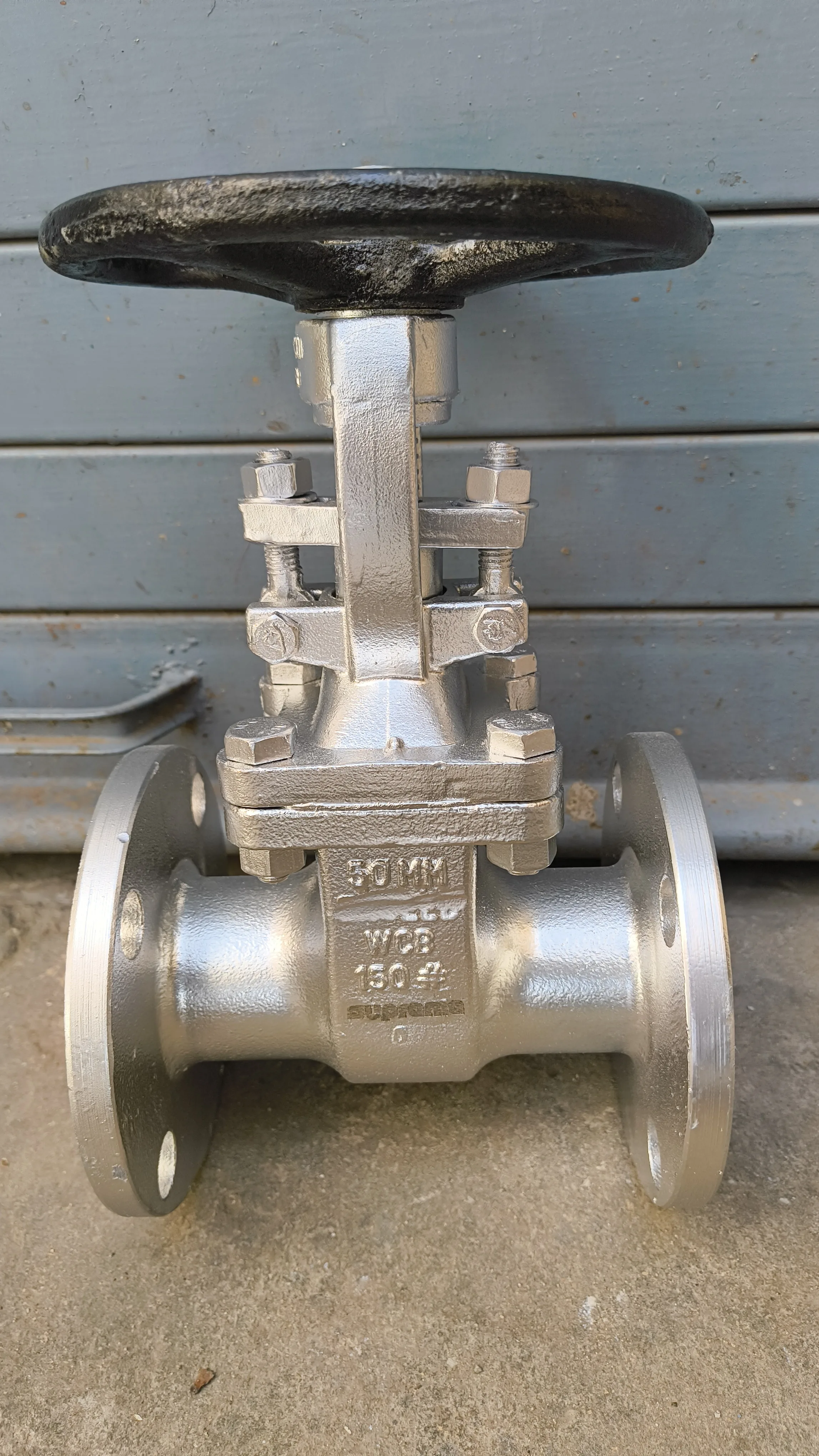
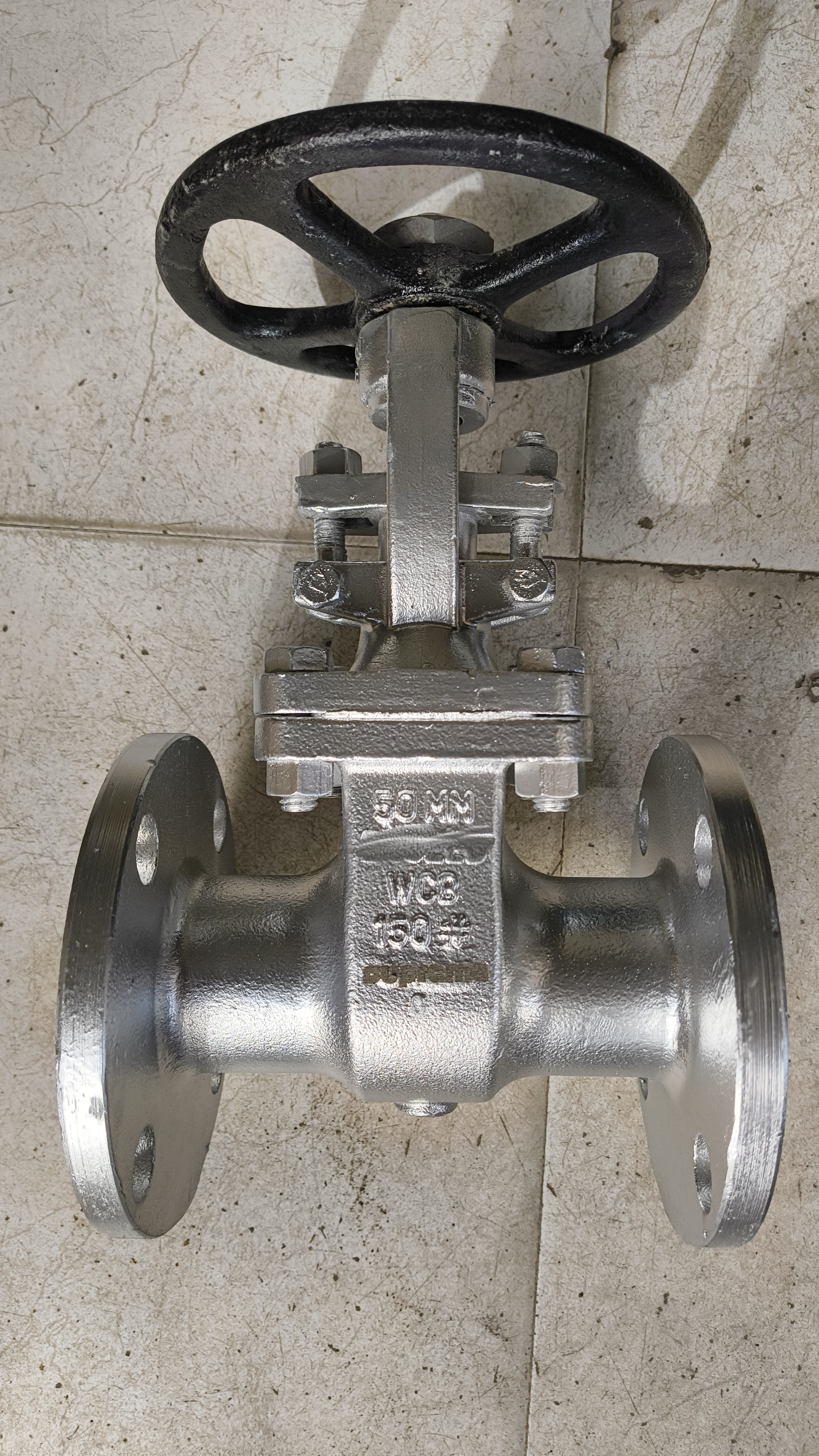
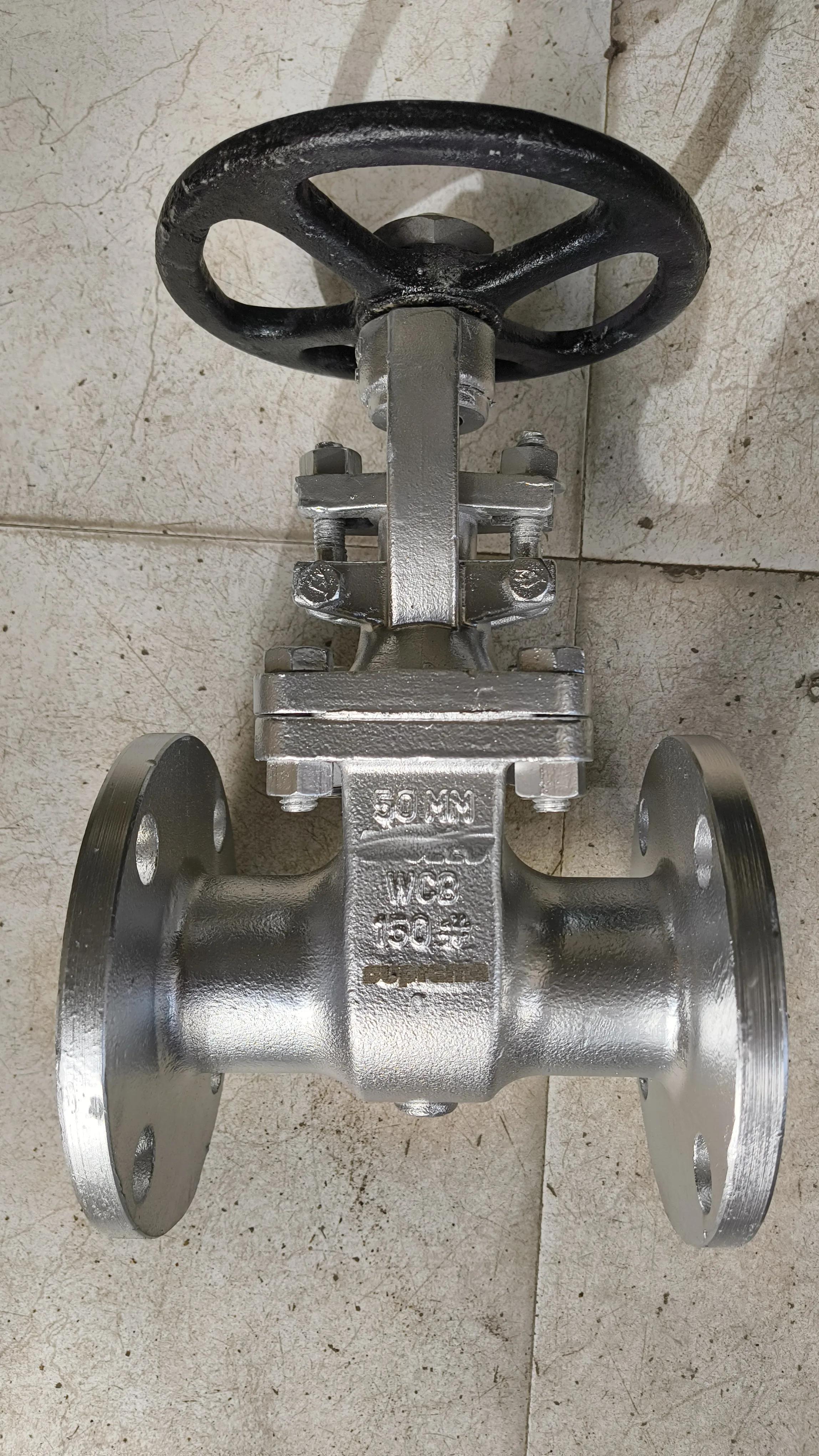
10" Triple Offset Butterfly Valve ASME B16.5 Class 150

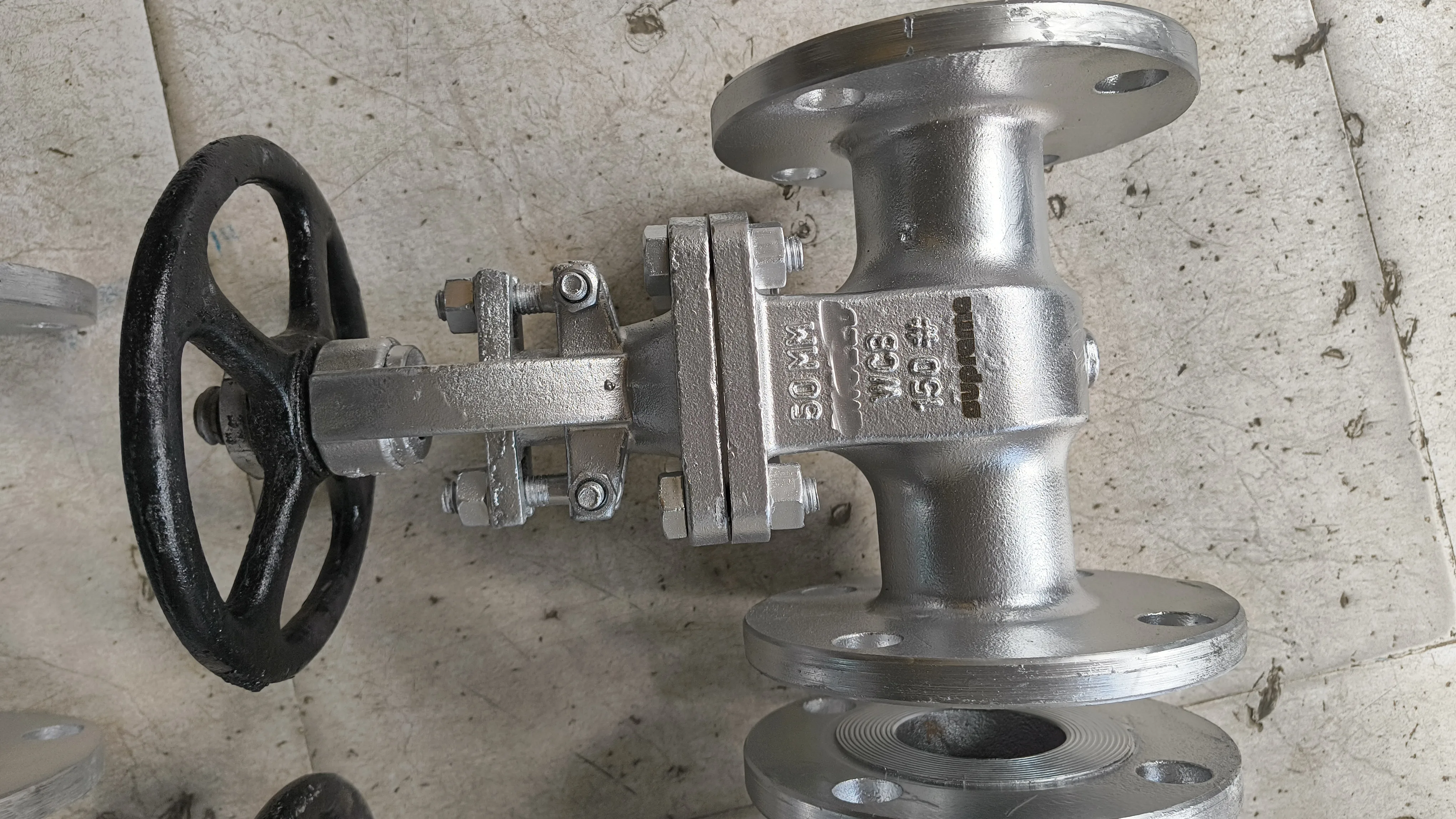
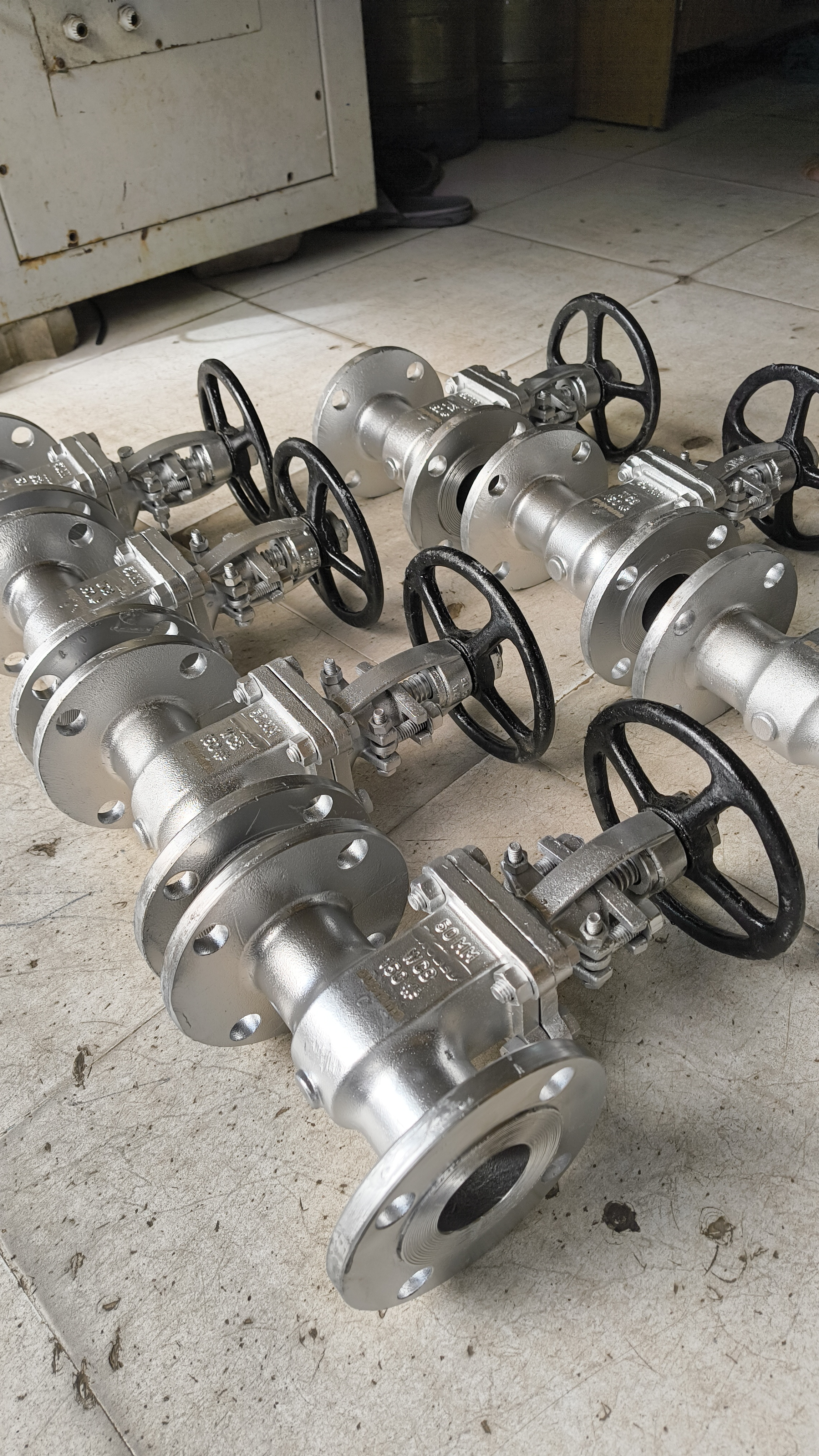
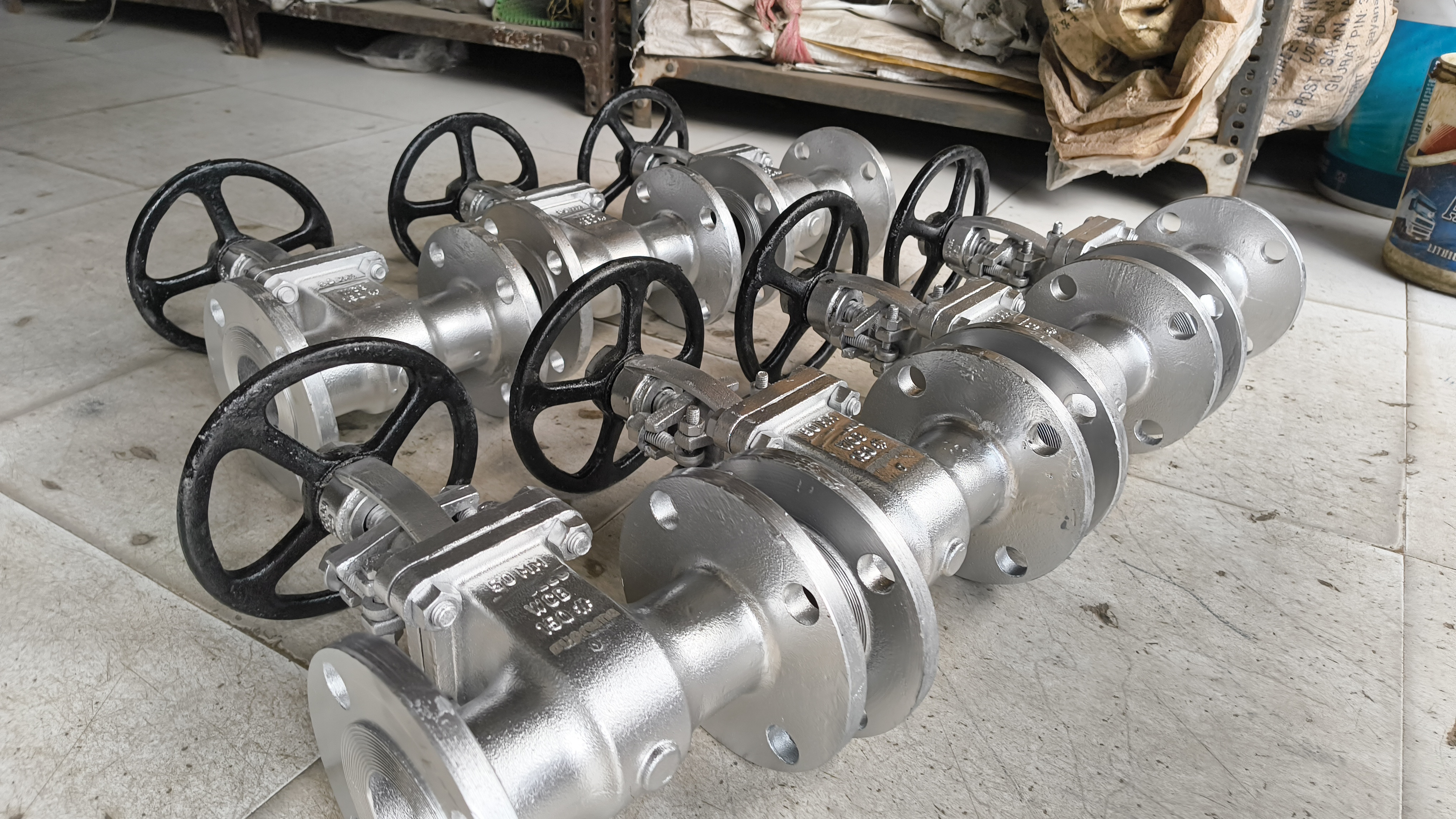
Triple Offset Butterfly Valve, Wafer Type, ASME B16.5 Class 150. WCB Body with 13CR Seat and Graphite Seals.

Key Applications

High PerformanceOil & GasPower Generation
Request Enquiry WhatsApp Download Datasheet

Frequently Asked Questions

What is the difference between lug and wafer butterfly valves?

Wafer butterfly valves are held between two pipeline flanges by the flange bolts passing through unthreaded body lugs. They require two flanges to seal against both sides and cannot maintain pipeline pressure if one side is removed. Lug valves have threaded lugs that accept flange bolts directly, allowing installation between flanges with only one set of bolts, and can maintain seal with one side removed (dead-leg service). For Saudi Arabian HVAC and water treatment, lug design is preferred for isolation capability. For general on-off service where pipeline stays together, wafer design is more economical.

What are triple offset butterfly valve advantages?

Triple offset butterfly valves (TOBV) overcome the seat wear issue of conventional designs through three geometric offsets: (1) center of disc offset from seat axis, (2) seat cone angle offset, (3) stem offset. This results in: (1) metal-to-metal seating with no rubber or PTFE wear elements, (2) bubble-tight shut-off (Class V leak rate per API 598), (3) bi-directional shut-off to full pressure rating, (4) maintenance-free seating for 25+ years, (5) suitable for high-temperature service up to 500°C with graphite seats. For Saudi Arabian oil pipeline PS3 stations and UAE ADNOC custody transfer applications, TOBV provides the reliability of a gate valve with the compactness of a butterfly valve.

How to select butterfly valve for dead-leg service?

Dead-leg service occurs when a branch pipeline is isolated but not drained, creating a stagnant section. For dead-leg service, use lug-style butterfly valves (not wafer) so the branch can be fully isolated and the body can be depressurized. Select: (1) EPDM liner for water service (not NBR which degrades in stagnant water), (2) full bolt pattern (not tapped) for complete drainage, (3) 2-piece or 3-piece body for internal inspection access. For Riyadh building services with occasional dead-legs in riser branches, lug butterfly valves with drain plugs are specified. Always provide drain valves at dead-leg low points to prevent bacterial growth (Legionella) in GCC climate.

What is the difference between centric and eccentric butterfly valve?

Centric (concentric) butterfly valves have the disc centered on the pipe axis, with seat located around the disc periphery. Simple and economical, suitable for general on-off service with clean media up to Class 150. Single eccentric (high-performance) offsets the stem from disc center, reducing seat friction and improving sealing at higher pressures (Class 150-600). Double eccentric adds stem offset from body centerline, enabling TOV design with better seating. Triple eccentric (see above) adds conical seat cone for metal-to-metal sealing. For Saudi Arabian oil terminal service, double or triple eccentric valves handle the high-pressure and fugitive emission requirements.

EPDM vs PTFE lining - which for seawater service?

EPDM (Ethylene Propylene Diene Monomer) lining offers: (1) excellent resistance to seawater and chlorides, (2) temperature capability to 120°C continuous, (3) good abrasion resistance for sand-laden seawater, (4) lower cost. PTFE lining offers: (1) universal chemical resistance including acids and solvents, (2) temperature capability to 200°C, (3) zero absorption and minimal swelling, (4) but is softer and more susceptible to mechanical damage. For Saudi Arabian Red Sea seawater cooling (Jeddah, Yanbu), EPDM-lined valves are standard with 15-year service life. For chemical dosing lines where acid concentration varies, PTFE-lined valves are preferred despite higher cost.

What is API 609 certification for butterfly valves?

API 609 is the industry standard for butterfly valves covering: (1) pressure testing (shell at 1.5x, seat at 1.1x rating), (2) fire-safe testing per API 607, (3) fugitive emission testing per API 622 or ISO 15848, (4) material verification, (5) face-to-face dimensions. API 609 includes both general service (Category A - water, air, inert gas) and heavy duty (Category B - petroleum and related hydrocarbons) classifications. For Saudi Arabian oil and gas applications, look for API 609 Category B certification with API 607 fire-safe test report. Our butterfly valves carry both certifications with test certificates traceable to each serial number.

Butterfly valve sizing for HVAC and water treatment applications?

HVAC and water treatment butterfly valve sizing uses Cv (flow coefficient): Cv = Q x sqrt(G) where Q is GPM and G is specific gravity. For fully open butterfly, Cv = pipe Cv at 70 degrees = (D^2) x 29.9 where D is pipe diameter in inches. At partial opening, use manufacturer curves to determine Cv. For clean water service: select fully open Cv 1.2x calculated requirement to ensure adequate rangeability. For Saudi Arabian district cooling (Jeddah, Dubai), typical sizing is 3-5 psi pressure drop at design flow. Avoid undersizing which causes excessive torque and actuator problems. Gear operators with position indicators are standard for HVAC; motorized actuators with position feedback for BMS integration.

Materials of Construction (MOC)

Component Material Specification
Body & Bonnet Ductile Iron (ASTM A536 / EN-GJS-400-15)
Stem / Spindle SS 410 / SS 420
Seat / Trim EPDM / NBR / Bronze

Technical Specifications

Parameter Specification / Standard
Manufacturing / Design Standard EN 1171 / AWWA C509 / BS 5163
Testing Standard API 598 / EN 12266-1
Pressure Rating PN16 / PN25