
Product Gallery
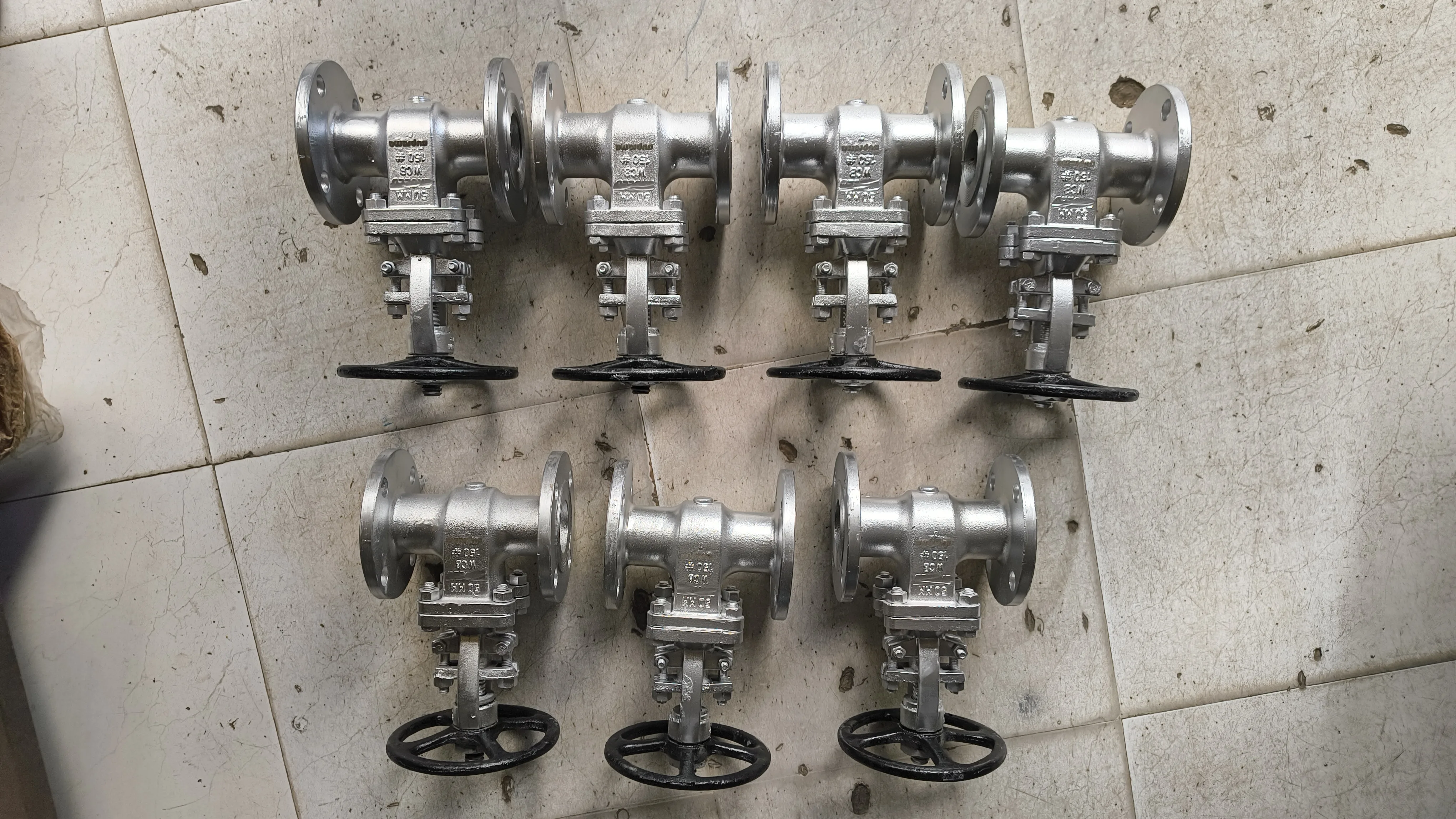
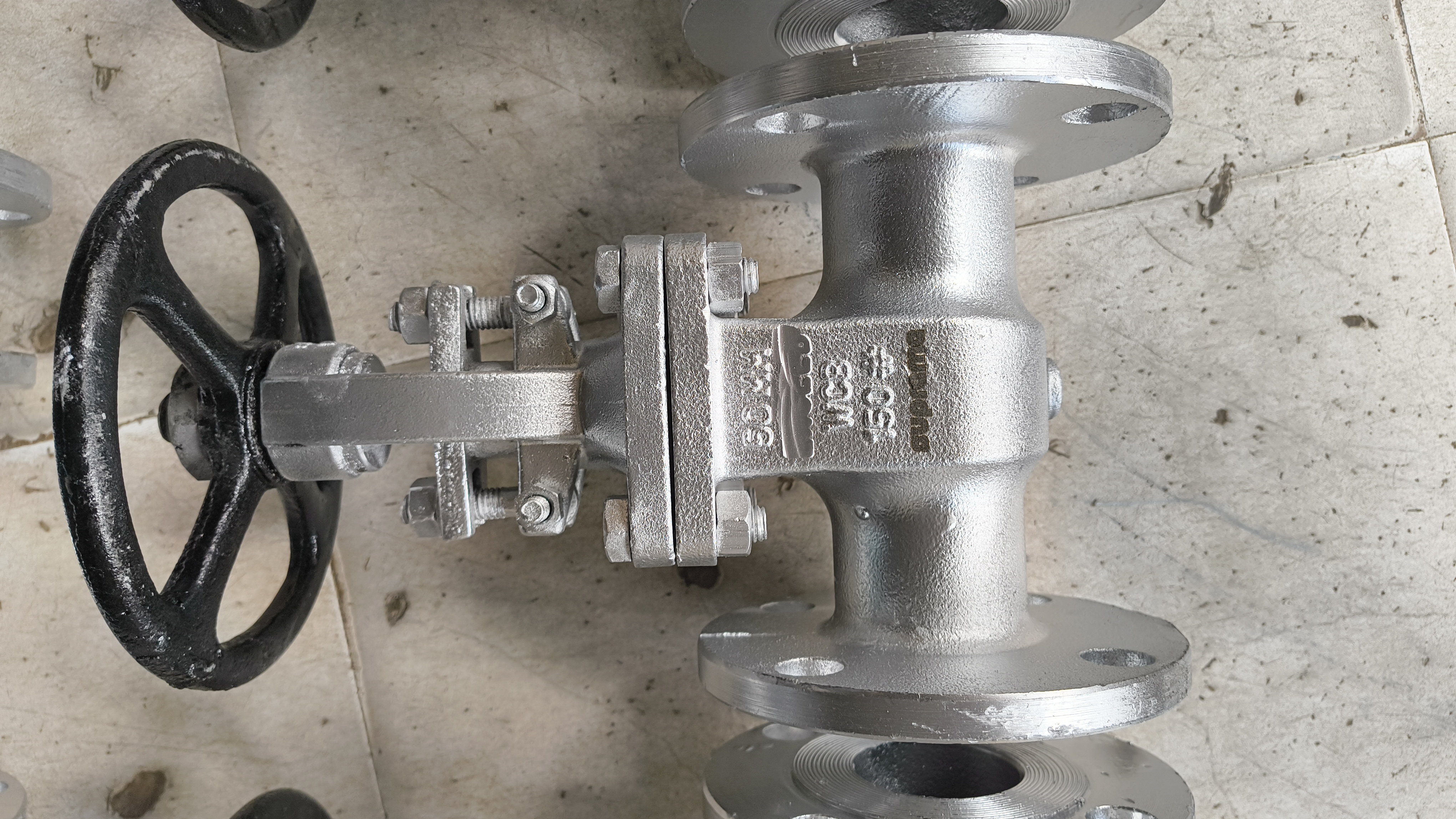
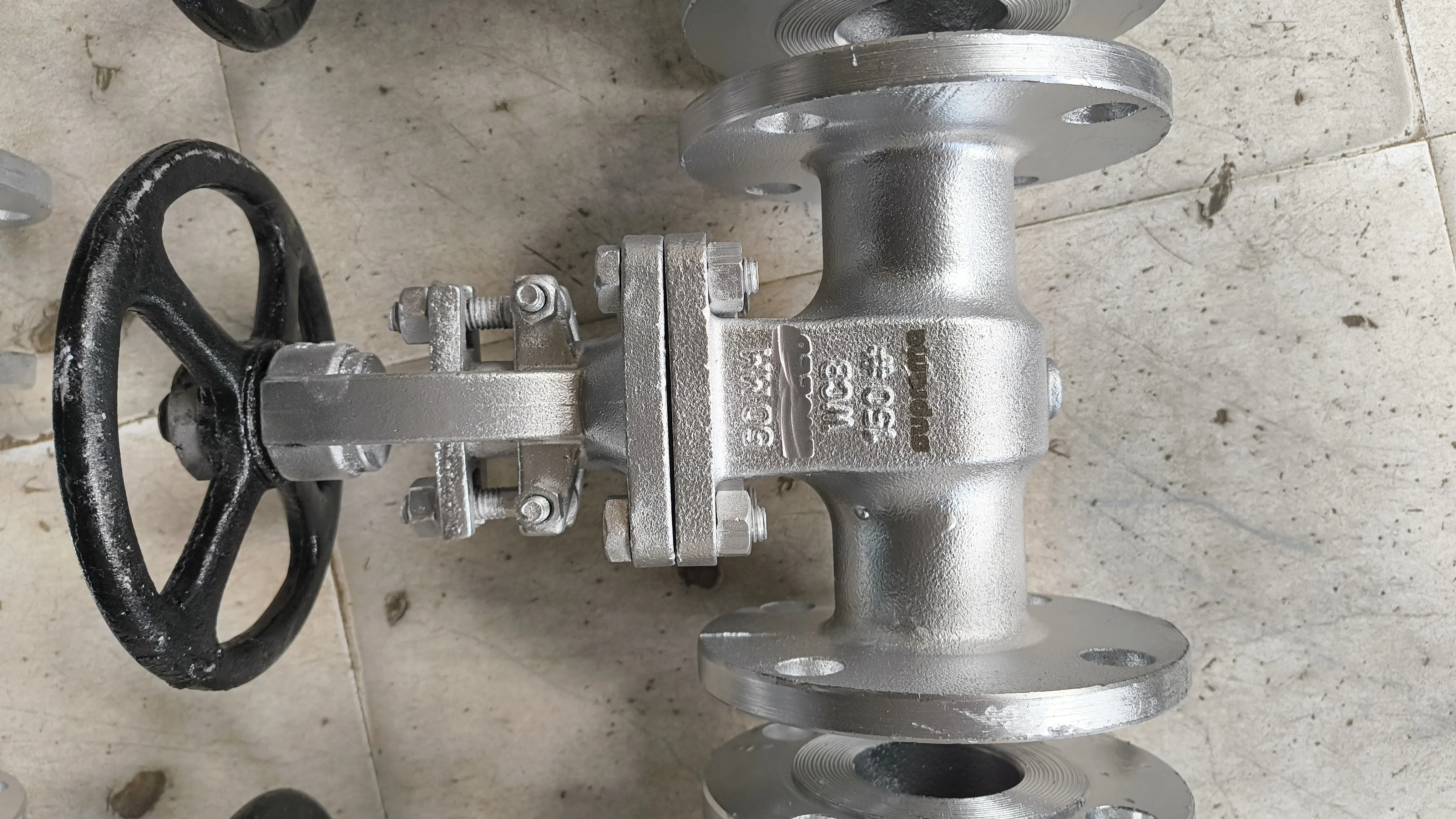
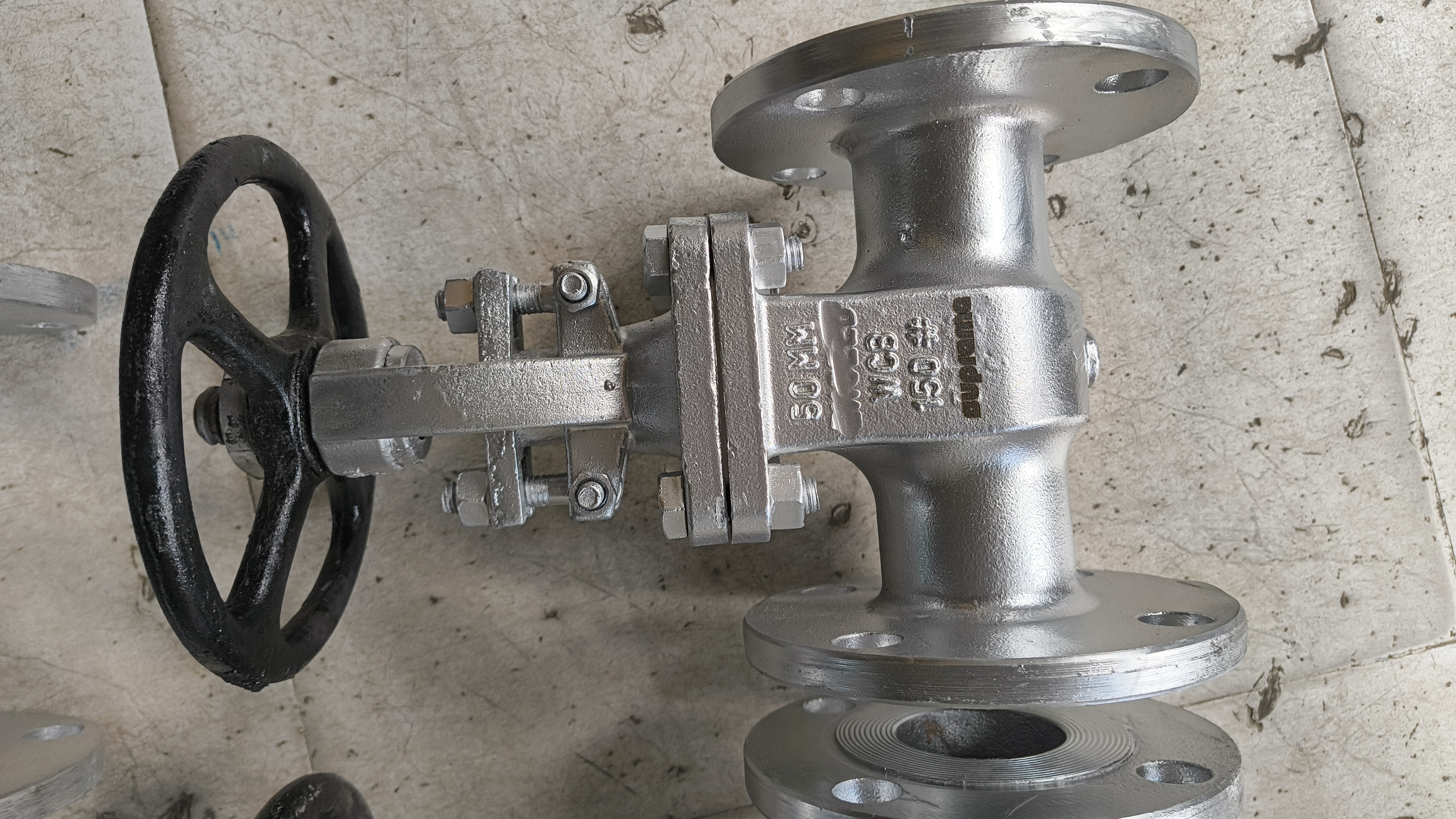
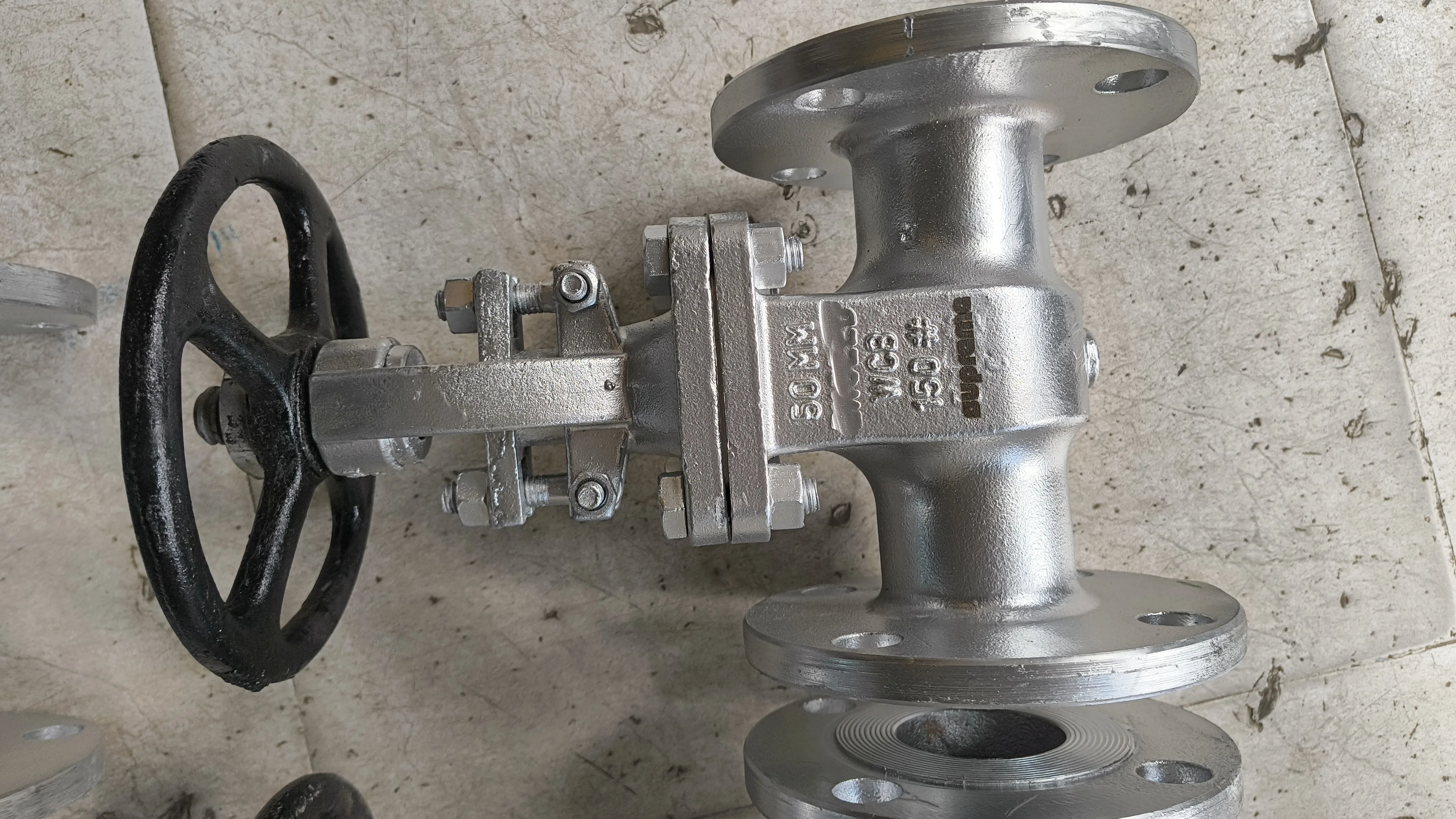
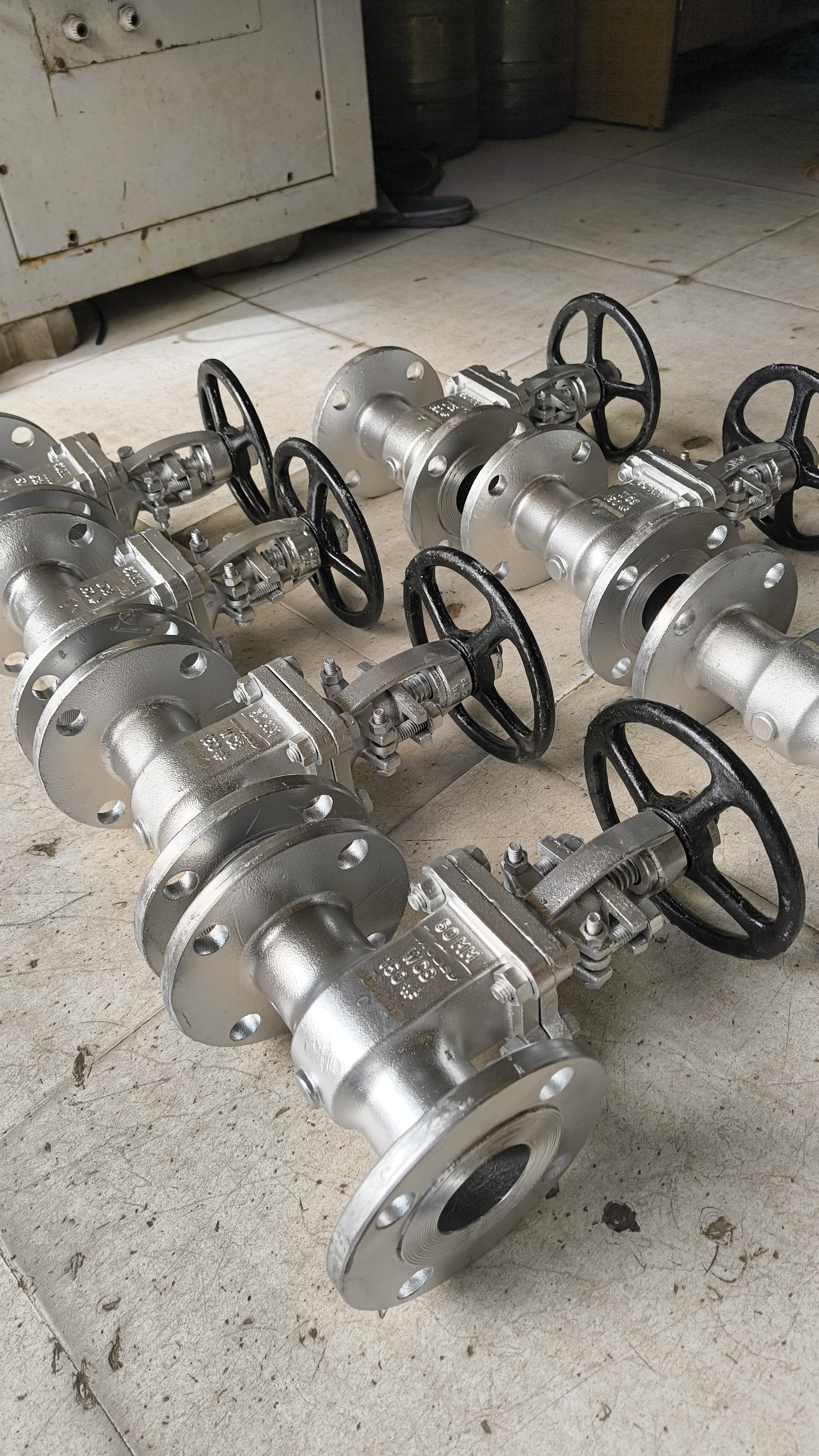
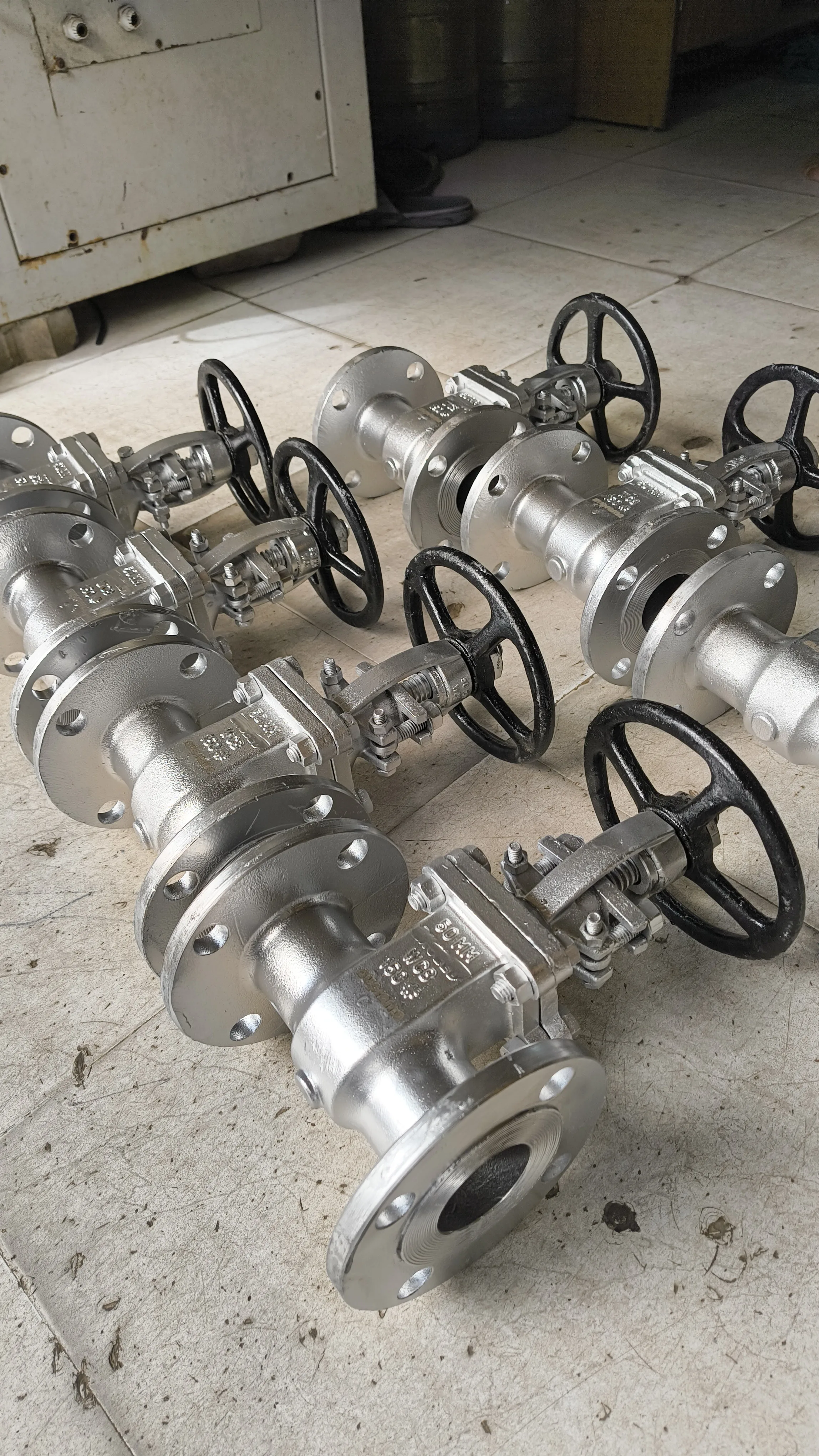
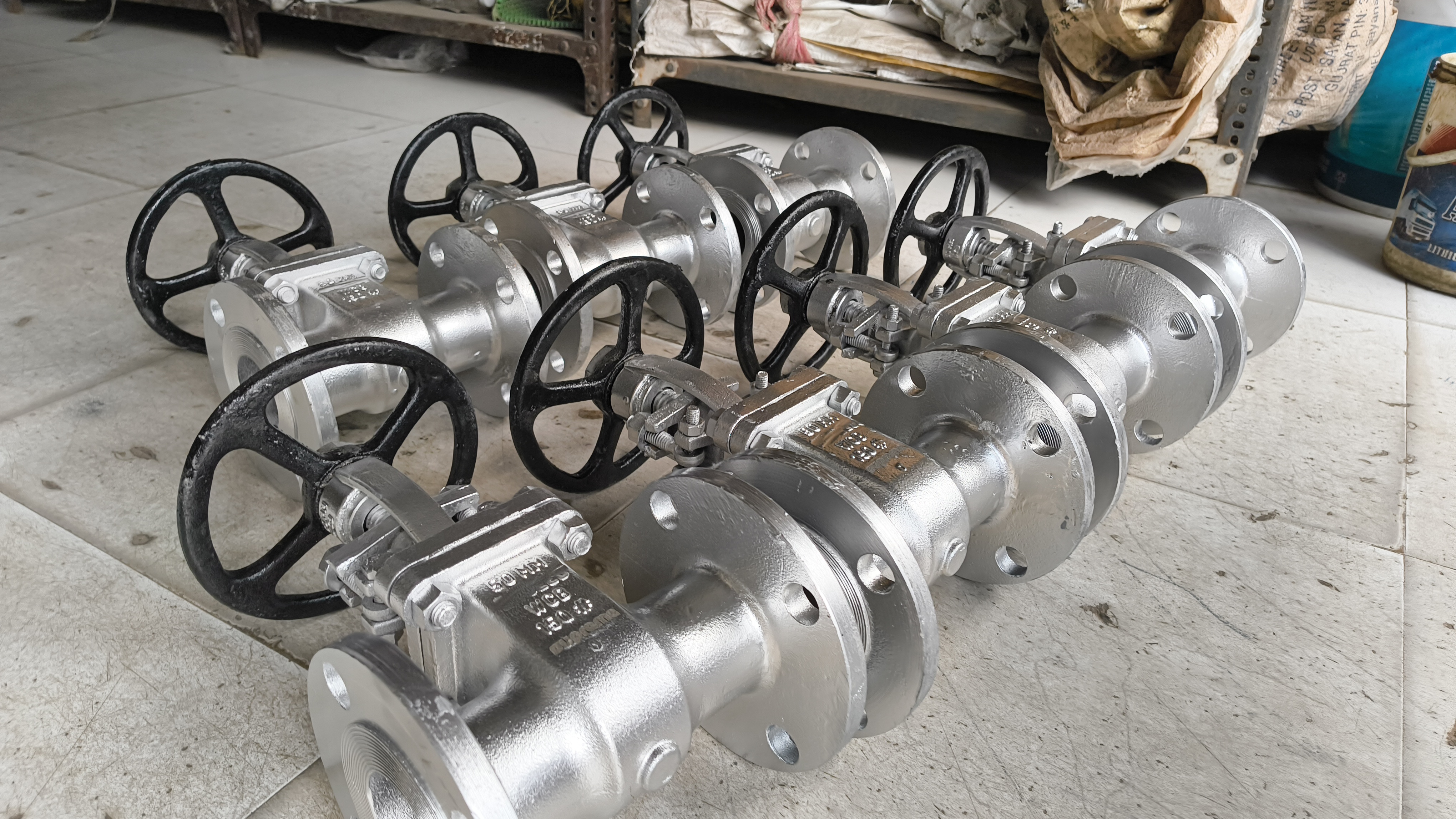
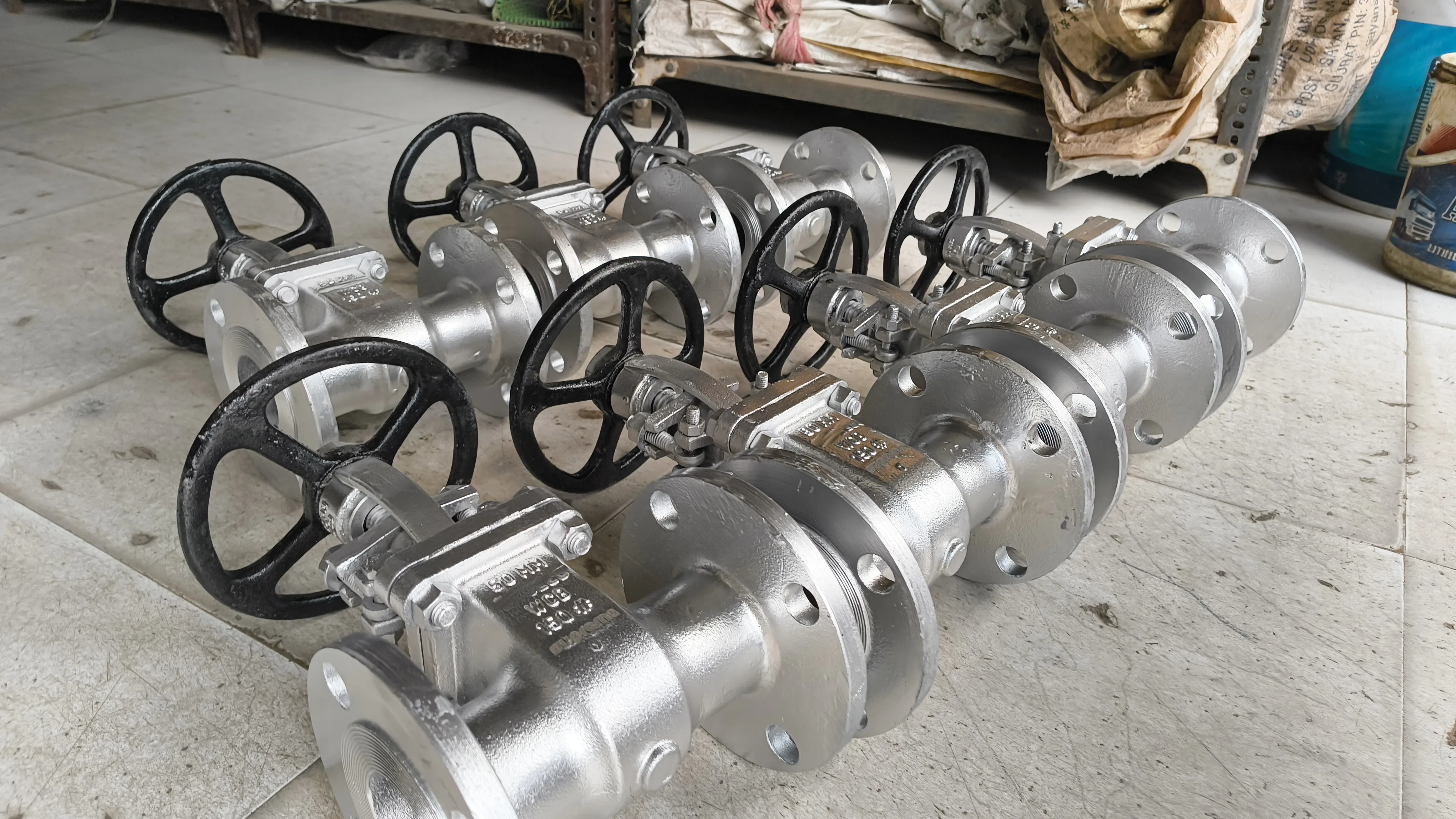
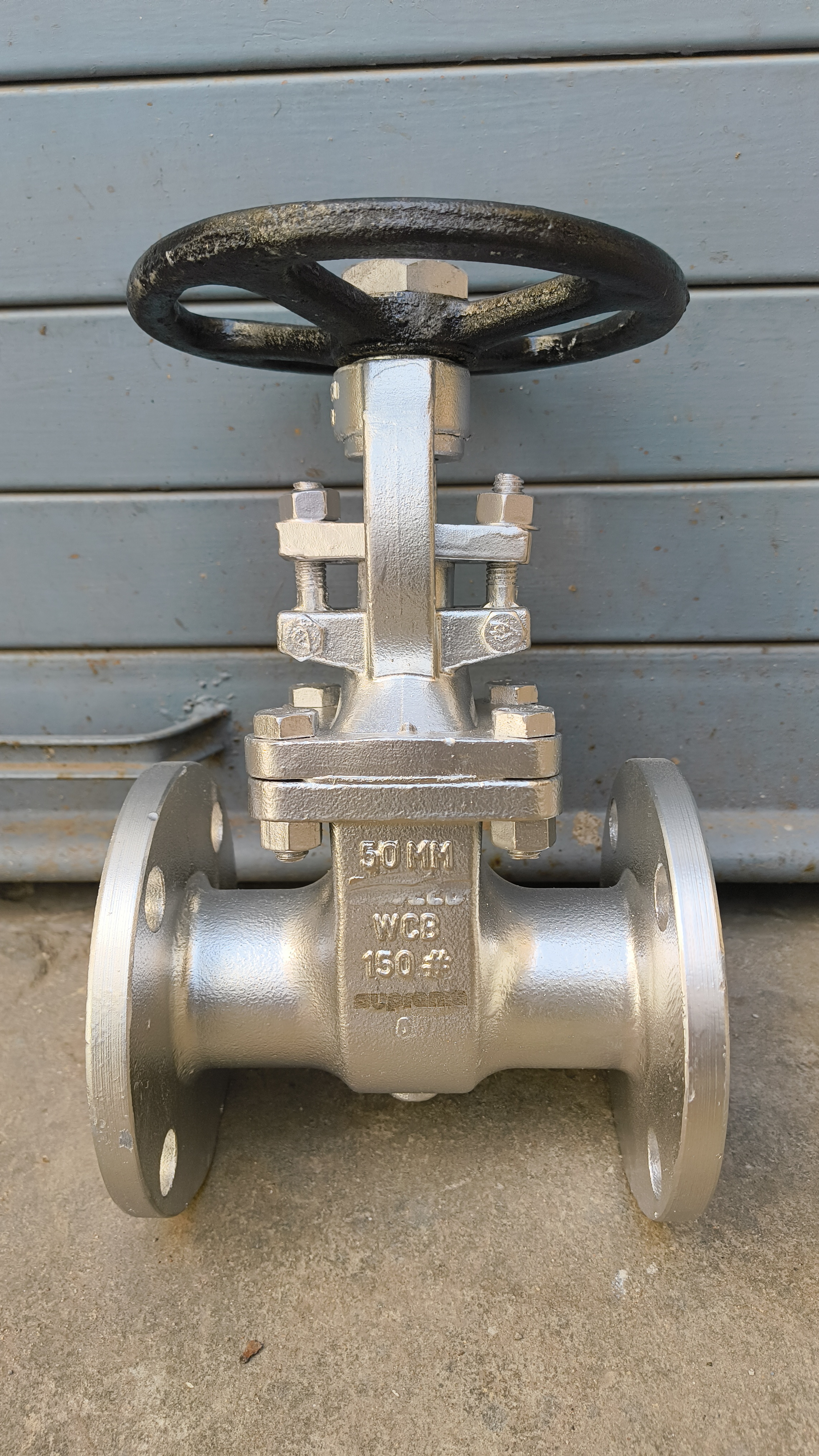
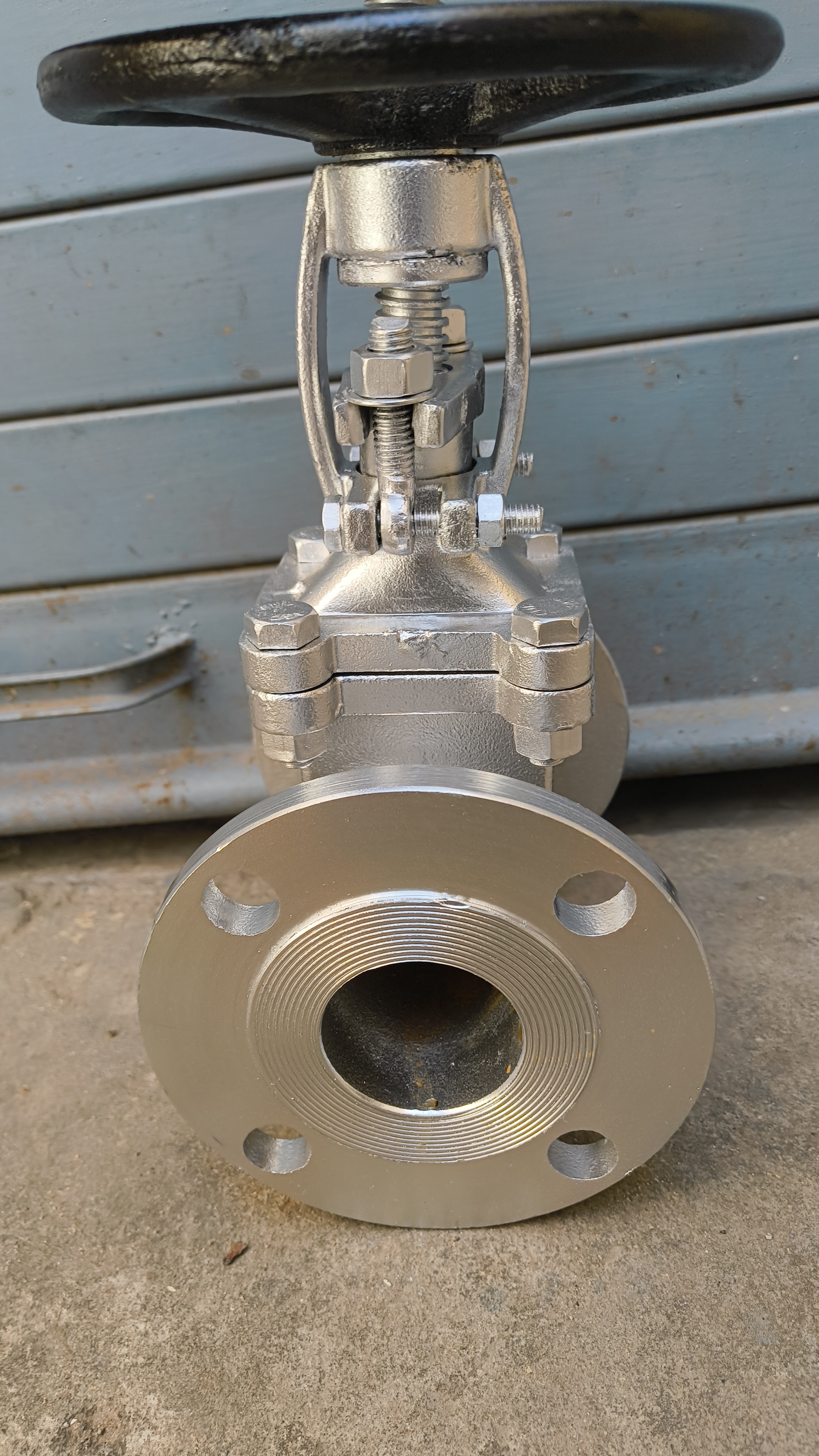
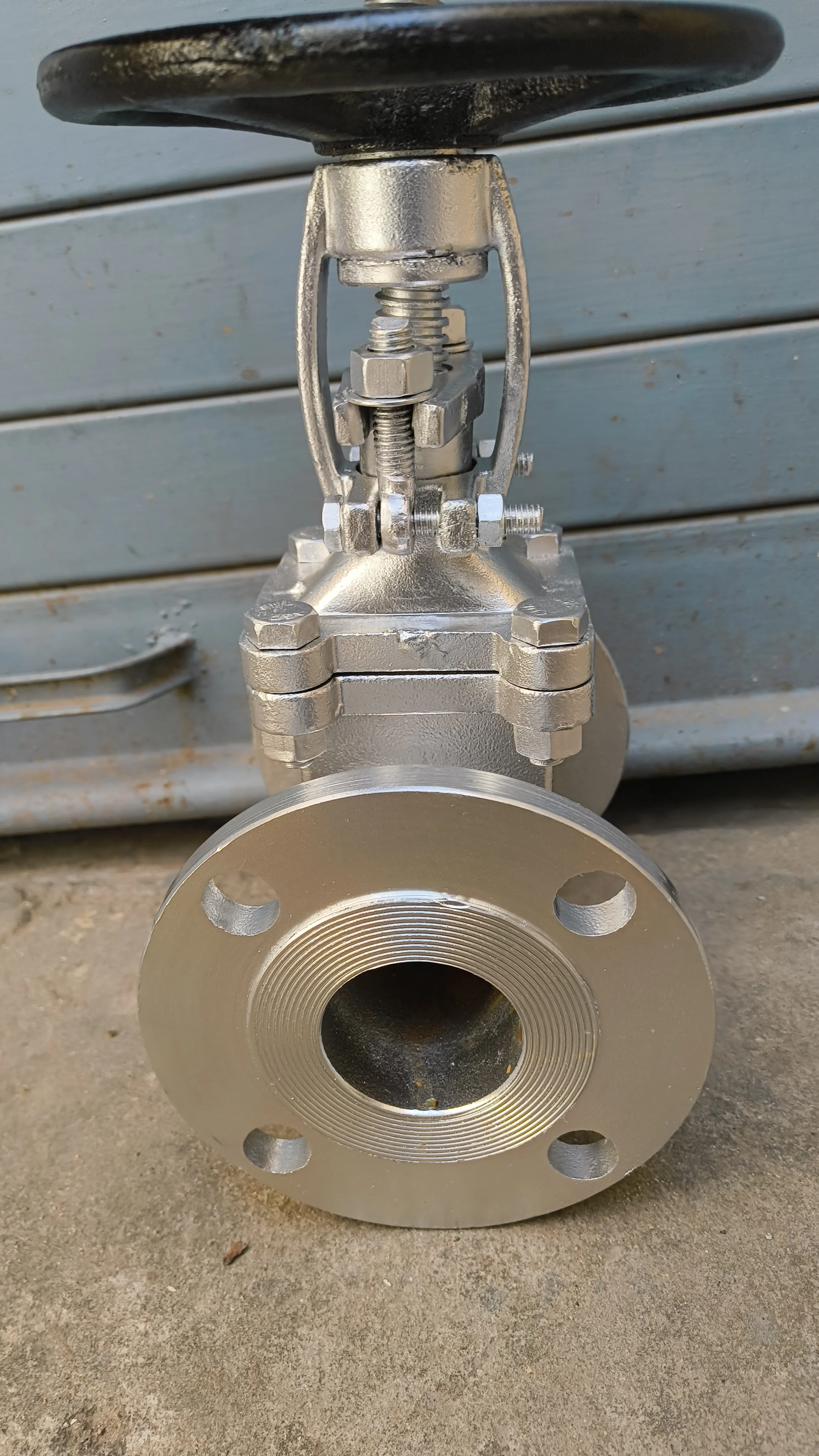
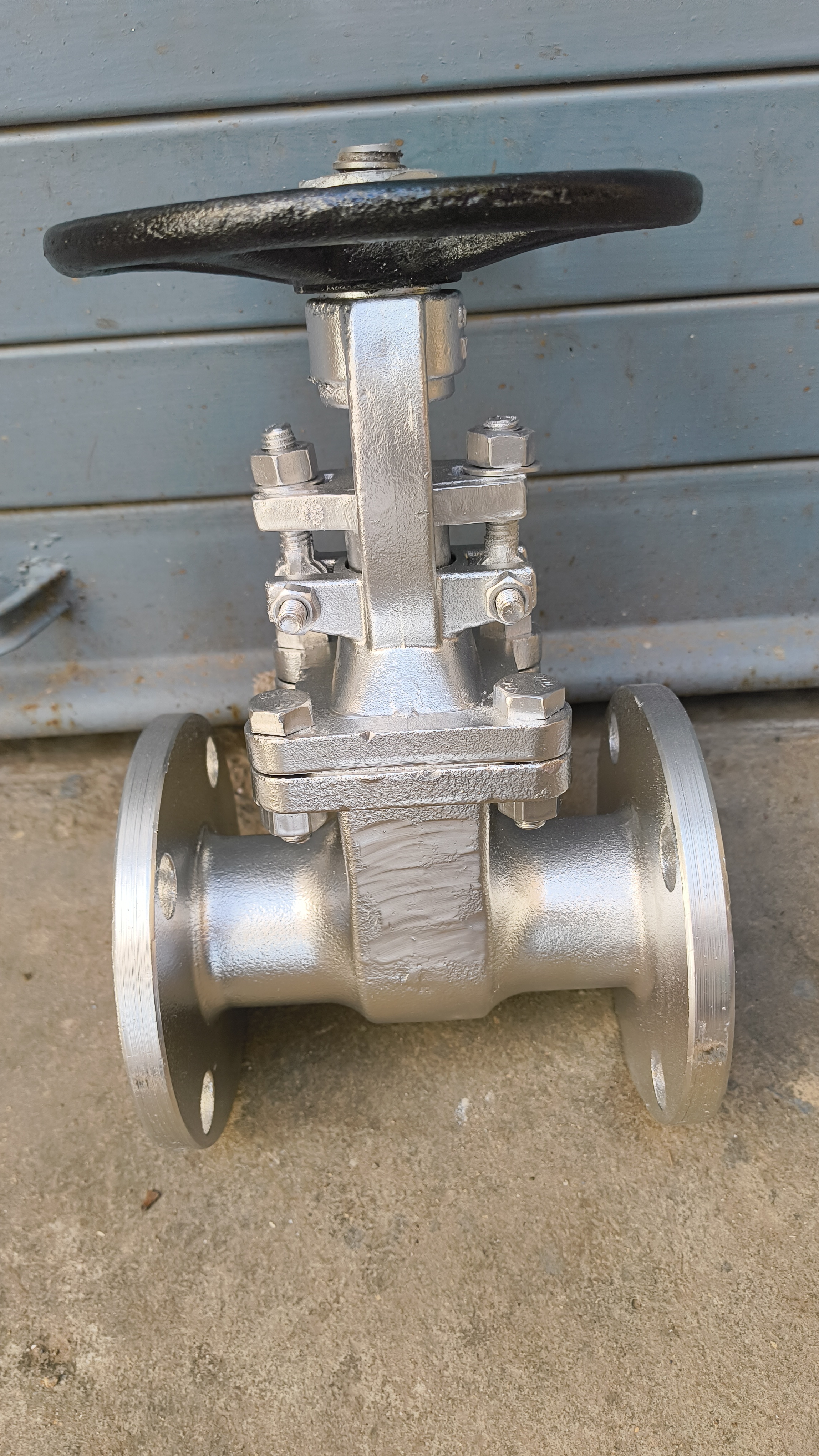
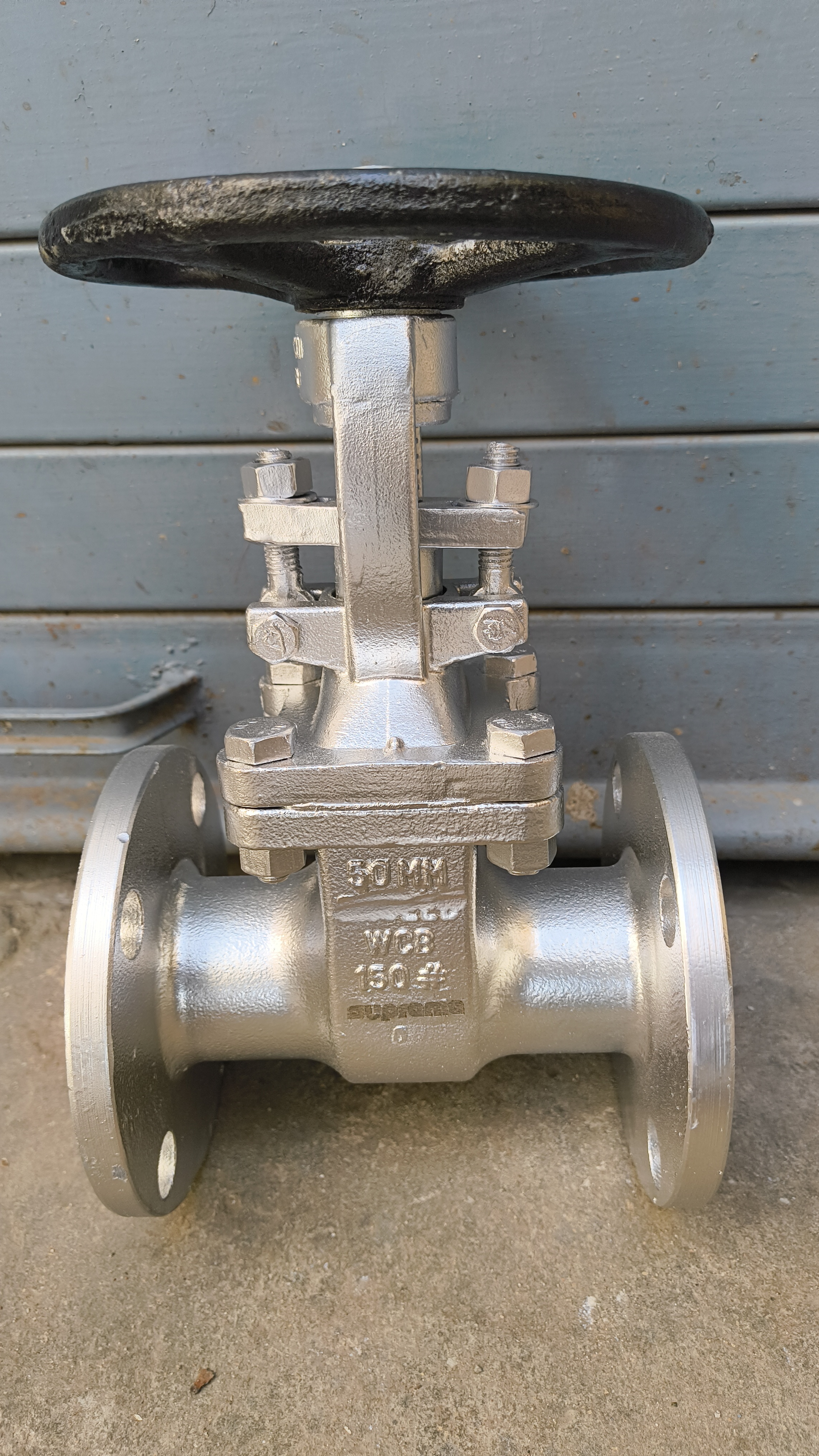
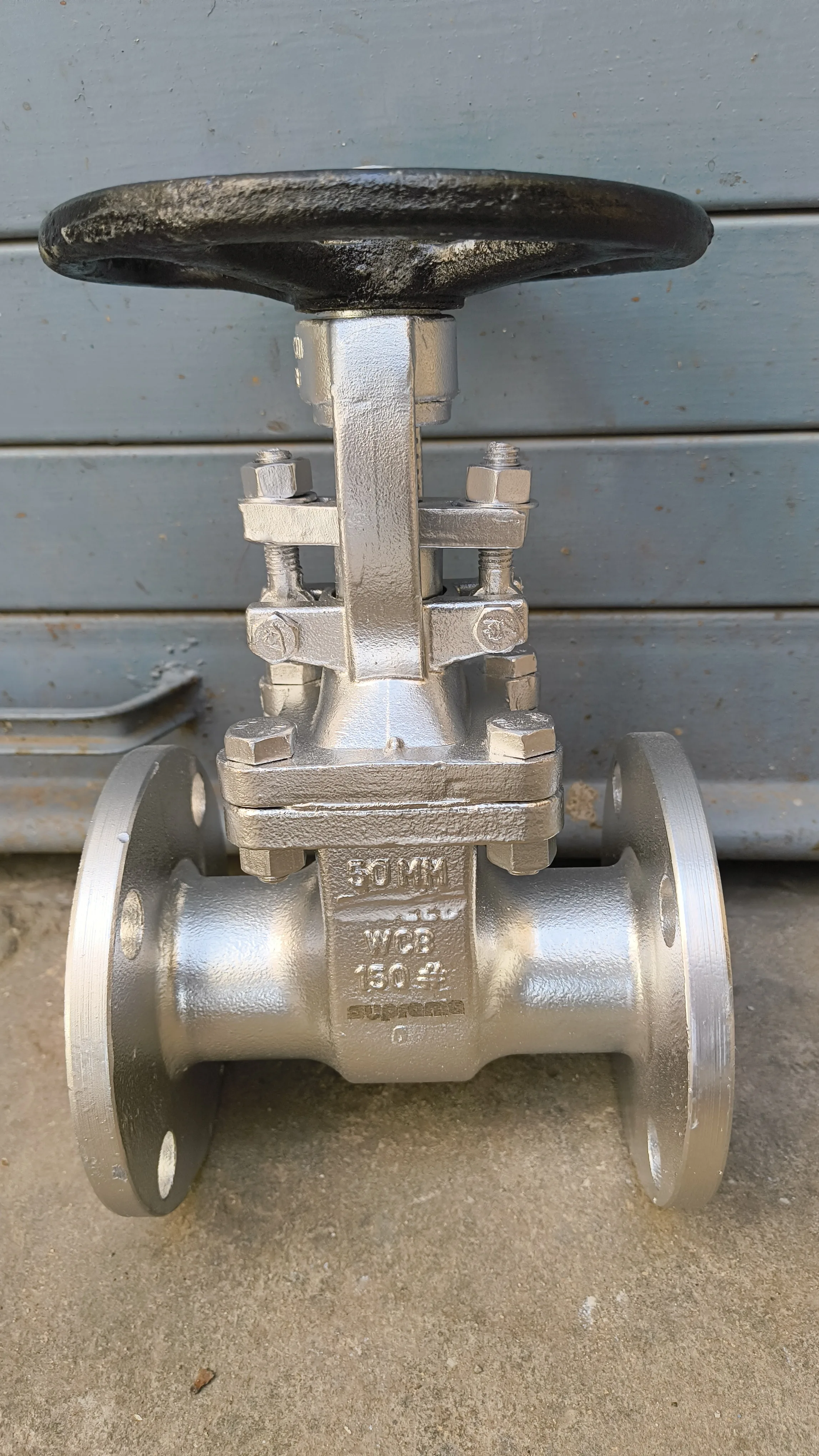
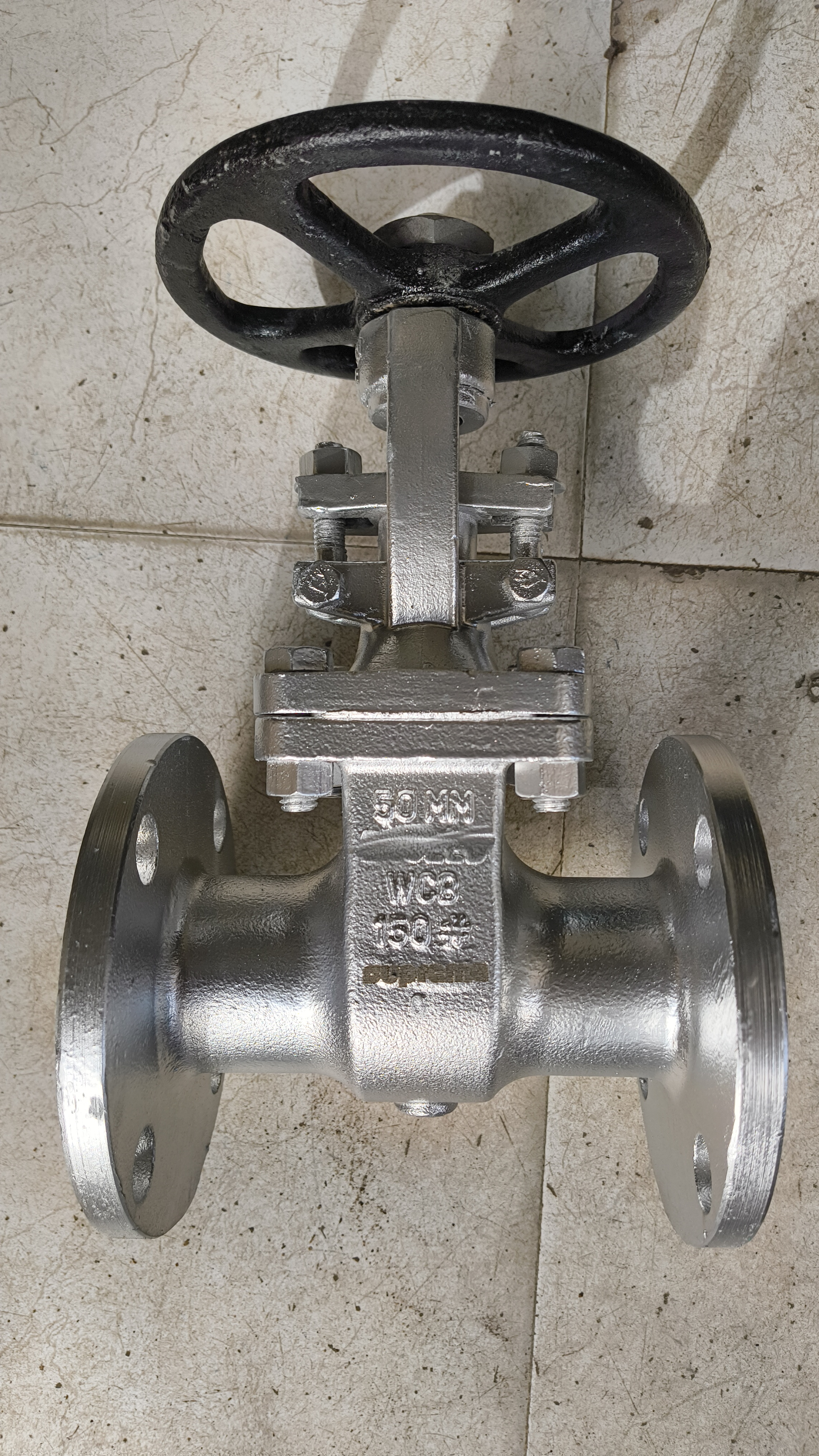

Cryogenic Triple-offset Butterfly Valve (Down to -196°C)
Supreme Valves' Cryogenic Triple-offset Butterfly Valve is designed to perform in ultra-low temperature applications down to -196°C in accordance with BS 6364. Constructed from premium grade austenitic stainless steel and alloy materials, it features an extended bonnet to keep gland packing away from cryogenic liquids, ensuring fugitive-emission-free sealing in LNG, liquid nitrogen, and cryogenic processing lines.
Key Applications
Industrial Applications & Engineering Problem Solving
The Engineering Challenge
In LNG and liquid nitrogen applications, standard valves contract unevenly, causing high operating torques, mechanical galling, and severe seat leakage. Soft seats freeze and shatter under cryogenic cold, while standard packing stiffens, leading to high-pressure flammable gas leaks (fugitive emissions) to the atmosphere.
The Supreme Valves India Engineering Solution
Our Cryogenic Triple-offset Butterfly Valve features an extended bonnet per BS 6364 to protect the gland packing, and nitrided SS316 or chrome-plated Super Duplex bearings to prevent low-temperature seizing. The Inconel 625/Graphite laminar seal handles extreme temperature swings, assuring Class VI zero seat leakage and bubble-tight shutoff at -196°C, providing a safe, space-saving alternative for LNG terminals.
Operational Use Cases & Scenarios
LNG Main Feed Isolation
Operational Challenge: Bi-directional bubble-tight isolation of LNG at -162°C on storage tanks, bunkering terminals, and processing loops.
Engineering Benefit: Flexible Inconel 625 laminar seal handles massive temperature drops without relaxing, preventing leakage.
Liquid Oxygen & Nitrogen Services
Operational Challenge: Cryogenic isolation of high-purity liquid oxygen and liquid nitrogen lines in air separation columns.
Engineering Benefit: Degreased, oxygen-clean CF8M body ensures process purity while providing bubble-tight shut-off.
Technical Specifications
Material of Construction (MOC)
Dimensions & Weights
| NPS Size (DN) | Face-to-Face (mm) | Bonnet Extension (mm) | Height (B, mm) | Total Weight (kg) |
|---|---|---|---|---|
| 3" (DN80) | 180 | 250 | 335 | 58 |
| 4" (DN100) | 190 | 280 | 372 | 75 |
| 6" (DN150) | 210 | 350 | 410 | 120 |
| 8" (DN200) | 230 | 400 | 490 | 250 |
| 10" (DN250) | 250 | 450 | 580 | 465 |
| 12" (DN300) | 270 | 500 | 600 | 528 |
| 16" (DN400) | 310 | 600 | 750 | 1070 |
Purchase Options
Features & Benefits
BS 6364 Compliant Extended Bonnet
The extended shaft and gas column bonnet insulate the gland packing from cold temperatures, keeping the packing warm enough to maintain flexibility and assure zero fugitive leakage to the atmosphere.
Nitrided / Inconel Anti-Galling Trim
Internal bearings and shaft are nitrided or made of high-strength alloys (Inconel 718 / Nitronic 50) to prevent mechanical seizing, galling, and binding under thermal contraction.
Bi-directional Cryogenic Sealing
Uses a specialized cryogenic laminar seal combining Inconel 625 layers with high-density graphite to withstand extreme thermal shock cycles without deformation.
Inherent Fire-Safe Construction
Metal-to-metal seating guarantees high integrity shutoff even in case of fires, fully complying with API 607 / ISO 10497.
Frequently Asked Questions
Q Why is a bonnet extension necessary for cryogenic valves?
The extension keeps the stem packing away from the cryogenic fluid (such as LNG at -162°C). It allows a gas column to form in the extension, which acts as an insulator, allowing ambient temperature to warm up the packing to a safe level where the elastomer or graphite seals remain resilient.
Q Are these valves suitable for marine LNG terminals?
Absolutely. The austenitic stainless steel body offers exceptional low-temperature impact strength and salt-air corrosion resistance, making them ideal for marine LNG bunkering, FSRU vessels, and LNG liquefaction plants.
Q What cryogenic tests do you perform?
Every valve is subjected to hydrostatic shell and air seat tests, and cryo-testing is conducted per BS 6364, where the valve is immersed in liquid nitrogen at -196°C to verify bubble-tight sealing and low operational torque.
Request a Quote
Your enquiry is pre-filled with this specification. Add contact details and quantity and our engineering team responds within one working day with price and delivery.
- Size: 3" to 48" (80 mm to 1200 mm)
- Pressure class: ASME Class 150 to 600, PN10 to PN100
Prefer to talk first? WhatsApp or email info@supremevalves.in