
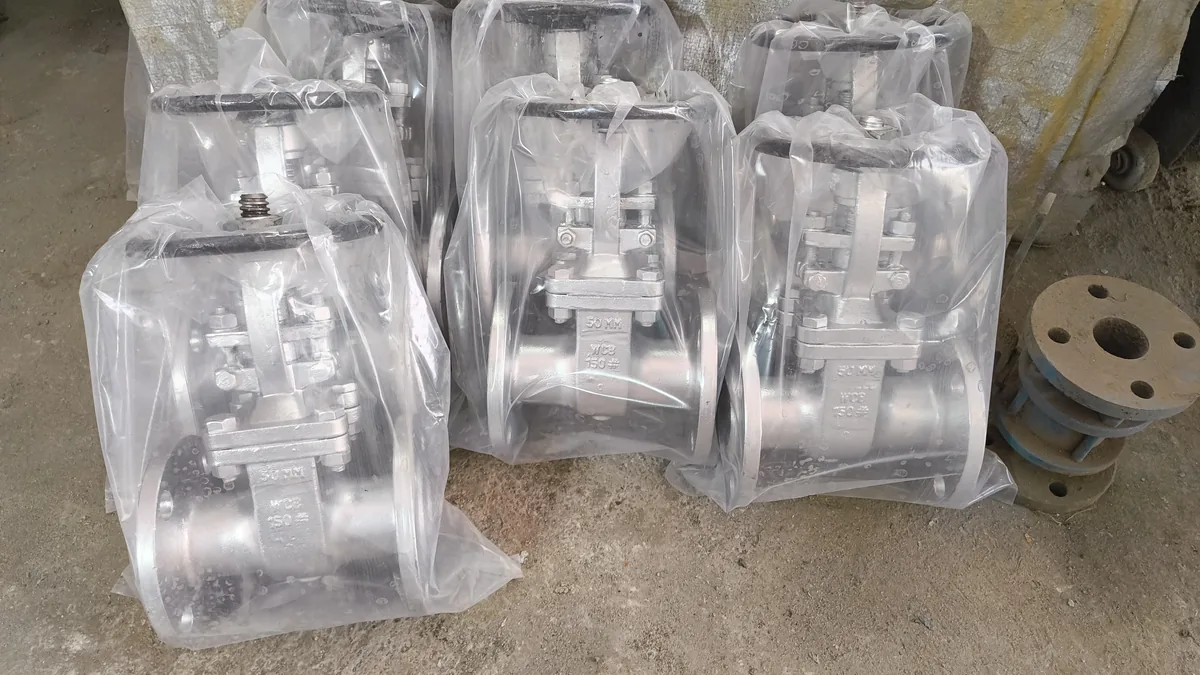
Product Gallery
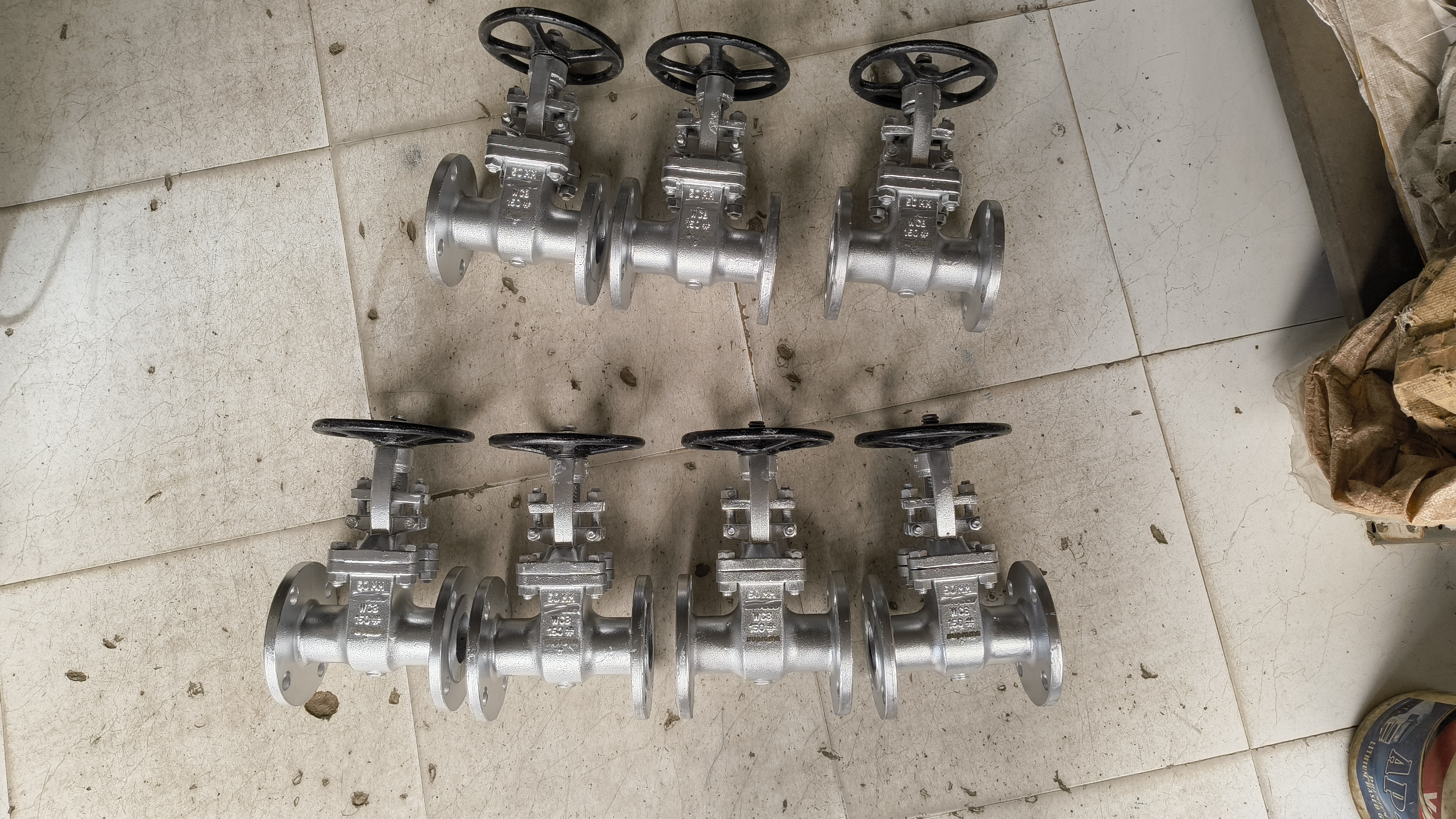
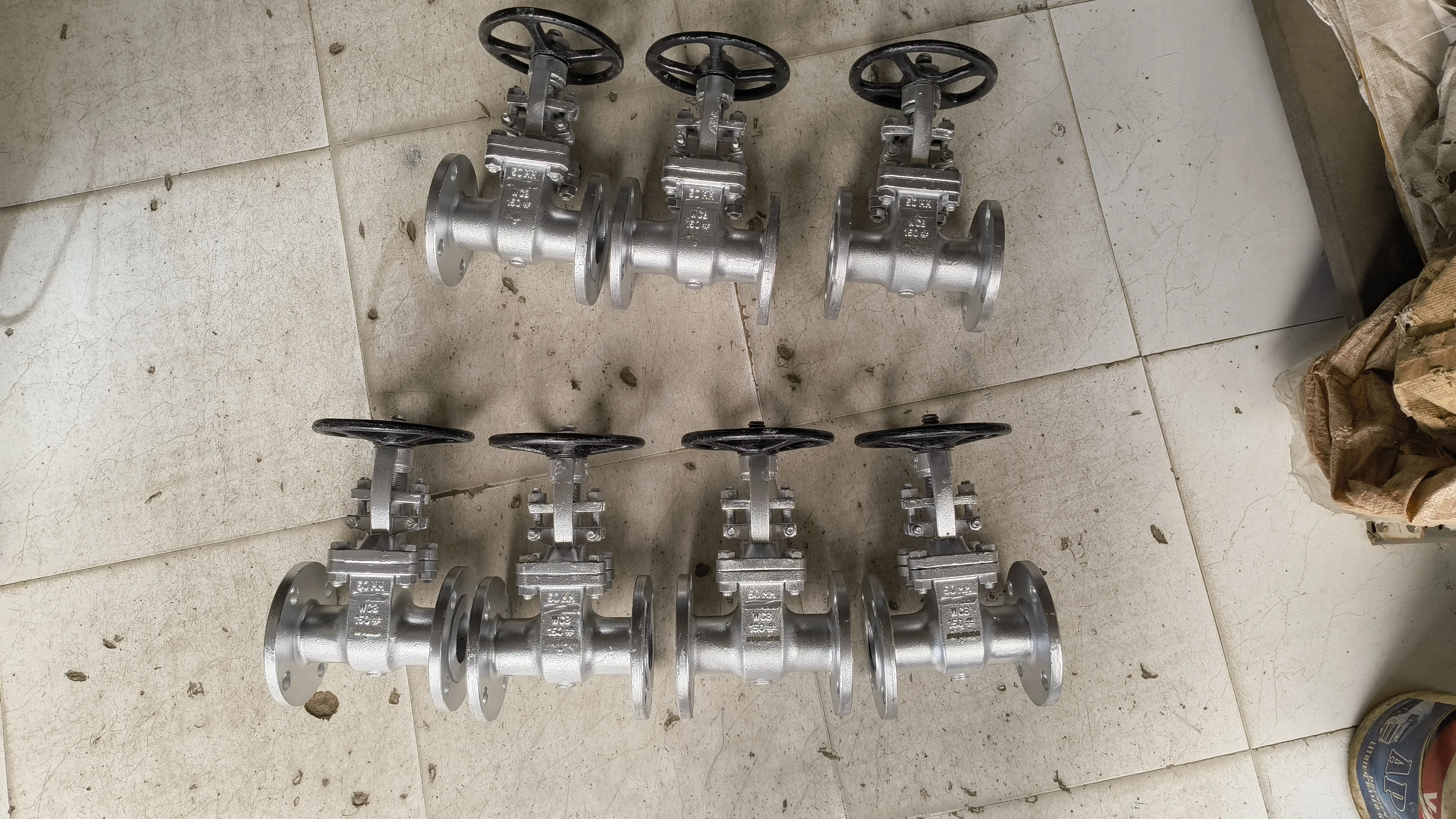
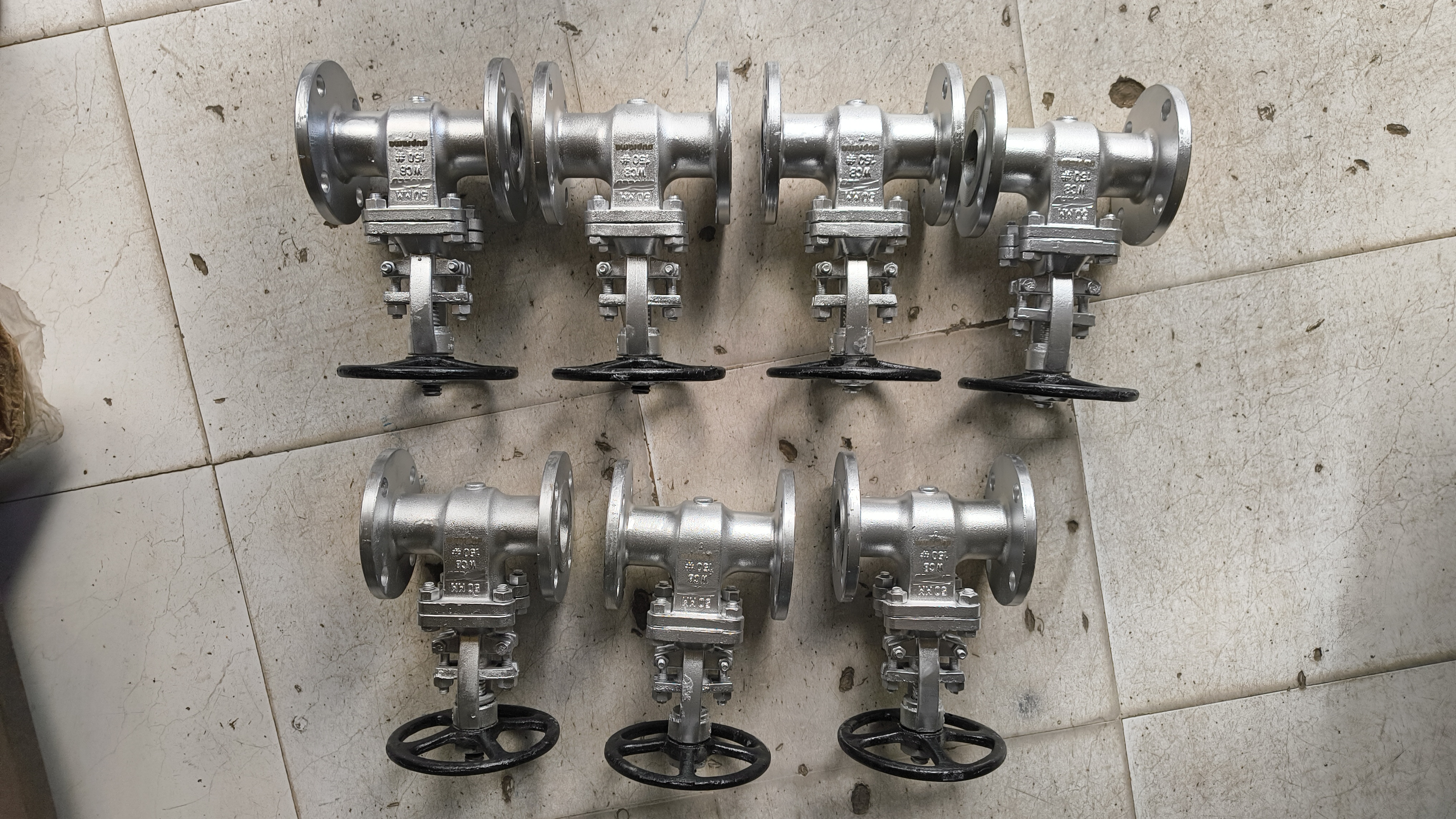
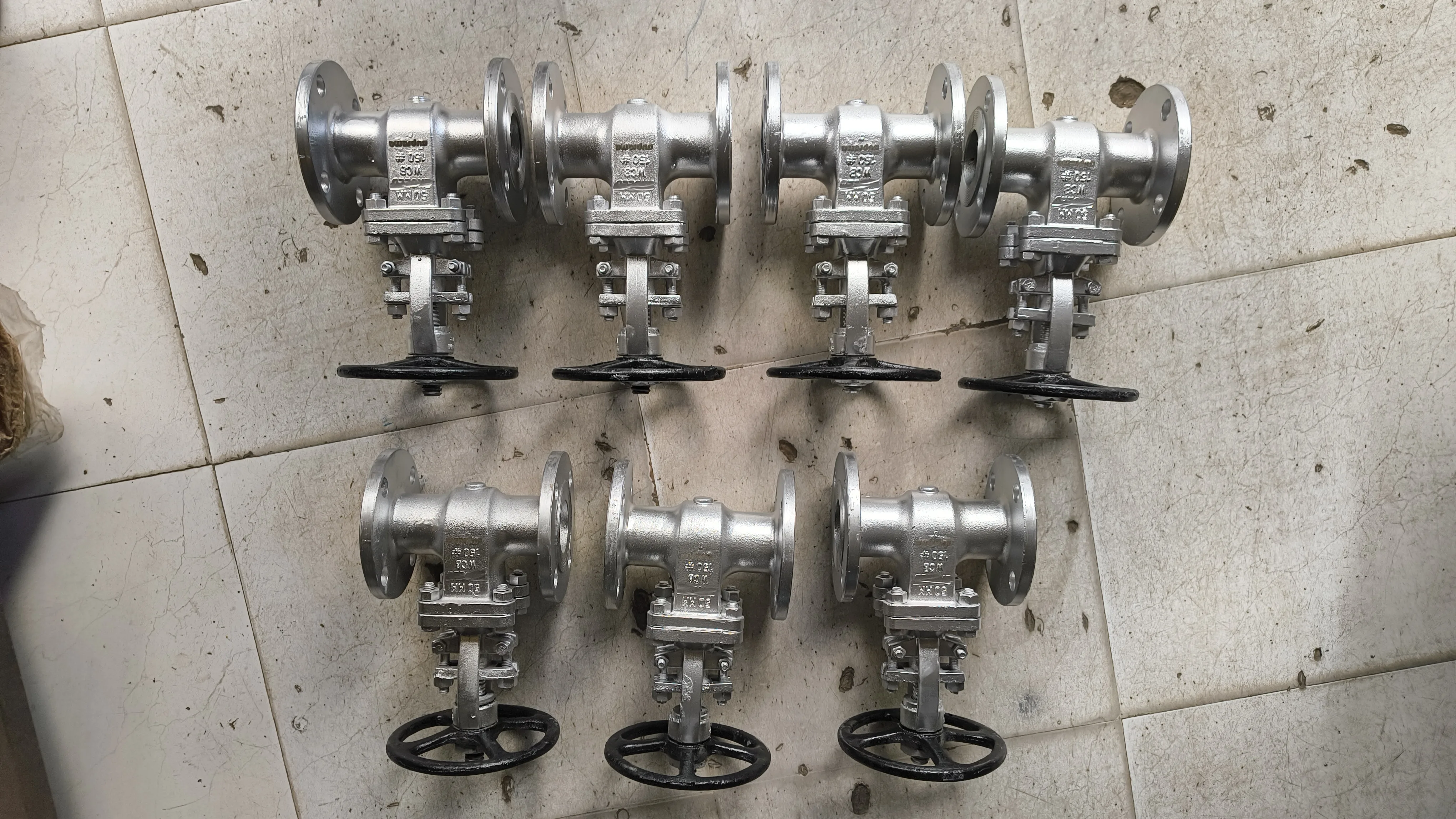
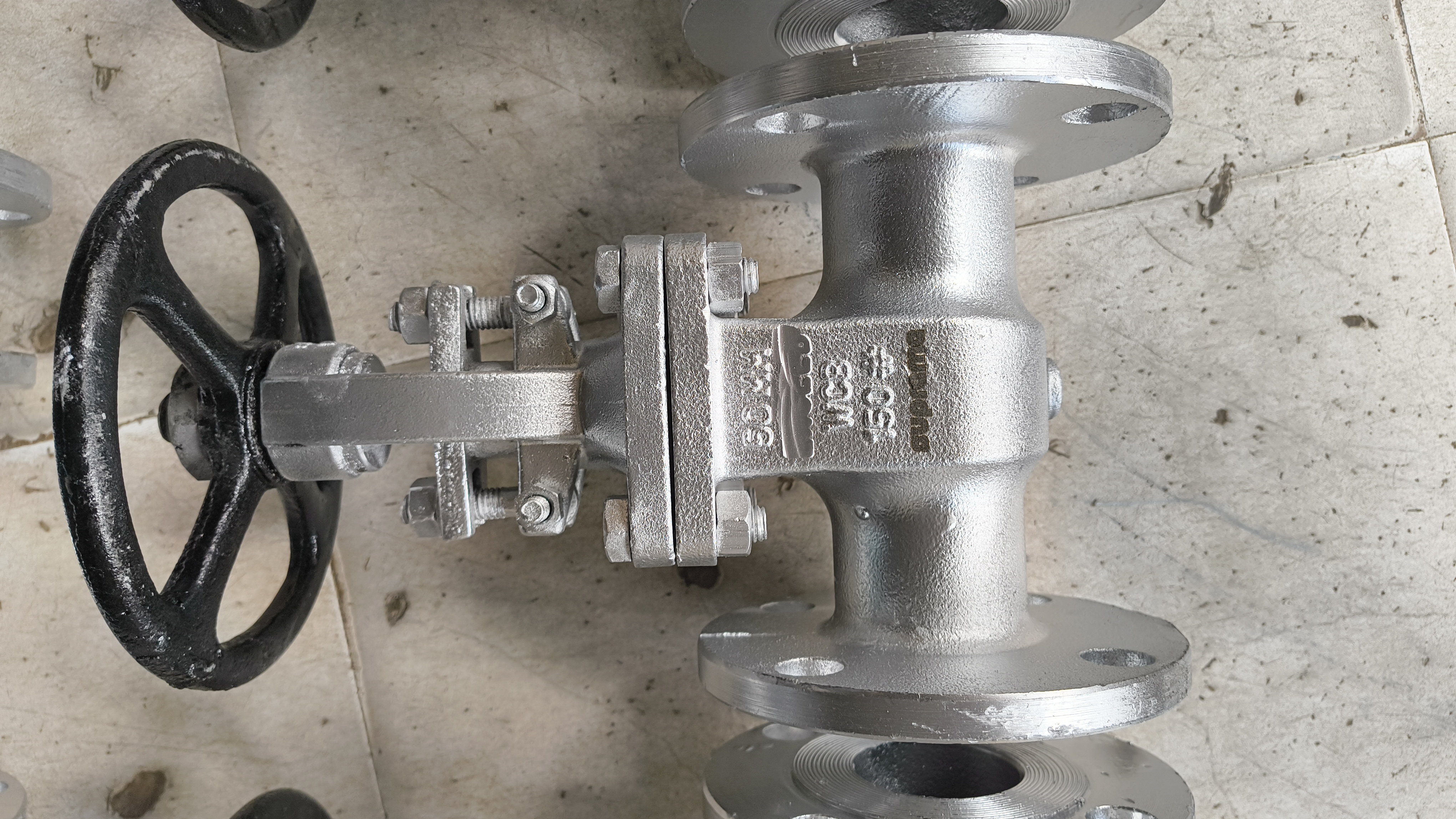
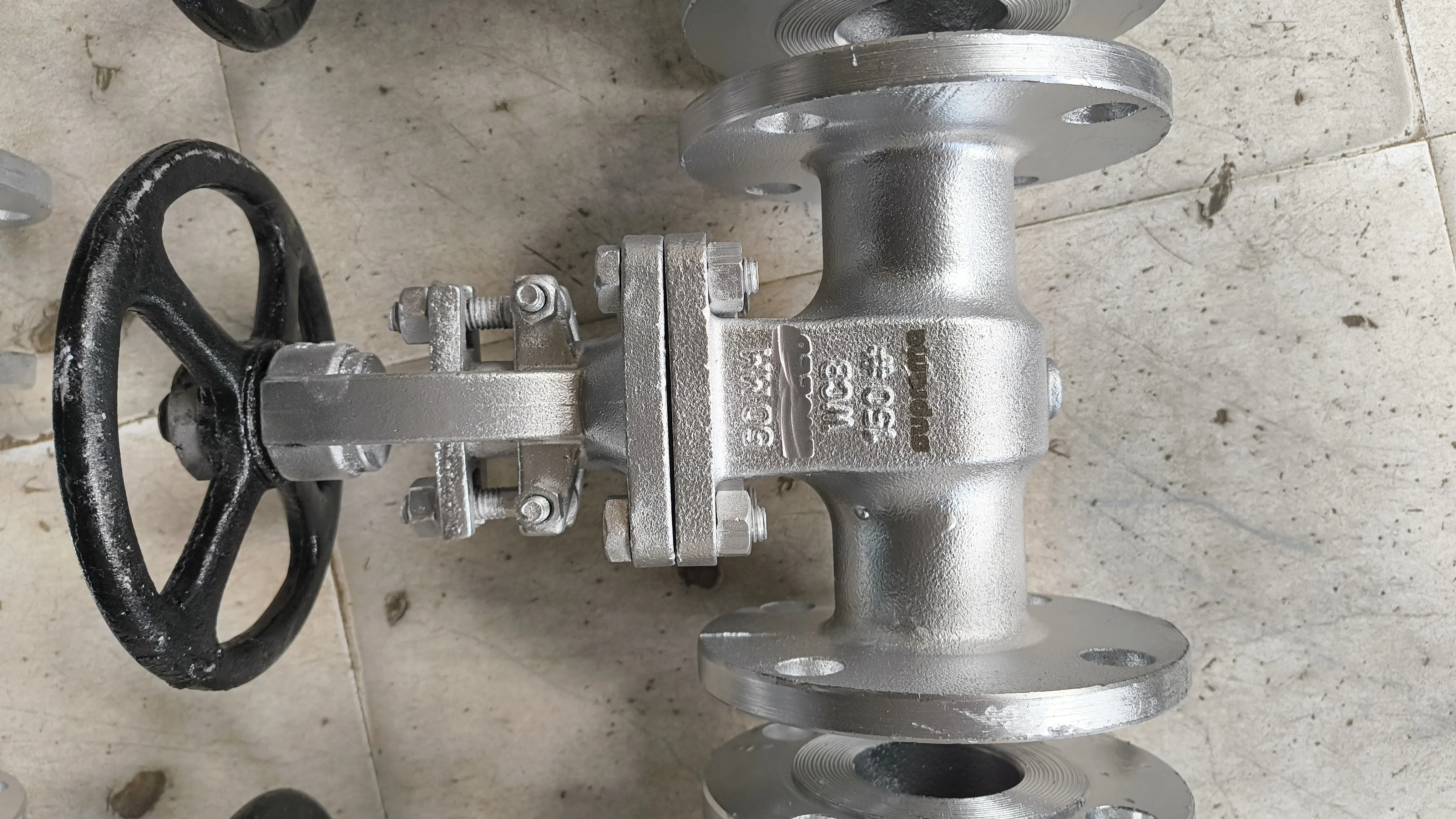
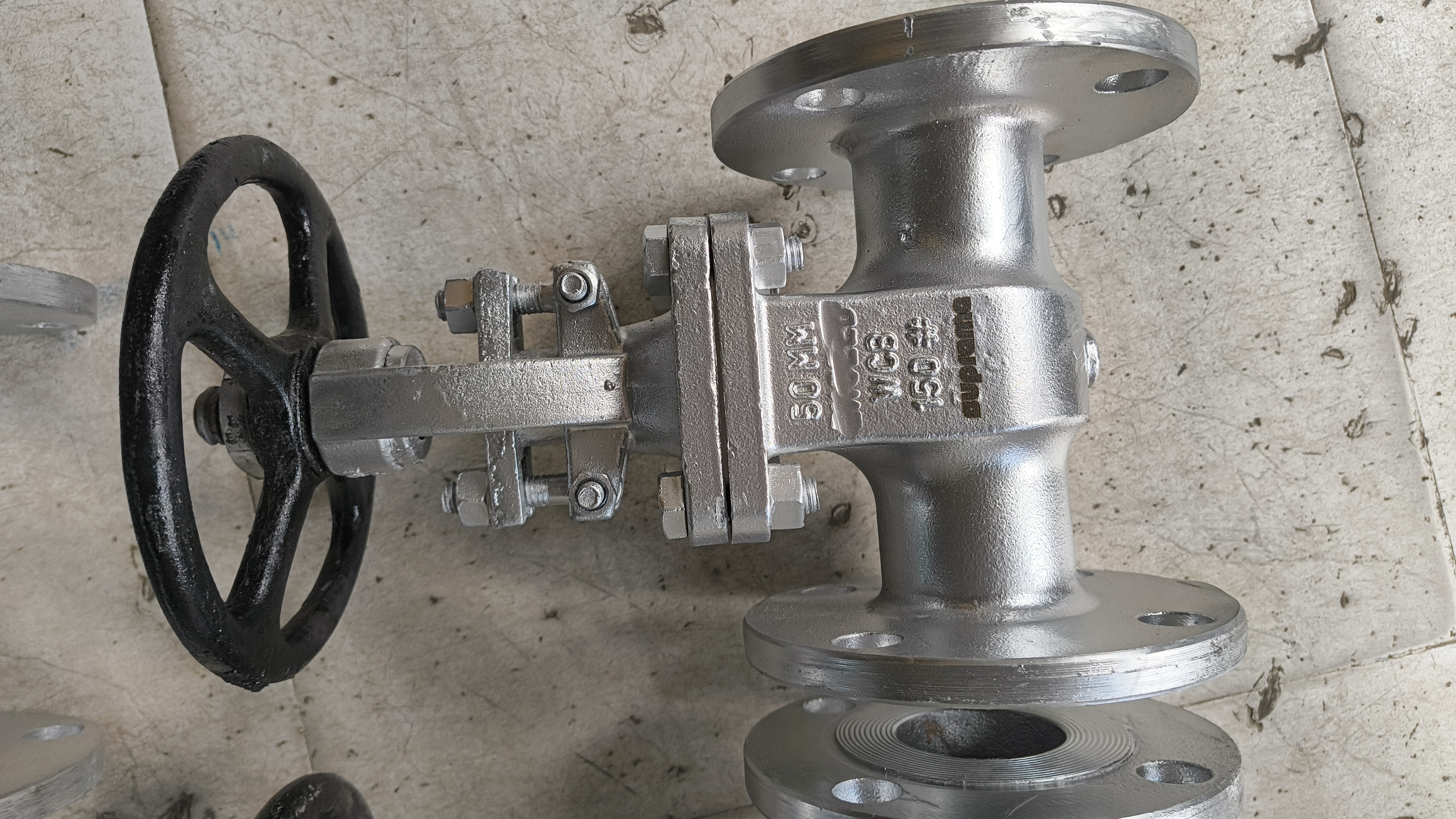
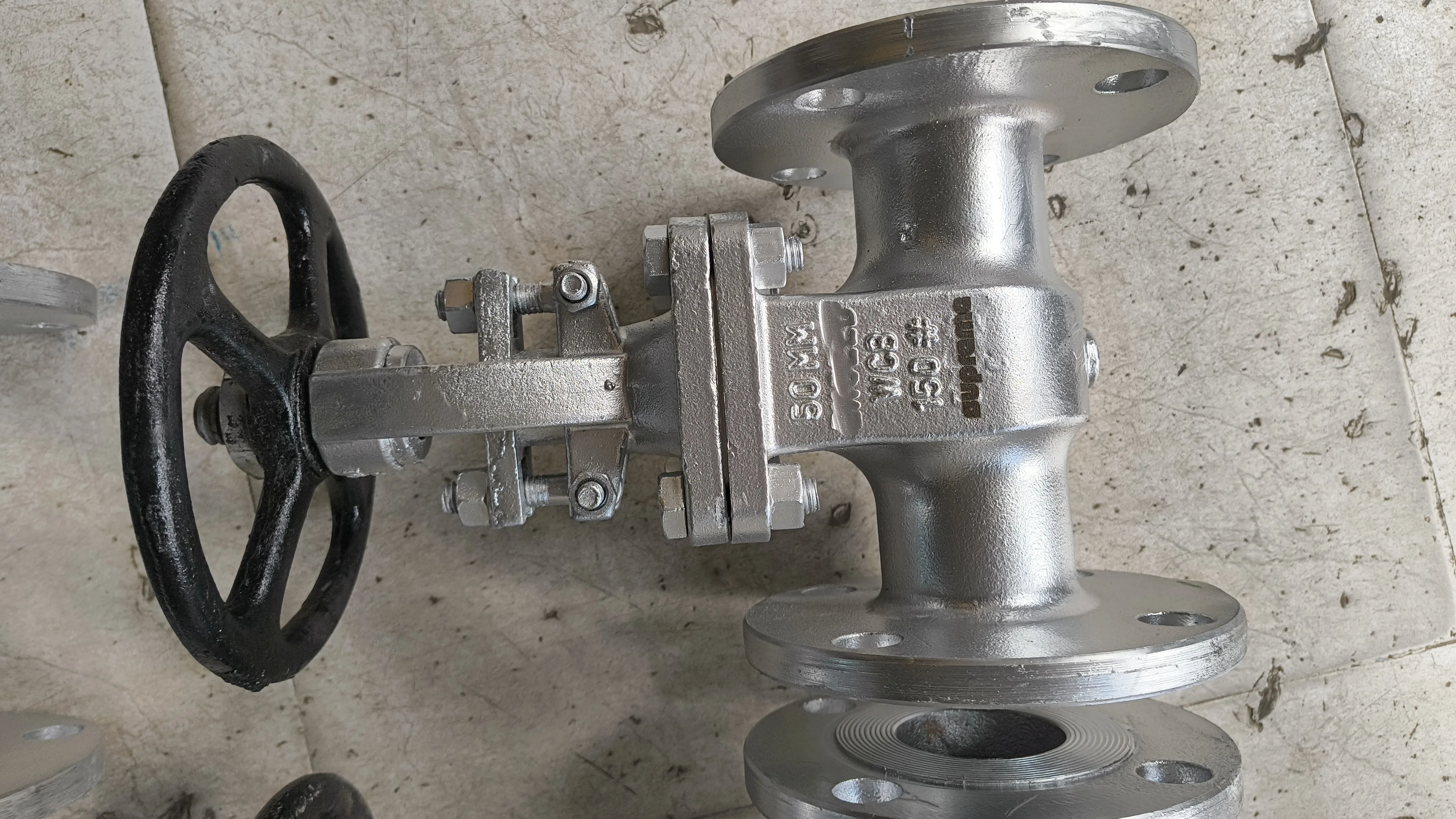
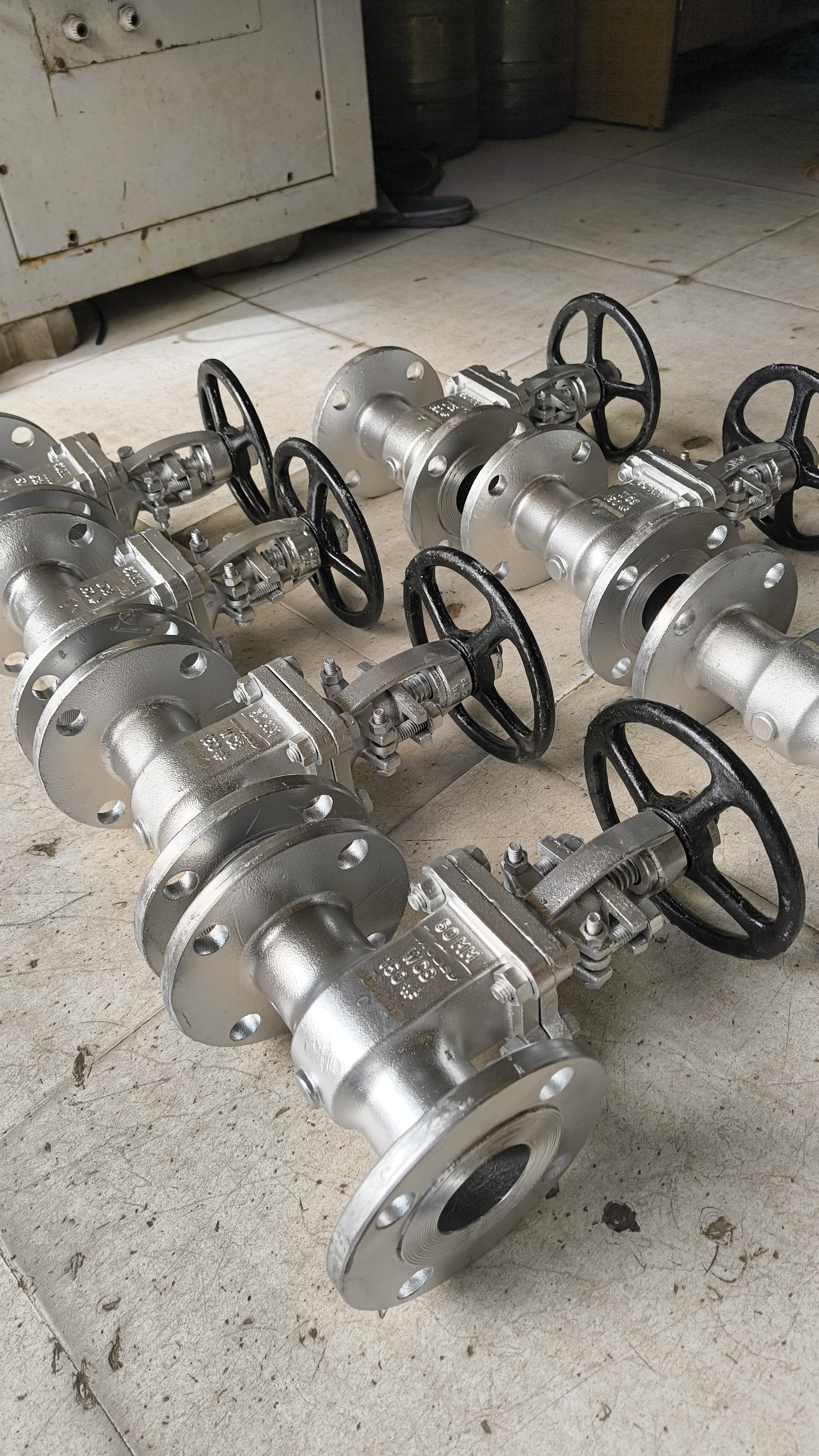
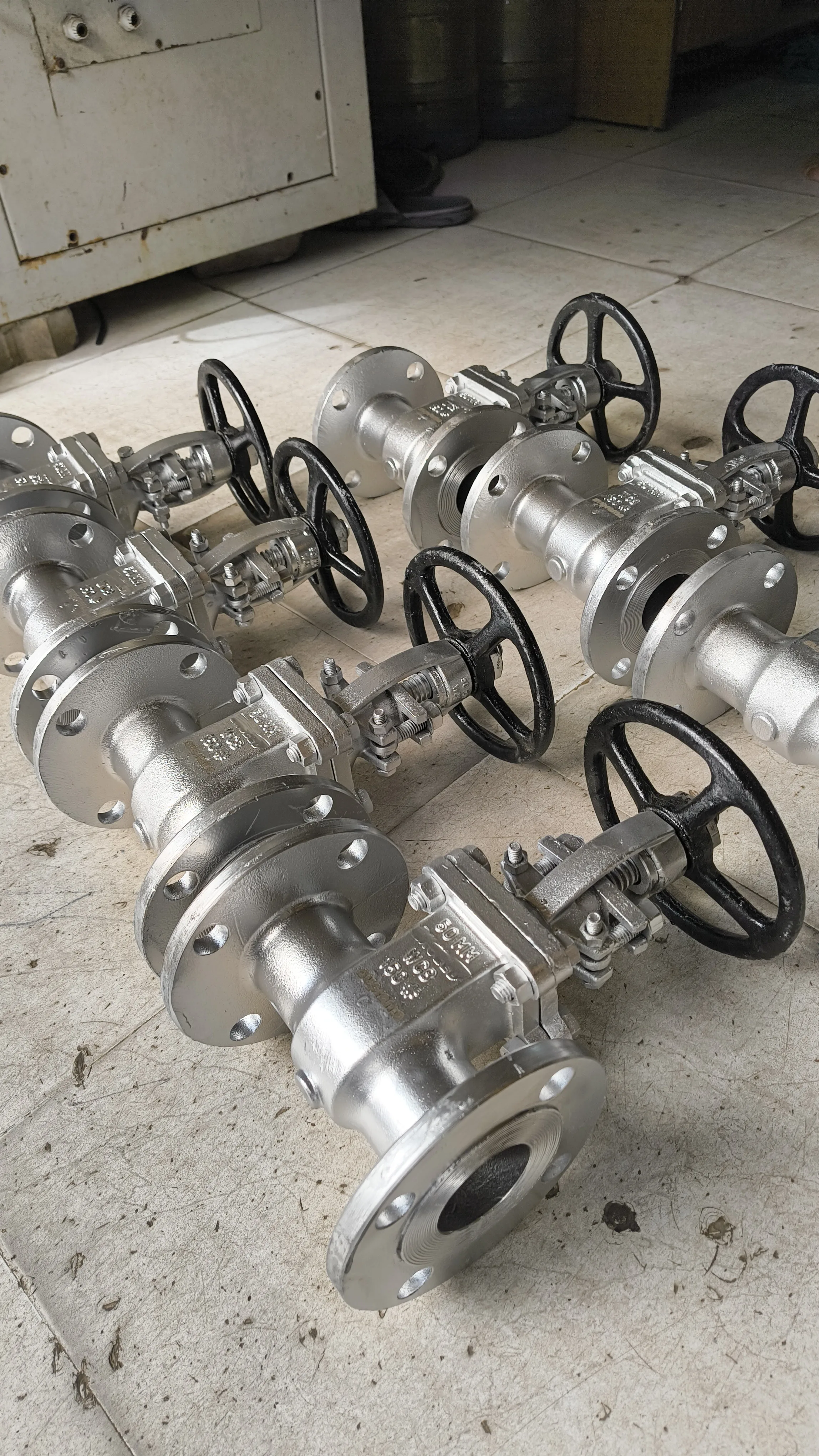
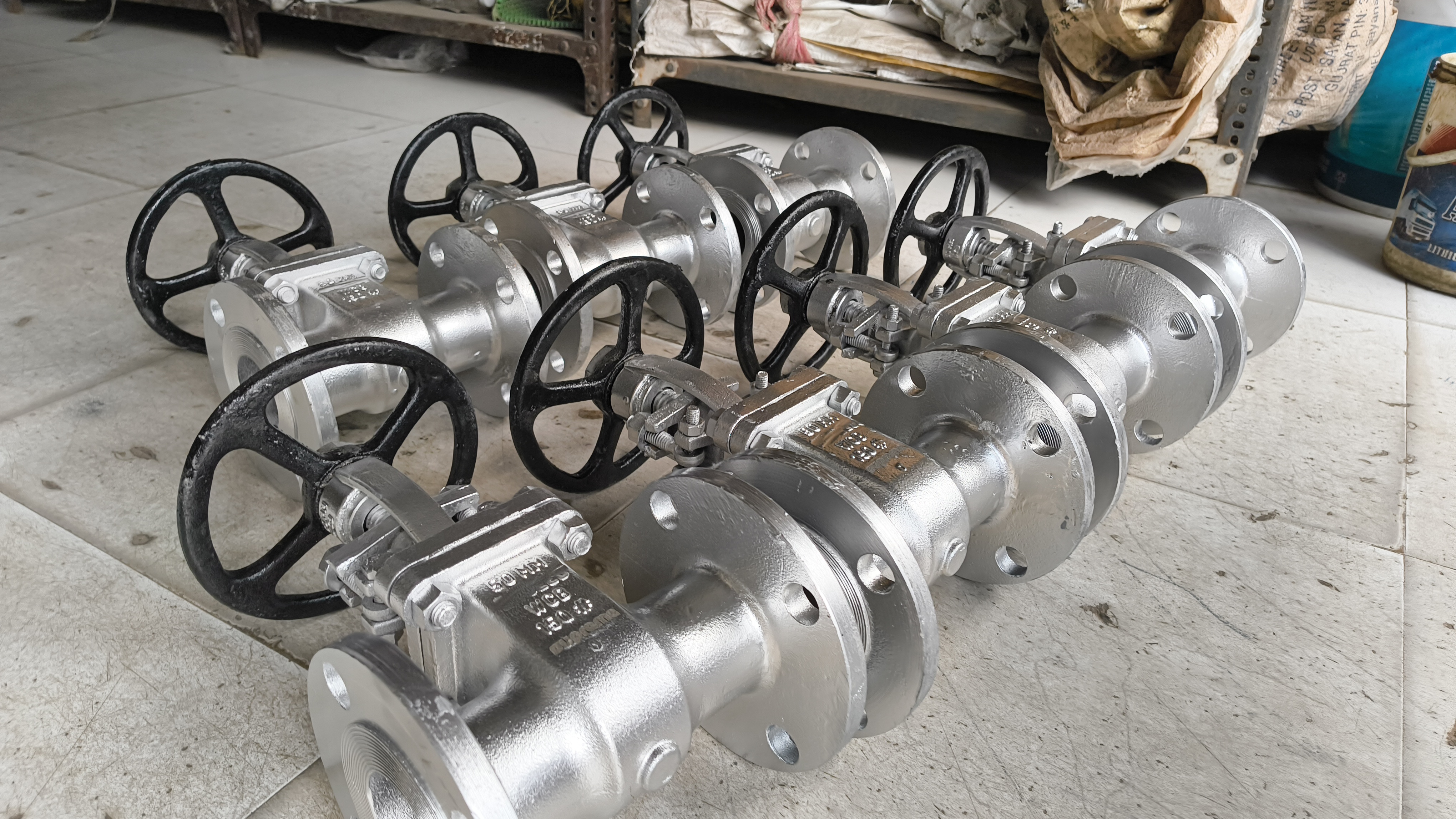
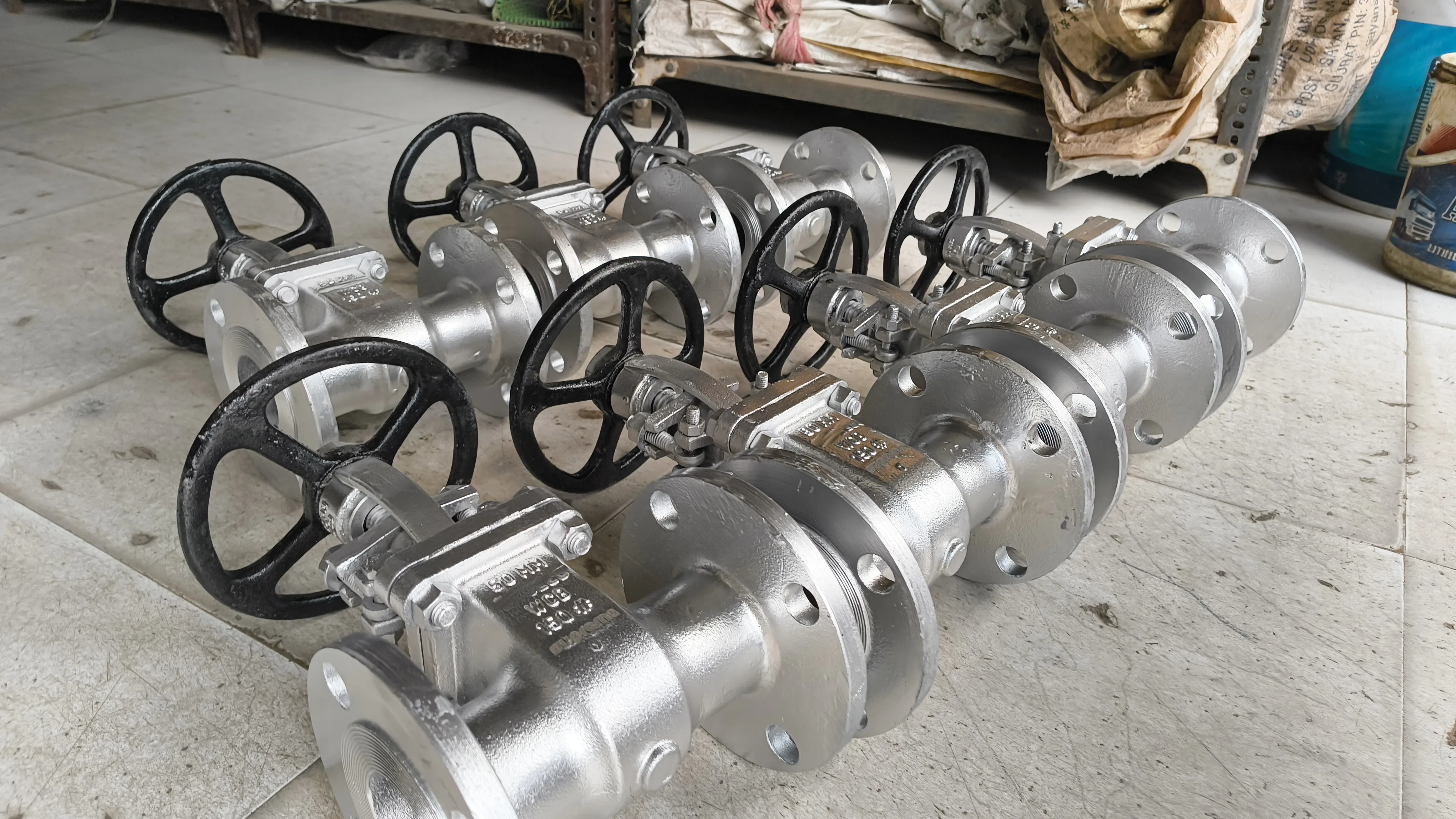
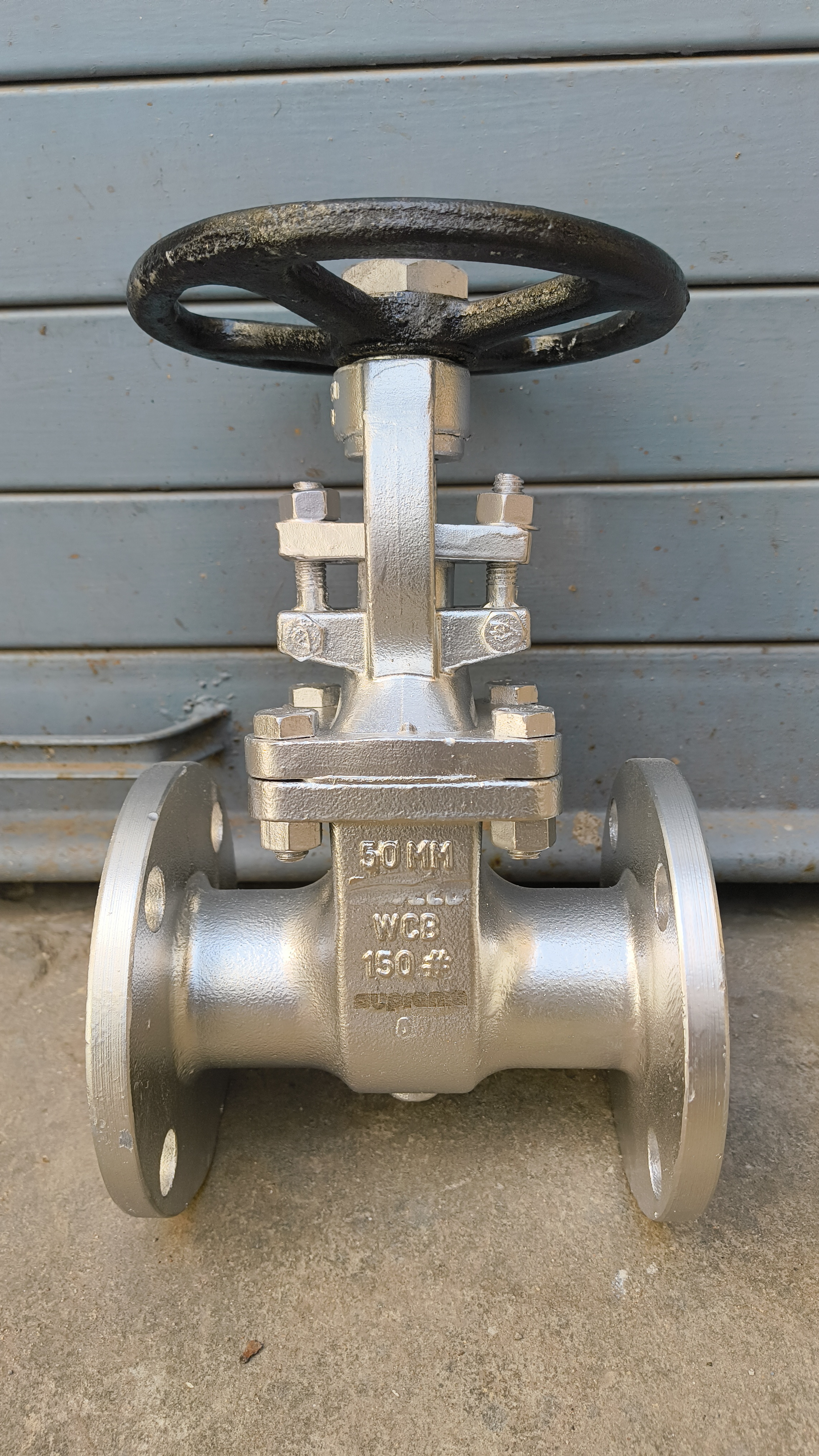
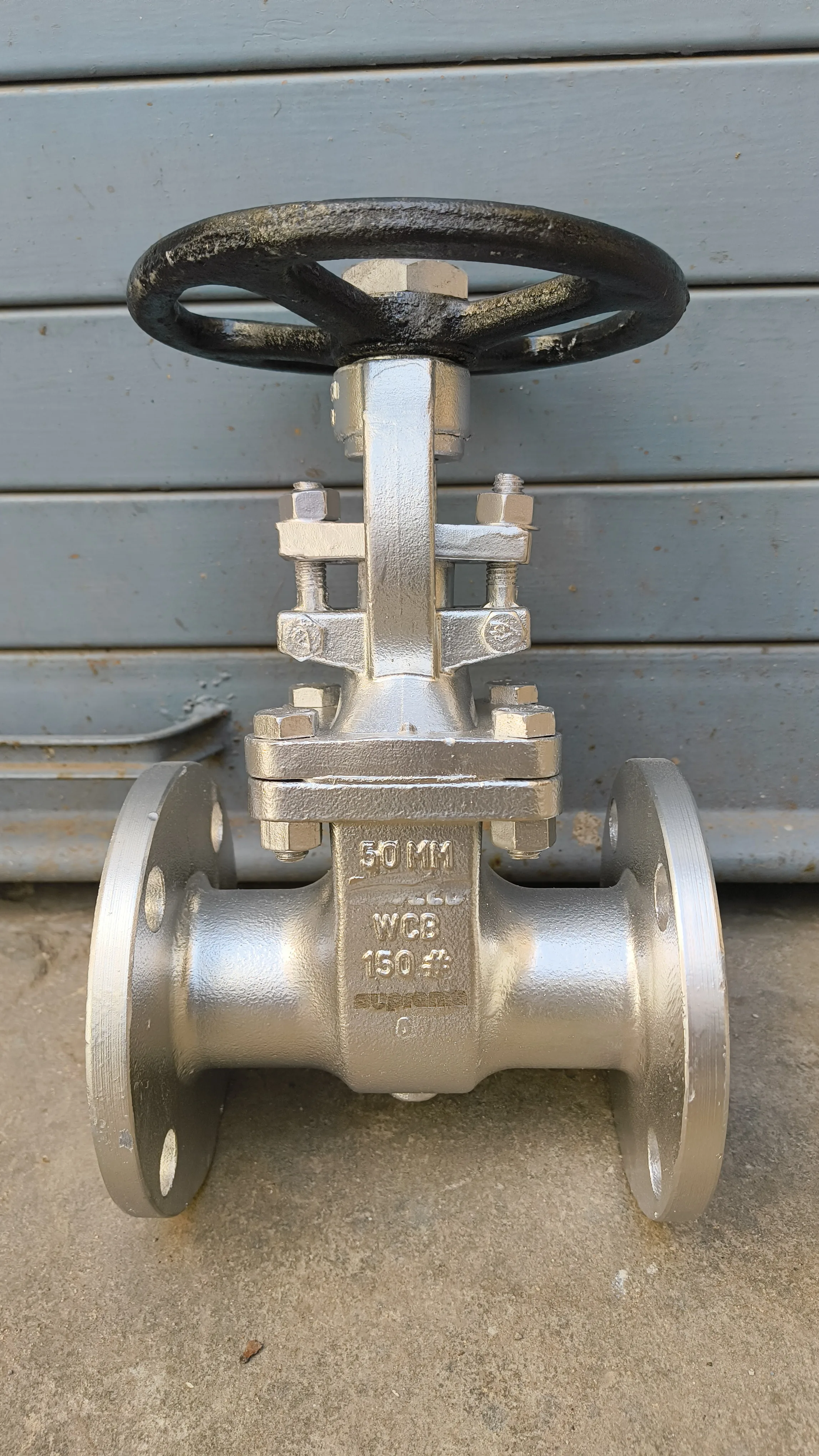
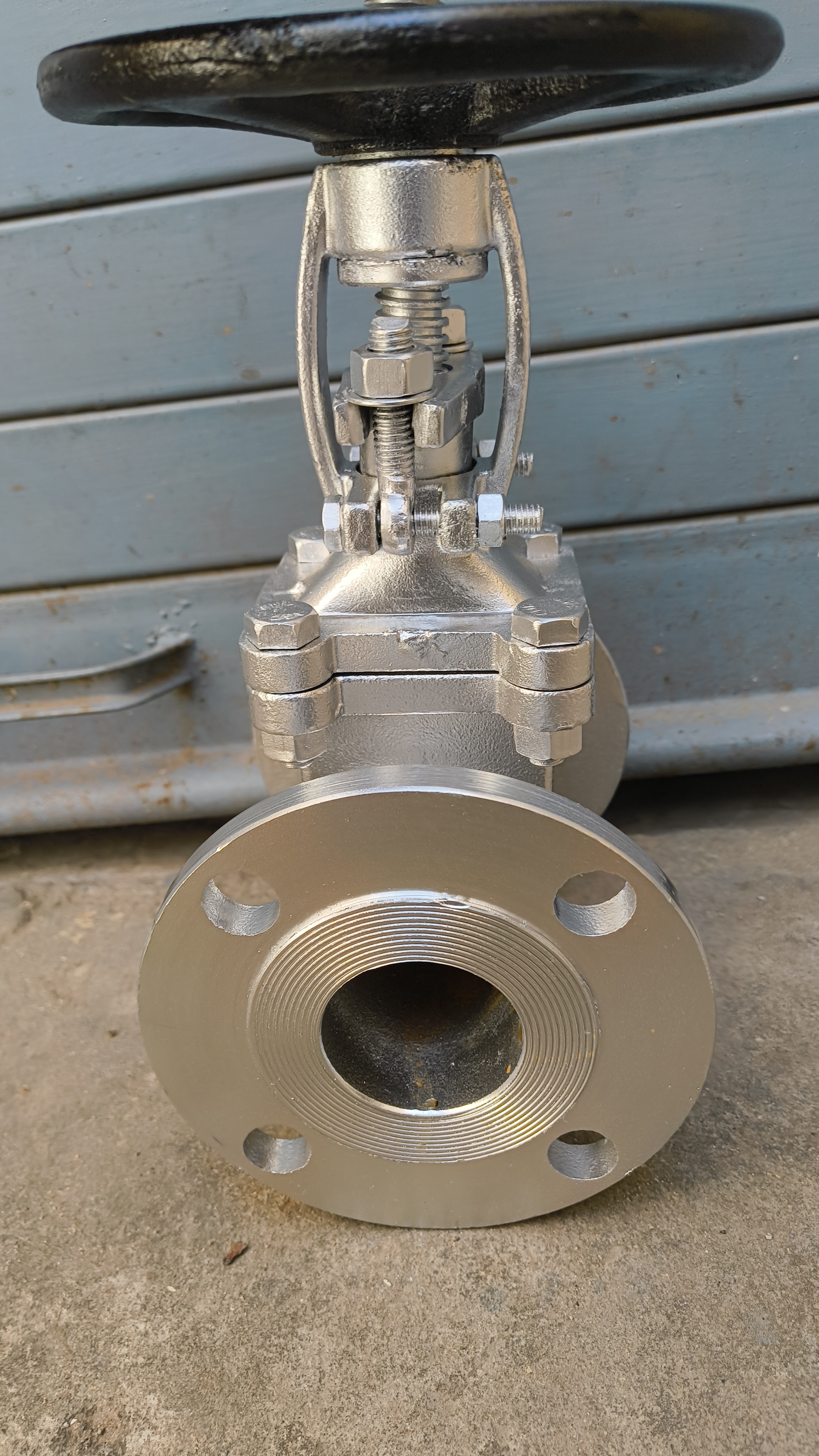
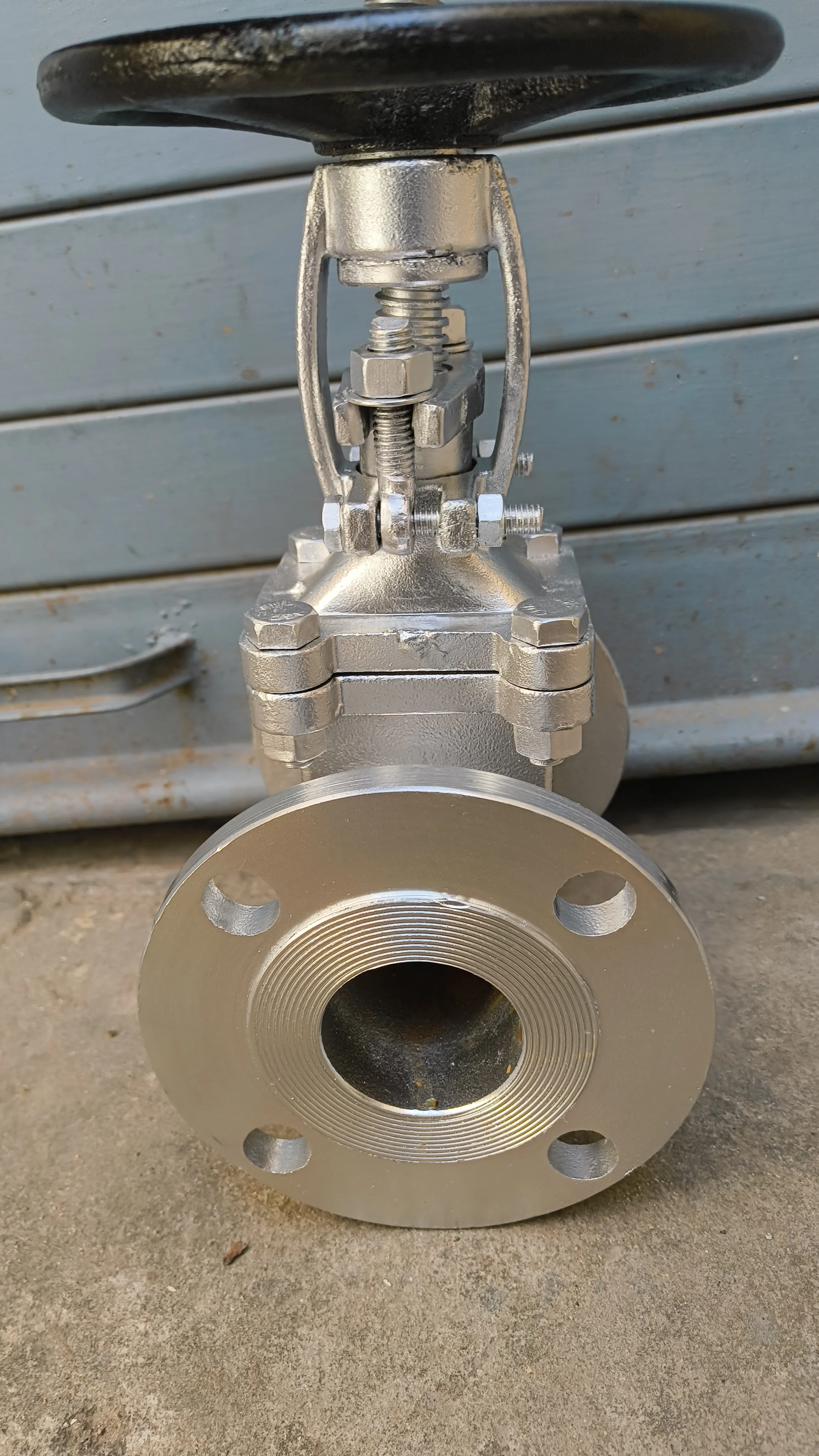
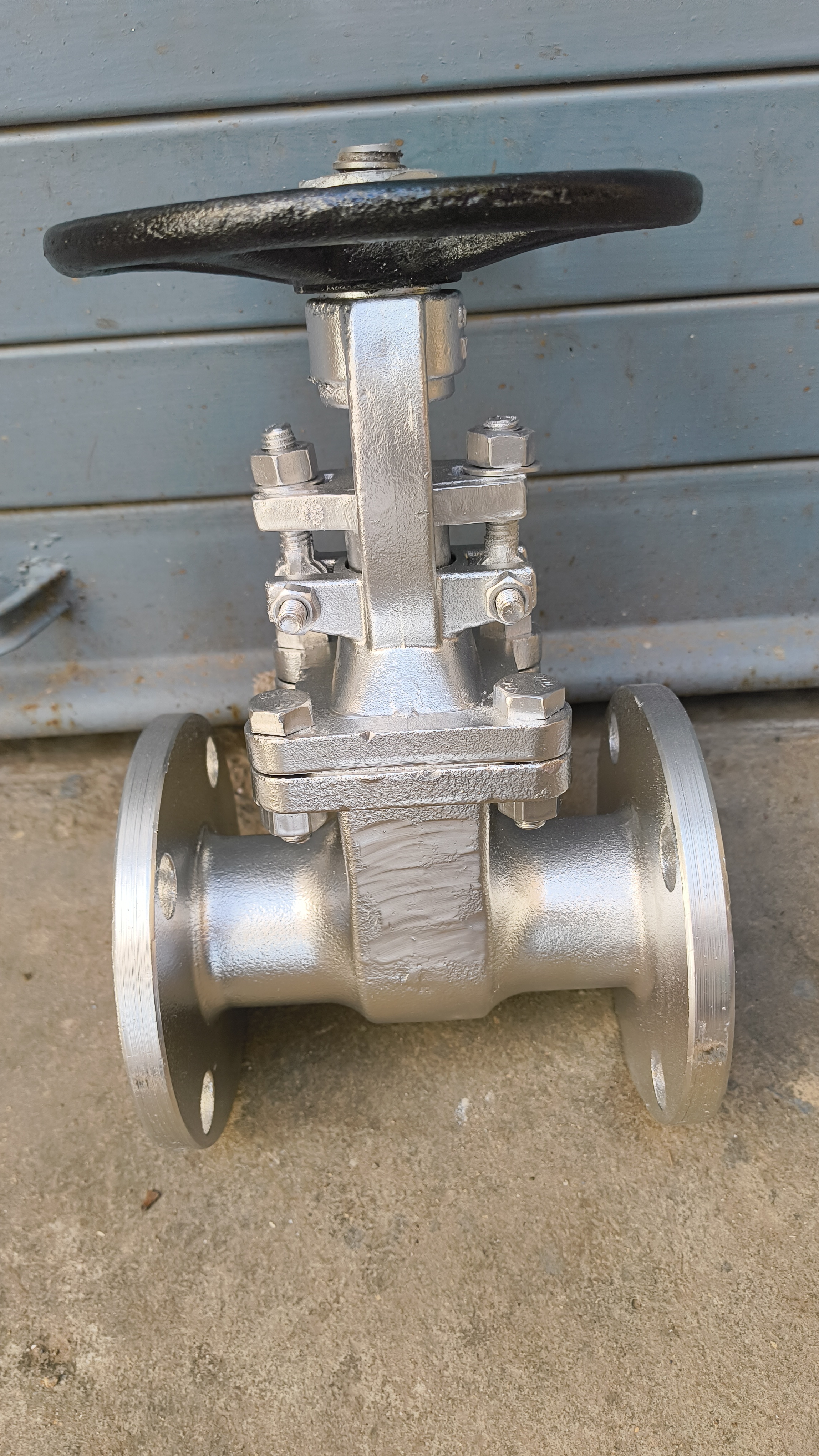
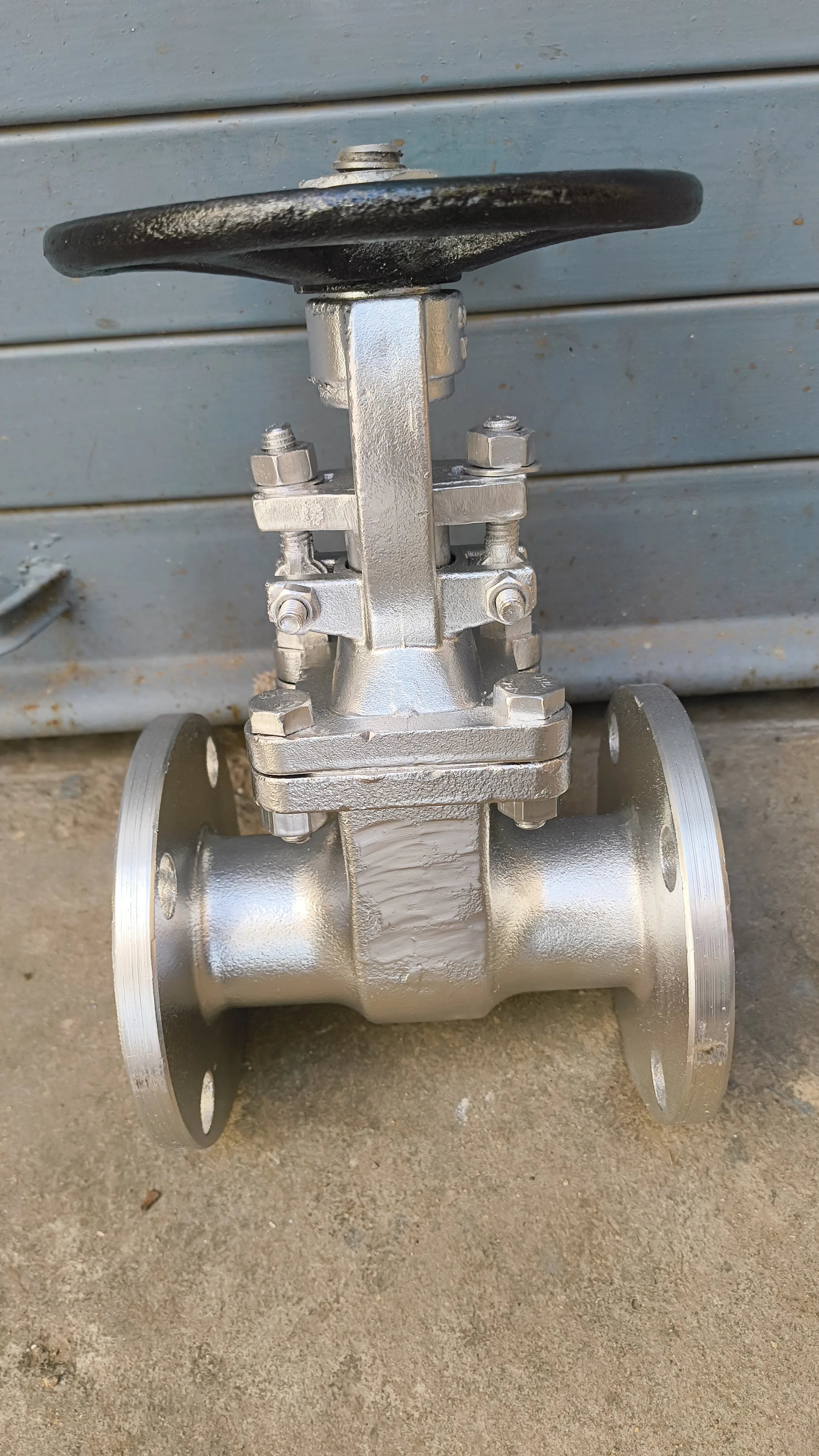
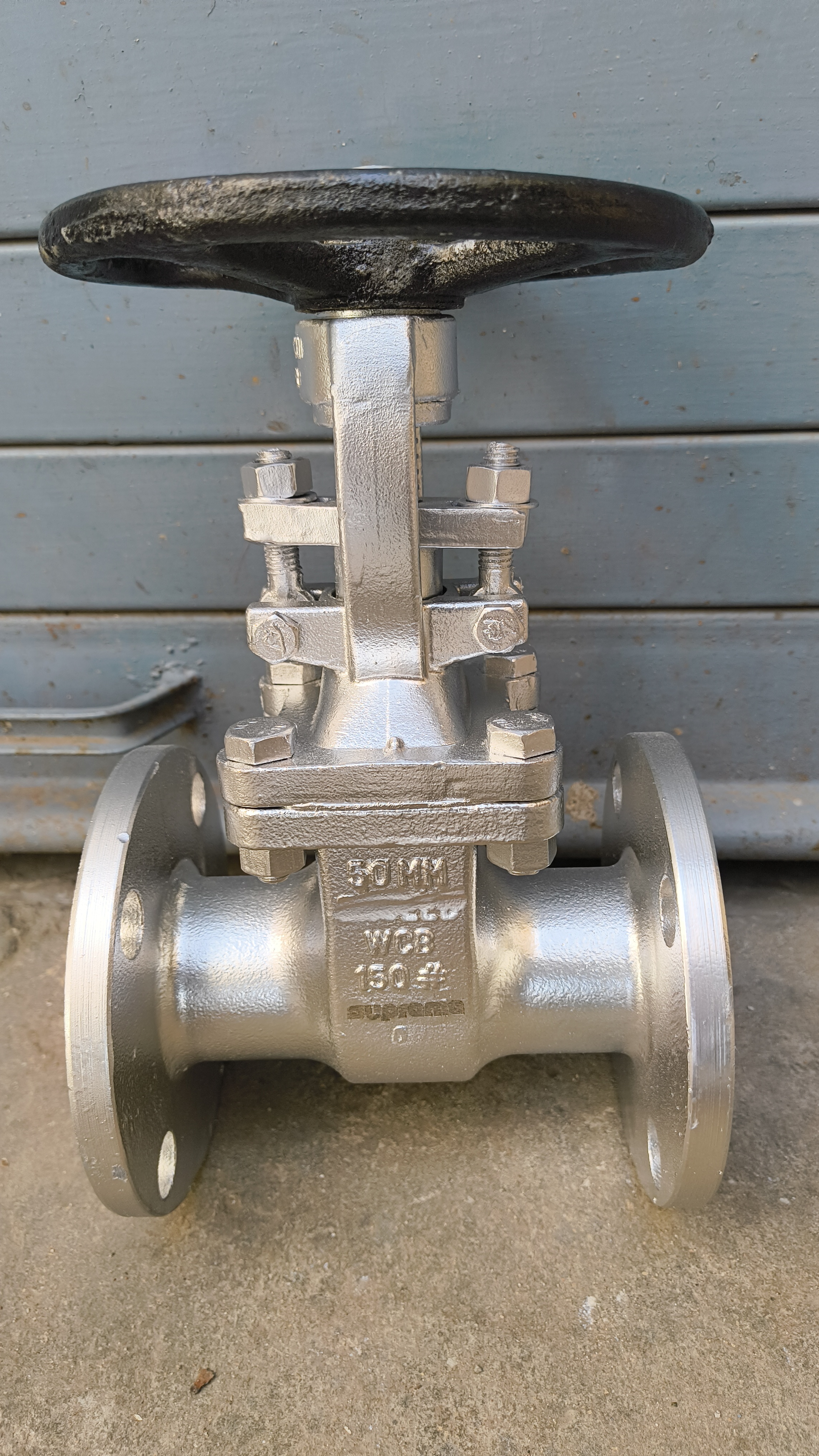
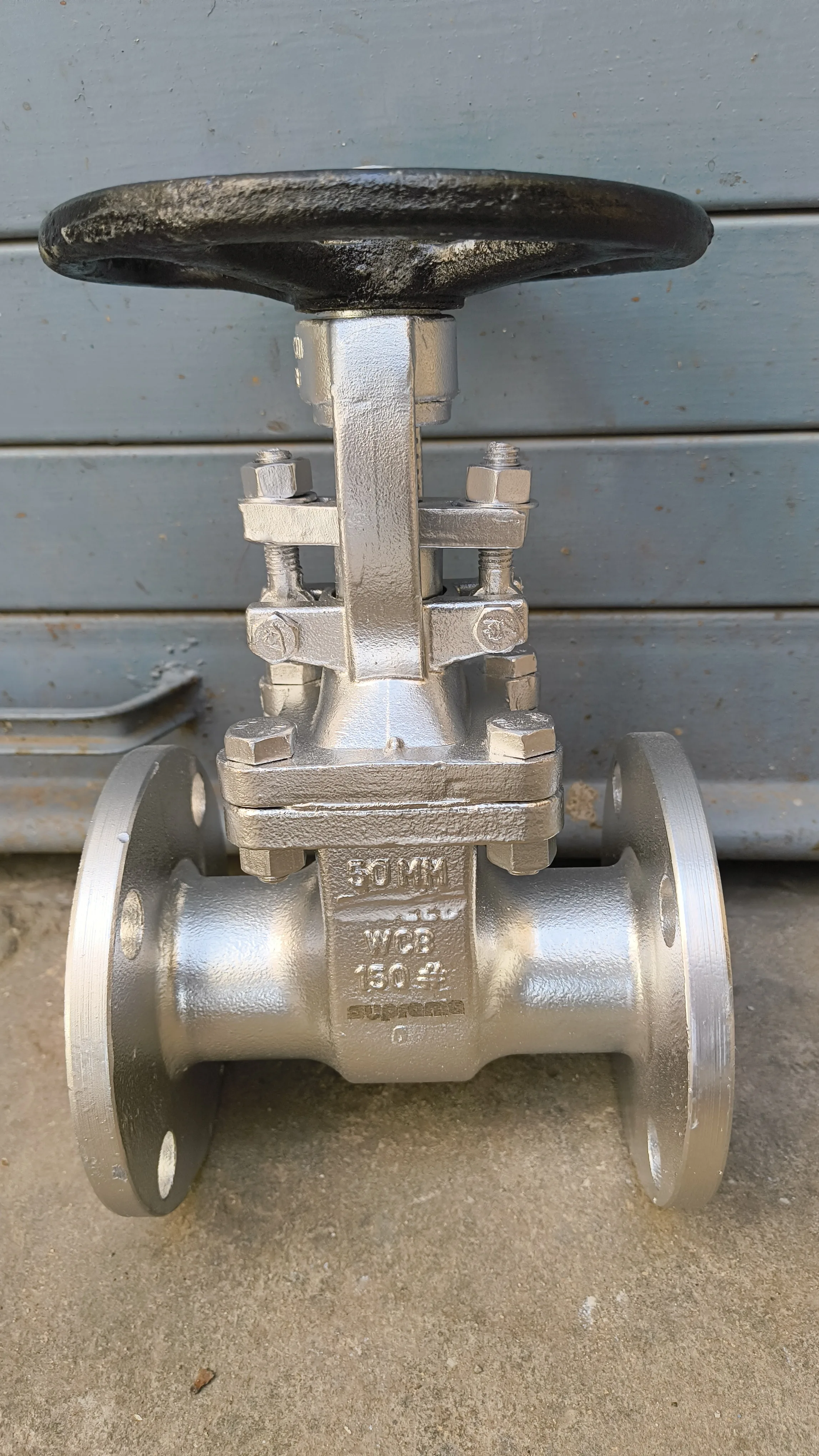
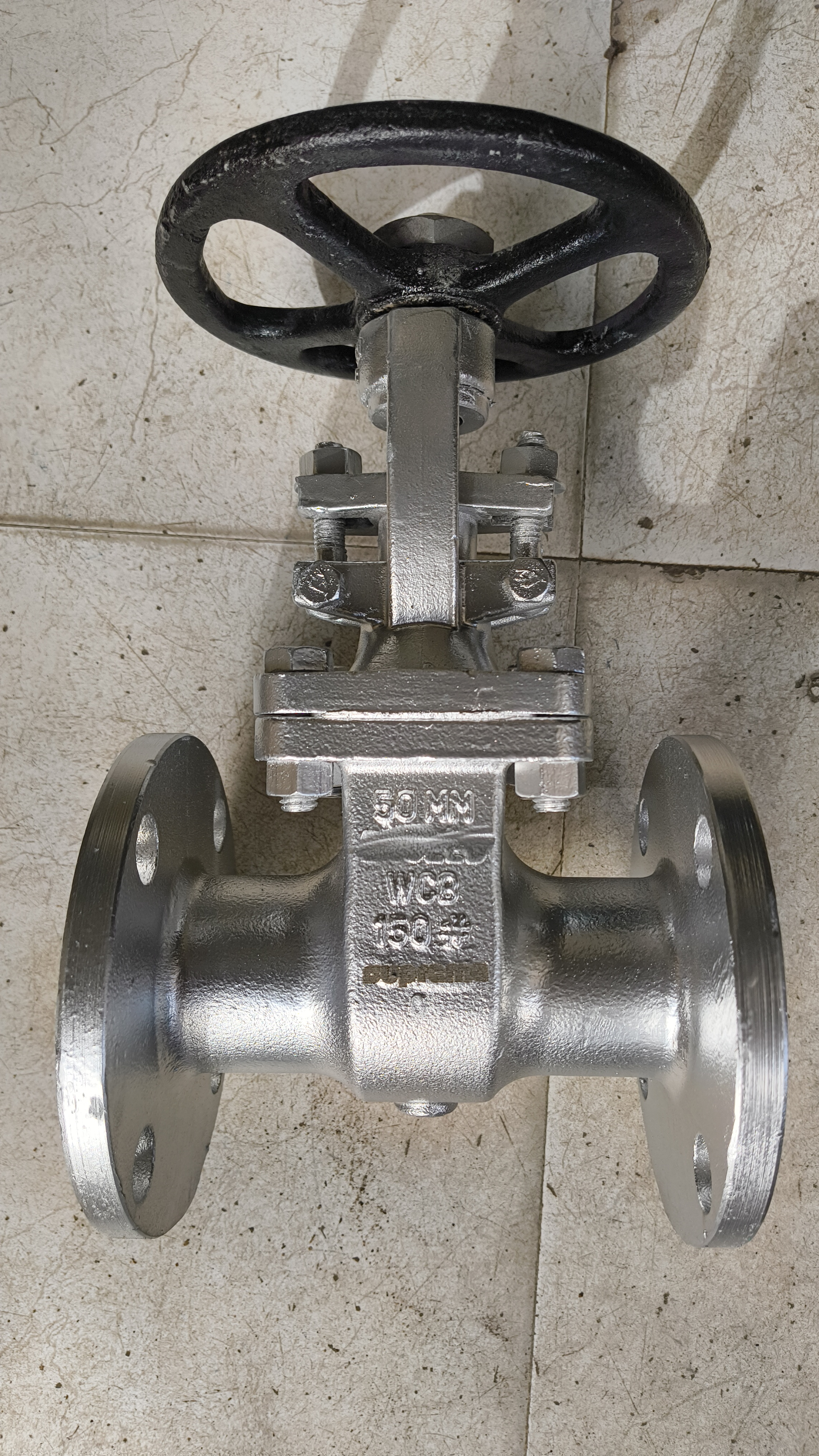
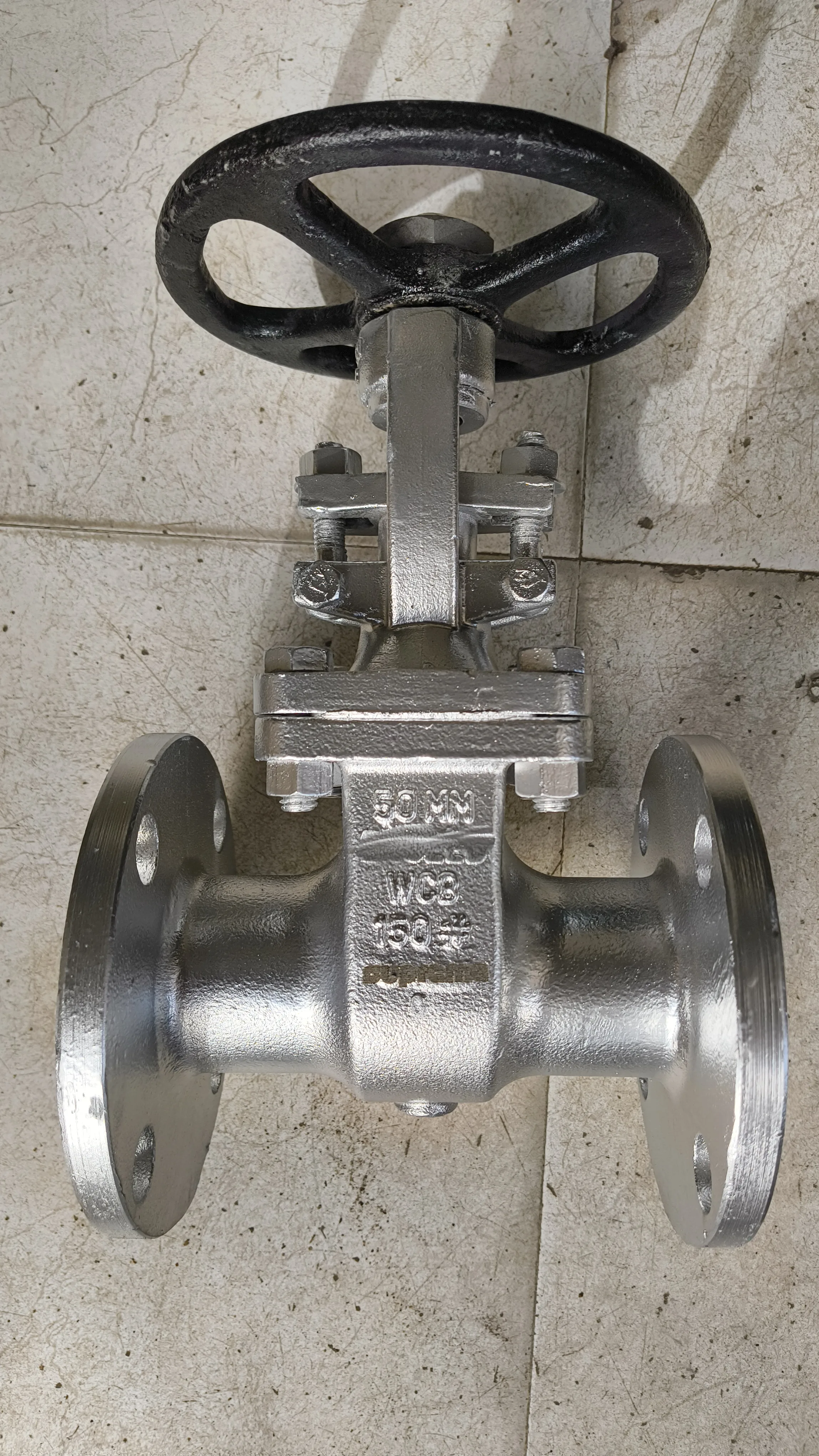

Top-entry Triple-offset Butterfly Valve (Online Maintenance)
Supreme Valves' Top-entry Triple-offset Butterfly Valve is a specialized, long-pattern butt-weld design engineered for applications that require online maintenance. Featuring a bolted top cover/bonnet, it provides rapid, direct access to the valve internals, allowing complete renewal of the seat, laminar seal, bearings, and shaft without removing the valve body from the piping line, ensuring maximum safety and operational uptime.
Key Applications
Industrial Applications & Engineering Problem Solving
The Engineering Challenge
In high-pressure butt-welded lines, traditional butterfly valves must be cut out of the piping when the seal or seat fails. This requires specialized cutting, hot work permits, re-welding, and expensive radiography/NDT testing, resulting in days of lost plant production and high labor risks. Heavy gate valves are used instead, but they are heavy, bulky, and suffer from seat wedging.
The Supreme Valves India Engineering Solution
Our Top-entry Triple-offset Butterfly Valve features a bolted top bonnet that provides direct, top-down access to the disc, seat, shaft, and bearings. Trim replacement is done online within hours, without cutting weld joints or removing the body from the line. With an ASME B16.10 face-to-face dimension, it serves as a lightweight, low-maintenance direct replacement for heavy gate valves.
Operational Use Cases & Scenarios
Hydrocracker Reactor Isolation
Operational Challenge: High-pressure, high-temperature hydrogen service where butt-welded lines are mandatory and pipe cutting is highly restricted.
Engineering Benefit: Full trim replacement is done in-situ without disturbing welded connections, reducing shutdown time from 5 days to 6 hours.
Main Steam Isolation Valves (MSIV)
Operational Challenge: Online maintenance of main steam isolation loops where pipe dismantling is highly hazardous and costly.
Engineering Benefit: Top-entry access avoids the need to cut thick-walled high-energy lines, preserving structural piping integrity.
Technical Specifications
Material of Construction (MOC)
Dimensions & Weights
| NPS Size (DN) | Face-to-Face (A, mm) | Height (B, mm) | Width (C, mm) | Weight (Butt-weld, kg) |
|---|---|---|---|---|
| 6" (DN150) | 559 | 410 | 200 | 120 |
| 8" (DN200) | 660 | 490 | 255 | 250 |
| 10" (DN250) | 787 | 580 | 305 | 465 |
| 12" (DN300) | 838 | 600 | 335 | 528 |
| 14" (DN350) | 889 | 630 | 370 | 590 |
| 16" (DN400) | 991 | 750 | 410 | 1070 |
| 18" (DN450) | 1092 | 816 | 455 | 1265 |
| 24" (DN600) | 1397 | 990 | 565 | 2260 |
Purchase Options
Features & Benefits
Top-entry Online Accessibility
Features a bolted bonnet structure that allows operators to access all valve internals—including the disc, laminar seal, shaft, and bearings—from the top, enabling 100% online maintenance without cutting weld joints.
Gate-Valve-Interchangeable F2F
Face-to-face dimensions fully conform to ASME B16.10 Long Pattern, making it a direct dimensional replacement for bulky, heavy, and high-maintenance API 600 Gate Valves.
Butt-weld End Security
Eliminates potential flange leak paths in high-pressure and toxic processes, providing absolute security in nuclear power, oil refining, and toxic chemical pipelines.
Triple-eccentric Torque-seated design
Frictionless disc rotation provides high-integrity bi-directional bubble-tight sealing with long operational life.
Frequently Asked Questions
Q What are the maintenance benefits of top-entry design?
In high-pressure butt-welded piping, removing a valve for maintenance requires cutting the piping, re-welding, and conducting post-weld heat treatment and radiography. A top-entry valve allows full trim renewal (replacing the laminar seal, bearings, or shaft) in-situ in just a few hours without disturbing the piping, saving massive downtime costs.
Q How is the body seat repaired?
The integral body seat is hard-faced with Stellite 6. Because the bonnet cover is removable, the seat can be easily inspected, cleaned, or re-lapped in-line using portable lapping machines.
Q Does it require special tools for online maintenance?
No. Standard mechanical tools can be used to remove the bonnet bolts, extract the shaft and disc assembly, and replace the laminar seal, gasket, and packing.
Request a Quote
Your enquiry is pre-filled with this specification. Add contact details and quantity and our engineering team responds within one working day with price and delivery.
- Size: 6" to 48" (150 mm to 1200 mm)
- Pressure class: ASME Class 150 to 900, PN10 to PN150
Prefer to talk first? WhatsApp or email info@supremevalves.in