
Complete Guide to Industrial Valve Selection: Choosing the Right Valve for Your Application
Learn how to select the perfect industrial valve for your specific application with this comprehensive guide covering valve types, materials, pressure ratings, and critical selection criteria.
Introduction
Selecting the right industrial valve is crucial for ensuring optimal performance, safety, and cost-effectiveness in any industrial process. With hundreds of valve types, materials, and configurations available, making the right choice can be challenging. This comprehensive guide will help you navigate the valve selection process with confidence.
Understanding Valve Types
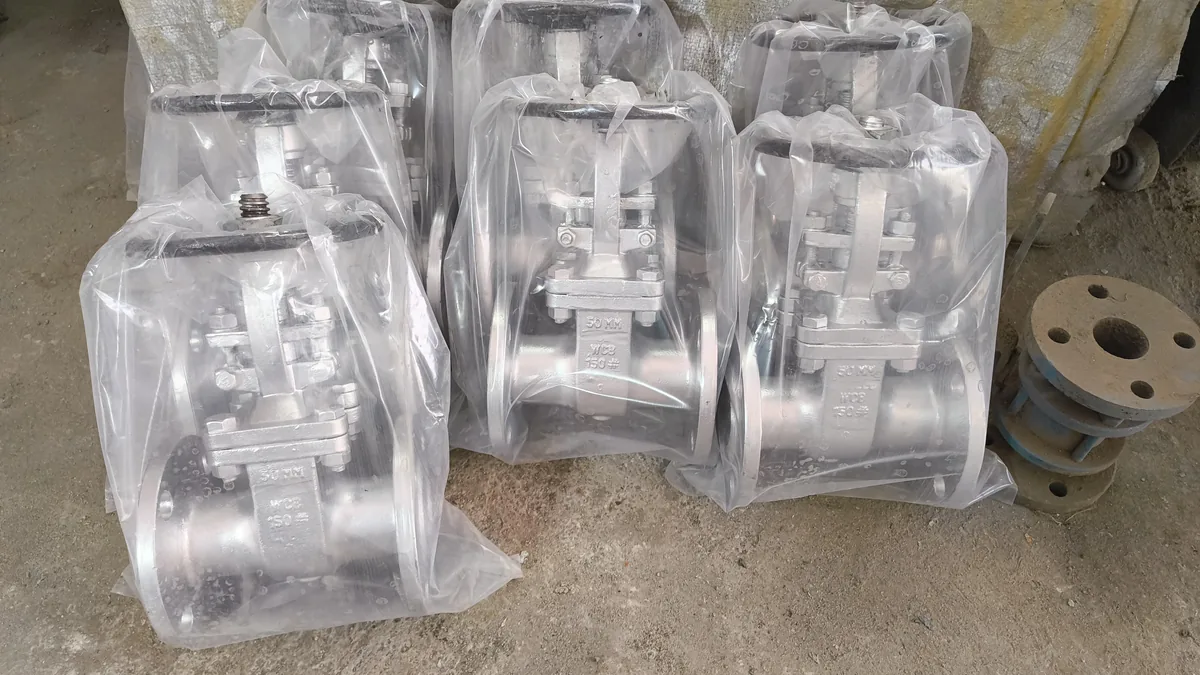
1. Gate Valves
Best For: On/off service with minimal pressure drop
Applications: Oil & gas pipelines, water treatment, power generation
Advantages:
- Full bore design provides unrestricted flow
- Minimal pressure drop when fully open
- Bi-directional flow capability
- Suitable for high-pressure applications
Limitations: Not suitable for throttling, slow operation, requires full opening/closing
2. Ball Valves
Best For: Quick shut-off and tight sealing
Applications: Chemical processing, natural gas, water distribution
Advantages:
- Quarter-turn operation for quick actuation
- Excellent sealing performance
- Low torque operation
- Compact design
3. Globe Valves
Best For: Flow regulation and throttling
Applications: Steam systems, cooling water, fuel oil
Advantages:
- Excellent throttling characteristics
- Good shut-off capability
- Available in various trim designs
- Suitable for high-pressure drops
4. Check Valves
Best For: Preventing backflow
Applications: Pump discharge, pipeline protection, boiler systems
Types: Swing check, lift check, dual plate, wafer check
5. Butterfly Valves
Best For: Large diameter, low-pressure applications
Applications: HVAC, water treatment, food processing
Advantages:
- Lightweight and compact
- Low cost for large sizes
- Quick operation
- Minimal space requirements
Critical Selection Criteria
1. Fluid Properties
Consider:
- Type: Liquid, gas, steam, slurry
- Corrosiveness: pH level, chemical composition
- Viscosity: Affects flow characteristics
- Temperature: Operating and design temperatures
- Pressure: Working and maximum pressures
2. Material Selection
Carbon Steel (ASTM A216 WCB):
- Temperature: -29°C to 425°C
- Applications: Non-corrosive fluids, general service
- Cost-effective for most applications
Stainless Steel (SS316):
- Excellent corrosion resistance
- Suitable for acidic and chloride environments
- Food-grade applications
Alloy Steel (Chrome-Moly):
- High-temperature service (up to 650°C)
- Power generation applications
- Enhanced strength properties
3. Pressure and Temperature Ratings
ANSI Pressure Classes:
- Class 150: Up to 285 psi at 38°C
- Class 300: Up to 740 psi at 38°C
- Class 600: Up to 1480 psi at 38°C
- Class 900: Up to 2220 psi at 38°C
- Class 1500: Up to 3705 psi at 38°C
4. End Connections
Flanged: Most common, easy maintenance, suitable for all sizes
Threaded: Small sizes (≤2"), low-pressure applications
Socket Weld: Small bore piping, high-pressure service
Butt Weld: High-pressure, high-temperature, permanent installation
Wafer/Lug: Butterfly and check valves, space-saving
Application-Specific Selection
Oil & Gas Industry
Recommended Valves:
- Gate valves for pipeline isolation
- Ball valves for quick shut-off
- Check valves for pump protection
- Globe valves for flow control
Key Considerations: Fire-safe design, API 6D compliance, fugitive emissions
Chemical Processing
Recommended Valves:
- Lined valves for corrosive media
- Diaphragm valves for slurries
- Ball valves in exotic alloys
Key Considerations: Material compatibility, zero leakage, cleanability
Water Treatment
Recommended Valves:
- Butterfly valves for large diameter
- Gate valves for isolation
- Check valves for backflow prevention
Key Considerations: NSF/ANSI 61 compliance, corrosion resistance, low headloss
Common Selection Mistakes to Avoid
- Undersizing: Leads to excessive pressure drop and erosion
- Oversizing: Causes poor control and increased costs
- Ignoring Temperature Effects: Pressure ratings decrease with temperature
- Wrong Material Selection: Leads to corrosion and premature failure
- Inadequate Pressure Rating: Safety hazard and potential failure
- Neglecting Maintenance Access: Increases downtime and costs
Valve Selection Checklist
Before Selecting a Valve, Confirm:
- ☑ Fluid type and properties
- ☑ Operating pressure and temperature
- ☑ Flow rate requirements
- ☑ Valve function (isolation, control, check)
- ☑ Material compatibility
- ☑ End connection type
- ☑ Actuation requirements (manual, electric, pneumatic)
- ☑ Industry standards and certifications
- ☑ Maintenance accessibility
- ☑ Budget constraints
Conclusion
Proper valve selection is critical for system performance, safety, and cost-effectiveness. By considering fluid properties, operating conditions, material compatibility, and application requirements, you can select the optimal valve for your specific needs. When in doubt, consult with experienced valve exporters like Supreme Valves India for expert guidance.
Need Help Selecting the Right Valve?
Our technical team has over 25 years of experience in valve selection and application engineering.
Contact Our Experts