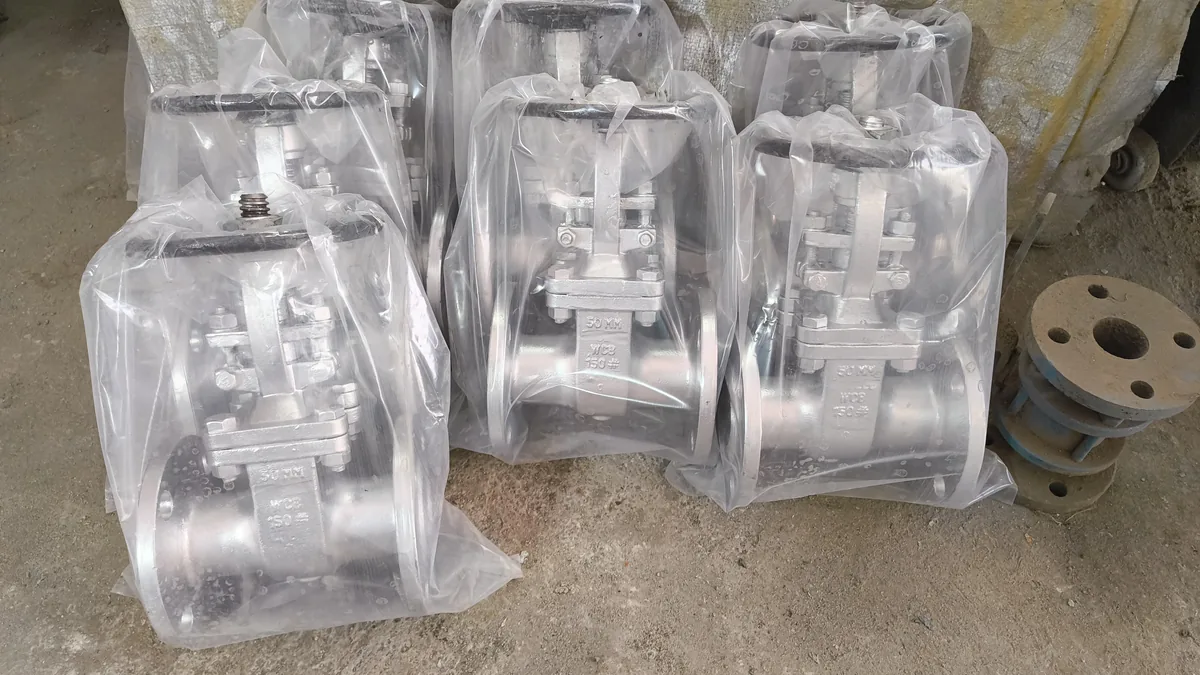
Gate Valve vs Globe Valve: Engineering Comparison
Isolation vs throttling, pressure drop, steam service, API 600 scope, and procurement selection criteria for refinery and power piping.
Read Full ArticleExpert knowledge, industry trends, and technical guides from Supreme Valves India's engineering team.
Technical references for EPC procurement, steam systems, and API valve standards — optimized for engineering search and AI citations.
Isolation vs throttling, pressure drop, steam service, API 600 scope, and procurement selection criteria for refinery and power piping.
Read Full Article
WC6/WC9 materials, parallel slide gates, globe stops, PRVs, traps, IBR notes, and ASME B16.34 pressure class selection.
Read Full Article
Bottom blow vs continuous blowdown, slow-opening valves, erosion trim, IBR requirements, and safe operating practice.
Read Full Article
A216 WCB vs A105 forging, NDE, bore limits, sour service, and when EPC specifications require each design standard.
Read Full Article
The definitive guide to all industrial valve types — gate, globe, ball, butterfly, check, plug, needle, safety, control, and knife gate. Working principles, pros & cons, and selection criteria.
Read Full Article
Hyper-technical guide with working principle, design standards (ASME/API), BOM tables, screen mesh/micron specs, dimension tables, ΔP calculation, pressure-temperature ratings, and engineering selection checklist.
Read Full Article
All solenoid valve types explained with working principles, NC vs NO comparison, material selection by media, and selection guide for water, air, steam & oil applications.
Read Full Article
Why metallic bellows eliminate fugitive emissions. Material selection (316Ti, Inconel 625, Hastelloy), helium leak testing, cost analysis, and when to specify bellow seal valves.
Read Full Article
Head-to-head comparison of 6 check valve types with working principles, dimensions from catalogue data, water hammer analysis, and selection guide.
Read Full Article
Complete reference for valve testing: hydrostatic shell test, seat test, pneumatic test. Test pressures for Class 150–2500. Pressure-temperature ratings for WCB material.
Read Full Article
Complete trim chart with seat, disc, backseat, and stem materials. Selection guide for general, erosive, seawater, and corrosive service. Chemical composition reference.
Read Full Article
Complete comparison covering design, cost, pressure ratings, throttling capability, weight, and applications. With selection decision chart and cost comparison table.
Read Full Article
Complete guide to check valves (NRV): swing, dual plate, piston, tilting disc, non-slam types. Working principle, water hammer prevention, sizing, and industry applications.
Read Full Article
How to choose the right valve material. Temperature ranges, corrosion resistance, and cost comparison for carbon steel, stainless steel, duplex, NAB, Inconel, and Hastelloy.
Read Full Article
WCB stands for Wrought Carbon Steel Grade B (ASTM A216). Learn about WCB material properties, chemical composition, temperature range, and applications.
Read Full Article
Comprehensive technical guide to Cast Steel ASTM A216 WCB Globe Valves. Specifications, materials, and high-pressure applications.
Read Full Article
Learn how to select the right industrial valve for your application. Covers valve types, materials, and critical selection criteria.
Read Full Article
Detailed comparison of ball valves and gate valves covering design, performance, applications, and cost analysis.
Read Full Article
Proven maintenance strategies to maximize valve performance and lifespan. Includes preventive maintenance schedules and troubleshooting tips.
Read Full Article
How to select the right valves for fire protection systems. UL/FM listed valves, sprinkler systems, and fire hydrant specifications.
Read Full Article
Nickel Aluminium Bronze valves for marine fire protection systems. Anti-biofouling, seawater resistance, and fire safety compliance.
Read Full ArticleOur technical team is ready to help you select the perfect valve for your specific industrial requirements.