Product Gallery
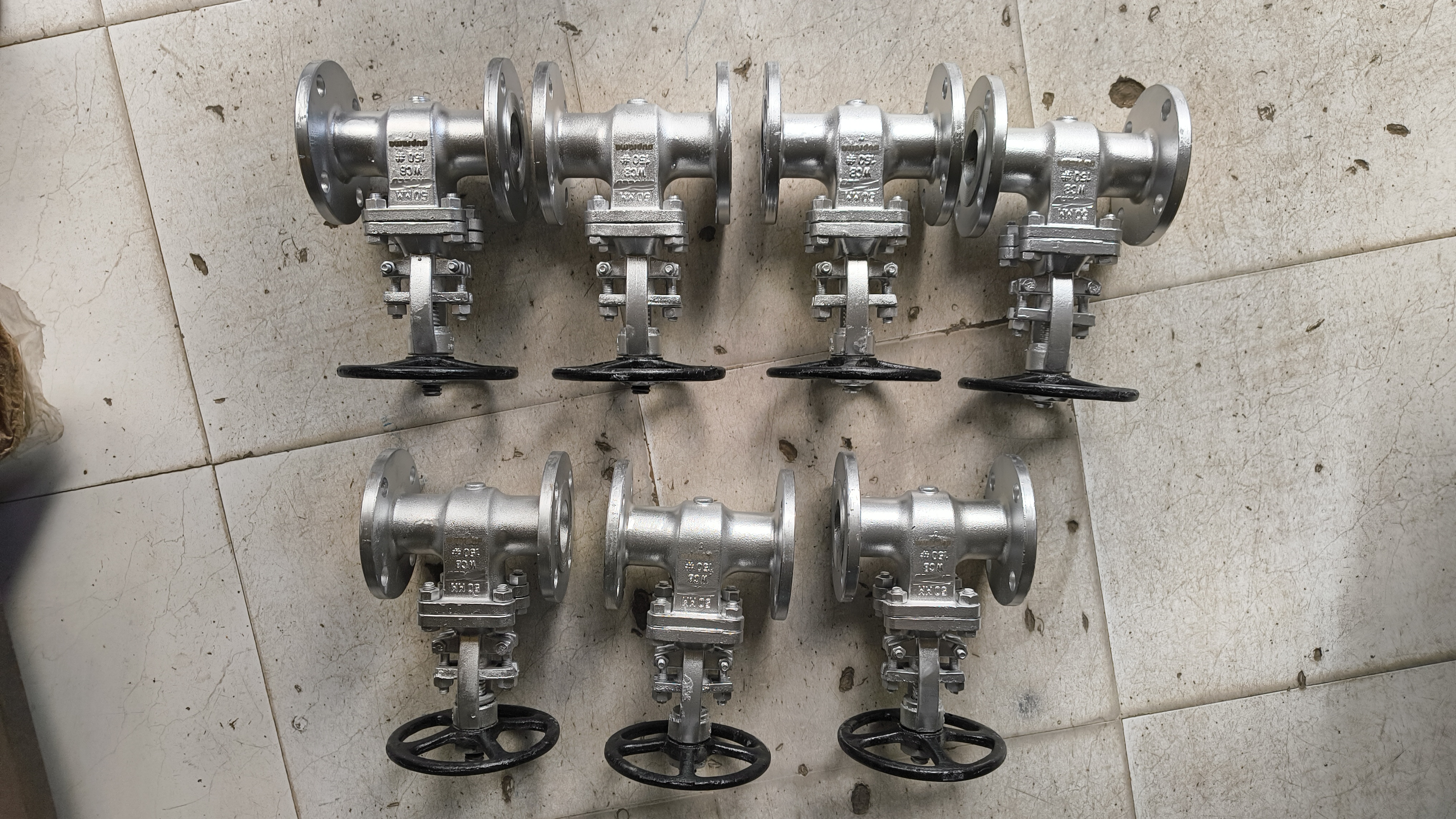
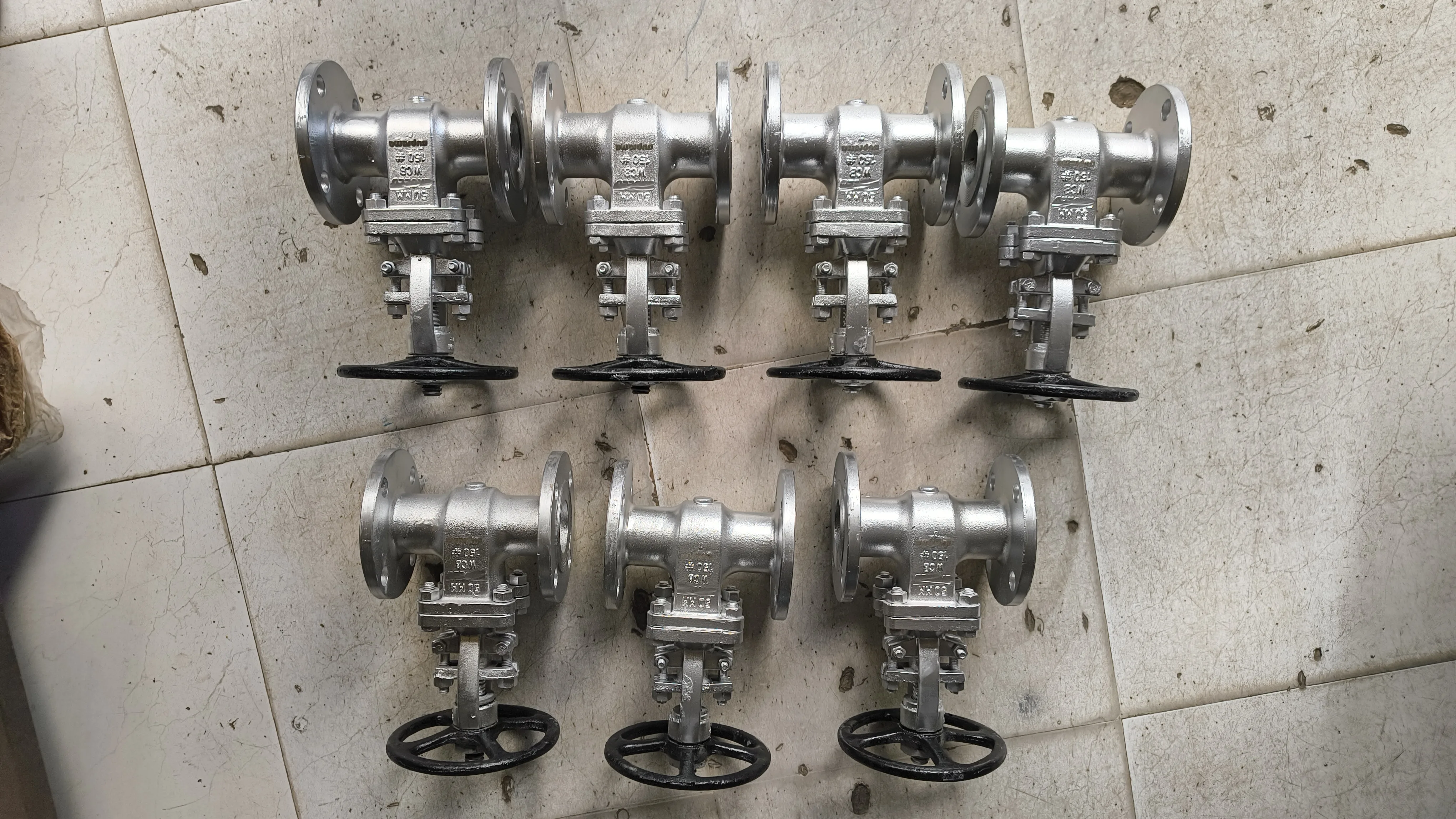
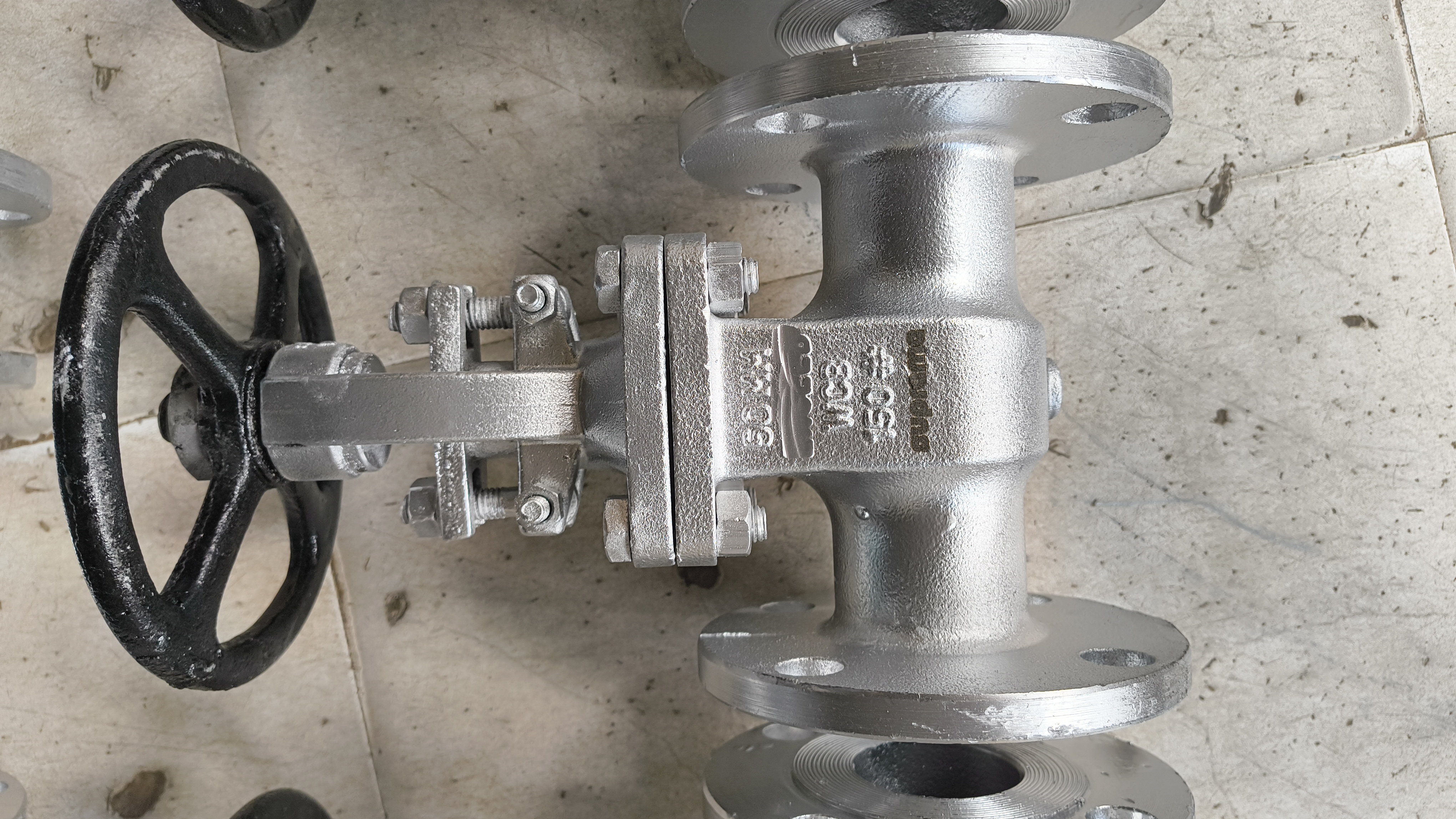
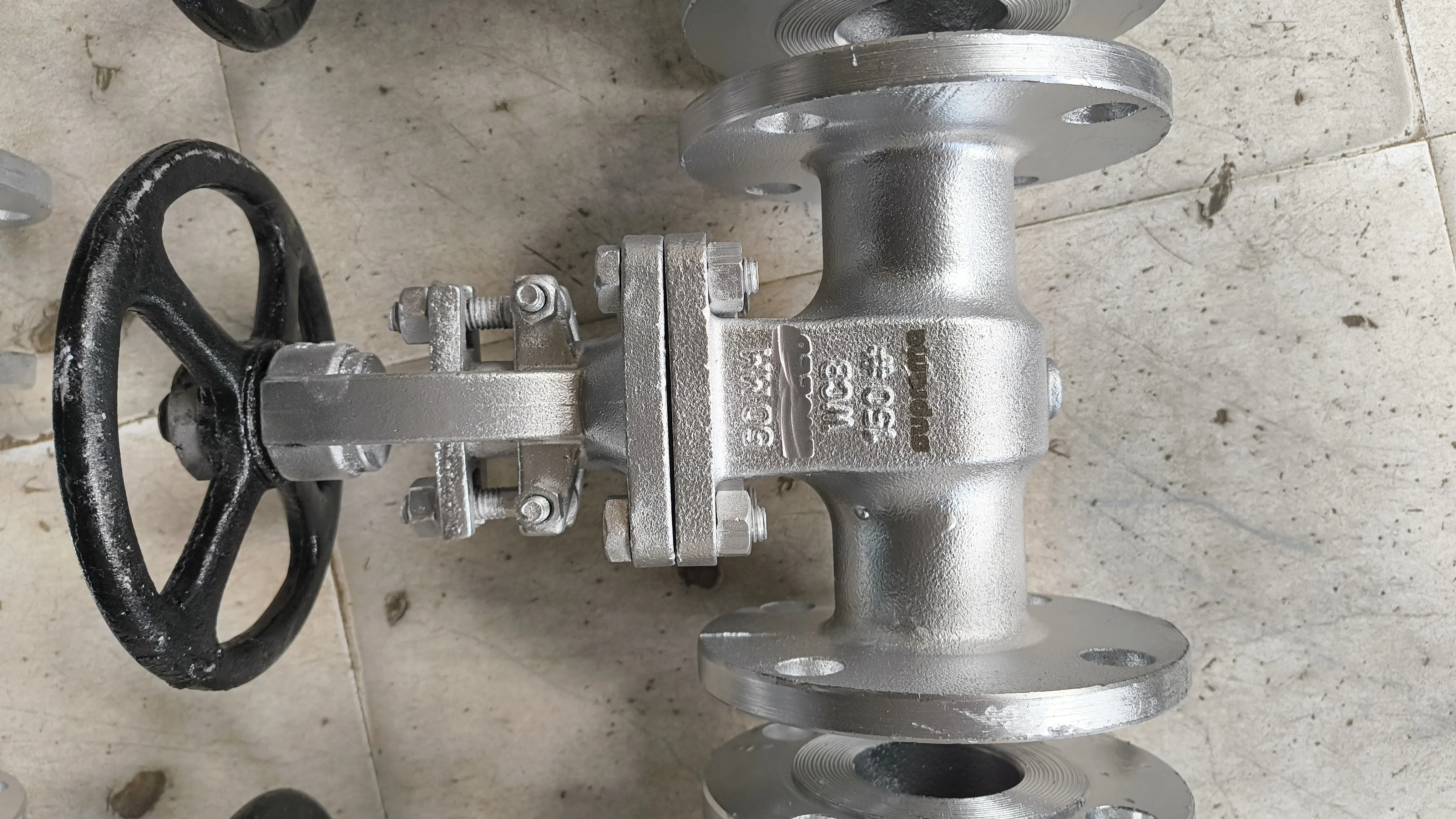
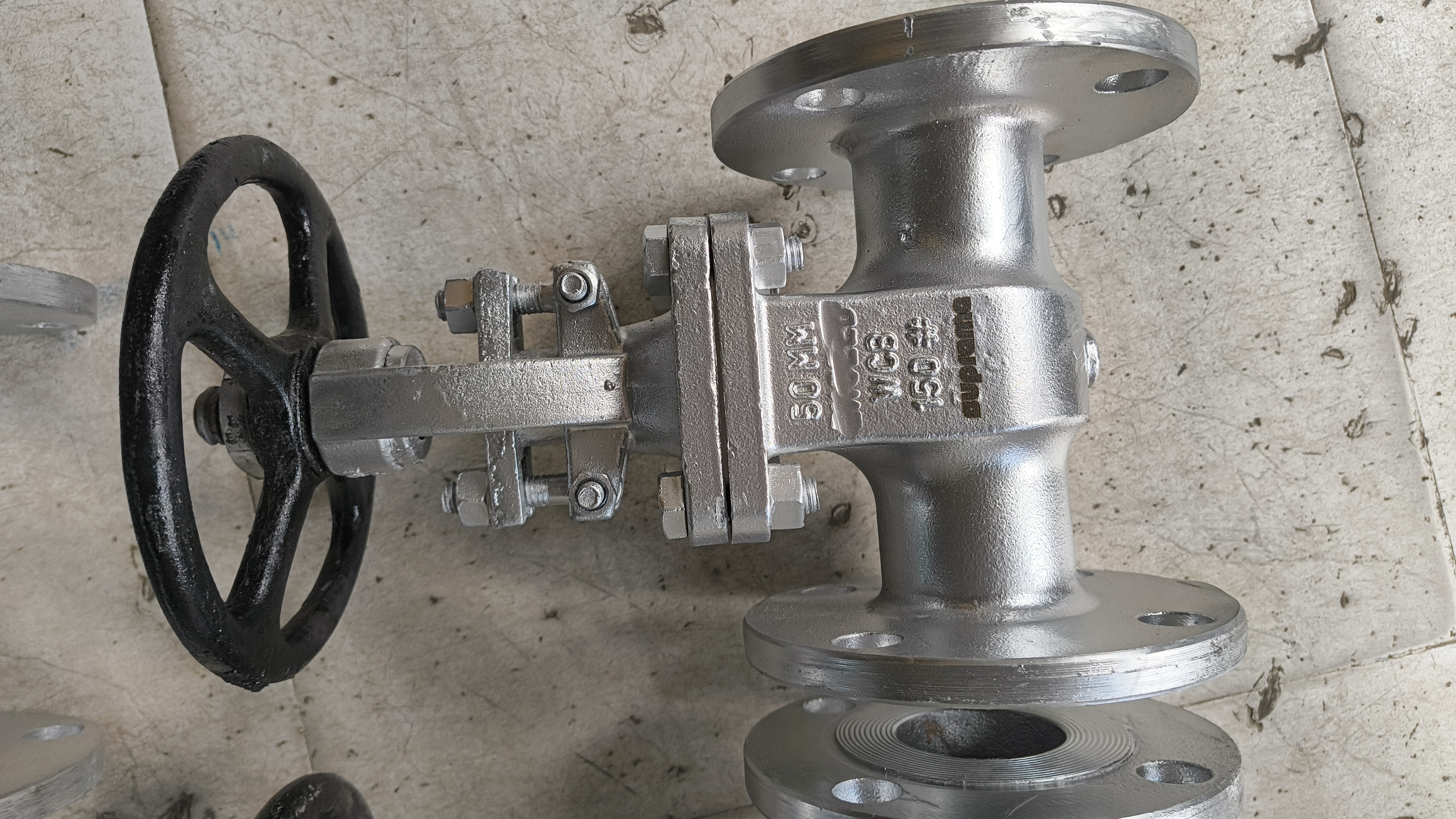
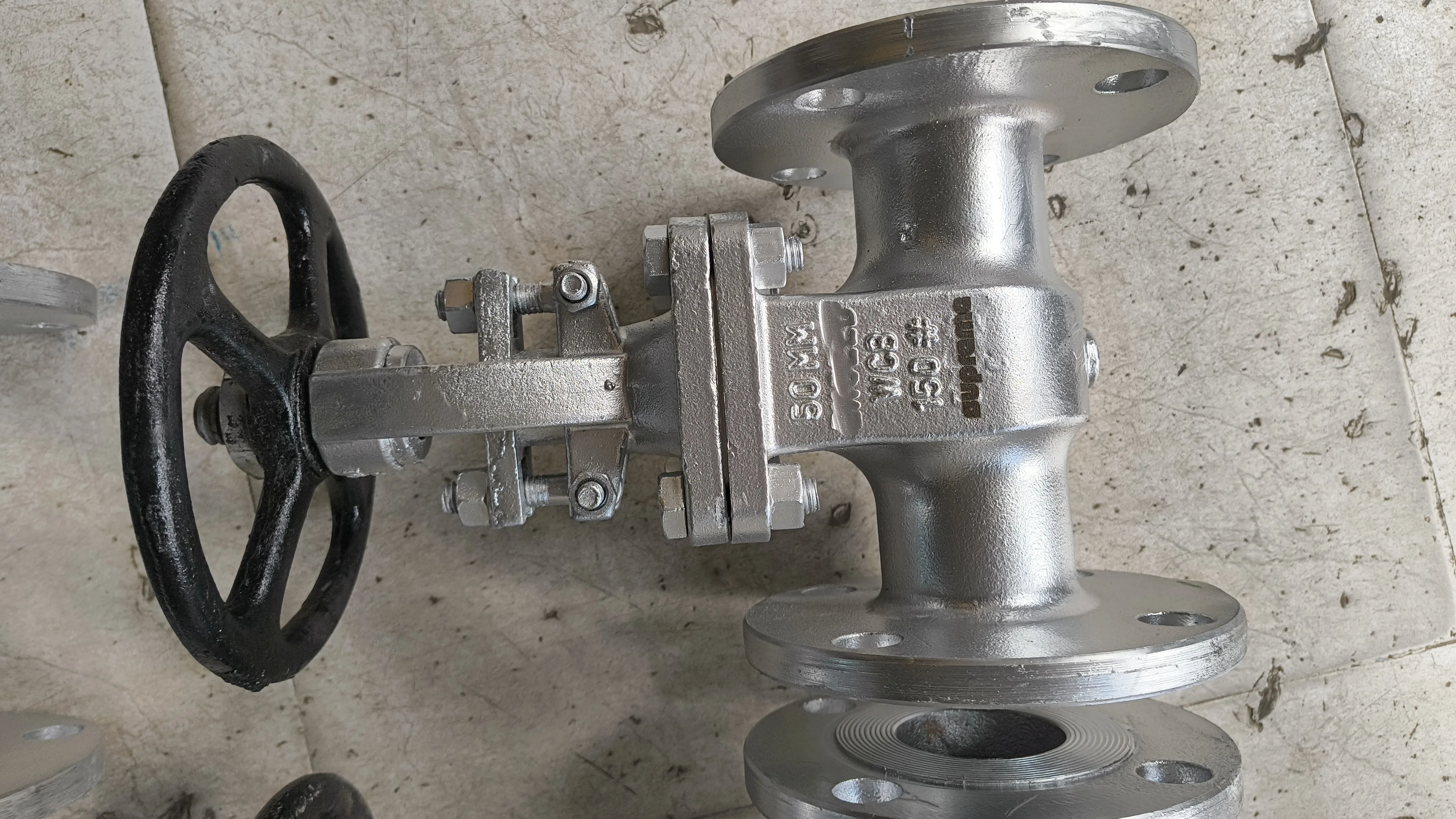
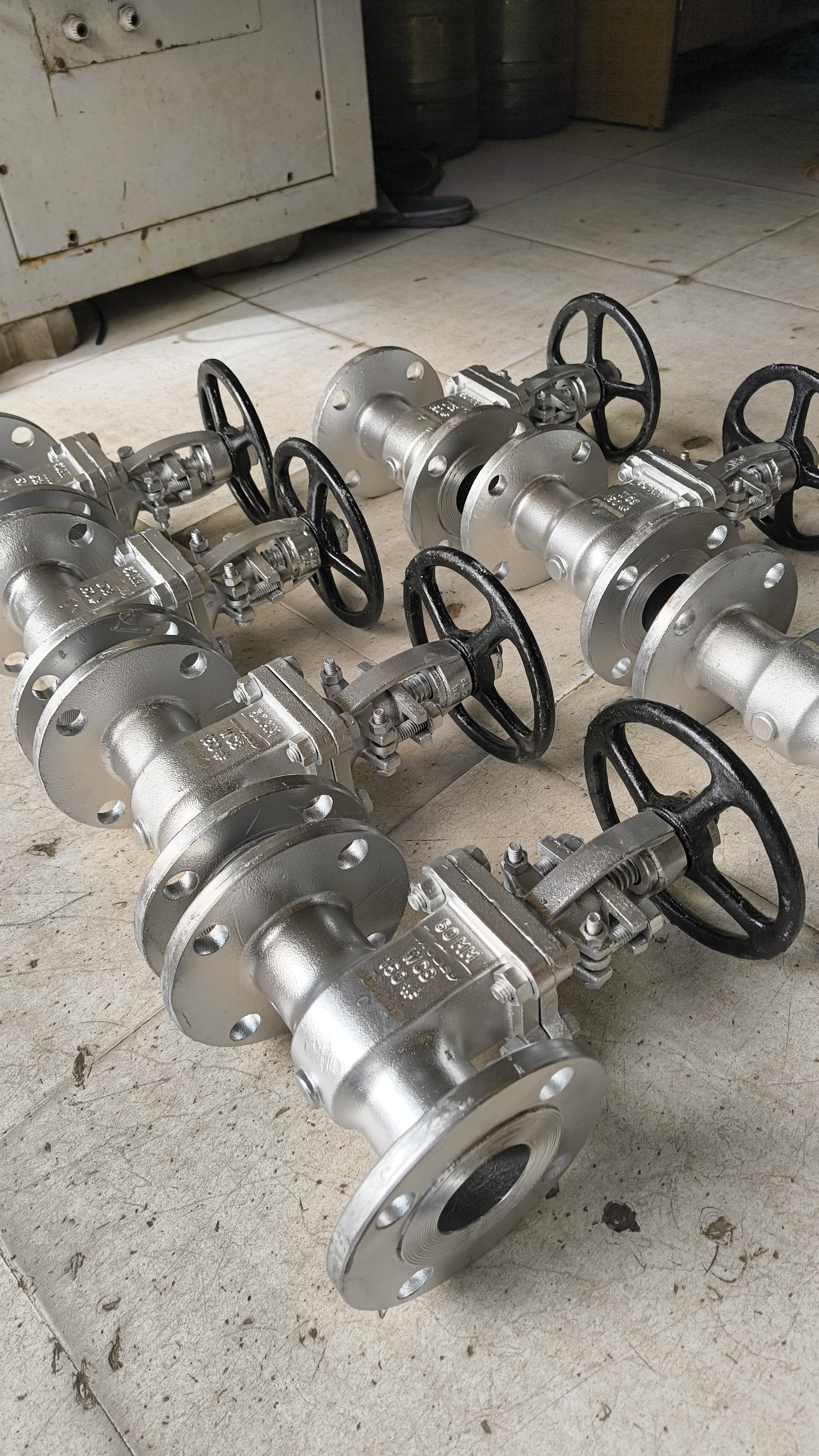
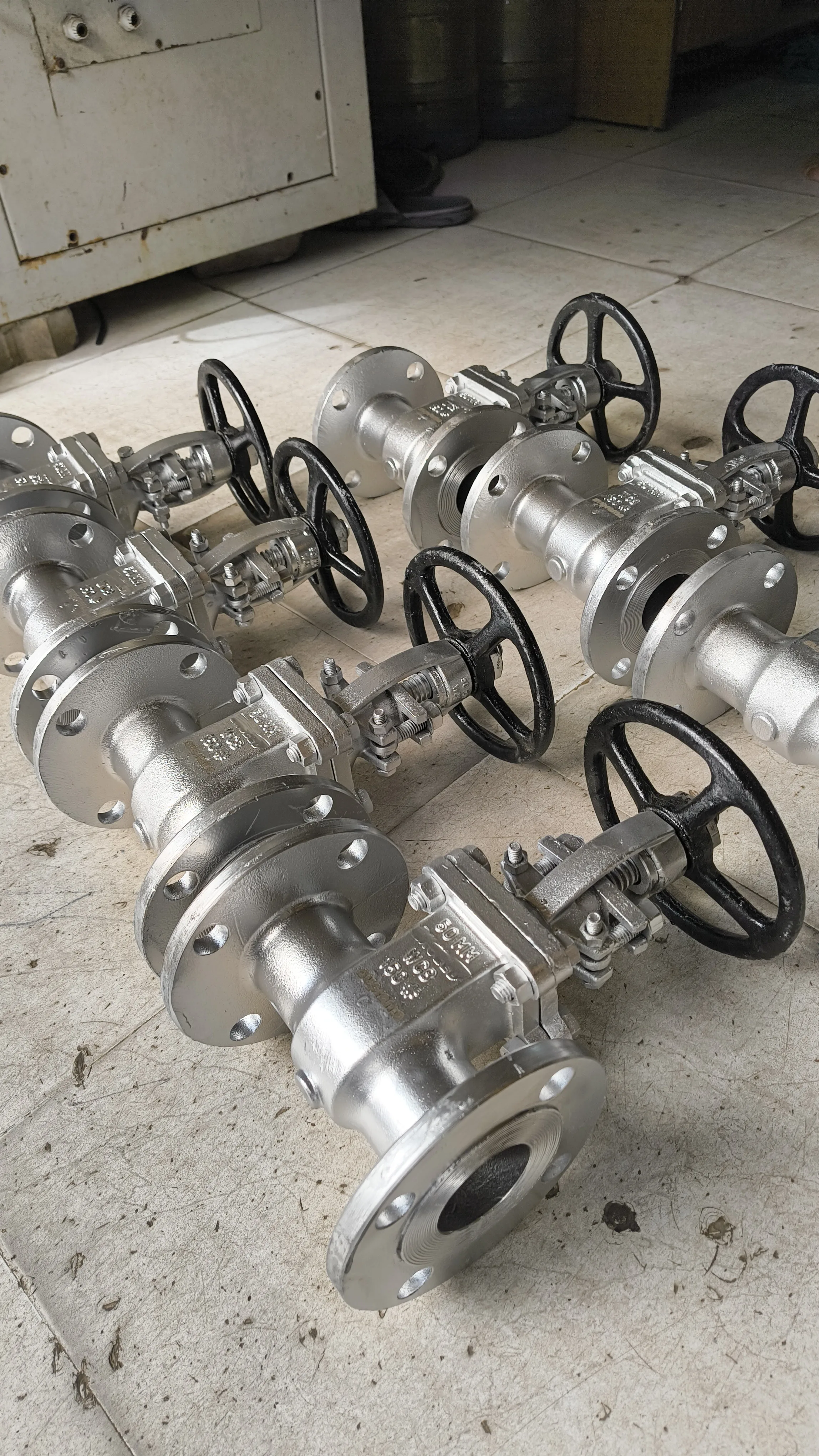
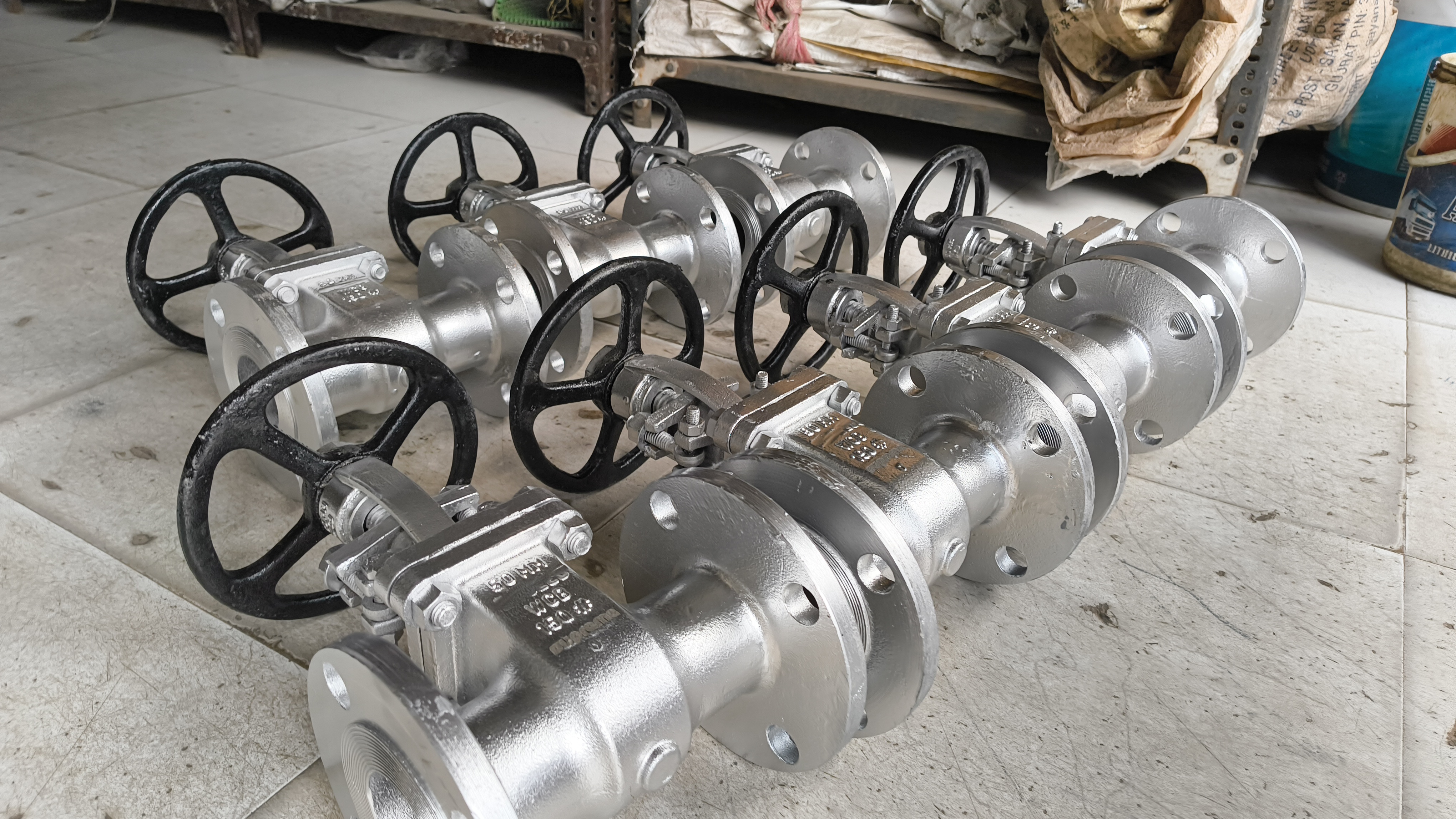
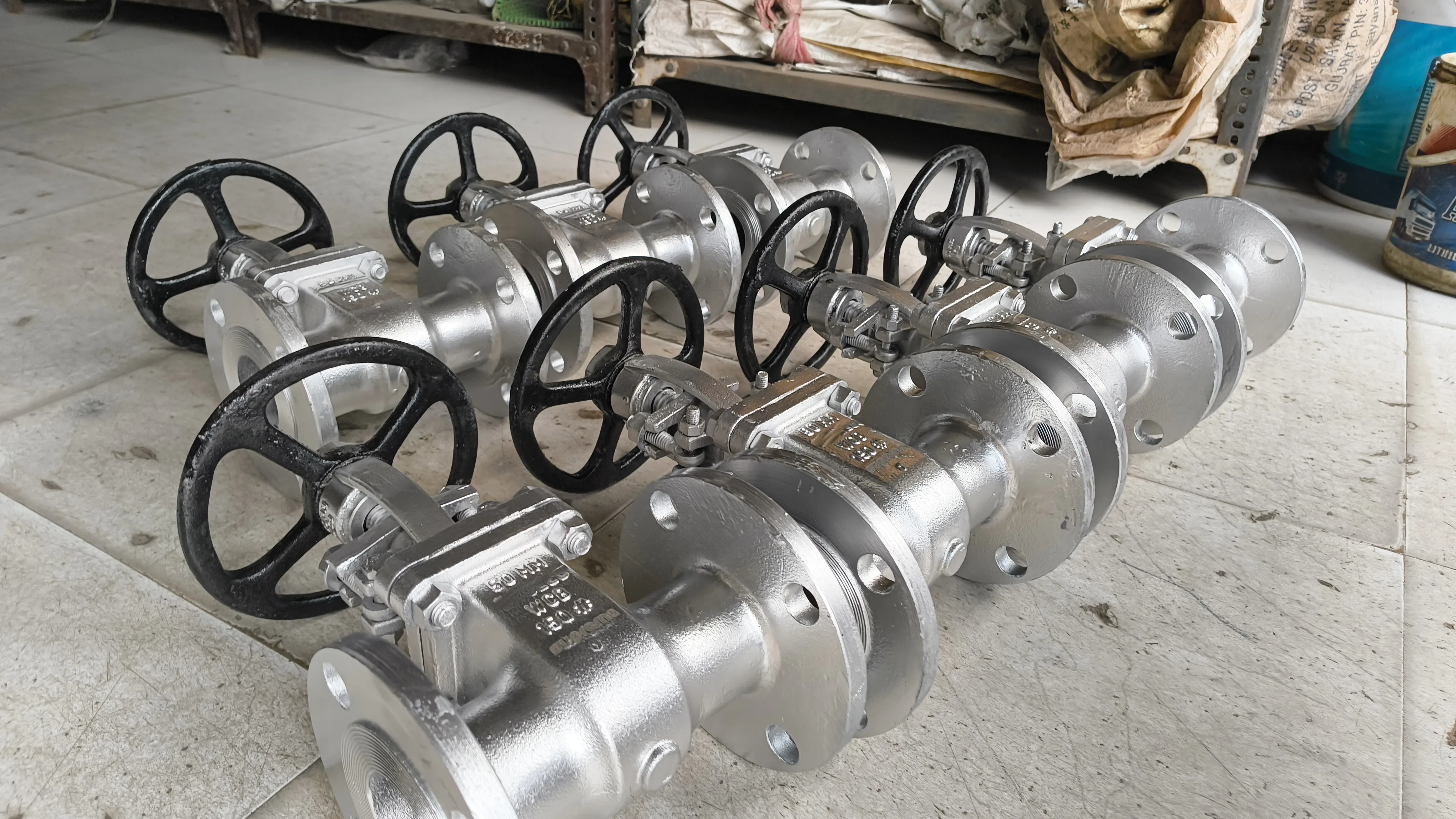
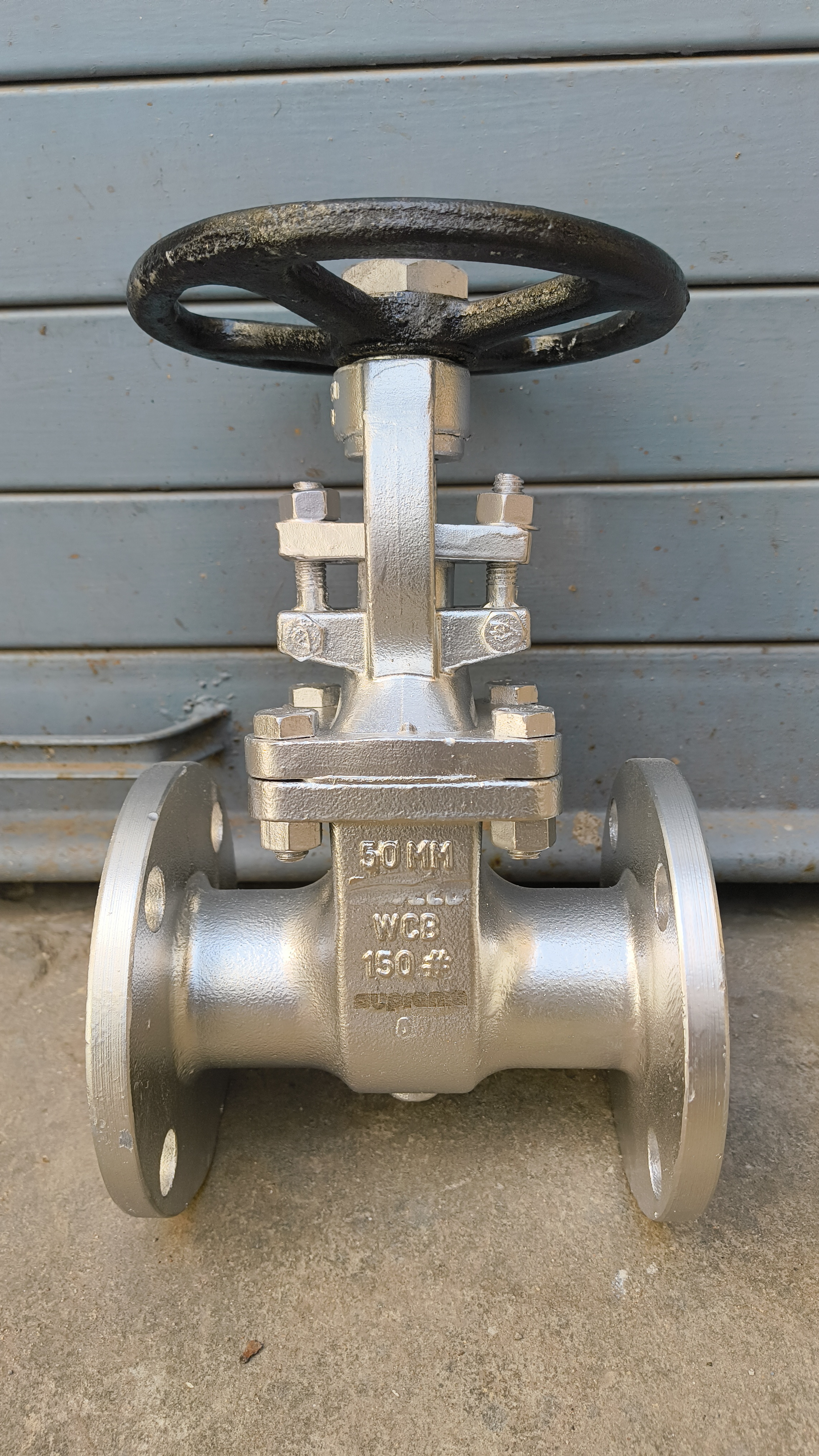
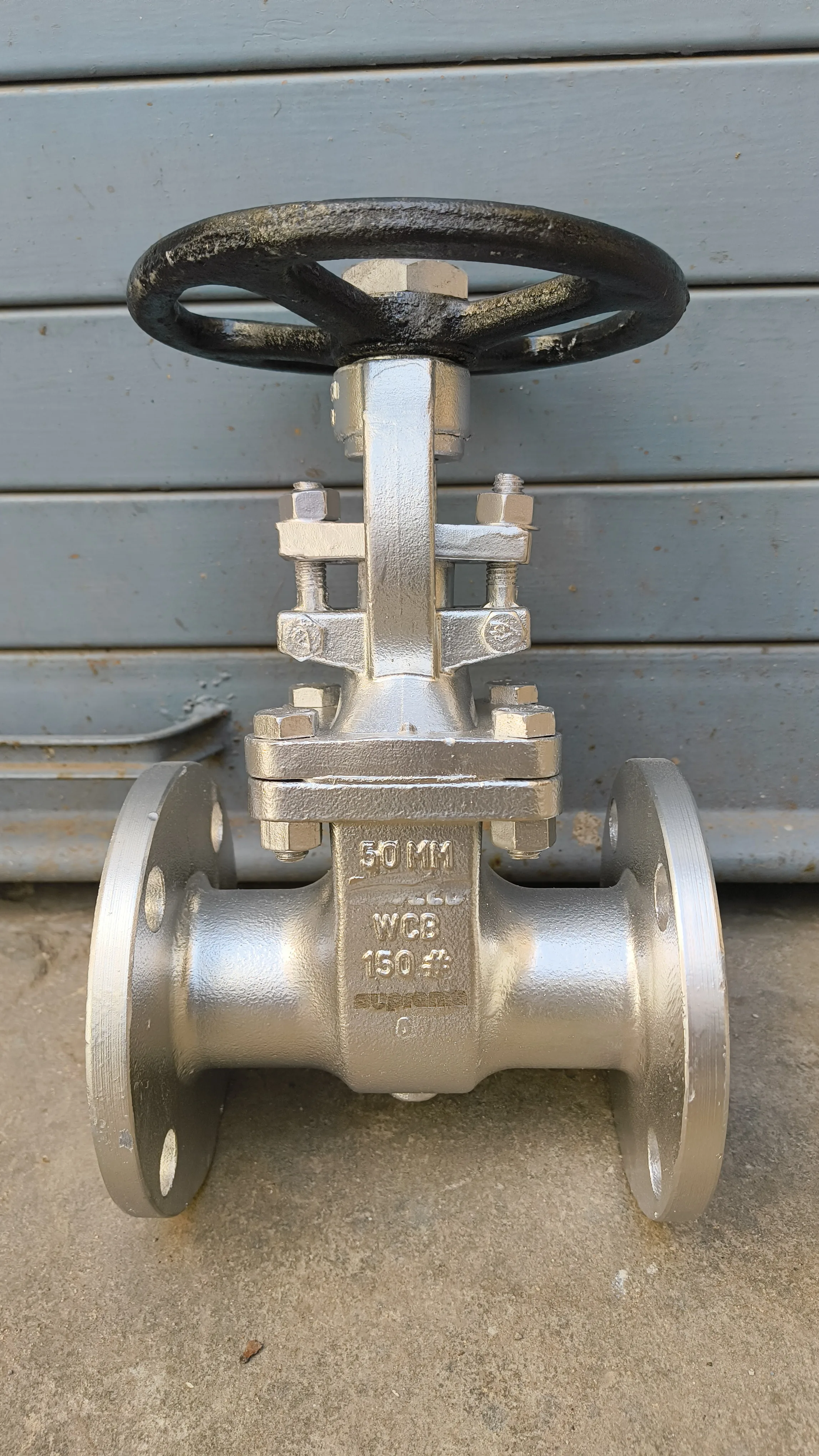
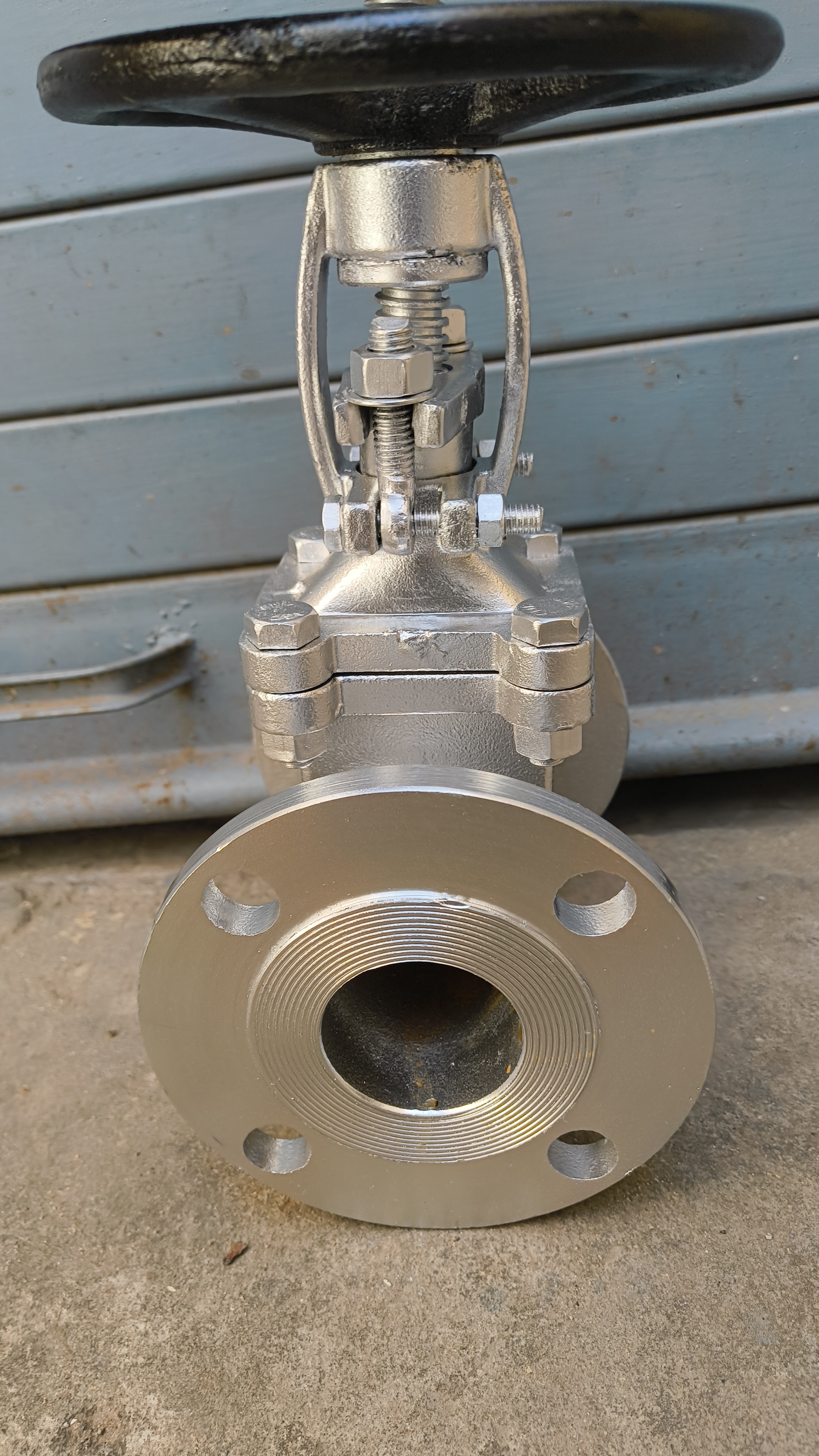
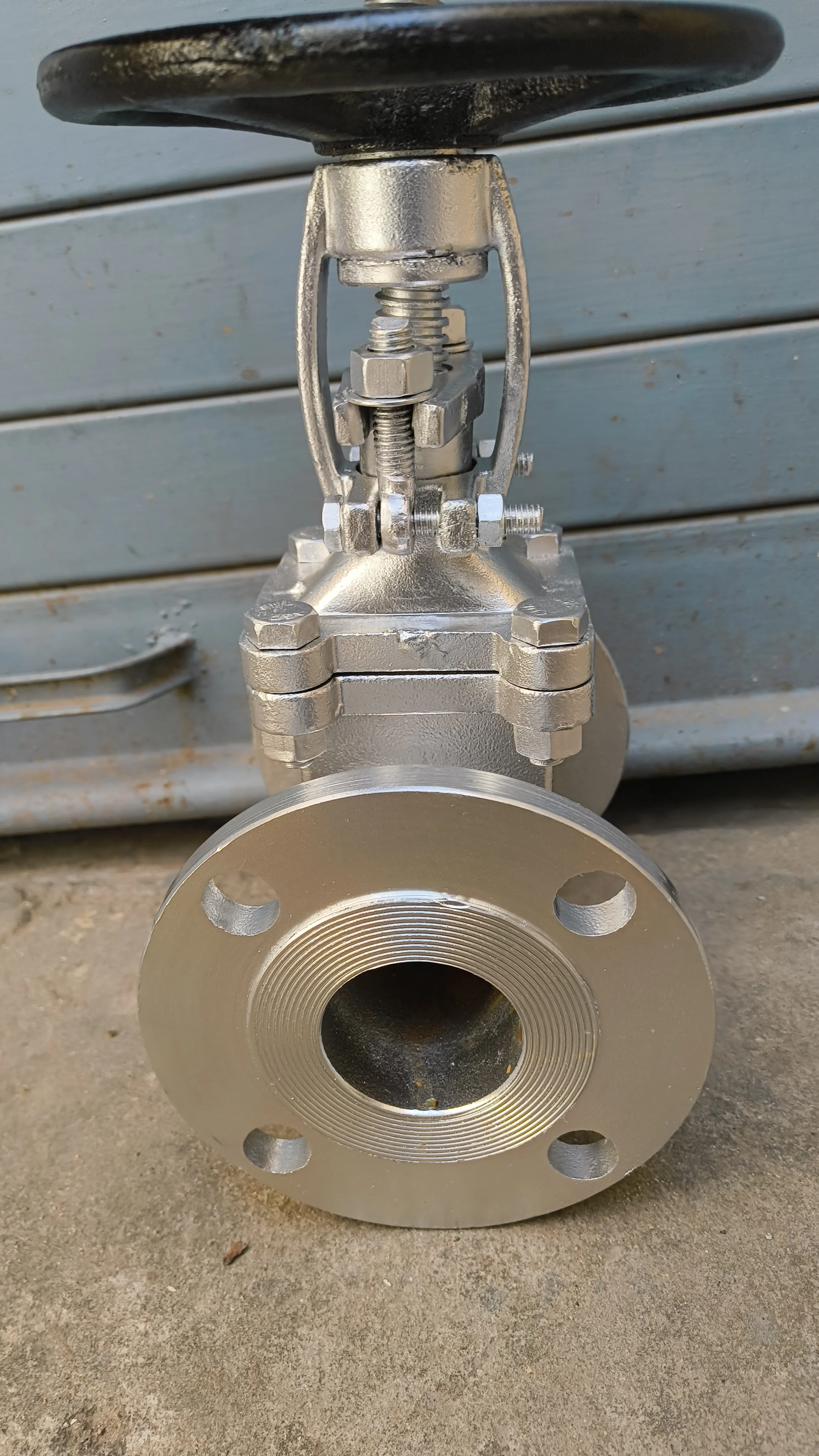
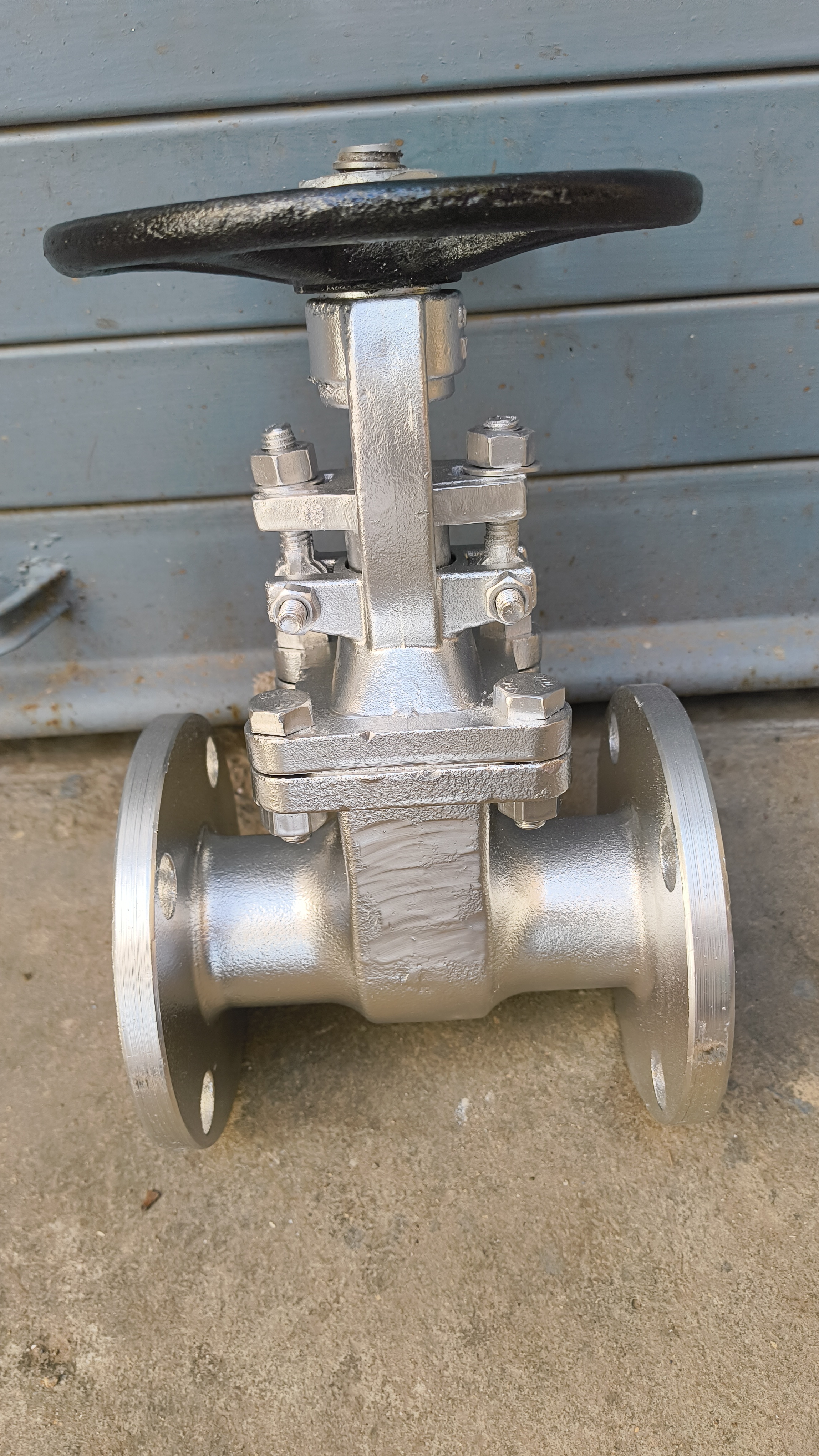
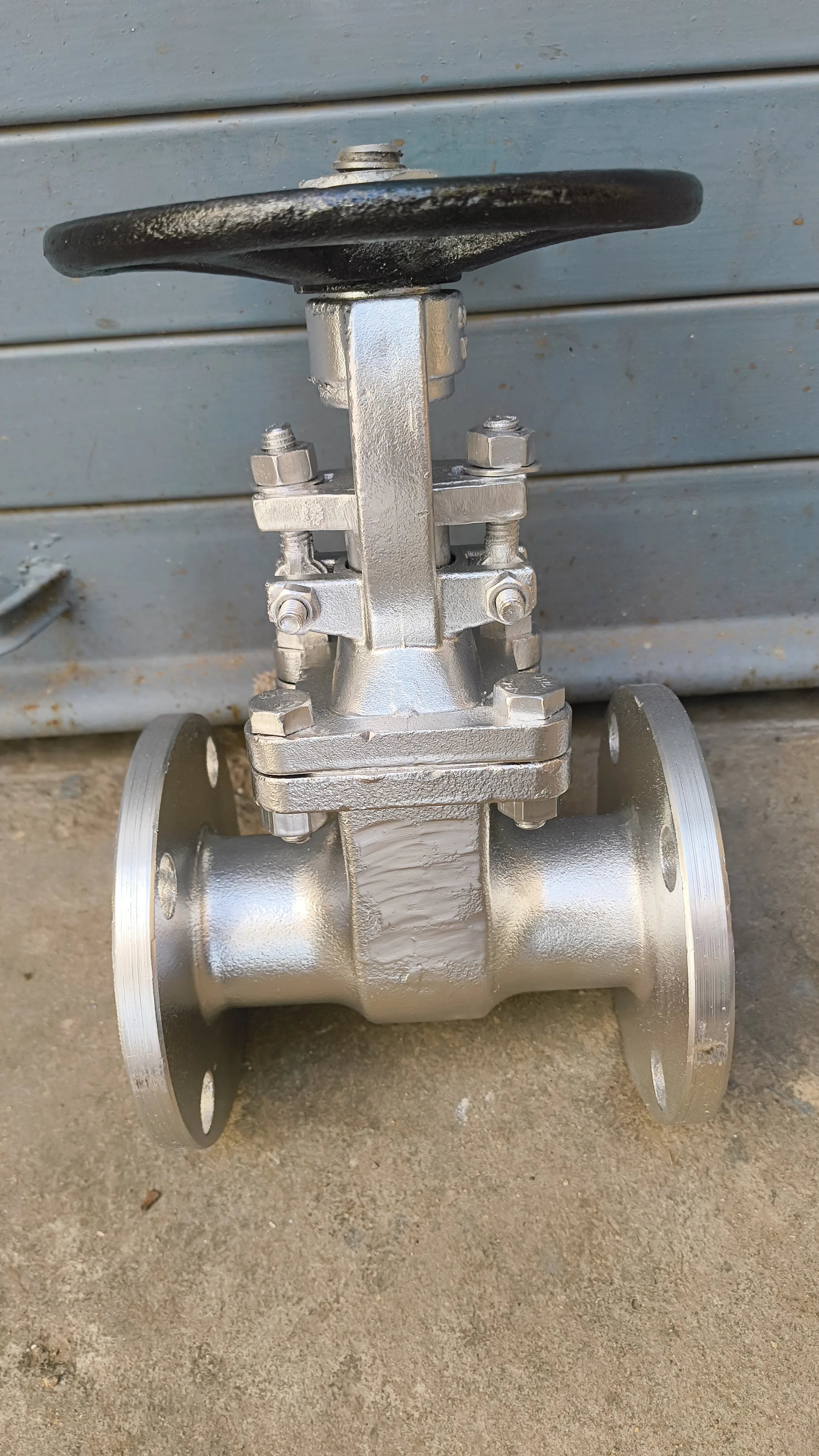
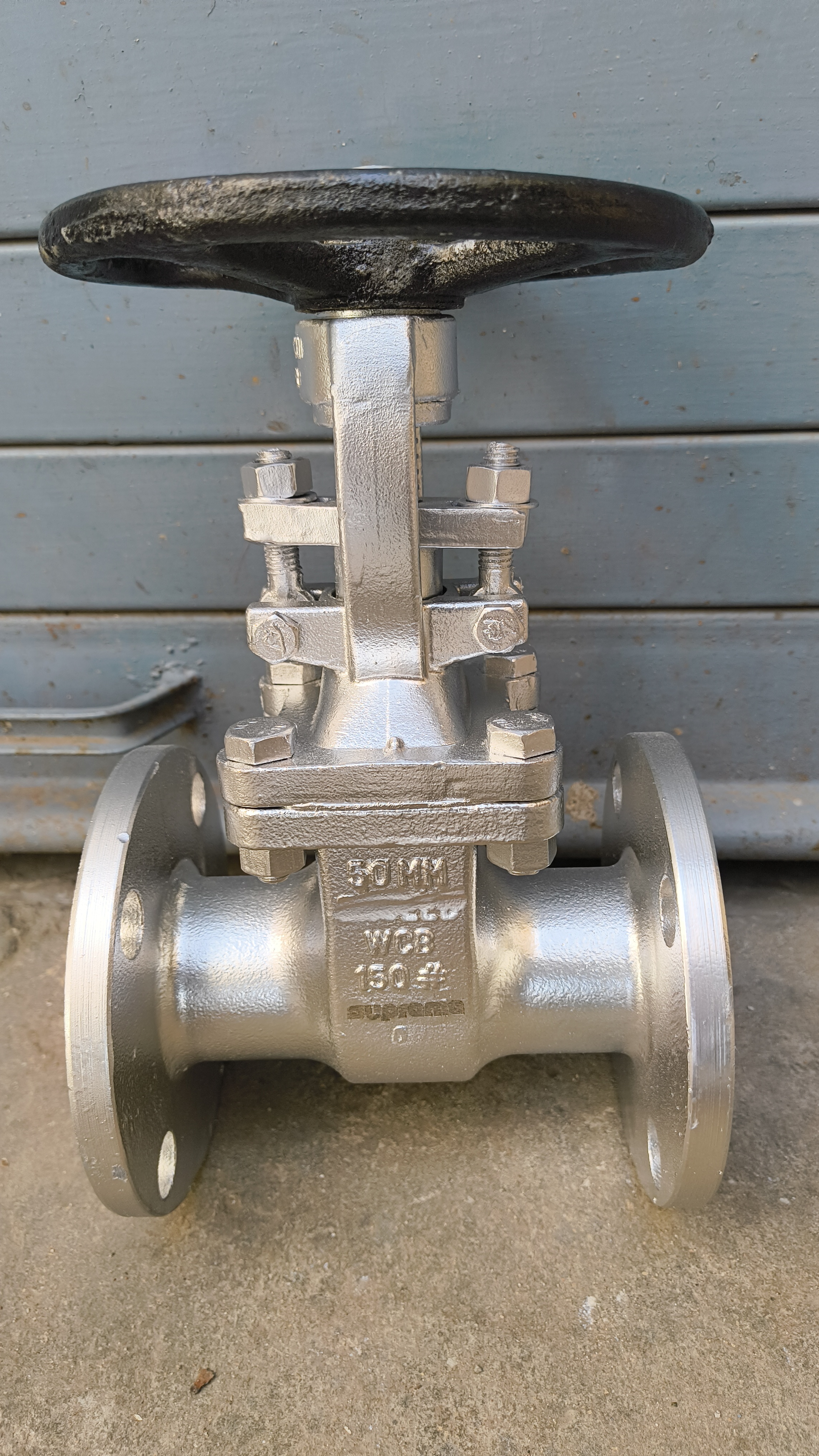
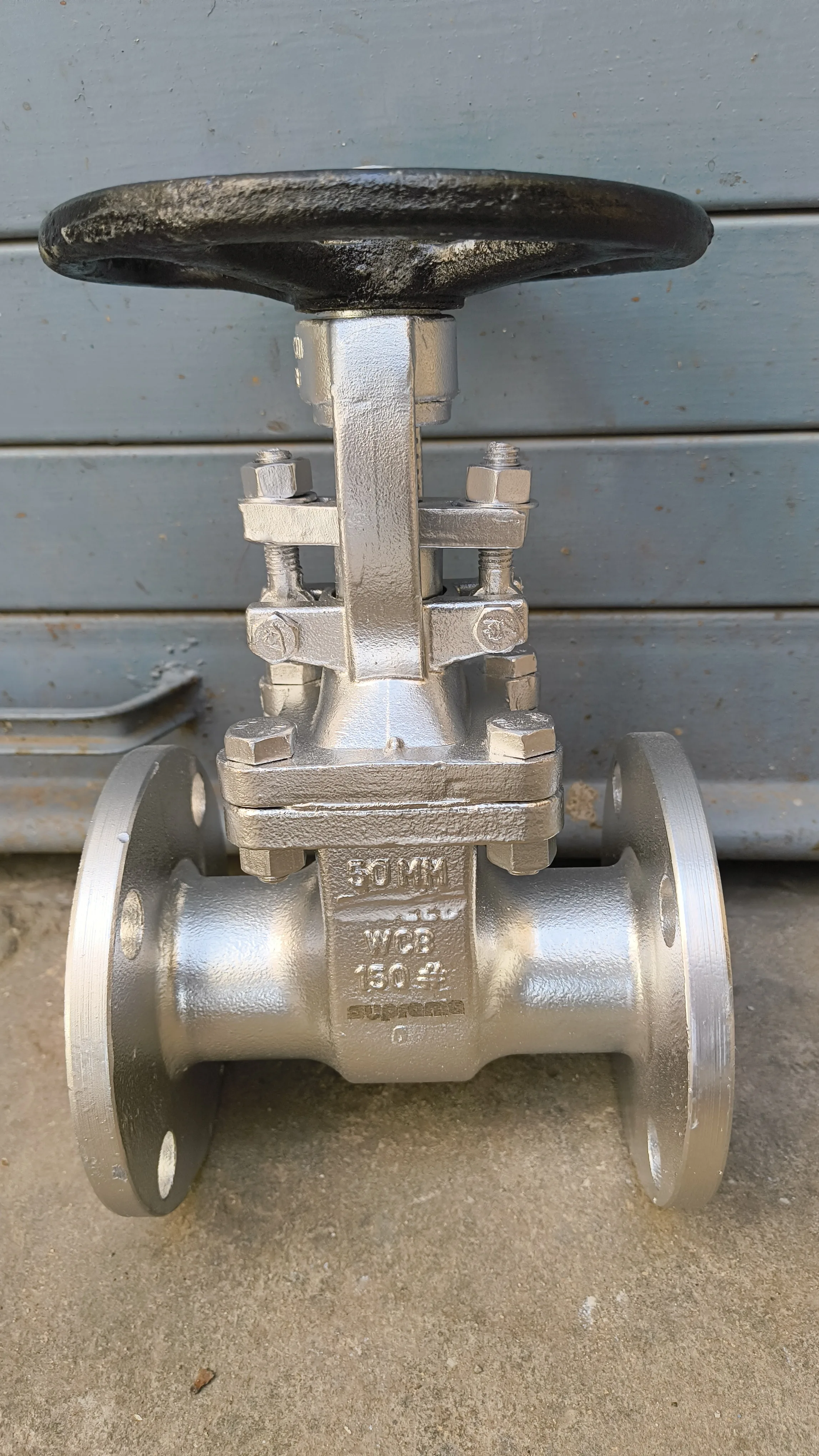
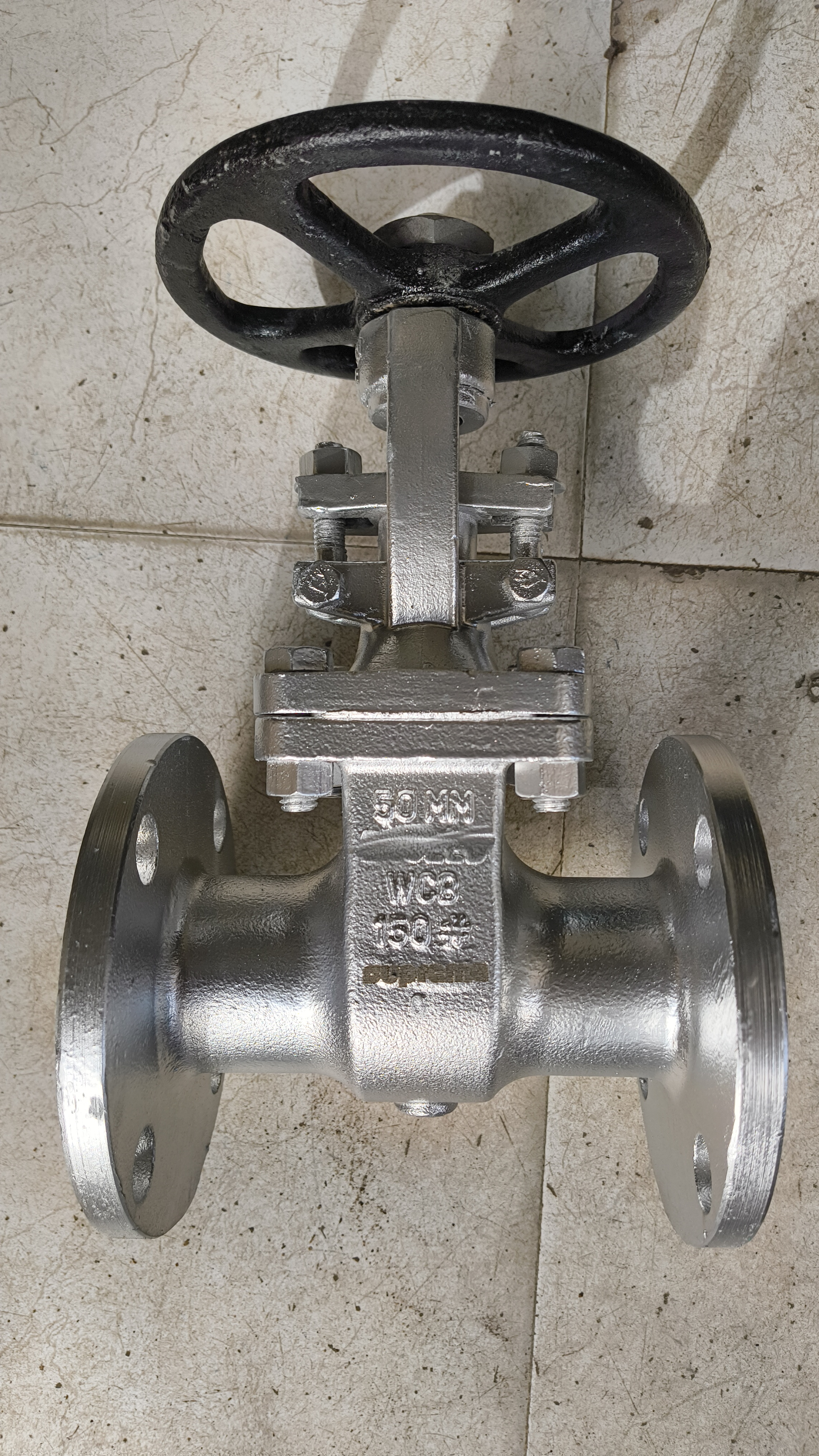
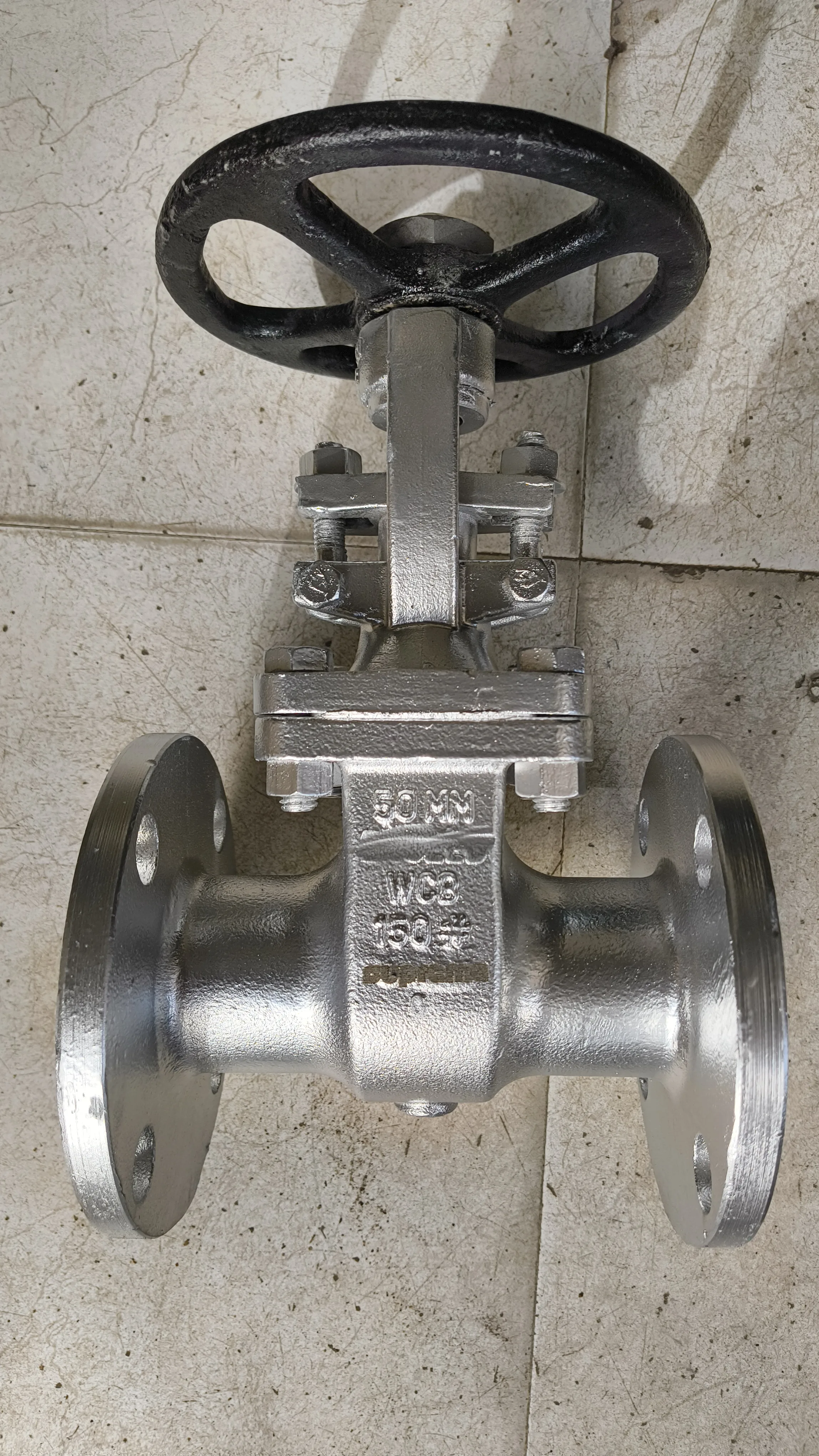

Gas Pressure Regulator (Pilot Operated, EN 334, Natural Gas / LPG)
Supreme Valves' Pilot Operated Gas Pressure Regulator is designed to maintain precise downstream pressure control in high-volume municipal and industrial gas lines. Manufactured to EN 334 specifications, it regulates natural gas, propane, LPG, and non-corrosive gases under fluctuating inlet pressures. Features an optional integrated slam-shut valve.
Key Applications
Industrial Applications & Engineering Problem Solving
The Engineering Challenge
City gas loops, power plants, and industrial furnaces require constant, stable downstream gas pressure. However, upstream pipeline pressure constantly fluctuates, and gas demand changes dynamically. Direct-acting regulators suffer from 'droop' (inlet pressure dependency) and sluggish response times, causing gas flame instability, pressure spikes, and potential burner shutdowns.
The Supreme Valves India Engineering Solution
Our pilot-operated regulator uses an ultra-sensitive control pilot that multiplies pressure sensing forces. This achieves Class AC 2.5 / AC 5 regulation accuracy (within ±2.5% deviation) regardless of inlet pressure or flow variations. The soft-vulcanized Viton/NBR seat pad ensures bubble-tight sealing during zero downstream demand, preventing pressure build-up.
Operational Use Cases & Scenarios
Gas Turbine Fuel Gas Conditioning Skids
Operational Challenge: Supplying gas to heavy-duty industrial turbines within highly stringent pressure envelopes to prevent flame-out or turbine trip.
Engineering Benefit: Pilot-operated mechanism provides rapid modulation response, keeping downstream pressure stable within ±2.5%.
City Gate Pressure Reduction Station
Operational Challenge: Reducing high-pressure pipeline gas (Class 300/600) to low-pressure municipal distribution networks with zero-leakage shutoff.
Engineering Benefit: Integrated slam-shut safety block offers compact dual-function protection in a single forged steel body.
Technical Specifications
Material of Construction (MOC)
Purchase Options
Features & Benefits
Pilot-Operated Precision
Uses a highly sensitive pressure pilot to control the main valve opening, ensuring high flow accuracy regardless of inlet pressure.
High Capacity Design
Streamlined flow path minimizes internal turbulence and noise while maximizing flow volume.
Integrated Slam-Shut Option
Can be equipped with a mechanical slam-shut safety block in a single body to prevent downstream over-pressure.
Bubble-Tight Shutoff
Soft vulcanized seat pad provides positive, bubble-tight seal during periods of zero downstream gas flow.
Frequently Asked Questions
Q What is the difference between direct-acting and pilot-operated regulators?
Direct-acting regulators use the downstream pressure directly against a spring to move the plug. Pilot-operated regulators use a separate small pilot valve to multiply the sensing force, providing much tighter control accuracy over large flow volumes.
Q Can this regulator handle LPG or Ammonia?
It is fully compatible with LPG, propane, and natural gas. For Ammonia or highly corrosive gases, stainless steel wetted components and Teflon seals must be specified.
Q What is control accuracy class AC?
AC represents the variation in downstream pressure. AC 2.5 means the regulated pressure deviates by less than 2.5% across the entire flow range, ensuring extremely stable boiler flame conditions.
Request a Quote
Your enquiry is pre-filled with this specification. Add contact details and quantity and our engineering team responds within one working day with price and delivery.
- Size: 1" to 8" (DN25 – DN200)
- Pressure class: Class 150 / 300 / 600
Prefer to talk first? WhatsApp or email info@supremevalves.in