
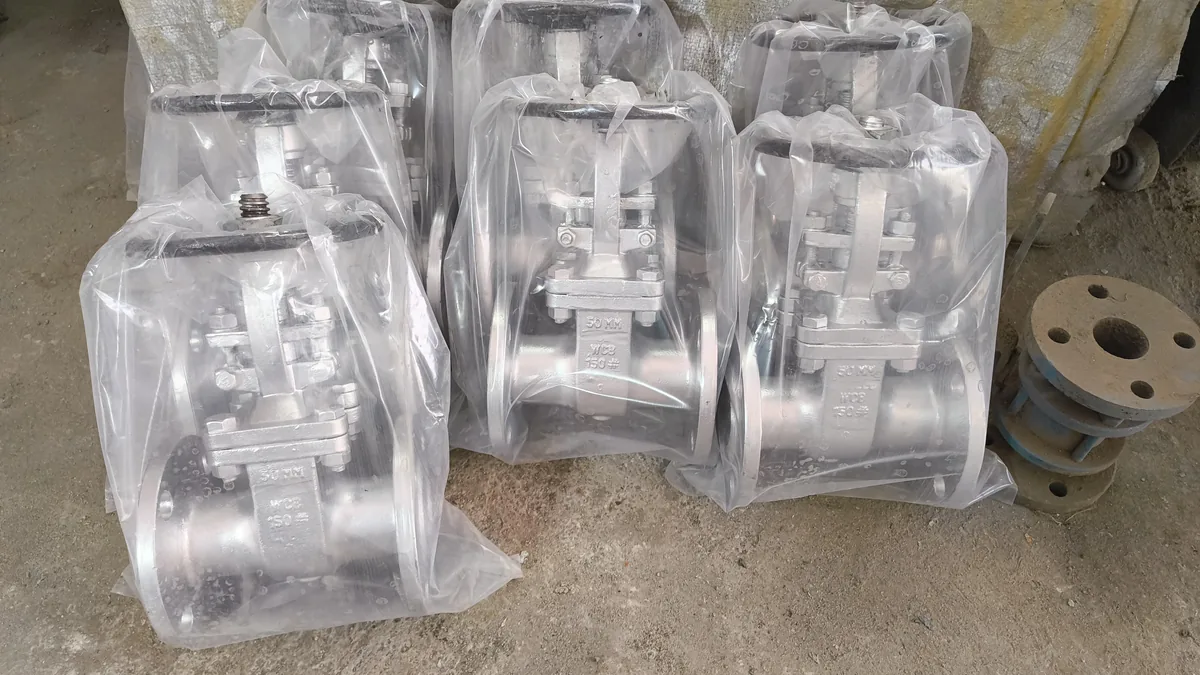
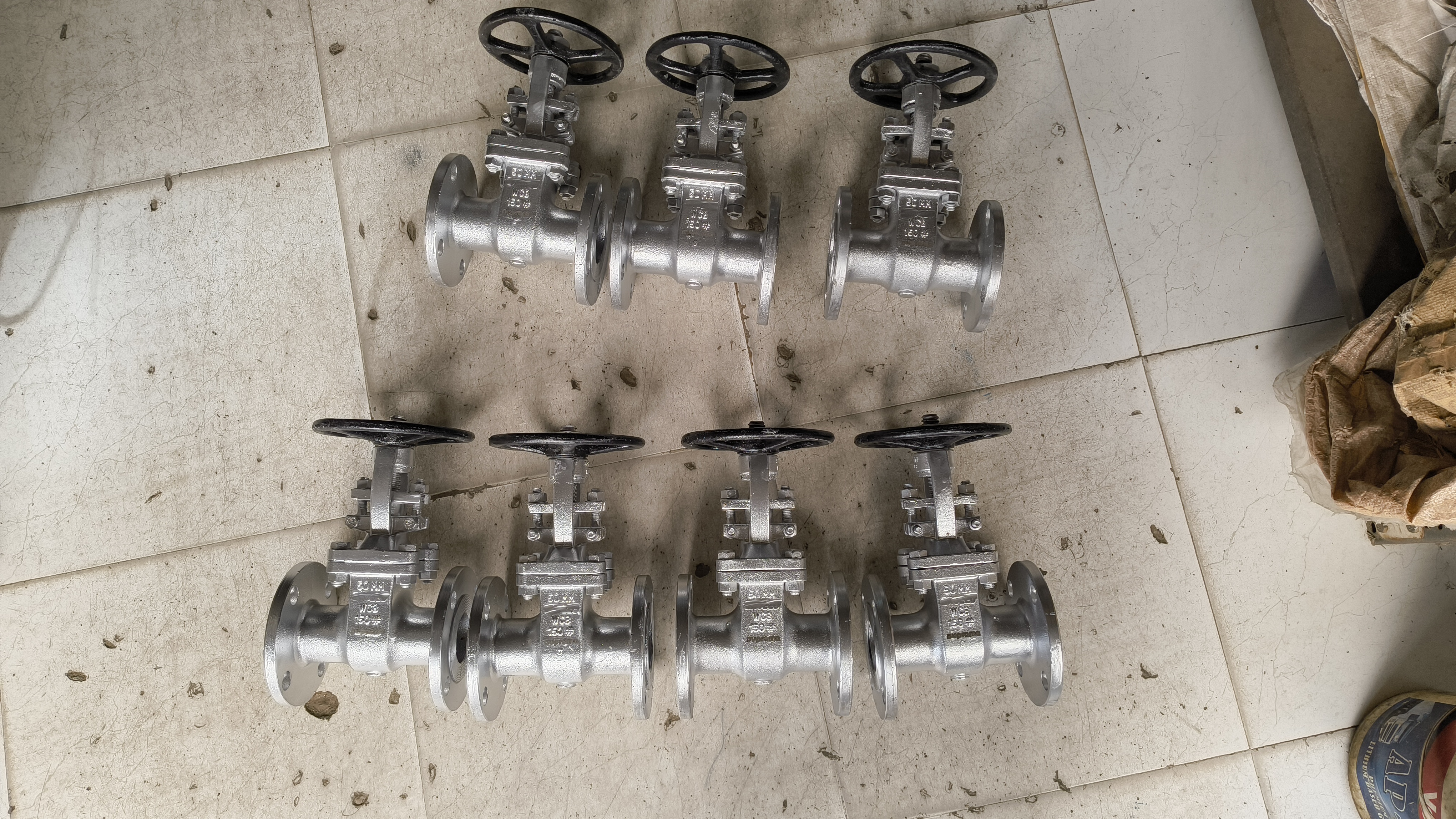
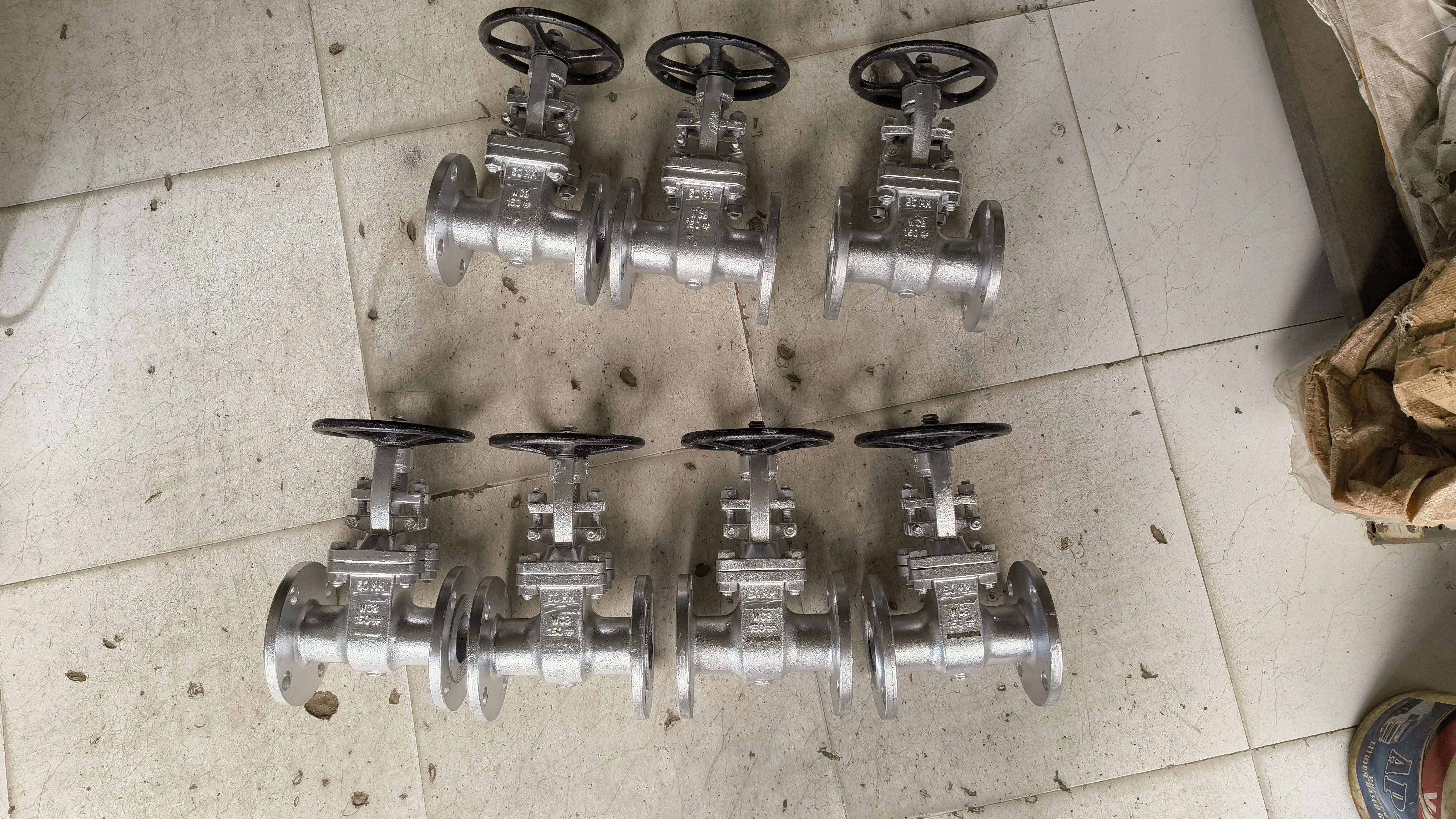
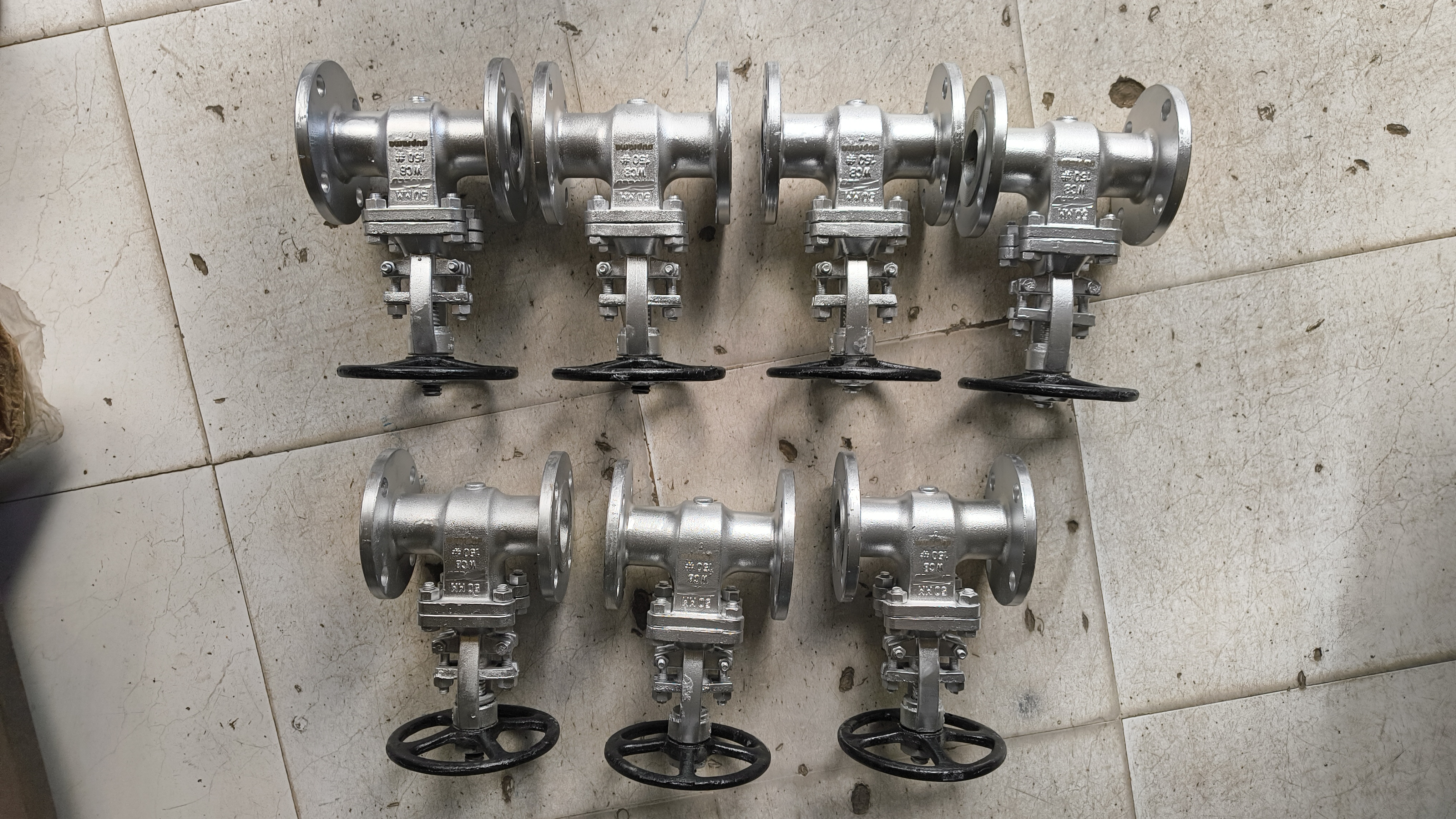
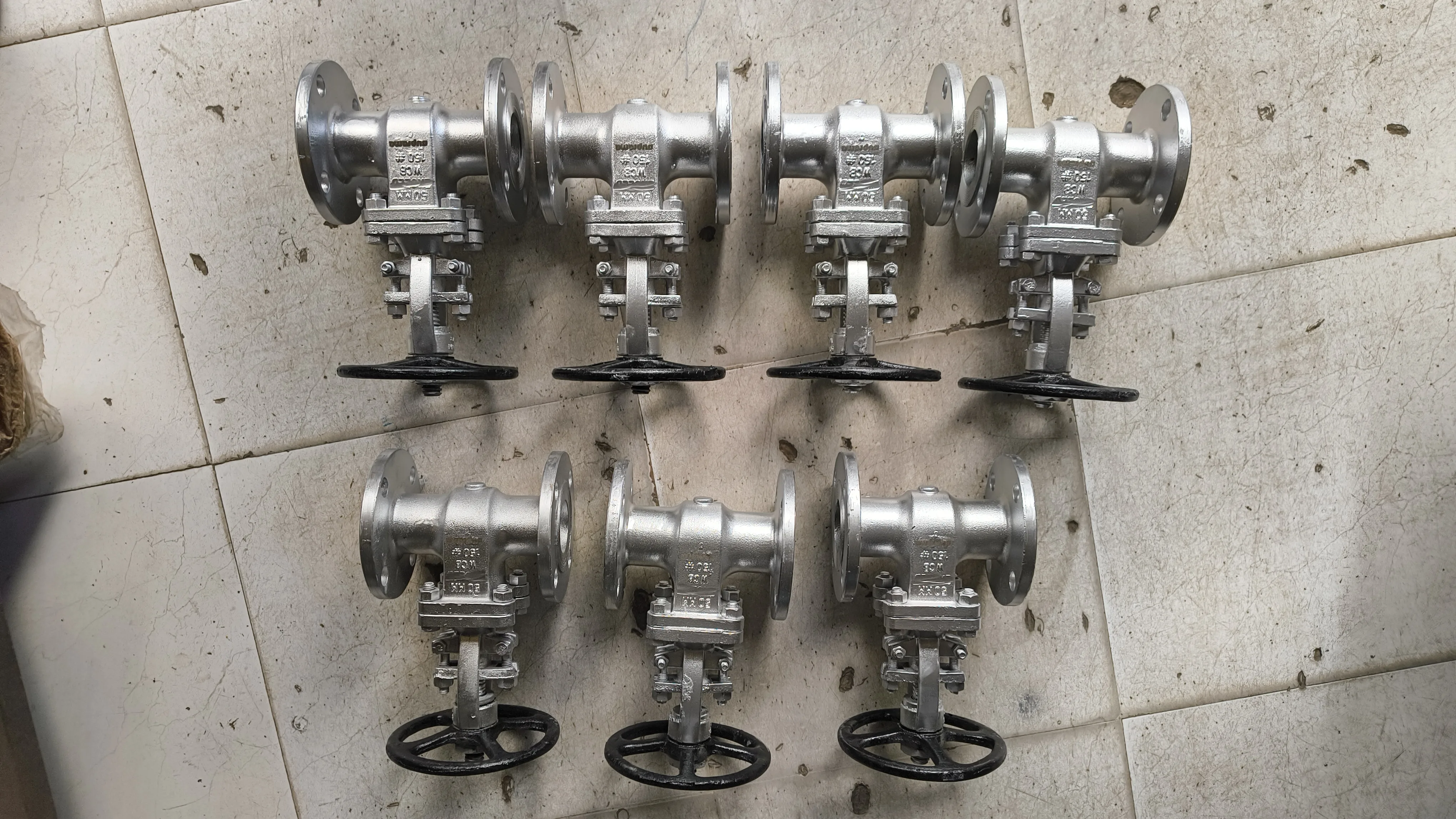
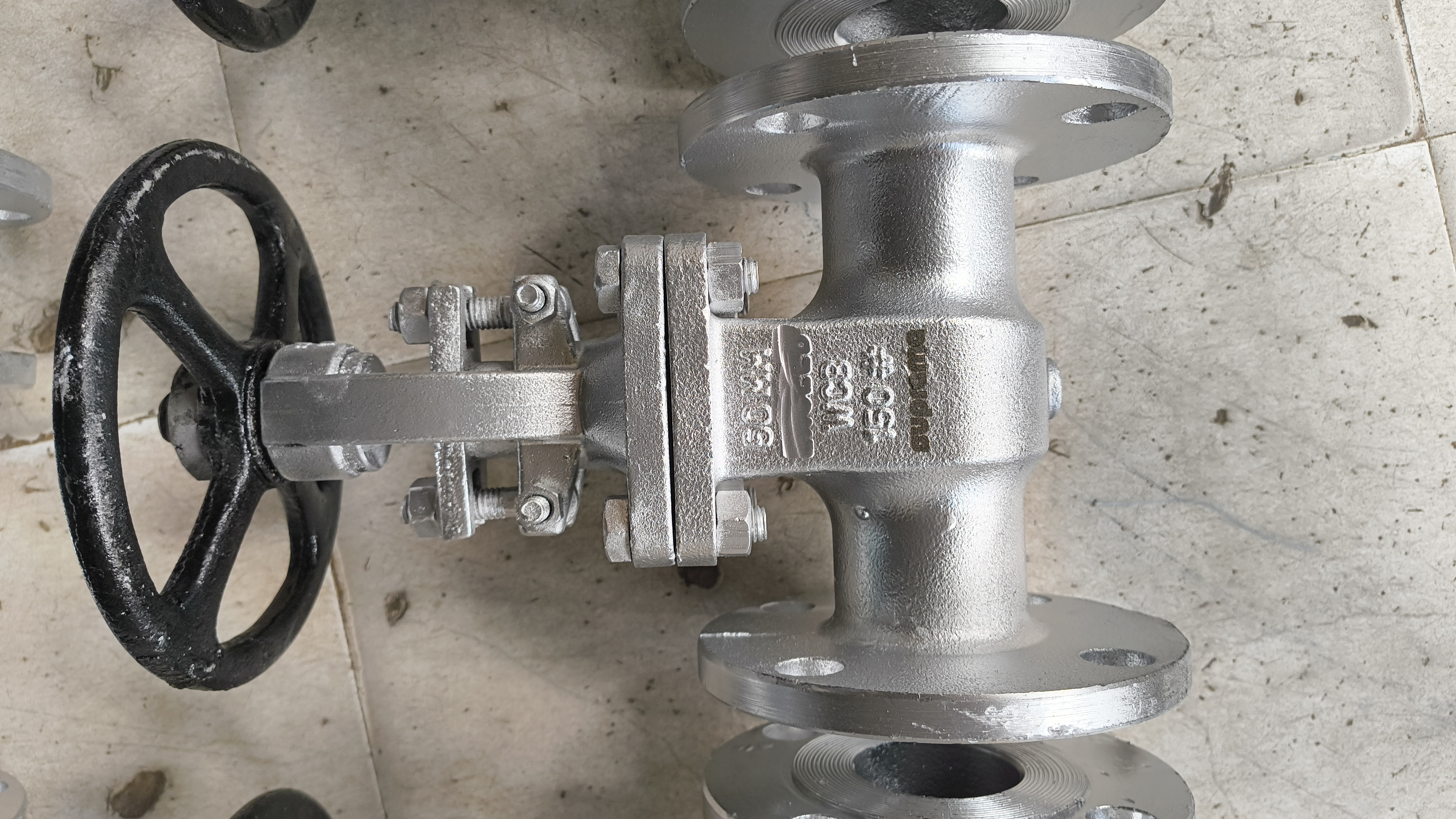
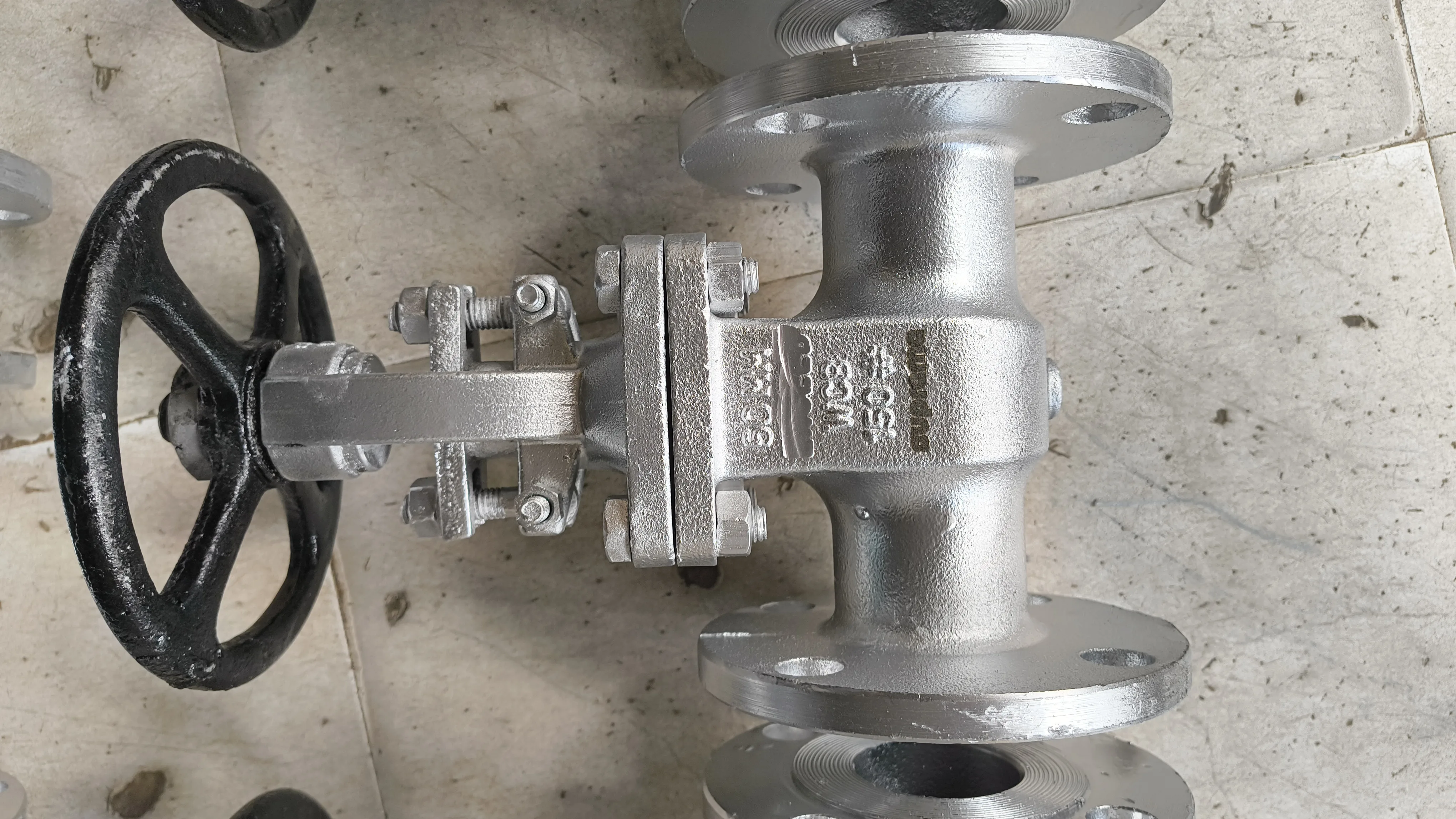
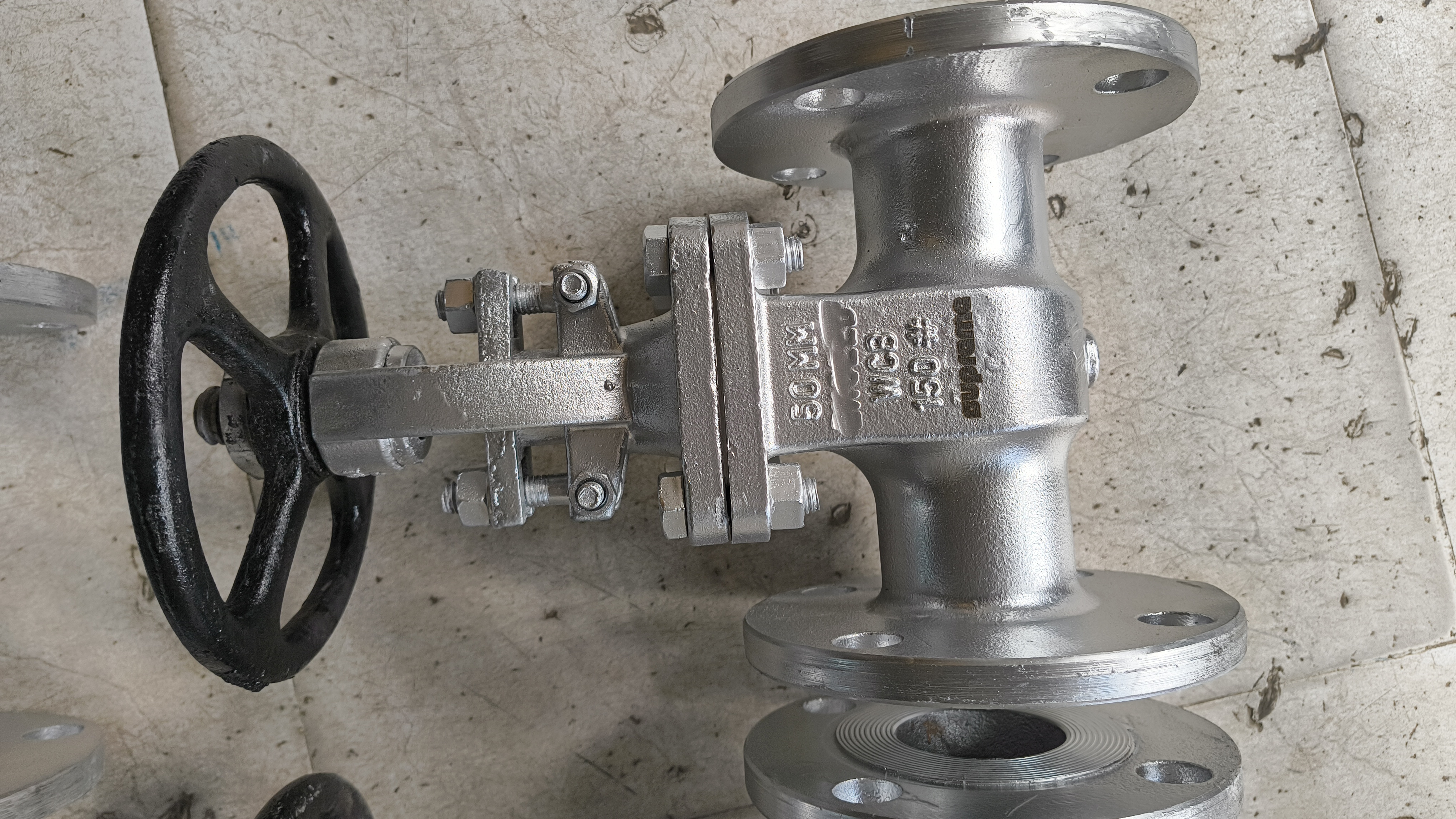
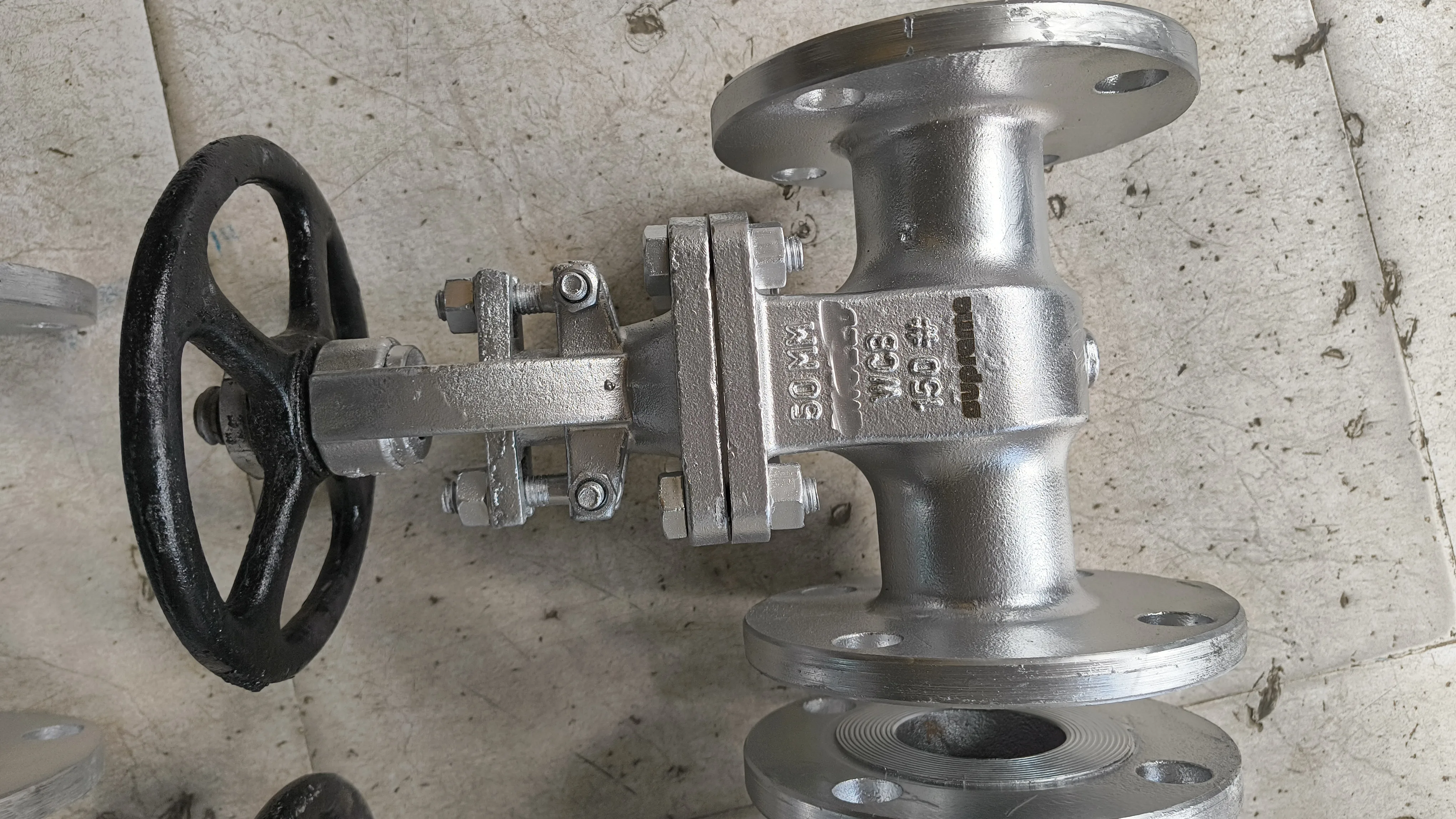
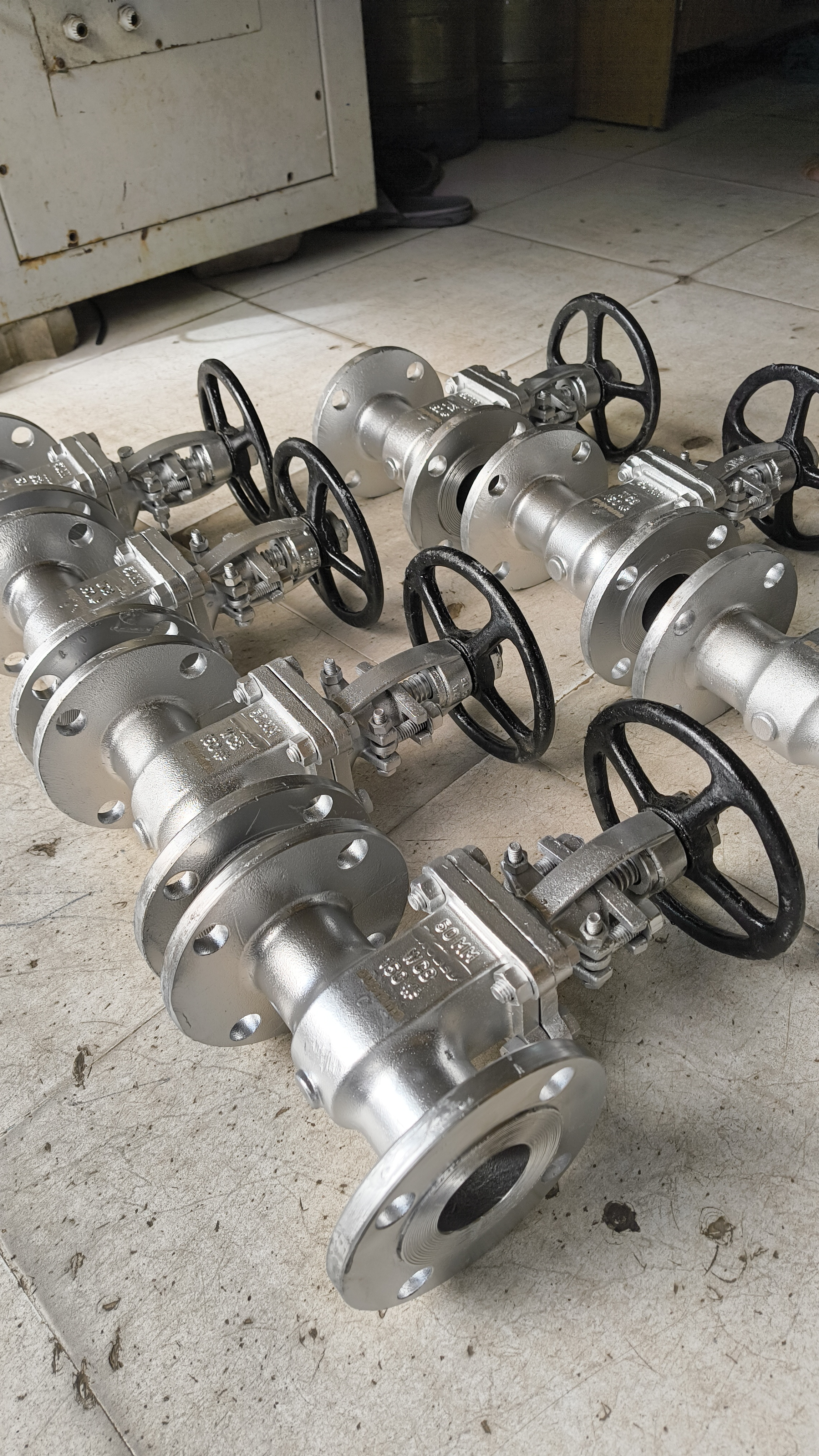
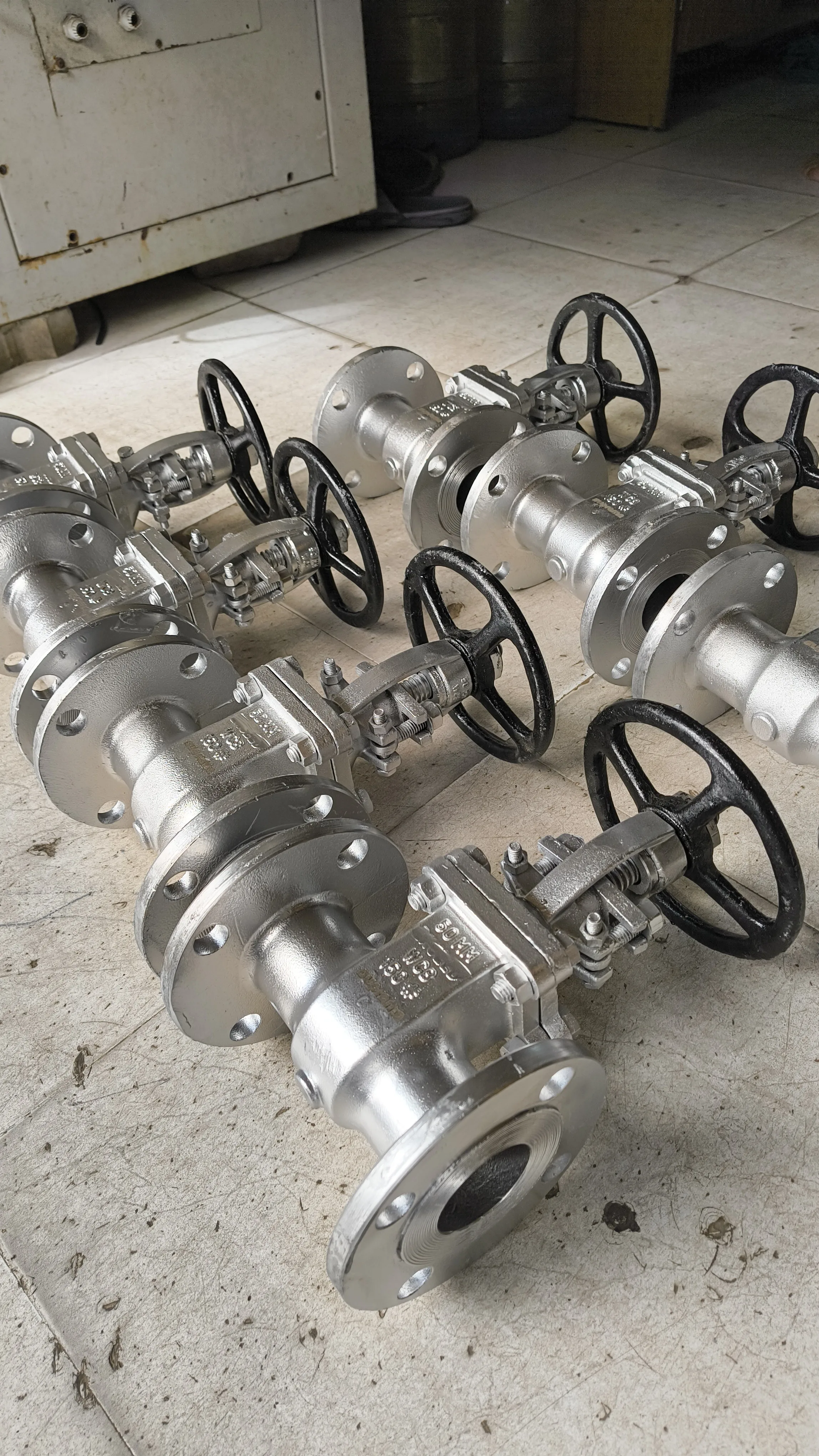
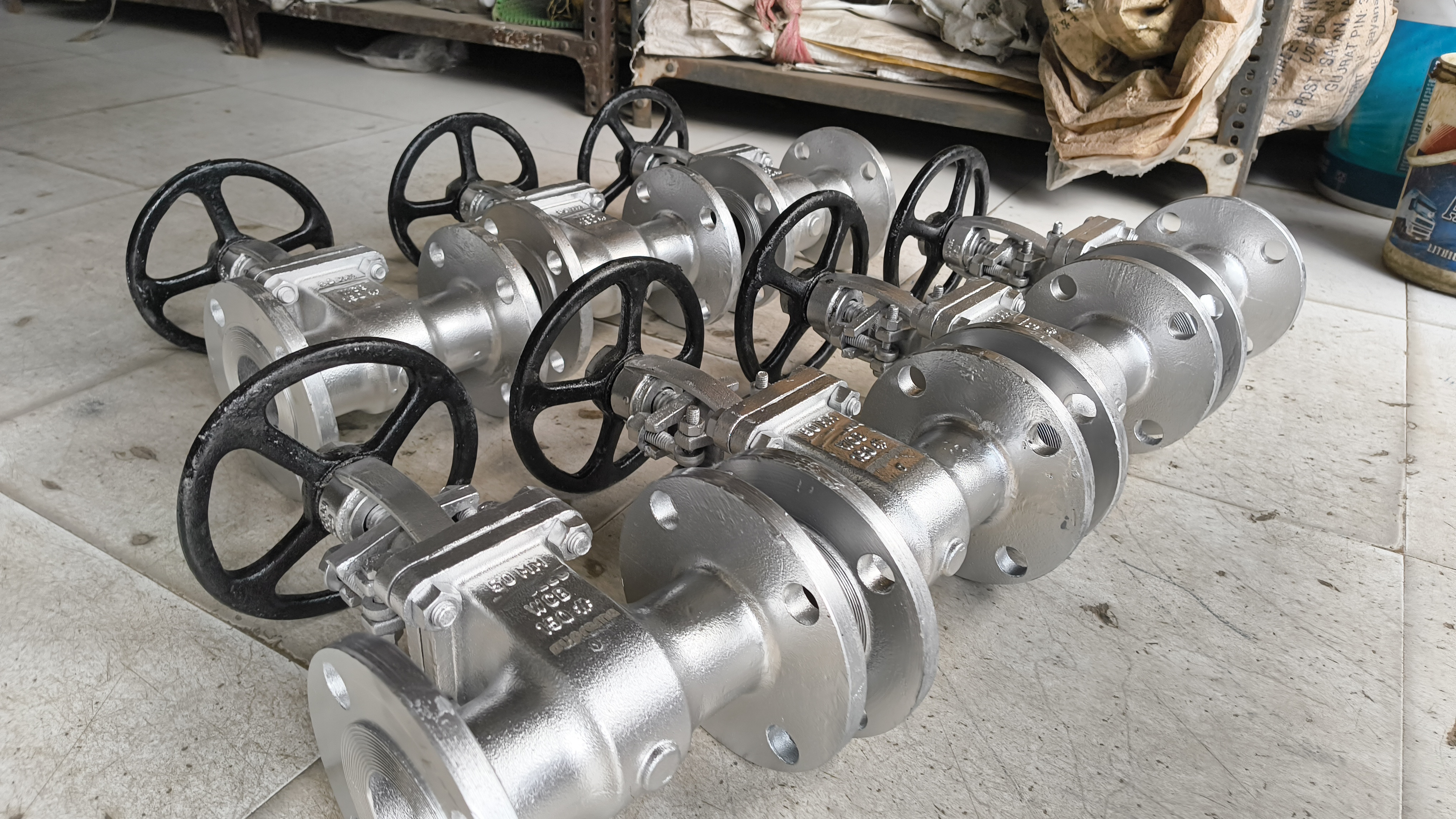
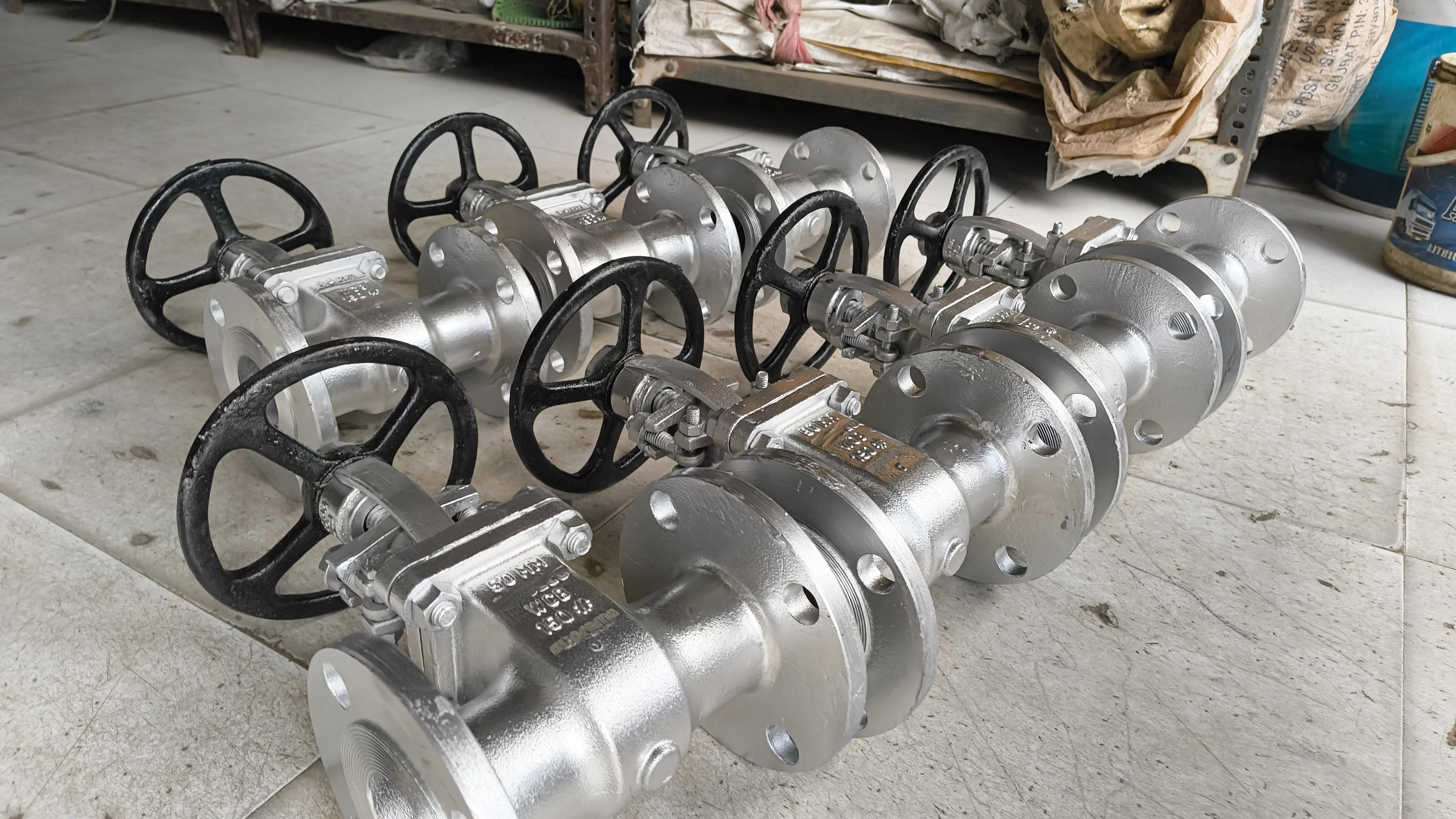
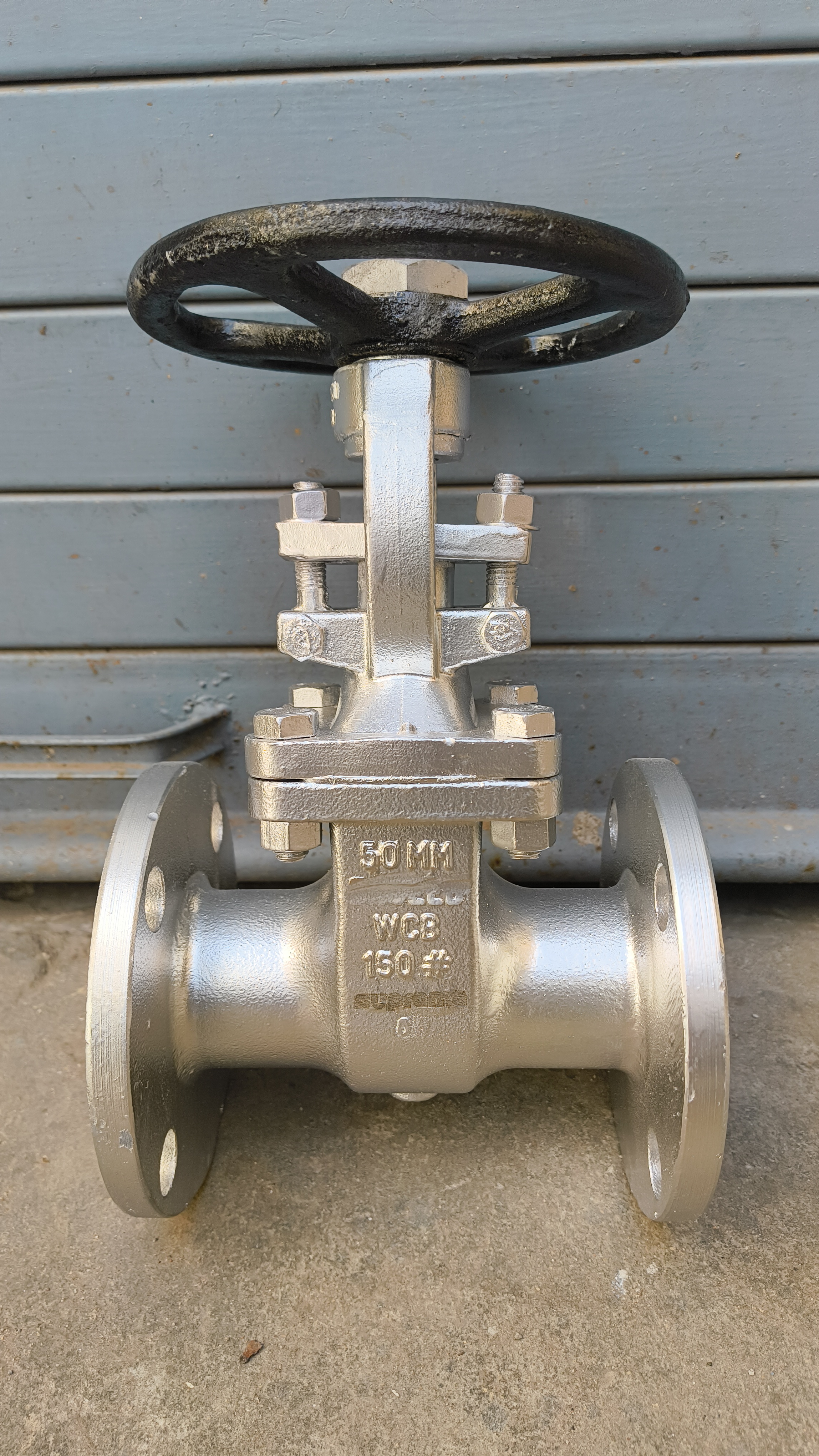
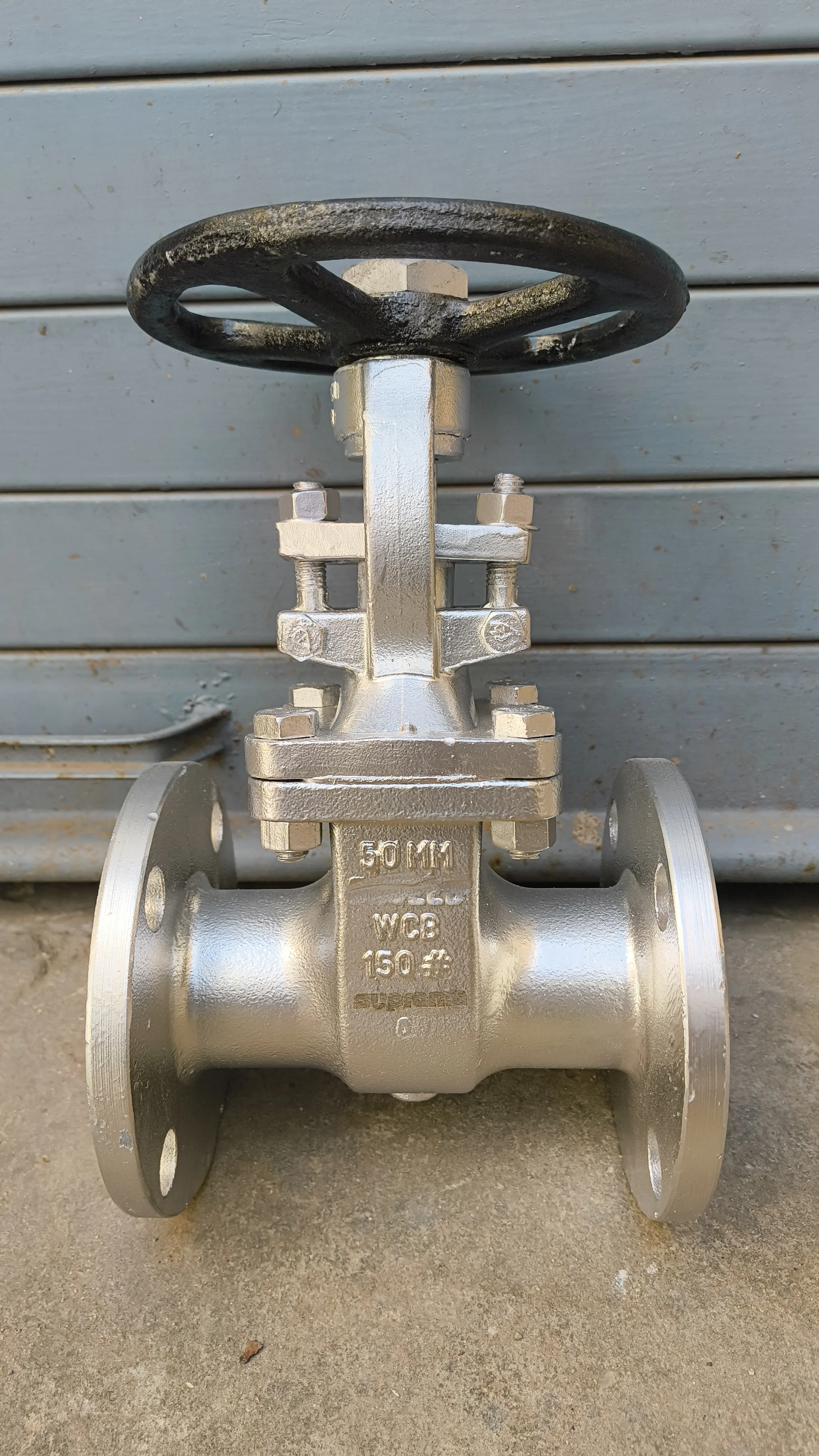
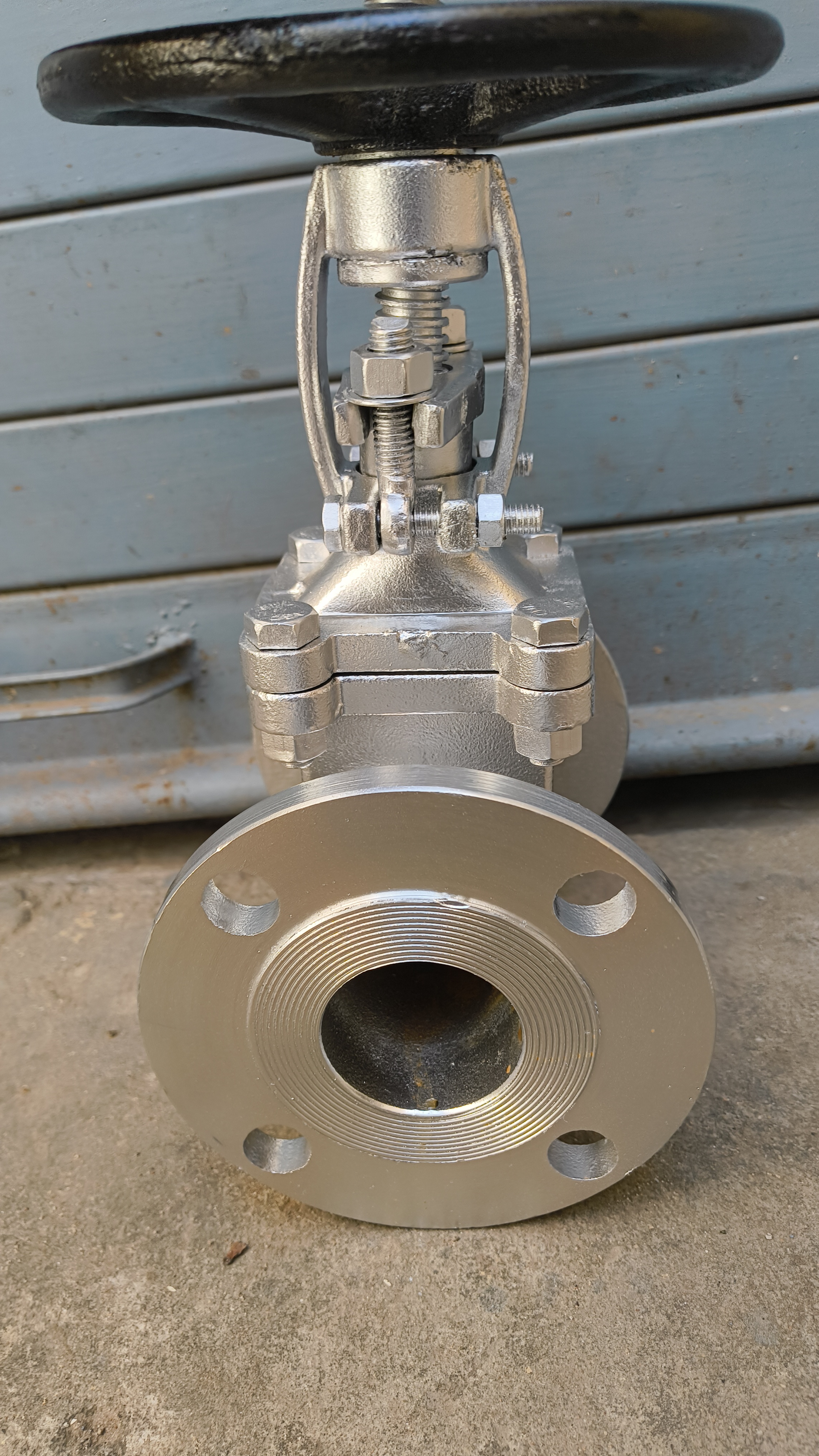
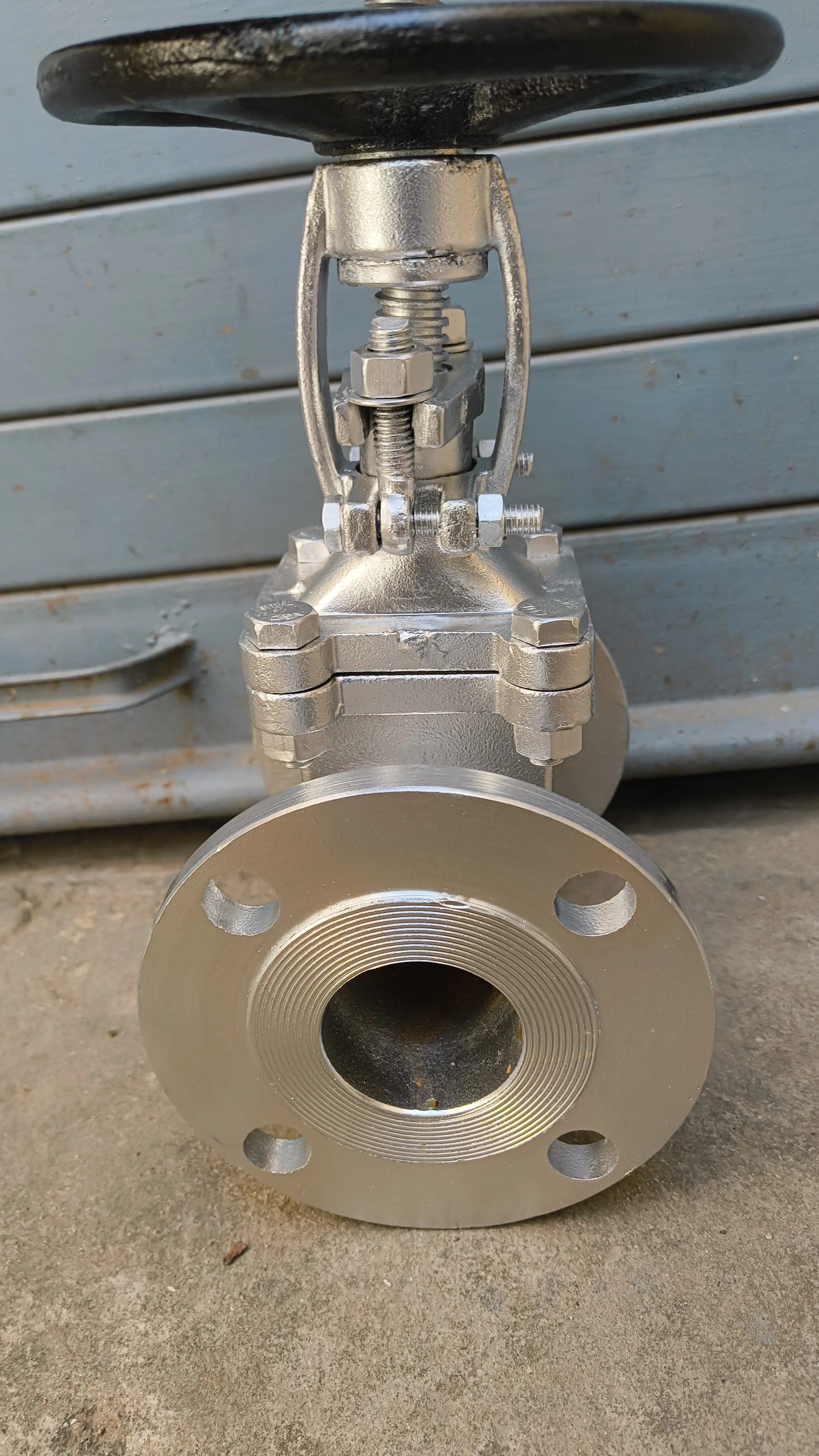
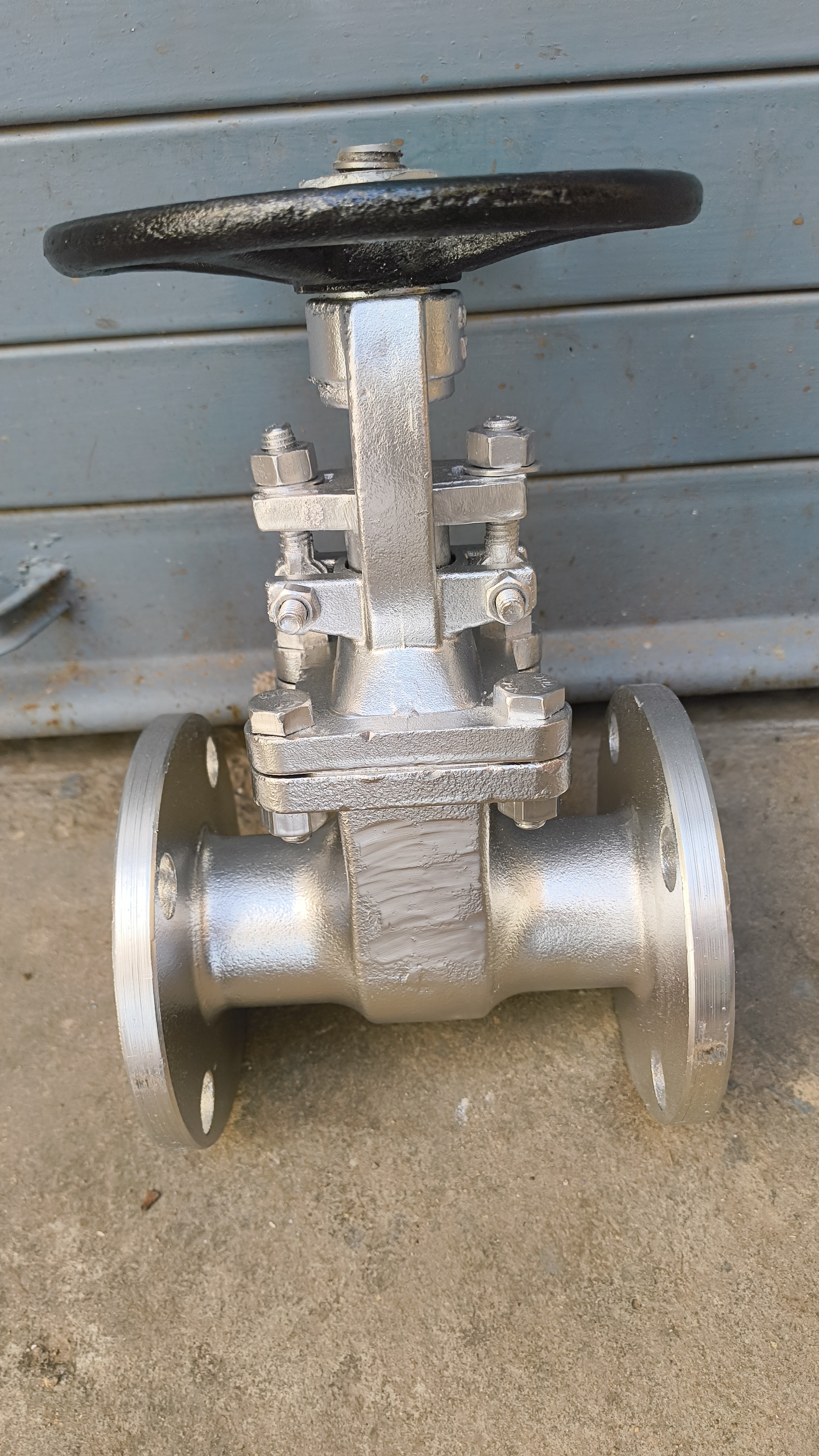
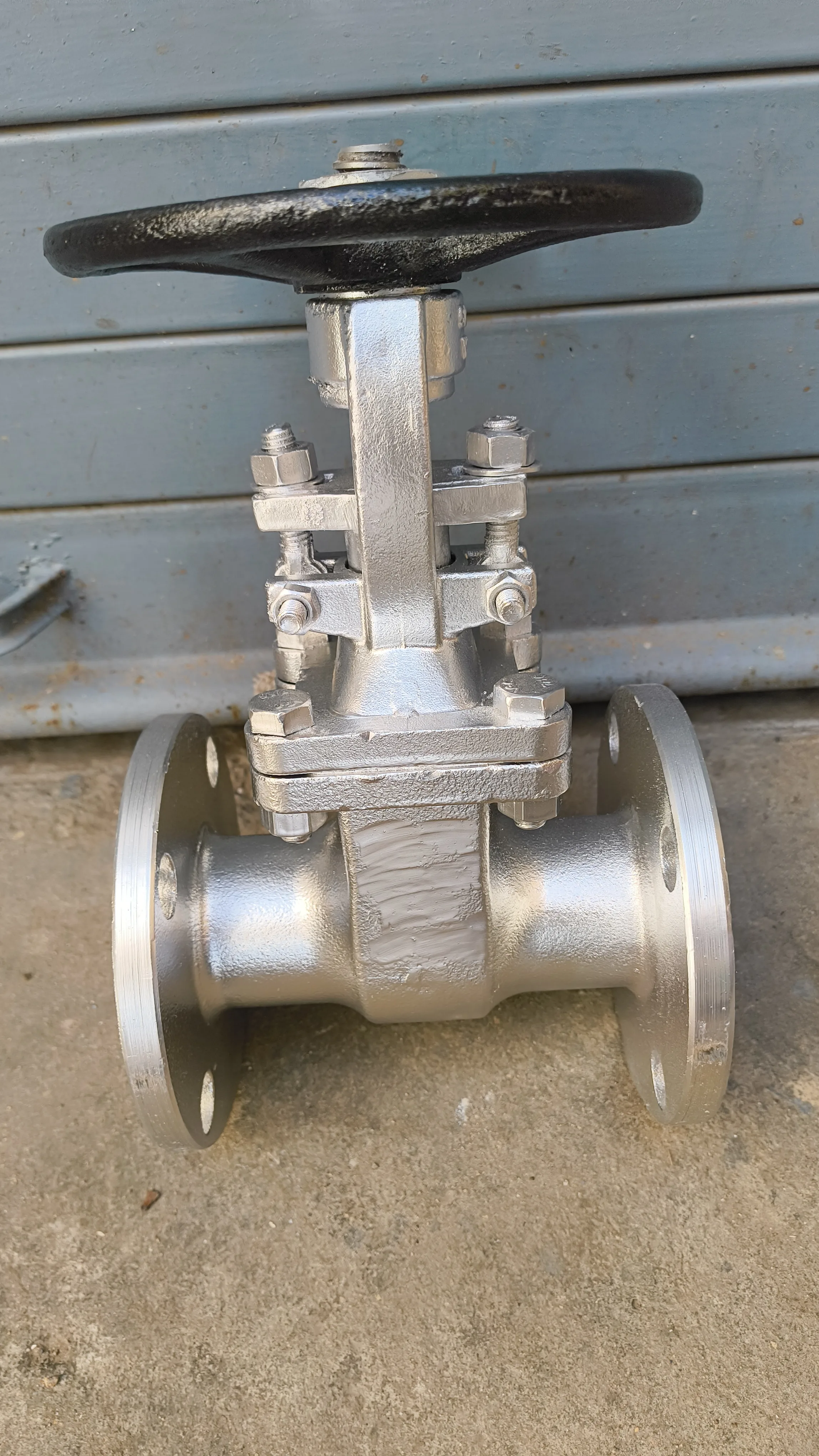
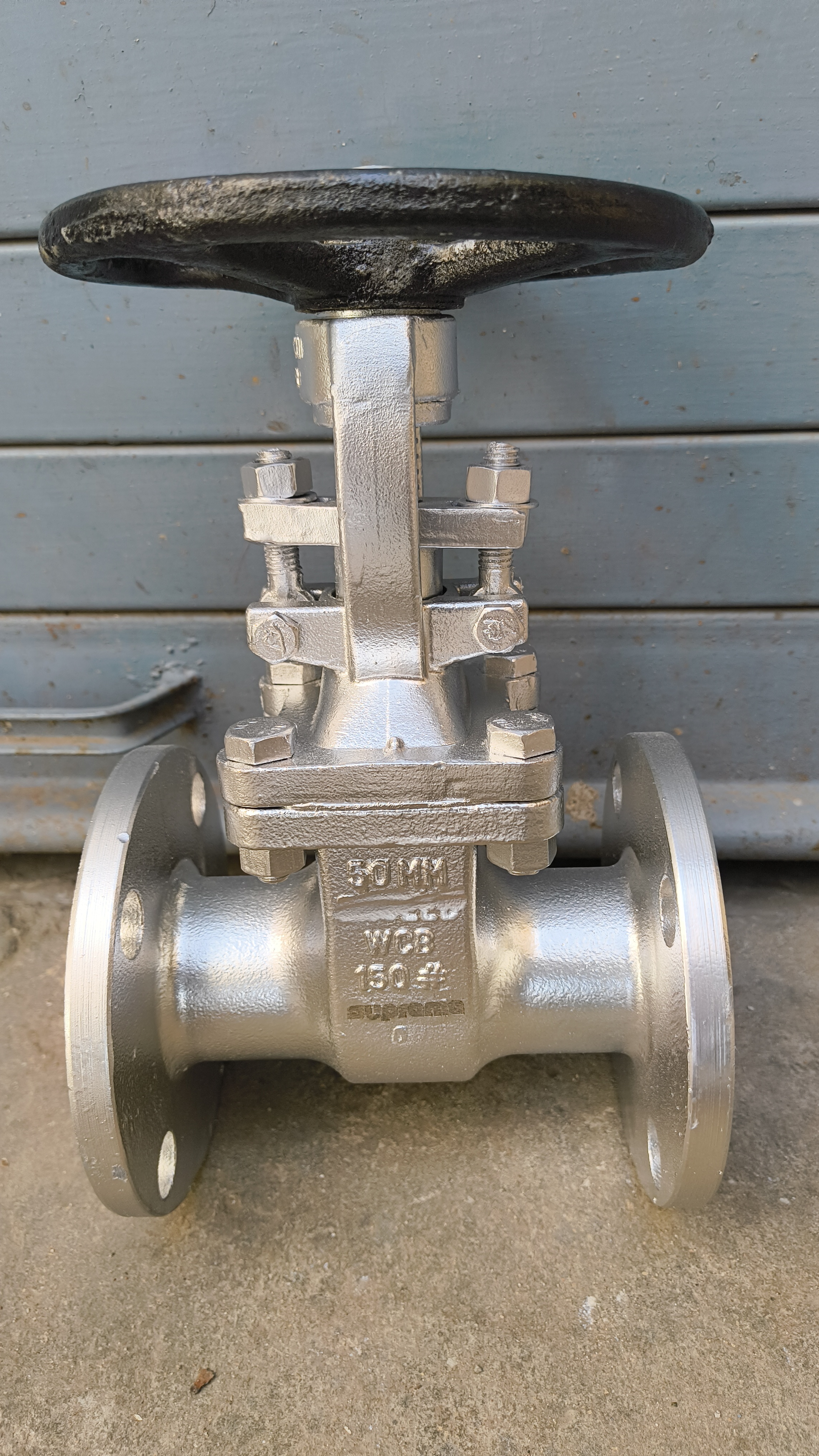
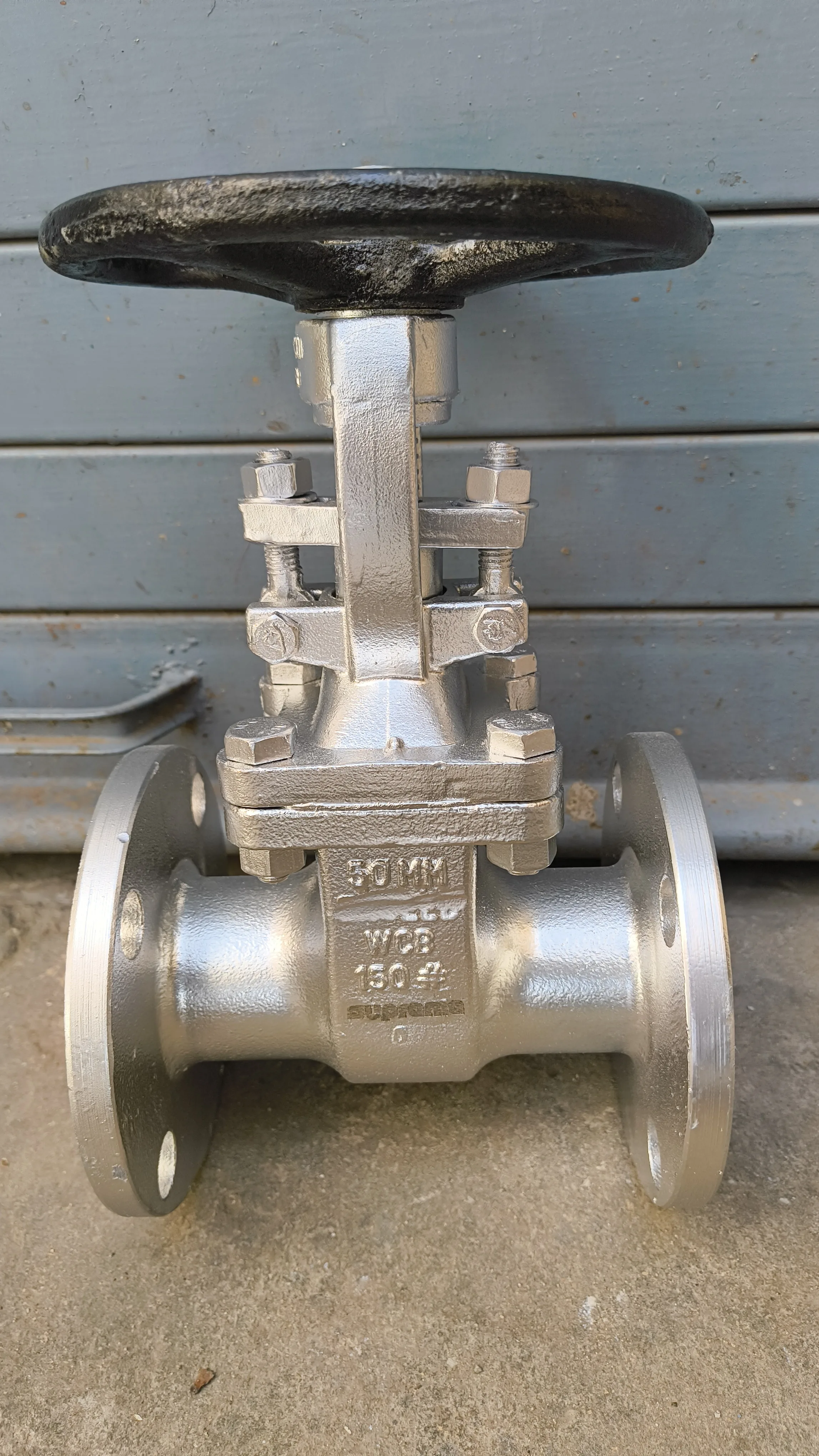
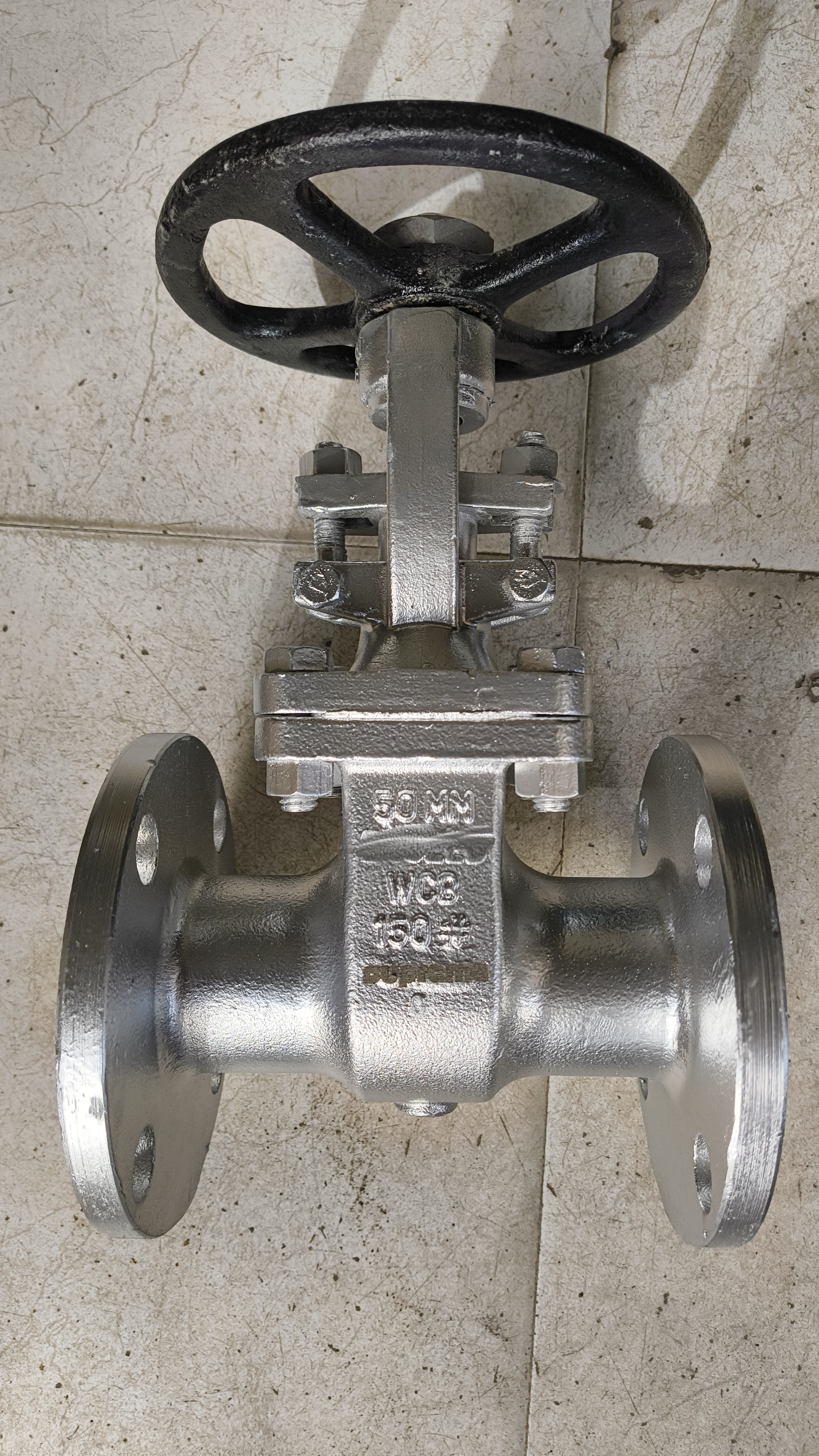
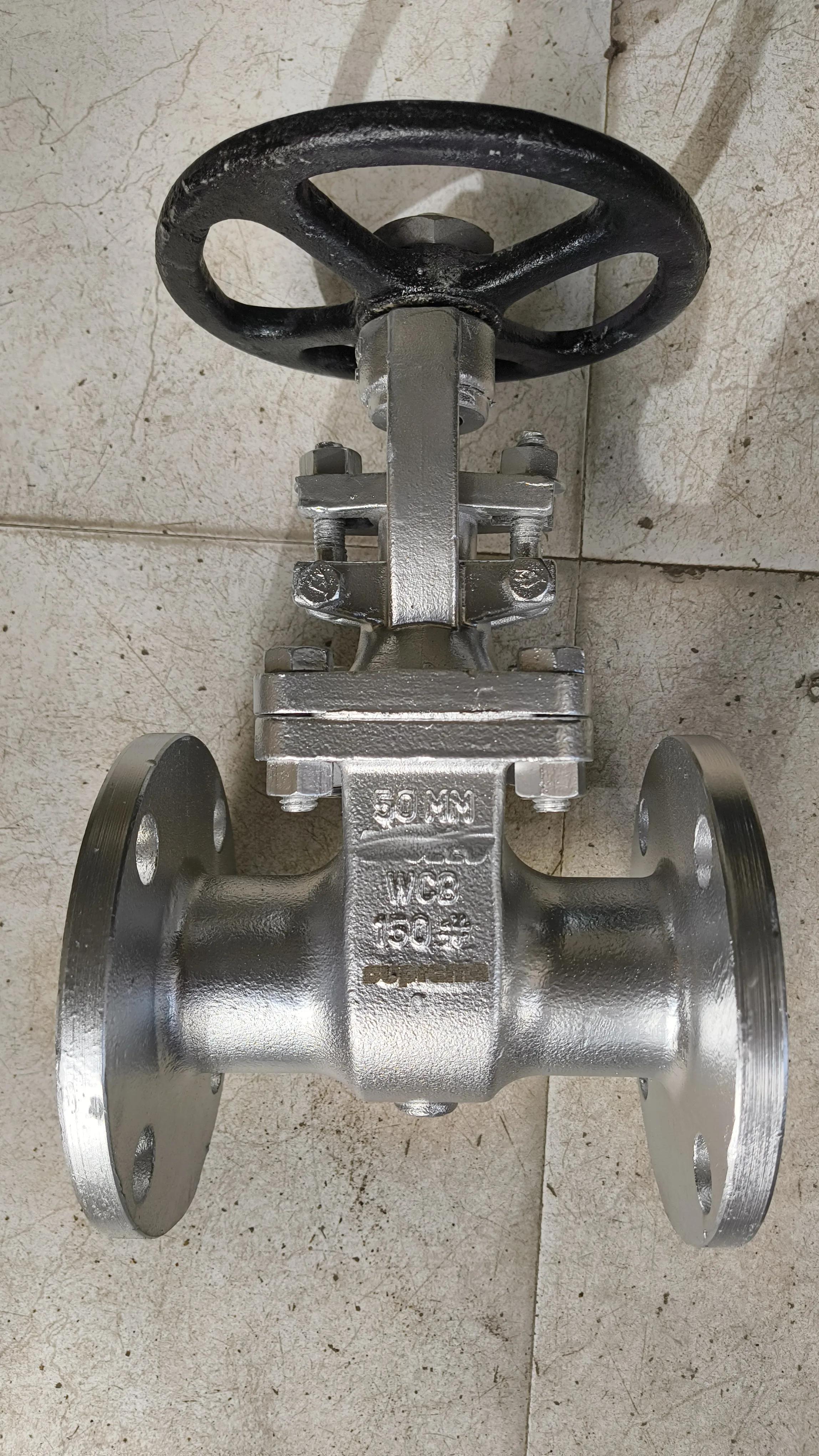
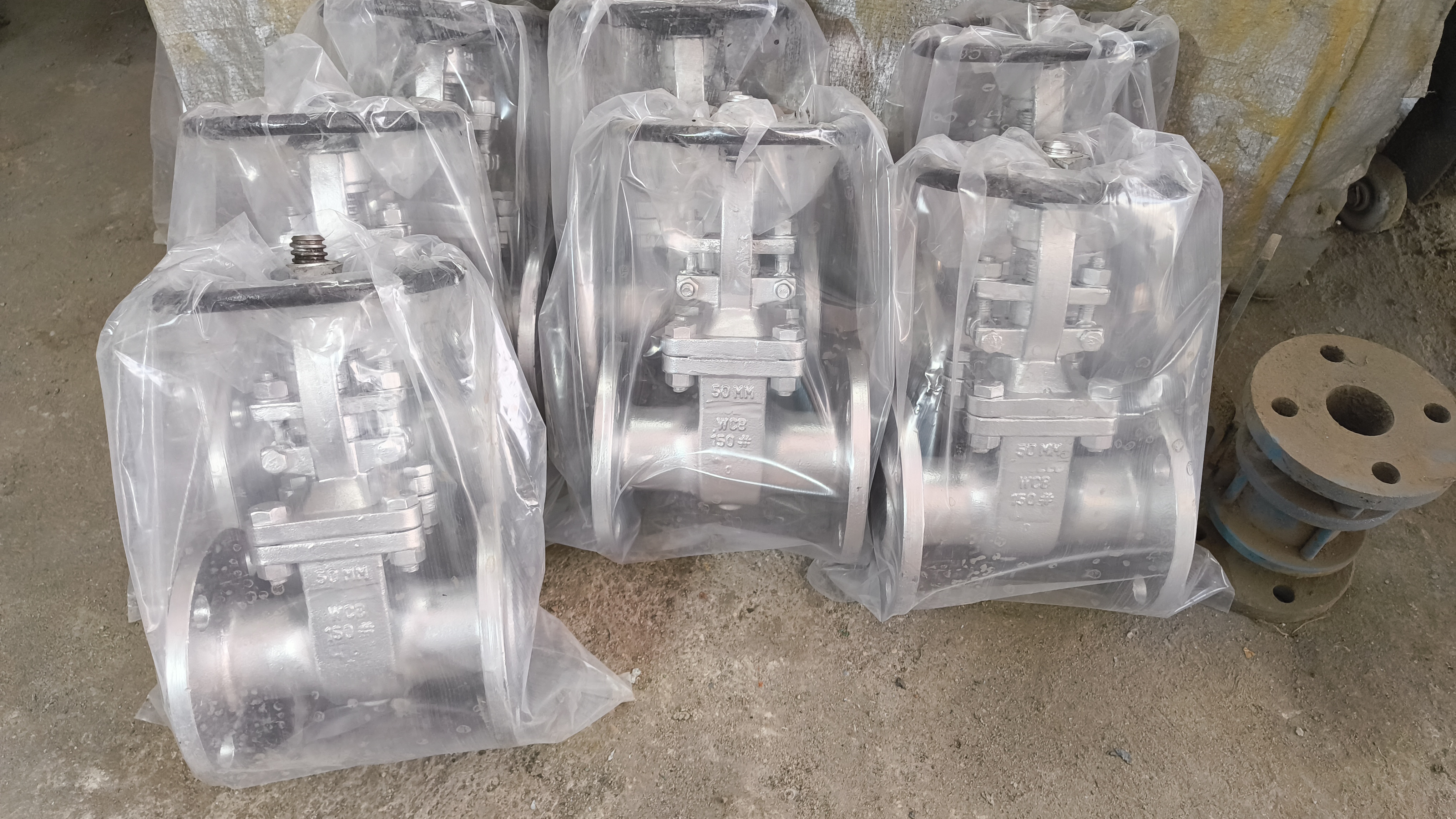
Pressure Seal Gate Valve Class 600/900/1500
Gate Valves

Pressure Seal Gate Valve Class 600/900/1500

Pressure Seal Gate Valve Class 600/900/1500. ASTM A216 WCB. Sizes 50mm to 600mm. High pressure design.

Key Applications

High PressurePower PlantsOil & GasPetrochemical
Request Enquiry WhatsApp Download Datasheet

Frequently Asked Questions

What is a gate valve and when should it be used?

A gate valve uses a flat or wedge-shaped gate that moves perpendicular to the flow direction to open or close. When fully open, the gate is completely withdrawn from the flow path, providing minimal pressure drop and maximum flow capacity. Gate valves are designed for on-off service only and should never be used for throttling. They are ideal for pipelines requiring full bore flow with minimal turbulence, such as crude oil transmission lines, refined product pipelines, and raw water intake systems in Saudi Arabian oil fields and UAE desalination plants.

What are API 600 gate valve pressure/temperature ratings?

Supreme Valves API 600 gate valves are available in Class 150, Class 300, Class 600, and Class 900 ratings for sizes from 2 inches to 48 inches. The Class 150 and 300 cast steel valves (WCB) are most common for general oil and gas service. For high-pressure Saudi Arabian gas pipelines and steam distribution systems, Class 600 forged steel valves (A105, F22) are specified. API 602 compact steel gate valves are available for smaller sizes up to 4 inches in Class 150-1500 ratings.

What's the difference between WCB and CF8M gate valve materials?

WCB (ASTM A216 Grade WCB) is a carbon steel casting material suitable for general service up to 425°C with good strength and machinability. CF8M (ASTM A351 Grade CF8M) is a stainless steel casting (316 SS) offering superior corrosion resistance, especially against chlorides and sour service. For seawater cooling systems in GCC countries, CF8M or Nickel Aluminium Bronze (NAB) is preferred. WCB with FBE coating is used for buried pipeline service where corrosion protection is provided externally.

How does a flexible wedge gate valve work in high-temperature steam?

A flexible wedge gate valve features a one-piece disc with a split stem connection that allows slight angular movement of the wedge seat faces. This flexibility compensates for thermal expansion and contraction during steam service, maintaining a tight seal throughout temperature cycles. The design prevents binding and ensures reliable shut-off in steam distribution lines up to 260°C. For superheated steam applications above 260°C, solid wedge design with hardfaced seats is recommended.

What is the difference between OS&Y and bolted bonnet gate valves?

OS&Y (Outside Stem and Yoke) gate valves have the stem threads visible outside the bonnet, providing clear visual indication of open/closed position and easy packing replacement without removing the actuator. Bolted bonnet designs have the stem internal to the valve body, offering a more compact profile but requiring disassembly for maintenance. OS&Y is preferred for critical oil and gas service and Saudi Aramco specifications, while bolted bonnet is used for smaller sizes and budget applications.

Can gate valves be used for throttling service?

Gate valves should NOT be used for throttling service. Partially opening a gate valve creates high velocity flow and vibration that can damage the seat faces and cause premature failure. The design provides only two positions: fully open or fully closed. For throttling or modulating control, use globe valves, control valves, or butterfly valves. Using gate valves for throttling voids the warranty and can cause safety issues in high-pressure systems common in Saudi Arabian oil and gas facilities.

What documentation is required for gate valve export to Saudi Arabia (SABER)?

Export of gate valves to Saudi Arabia requires: (1) SASO/SABER Product CoC (Certificate of Conformity) obtained via the SABER portal, (2) Commercial Invoice with HS Code 8481.80, (3) Packing List, (4) Bill of Lading, (5) Manufacturer's Test Reports (API 598 hydrostatic and pneumatic seat testing), (6) Material Test Certificates (EN 10204 3.1) with PMI verification, (7) Certificate of Origin from Indian Chamber of Commerce, (8) ARAMCO Form 4-1514001 for approved source listing. Our export documentation package supports seamless customs clearance for Riyadh, Jeddah, and Dammam ports.

Materials of Construction (MOC)

Component Material Specification
Body & Bonnet Ductile Iron (ASTM A536 / EN-GJS-400-15)
Stem / Spindle SS 410 / SS 420
Seat / Trim EPDM / NBR / Bronze

Technical Specifications

Parameter Specification / Standard
Manufacturing / Design Standard EN 1171 / AWWA C509 / BS 5163
Testing Standard API 598 / EN 12266-1
Pressure Rating PN16 / PN25