
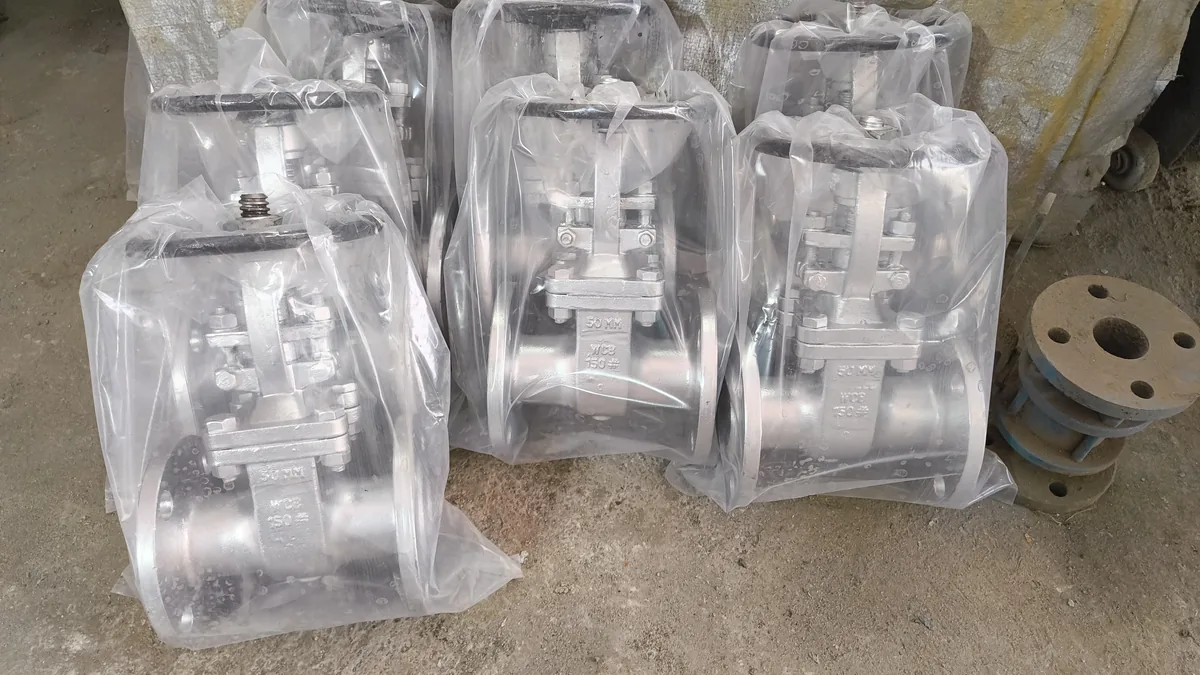
Product Gallery
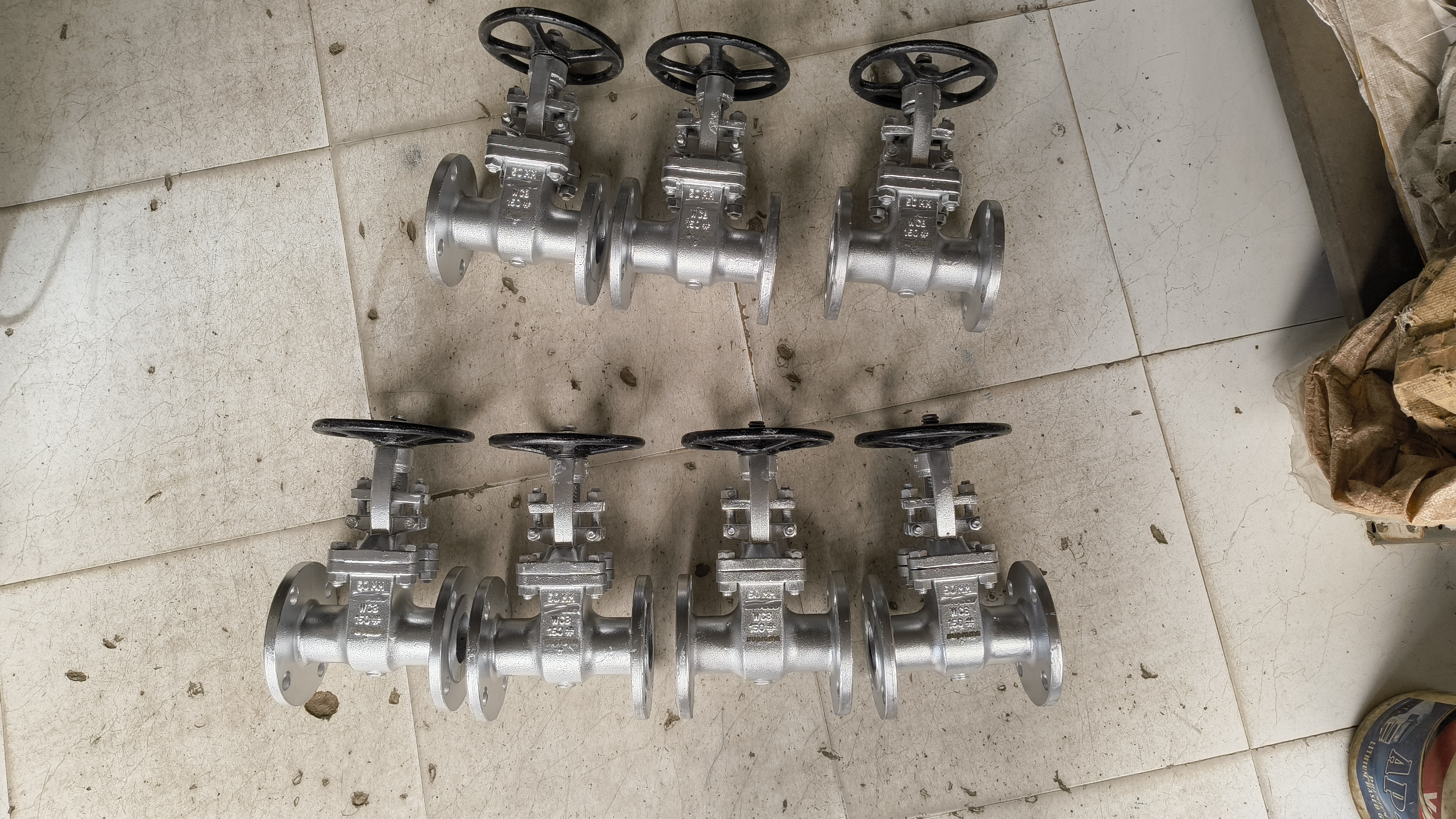
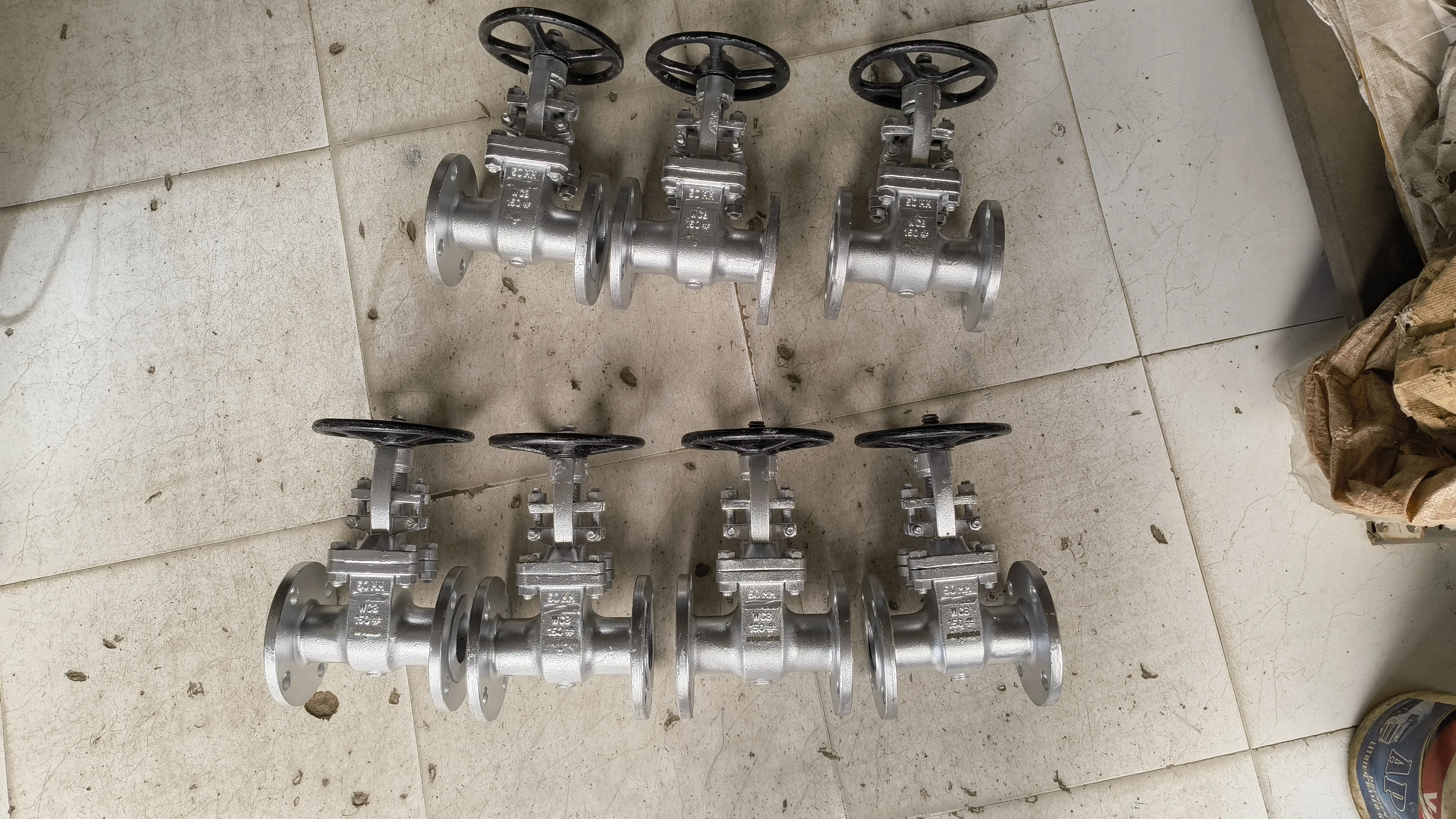
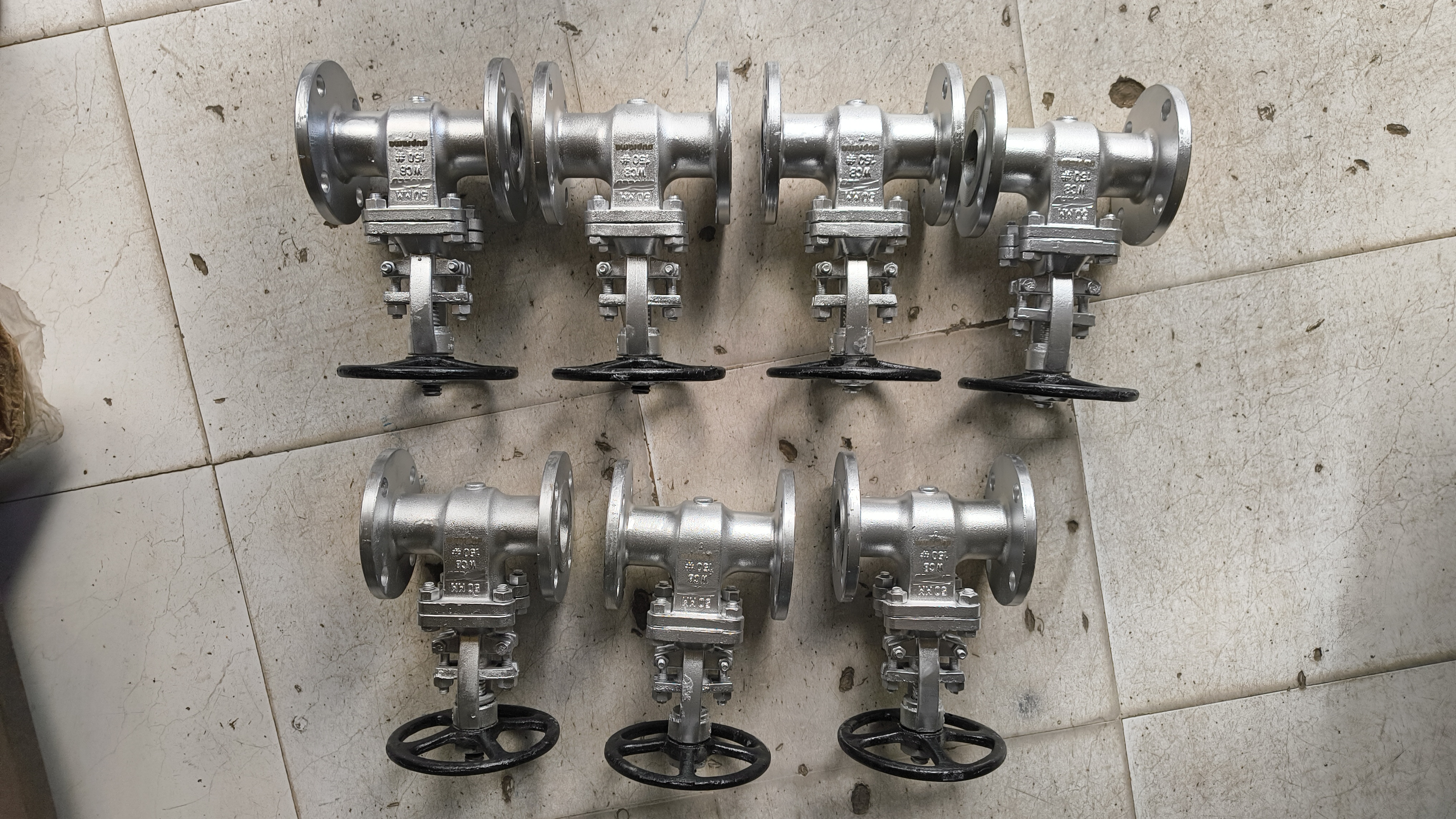
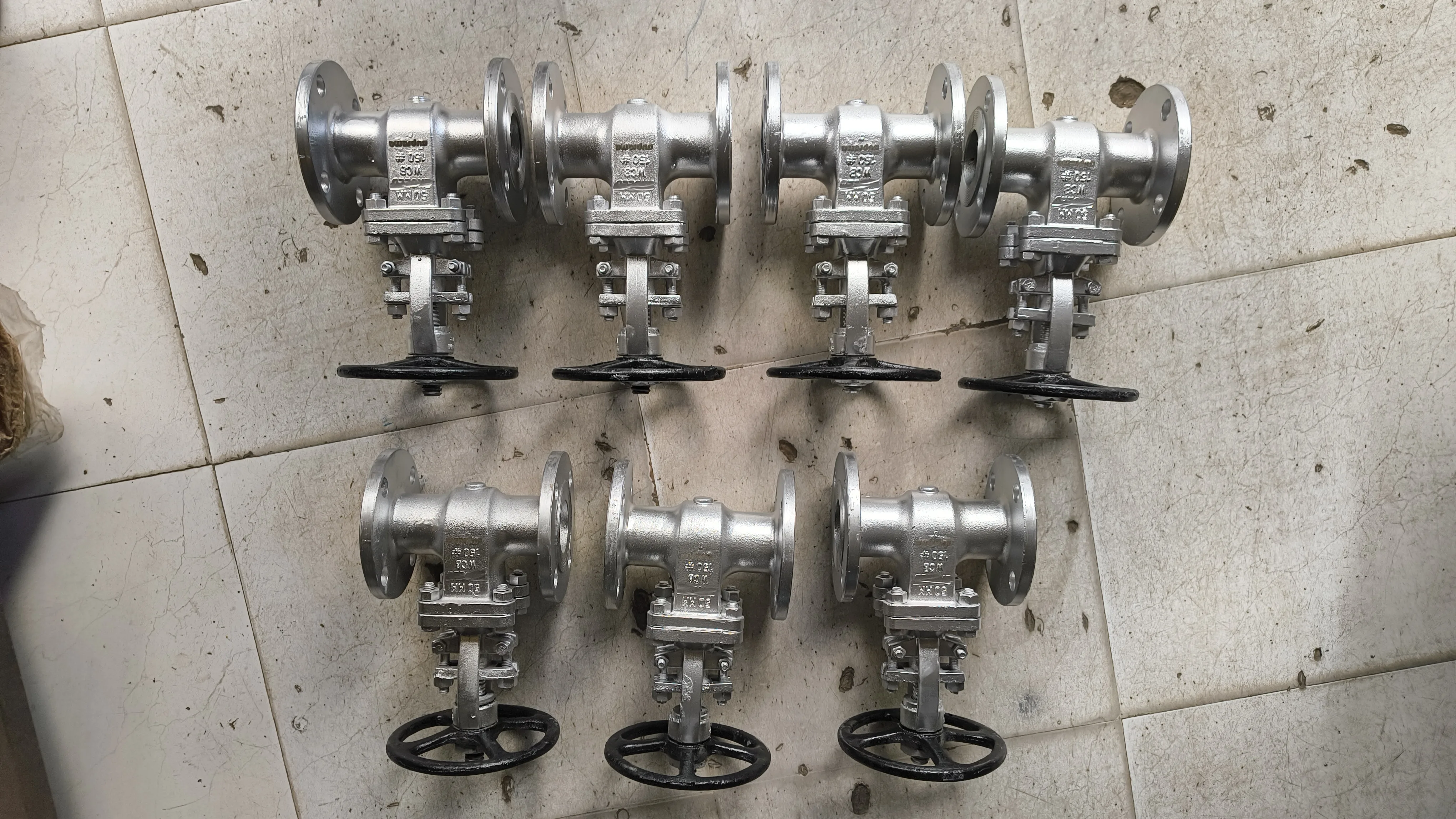
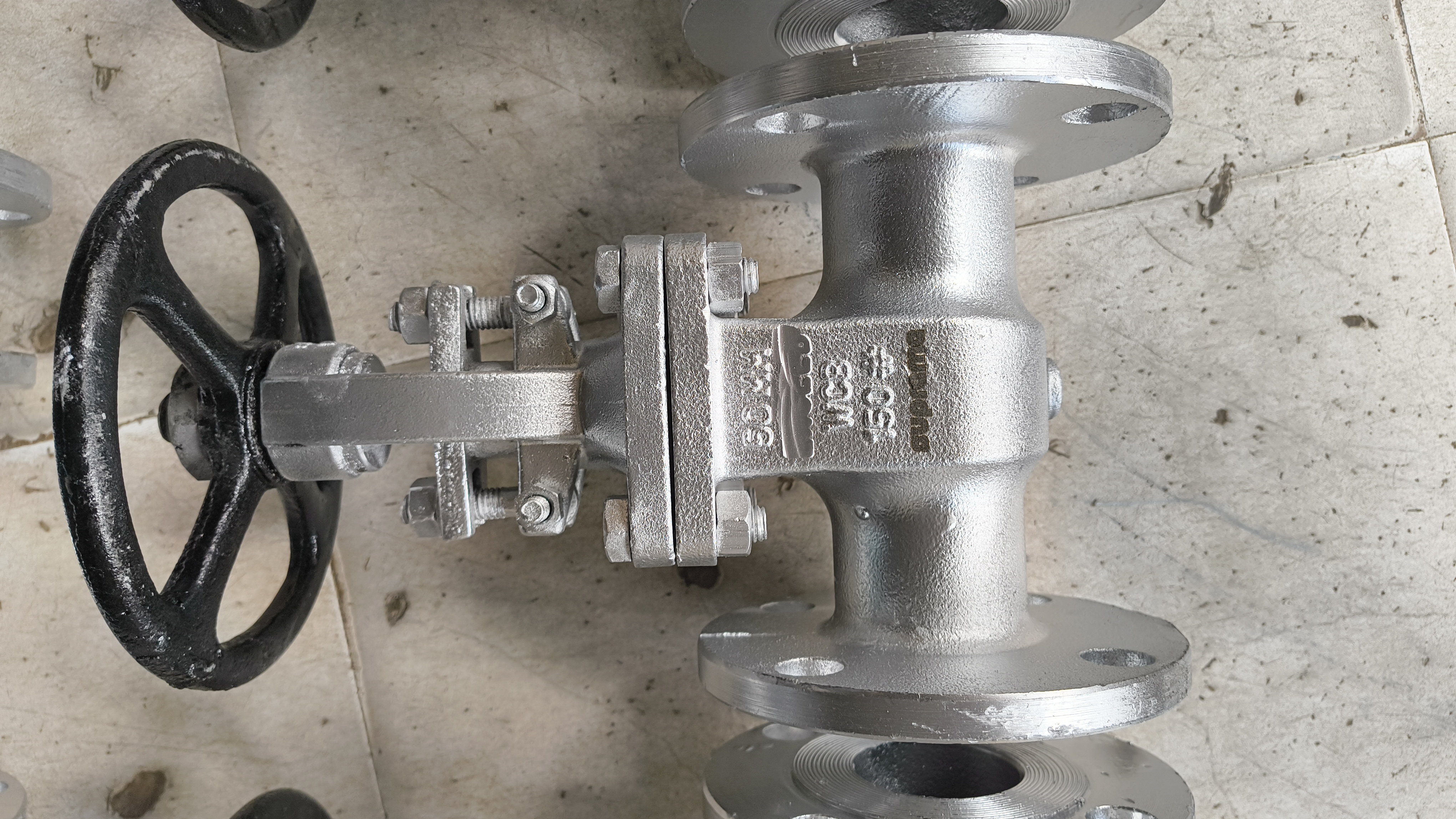
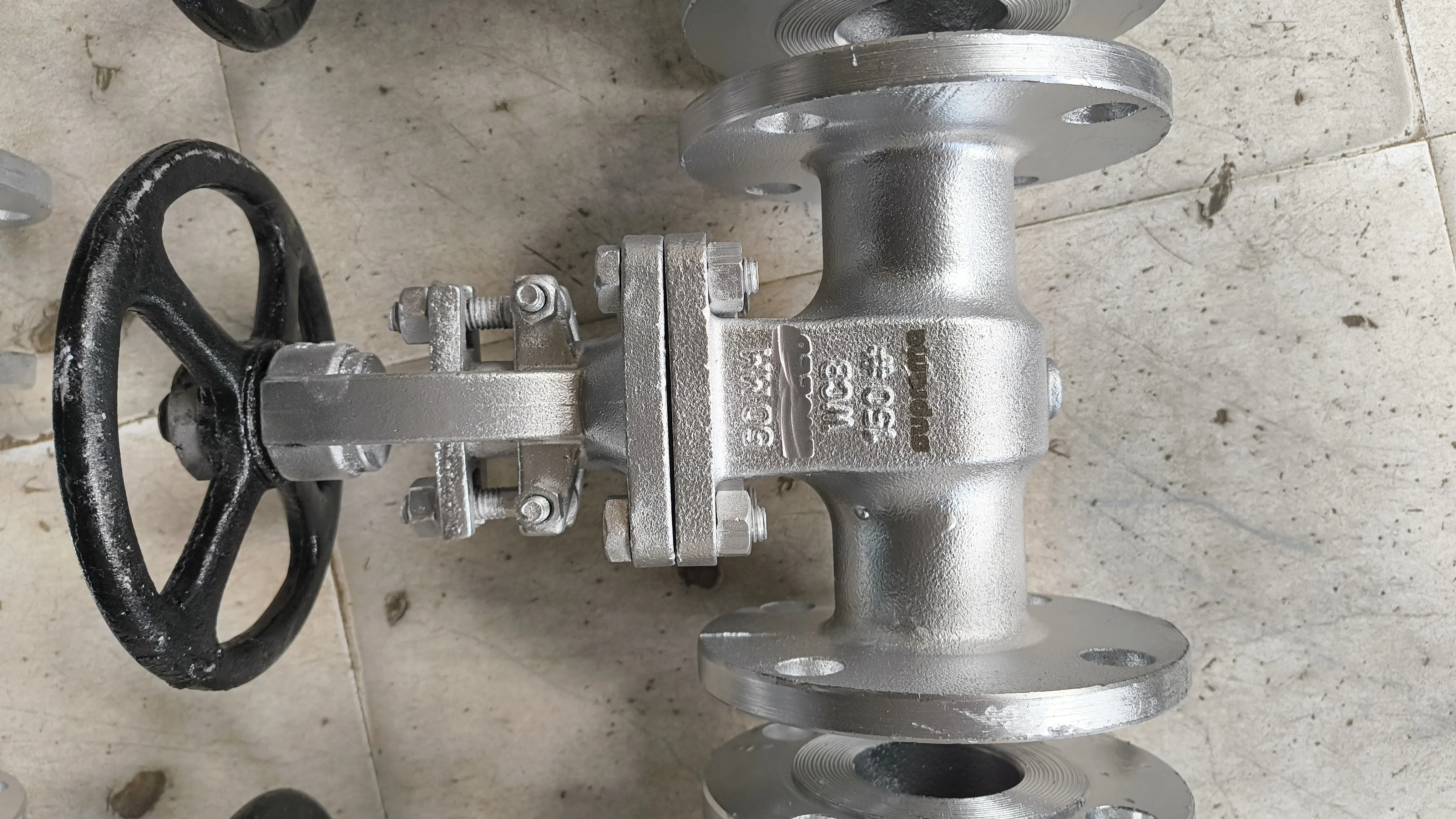
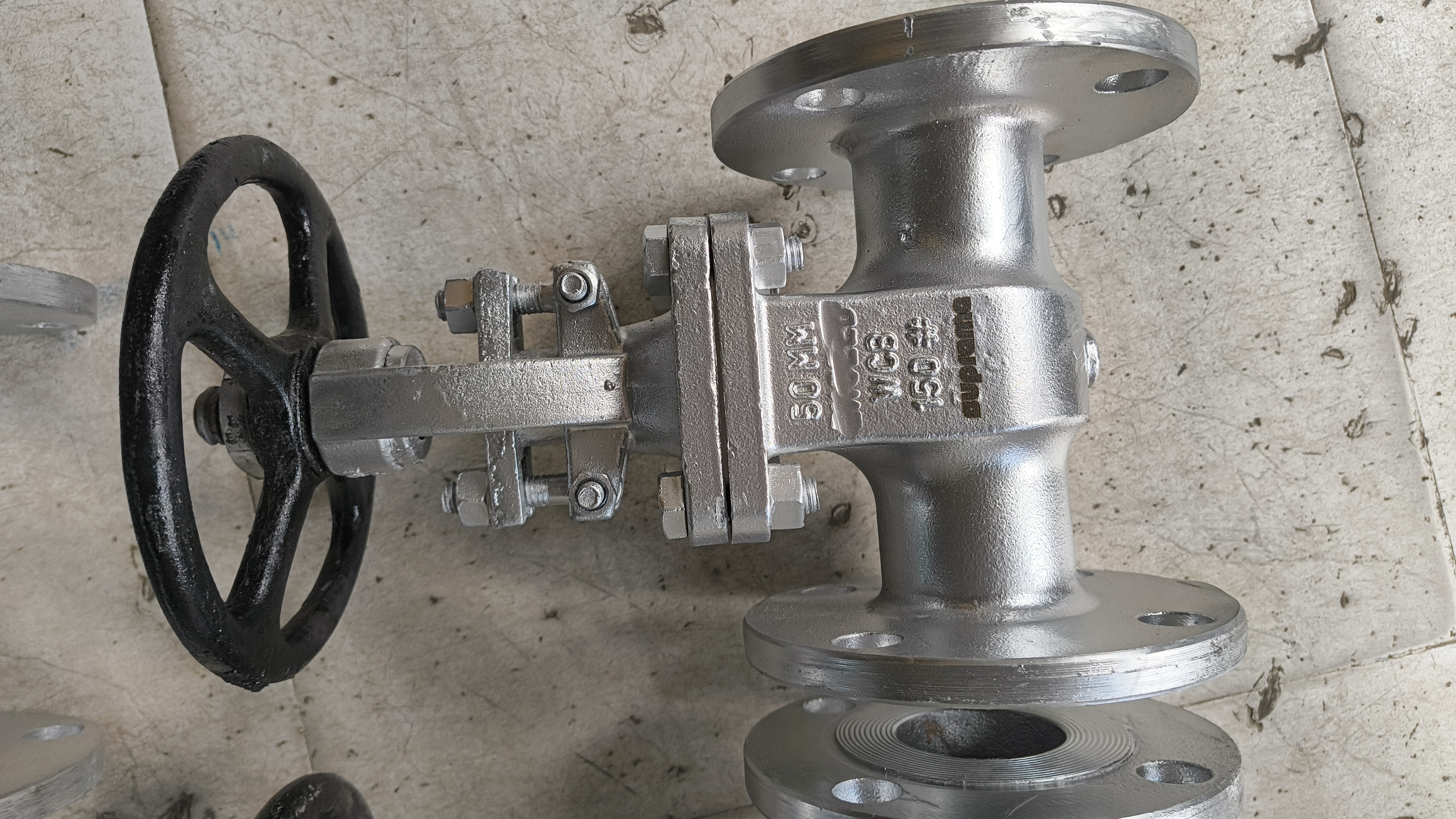
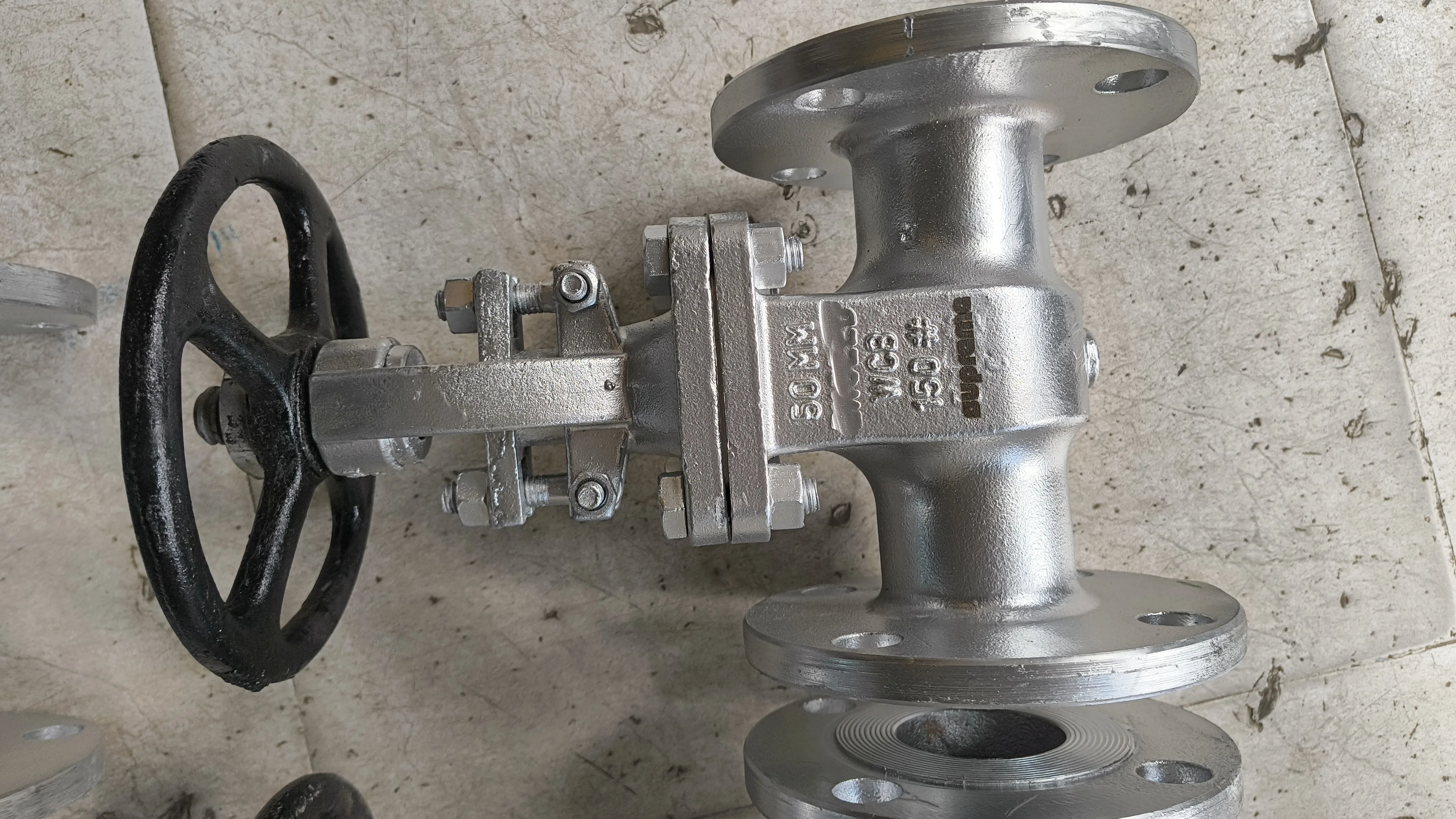
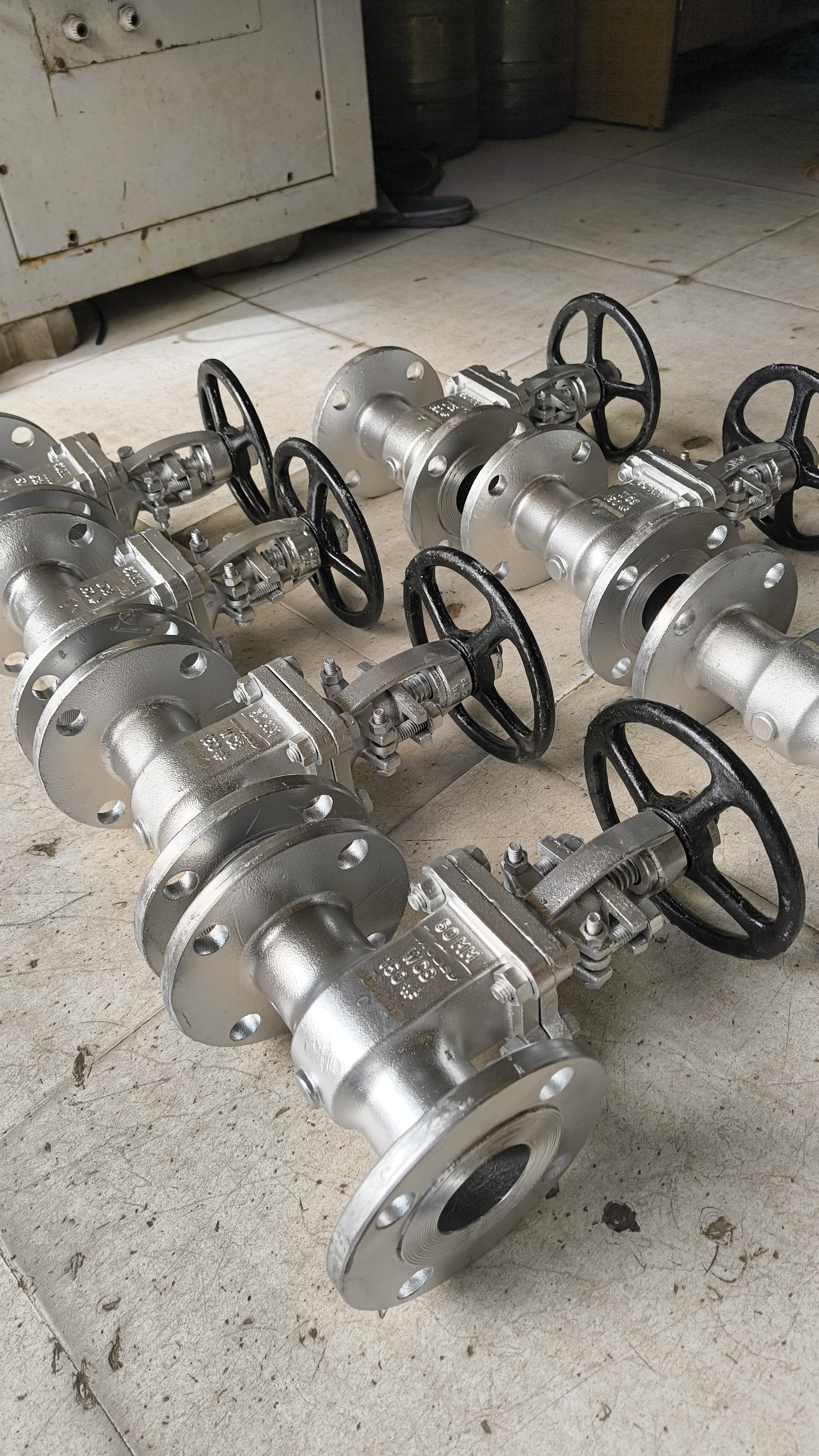
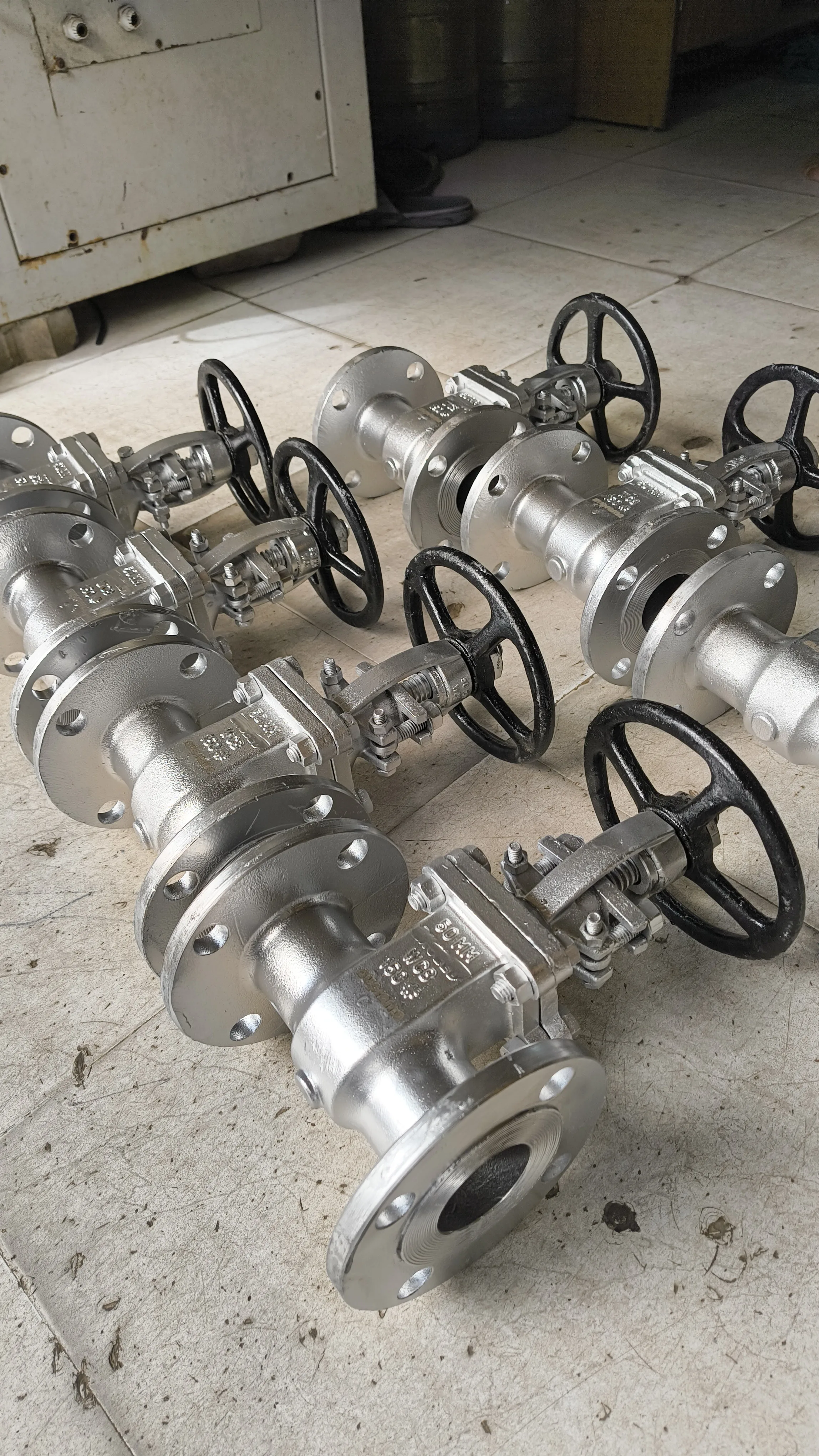
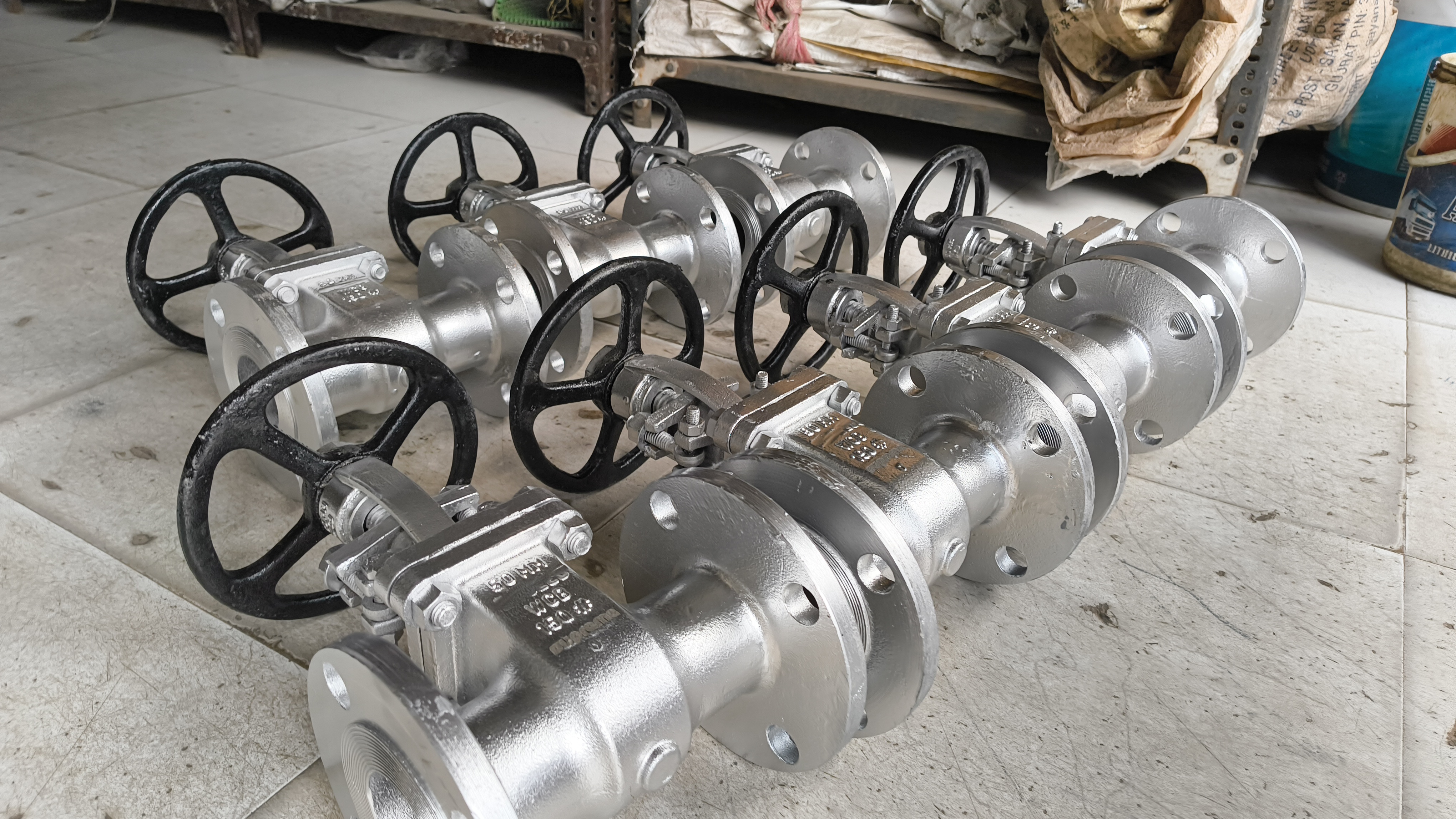
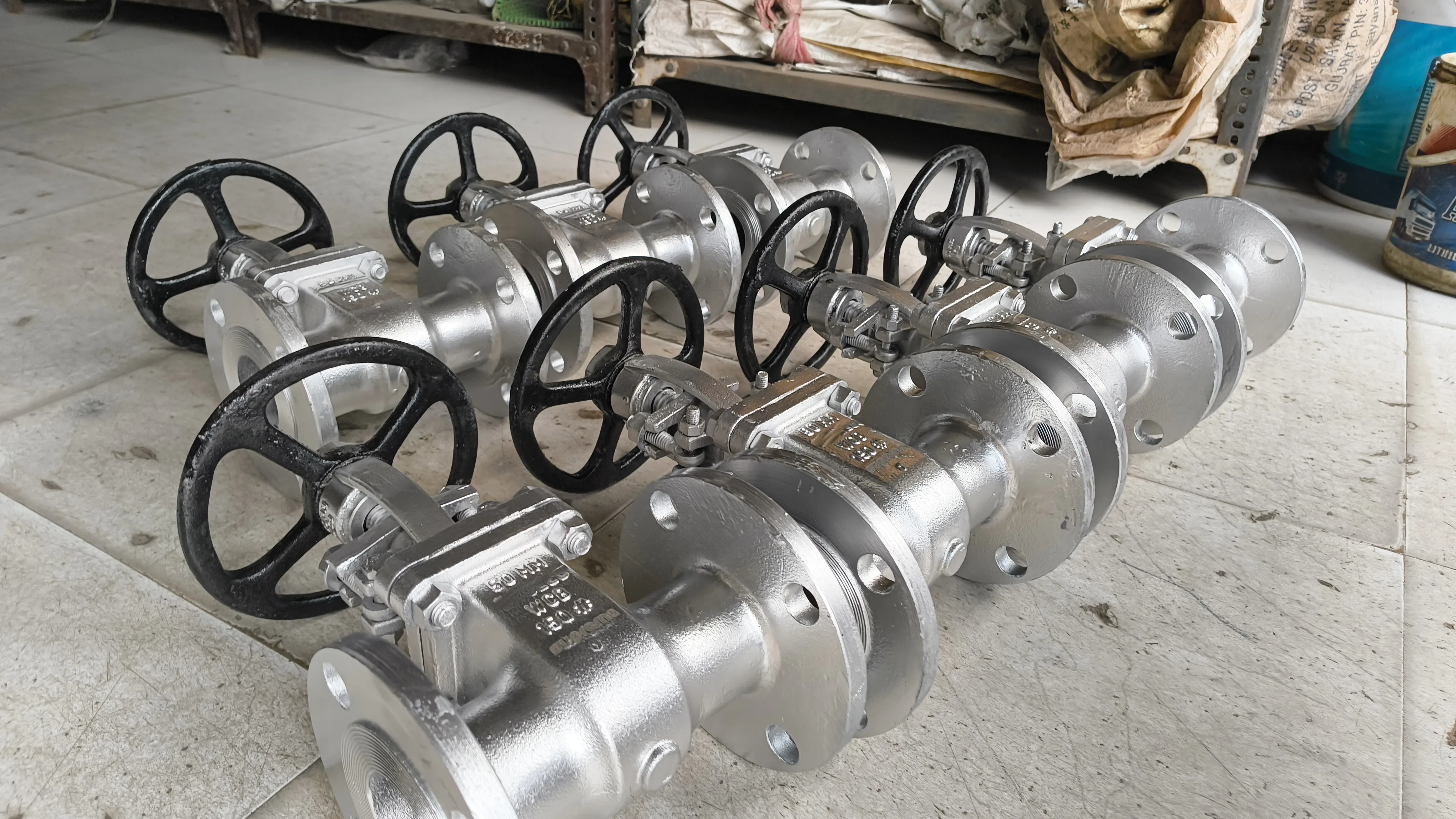
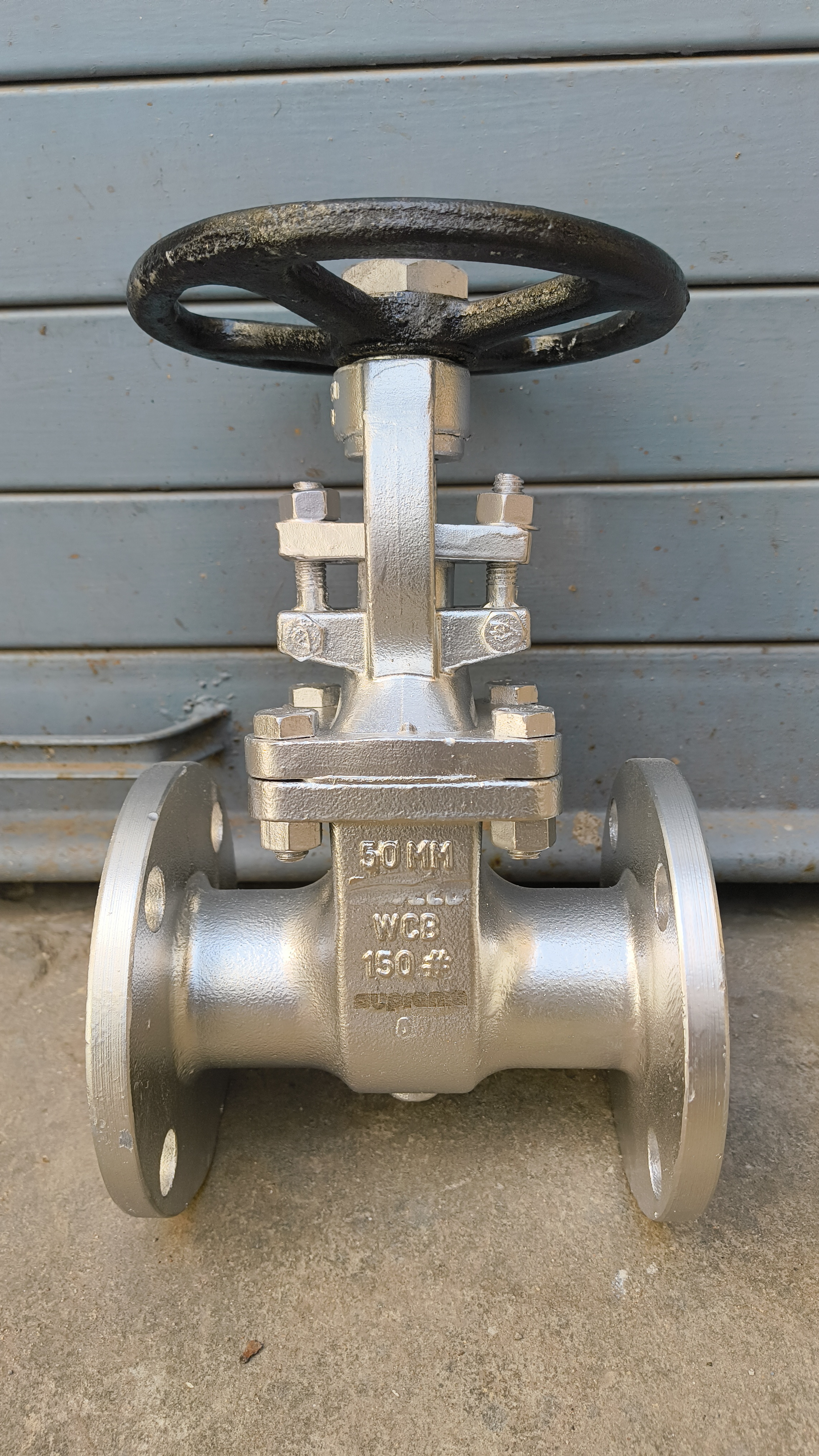
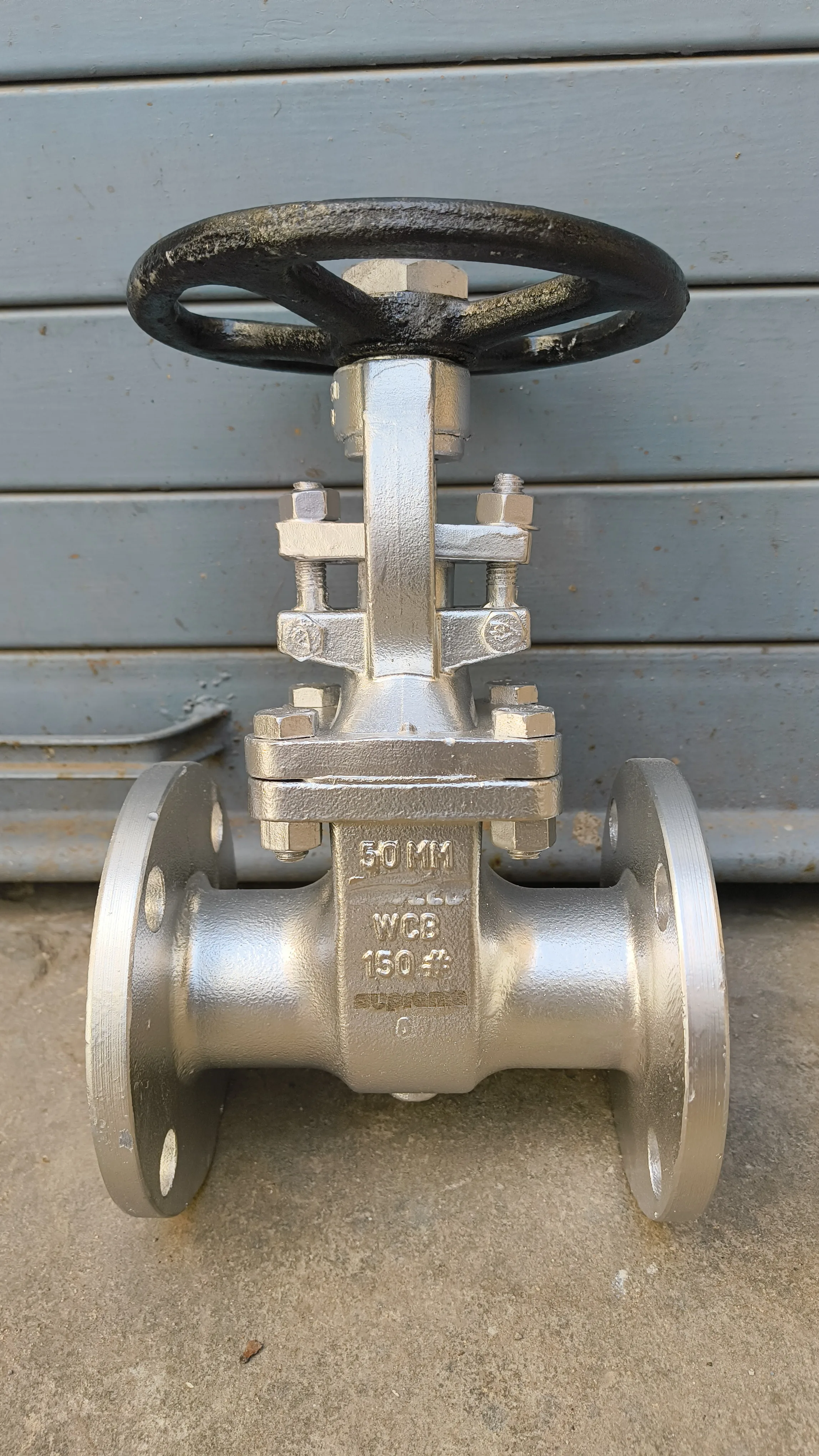
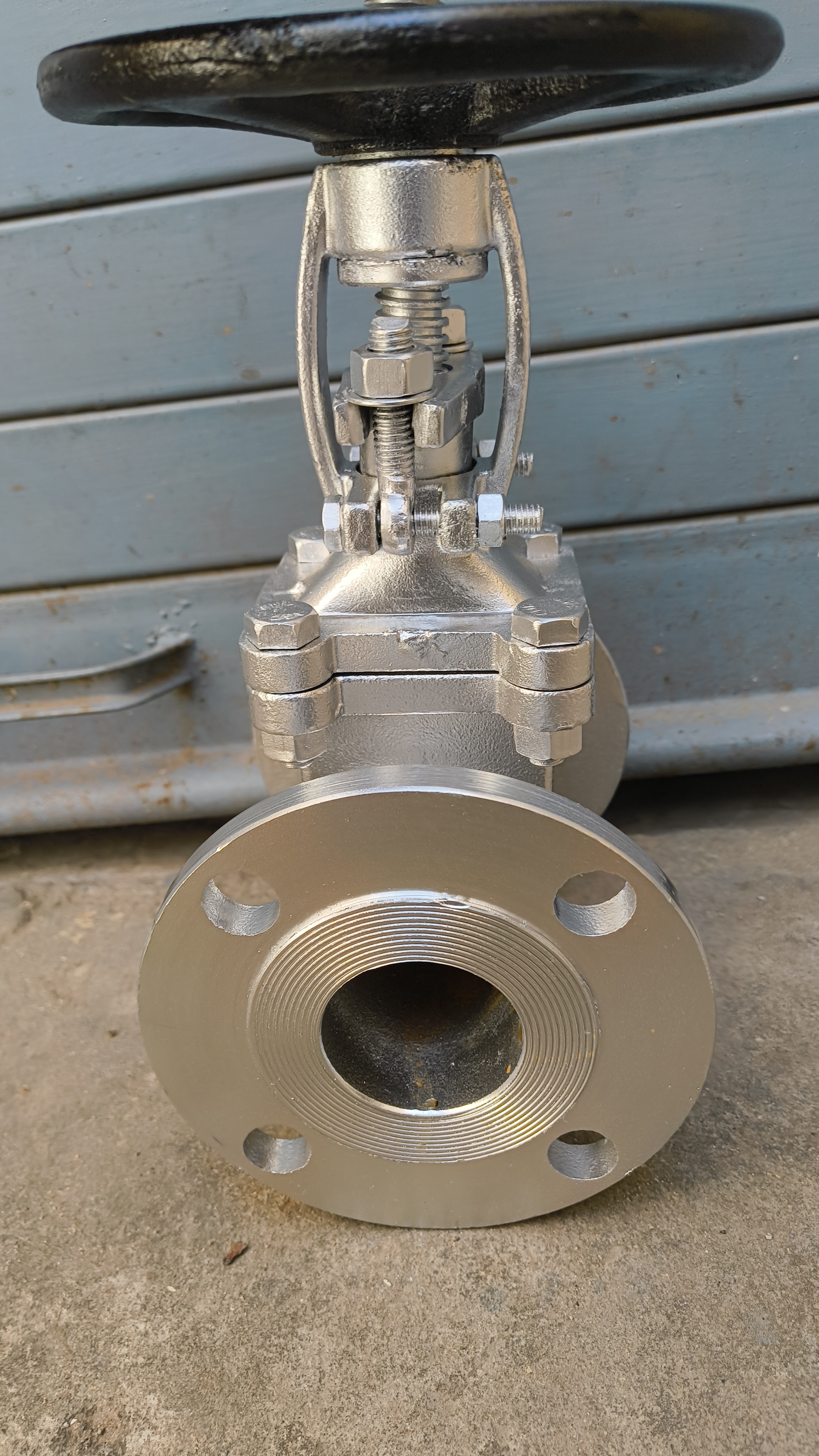
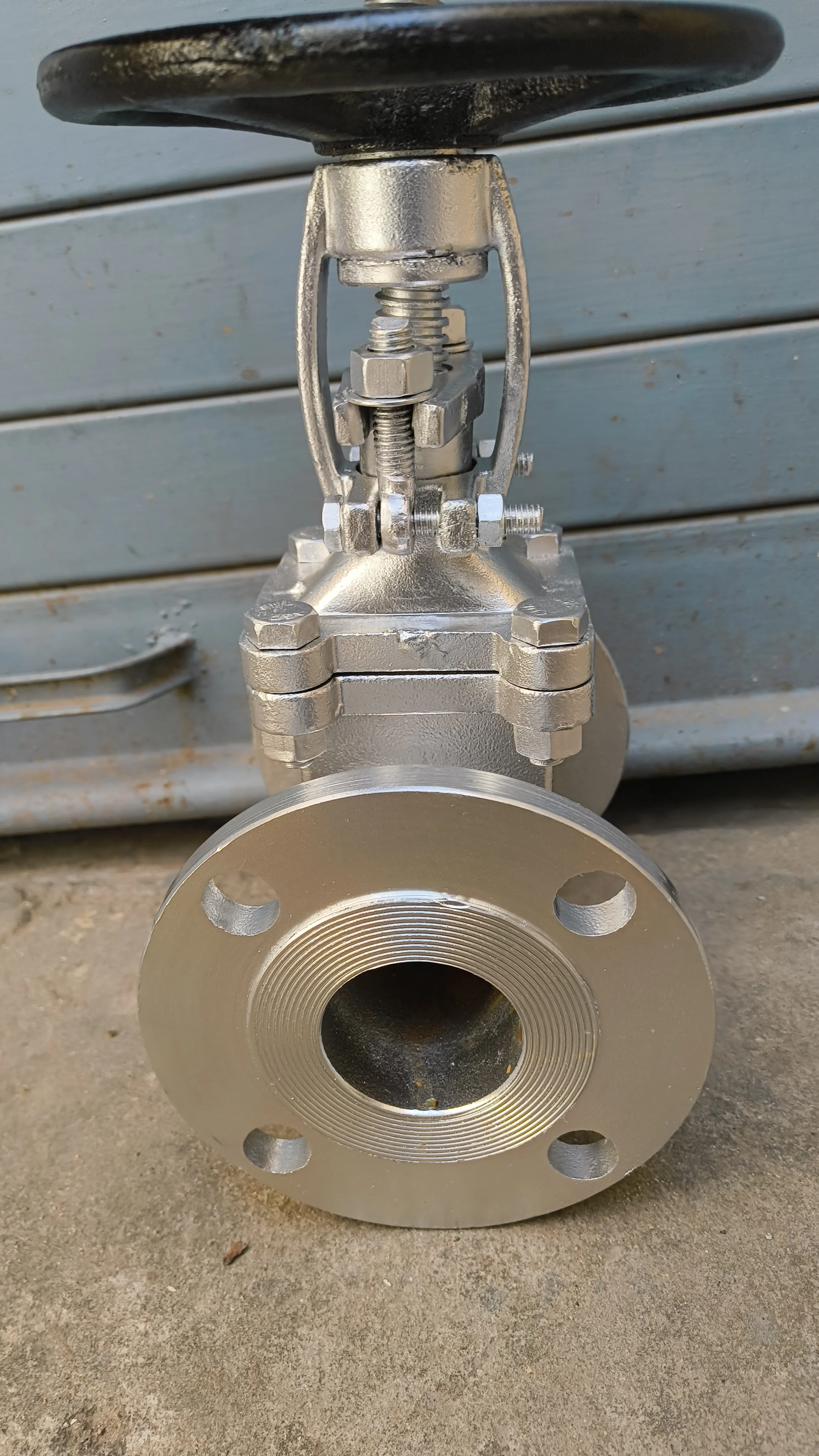
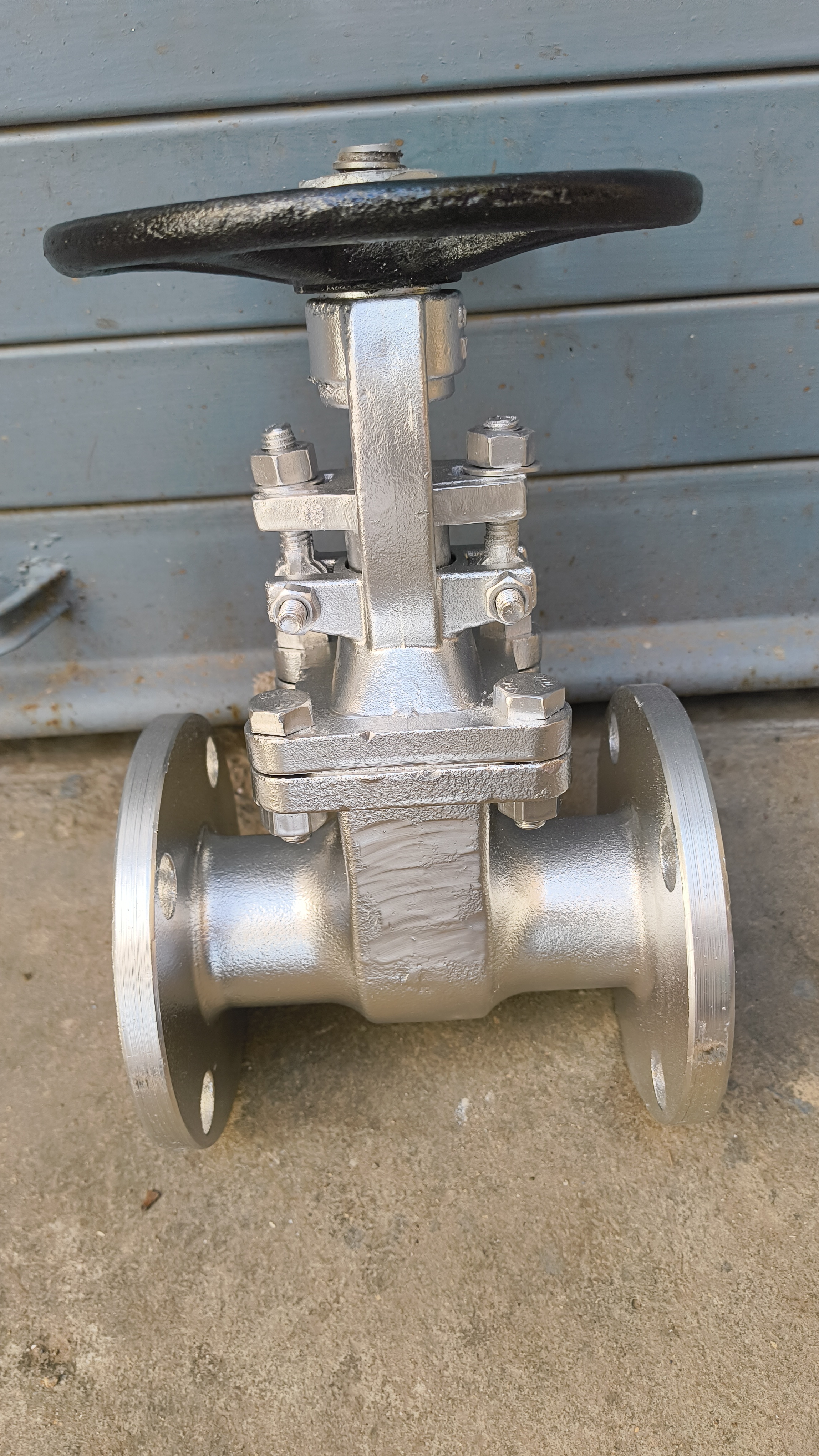
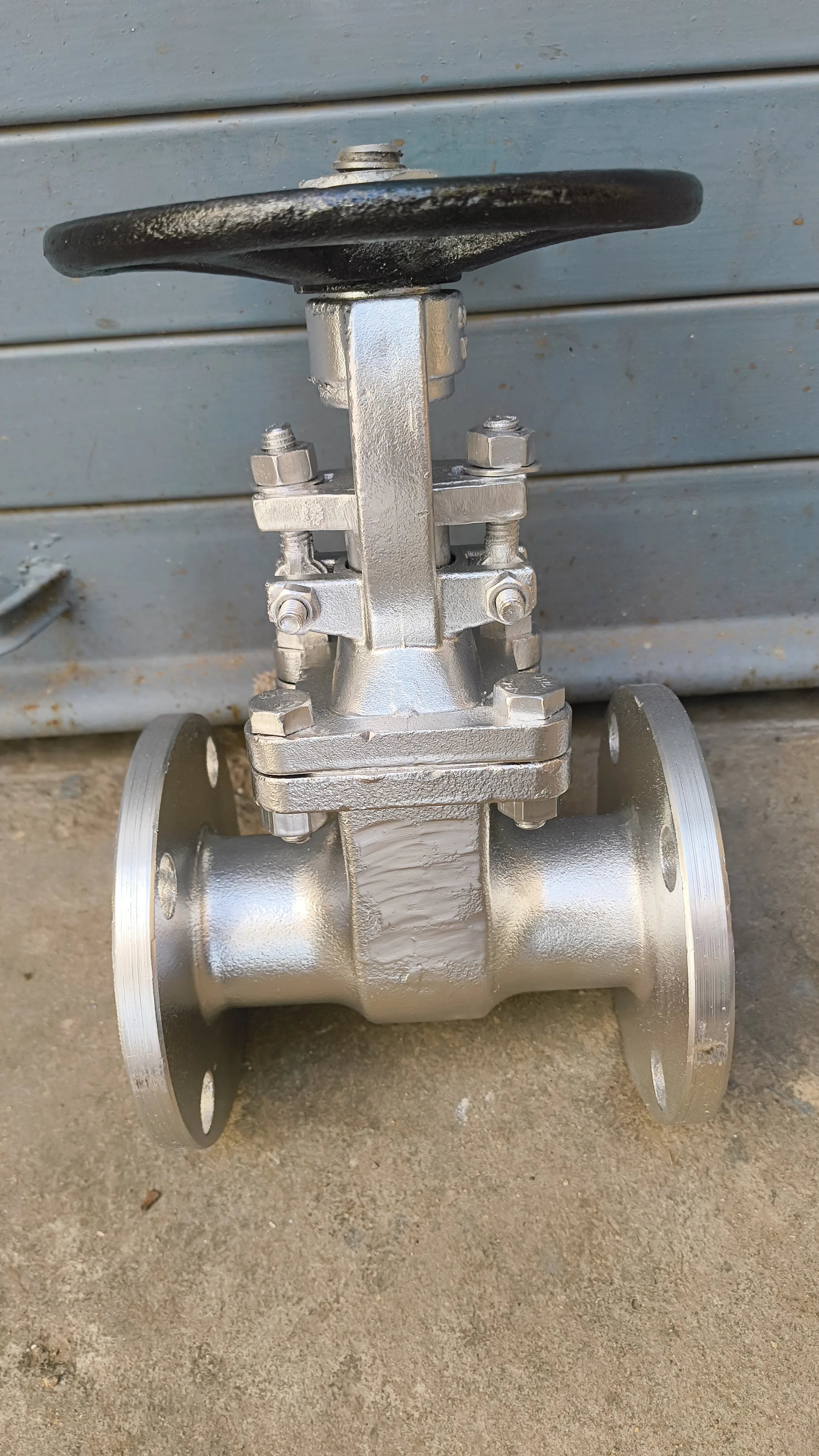
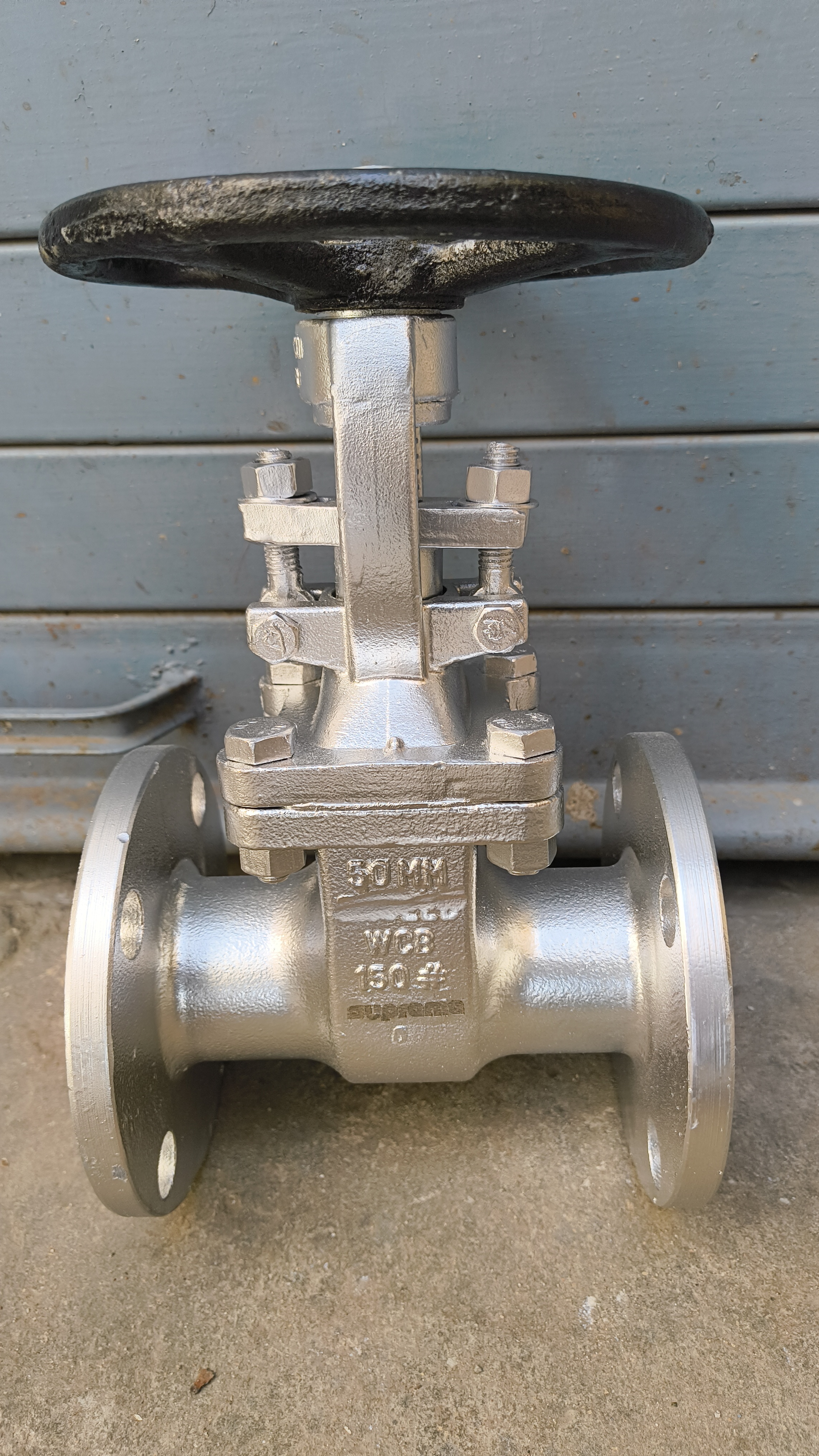
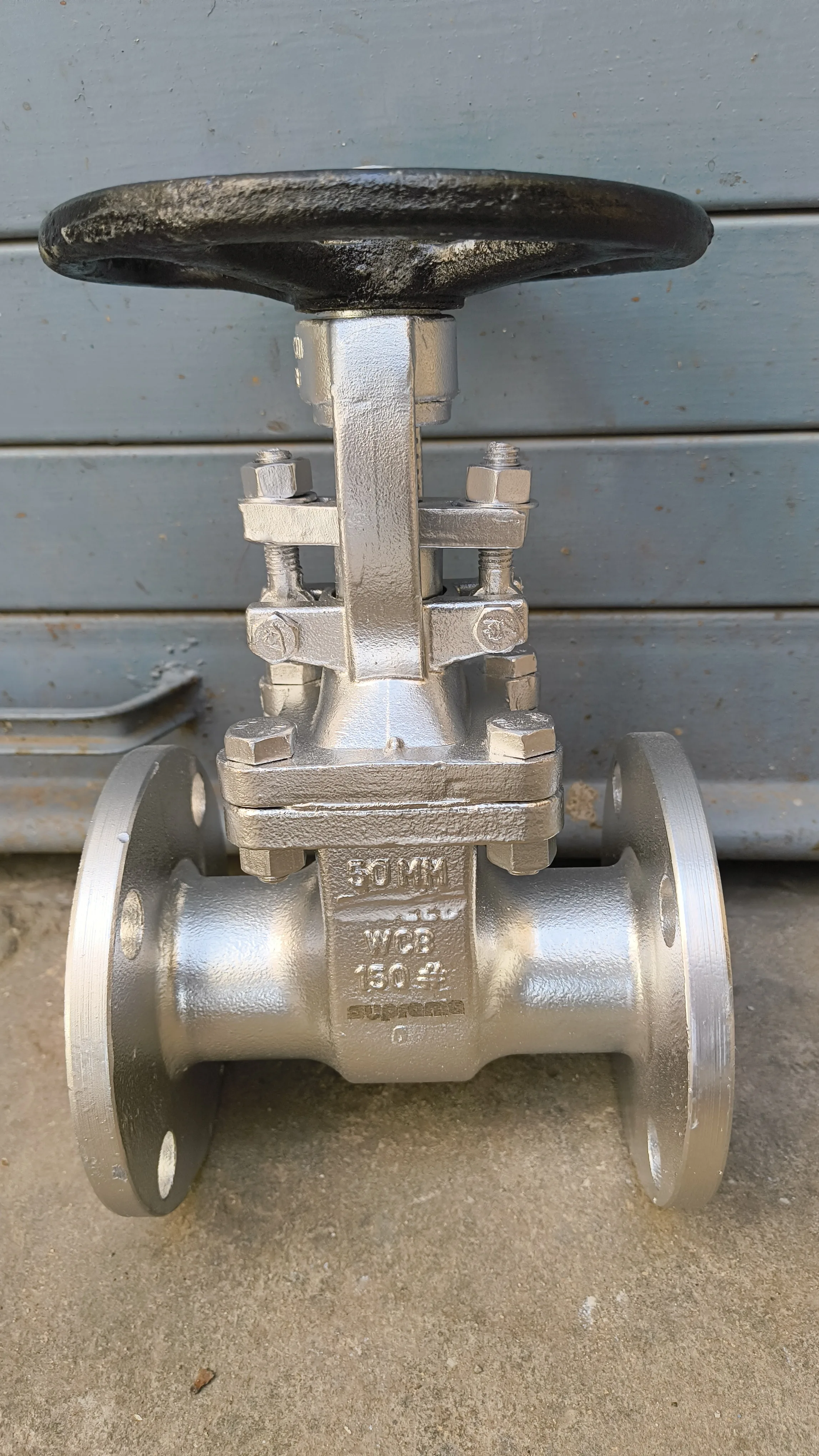
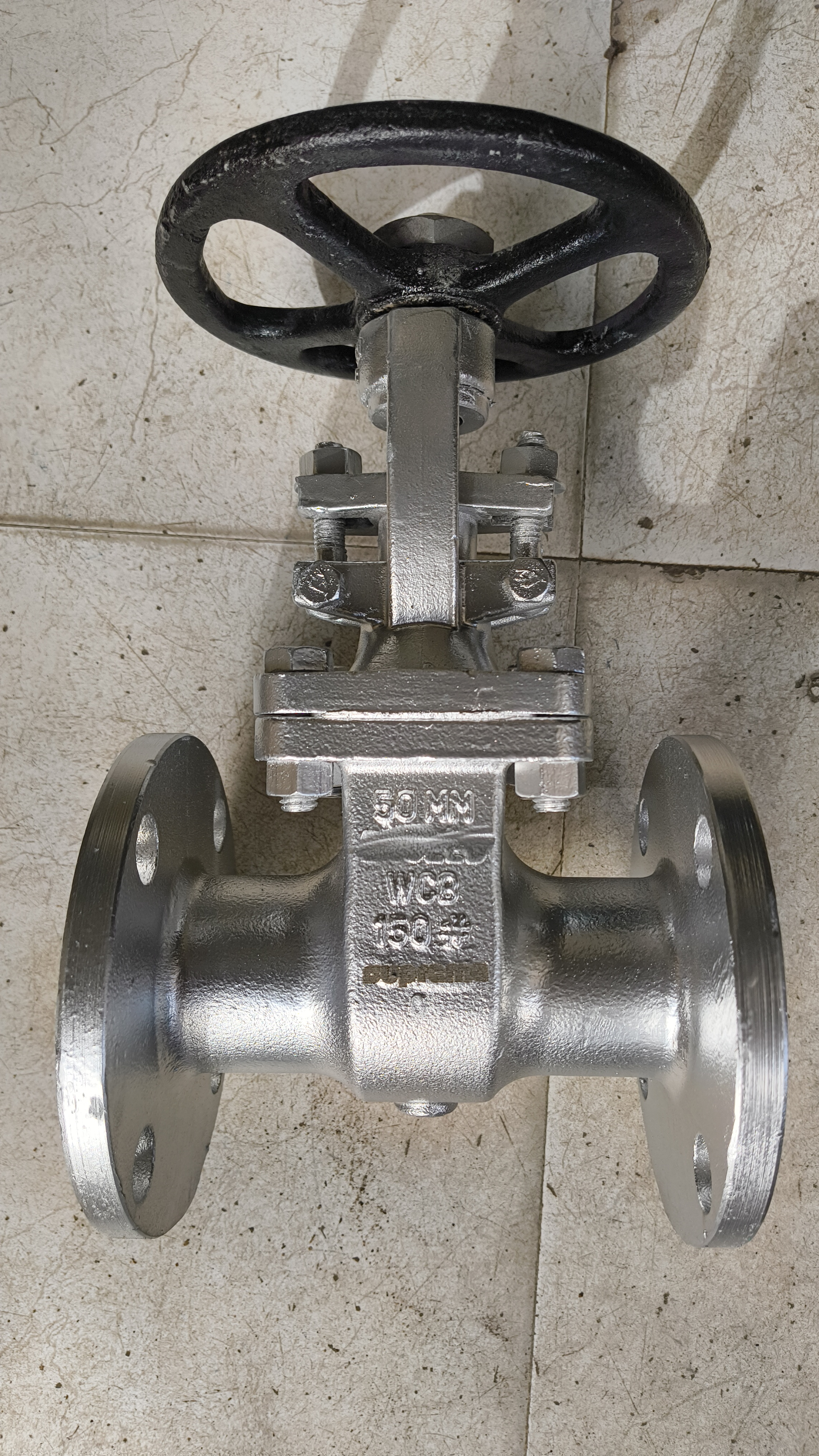

API 609 Triple-offset Butterfly Valve (ASME Class 150 to 1500)
Supreme Valves' high-performance API 609 Category B Triple-offset Butterfly Valve is engineered for bi-directional bubble-tight shut-off in critical industrial process lines. Utilizing triple-eccentric geometry, a stellite-faced body seat, and a replaceable metal-graphite laminar seal, it provides friction-free sealing and reliable performance under high pressure and temperature up to 538°C.
Key Applications
Industrial Applications & Engineering Problem Solving
The Engineering Challenge
Standard resilient-seated butterfly valves fail in high-temperature or highly abrasive hydrocarbon services. Meanwhile, standard double-eccentric metal-seated valves suffer from seat wear and rubbing near closure, leading to leakage and high maintenance costs. Procurement teams are often forced to use bulky, expensive gate valves that occupy large installation spaces and suffer from stem binding.
The Supreme Valves India Engineering Solution
Our API 609 Triple-offset Butterfly Valve offers a compact, lightweight alternative. It features non-rubbing triple-eccentric rotation, eliminating seat wear and reducing operating torque. The heavy stellite-faced body seat and flexible laminar seal ring provide bi-directional bubble-tight sealing up to ASME Class 1500. This provides a cost-effective, space-saving isolation solution for refineries, steam lines, and petrochemical facilities.
Operational Use Cases & Scenarios
High-Temperature Hydrocarbon Isolation
Operational Challenge: Bubble-tight on-off isolation of steam, hot gas, and hydrocarbon feeds in catalytic crackers and vacuum distillation columns.
Engineering Benefit: Elimination of seat rubbing ensures reliable closure over thousands of thermal cycles, maintaining process safety.
Main Steam Line Isolation
Operational Challenge: Isolating high-pressure superheated steam mains up to 538°C without risk of thermal locking or seat erosion.
Engineering Benefit: Metal-to-metal stellite seats withstand thermal shock and steam velocity erosion, providing positive isolation.
Technical Specifications
Material of Construction (MOC)
Dimensions & Weights
| NPS Size (DN) | Short Pattern F2F (mm) | Long Pattern F2F (mm) | Height (B, mm) | Bare Shaft Weight (kg) |
|---|---|---|---|---|
| 3" (DN80) | 114 | 203 | 265 | 50 |
| 4" (DN100) | 127 | 229 | 275 | 70 |
| 6" (DN150) | 140 | 267 | 300 | 80 |
| 8" (DN200) | 152 | 292 | 415 | 125 |
| 10" (DN250) | 165 | 330 | 475 | 165 |
| 12" (DN300) | 178 | 356 | 510 | 216 |
| 14" (DN350) | 190 | 381 | 560 | 305 |
| 16" (DN400) | 216 | 406 | 590 | 380 |
| 24" (DN600) | 267 | 508 | 725 | 1040 |
Purchase Options
Features & Benefits
Triple-offset Frictionless Sealing
The shaft is offset from the sealing surface and body centerline, while the sealing cone axis is inclined to create a third offset. This ensures contact occurs only at final shut-off, eliminating friction, reducing torque, and extending product life.
Bi-directional Bubble-Tight shutoff
A torque-seated design where high-integrity bi-directional sealing is achieved as the flexible metal-graphite laminar seal compresses uniformly against the integral hard-faced body seat.
Anti-Blowout Shaft Security
Features a robust shaft shoulder that bears against the gland packing and a dedicated external thrust plate, preventing blowout under full rated pressures.
Site-Replaceable Laminar Seal
The laminar seal ring is held by a heavy retainer bolted to the disc and is designed to be easily replaced at site without removing the disc or shaft, minimizing downtime.
Frequently Asked Questions
Q What is the operational benefit of triple-offset geometry?
It completely eliminates sliding friction and rubbing between the seat and disc during opening and closing. This results in incredibly low operating torque, extends seat life by thousands of cycles, and allows bubble-tight shut-off in metal-seated high-pressure valves.
Q Can these valves be used in fire-safe and volatile services?
Yes, they are inherently fire-safe due to their robust metal-to-metal seating and are certified per API 607 / ISO 10497. They also meet the stringent fugitive emission requirements of ISO 15848, ensuring maximum safety in volatile services.
Q What options are available for valve operators?
Standard options include worm gear units (self-locking type), while pneumatic, electric, or electro-hydraulic actuators can be fully integrated for automated operations.
Request a Quote
Your enquiry is pre-filled with this specification. Add contact details and quantity and our engineering team responds within one working day with price and delivery.
- Size: 3" to 100" (80 mm to 2500 mm)
- Pressure class: ASME Class 150 to 1500, PN10 to PN250
Prefer to talk first? WhatsApp or email info@supremevalves.in