
Maintenance Guide
NAB Valve Maintenance & Care Guide: Maximize Service Life
Published on March 13, 2026 | By Supreme Valves India
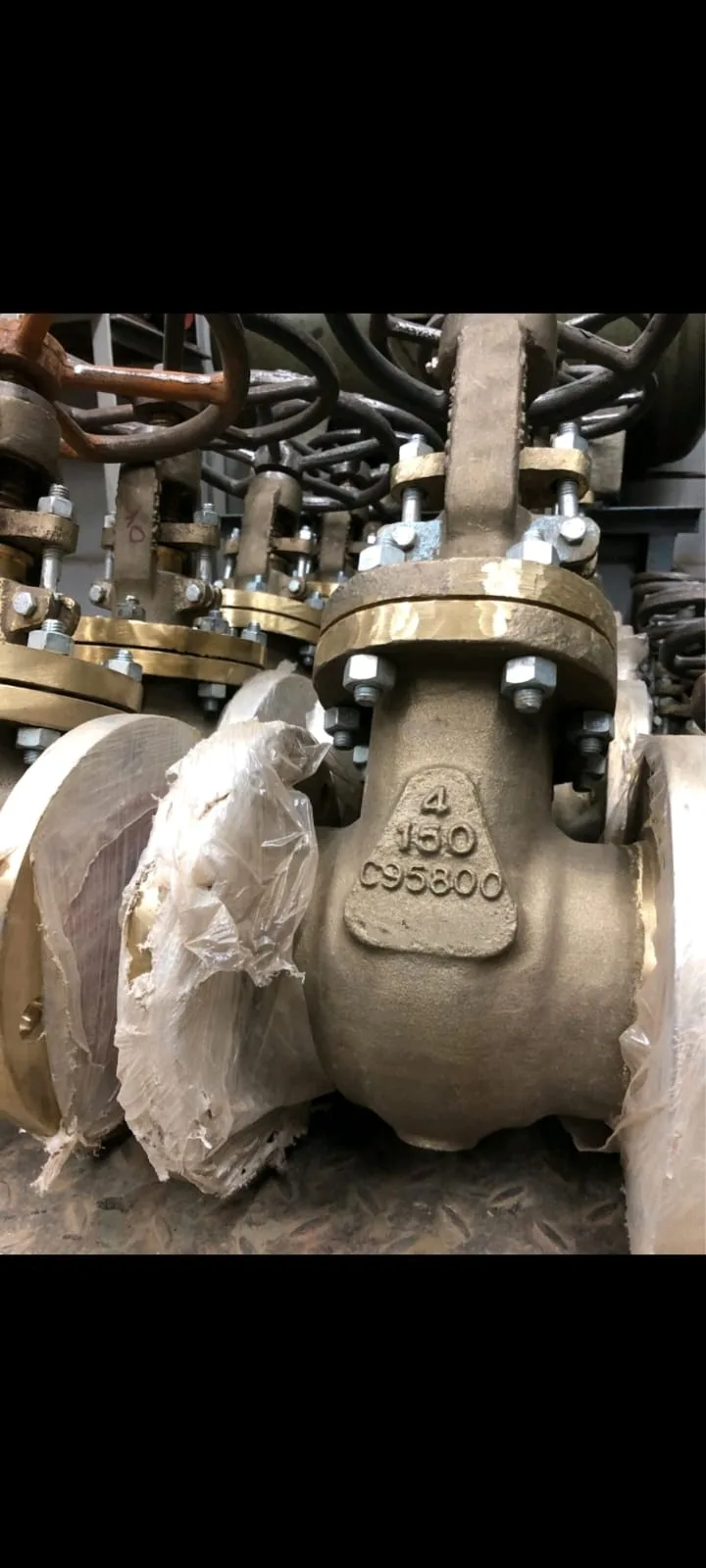
Proper maintenance is essential for maximizing the service life of Nickel Aluminum Bronze (NAB/NiAlBr) valves in marine and offshore applications. This guide covers storage, installation, inspection, and maintenance best practices.
Proper Storage Procedures
Before Installation
- Store valves in a clean, dry environment
- Keep valves in original packaging until installation
- Protect from dust, moisture, and contaminants
- Avoid stacking heavy items on valve boxes
- Store butterfly valves in FULLY OPEN or FULLY CLOSED position
Long-Term Storage
- Apply preservative oil to external surfaces
- Use desiccants in packaging for humidity control
- Inspect periodically (every 3-6 months)
- Cycle valves annually to prevent stem seizure
Installation Best Practices
Before Installation
- Inspect valve for shipping damage
- Verify identification tag matches specifications
- Check that the valve is clean inside
- Ensure pipe ends are also clean
During Installation
- Support pipe weight to prevent stress on valve
- Use proper gasket materials (non-asbestos recommended)
- Do not use valve as a lever for pipe alignment
- Tighten bolts evenly in a cross-pattern
- Do not exceed recommended torque values
- Install strainers upstream of control valves
Routine Inspection Schedule
Common Issues and Solutions
Stem Leakage
- Cause: Worn or hardened packing
- Solution: Replace packing; adjust gland follower
Difficulty in Operation
- Cause: Stem corrosion, mineral deposits, or dried lubricant
- Solution: Apply penetrating oil; cycle valve slowly
Body/Flange Leakage
- Cause: Improper gasket, uneven bolt tension, flange damage
- Solution: Replace gasket; re-torque bolts evenly; inspect flange face
Reduced Flow/Blockage
- Cause: Biofouling, sediment buildup, or internal corrosion
- Solution: Clean internals; install upstream strainer; consider more frequent cycling
Maintenance Checklist
- □ Visual inspection for corrosion or damage
- □ Check for external leaks at body and stem
- □ Verify handle/gear operation is smooth
- □ Inspect gland packing condition
- □ Check bolting for corrosion or loosening
- □ Verify position indicator is accurate
- □ Test emergency shutoff function
- □ Document inspection findings
When to Replace
Consider valve replacement when:
- Wall thickness below minimum required (typically 3mm minimum)
- Severe external corrosion affecting structural integrity
- Stem is damaged or worn beyond repair
- Seat leakage cannot be stopped by normal maintenance
- Valve has exceeded design life (typically 20-25 years for seawater service)
Conclusion
With proper maintenance, NAB valves can provide 20+ years of reliable service in marine and seawater applications. Regular inspection, prompt repairs, and following these guidelines will maximize your valve investment and prevent costly unplanned downtime.
Need Technical Support?
Our team can provide maintenance training and on-site support.