
Marine & Offshore
NAB Valves vs Other Marine Materials: Complete Comparison Guide
Published on March 13, 2026 | By Supreme Valves India
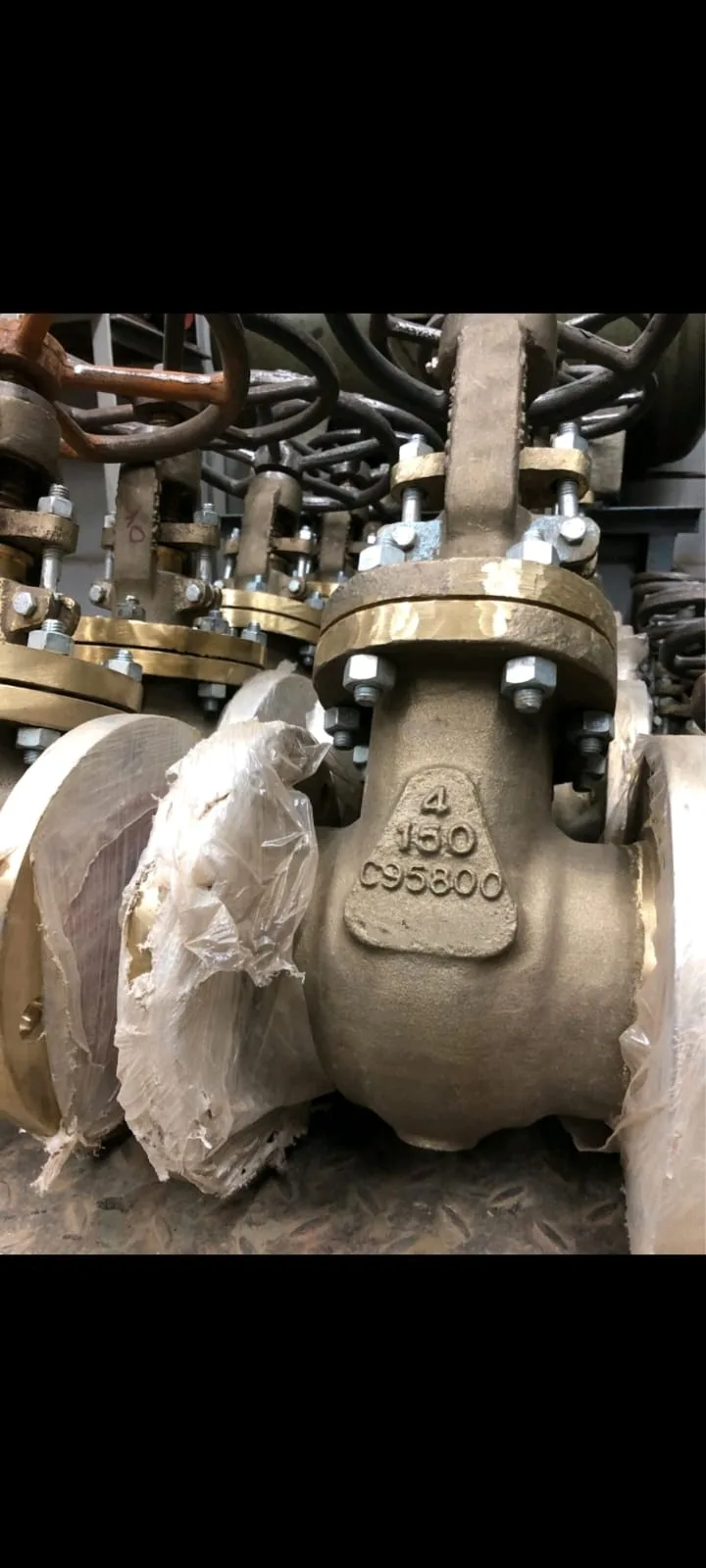
Selecting the right valve material for marine and offshore applications is critical for system reliability and maintenance costs. This guide compares Nickel Aluminum Bronze (NAB/NiAlBr) with other commonly used materials.
Material Comparison Overview
NAB vs 316 Stainless Steel
Corrosion Resistance
- NAB forms a protective oxide layer that self-heals in seawater
- 316 SS is prone to pitting and crevice corrosion in chloride environments
- NAB shows better biofouling resistance
Mechanical Properties
- NAB has superior galling resistance
- 316 SS work hardens, NAB maintains machinability
- NAB has better impact resistance at low temperatures
NAB vs Duplex Stainless Steel
Cost Efficiency
- NAB is 30-40% less expensive than Duplex SS
- Duplex requires more expensive welding procedures
- NAB valves have lower lifecycle costs in seawater
Performance
- Both materials excellent for seawater service
- Duplex has higher pressure ratings available
- NAB preferred for gate, globe, and check valves
NAB vs Titanium
Cost Comparison
- Titanium is 5-10x more expensive than NAB
- Use titanium only for critical high-temperature chlorine service
- NAB provides adequate performance at lower cost
When to Use Titanium
- Very high temperature seawater (>150°C)
- Strong oxidizing acids
- When minimum weight is critical (marine hull)
Application Guidelines
Conclusion
Nickel Aluminum Bronze (NAB) valves offer the best balance of corrosion resistance, mechanical properties, and cost-effectiveness for most marine and seawater applications. While specialty materials like titanium have their place in extreme conditions, NAB remains the material of choice for valve applications in marine environments.
Need Help Selecting?
Our engineering team can help you choose the right material for your specific application.