What is a globe valve and when should it be used for throttling applications?
A globe valve uses a movable plug (disc) that seats into a stationary ring to control flow. Unlike gate valves, globe valves are designed for throttling service and precise flow regulation. The Bonnet type (screwed, welded, or pressure seal) and body design (angle, Y-pattern, or standard) determine the application. For Saudi Arabian steam distribution systems in petrochemical plants, API 600 globe valves provide reliable shut-off and modulation. Globe valves are commonly used in fuel oil systems, lube oil systems, and instrument air lines where fine control is required.
What is the difference between a standard globe valve and an angle globe valve?
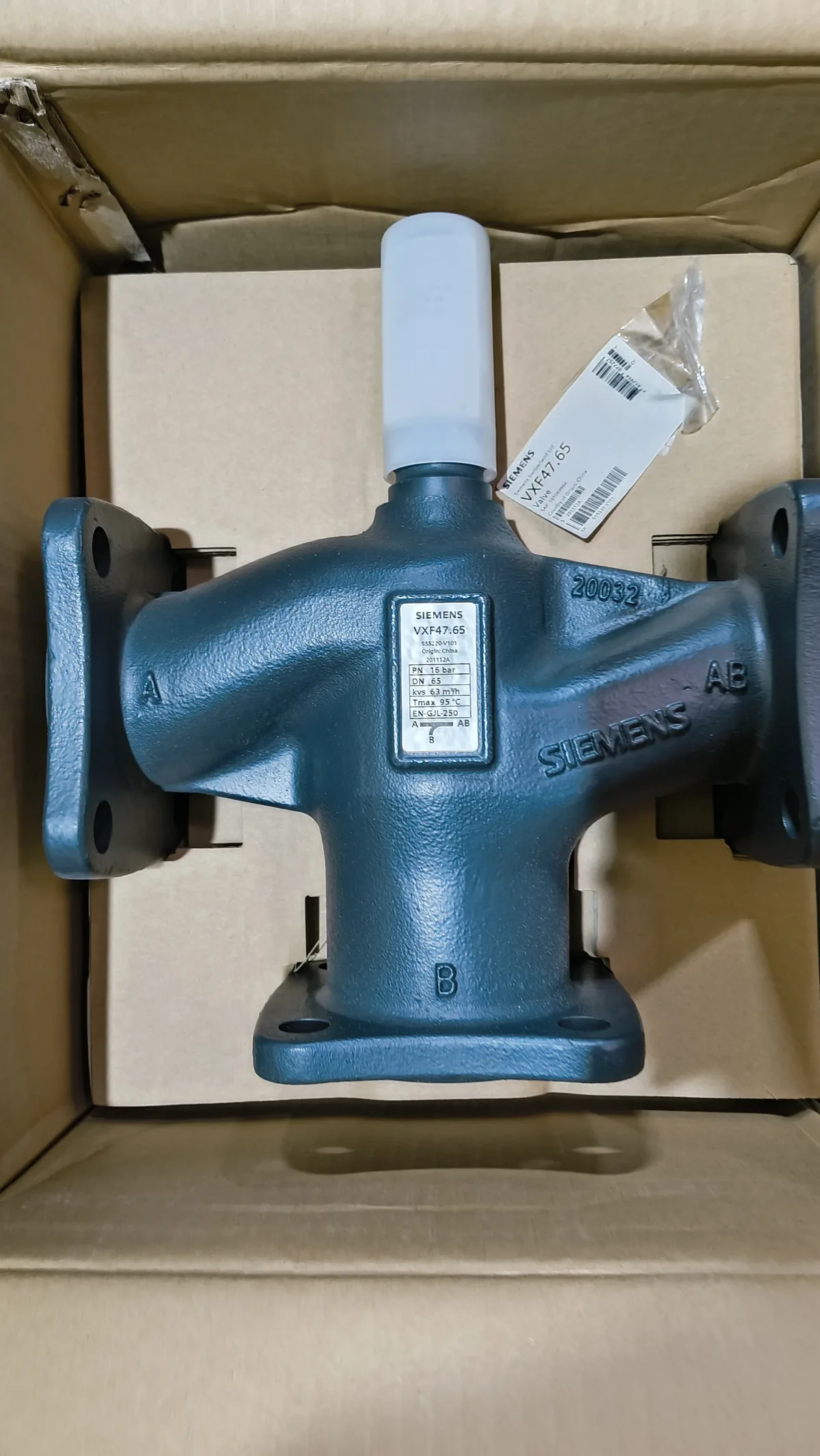
A standard globe valve has inlet and outlet ports on opposite sides of the valve body, requiring straight-through flow path. An angle globe valve has inlet and outlet ports at 90 degrees, allowing flow direction change without pipe elbows. Angle valves are advantageous where space is limited or where quick pressure relief is needed. For UAE marine applications and Saudi Arabian shipbuilding projects, angle globe valves reduce pipe fabrication costs. Both types offer similar throttling characteristics, but angle valves have lower pressure drop due to the smoother flow path.
What pressure ratings are available for API 600 globe valves?
Supreme Valves API 600 globe valves are available in Class 150 to Class 1500 ratings. Cast steel globe valves (WCB/CF8M) cover Class 150-600 for general service. For high-pressure steam and hydrocarbon service in Saudi Arabian refineries, forged steel globe valves (A105, F22, F91) in Class 600-1500 are specified. BS 1873 covers cast steel globe and angle valves for petroleum industry use. We also supply API 602 forged steel globe valves for smaller sizes up to 4 inches with high-pressure ratings.
What materials are used for globe valves in high-temperature steam service?
For steam service above 450 deg C, Cr-Mo alloy steels (WC6, WC9, C12A) provide excellent high-temperature strength and creep resistance. For saturated and superheated steam in Saudi Arabian power plants, we recommend chrome-molybdenum steel bodies with Stellite-faced seats and 13Cr stems for hardness and wear resistance. Graphite packing is used for high-temperature applications above 350 deg C. For boiler feedwater and deaerizer service, stainless steel (CF8M) internals withstellitediscs provide corrosion resistance.
How does a pressure seal globe valve differ from standard Bonnet designs?
Pressure seal globe valves use a sealing mechanism where the Bonnet is held in place by the internal pressure itself. As system pressure increases, the Bonnet seal becomes tighter. This design is preferred for high-pressure, high-temperature applications such as boiler outlets and main steam lines in power plants. Pressure seal design eliminates the need for a separate Bonnet gasket, reducing potential leak points. For Jeddah and Riyadh combined cycle power plants, pressure seal globe valves are standard for high-pressure feedwater and steam extraction service.