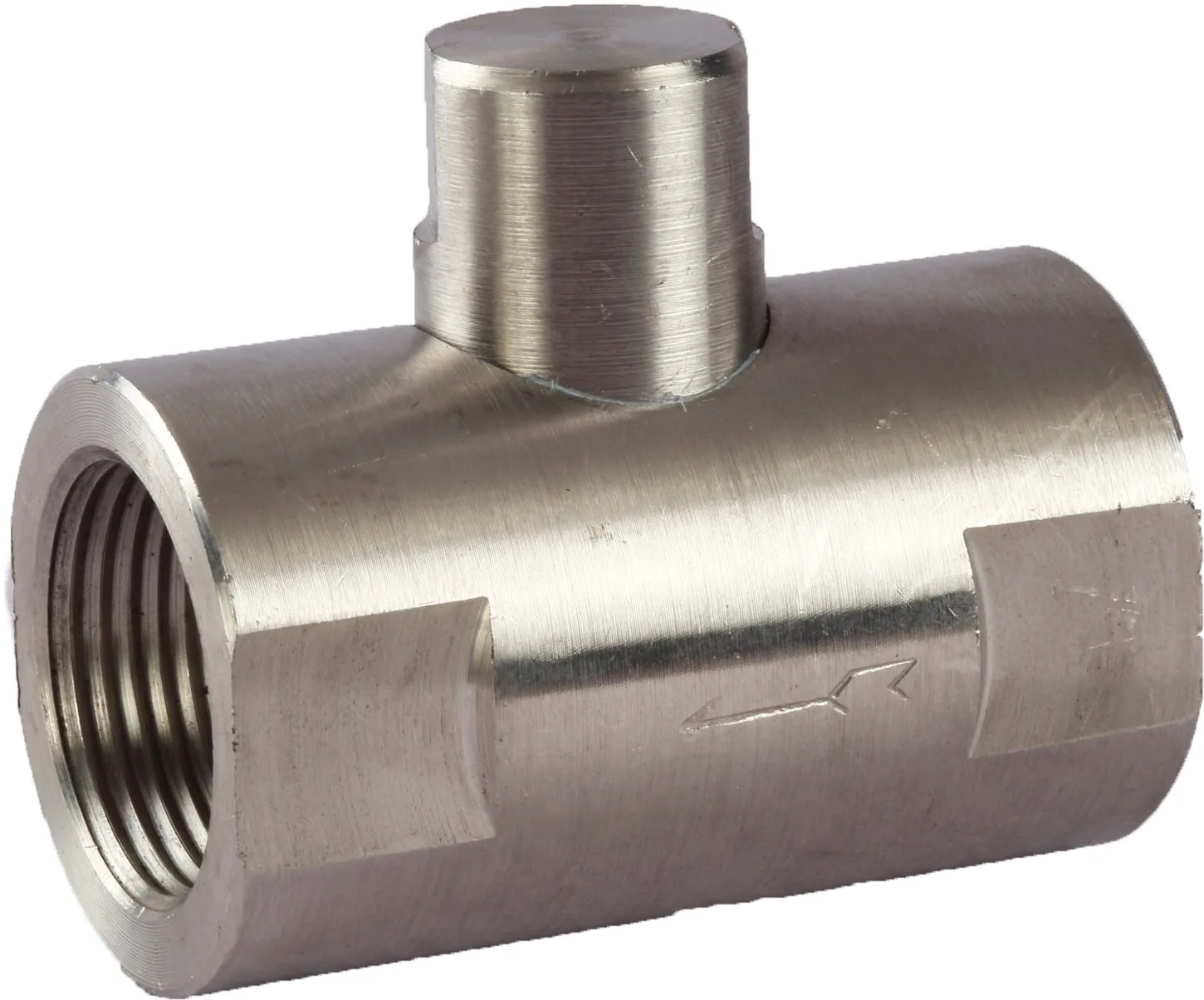
What is a check valve and why is it essential for pump protection in the Middle East?
A check valve (non-return valve) automatically prevents reverse flow when the upstream pressure drops below downstream pressure. This protects pumps, compressors, and other equipment from damage caused by backflow, water hammer, and reverse rotation. In Saudi Arabian oil fields and UAE industrial plants, check valves are critical for protecting centrifugal pumps in seawater cooling systems, fire protection pumps, and pipeline booster stations. API 594 and API 6D specify the design and testing requirements for check valves used in oil and gas service.
What are the different types of check valves and their applications?
Swing check valves feature a hinged disc that swings open with forward flow and closes by gravity when flow stops. They are used in horizontal pipelines with low velocity flow. Spring-loaded check valves (silent check valves) use a spring to close rapidly, preventing water hammer in high-rise buildings and pump discharge lines. For horizontal and vertical installation, consider spring-loaded wafer check valves. For UAE desalination plants and Saudi Arabian seawater intake systems, swing check valves with NAB (Nickel Aluminium Bronze) bodies are commonly specified for their anti-biofouling properties.
What is water hammer and how do check valves prevent it?
Water hammer occurs when a sudden stop in fluid flow causes a pressure surge that can damage pipes, valves, and equipment. This commonly happens when a pump shuts down and the check valve closes too slowly, allowing the fluid column to reverse and strike the valve disc. To prevent water hammer, use spring-loaded check valves (silent check) that close rapidly before flow reversal occurs. For critical Saudi Arabian water injection pipelines, a pre-closed check valve (with spring assist) is recommended. Proper sizing using the API 12F method and avoiding installation near elbows helps minimize water hammer effects.
What materials are recommended for check valves in seawater service?
For seawater cooling systems in GCC countries, Nickel Aluminium Bronze (NAB/C95800) is the preferred body material due to its excellent corrosion resistance, high strength, and natural anti-biofouling properties. For high-chloride environments (>50,000 ppm Cl-), 254 SMO (UNS S31254) or Super Duplex (2507/PREN >40) provides superior pitting resistance. Cast Steel (WCB) with internal components in SS316 is suitable for general oil and gas service. For fire protection systems in Dubai and Saudi Arabia, UL Listed and FM Approved swing check valves in ductile iron or bronze are typically specified.
What are the API 594 testing requirements for check valves?
API 594 covers wafer, lug, and double-flange check valves and requires hydrostatic shell testing at 1.5 times the rated pressure, with seat testing at 1.1 times rated pressure. For Saudi ARAMCO projects, check valves must comply with API 594 and demonstrate compliance with API 598 leak testing. We provide EN 10204 3.1 material certificates, ASME B16.34 compliance documentation, and complete test reports including shell strength, seat tightness, and disc closure time. Our API 594 check valves are suitable for Class 150 through Class 600 ratings in sizes 2 inches to 60 inches.