
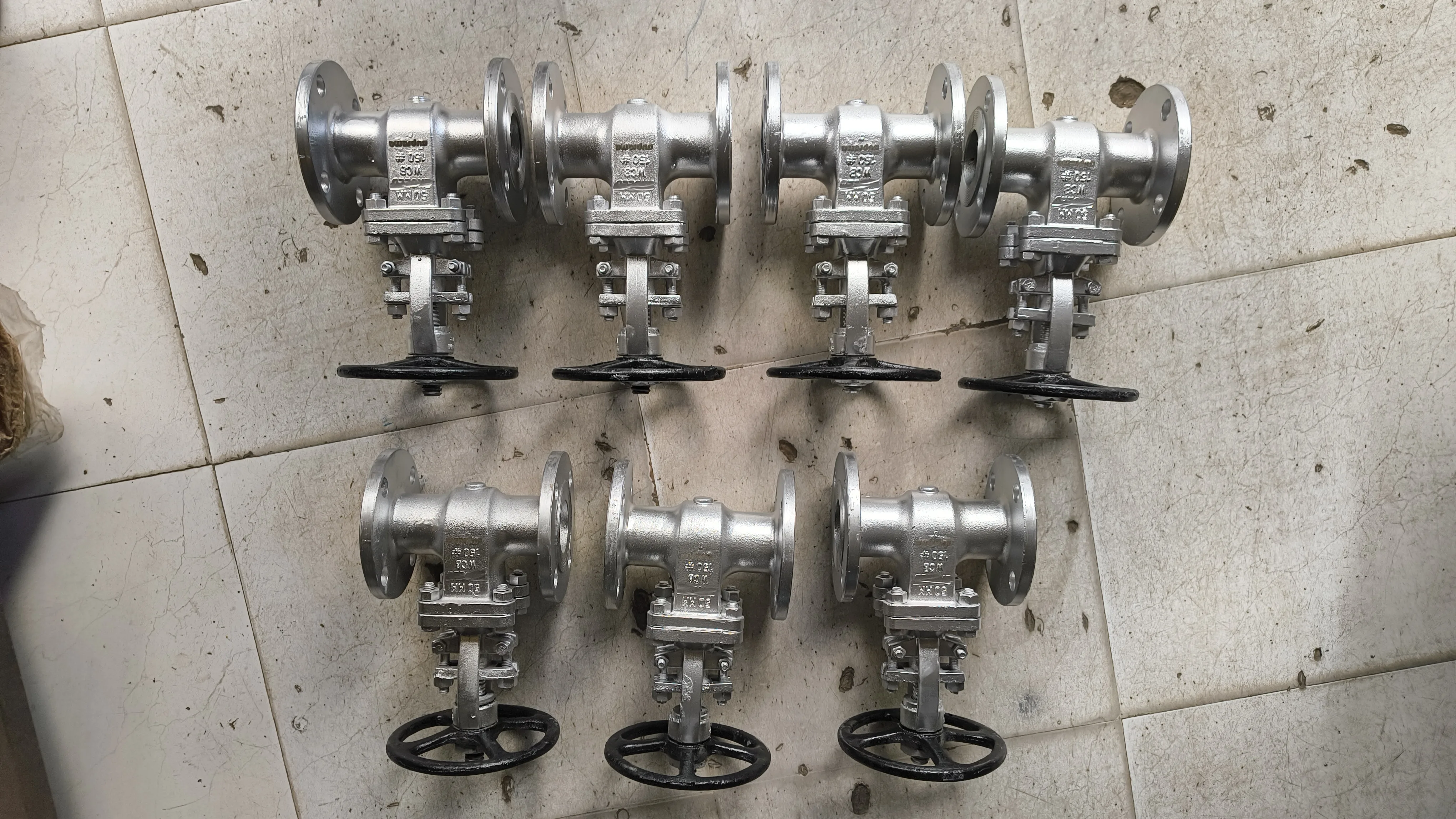
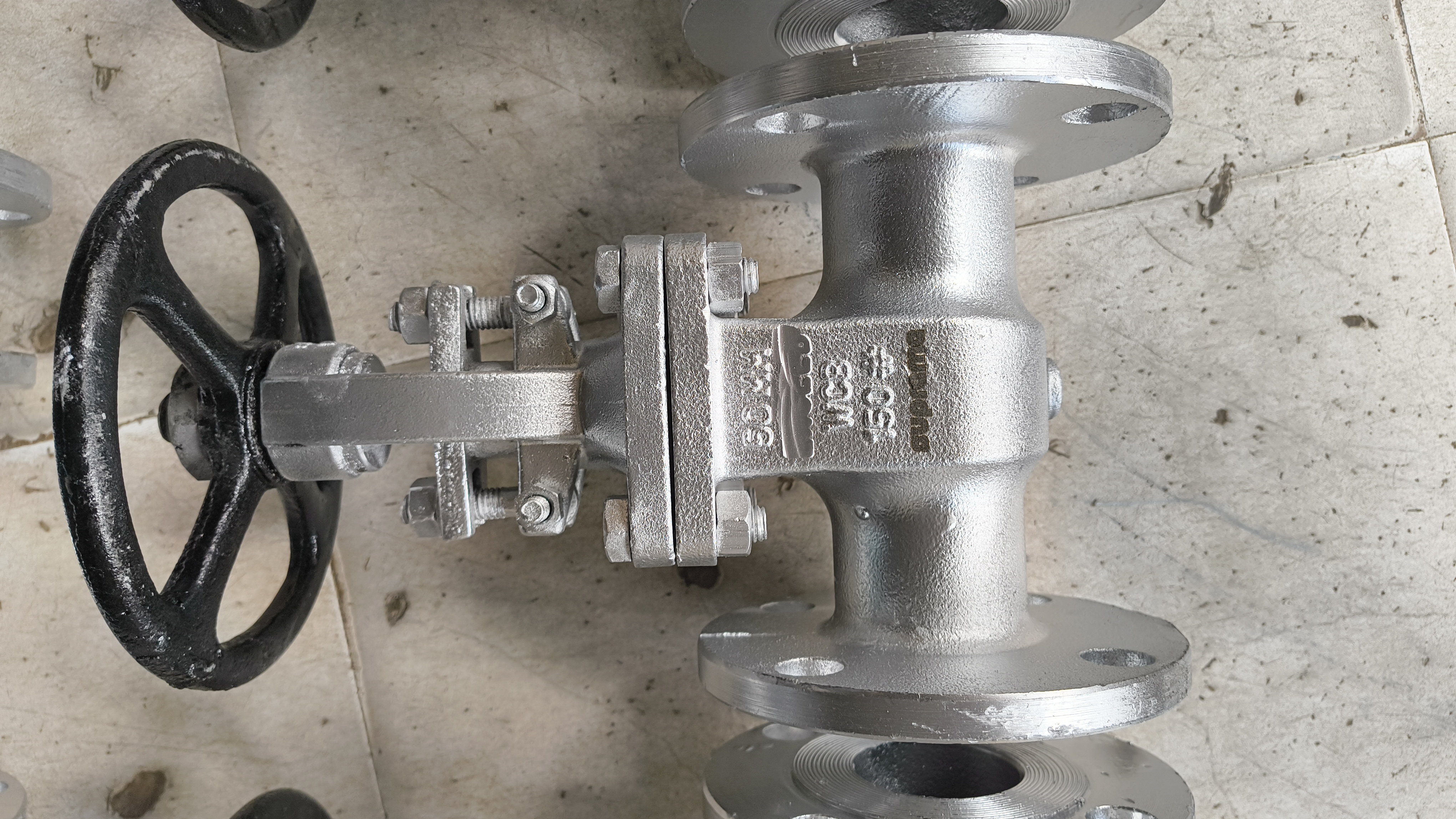
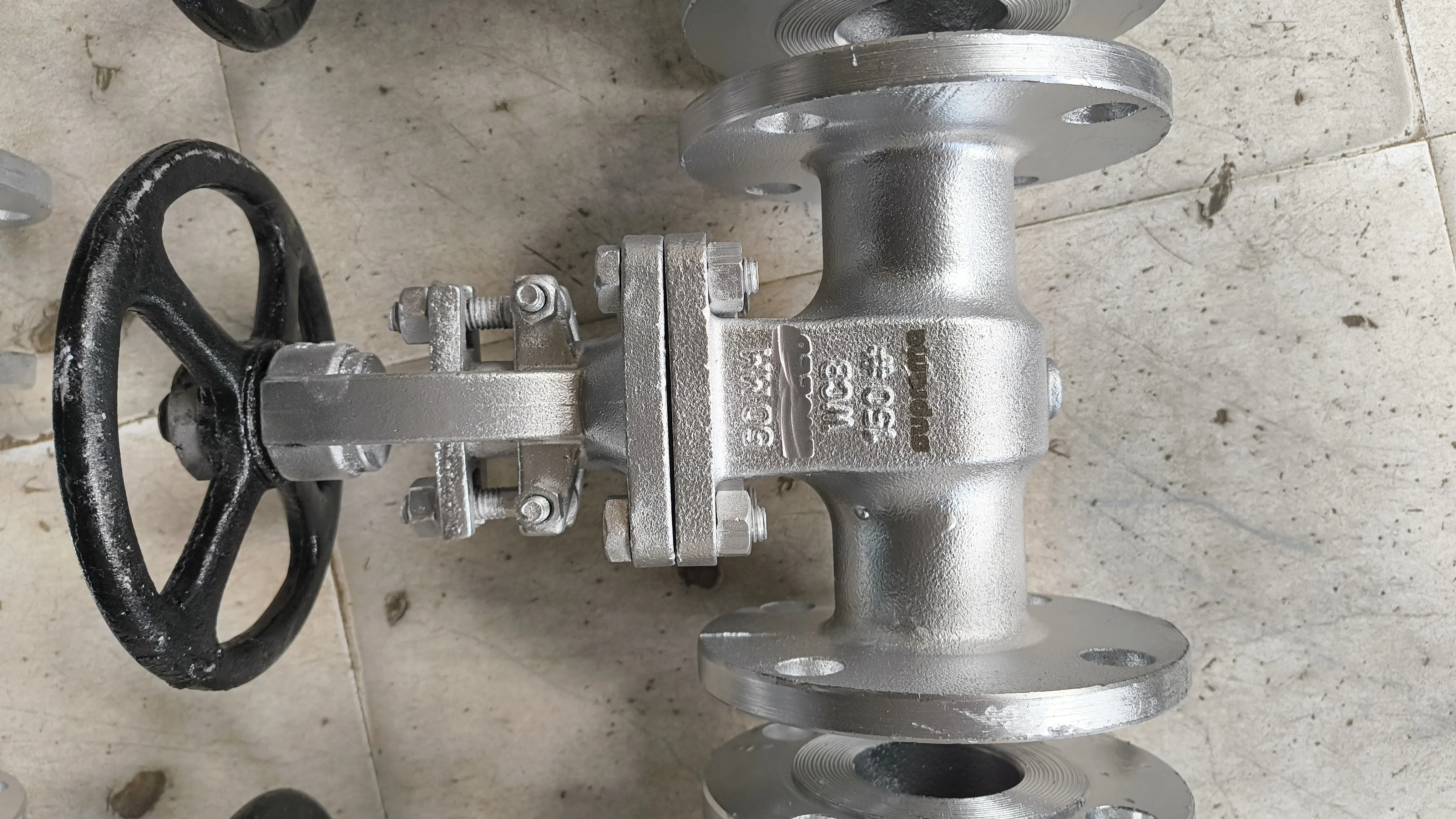
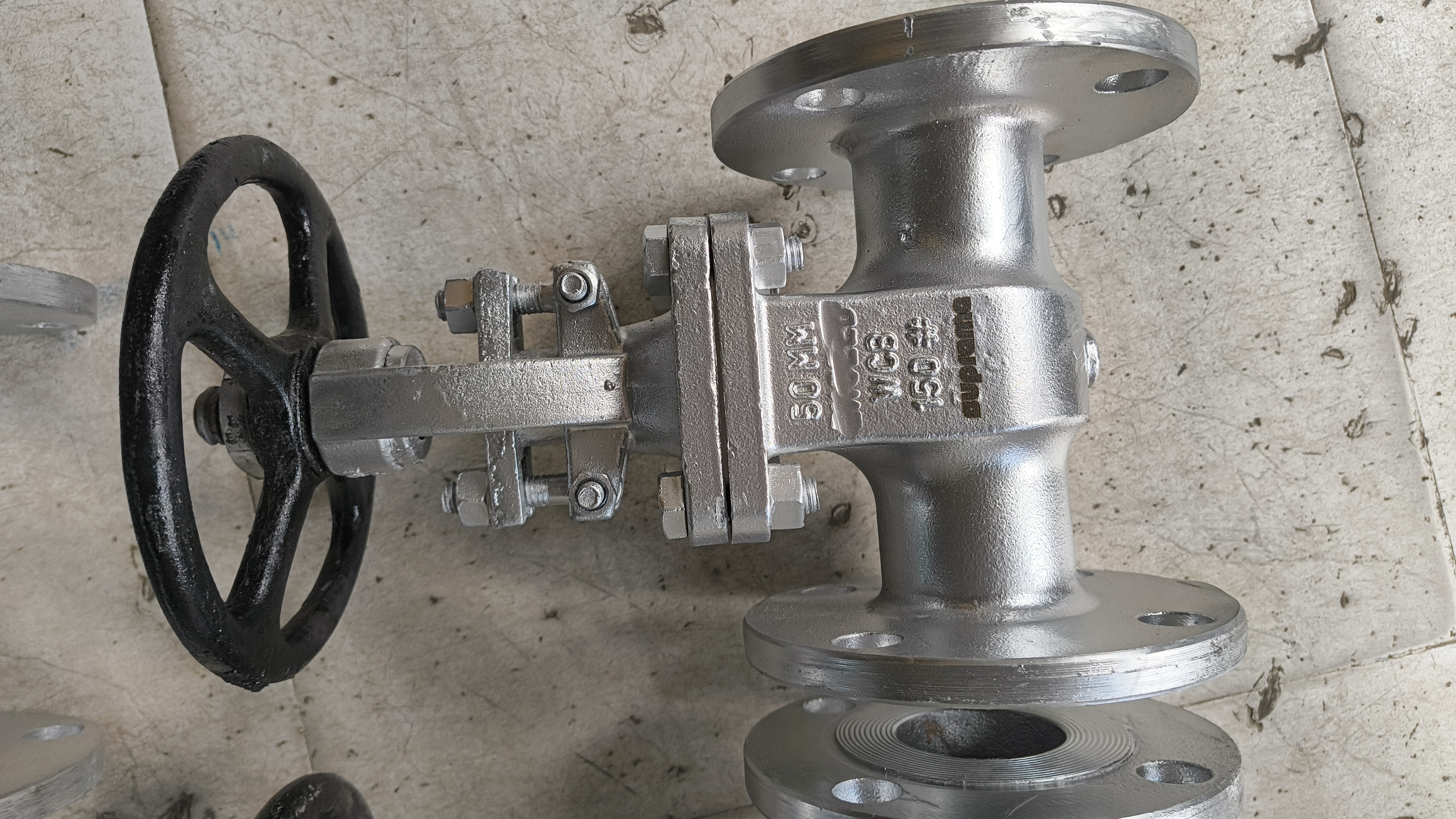
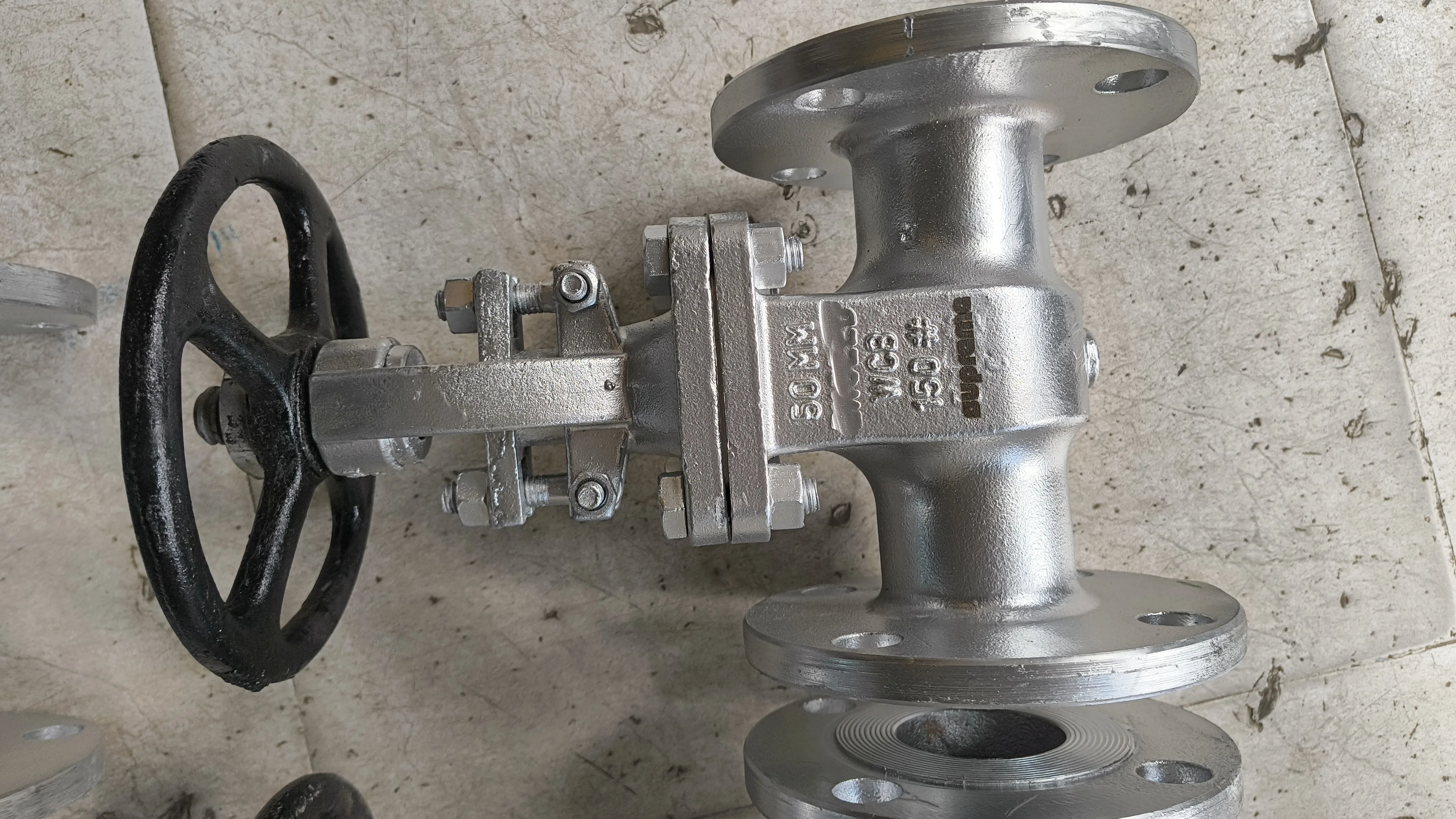
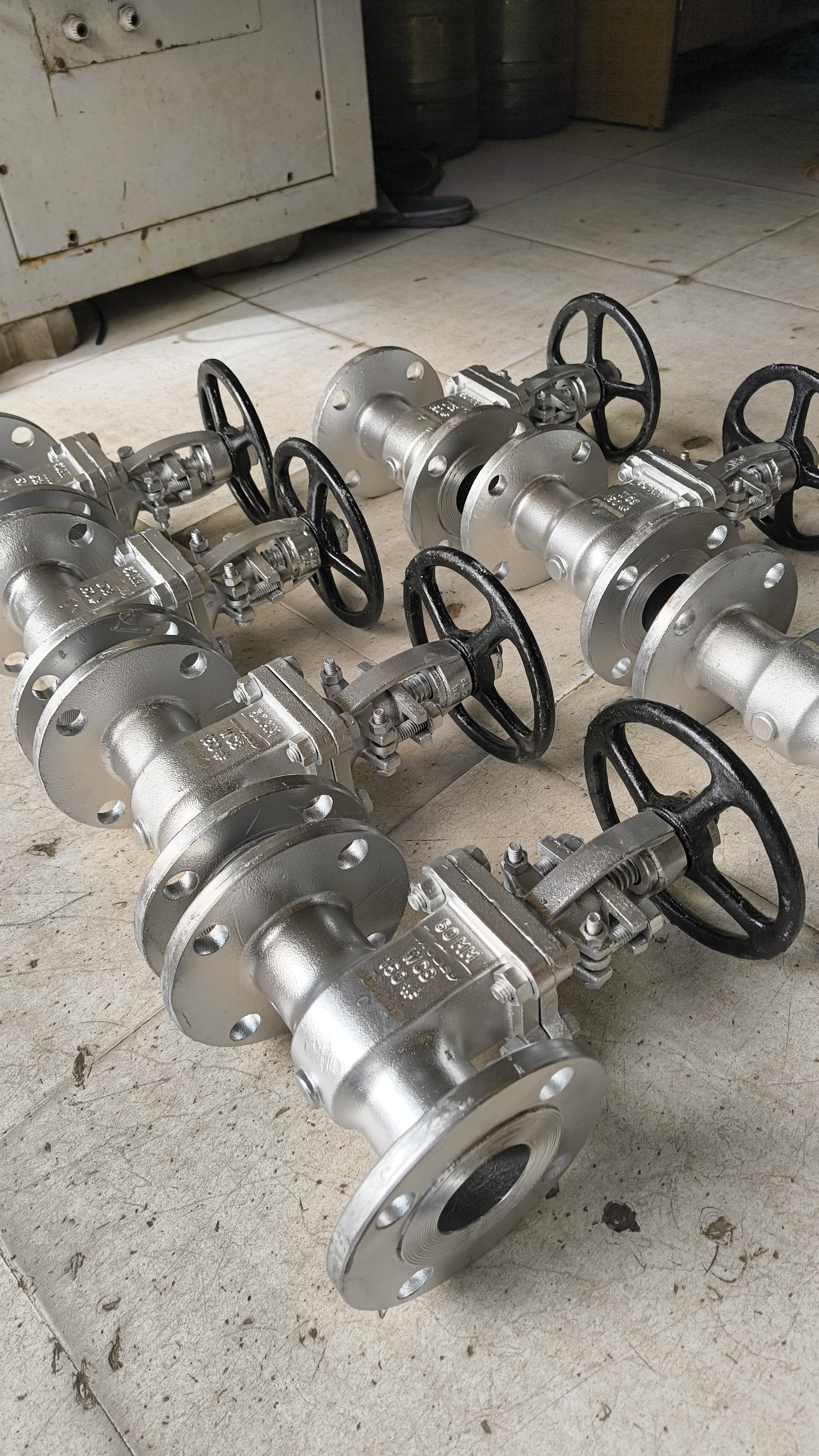
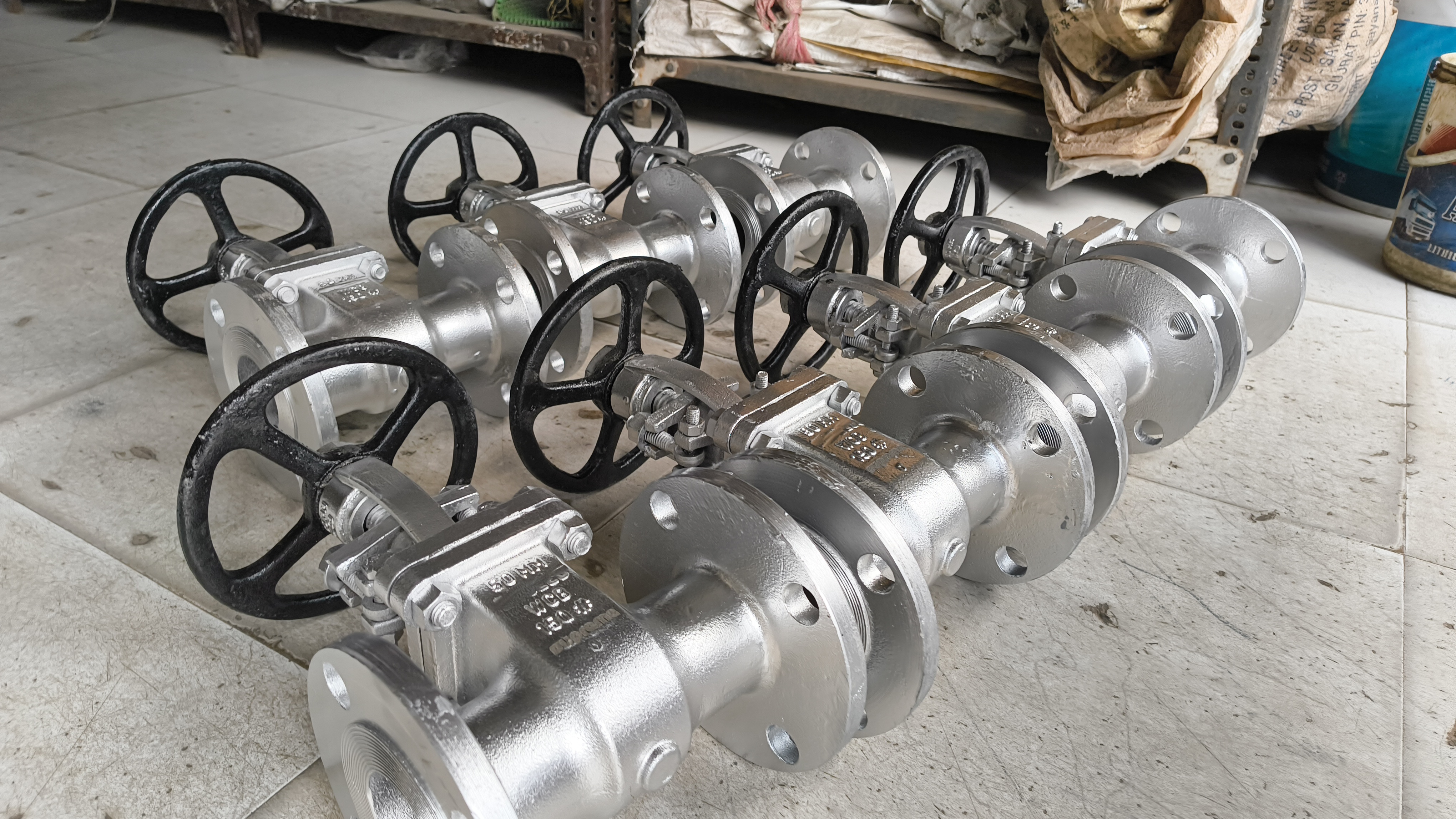
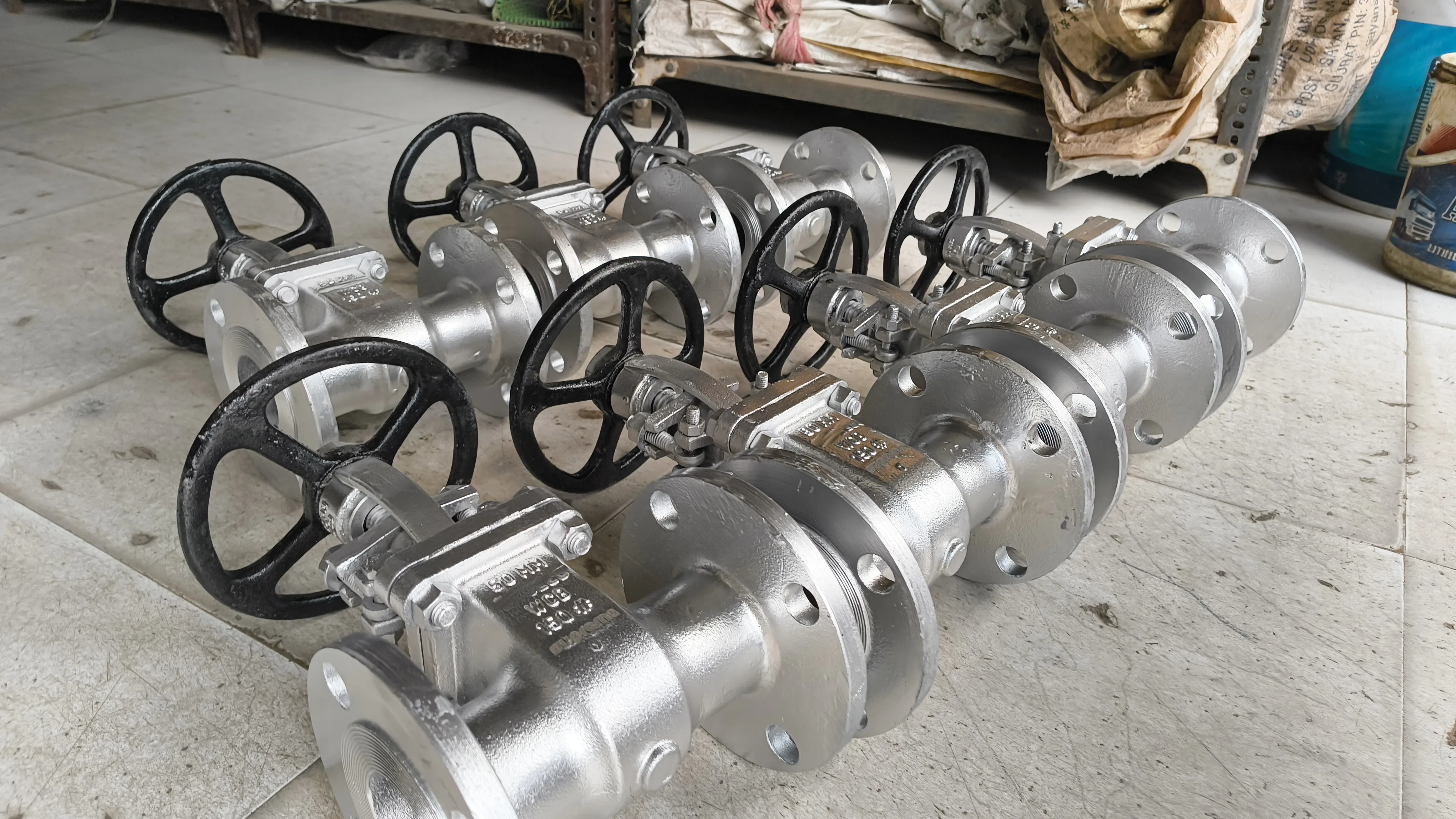
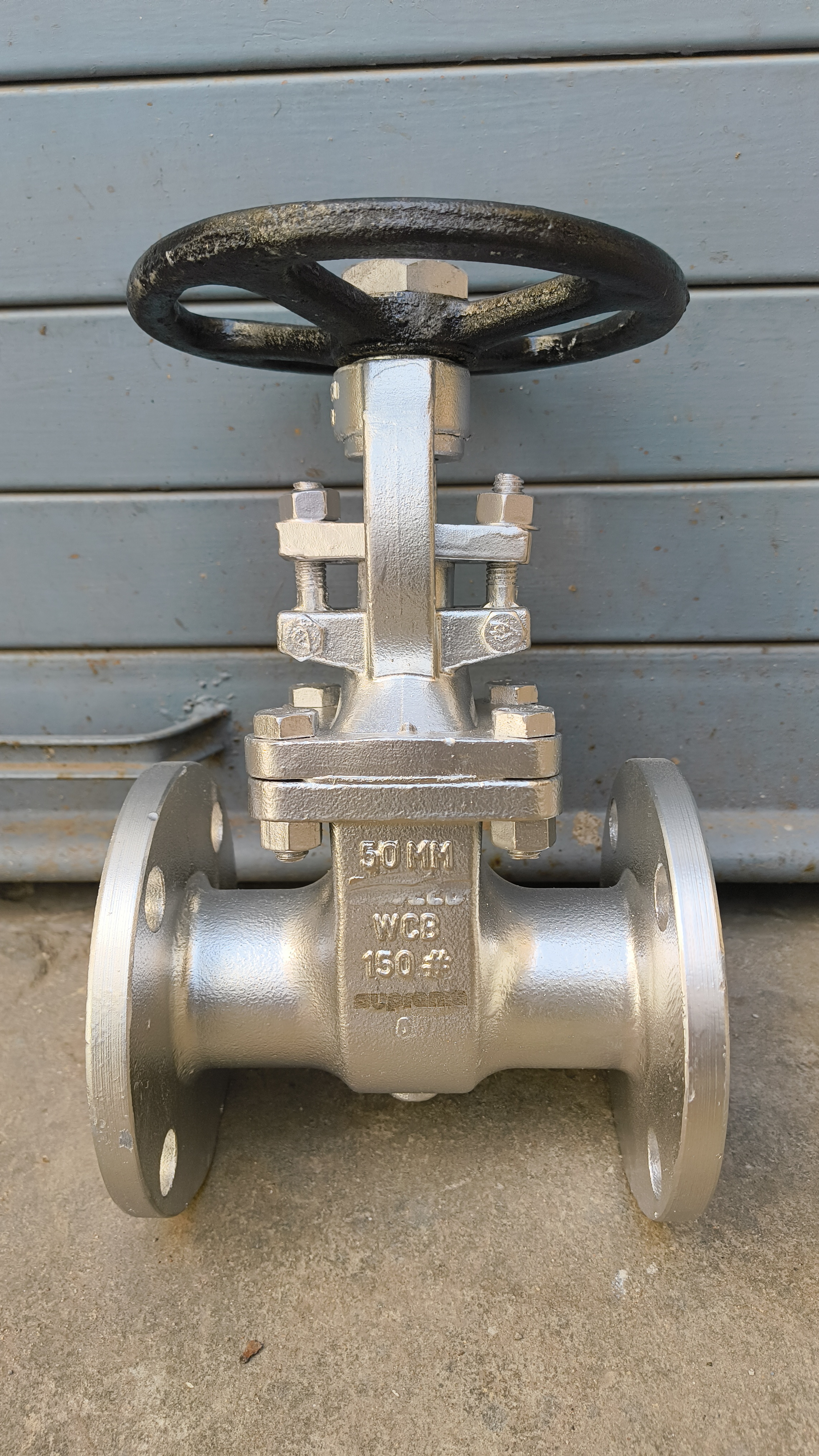
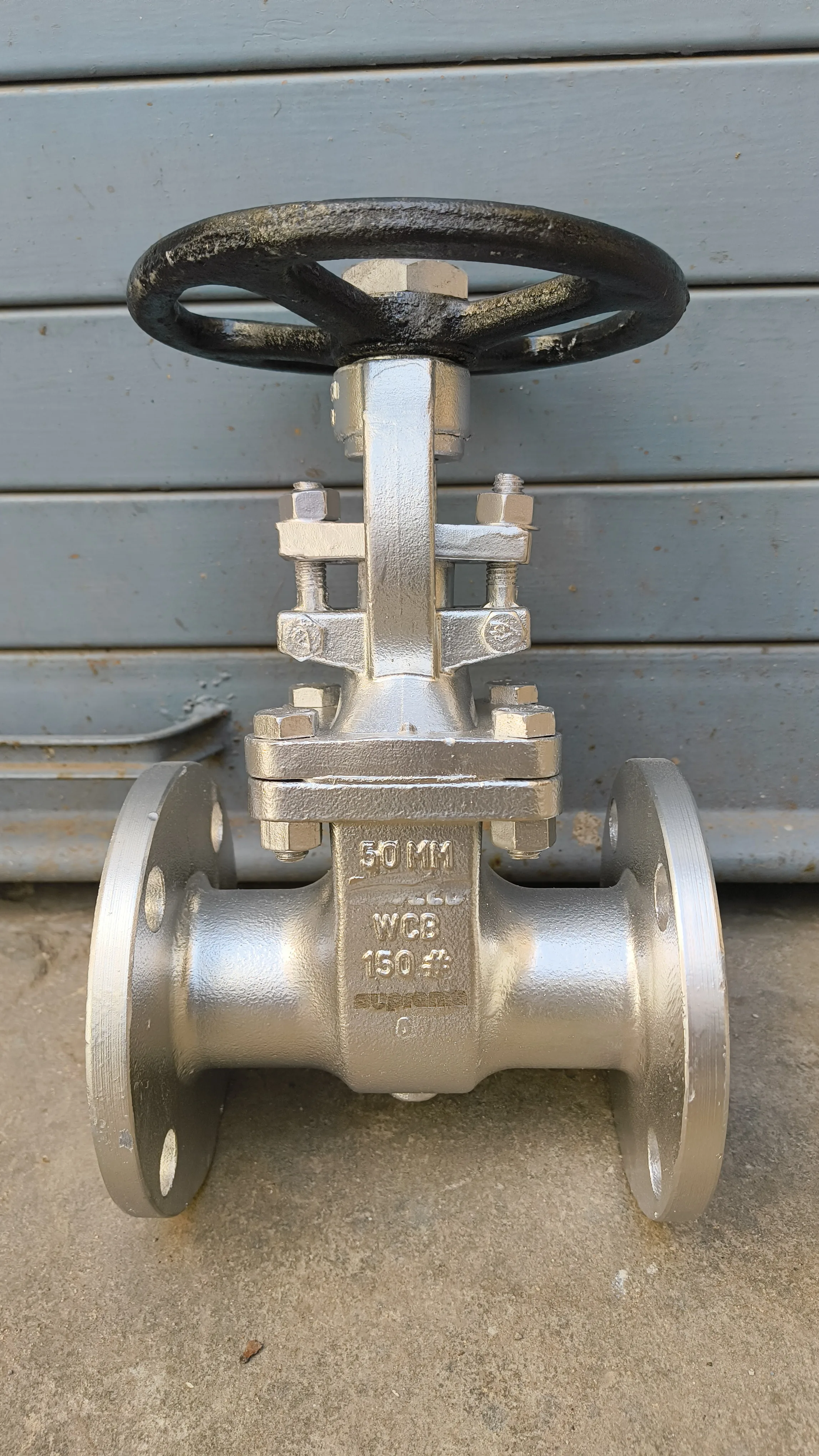
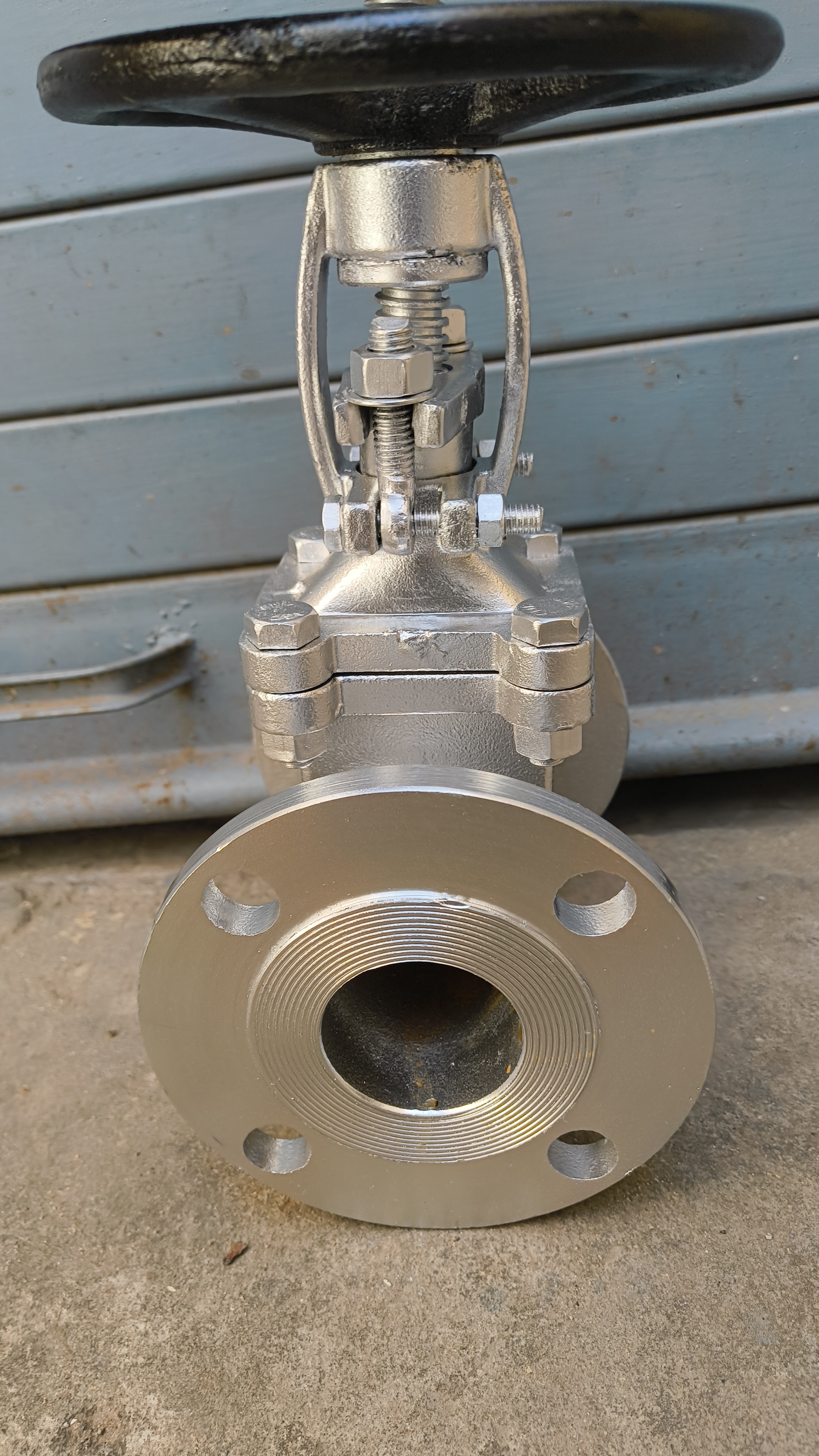
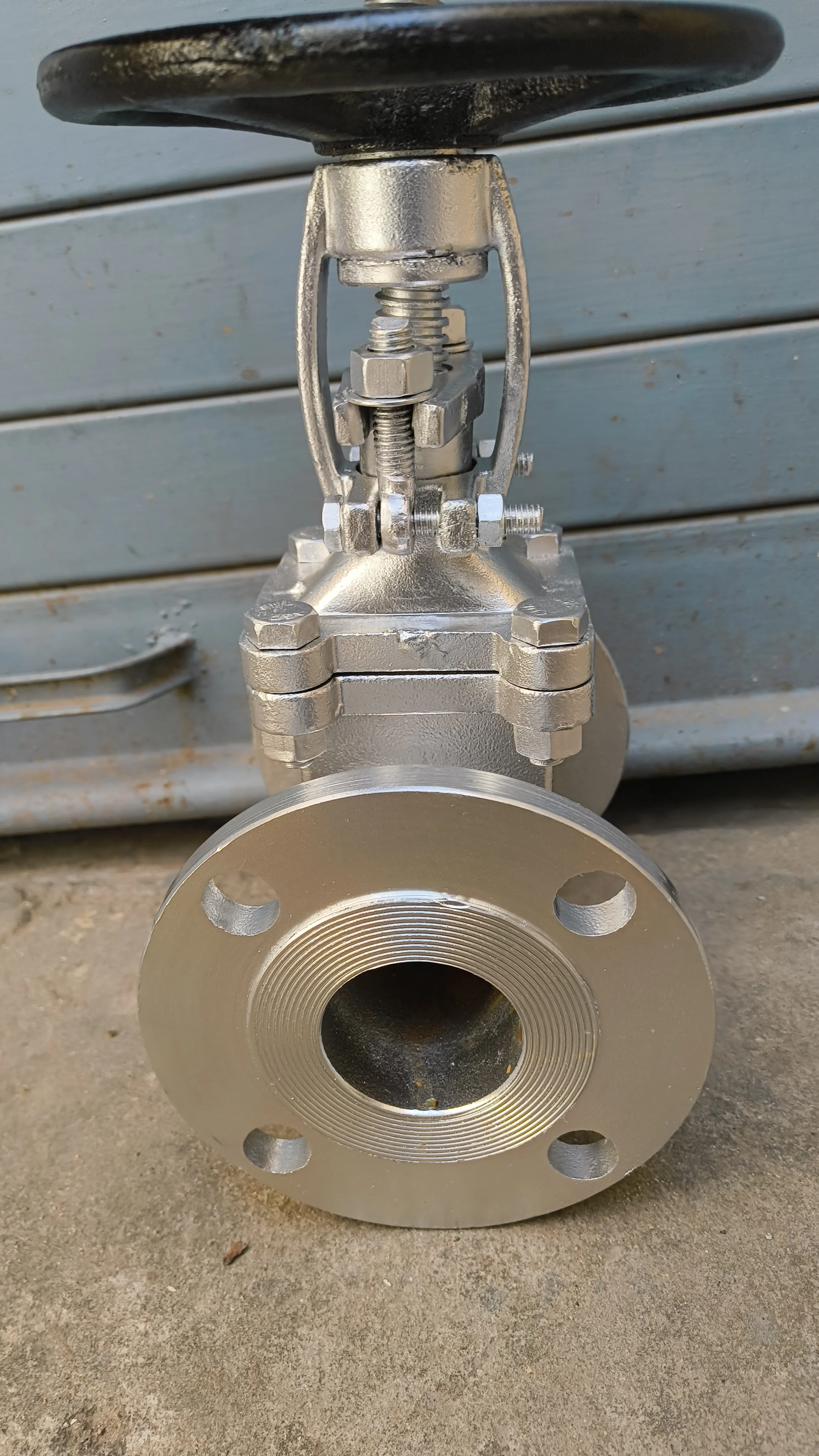
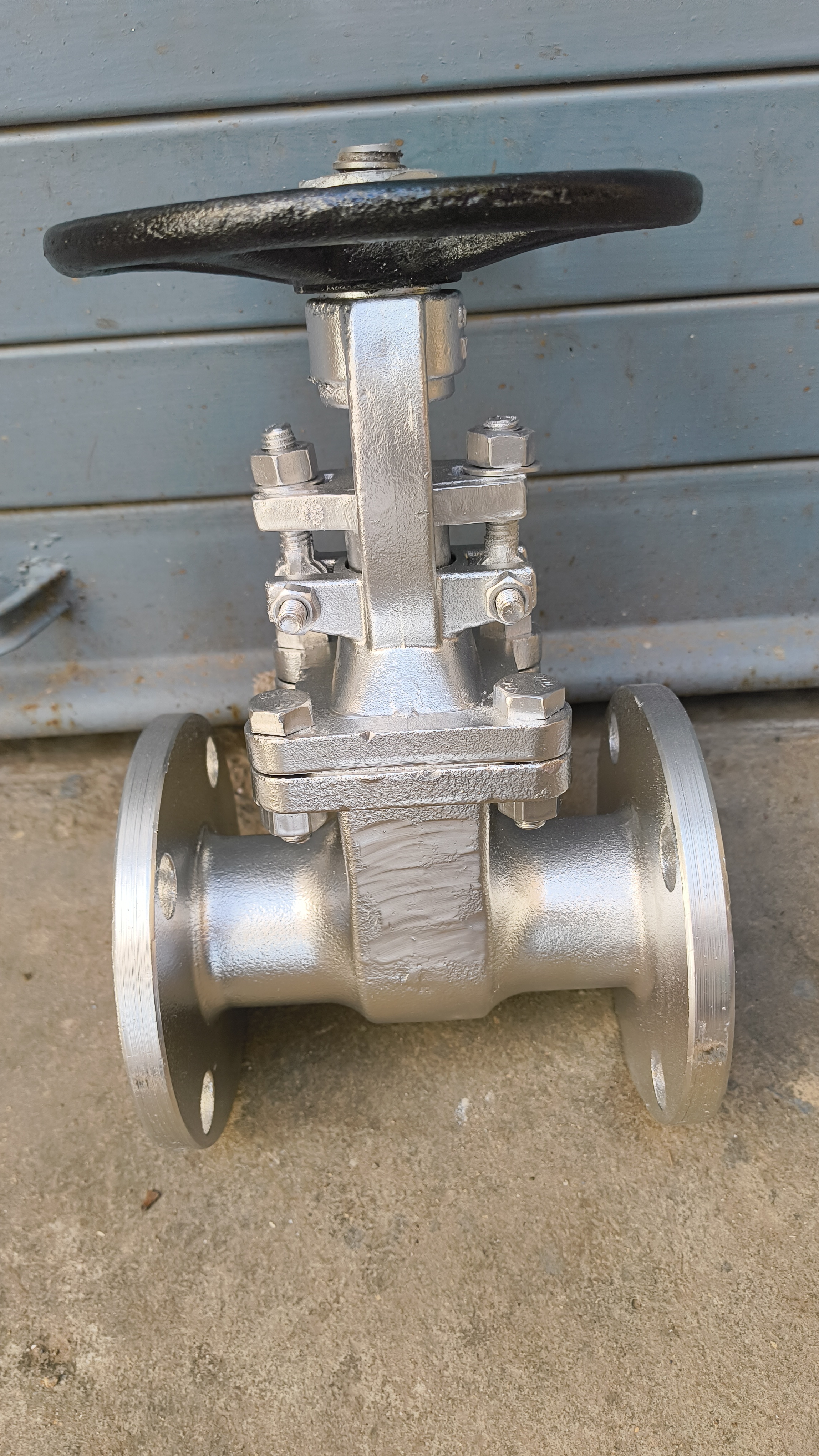
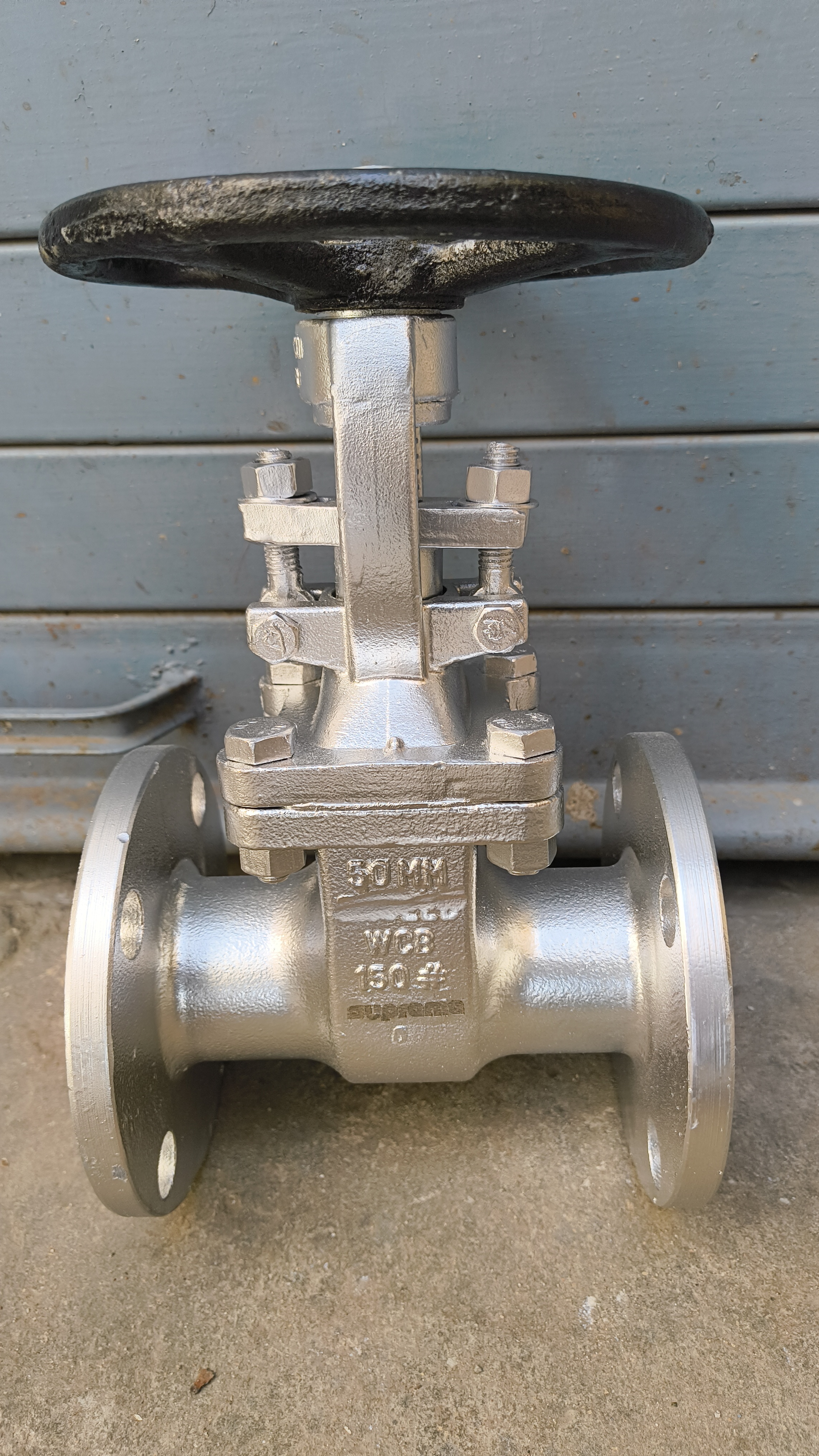
Inverted Bucket Steam Trap
Inverted bucket steam traps for efficient condensate removal in steam systems. Mechanical operation using buoyancy principle — no external power required. Water hammer resistant, continuous air venting, handles variable loads. Cast steel and stainless steel body. Screwed and flanged ends. Sizes ½" to 2".
Quick Summary
Inverted Bucket Steam Trap = Mechanical steam trap that uses an inverted bucket floating in condensate. Steam makes the bucket float (valve closes). Condensate makes the bucket sink (valve opens, drains condensate). Built-in vent hole continuously removes air and CO2. Most water hammer resistant of all steam trap types.
Key Specifications
How the Inverted Bucket Steam Trap Works
Steam Enters
Steam fills the inverted bucket, creating buoyancy. The bucket floats upward, pulling the valve lever to close the discharge orifice. Steam is trapped inside the system.
Steam Condenses
Steam inside the bucket condenses (aided by the vent hole at top). The bucket loses buoyancy and begins to sink under its own weight.
Condensate Discharged
Sinking bucket opens the valve. Condensate is discharged by steam pressure. The vent hole also allows continuous removal of air and CO2. Cycle repeats automatically.
Advantages
Water Hammer Resistant
The bucket mechanism absorbs pressure surges. Most water hammer resistant of all steam trap types — ideal for systems with intermittent loads.
Continuous Air Venting
Small vent hole at top of bucket continuously removes air and non-condensable gases. Fast start-up and efficient heat transfer.
Energy Efficient
Minimal live steam loss. Discharges only condensate and non-condensable gases. Positive shut-off prevents steam wastage.
Variable Load Handling
Automatically adapts to changing condensate volumes. Handles light to heavy loads without adjustment. Self-modulating operation.
Applications
Steam Headers
Main Distribution Lines
Heat Exchangers
Shell & Tube, Plate Type
Process Heating
Tanks, Coils, Jackets
Drip Legs
Condensate Collection
Steam Trap Comparison
Frequently Asked Questions
How does an inverted bucket steam trap work?
Steam fills the inverted bucket → bucket floats → valve closes. Steam condenses inside bucket → bucket sinks → valve opens → condensate discharged. Vent hole at top continuously removes air and CO2. Fully automatic, no external power.
Inverted bucket vs thermodynamic — which is better?
Inverted bucket: better water hammer resistance, continuous air venting, handles variable loads, longer life. Thermodynamic: more compact, cheaper, simpler, works in any orientation. Choose inverted bucket for critical applications with variable loads.
What sizes and connections are available?
½" to 2" with screwed (BSP/NPT) or flanged ends. Cast steel or stainless steel body. Pressure ratings up to 600 PSI. Internal components: stainless steel bucket, hardened valve seat.
Need Inverted Bucket Steam Traps?
Energy-efficient condensate removal. Water hammer resistant. EN 10204 3.1 MTCs. Third-party inspection available.